Mountain Whitefish in Alberta Rivers
Oh, the humble mountain whitefish! It's funny how some fish species seem to steal all the spotlight, while others, like our tenacious mountain whitefish, often get overlooked. Many anglers, especially those just starting their journey in Alberta's beautiful rivers, might even mistake them for something else or simply consider them a "bycatch" while targeting trout. But let me tell you, if you haven't truly appreciated the mountain whitefish, you're missing out on a fantastic, feisty, and genuinely rewarding angling experience. This guide is all about shining a much-deserved light on these incredible fish, helping you understand where they live, how to catch them, and why they deserve a top spot on your fishing adventure list.
Understanding Alberta's Mountain Whitefish
Before we dive into the nitty-gritty of catching them, let's get to know the mountain whitefish a little better. They're often misunderstood, but once you learn their ways, you'll start to appreciate their subtle beauty and spirited fight.
What Makes a Mountain Whitefish Unique?
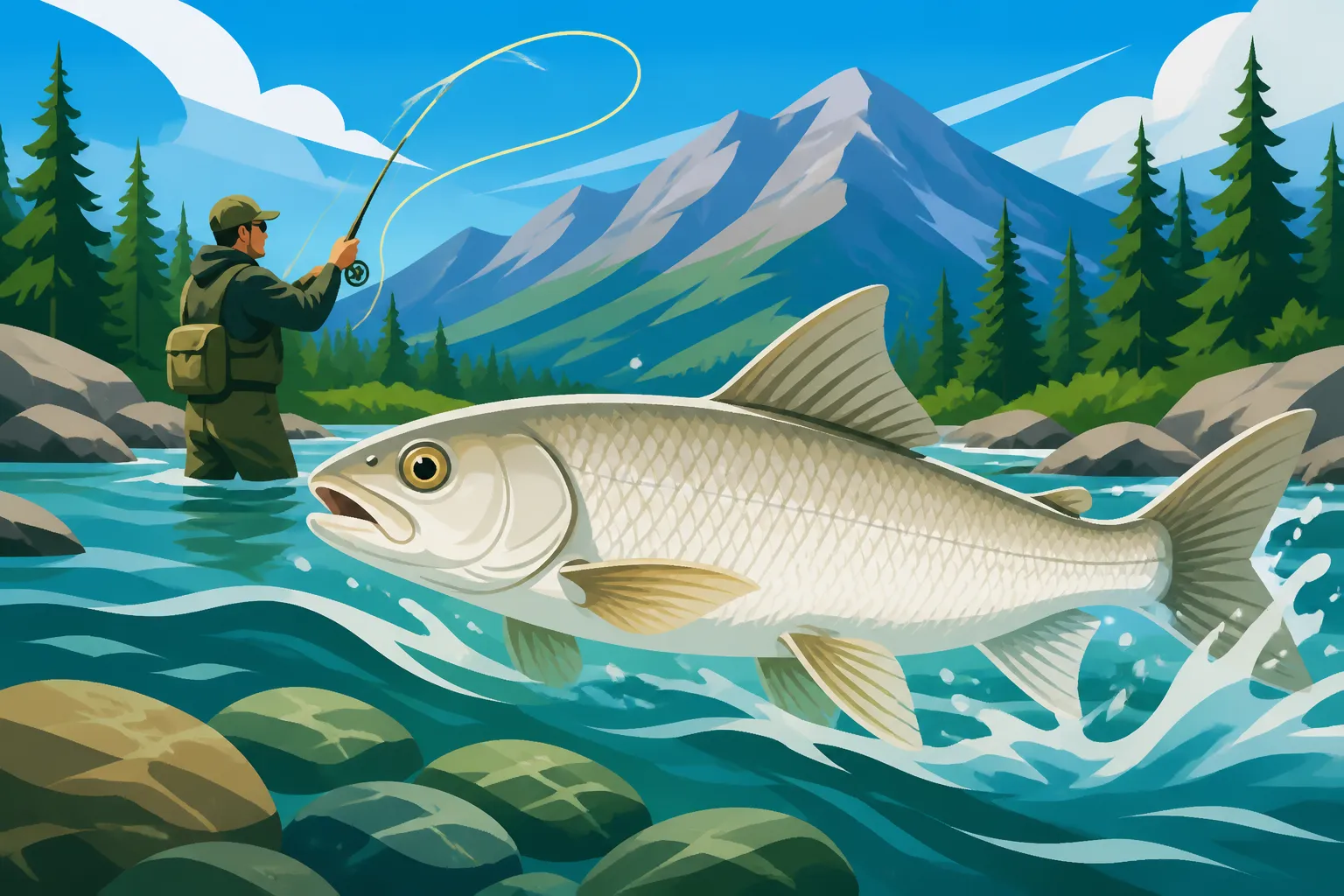
Mountain whitefish, or Prosopium williamsoni, are truly a unique part of Alberta's aquatic ecosystem. At first glance, they might seem a bit plain compared to the vibrant colours of a rainbow trout or the aggressive flash of a pike. They have a slender, elongated body, typically silver to olive-green on top, fading to a creamy white belly. Their scales are relatively large, and they possess a small, subterminal mouth – meaning it's located slightly underneath their snout. This mouth is perfectly adapted for bottom-feeding, which is a huge clue to their diet!
One of the common frustrations anglers face is confusing them with other fish. They can sometimes be mistaken for other whitefish species or even smaller trout. However, a key identifier is that tiny mouth and their lack of teeth on the roof of their mouth, unlike trout. They also have a distinctive adipose fin, just like trout and salmon, but their overall body shape and coloration are different. They're built for life in cold, clear, flowing water, and their streamlined bodies allow them to hold their own in strong currents.
Native Range and Preferred Habitats
As their name suggests, mountain whitefish are right at home in the colder, oxygen-rich waters of mountain and foothill rivers. In Alberta, you'll find them predominantly in the western half of the province, particularly in the drainages that originate in the Rockies. Think about those iconic freestone rivers – clean, clear, and often with significant gravel bottoms – and you're thinking whitefish habitat.
They thrive in rivers with a good mix of riffles, runs, and pools, especially those with plenty of insect life. They particularly love areas where the current slows slightly, allowing them to intercept drifting food, but they'll also forage actively along the bottom of faster runs. Unlike some fish that prefer warmer temperatures, mountain whitefish are cold-water specialists. They are an indicator of healthy, clean river systems. They'll hug the bottom during the day, using the riverbed's contours and structure like submerged rocks and logs for cover from predators and strong currents.
Dietary Habits and Behavior
Understanding what a mountain whitefish eats is crucial to figuring out how to catch them. Their small, underslung mouth tells you a lot – they're primarily bottom feeders. Their diet consists almost entirely of aquatic invertebrates: nymphs, larval insects, caddisfly larvae, stonefly nymphs, and even tiny crustaceans. They're not generally piscivorous (fish-eating) like pike or large trout, although a very large whitefish might opportunistically slurp up a tiny fry if presented with the chance.
Their feeding behavior is quite distinctive. You'll often see them "tailing" in shallower water, much like bonefish on a saltwater flat, as they tip down to root around in the gravel for nymphs. They are generally active throughout the day, but their feeding can intensify during insect hatches or when water conditions are stable. In winter, they become more concentrated in deeper pools, still feeding on available invertebrates, making them a prime target for ice anglers where river conditions allow for safe ice. They tend to school up, especially larger ones, so if you catch one, there's a good chance more are in the vicinity.
Prime Rivers for Mountain Whitefish in Alberta
Alberta is blessed with an abundance of rivers that hold fantastic populations of mountain whitefish. While they generally prefer mountain-fed streams, their range extends into some of the larger prairie-bound river systems as well.
Western Slope Rivers
When most anglers think of mountain whitefish in Alberta, they're picturing the western slope rivers. These are the arteries flowing directly out of the Canadian Rockies, carrying that clean, cold, oxygenated water that whitefish adore. The Bow River, especially the sections Bow River Trout Fishing Near Calgary and upstream, is an absolute powerhouse for whitefish. You'll find them in large numbers in its riffles, runs, and even the slower, deeper pools. They often share their habitat with trophy brown and rainbow trout, making for diverse angling opportunities.
Other fantastic rivers in this region include the Crowsnest River and the Oldman River. These rivers, known for their stunning scenery and excellent trout fishing, are equally productive for whitefish. Look for them in the seams where faster water meets slower water, behind large rocks, or in the depressions of gravel runs. The Highwood River is another gem, offering a more intimate experience for those willing to explore its smaller, winding stretches. In these rivers, whitefish can grow to impressive sizes, sometimes pushing into the 20-inch range, offering a surprising fight on light tackle.
Northern River Systems
While the mountain rivers are famous, don't overlook the potential in Alberta's northern river systems. As you move north, rivers like the Athabasca River and even sections of the Peace River also host mountain whitefish. Here, the water might not always be as crystal clear as their southern counterparts, but the fish are still there, adapting to slightly different conditions.
These larger, often slower-moving rivers in their lower sections might require a bit more searching to locate whitefish, but when you find them, they can be numerous. They'll often concentrate in cooler tributaries or areas with good current and gravel substrate. The key is to look for those transition zones where the river bottom changes, or where incoming cold water from a feeder creek creates an ideal feeding lane. While trout might be less prevalent in these specific sections, the whitefish are definitely a worthy target, providing consistent action.
Lesser-Known Tributaries and Their Potential
Beyond the main arteries, Alberta is crisscrossed with countless smaller tributaries that feed into the larger river systems. Many of these lesser-known streams, particularly those higher up in the foothills and mountains, hold healthy populations of mountain whitefish. These can be incredible places to find solitude and willing biters.
Often, these tributaries are less pressured by anglers targeting trout, making the whitefish more aggressive and less wary. Access might be a bit more challenging – requiring some hiking, bushwhacking, or even careful driving on gravel roads – but the reward is often worth it. These smaller waters can be perfect for honing your light tackle or fly fishing skills. Always remember to check Alberta Fishing Regulations Explained for any specific rules pertaining to these smaller streams, as some may have unique season dates or tackle restrictions. Exploring these hidden gems can lead to some truly memorable fishing days.
Gear and Techniques for Targeting Mountain Whitefish
You don't need highly specialized gear to catch mountain whitefish, but a thoughtful approach will definitely increase your success. They're not always easy to fool, especially the larger, wiser ones.
The Right Tackle Setup
For spin fishing, think light. A light to ultra-light spinning rod, around 6 to 7 feet in length, paired with a small spinning reel spooled with 4-6 pound monofilament or fluorocarbon line is ideal. This setup allows for sensitive feel, which is crucial for detecting their often subtle bites, and it makes even a modest whitefish feel like a trophy. Using a lighter leader, such as 2-4 pound fluorocarbon, can also make a big difference in clear water, as whitefish can be quite line-shy. Many reputable brands offer excellent light tackle rods and reels, and you can find a wide selection of suitable options on Amazon.
For baitcasters, it's generally not the preferred method due to the light lures and baits typically used. However, if you're comfortable with finesse baitcasting gear, you could adapt, but the sensitivity of a spinning setup usually wins out for whitefish. The main thing is to have a rod with a soft tip that transitions into a good backbone – enough to cast small offerings but sensitive enough to detect the slightest tap.
Fly Fishing Tactics
Fly fishing is arguably one of the most effective and enjoyable ways to target mountain whitefish. Their diet of aquatic insects makes them perfect candidates for fly presentations. Nymphing is hands down the most productive method. Think small, heavily weighted nymph patterns that imitate their natural food source. Popular choices include stonefly nymphs (especially Prince Nymphs, Hare's Ears), caddisfly larvae (like larva patterns or a Peasant Tail), and various mayfly nymphs. Dead-drifting these flies along the bottom, often with a strike indicator, will produce results. Focus on the slower edges of fast runs, seams, and the heads and tails of pools.
In late summer and early fall, when larger insects like grasshoppers or ants are active, or during specific hatches, whitefish will occasionally rise to dry flies. Don't be afraid to experiment with small caddis or mayfly patterns during a hatch. While not as common as trout, a whitefish taking a dry fly on the surface is a thrilling experience. For a comprehensive look at what patterns work, consider consulting guides like Fly Patterns for the Bow River, as many of those patterns will also entice whitefish.
Spin Fishing Approaches
If fly fishing isn't your preferred method, spin fishing can be equally effective, provided you adapt your approach. The key is again, small and subtle. Tiny inline spinners, like those from Panther Martin or Mepps, in sizes 0 to 2, can be deadly. Look for natural colors or those with a bit of flash that mimics a small minnow or insect. Cast upstream and retrieve just fast enough to get the blade spinning, letting it drift naturally with the current close to the bottom.
Small jigs, especially those tipped with a piece of worm, a Berkley Gulp! Alive! minnow, or even a small PowerBait Grub, are also highly effective. Focus on jig weights that allow you to reach the bottom without getting constantly snagged in the current. A 1/16 to 1/8 ounce jig head is often perfect. Work these jigs slowly along the riverbed, mimicking an injured or drifting insect. Don't be afraid to try small spoons like a Dick Nite or a Luhr-Jensen Croc – again, in their smaller sizes. Remember, presentation is everything. Mountain whitefish are opportunistic, but they are rarely aggressive in the same way a pike might be.
Seasons and Regulations for Mountain Whitefish
Understanding the seasons and adhering to regulations are paramount to ethical and sustainable fishing in Alberta. Mountain whitefish, while generally plentiful, are still an important part of the ecosystem.
Best Times of Year to Fish
Mountain whitefish can be caught year-round in Alberta, but certain seasons offer better opportunities. Spring, after the initial high water from snowmelt subsides and before the summer heat fully sets in, can be excellent. The fish are often hungry and active. As summer progresses, target them in deeper, cooler sections of rivers, especially during early mornings or late evenings when water temperatures are lower.
Fall is arguably the peak season for whitefish. As water temperatures drop and the fish begin to stage for their own spawning rituals (typically in late fall/early winter), they become very concentrated and aggressive feeders. This is when you can often catch some of the largest whitefish of the year. During winter, if you're targeting them through the ice where safe conditions permit, they'll be found in deeper holes and slower sections, still feeding on bottom-dwelling invertebrates. They often school up in these areas, providing fantastic action once located.
Important Regulations and Limits
Alberta's fishing regulations are designed to protect fish populations, and mountain whitefish are no exception. While they generally have more liberal bag limits than many trout species, it's absolutely crucial to consult the current Alberta Guide to Sportfishing Regulations. This guide is your bible for all things regulatory. It will outline specific bag and possession limits for mountain whitefish, which can vary by river or zone. For example, some rivers might have a general provincial limit, while others, particularly those with special management zones, could have different rules.
Also, be mindful of specific gear restrictions. Some waters might be "fly fishing only" or "single barbless hook" waters, which will apply to whitefish just as they do to trout. Make sure your fishing license is always current, as outlined in the Alberta Fishing License Guide for 2026, and carry your WIN card. Getting familiar with Alberta Bag and Possession Limits by Species will prevent any accidental overharvest or violations. Remember, these regulations are put in place to ensure healthy fisheries for everyone, so take the time to understand them before you head out.
Catch and Release Best Practices
Even though whitefish are often kept for their excellent table fare, practicing catch and release for some, especially the larger breeding fish, is a great way to contribute to healthy populations. Whitefish are generally quite hardy, but proper handling is still important.
When practicing catch and release:
- Minimize Air Exposure: Keep the fish in the water as much as possible. A quick photo is fine, but avoid letting them flop around on dry ground or hold them out of water for extended periods.
- Wet Hands: Always wet your hands before touching the fish. Dry hands can remove their protective slime coat, making them more susceptible to disease.
- Support Their Body: If you must lift them, support their body horizontally, especially heavier fish. Avoid holding them vertically by the jaw or tail only, as this can damage their internal organs and spine.
- Barbless Hooks: Using barbless hooks (or crimping down barbs on barbed hooks) makes removal much easier and reduces stress and injury to the fish. Many trout streams require barbless hooks, and this practice is highly beneficial for whitefish too.
- Revive Gently: If a fish seems sluggish, hold it gently in the current, facing upstream, until it can swim away under its own power. Don't throw it back if it's struggling.
The Often-Underestimated Sporting Fish
Let's be honest, the mountain whitefish isn't always the first fish that comes to mind when you picture an epic Alberta fishing trip. But for those in the know, they offer an incredible experience that deserves recognition.
Why Whitefish Deserve Your Attention
If you've ever hooked into a large mountain whitefish on light tackle, you know exactly what I'm talking about. They are deceptively strong. They'll make powerful runs, especially in current, and often dive deep, trying to rub your line on the bottom. Their fight is often characterized by stubborn resistance rather than acrobatic jumps, but it's a fight that will test your gear and your angling skills.
Beyond their fighting prowess, whitefish are incredibly accessible. They often coexist with trout, meaning you might target trout and get a pleasant whitefish surprise, or vice-versa. They are also prolific, meaning you can often find consistent action, which is fantastic for beginners or for experienced anglers looking for a day with plenty of bent rods. Plus, the sheer beauty of the rivers they inhabit makes every whitefish outing a truly scenic adventure. Don't dismiss them as merely "trash fish" or "bycatch" – they are a true sporting fish in their own right!
Culinary Delights
Okay, let's talk about the other big reason many anglers target mountain whitefish: they are absolutely delicious! Their firm, flaky, white meat is considered a delicacy by many. They have a mild, clean flavor that makes them incredibly versatile in the kitchen. If you're looking for a fish to take home for dinner, a mountain whitefish is an excellent choice.
They can be pan-fried, baked, grilled, or even smoked. My personal favourite is simply pan-frying fresh whitefish fillets with a light seasoned flour dredge – simple, quick, and absolutely heavenly. Just ensure you're within your legal limits for retention and that you're only keeping fish from healthy, clean waters. You'll find that many anglers specifically target whitefish for their culinary value, and for good reason!
Conservation and Future of Whitefish in Alberta
Mountain whitefish play a crucial role in Alberta's river ecosystems. They act as a significant food source for larger predatory fish, birds, and mammals, and as bottom feeders, they help process organic matter in the river. Their presence is also an indicator of healthy, cold-water systems.
While they are generally not considered threatened across their entire range in Alberta, like the Bull Trout: Alberta's Threatened Native Fish, localized populations can certainly be impacted by habitat degradation, pollution, and overfishing. That's why understanding and adhering to regulations, practicing responsible catch and release, and supporting conservation efforts are so important. By appreciating and respecting mountain whitefish, we contribute to the health of our rivers and ensure that future generations of anglers can also experience the thrill of catching these fantastic fish.
It's a wonderful feeling to head out to a river, knowing you might connect with a spirited trout or a feisty whitefish. Both offer their unique challenges and rewards, and embracing the full diversity of Alberta's fisheries just makes the experience that much richer. So next time you're out on a beautiful mountain river, consider putting some dedicated effort into targeting the humble, yet magnificent, mountain whitefish.
| Feature | Mountain Whitefish | Rainbow Trout | Brown Trout |
|---|---|---|---|
| Typical Size (Alberta) | 12-20 inches, 1-3 lbs | 10-25 inches, 1-8 lbs | 10-30+ inches, 1-15+ lbs |
| Mouth Position | Small, subterminal (under snout) | Terminal (at tip of snout) | Terminal (at tip of snout) |
| Diet | Primarily aquatic insects (nymphs, larvae) | Insects, small fish, crustaceans | Insects, crustaceans, large fish, rodents |
| Preferred Habitat | Cold, clear mountain/foothill rivers; gravel bottoms | Cold, clear rivers/lakes; varied structure | Cold, clear rivers/lakes; cover-oriented |
| Fight Characteristics | Strong, deep runs, stubborn bottom fighter | Leaping, hard runs, aggressive | Strong, powerful runs, often subtle initial bite |
| Culinary Value | Excellent, firm white flesh, mild flavour | Good, flaky, mild to moderate flavour | Good, varies with diet, often rich flavour |
Disclaimer
This article is for general informational purposes only and does not constitute professional advice. Laws, prices and regulations vary by location and change over time. Consult a qualified professional for guidance on your specific situation.