Northern Pike Fishing in Alberta
There's nothing quite like the thrill of a northern pike hitting your line – that explosive strike, the powerful runs, and the sheer challenge of landing one of Alberta's most aggressive freshwater predators. Many anglers dream of catching these toothy giants, but often feel overwhelmed by the vastness of Alberta's waters or unsure about the best tactics and gear. This comprehensive guide is here to demystify northern pike fishing in Alberta, covering everything from their habits to the best spots and techniques, so you can confidently pursue these incredible fish and bring home some unforgettable memories.
Understanding Alberta's Northern Pike
Northern pike are truly an iconic species in Alberta, celebrated for their predatory nature and the exciting fight they offer. If you've ever felt that heart-stopping jolt on your line, you know exactly what I'm talking about! They're not just fierce fighters; they're also a vital part of many aquatic ecosystems across the province. Getting to know their biology and behaviour is the first step towards consistent success on the water.
Identifying Northern Pike and Their Characteristics
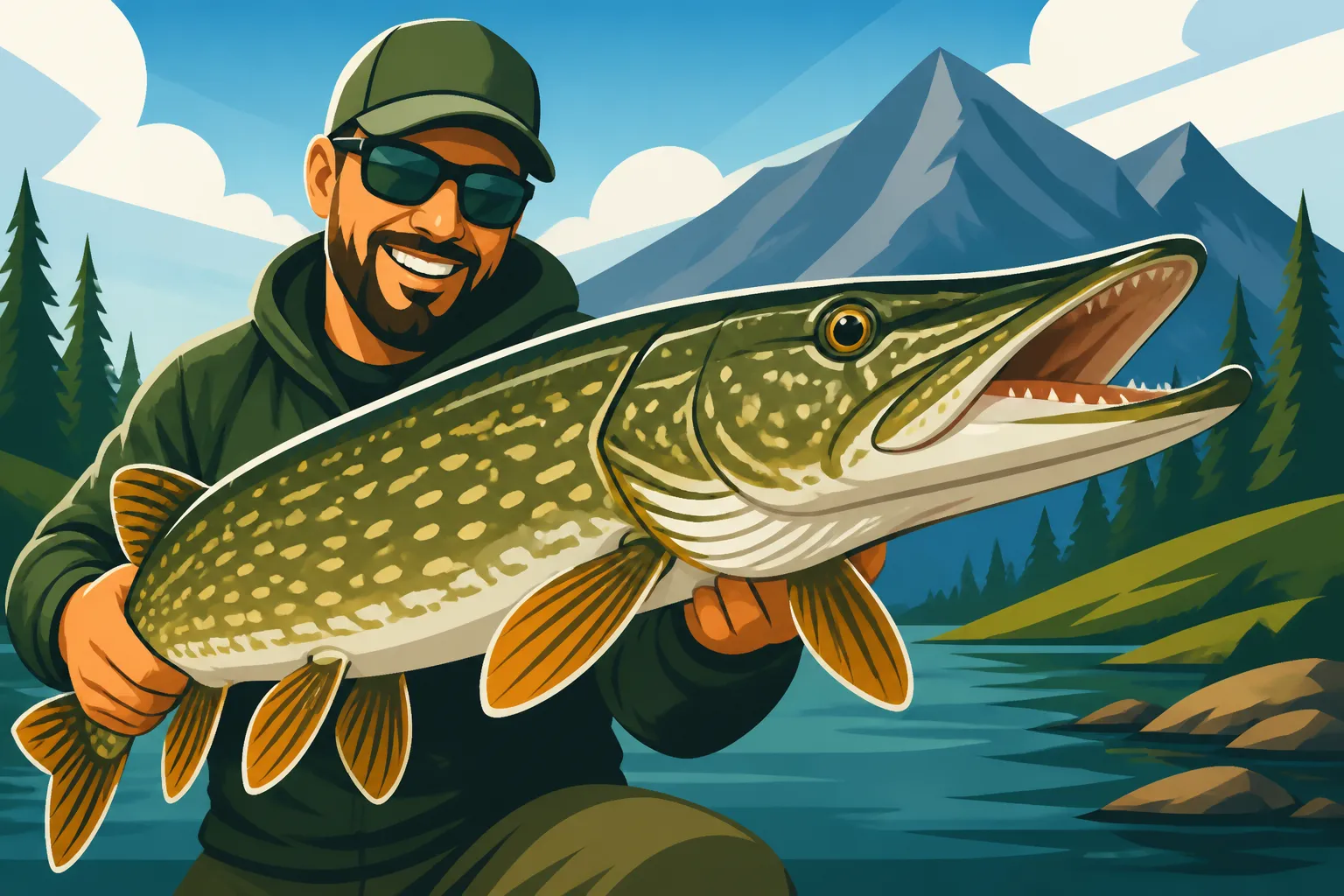
Pike are unmistakable once you've seen one. They have a long, torpedo-shaped body, perfectly designed for ambush predation. Their dorsal fin is set far back on their body, almost directly above their anal fin, which gives them incredible bursts of speed to pounce on unsuspecting prey. Their coloration is typically a dark green to olive green on their back, fading to a lighter, yellowish-white belly, with distinctive light, bean-shaped spots or markings along their sides. This mottled pattern provides excellent camouflage in the weedy shallows where they often hunt.
Perhaps their most famous feature, and certainly the one that demands respect from any angler, is their mouth. It's broad and duckbill-shaped, absolutely packed with rows of razor-sharp, backward-slanted teeth. These teeth are designed to hold onto struggling prey, making them formidable hunters. When you're fishing for pike, understanding this means you need specialized gear to avoid cut-offs and, more importantly, a plan for safe handling to protect both yourself and the fish. Knowing their physical attributes isn't just about identification; it's about understanding what makes them such efficient predators and how you can best approach catching them.
Where Northern Pike Thrive in Alberta Waters
Northern pike are incredibly adaptable, which is why they're found in such a wide variety of habitats across Alberta. They generally prefer cooler, shallower waters, often associated with abundant aquatic vegetation. Think weed beds, lily pads, submerged timber, and reeds – these are their supermarkets and hiding spots rolled into one. They love areas with plenty of cover where they can lie in wait, perfectly camouflaged, ready to dart out and ambush a passing meal.
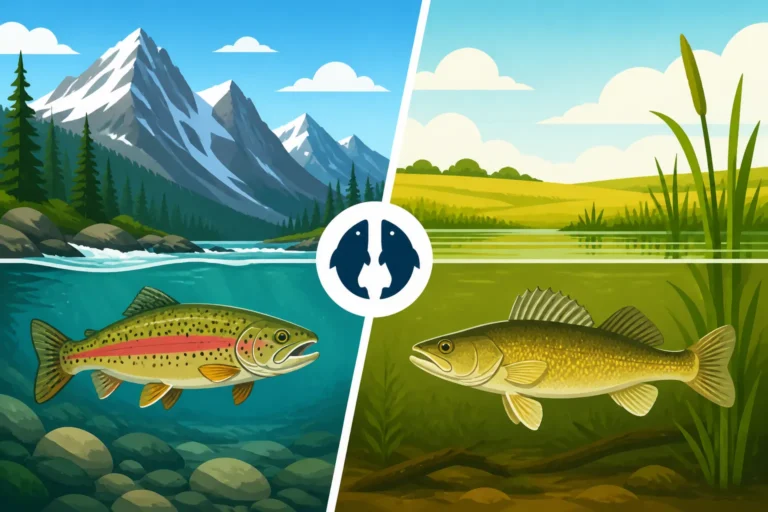
You'll find them in large, shallow prairie lakes like Lesser Slave Lake and Pigeon Lake, as well as in countless smaller ponds, sloughs, and slower-moving sections of rivers. They are less common in very cold, fast-flowing mountain streams where trout dominate, but even there, you might find them in the slower backwaters or reservoir sections. These environments provide them with ample prey – smaller fish, frogs, even ducklings – and the perfect conditions to grow to impressive sizes. Understanding Northern Pike Habits in Alberta Lakes is crucial for pinpointing their preferred haunts and maximizing your chances of a hook-up.
Northern Pike Spawning Habits and Seasons
Pike are early spawners, which is a key piece of information for anglers, as their behaviour changes dramatically around this time. They typically spawn shortly after ice-out, often in April or early May, depending on the specific water body and how quickly the ice melts. Unlike some other fish species that create nests, pike broadcast their eggs over flooded vegetation in very shallow, marshy areas, often in less than a foot of water. The sticky eggs attach to weeds and grasses, where they'll develop.
This post-ice-out period is fascinating because while they're preparing to spawn or have just finished, their feeding patterns can be highly aggressive, or conversely, a bit lethargic immediately after the strenuous act of spawning. However, once they've recovered, they enter a period of intense feeding to regain their strength, making early spring a fantastic time to target them. It's a window of opportunity that many experienced pike anglers eagerly anticipate each year, as the fish are often found in relatively predictable shallow areas.
Prime Northern Pike Fishing Seasons and Times in Alberta
Fishing for northern pike in Alberta isn't a one-season affair. These aggressive predators can be caught year-round, but their behavior and preferred locations shift dramatically with the seasons. Knowing when and where to find them can make all the difference between a slow day and an epic one.
Spring: Ice-Out Action and Pre-Spawn Feeds
Spring, particularly right after the ice retreats, is an exhilarating time for pike fishing. As the ice melts, the shallower areas of lakes warm up first, signaling the pike to move in for spawning. In the days leading up to the spawn, often referred to as the "pre-spawn," pike are incredibly aggressive. They're gorging themselves, building up energy reserves for the reproductive effort. You'll find them cruising the newly ice-free edges, congregating in shallow bays, and near creek mouths where warmer water flows in. They're actively hunting, and almost anything that looks like a meal can trigger a strike.
Once spawning is complete, usually by late April or early May, there might be a brief lull, but it's short-lived. Post-spawn pike are hungry again, driven by the need to replenish their energy. They remain in these shallow, warming areas, especially around developing weed beds and submerged timber, making them accessible to both boat and shore anglers. Large spinnerbaits, spoons, and suspending jerkbaits are fantastic choices now. It's a time of year when you can often sight-fish for them in clear, shallow water, adding to the excitement. For detailed tactics, check out Best Techniques for Early Spring Pike.
Summer: Weeds, Structure, and Topwater Thrills
Summer pike fishing in Alberta moves from the shallow edges to more structured areas as the water continues to warm. While some larger pike might retreat to deeper, cooler water during the hottest parts of the day, many will still be found relating to prime ambush points in shallower zones. Think dense weed lines, patches of lily pads, submerged islands, and deep weed edges. These locations provide cover, cooler water pockets, and an abundant food source.
Early morning and late evening often provide the best action, especially with topwater lures, which offer some of the most heart-stopping strikes you'll ever experience. Imagine a massive pike exploding on your surface lure – it's pure adrenaline! During the heat of the day, working baits deeper into the weeds or along transitions to open water can be productive. Consider fishing drop-offs and points where pike can quickly move between shallow feeding grounds and deeper refuge. Topwater Fishing for Pike in Alberta can lead to some truly memorable catches during the warmer months.
Fall: Aggressive Feeding Before Winter
As the leaves change color and the water temperatures begin to drop, northern pike enter another phase of intense feeding. Fall is arguably one of the best times to target trophy pike in Alberta. They're instinctively packing on weight for the lean winter months ahead, making them incredibly aggressive and willing to chase down larger baits.
During this season, pike often move out of the densest summer weeds, which may be dying back, and begin to patrol rocky points, main lake structures, and deeper weed lines. They're looking for schools of baitfish, which also start to consolidate in preparation for winter. Larger crankbaits, spoons, and big soft plastics are excellent choices. The cooler water also means pike are generally more active throughout the day, not just during the low-light hours. This is a fantastic time for boat anglers to cover a lot of water, searching for active fish that are gorging themselves.
Winter: Ice Fishing for Pike
Don't hang up your fishing gear when the snow flies! Alberta offers fantastic ice fishing opportunities for northern pike, and it's a completely different experience. Once safe ice forms, pike can be found in a variety of locations, often still relating to structure and weed beds in shallower bays, but also venturing into deeper basins as baitfish schools move.
Ice fishing for pike usually involves larger tip-ups rigged with heavy leaders and big dead baitfish like herring or smelts, fished just off the bottom or suspended under the ice. Jigging with large spoons or lipless crankbaits can also be effective, especially if you're actively searching for fish. Remember that safety is paramount on the ice, so always check ice thickness and be aware of conditions. Many anglers brave the cold for the chance at a true winter giant, and the peaceful solitude of ice fishing, punctuated by a screaming tip-up flag, is an experience not to be missed. For more information, you might want to read Ice Fishing in Alberta to prepare for the season.
Essential Gear for Alberta Northern Pike
Fishing for northern pike isn't something you can do with just any old rod and reel. These are powerful, toothy fish, and your gear needs to be up to the challenge. Investing in the right equipment means more landed fish, fewer frustrating break-offs, and a safer experience overall.
Rods and Reels for Handling Toothy Giants
When it comes to rods for northern pike, you're generally looking for something with a medium-heavy to heavy power and a fast action. This setup provides the backbone needed to cast larger lures and to quickly set the hook into a pike's bony mouth. A rod length between 6'6" and 7'6" is versatile for both casting from shore or boat. For many pike applications, especially with heavier baits and in cover, a baitcasting setup is preferred. The baitcasting reel offers more cranking power and better control for precise casts. Look for a reel with a good drag system, as a big pike can make powerful runs.
Spinning gear can certainly work, especially for lighter presentations or if you're just starting out. Opt for a medium-heavy spinning rod and a sturdy reel in the 3000-4000 series. The key is durability and strength. You don't want your gear failing when that trophy pike finally bites! Thinking about where to get your gear? Many specialized fishing stores carry excellent brands, and online retailers like Amazon offer a wide selection, often with customer reviews that can help guide your choice. For more specific recommendations, consider reading Best Baitcasting Reels for Pike Fishing.
Lines, Leaders, and the Importance of Steel
This is where many aspiring pike anglers learn a tough lesson. Pike teeth are like surgical blades, and standard monofilament or fluorocarbon main lines will be cut almost instantly. That's why a robust leader is non-negotiable.
- Main Line: Braided line, typically in the 30-65 lb test range, is an excellent choice for pike. It has virtually no stretch, which gives you excellent feel for subtle bites and powerful hooksets. Its thinner diameter for its strength also allows for longer casts.
- Leader Material: This is the most critical component.
- Steel Leaders: These are the traditional choice and still incredibly effective. They come in various lengths and breaking strengths. Single-strand steel, seven-strand steel, or titanium leaders are all good options. They prevent cut-offs, plain and simple.
- Heavy Fluorocarbon Leaders: While not completely bite-proof, very heavy fluorocarbon (80-100 lb test) can be used, especially in clearer water where pike might be leader-shy. It offers more stealth than steel, but inspect it frequently for nicks and abrasions. I personally prefer steel for absolute peace of mind.
Always use a good quality snap or snap swivel to attach your lure, as this allows for quick changes and prevents line twist. Remember, a pike's teeth are formidable, so don't skimp on a good leader! For deeper insights into line choices, check out Best Line Weight for Pike Fishing.
Must-Have Lures and Baits for Pike
The world of pike lures is vast and exciting, but a few categories consistently produce. Pike are opportunistic feeders, so presentations that mimic struggling baitfish, frogs, or even small mammals are often successful.
| Lure Type | Description | Best Application | Why it Works for Pike |
|---|---|---|---|
| Spoons | Metal lures, often with a wobbling or fluttering action. Come in various sizes, shapes, and colors. | Casting and retrieving over weed flats, open water. Effective for ice fishing. | Mimics injured baitfish, flash attracts attention from a distance. |
| Spinnerbaits | Wire frame with a skirt and one or more blades that spin. | Weedy areas, submerged timber, shallow cover. Can be retrieved slowly or quickly. | Flash and vibration trigger aggressive strikes. Weedless design makes them versatile. |
| Jerkbaits | Hard plastic lures designed to be "jerking" and paused, mimicking an erratic baitfish. Suspending models are popular. | Open water, weed edges, areas where pike are actively cruising. | Erratic, stop-and-go action is irresistible to ambush predators. |
| Crankbaits | Hard-bodied lures with a lip, designed to dive to specific depths. | Trolling, casting in open water or along deep weed lines. | Covers water effectively, reaches different depths, strong vibration. |
| Soft Plastics | Large paddle-tail swimbaits, grubs, or creature baits rigged on heavy jig heads. | Slow retrieves, bouncing off bottom, through cover. | Realistic profile, subtle action. Can be worked slowly to entice lethargic pike. |
| Topwater Lures | Poppers, walk-the-dogs, buzzbaits. Designed to create commotion on the surface. | Shallow, calm water, early morning/late evening. | Explosive, visual strikes are exhilarating. Pike cannot resist a struggling surface meal. |
| Dead Bait | Large frozen baitfish (herring, smelts, suckers). | Still fishing, especially for ice fishing or when pike are less active. | Natural scent and profile. Effective when pike are focused on larger, easy meals. |
For a comprehensive dive into specific lure choices, consult Best Lures for Northern Pike in Alberta. Remember, color can play a role, with bright colors like chartreuse, orange, and firetiger often performing well in stained water, while more natural patterns can be better in clear conditions. Don't be afraid to experiment!
Top Northern Pike Fishing Techniques and Strategies
Catching northern pike is a thrilling pursuit that often requires a blend of power and finesse. These fish are aggressive, but they can also be surprisingly finicky. Mastering a few key techniques will significantly increase your success rate.
Casting and Retrieving: Covering Water for Active Pike
This is arguably the most common and often most effective way to target northern pike. The goal is to cover as much water as possible, presenting your lure to as many potential ambush points as you can. Pike are ambush predators, so they're often tucked away in cover, waiting for something to swim by. Your cast needs to be accurate, landing your lure close to those weed lines, submerged logs, or rock piles.
Once your lure hits the water, the retrieve is crucial. Pike often respond well to erratic movements – a sudden jerk, a pause, or a change in speed can trigger that explosive strike. Don't be afraid to experiment with retrieve speeds. Sometimes a fast, aggressive retrieve will trigger a reaction strike, while other times a slow, methodical presentation will entice a hesitant pike. When casting spoons or spinnerbaits, vary your retrieve by adding twitches or short pauses. With jerkbaits, the "twitch, twitch, pause" cadence is legendary for a reason. Always be ready for a strike, even during the pause! Remember, pike often follow lures for a distance before committing, so retrieve all the way to the boat or shore.
Trolling for Deep-Water Pike
While many pike are caught in the shallows, don't underestimate the power of trolling, especially on larger lakes or during warmer summer months when some bigger pike might retreat to deeper, cooler waters. Trolling allows you to cover vast areas quickly and present lures at consistent depths where pike might be suspended or relating to subtle deep structures.
Deep-diving crankbaits are the go-to choice for trolling. Experiment with different colors and sizes until you find what's working. Pay close attention to your electronics (fish finder!) to identify baitfish schools, changes in depth, or submerged structures. Troll at varying speeds, typically between 2-4 mph, but again, let the fish tell you what they prefer on any given day. Sometimes a subtle speed change or a quick turn of the boat can provoke a strike from a following fish. Trolling is particularly effective for locating active schools of pike on expansive bodies of water and can be a great way to target those elusive, larger fish that often hold in deeper zones.
Still Fishing with Baits: A Patient Approach
Sometimes, the most effective technique for pike is also the most patient: still fishing with natural baits. This method is particularly deadly for ice fishing, but it can also be very effective during open water seasons, especially when pike are less active or when targeting specific holes or areas.
The most common bait used is a large dead baitfish, such as a frozen herring, smelt, or sucker. These can be rigged on a large treble hook or circle hook (for easier release and less gut hooking) and suspended under a bobber or fished on the bottom with a weight. The key is to present a large, natural-looking meal that emits scent, drawing in pike that might not be willing to chase a fast-moving lure. When ice fishing, setting up multiple tip-ups with dead bait allows you to cover a wider area and wait for a pike to commit. Remember, when a flag goes up, give the pike a moment to really take the bait before setting the hook to ensure it's fully committed.
Targeting Pike in Specific Cover and Structure
Pike are masters of ambush, and understanding the types of cover and structure they use is paramount. Instead of randomly casting, focus your efforts on these high-percentage areas.
- Weed Beds: These are pike magnets. Cast to the edges, over the tops (if not too dense), and into pockets within the weeds. Spinnerbaits and weedless soft plastics shine here.
- Submerged Timber & Laydowns: Fallen trees, stumps, and brush piles offer excellent cover. Pike will lie in wait around these structures. Jerkbaits, spinnerbaits, and even topwaters can be effective, but be prepared for snags!
- Drop-offs & Ledges: Areas where the bottom depth changes abruptly are often highways for baitfish and, consequently, excellent hunting grounds for pike. Work crankbaits or jigs along these transitions.
- Points & Narrows: These funnel areas concentrate baitfish and provide prime ambush locations for pike. Cast around points that extend into the lake or river.
- Current Seams: In rivers, look for areas where faster current meets slack water. Pike will often position themselves in the slack water, waiting for food to be swept by.
By actively "reading the water" and identifying these key structures, you're not just fishing; you're hunting. Focus your casts, pay attention to every twitch, and you'll be well on your way to consistent pike action.
Best Northern Pike Fishing Spots in Alberta
Alberta is a fantastic province for northern pike, boasting numerous lakes and rivers where these aggressive predators thrive. While pike can be found in many water bodies, some spots are truly legendary for their numbers and the potential for trophy-sized fish.
Renowned Lakes for Trophy Pike
When we talk about trophy northern pike in Alberta, a few names immediately come to mind. These lakes are famous for producing the kind of fish that make your arms ache and your heart pound.
- Lesser Slave Lake: This massive, shallow lake in northern Alberta is arguably the province's most renowned pike fishery. It's known for both the sheer quantity of pike and the consistent chance at landing giants over 40 inches. The lake's vast weed beds, numerous bays, and abundant forage create the perfect environment for pike to grow large. Spring and fall are prime times, but summer pike fishing is also exceptional, especially around the extensive weed lines. Lesser Slave Lake Walleye Fishing is often discussed, but the pike fishery here is equally spectacular.
- Cold Lake: Located on the Alberta-Saskatchewan border, Cold Lake is primarily famous for its lake trout, but it also holds a significant population of very large northern pike. While it's a deeper, colder lake, its shallower bays and weed-choked areas can produce massive pike, particularly in spring and fall. These fish often feed on the abundant cisco and whitefish, allowing them to reach impressive sizes.
- Peerless Lake & Graham Lake: Further north, these lakes offer incredible, often less-pressured, pike fishing. They are known for their wilderness setting and the potential for truly enormous pike. Access can be more challenging, often requiring remote travel or floatplane access, but the rewards can be legendary. The pike here often see fewer lures and are incredibly aggressive.
These lakes aren't just great for numbers; they consistently produce the kind of pike that make for unforgettable stories and photos. When planning a trip to these spots, always check the local regulations, as some areas might have specific rules for pike management.
Rivers and Smaller Lakes Offering Great Pike Action
Beyond the big trophy lakes, Alberta has a wealth of rivers and smaller lakes that offer fantastic, more accessible pike fishing. These spots might not always produce 20-pounders, but they offer consistent action and are perfect for a day trip.
- North Saskatchewan River: While more famous for walleye and sauger in some sections, the slower-moving sections and backwaters of the North Saskatchewan River near cities like Edmonton can hold very respectable pike. Look for eddies, log jams, and areas with submerged vegetation. Access is often easy, making it a popular choice for urban anglers.
- Red Deer River: Similar to the North Saskatchewan, the Red Deer River has slower stretches and oxbows that provide excellent pike habitat. Target the slower pools, backwaters, and areas with shoreline cover. Red Deer River Fishing Spots often include good pike potential, especially in the central and eastern parts of the province.
- Pigeon Lake: A large, shallow prairie lake south of Edmonton, Pigeon Lake is a fantastic family-friendly fishery. It's brimming with pike of all sizes, along with abundant walleye and perch. Its extensive weed beds and relatively consistent depths make it easy to find pike, particularly during the summer months. It's a great lake for both boat and shore anglers.
- Keho Lake: Located near Lethbridge, Keho Lake is another productive prairie lake known for its pike population. It's shallower and can warm up quickly, making for active pike, especially in spring and fall. The lake has good public access, making it a convenient option for southern Alberta anglers.
These diverse options ensure that no matter where you are in Alberta, you're likely not far from some great pike fishing. They offer a chance to catch plenty of fish, often in scenic settings, without the pressure of chasing only monster trophies.
Ice Fishing Hotspots for Northern Pike
Ice fishing for pike is a popular winter pastime in Alberta, and certain lakes consistently deliver when the hard water season arrives. The thrill of a tip-up flag flying up on a cold winter day is truly something special.
- Lesser Slave Lake: Yes, it's a powerhouse for open water and ice fishing! The shallower bays and extensive weed flats of Lesser Slave Lake are phenomenal for pike through the ice. Anglers use large dead baits on tip-ups, often set up in conjunction with portable shelters. The sheer size of the lake means there's always a new spot to explore. It's often listed among the Best Ice Fishing Lakes in Alberta for good reason.
- Gull Lake: Another popular prairie lake, Gull Lake, north of Red Deer, provides excellent ice fishing for pike. Its relatively consistent depth and weed beds hold plenty of active fish throughout the winter. It's easily accessible and has multiple points for ice access.
- Pigeon Lake: Just like in summer, Pigeon Lake is a reliable ice fishing spot for pike. The shallow, weedy nature of the lake means pike remain active and accessible under the ice. It’s a great choice for families and those looking for consistent action.
- Lac Ste. Anne: West of Edmonton, Lac Ste. Anne is a productive lake for various species, including northern pike through the ice. Its diverse structure and ample forage keep pike well-fed and aggressive throughout the winter.
When ice fishing, always prioritize safety. Check ice thickness regularly, go with a buddy, and inform someone of your plans. But for those willing to brave the cold, these lakes offer some of Alberta's finest winter pike action.
Northern Pike Regulations, Limits, and Conservation in Alberta
Fishing for northern pike in Alberta isn't just about catching fish; it's also about being a responsible angler and contributing to the conservation of this incredible resource. Understanding and adhering to the regulations is crucial for ensuring healthy pike populations for future generations.
Alberta's Northern Pike Limit and Size Restrictions
Alberta's fishing regulations are designed to manage fish populations sustainably, and northern pike are no exception. The rules can vary significantly depending on the specific water body and fishing zone, so it's absolutely vital to consult the current Alberta Guide to Sportfishing Regulations before you head out. This guide, published annually by Alberta Environment and Protected Areas, is your bible for understanding what you can and cannot do.
Generally, you'll find regulations for pike that include:
- Daily Bag Limit: This is the maximum number of pike you can keep in a single day.
- Possession Limit: This is the maximum number of pike you can have on your person or in your possession, including fish at your camp or home, whether fresh, frozen, or processed.
- Size Restrictions: Often, there will be minimum or maximum size limits, or slot limits. A slot limit means you can keep fish within a certain size range, but not smaller or larger than that range. For example, a regulation might state "Pike: 1 over 63 cm." This means you can keep one pike, but it must be over 63 centimetres, and you cannot keep any under that size. Other lakes might be "zero possession" for pike, meaning all pike must be immediately released.
These regulations are put in place to protect larger, spawning-size fish, which are vital for reproduction, or to allow smaller fish to grow. Ignoring these rules can lead to significant fines. Always double-check the specific regulations for the lake or river you plan to fish. You can find general information on Alberta Bag and Possession Limits by Species and specifically for pike under Alberta Northern Pike Limit.
Important Catch and Release Practices for Pike
Given their aggressive nature and the desire to protect larger pike, effective catch and release practices are extremely important. Pike are hardy fish, but their powerful jaws and sharp teeth can make unhooking them challenging, increasing the risk of injury to both fish and angler.
Here's how to maximize a pike's survival rate when practicing catch and release:
- Minimize Fight Time: Use appropriate gear (strong rods, reels, and line) to land the fish as quickly as possible without over-stressing it. A prolonged fight can exhaust the fish, making recovery difficult.
- Use Barbless Hooks: Crimping down the barbs on your hooks or using specialty barbless hooks makes removal much easier and less damaging to the fish's mouth. Some special regulation waters in Alberta mandate barbless hooks.
- Proper Landing Net: Use a large, knotless, rubber-coated landing net. This material is gentler on the fish's slime coat and fins than traditional knotted nylon nets.
- Safe Handling: This is critical.
- Don't Grab by the Gills: Never hold a pike by its gills or gill plate. This can cause severe internal damage.
- Lip Grippers or Hand: If using lip grippers, ensure they support the weight of the fish. Alternatively, you can slide your hand under the gill plate, gripping the lower jaw. Be careful of the teeth. Some anglers use a "tail grab" or support the body with one hand and quickly remove the hook with the other.
- Keep it Wet: Keep the fish in the water as much as possible, especially during hook removal and photography. Its gills need water to breathe, and its slime coat protects it from disease.
- Quick Hook Removal: Have long-nosed pliers or a jaw spreader and hook cutters readily available. If the hook is deeply embedded, cut the line and leave the hook rather than trying to tear it out. Stainless steel hooks will eventually rust away.
- Revive the Fish: If the fish seems stressed, hold it gently in the water, facing into any current, until it can swim away under its own power. Never throw it back into the water.
By following these practices, you give that magnificent pike the best chance to recover and grow even larger, contributing to Alberta's future fishing opportunities.
Protecting Alberta's Pike Population
Conservation efforts for northern pike in Alberta extend beyond individual angler practices. Fisheries biologists regularly monitor pike populations, assess habitat health, and implement regulations to ensure sustainable management. Overharvesting, habitat degradation, and invasive species are all threats to pike populations.
Anglers play a vital role in these efforts. Beyond following regulations and practicing responsible catch and release, you can contribute by:
- Reporting Poaching: If you see any suspicious or illegal fishing activity, report it to the Report A Poacher line.
- Cleaning Up: Always pack out what you pack in, and remove any litter you find. Healthy shorelines and clean water are essential for healthy fish.
- Preventing Invasive Species: "Clean, Drain, Dry" your boat and gear after every outing to prevent the spread of aquatic invasive species, which can devastate native fish populations and their habitats.
- Participating in Surveys: Some fishing lodges or organizations might participate in creel surveys or other data collection efforts. Your participation helps inform management decisions.
By being informed, responsible, and actively participating in conservation, you become a steward of Alberta's fisheries, helping to ensure that the thrill of pike fishing remains for generations to come. Alberta Bag and Possession Limits by Species also touches on the larger conservation goals behind the rules.
Safety Considerations for Pike Anglers
Fishing for northern pike is an exhilarating experience, but it also comes with unique safety considerations, primarily due to their formidable teeth and the environments where they live. Being prepared for potential hazards protects both you and the fish.
Handling Pike Safely: Protecting Yourself and the Fish
The most immediate safety concern when handling a pike is its mouth full of razor-sharp teeth. A pike's bite can cause deep lacerations and is not something you want to experience firsthand.
- Tools, Not Hands: Always have the right tools on hand:
- Long-nosed pliers or forceps: Essential for reaching deep into the mouth to remove hooks safely.
- Jaw spreader: Helps keep the pike's mouth open for easier, safer hook removal, especially with larger fish.
- Lip grippers: A great way to control the fish without touching its teeth. Ensure they support the fish's weight if you lift it.
- Thick gloves (optional but recommended): Some anglers prefer a thick, puncture-resistant glove on their handling hand for added protection.
- Control the Head: A thrashing pike can quickly turn an exciting moment into a trip to the emergency room. Once the fish is in the net, keep its head subdued. If using lip grippers, you have good control. If handling by hand (carefully, by sliding your hand under the gill plate to grasp the lower jaw, avoiding the actual gills), ensure a firm but gentle grip.
- Observe Before Acting: Before you reach for the hook, take a moment to assess the situation. Is the hook easily accessible? Is the fish calm or thrashing? Plan your hook removal to be swift and efficient.
- Support the Body: When lifting a pike for a photo, always support its body, especially if it's a larger fish. A hand under the belly helps distribute its weight and reduces stress on its internal organs and jaw.
- Barbless Hooks are Safer: As mentioned earlier, barbless hooks not only help the fish but significantly reduce the risk of a hook-related injury to the angler during removal.
Remember, a quick, efficient, and safe release is best for the fish. Practice these techniques to ensure a positive experience for everyone involved. Best Pike Gear for Alberta Lakes will highlight some of these essential safety tools.
Boating and Ice Safety Specific to Pike Fishing
Pike fishing often takes you to prime locations like large lakes, rivers, or ice-covered expanses, all of which come with their own set of safety concerns.
Open Water Boating Safety:
- Weather Awareness: Alberta weather can change rapidly. Always check the forecast before heading out and be prepared for sudden storms, strong winds, or temperature drops. Larger lakes, like Lesser Slave Lake, can become very rough very quickly.
- Required Safety Equipment: Ensure your boat is equipped with all necessary safety gear, including life jackets (properly fitting for everyone on board), a bailing device, signaling devices (whistle, flares), a paddle or oar, and a throw bag.
- Know Your Limits: Don't overload your boat, and be aware of your vessel's capabilities, especially in rough water. If in doubt, stay on shore.
- File a Float Plan: Let someone know where you're going and when you expect to return.
- Navigation: Be aware of submerged hazards like rock piles, shoals, or shallow weed beds, which can be prime pike habitat but also dangerous for propellers and boat hulls.
Ice Fishing Safety:
- Check Ice Thickness: This is the golden rule of ice fishing. Always check the ice thickness regularly with an auger or spud bar as you venture out. Never assume the ice is safe. General guidelines for safe ice thickness exist, but local conditions can vary wildly.
- Go with a Buddy: Never ice fish alone. In case of an emergency, a second person can be a lifesaver.
- Bring Safety Gear: Essential ice safety gear includes ice picks (worn around your neck for easy access), a rope, a spud bar (to test ice), and a fully charged cell phone.
- Dress Appropriately: Layers are key for staying warm, and waterproof outer layers are a must.
- Avoid Risky Areas: Steer clear of river currents, inlets, outlets, pressure ridges, and areas with inconsistent ice.
- Know the Water Body: Be aware of potential hazards under the ice that might weaken it.
Whether on open water or ice, responsible angling means prioritizing safety. These measures aren't just recommendations; they are vital for ensuring you have a safe and enjoyable pike fishing adventure in Alberta.
First Aid for Common Fishing Mishaps
Even with the best precautions, accidents can happen. Being prepared with a basic first aid kit can make a big difference for common fishing mishaps.
- Hook Removal Kit: Beyond the tools mentioned for fish handling, a small personal kit for removing hooks from yourself is invaluable. This might include sterilized pliers, antiseptic wipes, and bandages. Knowing the "string trick" for removing barbed hooks can also be very helpful.
- Cuts and Scrapes: Pike teeth, sharp hooks, and even rocky shorelines can lead to cuts and scrapes. Your kit should have antiseptic wipes, various sizes of bandages, and medical tape.
- Sunburn and Insect Bites: Alberta summers can be intense, and insects (especially mosquitoes and horseflies) can be relentless. Include sunscreen, insect repellent, and after-bite cream.
- Hypothermia/Frostbite: If fishing in colder weather or on the ice, be aware of the signs of hypothermia or frostbite. Bring extra warm layers, hand warmers, and a thermos of a hot drink. In your first aid kit, include emergency blankets.
- Allergies: If anyone in your group has severe allergies (e.g., bee stings), ensure they have their prescribed medication (like an EpiPen) and that everyone knows how to use it.
A well-stocked, easily accessible first aid kit should be a permanent fixture in your fishing gear, whether you're heading out for an hour or a multi-day trip. Being prepared for minor injuries allows you to address them quickly and continue enjoying your time on the water, pursuing Alberta's magnificent northern pike.
Disclaimer
This article is for general informational purposes only and does not constitute professional advice. Laws, prices and regulations vary by location and change over time. Consult a qualified professional for guidance on your specific situation.