How to catch holdover trout in Alberta
Catching trout in Alberta can be an incredibly rewarding experience, but if you've ever tried your hand at a "stocked pond" only to find the fish seemingly vanish after the initial rush, you've likely encountered the elusive world of holdover trout. These aren't the fresh-from-the-hatchery, naive eaters; holdovers are the wily survivors, the trout that have made it through at least one season, adapting to their wilder surroundings and becoming much, much smarter. This guide will dive deep into understanding these clever fish and equip you with the knowledge and tactics needed to trick them into biting, turning your frustration into triumph.
Understanding Holdover Trout: More Than Just a Stocked Fish
When Alberta Fisheries stocks a lake or pond, they typically release a generous number of trout, often rainbows, brookies, or even some browns, to provide accessible fishing opportunities. Initially, these fish are pretty easy to catch—they're used to being fed and aren't particularly wary. But as the season progresses, and especially if they survive through winter, these fish undergo a remarkable transformation. They become "holdovers," and their behaviour changes dramatically.
The Survival Instinct Kicks In
Holdover trout are survivors, plain and simple. They've learned to forage for natural food sources like aquatic insects, minnows, leeches, and crustaceans, rather than just pelleted feed. This shift in diet makes them more selective and wary of artificial presentations. Think about it: a fish that's seen a hundred PowerBait balls float by is going to be a lot more cautious than one that's never seen a hook. They've also learned to avoid predators, both natural (like ospreys, otters, and larger fish) and human (anglers!), seeking out deeper, cooler water, or dense cover.
Beyond just their diet, holdovers develop a keen sense of their environment. They learn where the safe zones are, where the best feeding lanes are, and how to react to shadows, vibrations, and unusual movements on the bank or above the water. This heightened awareness is why an approach that worked wonders on freshly stocked fish might completely fail on holdovers. They're no longer the easy targets; they've become masters of their domain.
Distinguishing Holdovers from Fresh Stockers
Sometimes it's hard to tell if you're casting to a fresh fish or a cunning holdover. Generally, holdovers tend to be larger than the average stocker, having had more time to grow. Their fins might be more developed and less "nipped" or worn, a common trait of hatchery fish kept in crowded conditions. Their colours also deepen and become more vibrant, reflecting their natural diet and active foraging habits, compared to the often paler, more uniform coloration of new stockers.
Observing their behaviour is another key indicator. Fresh stockers might dart around erratically, schooling tightly, and showing little fear. Holdovers, on the other hand, will often be more solitary or in loose schools, holding tight to structure, and exhibiting extreme caution. A cast that lands too heavy, a shadow that crosses the water, or even bright clothing on the bank can send them scattering. You'll find these fish often patrol the deeper, cooler sections of lakes and ponds, particularly during warmer months, or hunker down in current breaks and undercuts in rivers and streams.
Locating Elusive Holdovers in Alberta Waters
Finding holdover trout requires a different approach than simply casting into the middle of a stocked pond. These fish are habitat-oriented, meaning they seek out specific conditions that offer food, shelter, and comfort. Understanding these preferences is your first step to success.
Deep Water and Thermal Refuges
As temperatures rise, especially during Alberta's summer months, holdover trout will retreat to the cooler, more stable temperatures found in deeper water. This is a physiological necessity for trout, which thrive in colder environments. Look for areas with significant depth changes, submerged channels, drop-offs, or the deepest sections of a lake or pond. These spots act as thermal refuges, providing a comfortable zone where fish can remain active without the stress of warm surface waters.
Even in winter, deep water can be key for ice fishing, offering consistent temperatures below the ice. Using a fish finder becomes invaluable here, as it can help you map out these underwater contours and identify where fish are suspended. Without a finder, focus your efforts around known deep spots or structural elements indicated on bathymetric maps. You're essentially looking for their comfort zone, and in most Alberta waters, that means cool, oxygenated depths.
Structure and Cover: The Trout's Safe Haven
Holdover trout are experts at using structure and cover to their advantage. This includes submerged logs, rock piles, weed beds (especially those with open pockets), undercut banks, overhanging trees, and even old dock pilings. These features provide vital protection from predators, both avian and aquatic, and also serve as ambush points for feeding. A large weed bed, for instance, might hold a surprising number of holdovers hidden within its dense foliage.
In rivers and streams, look for current breaks like large boulders, fallen trees, or eddies behind points of land. These allow trout to rest out of the main current while still being close to a conveyor belt of food. Undercut banks provide overhead cover and often extend into deeper water. Don't overlook the obvious spots, but also scrutinize areas that might seem subtle at first glance. A single large rock in a barren stretch of bottom could be holding a trophy holdover. Remember, they've learned to be wary, so they'll choose spots that offer them a quick escape or excellent camouflage.
Inflow and Outflow Points
Anywhere water flows in or out of a lake or pond can be a magnet for holdover trout. Inflow points, such as streams or creeks, bring in cooler, oxygenated water, which is a huge draw for trout. They also transport a constant supply of natural food, like insects, larvae, and small baitfish, creating a buffet line for waiting fish. These areas can be especially productive after a rain, when increased flow dislodges more food items.
Outflow points, like spillways or dam outlets, also create unique feeding opportunities. The current here can concentrate baitfish or create turbulent areas that disorient prey, making it easier for trout to feed. Always approach these areas with caution, as the fish here are likely to be very sensitive to disturbance. Consider casting from a distance or using a stealthy approach, especially on clear days. These zones are often high-traffic for fish, but also for anglers, so the trout tend to be extra skittish.
Tackle and Techniques for Holdover Trout Success
Successfully landing holdover trout demands finesse, patience, and often a departure from the "power fishing" approach used for fresh stockers. Your gear and how you present your offerings will make all the difference.
Light Line and Finesse Presentations
Holdover trout, having survived previous encounters, are incredibly line-shy. Heavy monofilament or braid can be easily seen in clear Alberta waters, sending these discerning fish fleeing. Opt for lighter fluorocarbon leaders, typically 4-6 lb test, attached to your main line. Fluorocarbon is nearly invisible underwater due to its refractive index being similar to water, and it's also more abrasion-resistant, which is a bonus around structure. Best Fluorocarbon Line for Clear Water Trout is a great resource if you're looking to upgrade your setup.
Your presentations need to be subtle and natural. Think small spinners, tiny spoons, soft plastics mimicking worms or minnows, and, of course, a variety of flies. The goal is to make your bait appear as natural and unthreatening as possible. A slow, gentle retrieve is often more effective than a fast, erratic one, allowing the fish time to inspect and commit. If you're struggling to get bites, try scaling down your lure size and line weight even further. Sometimes, the smallest change can trigger a strike from a hesitant fish. You'll find a wide selection of these specialized baits on Amazon.
Matching the Hatch (or the Forage)
One of the biggest lessons holdover trout teach is the importance of "matching the hatch" – or, more broadly, matching their natural forage. Gone are the days when any brightly coloured bait would do. You need to observe what the fish are actually eating. Are there insects hatching on the surface? Are minnows schooling nearby? Are there leeches present in the water?
| Natural Forage | Effective Artificial Imitation | When to Use |
|---|---|---|
| Mayflies, Caddisflies, Midges | Dry Flies, Nymphs | Insect hatches, calm mornings/evenings |
| Small Minnows, Fry | Small Spinners, Spoons, Streamers | After rain, near baitfish schools |
| Leeches, Worms | Soft Plastic Worms, Marabou Jigs | Deeper water, low light, muddy conditions |
| Crayfish, Scuds | Small Jigs, Crayfish Imitations | Rocky bottoms, clear water |
Carrying a variety of baits and being willing to switch until you find what works is crucial. If you see fish rising, try a dry fly that matches the size and colour of the naturals. If you see baitfish being chased, a small, silver spoon or minnow-imitating crankbait might be the ticket. Pay attention to the colours, shapes, and movements of the natural food items in the water you're fishing.
Fly Fishing: The Ultimate Finesse
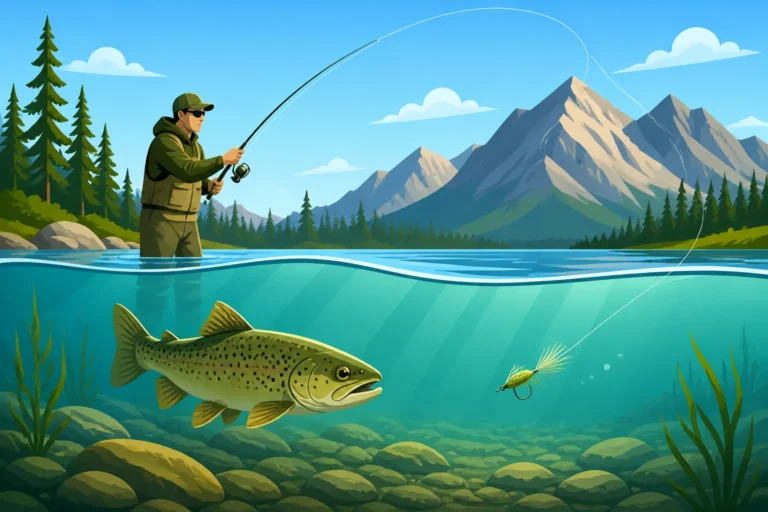
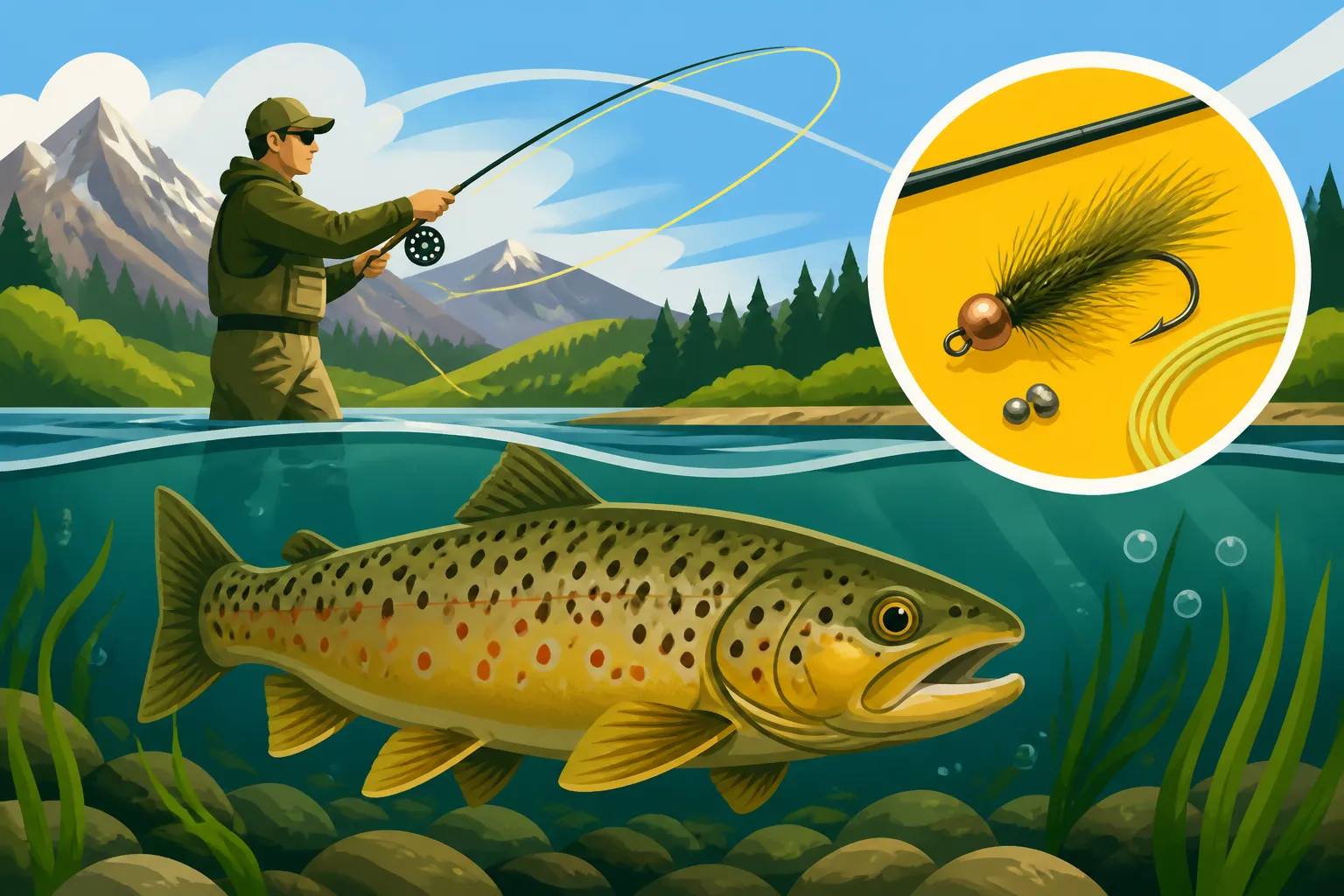
For many anglers, fly fishing is the most effective way to target holdover trout, particularly in rivers and larger ponds where Fly Fishing for Trout on the Bow River or How to Fish the Crowsnest River for Trout are popular pursuits. The delicate presentation of a fly, whether a dry fly, nymph, or streamer, often fools even the wariest of fish. Nymphing under an indicator allows you to present tiny insect imitations right in the feeding lane without spooking fish with heavy weights.
For surface feeders, a perfectly presented dry fly can be irresistible during a hatch. Streamers, fished to imitate baitfish, are fantastic for aggressive holdovers hunting larger meals. Learning to read the water, understanding trout feeding behaviour, and mastering a delicate cast are all skills that will greatly improve your chances. Even if you're primarily a spin-fisherman, considering a lightweight fly rod for holdovers is a worthwhile investment. The natural drift and presentation are hard to beat.
Stealth and Patience
This can't be stressed enough: holdover trout are incredibly spooky. Any sudden movements, loud noises, or bright clothing can send them into hiding. Approach your fishing spots slowly and quietly. Use natural cover on the bank to your advantage, keeping a low profile. If you're wading, move slowly and deliberately.
Patience is equally important. Don't expect instant bites like you might with fresh stockers. You might need to make dozens of careful casts to a promising spot before a fish decides to take your offering. Take your time, observe the water, and adjust your tactics if you're not getting any action. Sometimes, simply waiting five or ten minutes after a cast has spooked fish can allow them to settle down and resume feeding. Think like a hunter, not a casual fisherman.
Seasonal Considerations for Holdover Trout
The behaviour of holdover trout changes significantly with the seasons, largely driven by water temperature and food availability. Adapting your strategy to the time of year is paramount for consistent success.
Spring: Post-Winter Awakening
As Alberta thaws in spring, holdover trout begin to shake off the sluggishness of winter. Water temperatures are still cool, and fish will often be found in shallower areas, especially near stream inlets where warmer water and new food sources enter the lake or pond. This is a time of increased activity as they look to replenish energy reserves after the lean winter months. Spring Trout Fishing Techniques for Alberta Streams can offer more insights into this prime season.
Focus on slow retrieves with small spoons, spinners, or weighted nymphs. Mid-day can be particularly productive as the sun warms the shallower water. Fish may be found cruising the shorelines or congregating around new weed growth. As insect hatches begin, especially midges and caddis, dry fly fishing can pick up, offering exciting surface action. Don't be afraid to experiment with slightly more active presentations than in colder months, but always be mindful of their still-wary nature.
Summer: Deep and Shady Retreats
Summer presents the biggest challenge for holdover trout anglers, especially in smaller lakes and ponds where water temperatures can rise dramatically. As discussed, holdovers will retreat to the deepest, coolest parts of the water body during the day. Early morning and late evening, when surface temperatures are lower and light levels are subdued, offer the best chances for fish to move into shallower feeding areas.
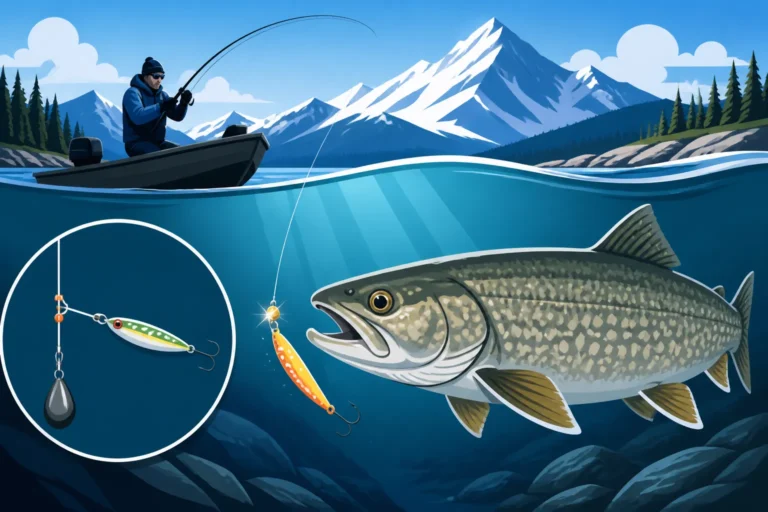
During peak daylight hours, you'll need to target those deep-water refuges with precision. Downrigging small spoons or gang trolls can be effective from a boat, or using weighted nymph rigs and streamers if fishing from shore or a float tube. Focus on shaded areas, submerged structure, and steep drop-offs. If the water is too warm, consider focusing your efforts on larger, deeper lakes like Cold Lake or mountain streams where cold, oxygenated water is more readily available. Always prioritize catch and release during warm water periods to minimize stress on these valuable fish.
Fall: The Pre-Winter Feast
Fall is often considered one of the best times to target holdover trout in Alberta. As water temperatures begin to drop, fish become much more active and aggressive, feeding heavily to build up fat reserves for the coming winter. They'll move out of the deepest water and can be found cruising shallower flats, weed lines, and structural elements with renewed vigour.
This is a prime time for throwing larger streamers, spoons, and spinners. The fish are often less line-shy and more willing to chase a meal. Look for trout actively feeding on minnows or larger insects. Early fall can still see strong insect hatches, making dry fly fishing productive, but as the water cools, subsurface presentations typically become more dominant. Fall fishing offers a fantastic opportunity to hook into some truly big, strong holdovers that have been growing all season.
Winter: Ice Fishing Opportunities
Ice fishing offers a unique way to target holdover trout. Once lakes and ponds are safely frozen over, fish typically hold in deeper basins or near submerged structure where oxygen levels are stable and food might be concentrated. While their metabolism slows, they still need to feed. Ice Fishing in Alberta provides a fantastic overview of this exciting season.
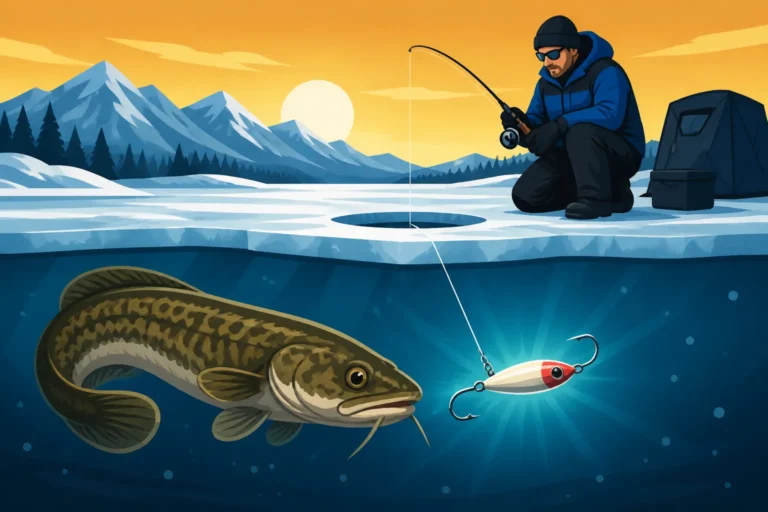
Jigging with small spoons, balanced jigs tipped with bait (like a maggot or piece of minnow), or even tiny soft plastics can be very effective. A fish finder is an invaluable tool for locating both fish and structure under the ice. Pay attention to changes in depth or bottom composition. Early and late ice periods are often the most productive. Always prioritize safety on the ice and check ice thickness before heading out. Sometimes, the bigger holdovers are surprisingly active even under a foot of ice!
Responsible Angling for Holdover Trout
Given that holdover trout are survivors and a valuable part of Alberta's fisheries, practicing responsible angling is incredibly important. These fish contribute to the overall health and quality of our angling experiences, and ensuring their survival post-catch is key.
Catch and Release Best Practices
Many of Alberta's special regulation waters, particularly those with wild or holdover trout populations, are designated as "catch and release only." Even where it's not mandated, practicing catch and release for larger holdovers is highly recommended. To maximize survival: use barbless hooks, minimize handling time, keep the fish in the water as much as possible, and use a net with a rubberized mesh to protect their slime coat. How to Catch Bull Trout and Release Them Safely offers excellent tips applicable to all trout species.
If you must take a picture, do it quickly with the fish partly submerged. Revive the fish gently, holding it facing into the current (if applicable) until it swims away under its own power. Avoid squeezing the fish or touching its gills. A healthy release ensures these magnificent fish can grow larger and continue to provide angling challenges for seasons to come.
Respecting Regulations and the Environment
Always consult the current Alberta Fishing Regulations Explained before you head out, and pay close attention to zone-specific rules, bait restrictions, and special regulations for particular waters. Some lakes or rivers might have specific closures or gear restrictions designed to protect vulnerable populations, including holdovers. Knowing your Alberta Bag and Possession Limits by Species is also critical.
Beyond regulations, remember to tread lightly on the environment. Pack out everything you pack in, and avoid leaving any litter, including discarded fishing line, which can be deadly to wildlife. Respect private property and be mindful of other anglers. By being a responsible steward of Alberta's natural resources, you help ensure that these incredible holdover trout populations can thrive for future generations of anglers.
Disclaimer
This article is for general informational purposes only and does not constitute professional advice. Laws, prices and regulations vary by location and change over time. Consult a qualified professional for guidance on your specific situation.