Best rod setup for Bow River trout
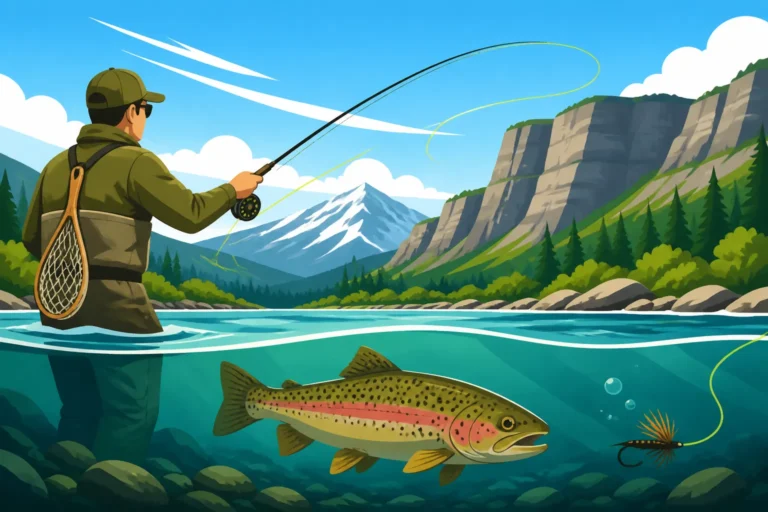
Oh, the Bow River! It's one of those iconic fishing destinations that can fill an angler's heart with both immense joy and a fair bit of head-scratching when it comes to gear. If you've ever stood on its banks, watching those incredible trout rise or feeling the powerful current, you know it's not a place for just any old rod. Picking the right setup for Bow River trout can feel overwhelming with all the options out there, but don't worry—this guide is here to break down exactly what you need to feel confident and effective on this incredible fishery.
Understanding the Bow River's Unique Character
Before we even talk about specific rods or reels, it's crucial to grasp what makes the Bow River such a special, and sometimes challenging, place to fish. It's not just a big trout stream; it's an ecosystem unto itself, demanding respect and the right approach.
Why the Bow Isn't Your Average Trout Stream
The Bow River, especially below Calgary, is renowned worldwide for its prolific population of large, hard-fighting rainbow and brown trout. This isn't your small, brushy mountain creek where a delicate ultralight setup might suffice. The Bow is a large, powerful tailwater fishery. That means its flows are regulated by upstream dams, which can lead to consistent, often high, water levels and strong currents that can easily overpower inadequate gear. The trout here are often substantial, regularly reaching 18 to 24 inches, with real trophy fish pushing even larger. Hooking one of these bruisers on light tackle in fast water can quickly turn into a heartbreaking story of a snapped line or a broken rod. Their sheer size and strength necessitate a setup that can handle the fight, steer them away from snags, and bring them to the net efficiently for a safe release.
Beyond the fish size and water flow, the Bow's rich insect life means trout can be incredibly selective. You might encounter prolific hatches requiring delicate dry fly presentations one moment, then need to plumb the depths with heavy nymph rigs to imitate subsurface insects the next. The river's character often shifts dramatically from wide, open runs to deep pools, riffles, and intricate eddy lines. Each of these zones calls for a slightly different approach, and your gear needs to be versatile enough to adapt. It's truly a demanding but incredibly rewarding fishery.
The Versatility Required for Bow River Angling
Because of the Bow's diverse conditions and the sophisticated feeding habits of its trout, a single-minded approach to tackle often falls short. Many anglers find themselves needing to switch between different techniques within a single day, or even within an hour. This might mean delicately presenting a dry fly to rising fish in a calm eddy, then immediately transitioning to a heavy nymph rig with multiple split shot to target fish holding in a deep, fast-moving run. Later, you might even want to strip a large streamer to entice aggressive brown trout hiding in structure.
This demand for versatility heavily influences your rod setup. You need a rod that isn't so stiff it can't cast a small dry fly accurately, but also not so soft that it struggles to mend a long nymphing line or turn over a weighted streamer. Your reel needs a smooth, reliable drag system to handle explosive runs, and enough capacity for backing. Your line choice needs to match these techniques, often requiring a general-purpose weight-forward line, or even specialized lines if you're dedicating your time to specific methods like Euro nymphing. Being prepared for anything is key on the Bow, and your rod setup is the foundation of that preparedness. If you're planning on Fly Fishing for Trout on the Bow River, you'll quickly learn how adaptable your setup needs to be.
The Ideal Fly Rod Setup for the Bow
For most dedicated anglers targeting the Bow River's famous trout, a fly rod is the weapon of choice. It offers the precision and versatility needed to tackle the river's challenges.
Rod Weight and Length: Finding the Sweet Spot
When it comes to selecting a fly rod for the Bow, the "sweet spot" usually falls within the 5-weight to 6-weight range, with a typical length of 9 to 10 feet.
A 5-weight, 9-foot rod is often considered the most versatile all-around choice. It has enough backbone to handle the majority of the Bow's trout, even those feisty 20-inchers, while still being delicate enough to present smaller dry flies and lighter nymphs. It's a fantastic option for wading anglers who need a good balance of casting accuracy, line control, and fighting power. This weight is also forgiving for a wide range of fly sizes and casting conditions.
However, many experienced Bow River anglers, especially those frequently fishing from a drift boat or tackling heavier nymph rigs, often gravitate towards a 6-weight, 9-foot or even 10-foot rod. The added power of a 6-weight is invaluable for:
- Throwing larger, heavier flies: Think big streamers or multi-nymph rigs with split shot.
- Fighting larger fish: It gives you more leverage to turn big trout in heavy current, which is crucial for quick, ethical releases.
- Windy conditions: Calgary can get breezy, and a 6-weight handles wind better.
- Improved line control: A longer rod, like a 10-foot 6-weight, really shines for nymphing, allowing for better line mending, longer drifts, and keeping more line off the water, which helps with subtle strike detection.
Ultimately, if you're only getting one rod, a 9-foot 5-weight is a solid starting point. But if you're serious about the Bow, a 9-foot or 10-foot 6-weight offers a noticeable advantage in many situations.
Reel and Line Choices: Balancing Performance and Durability
The reel for Bow River trout isn't just a line holder; it's a critical component for fighting strong fish and protecting your tippet. You'll want a large arbor reel with a smooth, reliable drag system. Large arbor reels retrieve line faster, which is helpful when a big trout charges you, and they reduce line memory, leading to fewer tangles. The drag is paramount; it needs to be consistent and capable of smoothly giving line under pressure without sticking or jerking, especially when a powerful rainbow makes a scorching run. A reel with a sealed drag system is a plus, as it prevents dirt and water from compromising performance. Don't skimp here; a cheap reel with a sticky drag will lead to heartbreak.
For line, a weight-forward (WF) fly line is the standard for general-purpose fishing. It has a heavier front section that helps load the rod for easier casting and turning over heavier rigs. A WF line designed for "all-around" trout fishing or specific nymphing lines (if you're going that route) will serve you well. Make sure the line weight matches your rod (e.g., a WF5F line for a 5-weight rod). Backing is also essential, even if you rarely see it. You want at least 100 yards of 20-pound dacron backing on your reel to provide extra running room for those trophy trout that decide to head for the next county. When considering where to find reliable gear, many anglers find a good selection of fly lines and reels on platforms like Amazon.
Leaders and Tippet: The Critical Connection
The leader and tippet are arguably the most crucial, yet often overlooked, parts of your setup, as they are the direct connection to the fish. For the Bow, you'll generally start with a 9-foot tapered leader. This leader, typically made of monofilament, gradually tapers from a thicker butt section (which connects to your fly line) down to a finer tip. This taper helps transfer casting energy smoothly, allowing your fly to land delicately.
For the tippet, you'll be adding a length of finer material to the end of your tapered leader. The choice between fluorocarbon and monofilament depends on the situation:
- Fluorocarbon: This is a popular choice for nymphing and streamer fishing. It's virtually invisible underwater, more abrasion-resistant, and sinks faster than monofilament. This stealth and durability can make a big difference when targeting wary Bow River trout in clear water, especially if you're bouncing nymphs along the bottom.
- Monofilament: Still a great choice for dry fly fishing, as it floats better and can be stretched slightly, absorbing some shock. It's also often more economical.
In terms of tippet size, you'll typically use 3X, 4X, or 5X.
- 3X: Good for larger streamers, heavy nymphs, or when targeting very large fish in fast, dirty water. It offers maximum strength.
- 4X: The workhorse for most Bow River situations, offering a good balance of strength and stealth for nymphs, dry flies, and smaller streamers. Many anglers on the Bow rarely go lighter than 4X, given the size of the fish and the potential for snags.
- 5X: Reserved for very small dry flies, tiny nymphs, or when fish are incredibly spooky and water is clear and low. It's more prone to breaking with a powerful fish.
Always carry a tippet spool holder with a range of sizes, and don't be afraid to change your tippet as conditions or fly choices dictate. Having a variety of leaders and tippets handy, easily sourced from online retailers, can save a fishing trip.
Spinning Rod Alternatives for the Bow River
While fly fishing is synonymous with the Bow River for many, a spinning rod setup can absolutely be effective and, in some situations, even preferable. It’s a great option for beginners, those looking for a different challenge, or when conditions just aren’t right for fly casting.
When to Choose a Spinning Setup
There are definitely times and scenarios on the Bow River where a spinning setup shines. For starters, it’s often much more beginner-friendly than fly fishing. The casting motion is intuitive, and getting a lure out to where the fish are can be accomplished much more quickly. This means less frustration and more time actually fishing, which is a big win for newcomers!
Secondly, windy conditions can make fly casting an absolute nightmare. If the wind is whipping down the valley, trying to throw a fly line accurately becomes a Herculean task. A spinning rod, on the other hand, allows you to cast lighter lures with surprising distance and accuracy even against a stiff breeze, making it a highly practical choice on those blustery Alberta days.
Finally, certain lure presentations are simply more effective with spinning gear. If you're looking to cast small, heavy spoons, spinners, or small swimbaits a long distance to cover water, or to bounce jigs along the bottom with a very slow, precise retrieve, spinning tackle gives you excellent control. These presentations can be incredibly effective, especially for aggressively feeding trout or when trying to locate fish in new areas. This can be a fantastic way to fish the deeper pools or faster runs where nymphs might not reach effectively, or when the fish aren't interested in a delicate dry fly.
Recommended Spinning Rod Specifications
If you're going to tackle the Bow with a spinning rod, you'll want gear that's up to the task of handling those big, powerful trout. Forget the ultralight panfish setups; you need a bit more muscle.
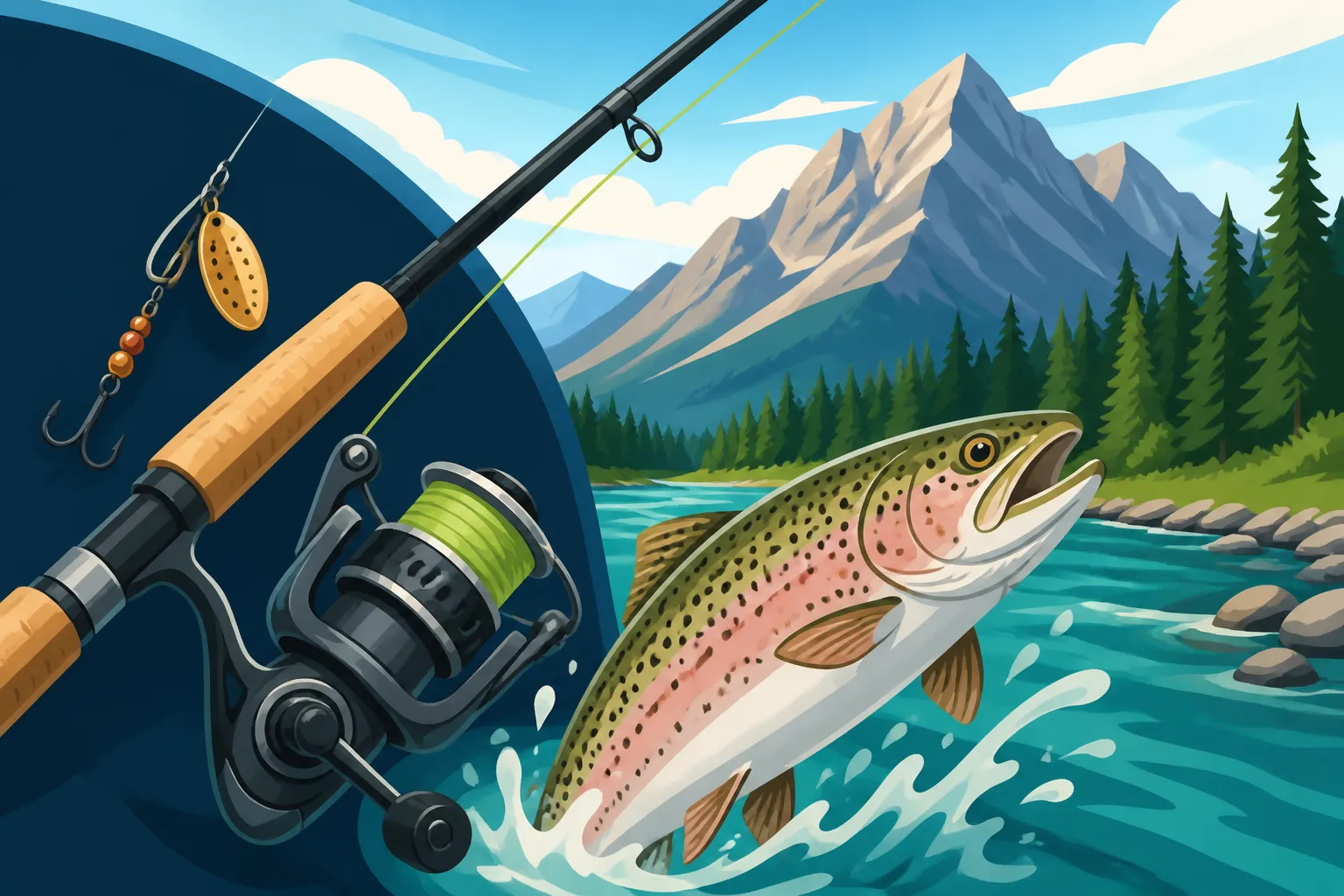
An ideal spinning rod for the Bow River would typically be in the 6.5 to 7.5-foot range, with a medium-light to medium power and a fast action.
- Length: A longer rod provides better casting distance and helps manage line, especially when fighting a fish in current or navigating shoreline obstacles.
- Power: Medium-light offers a good balance for casting smaller lures while still having enough backbone for trout in the 15-20 inch range. A medium power rod will give you more leverage for larger fish or heavier lures, sacrificing a little delicacy for brute strength.
- Action: A fast action means the rod bends mostly in the top third, providing sensitivity for detecting subtle bites and quick hook sets.
For the reel, a 2000 to 3000 size spinning reel is a good match for these rods. Look for one with a smooth, consistent drag system—just as important as on a fly reel—and enough line capacity. A good quality reel will make a huge difference in how smoothly you can fight fish.
Regarding line, a 6 to 10-pound test monofilament or fluorocarbon line is usually appropriate. Many anglers opt for braided line with a fluorocarbon leader for spinning. The braided line offers incredible sensitivity and casting distance with minimal stretch, while the fluorocarbon leader provides invisibility underwater and good abrasion resistance. For example, a 10-pound braided main line tied to a 6 to 8-pound fluorocarbon leader (using a good knot like an Alberto knot or an FG knot) is a killer combination. This setup allows you to feel even the slightest tap and gives you the power to wrestle those stubborn Bow River trout.
Essential Accessories and Considerations for Bow River Fishing
Beyond the rod, reel, and line, a few other items are crucial for a successful and safe day on the Bow River. Don't underestimate the importance of these supporting players in your angling adventure.
Waders, Boots, and Safety Gear
If you plan on getting into the water, and most Bow River anglers do, good waders and wading boots are non-negotiable. The Bow is cold, even in summer, and the bottom can be slippery and uneven. Breathable chest waders are usually the preferred choice, allowing for comfort in varying temperatures. Pair these with felt-soled or rubber-soled wading boots with good traction. Many anglers add studs to their rubber soles for extra grip on those slick rocks. A Wading Techniques for Alberta Trout Rivers article can provide more in-depth advice on safe wading.
Safety should always be a top priority. A wading staff is an absolute must-have for navigating strong currents and unknown footing. It provides an extra point of contact and can prevent a potentially dangerous fall. If you're using a boat—whether a drift boat, raft, or even a kayak—a personal flotation device (PFD) is legally required and essential for your safety. Even on shore, having a small first-aid kit is a smart move.
Tackle and Fly Boxes: Be Prepared
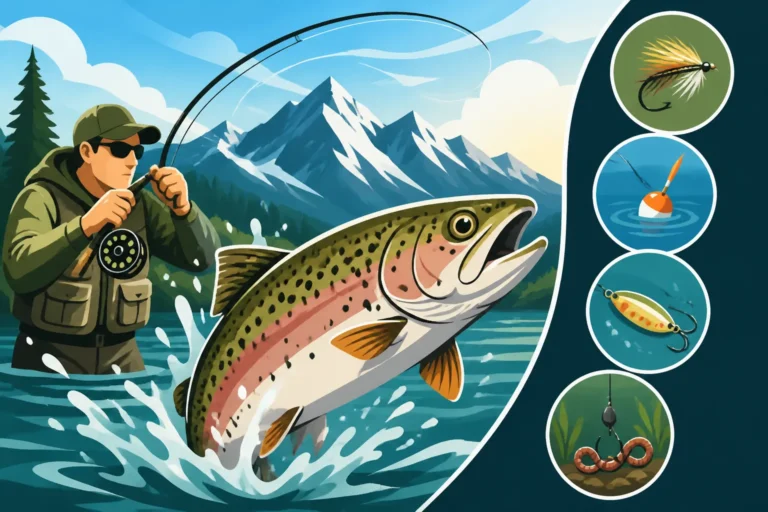
Being prepared with the right array of flies or lures is paramount on a river as diverse as the Bow. For fly anglers, a well-stocked fly box is like a treasure chest. You'll need a variety of:
- Nymphs: Think Caddis larvae, Mayfly nymphs, Stonefly nymphs, and attractor patterns like Prince Nymphs or Copper Johns. Don't forget smaller midge patterns for technical fishing.
- Dry Flies: Parachute Adams, Elk Hair Caddis, stimulators, and specific patterns for prevalent hatches like PMDs or Blue-Winged Olives are essential. Having a selection of Best dry fly patterns for summer Bow River hatches will greatly increase your chances.
- Streamers: Woolly Buggers, Sculpzillas, and articulated patterns in various colors and sizes can be incredibly effective for aggressive trout, especially larger browns.
Spinning anglers should carry a selection of small spoons, spinners, and jigs. Brands like Mepps, Panther Martin, or smaller kastmasters are classic choices. Soft plastic swimbaits rigged on jig heads can also be deadly. A compact tackle box or bag that can organize these items efficiently is key, especially if you're hiking into different spots along the river. You can find a vast array of tackle boxes and flies on Amazon, making it easy to build your perfect kit.
Reading the Water and Seasonal Adaptations
Understanding the river's flow, depth, and structure is just as important as the gear you bring. Learning to "read the water" will tell you where fish are likely holding, and therefore, where you should be casting. Look for changes in current, seams where fast water meets slow water, eddies behind rocks or fallen trees, and deep pools. These are prime lies for trout.
Furthermore, your setup and approach might need to adapt with the changing seasons. The Bow River fishes differently in the spring, summer, fall, and winter.
- Spring: Often means higher, murkier water from runoff. This might call for heavier nymph rigs, larger flies, or more vibrant spinnerbaits with spinning gear. Spring Trout Fishing Techniques for Alberta Streams will cover this in detail.
- Summer: Can bring prolific insect hatches, making dry fly fishing exhilarating, but also clear, lower water that demands finesse.
- Fall: Is prime time for streamer fishing as big browns become aggressive, and nymphing remains strong.
- Winter: Requires targeting deeper, slower pools, often with heavy nymph rigs or jigs through the ice. Alberta Fishing Seasons by Zone and Month offers a comprehensive overview of how these seasons impact fishing throughout the province, including the Bow. Staying current on river conditions and adapting your tactics accordingly will vastly improve your success rate, no matter how perfect your rod setup is.
Fly Rod vs. Spinning Rod for Bow River Trout: A Quick Comparison
Choosing between a fly rod and a spinning rod for the Bow River often comes down to personal preference, skill level, and the specific conditions you're facing. Here’s a quick overview to help you decide which setup might be best for your next adventure.
| Feature | Fly Rod Setup (e.g., 5-6wt, 9-10ft) | Spinning Rod Setup (e.g., 6.5-7.5ft, ML-M Power) |
|---|---|---|
| Precision | Excellent for delicate presentations (dry flies, subtle nymphs). | Good for casting small lures, less delicate presentation. |
| Versatility | High, adapts to dry, nymph, streamer fishing with line/leader changes. | Good for various lures (spoons, spinners, jigs), but limited to retrieve-based methods. |
| Learning Curve | Steeper, requires learning specific casting techniques. | Easier to learn, intuitive casting motion. |
| Windy Conditions | Challenging to cast accurately in strong winds. | Easier to cast light lures in windy conditions. |
| Lure Control | Superior for subtle drift, mending line, delicate fly placement. | Excellent for active lure retrieval, bouncing jigs on bottom. |
| Fish Fighting | Powerful backbone for large trout, smooth drag for long runs. | Good fighting power, sensitive for detecting light bites. |
| Typical Target | Trout primarily, highly effective for selective fish. | Trout, but also effective for pike, walleye if adapted. |
No matter which path you choose, having the right rod setup for Bow River trout can make all the difference between a frustrating day and an unforgettable experience. Tight lines!
Disclaimer
This article is for general informational purposes only and does not constitute professional advice. Laws, prices and regulations vary by location and change over time. Consult a qualified professional for guidance on your specific situation.