Beauvais Lake Fishing Guide
Venturing out to a new fishing spot can sometimes feel like trying to solve a riddle without all the clues. You’ve heard whispers of great trout fishing, but then you wonder, "Is it really that good? What do I even need to bring? And are there pesky regulations I need to know about before I get there?" It’s a common frustration for anglers. This guide cuts through the guesswork, offering a comprehensive look at fishing Beauvais Lake, a true hidden gem in southern Alberta, so you can plan your trip with confidence and maximize your chances of a memorable day on the water.
Discovering Beauvais Lake: A Southern Alberta Gem
Beauvais Lake, often overshadowed by some of Alberta's larger or more famous fishing destinations, holds a special charm. It's the kind of place where you can truly escape the hustle and bustle, immerse yourself in nature, and still have a fantastic chance at some quality angling. For those who appreciate a peaceful setting combined with good fishing opportunities, Beauvais Lake Provincial Park is a must-visit.
Where is Beauvais Lake Located?
Nestled in the rolling foothills of the Rocky Mountains in southwestern Alberta, Beauvais Lake is conveniently located just a short drive from several key communities. You'll find it approximately 16 kilometers west of Pincher Creek, a charming town that offers many of the essential services you might need before heading out. If you're coming from further afield, it's about 50 kilometers south of Fort Macleod, making it an accessible day trip or weekend getaway for many southern Albertans.
The journey to Beauvais Lake is part of the experience, winding through picturesque landscapes that hint at the beauty awaiting you. The lake itself sits within Beauvais Lake Provincial Park, which means well-maintained roads and clear signage guide your way. It's not one of those remote, hard-to-find spots, which is a huge plus, especially if you're bringing the family or are short on time. Its location means it benefits from both the prairie climate and the mountain influence, providing a unique environment for the fish species that thrive there.
The Lake's Character and Ecosystem
Beauvais Lake is not a massive body of water, but what it lacks in sheer size, it makes up for in character and ecological richness. It spans about 2.5 square kilometers (around 620 acres) and reaches a maximum depth of roughly 15 meters (about 50 feet). This moderate size makes it ideal for a variety of fishing approaches, whether you prefer shore fishing, wading, or exploring by boat or kayak.
The lake's bottom is varied, featuring a mix of gravel, rock, and silty areas. Weed beds are a prominent feature, especially along the shallower fringes and in protected bays, providing excellent cover and feeding grounds for the resident fish. These weed lines are crucial for anglers to identify, as they often hold the most active fish. The water clarity can vary throughout the season, but it generally remains quite clear, particularly in spring and fall. This clearer water can make sight fishing possible on calm days, but it also means fish can be a bit more wary, requiring a more subtle approach with your presentation. The surrounding park environment, with its diverse flora and fauna, adds to the overall experience, making it a place where you can enjoy more than just fishing.
What Fish Species Call Beauvais Lake Home?
When people talk about fishing Beauvais Lake, the conversation almost always turns to trout. And for good reason! This lake is a fantastic destination for those looking to hook into some feisty rainbow and brook trout, thanks to dedicated stocking programs. While trout are definitely the stars of the show, there are other species present that might surprise you and add a little variety to your catch.
Popular Catches: Rainbow and Brook Trout
Beauvais Lake is primarily managed as a put-and-take trout fishery, meaning it's regularly stocked with both rainbow trout and brook trout. These species thrive in the lake's cool, clean waters, providing consistent action for anglers throughout the open seasons.
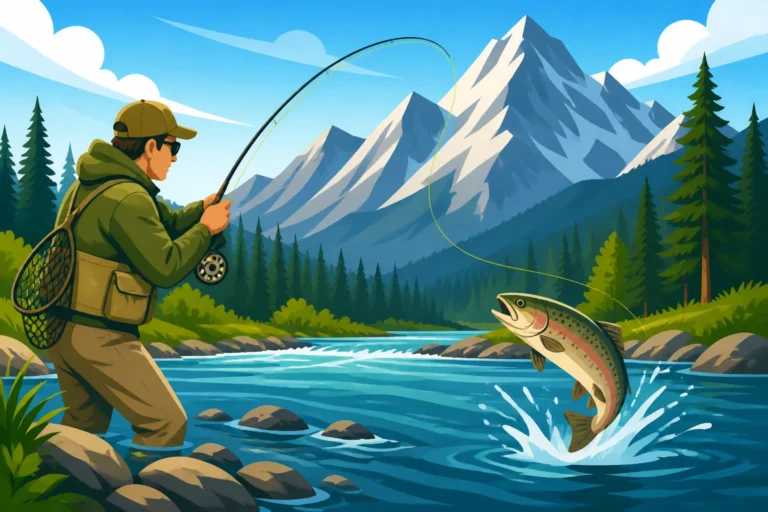
Rainbow trout are undoubtedly the most popular target here. They're known for their acrobatic fights and willingness to strike a variety of baits and lures. You'll find both smaller, recently stocked rainbows, which are great for beginners or casual anglers, and "holdovers" – fish that have survived a season or two and grown to a more impressive size. On average, you can expect to catch rainbows in the 10-14 inch range, but 16-20 inch fish are certainly present and offer a thrilling challenge. They tend to cruise the weed lines, drop-offs, and open water, constantly searching for food. For more insights into these magnificent fish, check out our guide on Rainbow Trout Fishing on the Bow River, which shares some universal truths about rainbow trout habits.
Brook trout, while often a bit smaller than rainbows, are equally aggressive and beautiful with their distinctive worm-like markings. They're typically found in similar habitats, often preferring areas with slightly cooler water or more cover. Catching a vibrant brook trout with its orange belly and white-edged fins is always a treat. Both species are excellent table fare, though many anglers choose to practice catch and release to preserve the fishery and allow these beautiful fish to grow.
Beyond Trout: Other Species You Might Encounter
While trout take center stage, Beauvais Lake isn't exclusively a trout pond. Anglers might occasionally encounter other species, particularly if they're targeting deeper or weedier sections of the lake.
Mountain whitefish, for instance, are present in the lake, though they aren't commonly targeted by most anglers. These often overlooked fish are strong fighters and excellent to eat. They tend to prefer cooler, deeper water and can be caught on small jigs, nymphs, or tiny spinners, especially during the warmer months when trout might be less active. While not a primary target, hooking into a whitefish can be a pleasant surprise and a fun change of pace.
You might also come across yellow perch, though they are not abundant or as large as in some other Alberta lakes. Perch tend to stick to the weed beds and can be caught on small jigs, minnows, or worms. They're generally smaller in Beauvais, but they can still provide some entertainment, especially for younger anglers. It's always a good idea to identify your catch to ensure you're adhering to the specific regulations for each species, as outlined in the Alberta Bag and Possession Limits by Species guide.
Understanding Stocking Programs
The consistent quality of fishing at Beauvais Lake is largely thanks to the diligent efforts of Alberta Environment and Protected Areas (AEPA) and its provincial stocking programs. The lake receives regular infusions of hatchery-raised rainbow and brook trout each year. These stockings ensure a healthy population for anglers and help to maintain the ecological balance of the lake.
These programs are vital for maintaining fisheries in lakes like Beauvais, which might not have strong natural trout reproduction or might experience high angling pressure. Hatchery-raised fish are robust and quickly adapt to their new environment, providing immediate angling opportunities. Information about stocking dates and numbers is often publicly available through the MyWildAlberta portal, which can be a valuable resource for planning your trip. Knowing when the latest stocking occurred can sometimes give you an edge, as freshly stocked fish can be quite active.
| Species | Best Season | Preferred Baits/Lures | Typical Depth (Spring/Summer) | Important Notes |
|---|---|---|---|---|
| Rainbow Trout | Spring, Fall, Winter | PowerBait, Worms, Small Spinners, Spoons, Flies | 5-20 feet (shallow to mid) | Feisty fighters, often stocked. Check limits. |
| Brook Trout | Spring, Fall, Winter | Worms, Small Spinners, Flies, Tiny Jigs | 5-15 feet (near cover) | Beautiful colours, aggressive. Check limits. |
| Mountain Whitefish | Summer, Fall | Small Jigs, Nymphs, Tiny Spinners | 10-25 feet (cooler water) | Less targeted, strong fight, excellent table fare. |
| Yellow Perch | Summer, Winter | Small Jigs, Minnows, Worms | 10-30 feet (weed lines, deeper) | Present but not abundant, smaller size. Check limits. |
When to Cast Your Line: Best Seasons and Times
Timing is everything in fishing, and Beauvais Lake is no exception. While you can certainly find success throughout the open water and ice fishing seasons, certain times of the year and even times of day tend to be more productive. Understanding these patterns can significantly increase your chances of a successful and enjoyable outing.
Spring into Action: Post-Ice Off Opportunities
For many anglers, spring is arguably the most anticipated season at Beauvais Lake. As soon as the ice melts, usually in late April or early May, the trout become incredibly active. They've been relatively dormant under the ice all winter and are now hungry, cruising the shallower waters looking for an easy meal. This is a fantastic time for shore anglers, as the fish are often close to the banks.
The water is still quite cold, so the trout aren't as pressured by heat. They'll readily strike a variety of offerings, from PowerBait and worms fished on the bottom to small spinners and spoons retrieved slowly. Fly anglers will also find success with nymphs and streamers fished near the bottom or along the thawing weed lines. Weather can be unpredictable in spring, so be prepared for anything from warm sunshine to late-season snow flurries. Dressing in layers is key. Early mornings and late afternoons are often prime times, as the sun begins to warm the shallows. For more specific tactics, consider our guide on Spring Trout Fishing Techniques for Alberta Streams, which often apply to lakes as well.
Summer's Bounty: Warm Water Strategies
As summer progresses and water temperatures rise, the fishing at Beauvais Lake shifts. The prolific weed growth along the edges becomes thicker, providing excellent cover for baitfish and insect life, but also making shore fishing a bit more challenging in some areas. Trout, particularly the larger ones, will often move to deeper, cooler sections of the lake, especially during the heat of the day.
This means boat and kayak anglers often have an advantage in summer, allowing them to access these deeper waters and troll small spoons or crankbaits, or cast to the edges of the weed beds and drop-offs. Early mornings, just after sunrise, and late evenings, as the sun sets, become the most productive periods for active trout. During these cooler times, fish might venture closer to the surface or into shallower water to feed. Don't be afraid to experiment with different depths and presentations. For those looking for more comprehensive seasonal advice, our Alberta Fishing Season Dates by Zone will give you a broader context for Alberta's diverse fisheries.
Fall Fishing Frenzy: Pre-Winter Feeding
Fall is another fantastic time to fish Beauvais Lake, often rivaling spring in terms of action. As the air and water temperatures begin to drop, the trout become incredibly aggressive. They sense the impending winter and go on a feeding binge to put on weight. This "turnover" period in the lake often brings fish back into shallower zones, making them more accessible once again.
You'll find trout cruising rocky points, weed edges, and even open flats. Lures that imitate baitfish, like spoons, spinners, and small jerkbaits, can be incredibly effective during this time. Fly anglers can have banner days with streamer patterns that mimic minnows or leeches. The cooler temperatures also mean that you can fish throughout the day, although dawn and dusk usually remain peak periods. The crisp air and vibrant fall colors surrounding Beauvais Lake also make for a truly beautiful fishing experience, free from the summer crowds.
Winter Wonderland: Ice Fishing on Beauvais
When the hard water arrives, Beauvais Lake transforms into a popular ice fishing destination. Once the ice is safely thick enough (always verify local conditions and never assume), anglers flock to the lake, setting up their shelters and drilling holes in search of winter trout.
Ice fishing for trout on Beauvais is a unique experience. Both rainbow and brook trout remain active under the ice. Popular methods include jigging with small spoons, soft plastics, or weighted flies, often tipped with a piece of bait like a maggot or a mealworm. PowerBait is also highly effective when fished just off the bottom. Remember to stay mobile if you're not getting bites; sometimes moving just 20-30 feet can make all the difference. Safety is paramount when ice fishing; always go with a buddy and carry appropriate safety gear. You can find detailed safety tips and techniques in our comprehensive guide to Ice Fishing in Alberta.
Techniques and Tackle: Your Beauvais Lake Arsenal
One of the great things about Beauvais Lake is its versatility; you can find success with a wide range of fishing techniques. Whether you prefer the simplicity of bait fishing from shore or the active pursuit of trolling from a boat, there’s a method that will work for you. Having the right gear, however, can make all the difference between a frustrating day and a fantastic one.
Shore Fishing and Wading Strategies
For many, shore fishing is the easiest and most accessible way to enjoy Beauvais Lake. The park offers plenty of shoreline access, particularly around the campground and day-use areas. This is especially productive in spring and fall when trout are often cruising the shallower areas.
- Bait Fishing: This is probably the most common and often effective method from shore. A simple setup with a light to medium-light spinning rod (around 6-7 feet) and reel, spooled with 6-8 lb monofilament or fluorocarbon, is perfect. Use a small hook (size 8-12), a tiny split shot or two, and a worm, PowerBait (corn, garlic, or marshmallow scents are popular), or even a small piece of shrimp. Cast it out, let it sink to the bottom (or suspend it under a bobber), and wait for a bite. Don't be afraid to cast into different depths, from just a few feet out to 30-40 feet.
- Lure Fishing: Small spinners (like Mepps or Panther Martin) in sizes 0-2, or tiny spoons (such as Little Cleos or Five of Diamonds) in silver, gold, or brass, can be incredibly effective. Cast them out and retrieve them steadily, varying your retrieve speed to find what the fish prefer. Bright colours often work well on overcast days or in slightly stained water, while more natural patterns shine in clear conditions.
- Fly Fishing: If you enjoy fly fishing, Beauvais Lake offers good opportunities, especially if you're willing to wade a bit in the shallower bays. A 5 or 6-weight fly rod is versatile enough. In spring and fall, streamers (Woolly Buggers, Leech patterns) and nymph patterns (Prince Nymph, Pheasant Tail) are excellent choices. During warmer months, you might find success with dry flies during insect hatches, particularly in the mornings or evenings. Wading boots with good traction are essential if you plan to enter the water.
Boating and Kayak Fishing
Having a boat or kayak significantly expands your fishing horizons on Beauvais Lake, allowing you to access deeper water, explore more remote shorelines, and cover more ground.
- Trolling: This is a highly effective method for covering water and finding active fish, especially during summer when trout are deeper. Use small spoons, crankbaits, or even a Wedding Band worm harness. Vary your trolling speed and depth until you start getting bites. A small electric motor is ideal for this, as gas motors are often restricted (check current park regulations for any horsepower limits or zones).
- Casting to Structure: Use your boat or kayak to position yourself near key structures like submerged weed lines, rock piles, or drop-offs. Cast spoons, spinners, crankbaits, or even soft plastic jigs into these areas. Let your lure sink to the desired depth and work it back with a varied retrieve. A fish finder can be invaluable for identifying these structures and locating schools of fish, helping you to pinpoint productive spots.
- Kayaking Advantages: Kayaks and canoes offer a stealthy approach, allowing you to get close to fish without spooking them. They're also perfect for exploring the shallower, weedy bays that larger boats might struggle to access. Using a pedal-drive kayak can be a game-changer for hands-free trolling or fighting fish. If you're considering this, our guide on Best Kayaks for Alberta Fishing offers some great insights into choosing the right vessel. When planning a trip, looking into options for guided excursions or rentals through platforms like FishingBooker can give you a local edge, even if it's just for advice on current conditions or hot spots.
Essential Gear for Success
Having the right basic gear makes your Beauvais Lake experience much more enjoyable.
- Rods and Reels: As mentioned, a light to medium-light spinning combo is your workhorse. If you're fly fishing, a 5 or 6-weight setup is versatile.
- Line: 6-8 lb monofilament or fluorocarbon is great for spinning gear. For fly fishing, a floating line with a 9-foot leader tapering to 3-5X tippet is a good starting point.
- Lures and Baits: A selection of PowerBait, worms, small spinners (Mepps, Panther Martin), small spoons (Little Cleo, Len Thompson), and perhaps a few small crankbaits should cover most situations.
- Tackle Box Essentials: Pliers (for hook removal), clippers, extra hooks, split shot, bobbers, a tape measure, and a small first-aid kit.
- Landing Net: A good quality, rubberized landing net is crucial for safe catch-and-release, especially with trout. This minimizes harm to the fish.
- Comfort Items: Sunscreen, bug spray (especially in summer), a hat, sunglasses (polarized ones help cut glare and spot fish), appropriate layered clothing, and plenty of water and snacks.
- Safety Gear: If boating, ensure you have all required safety gear, including a PFD for every person on board.
- Waders: If you plan on fly fishing or wading, breathable chest waders and sturdy wading boots are a must, as explored in articles like Best Fishing Rods for Alberta Rivers which also touches on general river/lake gear.
Accessing Beauvais Lake and Park Amenities
Beauvais Lake Provincial Park is designed with visitors in mind, offering convenient access points and a range of amenities to make your fishing trip comfortable and enjoyable. Understanding these facilities will help you plan your day or weekend effectively.
Boat Launches and Restrictions
For those bringing a boat, Beauvais Lake Provincial Park provides a paved boat launch, making it easy to get on the water. However, it’s important to be aware of the lake's specific regulations regarding motor usage. Beauvais Lake has a 12 km/h (7.5 mph) speed limit for all motorized boats. This means no waterskiing or fast boating, which contributes to the tranquil atmosphere and makes it a much more pleasant place for fishing. It’s perfect for small fishing boats with electric trolling motors or smaller gas outboards that can stay within the speed limit.
Canoes, kayaks, and stand-up paddleboards are also incredibly popular on Beauvais Lake, offering a quiet and environmentally friendly way to explore the lake. The calmer waters due to the speed restrictions make it an excellent spot for these paddle craft. There are several spots along the shoreline where you can easily launch a kayak or canoe, especially near the campground.
Campground and Day-Use Areas
Beauvais Lake Provincial Park offers a well-maintained campground with a variety of sites, including power and unserviced options. This is fantastic if you're planning a multi-day fishing adventure. The campground often fills up, particularly on weekends during peak season, so making reservations in advance through the Alberta Parks website is highly recommended. Campers have direct access to the lake, making it convenient to walk to a fishing spot or launch a small boat.
In addition to the campground, there are several day-use areas equipped with picnic tables, fire pits, and washroom facilities. These areas are perfect for anglers visiting for just a day. They often provide excellent shore fishing access, and many are designed to be family-friendly, offering playgrounds and open spaces for kids to enjoy while you cast a line. The amenities contribute to making Beauvais Lake a great destination for a family fishing outing.
Nearby Services and Supplies
While Beauvais Lake Provincial Park has excellent on-site facilities, it's always a good idea to know where to find additional services and supplies. The closest town for major amenities is Pincher Creek, located about a 15-minute drive east.
In Pincher Creek, you'll find:
- Grocery Stores: For stocking up on food, drinks, and snacks.
- Gas Stations: To fuel up your vehicle and boat.
- Hardware Stores: Often carry a selection of fishing tackle, bait (like worms or PowerBait), and camping supplies.
- Restaurants and Cafes: If you're looking for a meal out.
- Fishing Licenses: You can purchase an Alberta Fishing License Guide for 2026 or renew your Alberta WIN Card, Explained at various vendors in town, or conveniently online through the MyWildAlberta portal.
It's always a good practice to purchase your fishing license before you leave home or at the first available vendor to avoid any delays or issues. Planning ahead ensures you spend more time fishing and less time searching for essentials. You can also research local guides or charters through services like FishingBooker if you want to ensure you're hitting the lake with expert knowledge.
Navigating Beauvais Lake Fishing Regulations
Fishing in Alberta means adhering to a set of regulations designed to protect our precious fish stocks and ensure sustainable angling for future generations. Beauvais Lake is no exception, and it's absolutely crucial to understand and follow the rules specific to this body of water. Ignorance of the law is never an excuse, and penalties for non-compliance can be steep.
Key Regulations to Remember
Before you even think about wetting a line at Beauvais Lake, grab a copy of the current Alberta Guide to Sportfishing Regulations. You can find it online, at most tackle shops, or Alberta Parks offices. Pay close attention to the specific regulations for Beauvais Lake, which are listed under "Southern Zone" regulations in the guide.
Here are some common points to verify, though always consult the most current guide:
- Bag and Possession Limits: These are the number of fish you can legally keep in a day (bag limit) and the total number you can have in your possession, including at your campsite or home (possession limit). For stocked trout lakes like Beauvais, limits are typically generous, but they can change. For instance, you might find a daily limit of 5 trout, but always double-check. Our guide on Alberta Bag and Possession Limits by Species provides a great overview of how these work.
- Bait vs. Lure Restrictions: Some waters in Alberta are "no bait" or "fly fishing only," but Beauvais Lake generally permits both bait and lures. However, live minnows are usually prohibited to prevent the introduction of invasive species. Always confirm what's allowed.
- Special Harvest Rules: Occasionally, certain lakes might have specific harvest rules or even special tags required for larger fish. While less common for stocked trout lakes, it's always good to be informed.
- Season Dates: The open season for Beauvais Lake generally aligns with the provincial open water fishing season, often from May 1st through March 31st for stocked trout. However, confirm these dates, as they can sometimes vary or have exceptions. For general zone dates, refer to Alberta Fishing Season Dates by Zone.
Failing to check the regulations can lead to serious fines or even confiscation of your gear. It's a small effort for peace of mind and responsible angling.
Importance of Your Alberta Fishing License
No matter how excited you are to cast a line, fishing without a valid Alberta fishing license and a Wildlife Identification Number (WIN) is a definite no-go. This applies to almost everyone over the age of 16 and under 65, with specific exemptions for youth and seniors which you should verify.
- WIN Card: The WIN card is your permanent identification number for all hunting and fishing licenses in Alberta. You purchase it once and then renew it. It's inexpensive and essential. Learn more about it in Alberta WIN Card, Explained.
- Fishing License: Once you have a WIN card, you can purchase your actual fishing license. This can be done online through MyWildAlberta (the most convenient option), or at licensed vendors like tackle shops or some general stores. Licenses are typically valid from April 1st to March 31st of the following year. Getting your Alberta Fishing License Guide for 2026 sorted before your trip ensures you’re ready to go.
- Carrying Your License: You must carry a physical or digital copy of your valid fishing license and WIN card with you while fishing. Fisheries officers can and do check for compliance.
These license fees directly contribute to the conservation and management of Alberta's fisheries, including stocking programs at lakes like Beauvais. It’s an investment in the future of our sport.
Practicing Responsible Angling
Beyond simply following the rules, responsible angling is about a mindset – one of respect for the fish, the environment, and fellow anglers. Beauvais Lake is a beautiful natural resource, and we all play a part in keeping it that way.
- Catch and Release: If you plan to release fish, learn proper catch-and-release techniques. Minimize handling, wet your hands before touching fish, use barbless hooks (or pinch down the barbs on your barbed hooks), and release fish quickly and gently. This is especially important for any larger holdover trout or any species you're not allowed to keep. Even for species you can harvest, releasing some fish helps maintain a healthy population. Read up on best practices in guides like How to Catch Bull Trout and Release Them Safely (even though bull trout aren't in Beauvais, the techniques for safe handling are universal).
- Pack It In, Pack It Out: Leave no trace. Take all your garbage, discarded fishing line, and bait containers with you. Litter degrades the environment and can harm wildlife.
- Respect Other Anglers: Give others space, especially if they are shore fishing or wading. Keep noise to a minimum, and avoid cutting across another angler's line or casting zone.
- Report Poaching: If you witness illegal fishing activity, report it to the Report A Poacher line. Protecting our fisheries is everyone's responsibility.
By being informed, prepared, and respectful, you contribute to making Beauvais Lake a fantastic and sustainable fishing destination for years to come.
Disclaimer
The information provided in this guide is for general informational purposes only and is subject to change. Fishing regulations, season dates, and limits are set by Alberta Environment and Protected Areas and can be updated annually or more frequently. It is the angler's sole responsibility to consult the most current Alberta Guide to Sportfishing Regulations and any provincial park specific rules before fishing. Always prioritize safety, especially when on or near water.