Best ice fishing access on Pigeon Lake
Ah, the crisp winter air, the promise of a hot coffee, and the dream of pulling a big walleye or a stringer of feisty perch through a hole in the ice! Pigeon Lake holds a special place in the hearts of many Alberta ice anglers, offering fantastic opportunities for a diverse catch. But let's be real, showing up at a massive lake like Pigeon in the dead of winter and trying to figure out where to even access the ice safely and efficiently can be a huge headache, especially if you're not a local. You don't want to waste precious daylight driving around, looking for a spot that's not only accessible but also productive. This guide is all about helping you cut through that confusion, pinpointing the best ice fishing access points on Pigeon Lake so you can spend less time searching and more time fishing.
Why Pigeon Lake is a Premier Ice Fishing Destination
Pigeon Lake, nestled conveniently between Edmonton and Red Deer, isn't just another body of water; it's a vibrant ecosystem that truly shines when the ice sets in. It's become one of the most popular lakes for "Ice Fishing in Alberta" for very good reasons. Unlike some deeper, more complex lakes, Pigeon Lake offers a relatively straightforward ice fishing experience while still providing exciting angling challenges.
Abundant Fish Species for Every Angler
One of the biggest draws to Pigeon Lake during the winter months is the variety of fish species you can target. This isn't just a one-trick pony lake; it’s a full carnival of angling opportunities.
- Walleye: These golden-eyed beauties are the superstars of Pigeon Lake. They're often found hugging the bottom structure or congregating along weed lines, making them a prime target for jigging. The walleye here are known for their delicious taste and can grow to impressive sizes, making every bite a thrilling event. Many anglers dedicate their entire trip to chasing these elusive yet rewarding fish. If you're looking for strategies, knowing the "Best techniques for winter walleye" can really boost your success.
- Northern Pike: For those who love a hard fight and aggressive strikes, northern pike are plentiful. They often hang around the shallower, weedier bays, ambushing unsuspecting baitfish. These toothy critters are a blast to catch through the ice, and you'll often find them lurking just beneath the surface, especially during low-light conditions. If you're new to targeting them, our guide on "Northern Pike Fishing in Alberta" offers a deep dive into their habits.
- Yellow Perch: Oh, the humble perch! Don't underestimate these panfish. Pigeon Lake is famous for its abundant and often surprisingly large "Yellow Perch in Alberta Lakes". They're a fantastic target for beginners and seasoned anglers alike, offering consistent action and providing excellent table fare. You can often find massive schools, leading to non-stop fun.
- Burbot: While not as commonly targeted by casual anglers, burbot (often called "freshwater cod") can be found in the deeper sections of Pigeon Lake, especially during the colder months when they become more active. They're an interesting catch, often active at night, and provide a unique challenge for those looking to diversify their catch.
Accessibility and Community for Winter Anglers
Beyond the fish, Pigeon Lake simply offers a great overall ice fishing environment. It's not too far from major urban centers, making it a convenient day trip or a weekend getaway. The communities around the lake, especially Mulhurst Bay and Ma-Me-O Beach, are generally welcoming to anglers, offering services and amenities that can make your trip much more comfortable. This sense of community and ease of access makes it one of the "Best Ice Fishing Lakes in Alberta". You'll often see entire villages of ice shacks pop up, creating a unique, friendly atmosphere out on the frozen surface.
Key Access Points for Ice Fishing on Pigeon Lake
Finding a good access point is half the battle when ice fishing. On Pigeon Lake, you're looking for spots that offer reliable ice, often have maintained approaches (like plowed roads), and provide some convenience. Let's break down the most popular and reliable places to get onto the ice.
Mulhurst Bay: The Hub of Winter Angling
Mulhurst Bay, situated on the western shore of Pigeon Lake, is arguably the most popular and well-equipped access point for ice fishing. It's often the first place ice anglers think of when planning a trip to the lake, and for good reason.
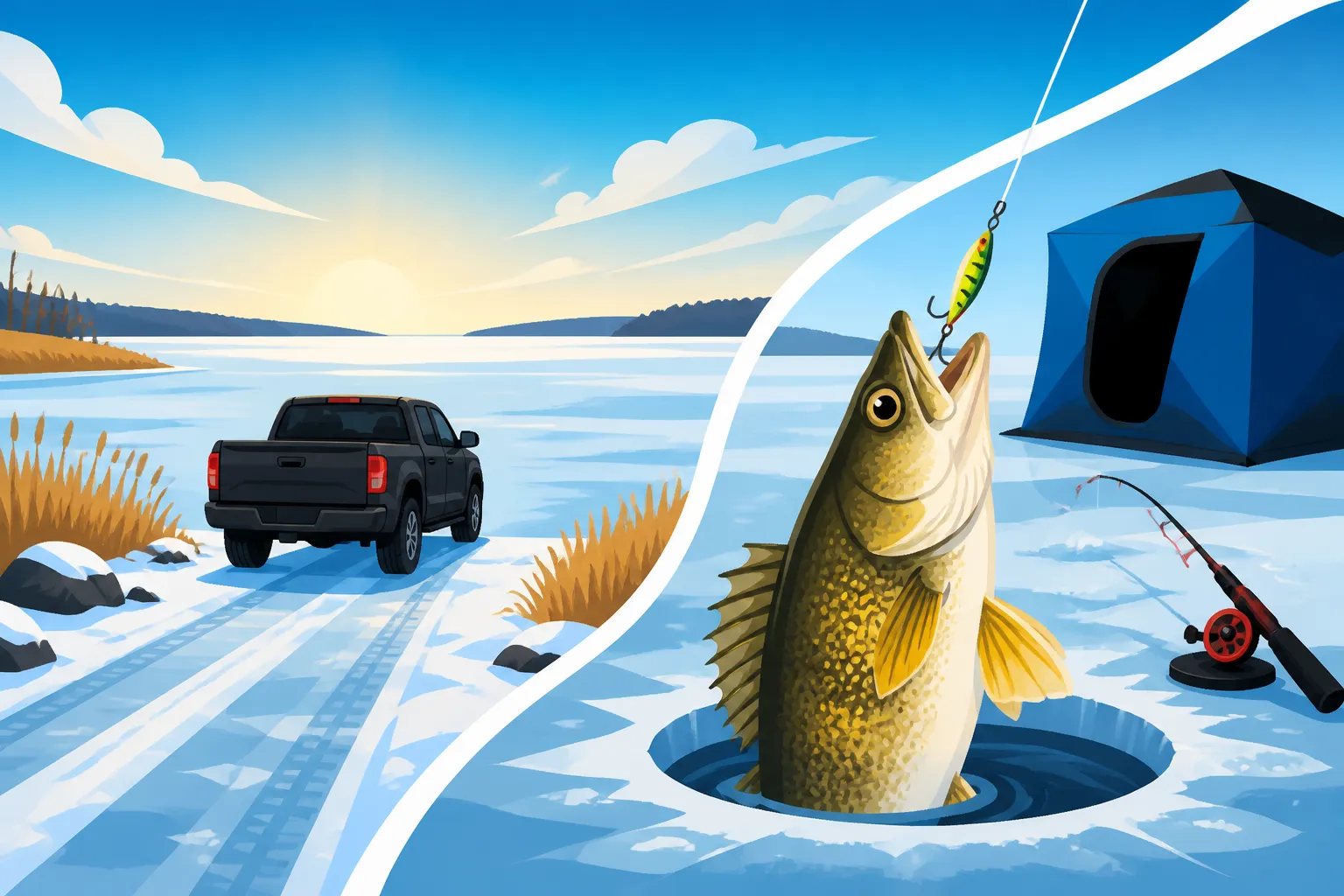
You'll usually find the roads leading down to the lakefront are plowed, making it easier to drive your vehicle, or at least park close by. There's ample parking, though it can fill up quickly on busy weekends, especially once the ice is thick enough to drive onto the lake. The Mulhurst Bay boat launch area transforms into a busy entry point for quads, snowmobiles, and trucks heading out to their preferred fishing spots. You'll often see a bustling scene of anglers setting up permanent or portable shelters, drilling holes, and generally enjoying the camaraderie of the ice.
What makes Mulhurst so appealing isn't just the access itself, but the surrounding amenities. There's often a general store nearby where you can grab last-minute snacks, hot coffee, or even some local bait if you're in a pinch. Plus, if you run into any trouble or need local advice, the community is usually quite helpful. If you’re looking for a guided experience to show you the ropes or find the hot spots, sites like FishingBooker can help you connect with local guides who often operate out of Mulhurst Bay, providing everything from gear to local expertise. This can be a huge benefit for newcomers who are unsure about ice conditions or prime fishing locations.
Ma-Me-O Beach: Family-Friendly and Perch-Rich
Just a short drive south of Mulhurst Bay, Ma-Me-O Beach offers another excellent access point, particularly if you're bringing the family or are primarily targeting perch. The name "Ma-Me-O" is derived from the Cree word for "white pigeon," a nod to the lake's abundant birdlife.
The access here is typically straightforward, with parking available near the beachfront. While not always as heavily plowed as Mulhurst, it's generally manageable for most vehicles. The shallower bay areas near Ma-Me-O Beach are fantastic for perch. These areas tend to warm up a bit slower in the spring, but once the ice is solid, they become a haven for schools of eager perch. It's a great spot for kids due to the manageable depths and consistent action. Imagine little ones reeling in perch after perch – it's a memory maker!
While perch are king here, don't rule out walleye and pike, which also frequent these waters, especially along the deeper edges of the bay. The overall atmosphere at Ma-Me-O is a bit more relaxed than the bustling scene at Mulhurst, offering a slightly quieter experience. It's also a fantastic spot for "Best time to fish for perch in winter", as these shallow areas can provide steady action throughout the day.
Mission Beach and Other Smaller Bays: For the Adventurous Angler
For those looking to escape the busiest areas and potentially find more secluded spots, Mission Beach and other smaller, less developed bays along Pigeon Lake's extensive shoreline can offer excellent opportunities. These access points typically require a bit more self-sufficiency, as amenities are sparse or non-existent.
Parking might be limited to roadside pull-offs, and you might have to walk a bit further to reach your preferred fishing location. However, the trade-off can be a more serene fishing experience and potentially less pressured fish. These areas are often prime for targeting larger walleye or northern pike that might shy away from the constant activity of the main access points. When exploring these spots, always prioritize safety and ensure you know the ice conditions before venturing out. Consulting local tackle shops or even online forums and resources like FishingBooker, where local guides might share recent reports, can provide valuable insights into these less-trafficked areas.
Remember, regardless of where you access the lake, it's crucial to exercise extreme caution and always prioritize safety. Always check ice conditions and be prepared for changing weather.
| Access Point | Amenities | Target Species (Primary) | Best For | Notes |
|---|---|---|---|---|
| Mulhurst Bay | Boat launch, ample parking, general store, gas, bait | Walleye, Perch, Pike | Easy access, families, beginners | Often plowed roads, can be very busy, good for guided trips via FishingBooker |
| Ma-Me-O Beach | Parking, limited seasonal facilities, shallower bay | Perch, Walleye | Family-friendly, consistent perch action | Quieter than Mulhurst, great for kids |
| Mission Beach | Limited parking, residential area, less maintained | Walleye, Pike | More secluded, experienced anglers | Requires more self-sufficiency, check conditions carefully |
Navigating Ice Conditions and Safety on Pigeon Lake
Ice fishing is an incredible winter pastime, but it comes with inherent risks. Pigeon Lake is generally a safe place to ice fish, but understanding and respecting the ice is paramount. No fish is worth risking your life over, and being informed and prepared is your best defense.
Checking Ice Thickness and Stability
This is the single most critical aspect of ice fishing safety. Never assume the ice is safe, even if you see others out there. Conditions can vary wildly across a lake, and even within a few feet. It's vital to know "How thick ice needs to be to fish safely in Alberta". A general rule of thumb for safe ice is:
- 10 cm (4 inches): Minimum for ice fishing on foot.
- 12 cm (5 inches): Safe for a single snowmobile or ATV.
- 20-30 cm (8-12 inches): Safe for a car or small pickup.
- 30-38 cm (12-15 inches): Safe for a medium pickup.
However, these are minimums, and more is always better. Always check the ice as you go, especially if you're venturing to a new spot or after a recent warm spell. Use an ice auger or spud bar to test the thickness every 15-20 meters (50-60 feet) as you walk out. Look for clear, hard ice, which is stronger than cloudy or slushy ice. If you're heading out with a vehicle, consider having a portable ice auger or spud bar to check ahead, and never drive onto unfamiliar ice without confirmation from a reliable source. Local bait shops are often a great resource for current ice conditions, as are local fishing reports, which you might find aggregated on platforms like FishingBooker.
Awareness of Hazards and Variable Conditions
Even on a relatively consistent lake like Pigeon, hazards exist. Pressure ridges are common, especially on larger lakes. These are cracks or upheavals in the ice caused by expansion and contraction, and they can be unstable. Always approach them with extreme caution, checking the ice carefully around them. While Pigeon Lake doesn't have significant river inflows or outflows that create dangerous currents, sudden temperature changes can cause ice to weaken rapidly, especially near shorelines or structures.
Always be aware of slush pockets and areas where snow has accumulated heavily. Snow acts as an insulator, preventing the ice from thickening, and can hide weaker spots or open water. If you notice significantly different ice quality, turn back and find a safer path. Fishing with a buddy is always recommended, and ensure someone on shore knows your plans and expected return time. Safety should never be an afterthought.
Essential Gear and Tips for Pigeon Lake Ice Fishing
Once you've safely accessed the ice, having the right gear and a few smart strategies will make your Pigeon Lake ice fishing trip a resounding success. Preparation is key to enjoying your time out on the frozen lake.
Must-Have Equipment for Comfort and Safety
Being comfortable on the ice, especially during those chilly Alberta winter days, is non-negotiable. Beyond your fishing tackle, prioritize warmth and safety.
- Ice Auger: You can't fish without a hole! A good ice auger is essential. Whether you opt for a reliable manual auger for lighter use, a propane-powered auger for ease, or a high-tech electric auger for convenience, make sure it's sharp and in good working order. Our guide to the "Best Ice Auger for Alberta Lakes" can help you choose the right one for your needs.
- Ice Shelter (Shack): An ice hut is a game-changer for comfort, especially on windy or very cold days. From portable pop-up shelters to more robust permanent shacks, they provide shelter from the elements and can be heated, turning a brutal day into a cozy experience. If you're considering a more permanent setup, remember to check "Alberta ice fishing hut registration rules" to stay compliant. Find out more about the "Best Ice Hut for Alberta Lakes" to help you decide.
- Warm Clothing: Layers, layers, layers! Dress in moisture-wicking base layers, insulating mid-layers, and a waterproof/windproof outer shell. Don't forget a warm hat, gloves or mitts, and insulated, waterproof boots. Hand warmers and toe warmers can be a lifesaver.
- Safety Gear: Ice picks (worn around your neck for quick access), a throw rope, and a whistle are minimal safety items. A first-aid kit, fully charged phone, and navigational device (GPS or compass) are also highly recommended.
- Sled or Portable Cart: Essential for hauling your gear, especially if you're walking out.
Optimal Techniques and Lures for Pigeon Lake Species
Matching your technique to the target species and conditions will significantly improve your catch rate. Pigeon Lake offers diverse opportunities, so be ready to adapt.
- Walleye: For walleye, vertical jigging is often the most effective technique. Use jigging spoons, lipless crankbaits, or soft plastics on a jig head. Tipping your lure with a minnow head or a small piece of perch belly can entice hesitant bites. Fish close to the bottom, paying attention to depth contours and any underwater structure. Walleye are often most active during low-light periods, like dawn and dusk. For specific lure recommendations, local bait shops around Pigeon Lake are an invaluable resource, often stocking what's currently working best.
- Northern Pike: Pike are ambush predators, so presentation is key. Tip-ups rigged with large dead bait (like smelts or large minnows) are incredibly effective, especially when set near weed lines or drop-offs. Jigging with larger spoons, swimbaits, or even larger lipless crankbaits can also draw strikes. Don't be afraid to experiment with different depths, as pike can often be found suspended.
- Yellow Perch: Perch are school fish, so if you find one, you'll likely find more! Small jigging spoons, tiny soft plastics, or even simply a small hook tipped with a maggot or wax worm under a bobber are excellent choices. Light line (2-4 lb test) and a sensitive rod will help you detect their subtle bites. Our guide on the "Best Techniques for Perch Through the Ice" and "Best Jig Weight for Perch Through the Ice" can give you a leg up. When you find a school, the action can be non-stop, so be ready for some fast and furious fun!
Leveraging Local Knowledge and Resources
Never underestimate the value of local knowledge. Chat with other anglers on the ice, visit the local bait and tackle shops in Mulhurst or Ma-Me-O for the latest reports and hot baits. These shops often have their finger on the pulse of the lake and can offer invaluable insights into current conditions and productive areas.
For anglers looking for an all-inclusive experience or who prefer to fish with a seasoned pro, consider booking a guided ice fishing trip. Platforms like FishingBooker connect you with experienced local guides who know Pigeon Lake inside and out. They'll not only provide all the necessary gear, including a warm shack and an auger, but they'll also take you directly to the best spots, teach you effective techniques, and ensure your safety. This can be an excellent option for beginners, families, or anyone wanting to maximize their time on the ice without the hassle of setting everything up themselves.
Disclaimer
The information provided in this guide is for general informational purposes only and is not a substitute for official regulations. Always consult the current Alberta Guide to Sportfishing Regulations before heading out, as rules and conditions can change. Ice conditions are dynamic and can be dangerous; always exercise extreme caution and prioritize safety on the ice.