Kananaskis Country best fishing lakes
Trying to figure out where to cast a line in the vast and stunning Kananaskis Country can feel a bit overwhelming, especially with so many beautiful lakes nestled amongst the mountains. You want to make the most of your trip, but pinpointing the best spots and understanding the unique rules for these pristine waters isn't always straightforward. This comprehensive guide is here to cut through the confusion, helping you discover the top fishing lakes in Kananaskis Country, what to expect, and how to prepare for a successful and enjoyable angling adventure.
The Allure of Fishing in Kananaskis Country
Kananaskis Country, or "K-Country" as locals affectionately call it, is a breathtaking expanse of mountains, forests, and turquoise lakes just a short drive from Calgary. It's a paradise for outdoor enthusiasts, and for anglers, it offers some of Alberta's most scenic and rewarding fishing experiences. However, fishing here isn't quite like casting in your local pond; it demands respect for the environment and an understanding of specific regulations designed to protect its delicate ecosystem.
A Landscape Ripe for Angling Adventures
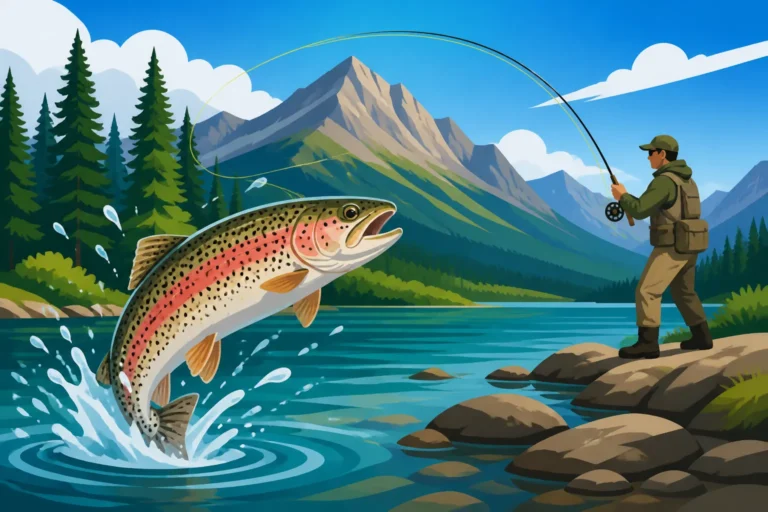
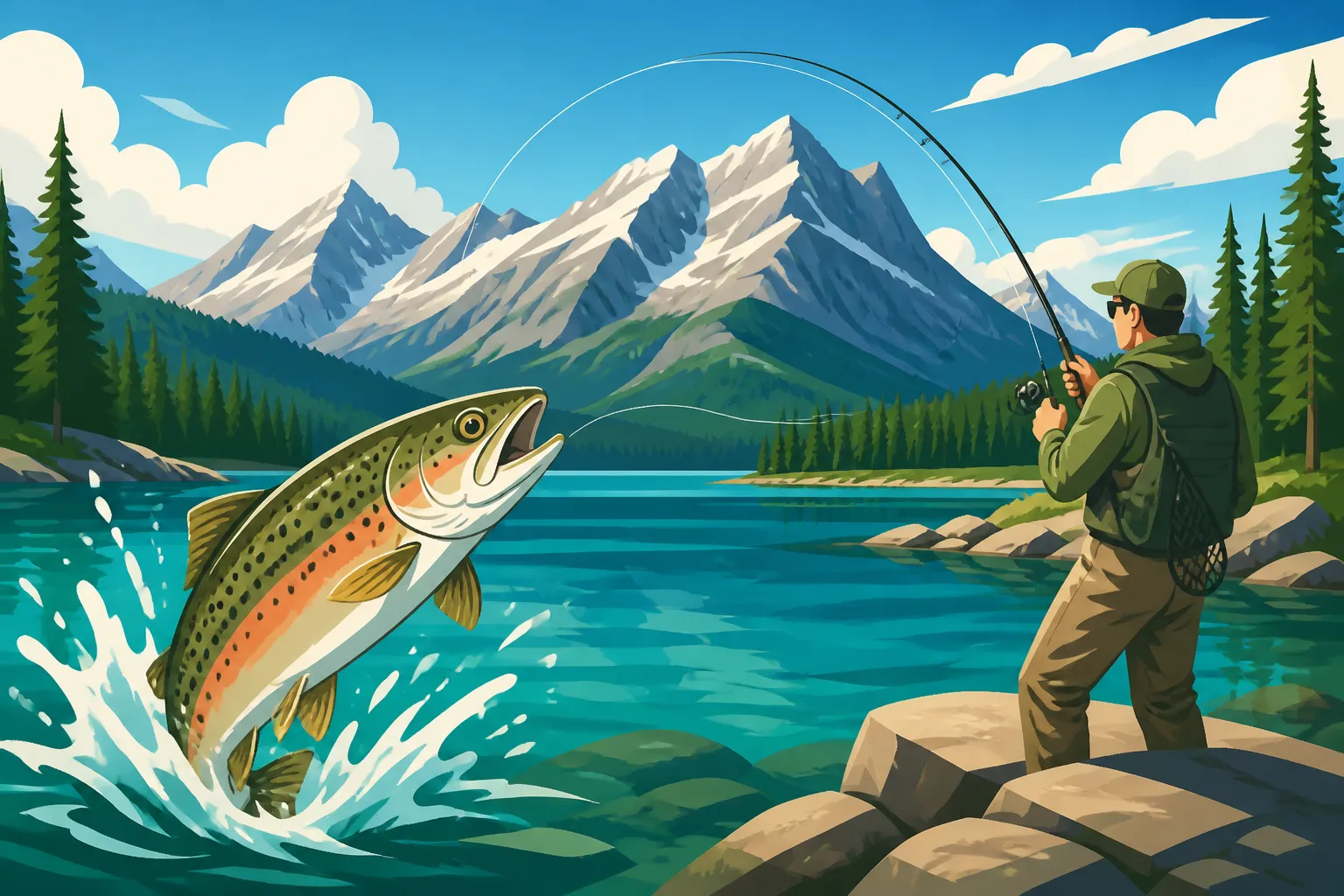
What truly sets Kananaskis apart for fishing is the sheer variety of its waters. You'll find everything from easily accessible, stocked lakes perfect for a family day out, to remote alpine tarns that require a strenuous hike to reach. This diversity means that whether you're a seasoned fly-fisher seeking wild trout or a beginner hoping to catch your first fish, K-Country has a spot for you. The water clarity in many of these lakes is astounding, often allowing you to spot fish cruising in the shallows on a calm day. Imagine casting a line with towering peaks reflecting on the water – it's an experience that nourishes the soul as much as it offers the thrill of the catch.
Understanding Kananaskis Fishing Culture
Fishing in Kananaskis isn't just about catching fish; it's about embracing responsible outdoor recreation. Many of these waters are part of the larger conservation efforts in Alberta, meaning catch-and-release is often encouraged or even mandated for certain species. It's common to see anglers practicing ethical handling techniques, using barbless hooks, and minimizing their impact on the environment. Before you head out, make sure you've obtained your Alberta fishing license, as it's a non-negotiable requirement. Understanding your Alberta Fishing License Guide for 2026 is the first step, ensuring you're compliant before your boots even hit the trail. The angling community here is generally very friendly and willing to share tips, but always remember to respect privacy and maintain a good distance from other anglers.
Top Fishing Lakes to Explore in Kananaskis
Kananaskis is dotted with incredible fishing opportunities. While we can't cover every single gem, here are some of the most popular and productive lakes that offer diverse experiences for all types of anglers. Each has its own charm and challenges, so choose the one that best suits your adventure level and fishing goals.
Lower Kananaskis Lake: Family-Friendly and Accessible
Lower Kananaskis Lake is arguably one of the most popular fishing destinations in K-Country, and for good reason. Its easy accessibility right off Highway 40 and well-maintained day-use areas make it perfect for families, beginners, or anyone looking for a more relaxed fishing trip. The lake is quite large and offers ample shoreline fishing opportunities, as well as several boat launches for those with a canoe, kayak, or small motorboat. Powerboats are permitted, but there are restrictions on speed in certain areas. Understanding Alberta Boating Laws for Anglers is important for safe navigation and compliance.
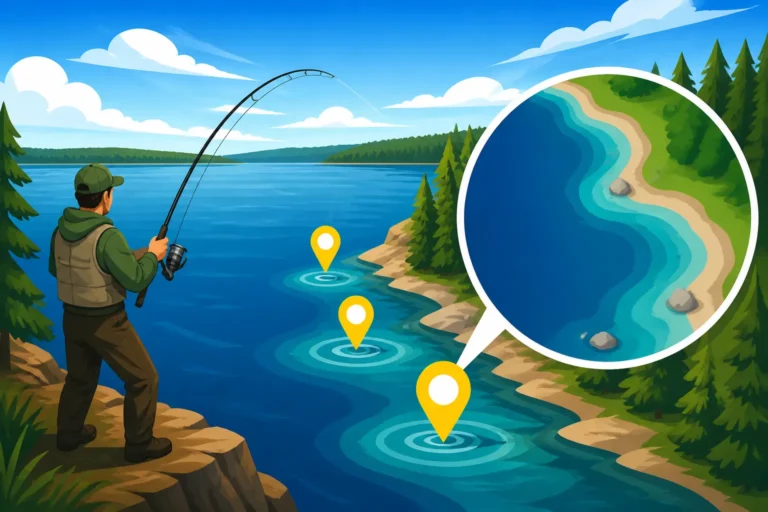
You'll find a mix of species here, primarily rainbow trout and brook trout, which are regularly stocked, along with some native cutthroat trout. The lake's clear, cold waters are ideal for these species. Spin casting with small spoons or spinners (think classic Five of Diamonds or Mepps Aglia) often yields good results, especially in the shallower bays and points. Fly fishing can also be productive, particularly during hatches in spring and early summer. Because of its popularity, it can get busy, especially on weekends, so an early start is often a good idea. If you're bringing kids, remember that Alberta Youth Fishing License Exemption Under 16 means they can fish without a license, making it an even easier family outing.
Upper Kananaskis Lake: Remote Beauty and Big Fish Potential
Just a short drive beyond Lower Kananaskis Lake, you'll find Upper Kananaskis Lake. This lake feels a bit wilder and more remote, despite its relatively easy access. It's often favored by anglers seeking larger, wilder fish, particularly lake trout. While the lake trout here aren't typically giants, they offer a formidable fight in the clear, deep waters. You might also encounter bull trout, though these are strictly catch-and-release and require careful handling. If you do hook one, it's crucial to understand Alberta Bull Trout Zero Possession Rule and practice safe release techniques.
Upper Kananaskis Lake is quite deep and cold, making it ideal habitat for lake trout. Trolling with downriggers or heavy spoons is a common and effective method for targeting them. Shore fishing can be productive near deeper drop-offs or river inlets if you're willing to hike a bit. The surrounding landscape is absolutely stunning, offering incredible mountain views that often include glimpses of wildlife. Given the lake's deeper nature, a fish finder can be a huge asset here to locate schools of baitfish and the predators that follow them.
Barrier Lake: A Hub for Recreational Anglers
Barrier Lake is another easily accessible and popular spot in Kananaskis, located right off Highway 40 near the start of the Kananaskis Trail. It's a man-made reservoir, but it offers fantastic fishing opportunities, especially for rainbow trout. The lake is quite wide open and can get windy, but its shallow nature in many areas makes it suitable for both shore anglers and those with small boats or kayaks. There are several picnic areas and a public boat launch, making it a convenient choice for a day trip.
Rainbow trout are the main draw here, regularly stocked to ensure good fishing opportunities. Fly fishing can be excellent, particularly around the inlets and weed beds where trout feed. Trolling with small lures or even still fishing with bait (where permitted) can also be very effective. It's a great lake for learning new techniques or introducing someone to fishing. Barrier Lake also sometimes gets stocked with cutthroat trout, adding another layer of excitement. For those looking to really maximize their time on the water, Barrier Lake is a prime spot that often delivers.
Chester Lake: A Scenic High-Alpine Trek
For the adventurous angler who doesn't mind a good hike, Chester Lake offers a truly unique Kananaskis fishing experience. This beautiful alpine lake requires a moderate 9.4 km return hike with a significant elevation gain, making it a destination for those seeking solitude and stunning scenery alongside their fishing. The reward? Pristine waters and the chance to catch feisty cutthroat trout and brook trout in an unforgettable setting.
Chester Lake is typically ice-free from late June to early October, though snow can linger well into summer. Due to its remote nature and the fragility of the alpine ecosystem, it's generally a catch-and-release lake, and light tackle or fly fishing is recommended. Small spinners, spoons, or dry flies and nymphs imitating local insect life can be incredibly effective. Always check the Alberta Fishing Regulations Explained for any specific rules pertaining to high-alpine lakes, as they can differ from larger, more accessible bodies of water. The journey to Chester Lake is as much a part of the experience as the fishing itself, so pack appropriately for a full day in the mountains.
Species, Seasons, and Essential Regulations
Fishing in Kananaskis Country is an incredible experience, but it requires adherence to specific rules to protect these fragile ecosystems. Knowing what you're likely to catch, when to fish, and the local regulations is crucial for a responsible and successful trip.
What You'll Be Catching in K-Country
Kananaskis lakes are primarily known for their trout species. Here’s a quick rundown of what you can expect:
- Rainbow Trout: These are widely stocked in many Kananaskis lakes, including Lower Kananaskis and Barrier Lake. They're strong fighters and readily take a variety of lures, flies, and bait. They are beautiful, often sporting vibrant colours.
- Brook Trout: Another popular stocked species, brook trout are known for their distinct white-edged fins and marbled patterns. You'll find them in many of the same lakes as rainbows, and also in some smaller, colder streams and alpine tarns like Chester Lake.
- Cutthroat Trout: Native to some of Alberta's mountain waters, these trout are prized for the distinctive red or orange slash under their jaw. They are often found in higher elevation lakes and streams. Learning about Cutthroat Trout in Alberta's Mountain Streams is key if you plan to target them, as they sometimes have special protection.
- Lake Trout: These large, predatory char are typically found in the deeper, colder lakes like Upper Kananaskis Lake and occasionally Spray Lakes. They can grow to impressive sizes and offer a significant challenge to anglers. If you're after these, techniques covered in guides like How to Catch Lake Trout in Alberta will be very helpful.
- Bull Trout: Alberta's provincial fish, bull trout are a native species that are critically important to the ecosystem. Due to their vulnerable status, they are always catch-and-release in Alberta, and often require barbless hooks and minimal handling. Identifying them correctly is crucial, as they can sometimes be confused with lake trout.
Navigating Season Dates and Bag Limits
Kananaskis Country falls within specific fishing zones in Alberta, each with its own season dates and bag limits. These regulations are subject to change annually, so always consult the current Alberta Guide to Sportfishing Regulations before you head out. Generally, many Kananaskis lakes open around late spring (often May or June, depending on ice-off) and remain open until late fall. Some lakes might have year-round fishing, while others are strictly seasonal.
Bag limits specify how many fish of a certain species you can keep per day and how many you can possess (often twice the daily limit). For example, a lake might have a daily limit of 3 rainbow trout, but strictly catch-and-release for all other species. It's not uncommon to find many Kananaskis lakes designated as Alberta Catch and Release Only Waters for all species, or with very restrictive limits, to help maintain healthy fish populations. Always check the specific regulations for the lake you plan to visit. Printing or carrying a digital copy of the regulations is a smart move.
Mandatory Gear and Conservation Practices
Beyond your basic rod, reel, and tackle, there are a few things that are practically mandatory for fishing in Kananaskis:
- WIN Card: You'll need an active Wildlife Identification Number (WIN) to purchase your fishing license. If you don't have one, or if it's expired, get that sorted first. Learning about the Alberta WIN Card, Explained will walk you through the process.
- Barbless Hooks: Many Kananaskis waters, especially those with catch-and-release mandates or sensitive populations, require the use of barbless hooks. This minimizes harm to the fish and increases their chances of survival after release. It's a good practice to crimp down the barbs on all your hooks when fishing in K-Country.
- Net: A rubberized landing net is highly recommended. It's gentler on fish scales and slime coats, making catch-and-release much safer for the fish.
- Pliers/Forceps: Essential for quickly and safely removing hooks, especially if you're using barbless hooks.
- Layered Clothing: Mountain weather can change rapidly. Be prepared for sun, wind, rain, and even snow, even in summer.
- Bear Spray: You are in bear country. Carry bear spray and know how to use it.
- Leave No Trace: Pack out everything you pack in, including all garbage, fishing line, and bait containers. Respect wildlife and vegetation.
Planning Your Kananaskis Fishing Trip
A little planning goes a long way when heading into Kananaskis Country. From figuring out how to get there to deciding if you want an expert to show you the ropes, thinking ahead ensures a smoother, more enjoyable fishing trip.
Access, Amenities, and Getting Around
Access to many Kananaskis lakes is relatively easy, typically via paved highways like Highway 40 or the Trans-Canada Highway. However, some smaller lakes or trailheads might involve driving on gravel roads. Always check road conditions, especially in spring and fall, as some mountain roads or access points can be closed due to snow or maintenance. Popular lakes like Lower Kananaskis, Upper Kananaskis, and Barrier Lake have parking areas, day-use facilities (picnic tables, washrooms), and designated boat launches. For lakes requiring a hike, ensure you have appropriate hiking gear, plenty of water, and understand the trail conditions. Cell service can be spotty to non-existent in many areas of Kananaskis, so don't rely on your phone for navigation or emergencies. A physical map or a downloaded offline map is a must.
If you're planning a longer stay, Kananaskis offers various camping options, from basic provincial park campgrounds to more equipped private sites. Booking well in advance is highly recommended, especially during peak season. Always check the Alberta Parks website for the latest information on campground availability, fire bans, and trail closures.
Hiring a Local Guide for a Seamless Experience
For those who are new to Kananaskis Country, or simply want to maximize their chances of success and learn the local nuances, hiring a professional fishing guide can be an invaluable investment. Local guides possess in-depth knowledge of specific lakes and rivers, understanding fish patterns, effective techniques, and current regulations. They can provide all the necessary gear, safe transportation to the best spots, and often share fascinating insights into the area's history and ecology.
Whether you're looking for an intro to Spring Trout Fishing Techniques for Alberta Streams or want to target big lake trout in deep water, a guide can tailor the experience to your skill level and preferences. Platforms like FishingBooker are a great resource for finding reputable local guides operating in the Kananaskis area. They can help you sift through options, read reviews, and book a guided trip that ensures you hit the right spots at the right time. This can be especially helpful for remote lakes or if you're trying a specific technique, like fly fishing, for the first time in a mountain setting. Think of it as a fast track to an incredible K-Country fishing adventure.
Comparison of Kananaskis Fishing Lakes
Here’s a quick overview of some of the popular fishing lakes in Kananaskis Country to help you choose your next adventure:
| Lake Name | Primary Species | Accessibility | Typical Fishing Method(s) | Key Feature(s) |
|---|---|---|---|---|
| Lower Kananaskis Lake | Rainbow Trout, Brook Trout, Cutthroat Trout | Easy (paved road) | Spin, Fly, Bait (where allowed) | Family-friendly, stocked, good boat access |
| Upper Kananaskis Lake | Lake Trout, Bull Trout (C&R) | Easy (paved road) | Trolling, Deep Jigging, Fly | Deeper, colder, stunning scenery, larger lake trout |
| Barrier Lake | Rainbow Trout, Cutthroat Trout | Easy (paved road) | Spin, Fly, Bait (where allowed) | Good for beginners, frequent stocking, often windy |
| Chester Lake | Cutthroat Trout, Brook Trout | Hike (9.4 km return) | Fly, Ultralight Spin | High-alpine, catch & release, scenic hike, solitude |
| Spray Lakes Reservoir | Lake Trout, Brook Trout, Whitefish | Moderate (gravel road) | Trolling, Jigging, Ice Fishing | Very large, windy, good for motorized boats, big fish |
This table can help you quickly assess which lake might be the best fit for your next outing, whether you're bringing the whole family or embarking on a solo quest for a trophy fish. Each of these lakes contributes to why Kananaskis Country is renowned as one of the Best Fishing Lakes in Alberta.
Disclaimer
The information provided in this guide is for general informational purposes only and is subject to change. Always consult the official Alberta Guide to Sportfishing Regulations and the Alberta Environment and Protected Areas website for the most current and accurate regulations, season dates, and licensing requirements before planning any fishing trip in Kananaskis Country. Fishing conditions, access, and specific rules can vary greatly and may change without notice. Your safety and compliance with all laws are your responsibility.