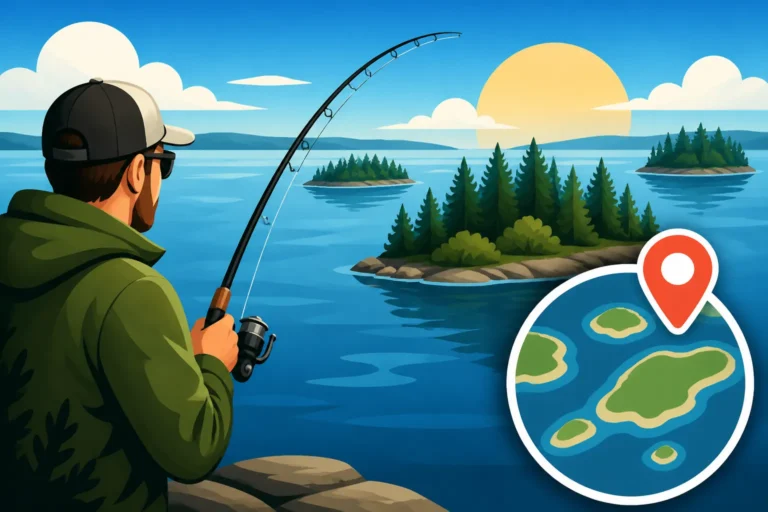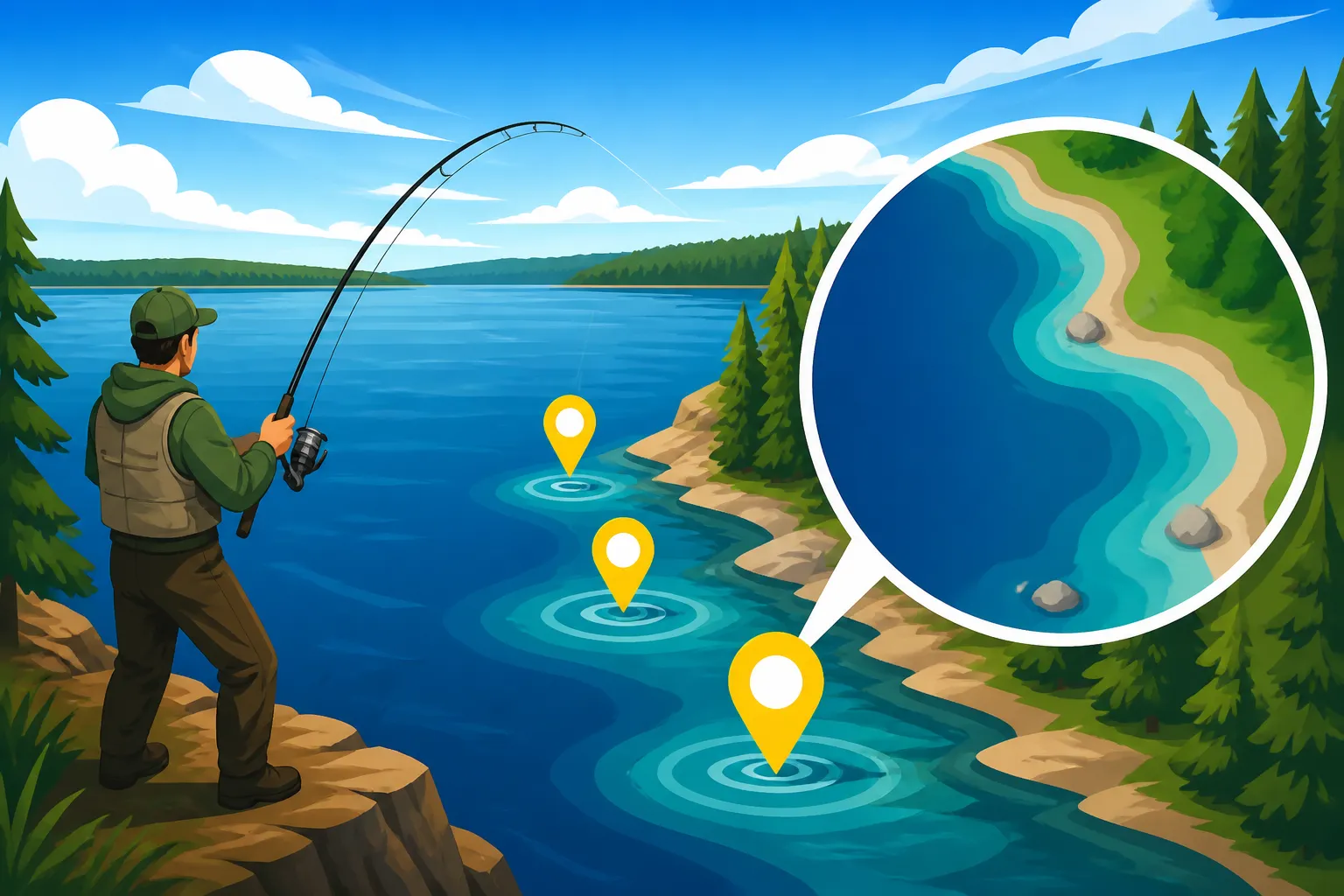
Best drop-offs to fish on Lesser Slave Lake
Lesser Slave Lake is a magnificent beast, stretching for over 100 kilometers, and that sheer size can be incredibly intimidating for any angler. You know the frustration: staring at a vast expanse of water, wondering where on earth the fish could be hiding, especially when you're specifically targeting those elusive walleye or big northern pike. This comprehensive guide is dedicated to unraveling the mystery of Lesser Slave Lake's most productive drop-offs, equipping you with the knowledge to pinpoint these underwater havens and catch more fish.
Understanding Lesser Slave Lake's Prime Drop-Off Zones
On a lake as massive as Lesser Slave, understanding the topography beneath the surface is your golden ticket to finding fish. Drop-offs aren't just random changes in depth; they are underwater highways and feeding grounds where baitfish congregate, and predatory fish lie in wait. Think of them as the edges of an underwater plateau or the slopes leading into deeper channels.
The Importance of Submerged Structure and Contours
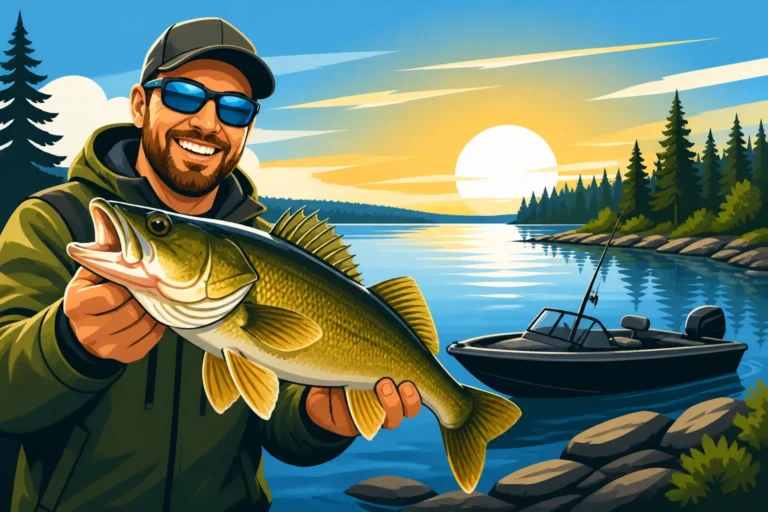
Walleye, in particular, are notorious for relating to structure, and drop-offs are often the most consistent form of structure you'll find on Lesser Slave Lake. They offer everything a walleye needs: access to deep, cool, oxygenated water for refuge, proximity to shallow flats for feeding, and a natural ambush point where they can dart out and grab passing baitfish. These contours can vary from subtle, gradual slopes that seem almost imperceptible to sharp, dramatic ledges that plunge many feet in a short distance.
Imagine a gentle slope where the depth slowly goes from 10 feet to 20 feet over a hundred yards. This kind of drop-off is often fantastic for trolling or drifting, allowing your bait to stay in the strike zone longer. Now, picture a sheer rock face dropping from 15 feet to 40 feet in just a few boat lengths. These abrupt changes are incredible for vertical jigging, as fish will stack up along the edge, waiting for an easy meal to fall past. The subtle nuances of these underwater contours are what separate a good fishing day from a truly memorable one. Knowing how to interpret these structures, whether on your fish finder or through a topographical map, is absolutely key to success on big water like Lesser Slave. Understanding the specific habits of Walleye Fishing in Alberta can really help dial in your approach.
Key Areas to Scout: East Basin, Shaw's Point, Big Point
Lesser Slave Lake has several well-known areas, each with its own characteristics and productive drop-offs. The East Basin, near the town of Slave Lake, is shallower and tends to warm up faster, making its drop-offs productive earlier in the season. Look for transitions where the sandy flats give way to deeper mud bottom. There are also old creek channels and submerged humps here that create excellent ambush points. The channel leading out to the main lake from the eastern shore is a classic example of a productive current-driven drop-off.
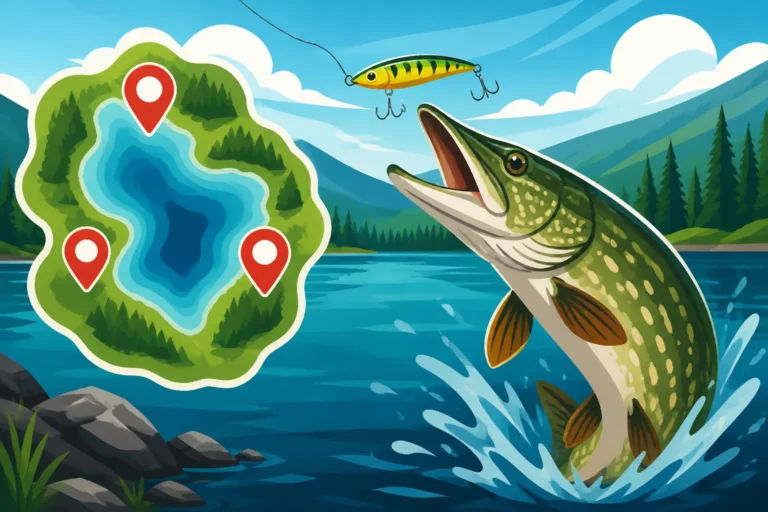
Further west, areas around Shaw's Point and Big Point offer more classic large-lake structure. Shaw's Point has prominent rocky shoals that drop off into deeper water, providing prime habitat for both walleye and larger northern pike. These areas are often exposed to wind, which can stack baitfish and, consequently, predator fish along the deeper edges. Big Point, true to its name, is a large landmass that extends into the lake, creating extensive shallow bays and equally extensive deeper water drop-offs on its outer edges. These deeper edges are often where you'll find the biggest fish, especially during warmer months. Exploring these specific zones is often mentioned by local guides and charters found on platforms like FishingBooker. They can offer invaluable insights into real-time conditions and current hot spots. The sheer variety of Lesser Slave Lake best fishing spots ensures there's always something new to explore.
Essential Tools for Locating Productive Drop-Offs
Fishing blind on Lesser Slave Lake is like looking for a needle in a haystack – possible, but incredibly frustrating and time-consuming. Modern electronics and good old-fashioned map reading are your best friends when it comes to pinpointing those fish-holding drop-offs.
Mastering Your Electronics: Sonar and GPS
Your fish finder, or sonar, is your window to the underwater world. Don't just look for fish arches; learn to interpret the bottom composition and contour changes it displays. A sharp drop on your screen, indicating a rapid change in depth, is a clear sign you've found a drop-off. Pay attention to how quickly the depth numbers change. Are they gradually increasing, or plunging dramatically? Look for "hard" returns (thicker lines) which usually indicate rock or gravel, often preferable to "soft" returns (thinner, fuzzier lines) which signify mud. Walleye especially love those hard-bottom transitions along a drop-off.
Pairing your sonar with GPS is non-negotiable. Once you find a promising drop-off, mark it with a waypoint. Then, run parallel to that contour, marking other key features like baitfish schools, individual fish arches, or submerged timber. Many modern units from brands like Humminbird or Lowrance allow you to create custom contour maps in real-time as you drive, giving you an unparalleled advantage in understanding the bottom structure. This is especially useful on a massive lake where specific mapping might be less detailed. Knowing where to go back to once you've found a productive spot is invaluable for consistent success. This level of detail in identifying structure is crucial for How to read structure for walleye on Lesser Slave Lake.
Interpreting Lake Maps and Navigational Charts
Before you even launch your boat, spend time studying detailed lake maps and navigational charts. These maps often show depth contours, underwater humps, points, and old riverbeds – all prime areas for drop-offs. Look for areas where contour lines are tightly packed together; this indicates a steep drop-off. Where they are spread further apart, you have a more gradual slope.
Navigational charts, often available on marine GPS units or through apps like Navionics or C-MAP, are incredibly accurate and will highlight prominent points, submerged islands, and channels that invariably lead to productive drop-offs. For example, you might see a long, tapering point extending into the lake, with closely spaced contour lines running along its sides – that's a drop-off worth investigating. Many guides listed on FishingBooker will share their local knowledge, but having your own map-reading skills empowers you to find new spots. Take notes on your map or in your GPS system regarding what you catch, when, and under what conditions. This historical data becomes your personal fishing journal and an invaluable tool for future trips. Understanding the best times of day, like those explored in Best Time of Day to Catch Walleye, can further enhance your map-based planning.
| Feature | Description | Why it Matters for Drop-offs |
|---|---|---|
| Contours | Lines indicating specific depth changes (e.g., 10ft, 20ft). | Tightly packed lines mean steep drop-offs (good for jigging), widely spaced mean gradual slopes (good for trolling). |
| Humps/Reefs | Submerged hills or rock formations. | Often surrounded by drop-offs, providing ambush points and feeding stations for walleye and pike. |
| Points | Land formations extending into the water, often tapering off. | Their underwater extensions create natural drop-offs, current breaks, and baitfish highways. |
| Channels | Deeper pathways, often remnants of old riverbeds. | Fish use these as travel routes, and their edges are prime drop-offs, especially in shallower basins. |
| Transitions | Changes in bottom composition (e.g., sand to mud, rock to gravel). | Walleye often relate to these edges, particularly where they intersect with a drop-off. |
Proven Techniques for Fishing Lesser Slave Lake Drop-Offs
Once you've located a promising drop-off, the next step is to present your bait or lure effectively. Different species and different types of drop-offs call for various techniques. Being versatile in your approach will significantly increase your success rate.
Vertical Jigging and Live Bait Rigs for Walleye
Vertical jigging is an absolute killer technique when walleye are holding tight to a specific depth on a steep drop-off. The key is precise boat control. Use your trolling motor to stay directly over the fish or the desired depth contour as you drift slowly. Small boat control adjustments are vital to keep your jig dancing right in their face. Popular jigs for Lesser Slave Lake include 1/4 to 1/2 oz lead-head jigs tipped with a minnow (live or Gulp!), a soft plastic, or even a small crankbait. Bounce the jig off the bottom, lift it a foot or two, and let it fall back. Walleye often hit on the fall or as the jig pauses. Pay close attention to subtle bites – sometimes it feels like just extra weight or a slight tick.
For walleye that might be a little more scattered or less aggressive, live bait rigs can be incredibly effective. A classic bottom bouncer or a slip bobber rig with a leech, minnow, or crawler is hard to beat. When using bottom bouncers, you want to maintain contact with the bottom, slowly dragging your bait just off the edge of the drop-off. This is particularly effective on more gradual slopes. For example, if you find walleye suspended just off a 20-foot drop, a slip bobber set to the correct depth will keep your live bait right in the strike zone without getting snagged. This approach is fundamental to How to Catch Walleye in Alberta and specifically Best walleye spots on Lesser Slave Lake.
Trolling and Casting for Pike and Lake Whitefish
While walleye often hold tight to structure, northern pike are ambush predators that will patrol the entire length of a drop-off, especially if there's good cover like weeds or submerged wood nearby. Trolling is a fantastic way to cover a lot of water along a drop-off, particularly the more gradual slopes or where the drop-off extends for a long distance. Large crankbaits, spoons, or even big spinnerbaits can be trolled at varying depths to entice these aggressive fish. Pay attention to your fish finder to match your lure's running depth to where you're seeing baitfish or pike.
Casting is also effective, especially if you identify specific points or turns along a drop-off where pike might be lying in wait. Throw large spoons, jerkbaits, or soft plastic swimbaits parallel to the drop-off, allowing them to sink briefly before retrieving. If you're targeting the bigger "gators," don't be afraid to use larger presentations. Northern Pike are opportunistic, and a big meal is rarely refused. For details on what to use, check out Best Baits for Walleye on Lesser Slave Lake and also consider larger versions for pike. Occasionally, especially in deeper, colder sections, you might encounter lake whitefish schooling along these drop-offs. Small spoons or even a fly fished on sinking line can tempt these often-finicky eaters. Charters available through FishingBooker often specialize in specific species, and some are dedicated to hunting trophy pike.
Seasonal Strategies for Lesser Slave Lake Drop-Offs
The behavior of fish on Lesser Slave Lake's drop-offs changes dramatically with the seasons, largely dictated by water temperature and spawning cycles. Adapting your strategy to the time of year is crucial for consistent success.
Spring and Early Summer Transitions
As the ice leaves Lesser Slave Lake in the spring, the walleye begin to move into shallower areas to spawn. After spawning, they often begin to transition to the nearest available deep water, which means the drop-offs adjacent to those spawning grounds become hotbeds of activity. Early in the season, focus on the shallower ends of the drop-offs, in the 10-20 foot range, especially those with some sunlight exposure that warms the water slightly. The East Basin's shallower drop-offs become particularly active at this time. Minnow-imitating crankbaits or jigs tipped with live minnows are excellent choices.
As spring moves into early summer, fish spread out more. The deeper parts of these drop-offs, say 20-40 feet, start to become more productive as walleye and pike seek cooler, more stable water. Baitfish like cisco and perch will also start schooling up along these transitions. This is a great time for trolling deeper-diving crankbaits or using bottom bouncers with larger live bait presentations. Focus on drop-offs near major points or large submerged humps. This period is often when anglers really start to dial in on Lesser Slave Lake Walleye Fishing patterns.
Mid-Summer and Fall Patterns
Mid-summer on Lesser Slave Lake often sees fish moving to the deepest, coolest parts of the lake. For walleye, this means they'll be relating to the deepest drop-offs, sometimes 30-50 feet or even deeper, especially during the brightest parts of the day. They might move shallower to feed during low light conditions (dawn, dusk, or overcast days). Vertical jigging becomes exceptionally effective in these deeper areas, as does slow trolling with heavy jigs or bottom bouncers. Look for schools of baitfish on your sonar along these deep edges, as walleye will never be far behind.
As fall approaches, the lake's water temperature begins to drop, leading to what's often called the "fall turnover." This mixes the water column, redistributing oxygen and baitfish. Walleye and pike often go on a serious feeding binge in preparation for winter. This is a prime time to target drop-offs at a variety of depths, as fish can be anywhere from 15 to 45 feet deep. Look for large schools of baitfish moving into bays or along prominent points; the predator fish will be right there with them. Trolling large crankbaits for pike and jigging or rigging for walleye remain highly effective. Don't be surprised if you catch some of the biggest fish of the year during this time, as they are actively bulking up. For those looking for the biggest walleye, the fall period on Lesser Slave Lake's deep drop-offs offers some of the best opportunities.
Remember, fishing these vast waters is an adventure. Don't be discouraged if you don't find them immediately. Keep moving, keep experimenting, and keep an eye on your electronics. The secrets of Lesser Slave Lake's drop-offs are waiting to be uncovered.
Disclaimer
The information provided in this guide is for general informational purposes only and is not intended as legal advice or a substitute for official regulations. Always consult the most current Alberta Guide to Sportfishing Regulations and any local advisories before fishing. Fishing conditions and fish behavior can vary.