Best year-round trout fishing in Alberta
It's a common frustration for many anglers in Alberta: just when the fishing starts getting really good, the seasons change, and suddenly your favourite spots are closed. The idea of consistent, productive trout fishing all year long often feels like a distant dream, especially with our long winters and often confusing regulations. But what if I told you that year-round trout fishing in Alberta isn't just a fantasy? It's absolutely possible, and this guide is here to walk you through where and how to keep those lines tight no matter the month.
Understanding What "Year-Round" Trout Fishing Means in Alberta
When we talk about "year-round" trout fishing in Alberta, it's not quite as simple as just hitting any lake or river whenever you feel like it. Our province has a diverse climate and a complex set of regulations designed to protect fish populations, especially during vulnerable spawning periods. True year-round opportunities often exist in specific locations due to unique ecological conditions, such as tailwater fisheries, or through special regulations that allow for extended seasons, often with catch-and-release rules in place during certain times. It means adapting your approach from open water techniques to ice fishing, or navigating varying river flows and temperatures. It's about knowing which waters are open, when they are open, and what the specific rules are for those times.
Navigating Seasonal Closures and Openings
Alberta's fishing seasons are meticulously managed by zones and often by specific water bodies. Many rivers and streams that hold trout will have explicit closure dates, typically in the fall and winter, to protect spawning trout like brown trout and rainbow trout. For instance, while certain sections of the Bow River are famous for their extended season, many smaller tributary streams close much earlier. Lakes often have more straightforward regulations, with general open seasons for various species, which might include trout.
The key to year-round success is intimately knowing the Alberta Fishing Season Dates by Zone. You need to check the "Alberta Guide to Sportfishing Regulations" every single year. Don't assume last year's rules are the same. A body of water might be open for ice fishing for trout in the winter, then close for a period in spring during thaw and runoff, and then reopen for the summer. It's a dynamic system, and a quick check on the MyWildAlberta portal or the AlbertaRelm app is your best friend.
The Role of Catch and Release Regulations
Many of the year-round trout fishing opportunities in Alberta, especially on rivers, are sustained by strict catch-and-release policies. This is particularly true for our native species like bull trout and westslope cutthroat trout, but also applies to specific trophy sections of rivers for rainbow and brown trout. These regulations ensure that fish populations can thrive and reproduce, providing fantastic fishing for future generations. For example, the upper sections of the Bow River and some mountain streams often mandate barbless hooks and require that all trout be immediately released. This means you might be fishing year-round, but your goal isn't to fill a cooler; it's to enjoy the thrill of the catch and the beauty of the fish before letting them swim free. Learning proper Best Techniques for Bull Trout Catch and Release is crucial for these situations, ensuring minimal harm to these precious fish.
Top Year-Round Trout Fishing Locations in Alberta
While finding a true "year-round" trout fishery in Alberta that's consistently productive across all four seasons can be a challenge, certain iconic locations come remarkably close, offering fantastic opportunities throughout much of the year, even if techniques need to change.
The Mighty Bow River
The Bow River, particularly the section downstream from Calgary, is arguably Alberta's most famous and consistent year-round trout fishery. This is largely due to its tailwater nature. The water released from the Glenmore Dam (and further upstream, Barrier Lake Dam and Lake Minnewanka reservoirs) maintains a more stable temperature than typical freestone rivers. This means it rarely freezes completely solid in the winter, and in the summer, it stays cooler than other prairie rivers.
- Winter Angling (December – March): While other rivers might be locked under ice, significant stretches of the Bow remain open. Winter fly fishing can be exceptional, with trout often holding in deeper, slower runs and pools. Nymphing with small patterns like midges, tiny stoneflies, and scuds can be incredibly effective. Even some streamer fishing can entice lethargic but hungry brown trout. It's a colder, quieter experience, but the rewards are often big, healthy fish. You'll need durable gear and a good understanding of where the fish are holding in the slower currents.
- Spring Fling (April – May): As ice peels back and water temperatures slowly rise, trout become more active. Pre-runoff can offer some fantastic fishing before the river blows out with snowmelt. Streamer and nymph fishing remain strong, and as aquatic insect activity increases, you might even find early dry fly opportunities.
- Summer Gold (June – August): Even through summer's heat, the Bow's tailwater effect keeps its waters cooler, making it a prime destination for trout. Hatches of caddis, mayflies, and stoneflies can lead to incredible dry fly fishing, while nymphing and streamer fishing are always reliable. This is when float trips become popular, allowing anglers to cover miles of prime water.
- Fall Harvest (September – November): Many consider fall the peak season on the Bow, especially for targeting trophy brown trout. These fish become aggressive as they prepare for spawning, actively feeding on large streamers and nymphs. The vibrant autumn colours add to the magic of the experience.
While regulations on the Bow River can vary by section, generally, the stretch through and below Calgary remains open with specific restrictions on possession, often requiring catch and release for specific species or sizes. You'll want to review Bow River Fishing Regulations carefully before heading out. For those unfamiliar with the best access points or techniques, consider booking a guided trip through platforms like FishingBooker to get started.
Other Notable Trout Waters with Extended or Year-Round Potential
Beyond the Bow, other waters offer tantalizing year-round or near year-round opportunities for dedicated trout anglers.
- Some Larger, Deeper Lakes: Lakes like Cold Lake or those in the Kananaskis region can offer extended seasons or even year-round opportunities for lake trout, rainbow trout, or brook trout. For instance, Cold Lake, being so deep, often provides good Lake Trout Fishing in Alberta even through winter ice, though regulations change annually. These lakes might freeze over completely, but then the "year-round" aspect shifts to ice fishing.
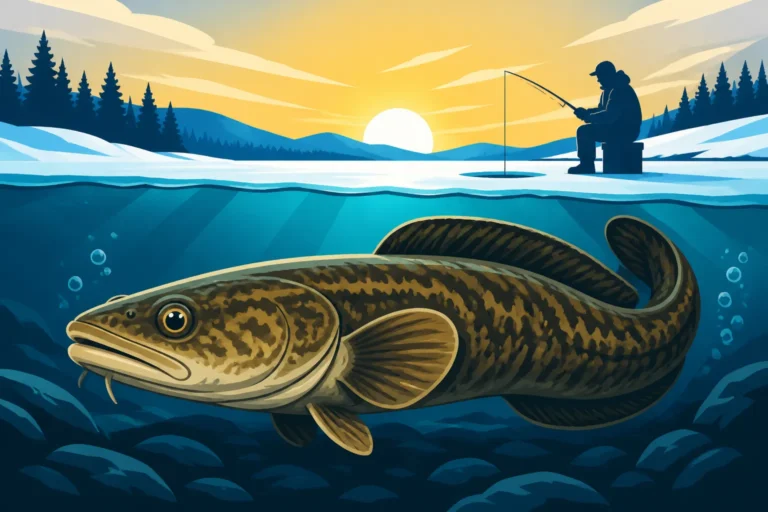
- Ice Fishing (December – March): Many stocked ponds and deeper lakes across Alberta provide excellent ice fishing for rainbow, brook, and sometimes brown trout. While the open water is gone, the season simply moves onto the ice. These spots are often stocked specifically for this purpose and offer a unique, social fishing experience. Places like Gull Lake or Pigeon Lake, while not exclusively trout fisheries, sometimes have trout species present in targetable numbers through the ice.
- Mountain and Foothills Streams (with caveats): While most mountain streams have clear seasonal closures, some larger systems might offer very early spring or late fall opportunities outside the typical summer window, usually under strict catch-and-release rules. However, these are highly dependent on snowmelt, water levels, and temperature. You'd need to consult the specific regulations for individual rivers, like the Crowsnest River or Oldman River.
- Stocked Ponds: Alberta's extensive stocking program ensures that many smaller ponds and lakes are regularly stocked with rainbow trout. While these might not offer trophy-sized fish, they provide fantastic, accessible fishing, often open for extended periods, including ice fishing in winter. These can be great for families or beginners looking for consistent action throughout the year.
Seasonal Adaptations for Year-Round Trout Angling
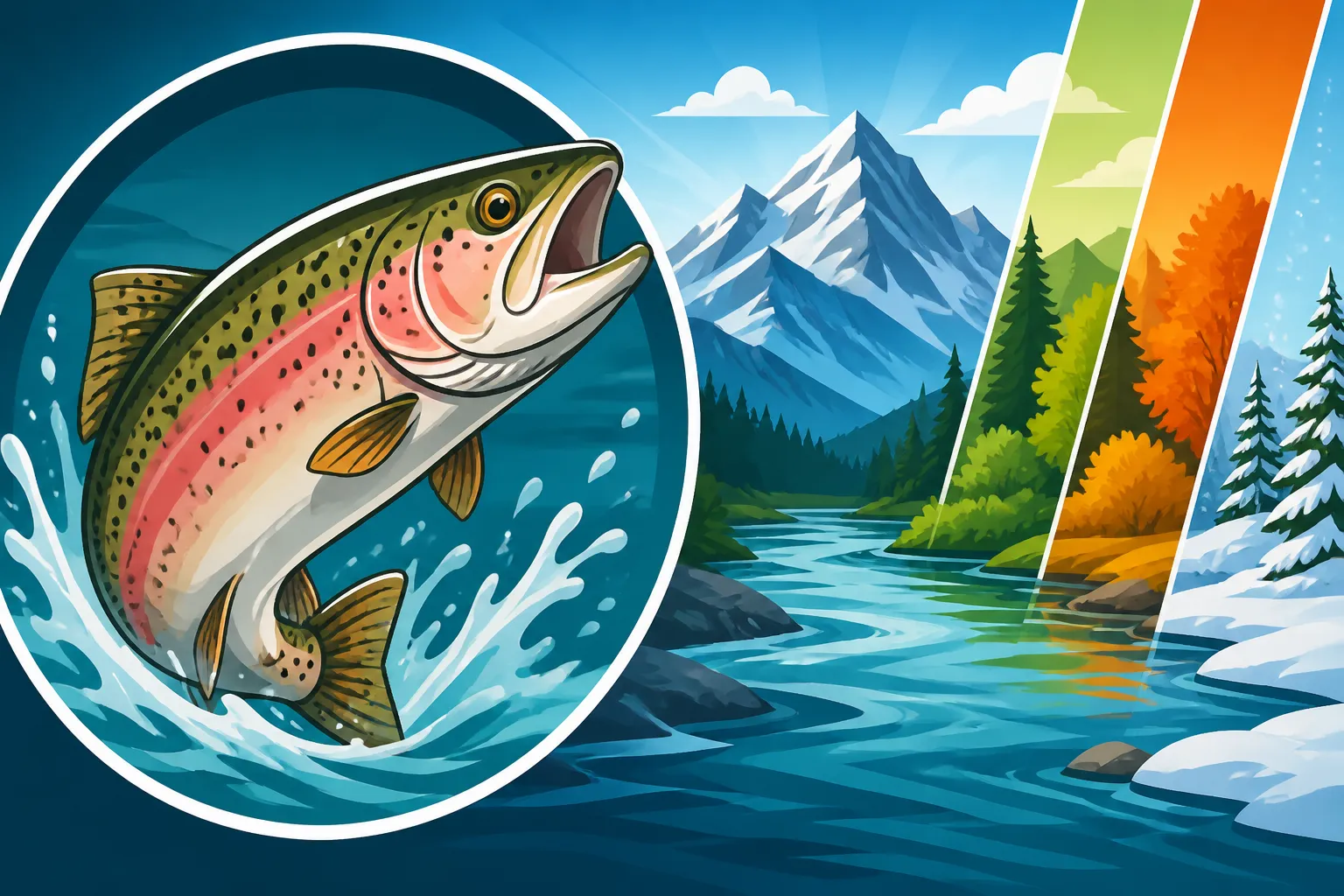
Successfully pursuing trout year-round in Alberta demands flexibility and a keen understanding of how fish behavior changes with the seasons. It's not just about finding open water; it's about understanding the challenges each season presents and adapting your approach.
Winter: Ice Fishing and Open Water Challenges
Winter in Alberta means ice, and lots of it. For many, year-round trout fishing means embracing the hard water.
- Ice Fishing Techniques: When the lakes freeze, trout move to deeper water, often suspending or holding near structure. Jigging with small spoons, soft plastics, or balanced jigs tipped with a maggot or piece of worm can be incredibly effective. A good fish finder is invaluable for locating fish and understanding their depth. For species like lake trout, larger spoons or even dead bait on tip-ups are popular. Remember that How Thick Ice Needs to Be to Fish Safely in Alberta is paramount before venturing out.
- Open Water Winter Fishing: On rivers like the Bow, where sections remain open, winter fishing is about slowing down. Trout are lethargic and won't chase baits far. Nymphing slowly through deep pools and runs, often with minimal weight and tiny indicators, is the go-to. Focus on midges, tiny stoneflies, and sowbugs. Patience is key, and bites can be incredibly subtle. Proper layering and warm gear are non-negotiable.
Spring: Runoff, Thaw, and Opening Days
Spring is a season of transition, marked by ice-out on lakes and the inevitable snowmelt runoff in rivers.
- Ice-Out on Lakes: As lake ice recedes, often around April or May, trout become very active, feeding heavily in the shallower, warmer waters around the edges. Casting small spoons, spinners, or even fly fishing with streamers can be productive. This is an exciting time as fish that have been under the ice all winter are hungry and aggressive.
- River Runoff: Many rivers, especially those in the mountains, experience significant runoff from melting snow. This can make them high, fast, and muddy, often unfishable for weeks or even months. During this time, the Bow River, with its regulated flows, often remains a viable option. Focus on finding slower seams, eddies, and backchannels where trout can escape the main current. Larger, heavier nymphs and streamers are often needed to cut through the turbidity.
- Season Openers: For many waters, spring marks the official "opening day." Knowing your Alberta Trout Season Opener Dates by Zone is crucial. These early season fish are often eager to bite after a long winter or spawning period.
Summer: Warm Water and High Country Escapes
Alberta summers bring warmth, but also potential challenges for trout, especially in shallower waters.
- Warm Water Stress: As air and water temperatures rise, trout in many lakes and rivers can become stressed, moving to deeper, cooler water or seeking thermal refugia. Fishing during the hottest parts of the day can be detrimental to fish health, particularly for catch-and-release. Consider fishing early mornings or late evenings. For deeper lakes, How Deep Lake Trout Go in Summer means you'll need to adapt your techniques, often using downriggers or heavy jigging spoons.
- High Country Opportunities: This is the time to explore Alberta's pristine alpine lakes and streams. These higher elevation waters often remain cool throughout the summer, providing excellent fishing for cutthroat, brook, and rainbow trout. Many are walk-in or hike-in destinations, offering solitude and stunning scenery.
- Abundant Hatches: Summer also brings prolific insect hatches, making dry fly fishing exhilarating on rivers like the Bow. From large stoneflies to delicate mayflies, matching the hatch can lead to unforgettable topwater action.
Fall: Pre-Spawn Aggression and Feeding Frenzies
Fall is often considered the most rewarding season for trout fishing, particularly for larger, predatory fish.
- Pre-Spawn Feeding: Brown trout, bull trout, and brook trout begin their spawning rituals in the fall. Before they spawn, they feed heavily, building up energy. This makes them aggressive and susceptible to larger baits and lures. Streamer fishing can be incredibly effective, imitating baitfish that these larger trout are targeting.
- Cooling Waters: As temperatures drop, trout in many waters become more active and less lethargic than in summer. They move out of deep-water refugia and can be found in a wider range of habitats.
- Changing Forage: With summer insect hatches winding down, trout shift their focus to larger food sources like baitfish, sculpins, and even mice. Adjusting your lure or fly patterns to mimic these forage items can be highly productive.
For those planning to experience the full spectrum of Alberta's trout fishing, exploring options through FishingBooker can help identify guides experienced in seasonal techniques, ensuring you're prepared for whatever the province throws at you.
Essential Gear and Techniques for Year-Round Success
Year-round trout fishing isn't just about knowing where to go; it's also about having the right tools and knowing how to use them. Your gear setup will shift dramatically from summer to winter.
Adapting Your Tackle for Each Season
A versatile angler will have different setups ready for different conditions.
- Winter Gear: For ice fishing, specialized ice fishing rods and reels are a must. They are shorter, more sensitive, and designed for tight spaces. An ice auger, a warm ice hut, and a portable fish finder are essential. For open water winter fishing on rivers, a sensitive fly rod (5 or 6 weight) or a light spinning setup with fluorocarbon leader for stealth is key. Warm, waterproof boots and layered clothing are critical for comfort and safety.
- Spring/Fall Gear: These transitional seasons often call for a mix of approaches. A medium-light spinning rod for casting spoons and spinners, or a 5/6-weight fly rod capable of throwing streamers and nymph rigs, will cover most situations. Waders and wading boots are indispensable for accessing river runs.
- Summer Gear: Depending on whether you're chasing high-country cutthroats or Bow River rainbows, your setup might include a lighter fly rod (3 or 4 weight) for delicate dry fly presentations, or a heavier 6-weight for bigger streamers. A good pair of polarized sunglasses for Best Sunglasses for Sight Fishing Clear Water and breathable waders are crucial.
Key Techniques to Master
Beyond the gear, mastering a few core techniques will boost your year-round success.
- Nymphing: This is arguably the most consistent year-round technique for river trout. Learning how to read water, identify holding lies, and get a drag-free drift with your nymphs is paramount. Whether it's indicator nymphing, Euro nymphing, or simply tight-lining, this skill will serve you well.
- Streamer Fishing: For aggressive trout, particularly large brown trout and bull trout, streamer fishing can be incredibly exciting. Imitating baitfish, crayfish, or sculpins, streamers are effective in all but the coldest conditions. Learning various retrieves and how to fish them effectively in different currents is a game-changer.
- Jigging: For ice fishing or even open water vertical presentations, jigging is a simple yet effective technique. Whether it's a small spoon, a balanced jig, or a soft plastic, impart action to entice strikes.
Regulations, Conservation, and Safety
Fishing year-round means you'll encounter a wider range of conditions and regulations. Always prioritize safety and conservation.
Reading the Alberta Guide to Sportfishing Regulations
I cannot stress this enough: always consult the most current "Alberta Guide to Sportfishing Regulations" before you go fishing. This document, available online through MyWildAlberta or in print at tackle shops and government offices, is your legal bible. It details:
- Season Dates: Exact opening and closing dates for specific water bodies and zones.
- Bait Restrictions: Many trout waters, especially those in the mountains, have "bait ban" regulations. Others may allow bait, but not live baitfish.
- Possession and Bag Limits: How many fish you can keep (if any) and of what size. Many year-round waters are strictly catch and release.
- Special Regulations: Specific rules like barbless hooks only, single-hook only, or fly fishing only zones.
Misunderstanding these rules can lead to hefty fines, so take the time to read up. Resources like Reading the Alberta Guide to Sportfishing Regulations can help demystify the process.
Prioritizing Conservation
Year-round fishing places more pressure on fish populations. Your commitment to conservation is vital.
- Catch and Release Best Practices: When regulations dictate catch and release, or when you choose to release fish, handle them with the utmost care. Minimize air exposure, use a net with rubberized mesh, and revive the fish gently before letting it go. Avoid excessive handling, especially by the gills.
- Barbless Hooks: Using barbless hooks (or crimping down the barbs on your hooks) significantly reduces damage to fish, making release easier and less harmful. Many special regulation waters mandate them anyway.
- Respect the Environment: Pack out everything you pack in, and leave no trace. Be mindful of spawning redds (fish nests) in rivers, especially in fall.
Safety in All Seasons
Alberta's weather can be unpredictable, especially in the mountains.
- Winter Safety: Ice safety is paramount. Never venture onto ice alone, always check thickness, and be aware of currents that can thin ice. Carry safety equipment like ice picks and a rope. Dress in layers, and be prepared for extreme cold.
- Spring Runoff Safety: High, fast water in rivers during spring runoff can be extremely dangerous. Wading can be treacherous. If you're unsure, stick to calmer sections or shore fishing.
- Summer Storms: Thunderstorms can blow up quickly in the mountains, bringing lightning and sudden downpours that can raise river levels. Always check the forecast and be prepared to take shelter.
- Wildlife Awareness: You're in wild country. Be aware of bears, cougars, and other wildlife. Carry bear spray and know how to use it.
To ensure a safe and successful outing, especially if you're venturing to new spots or trying a new technique, consider consulting with local experts or guides. Platforms like FishingBooker often list guides who are intimately familiar with specific waters and their unique year-round challenges.
| Season | Typical Trout Behavior | Preferred Locations | Common Techniques | Essential Gear Considerations |
|---|---|---|---|---|
| Winter | Lethargic, holding in deep pools/structure (open water); suspending (ice fishing) | Bow River (open sections), stocked lakes (ice fishing) | Slow Nymphing, Jigging Spoons, Baited Tip-Ups | Heavy layers, ice auger, fish finder, sensitive rods |
| Spring | Increasing activity, pre-runoff feeding, post-spawn recovery | Bow River (stable flow), lakes (ice-out edges) | Streamers, Nymphing, Small Spoons/Spinners | Waders, waterproof outerwear, lighter rods |
| Summer | Actively feeding, seeking cooler water (deep or high-country) | Bow River (tailwater), alpine lakes/streams | Dry Fly, Nymphing, Trolling, Deep Jigging | Breathable waders, polarized sunglasses, light rods |
| Fall | Aggressive, pre-spawn feeding | Bow River, larger mountain rivers | Streamers, Large Nymphs, Spinners | Waders, warmer layers, versatile rod setup |
Year-round trout fishing in Alberta is a journey of discovery and adaptation. It demands respect for nature, adherence to regulations, and a willingness to learn new skills. But the reward? The immense satisfaction of connecting with these incredible fish amidst Alberta's diverse landscapes, no matter the calendar month. If you're serious about extending your fishing season, start with the Bow River, explore the ice fishing opportunities on stocked lakes, and always keep that regulations guide handy. You might just find that Alberta offers more trout fishing than you ever imagined, all year long.
Disclaimer
The information provided in this guide is for general informational purposes only and is subject to change. Always consult the official "Alberta Guide to Sportfishing Regulations" and the MyWildAlberta website for the most current and accurate regulations, season dates, and license requirements before planning any fishing trip in Alberta. Fishing conditions and access can vary greatly due to weather, water levels, and other environmental factors. Exercise caution and prioritize safety when on or near the water.