Best shore fishing near Edmonton
It's incredibly frustrating when you're itching to get out and fish, but don't have a boat or the ability to head deep into the backcountry. For many anglers in and around Edmonton, the dream of a successful fishing trip often feels out of reach without significant investment in gear or travel. This comprehensive guide is here to unravel the mysteries of shore fishing near Alberta's capital, offering practical advice, specific locations, and essential tips to help you reel in a great catch, all from the comfort of solid ground.
Overcoming Shore Fishing Hurdles Near Edmonton
Shore fishing often gets a bad rap, or at least, a reputation for being less productive than boat fishing. But let's be honest, not everyone has access to a boat, a kayak, or the means to tow one around. The reality for many of us, especially those living in a bustling city like Edmonton, is that shore access is our primary, if not only, option. The challenges can be real: finding spots that aren't overly pressured, dealing with limited casting room, navigating public access points, and often facing shallower water where fish might be warier. It's not always as simple as just showing up with a rod.
The Access Conundrum and Public Lands
One of the biggest headaches for shore anglers is simply finding a decent spot where you're allowed to fish and can actually reach the water effectively. Many prime fishing locations are either privately owned, inaccessible due to thick brush, or require a boat to get to the productive depths. Around Edmonton, this means you're often looking at municipal parks, specific designated provincial recreation areas, or stretches of riverbank that are known to be public. It's crucial to always respect private property signs and understand that just because you can get there, doesn't mean you should or can legally fish there.
For instance, while the North Saskatchewan River winds right through the city, finding accessible and productive spots that aren't simply a concrete bank can be tough. You might find yourself searching for small parks, boat launches, or natural areas where paths lead down to the water. This is where local knowledge, or a good online map, becomes your best friend. Many city parks offer great potential, but they also come with crowds, especially on nice days.
Dealing with Shallow Water and Limited Structure
When you're confined to the shore, you're usually limited to casting into shallower waters near the bank. This can be less than ideal, as many desirable fish species like walleye and pike often prefer deeper water or gravitate towards submerged structure further out in the lake or river. Without a boat, you can't easily position yourself over drop-offs, weed lines, or submerged timber that often hold the biggest fish. This means you need to adapt your techniques and target species that are more likely to cruise the shallows or come closer to shore at certain times of the day or year.
Think about what fish do in shallow water: they might be hunting baitfish, warming themselves in the sun, or moving through to spawn. Focusing on these behaviours can turn a seemingly disadvantageous spot into a goldmine. For example, during low light conditions like dawn or dusk, predatory fish often move into shallower areas to ambush unsuspecting prey. Similarly, in spring, many species will be found closer to shore for spawning.
Top Accessible Shore Fishing Spots Around Edmonton
Despite the challenges, Edmonton and its surrounding areas boast some fantastic shore fishing opportunities if you know where to look. We're not just talking about tiny ponds, either; some genuinely productive lakes and river stretches are perfectly accessible for the bank angler. Remember to always check the current Alberta Guide to Sportfishing Regulations for specific zone rules, catch limits, and any special regulations for the body of water you plan to visit. Having an Alberta Fishing License Guide for 2026 is your first step before heading out.
Whitemud Park and the North Saskatchewan River
The North Saskatchewan River is an iconic feature of Edmonton, and while boat access is common, there are several decent spots for shore anglers, particularly within the city's extensive river valley park system. Whitemud Park, on the southwest side of the city, offers relatively easy access to the riverbank. You'll find paths leading down to the water, giving you various spots to cast from.
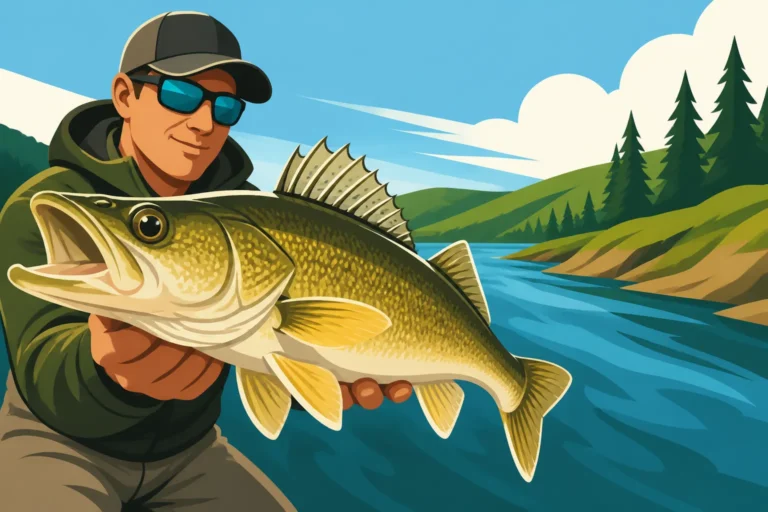
- Species to Target: This stretch of the river is known for Northern Pike, Walleye, Burbot, and various Whitefish species. You might also encounter Goldeye, especially in the summer months. The current here can be strong, so be prepared with appropriate weights and tackle.
- Best Times and Techniques: Early mornings and late evenings are often the most productive, especially for pike and walleye, as they move into shallower feeding lanes. Look for slower eddies or seams where the current isn't as intense. Casting spoons, spinnerbaits, or even bottom-fishing with a worm and weight can be effective. If you're targeting Whitefish, a small jig or even a fly can work wonders. Understanding how to use the Alberta Sportfishing Regulations App and Zone Lookup is crucial for this river, as rules can vary by stretch.
Hermitage Park Pond and the North Saskatchewan River Access
Hermitage Park is a local favourite for a reason. It offers a large stocked pond and access to the North Saskatchewan River. This dual opportunity makes it incredibly versatile for shore anglers. The pond is a great spot for families or those looking for a more relaxed experience, while the river access offers the chance at larger, wilder fish.
- Pond Fishing Potential: The pond at Hermitage Park is regularly stocked with Rainbow Trout, making it a fantastic option for beginners, kids, or anyone looking for consistent action. Simple bait setups like powerbait, worms, or corn on a small hook under a bobber work exceptionally well here. Small spinners and spoons can also be very effective. This is an ideal spot if you're looking for Panfish Fishing in Alberta opportunities.
- River Access Strategies: Beyond the pond, Hermitage Park provides direct access to the North Saskatchewan River. Similar to Whitemud Park, you'll be targeting pike, walleye, and whitefish. Look for areas where the current slows down, or where there's some visible structure like fallen trees or rocky sections. These are prime ambush points for predatory fish. During certain times of the year, particularly spring and fall, the fishing here can be really hot. Many anglers use services like FishingBooker to explore guided options on larger river stretches, but for shore access, local knowledge is key.
Chickakoo Lake Recreation Area
Just west of Edmonton, near Stony Plain, Chickakoo Lake Recreation Area is another gem for shore anglers. It boasts several lakes, with Chickakoo Lake itself being a popular spot. This area is fantastic because it's designed for recreational use, meaning ample parking, trails, and good access points around the lake. The lake is regularly stocked and provides excellent opportunities for trout.
- Stocked Trout Heaven: Chickakoo Lake is primarily known for its Rainbow Trout, though you might find other species as well. Because it's a stocked lake, the trout are often eager to bite. Early morning or late evening often yield the best results, but you can have success throughout the day. Try small spinners (like Mepps or Panther Martin), spoons, or simple bait rigs with powerbait, worms, or even corn. Fishing shallow to mid-depths near drop-offs or weed edges will be most productive.
- Family-Friendly Fishing: The easy access and predictable fishing make Chickakoo Lake an ideal destination for families and beginner anglers. Pack a picnic, enjoy the scenery, and spend a relaxing day by the water. You can find out more about trout fishing season dates by zone to plan your visit optimally.
Muir Lake
Further west of Edmonton, near Stony Plain and Spruce Grove, Muir Lake is renowned among local anglers, especially for its impressive Rainbow Trout and often sizable Brown Trout. This lake is known for its clear water and active fish, making it a fantastic experience for shore anglers willing to put in a bit of effort.
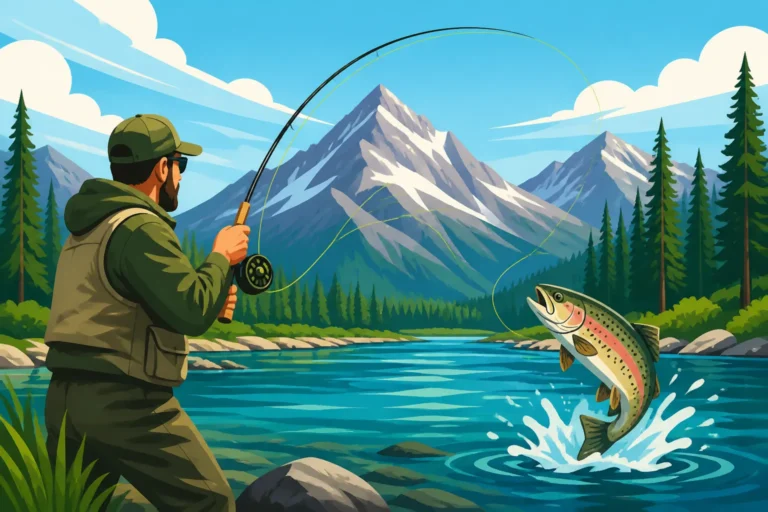
- Trophy Trout Potential: Muir Lake has a reputation for growing some larger-than-average trout, especially brown trout. While you'll need to be patient, the reward can be significant. The clear water here means fish can be spooky, so stealth and longer casts are often beneficial. Fly fishing from shore can be very effective, using small nymphs, streamers, or dry flies when hatches occur. For spin anglers, try small, natural-coloured lures like tiny spoons, spinners, or soft plastics.
- Strategic Shore Placement: The lake has several access points, but scouting ahead or using satellite maps to identify points, small bays, or areas with submerged vegetation will give you an edge. These features provide cover for trout and concentrate their feeding activity. While you might not be booking a full charter, considering how services like FishingBooker highlight popular fishing lakes can give you an idea of the type of fishing available.
Other Local Lakes and Ponds
Don't overlook smaller, often unnamed ponds or municipal lakes near Edmonton. Many of these are stocked annually by Alberta Environment and Protected Areas (AEPA) with trout and other species to provide urban fishing opportunities. Check the AEPA website for a current list of stocked ponds in the Edmonton area. Good examples include St. Albert's Lois Hole Park Pond, various ponds in Fort Saskatchewan, and smaller local municipal parks. These spots are fantastic for a quick outing and can yield surprisingly good results, especially for panfish and smaller trout. Remember that even for these smaller waters, understanding Alberta Fishing Regulations Explained is essential.
Essential Gear and Techniques for Edmonton Shore Anglers
Shore fishing doesn't require a mountain of specialized gear, but having the right setup can make a huge difference in your success and enjoyment. Simplicity and versatility are key when you're limited to what you can carry.
Rod and Reel Setup for Versatility
For most shore fishing scenarios around Edmonton, a medium-light to medium power spinning rod, about 6.5 to 7.5 feet long, paired with a matching spinning reel, is your best bet. This setup offers enough backbone to cast various lures and handle a decent-sized pike or walleye, while still being sensitive enough for trout and panfish.
- Line Choice: Spool your reel with 8-12 lb monofilament or fluorocarbon line, or consider 15-20 lb braided line with a fluorocarbon leader (6-10 lb test). Braid offers excellent casting distance and sensitivity, which is a huge advantage when you're trying to reach fish from shore.
- Choosing the Right Combo: For beginners, a good quality pre-spooled spinning combo around the $100-$150 mark will serve you well. You can find excellent options that are durable and perform reliably without breaking the bank. For more insights, check out our guide on the Best Rod and Reel Combo for Beginners.
Tackle Box Essentials for Shore Anglers
Keep your tackle box streamlined. You're not bringing the whole store, so focus on versatile lures and baits that cover a range of species and conditions.
- Spinners and Spoons: These are workhorses for a reason. Mepps, Panther Martin, and Blue Fox spinners in sizes #1-3 are great for trout and smaller pike. Silver or gold spoons (like Little Cleos or Five of Diamonds) in 1/8 to 1/4 ounce are excellent for trout, pike, and even walleye.
- Jigs and Soft Plastics: A selection of jig heads (1/8 to 1/4 ounce) paired with grub tails, curly tail worms, or paddle tail swimbaits in natural colours (white, black, green pumpkin) can catch almost anything. These are especially effective for walleye and perch.
- Baits: Live worms (nightcrawlers) are universally effective. PowerBait, especially the trout nugget varieties, is a must-have for stocked trout ponds. Corn is also surprisingly effective for stocked trout.
- Terminal Tackle: Bring a selection of hooks (sizes 6-10 for bait, larger for pike/walleye), split shots, bobbers (slip bobbers are great for varying depth), swivels, and some wire leaders if you're targeting pike. Pike have sharp teeth, and a strong leader is crucial to avoid bite-offs. If you're specifically targeting pike, our guide on Best Bait for Pike in Weed Beds offers more detailed lure suggestions.
Here's a quick overview of common fish in Edmonton-area shore spots and suggested tackle:
| Species | Common Shore Spots | Recommended Baits/Lures | Notes |
|---|---|---|---|
| Rainbow Trout | Hermitage Pond, Chickakoo, Muir Lake | PowerBait, Worms, Small Spinners, Spoons, Flies | Regularly stocked, often eager to bite. |
| Northern Pike | N. Sask. River, Hermitage River Access | Spoons, Spinnerbaits, Large Jigs, Cut Bait | Aggressive predators, use wire leaders. |
| Walleye | N. Sask. River, Hermitage River Access | Jigs w/ Grubs, Bottom Rigs w/ Worms, Crankbaits | Often near current breaks or deeper structure. |
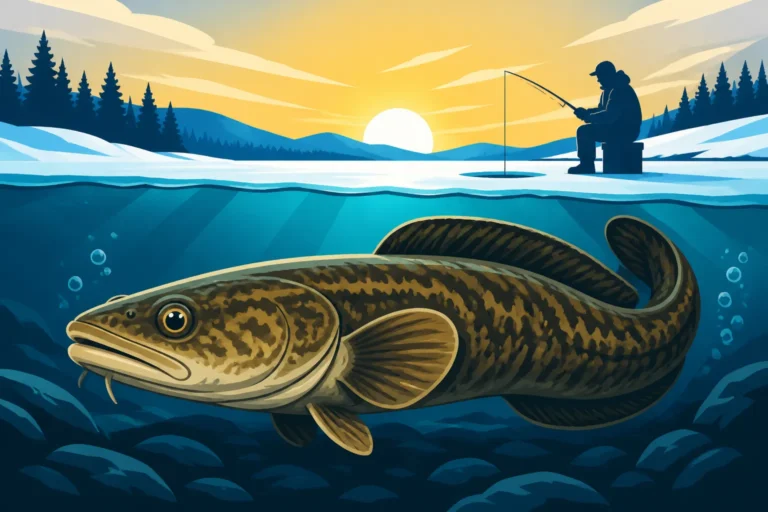
| Burbot | N. Sask. River | Bottom Rigs w/ Cut Bait or Worms | Primarily nocturnal, found on the bottom. |
| Whitefish | N. Sask. River | Small Jigs, Flies, Tiny Spoons | Often found in flowing water, subtle bite. |
| Yellow Perch | Many small ponds & lakes | Small Jigs w/ Grub Tails, Worms, Tiny Spoons | Excellent for panfish action. |
Mastering Shore Casting and Retrieval
Since you can't move your boat to the fish, you need to bring the lure to them. This means focusing on accurate and long casts. Practice different casting techniques, especially those that allow for maximum distance.
- Fan Casting: Instead of casting to the same spot repeatedly, "fan cast" by making casts at different angles, covering a wide arc of water in front of you. This helps you locate where the fish are holding.
- Vary Your Retrieval: Don't just reel in at a constant speed. Experiment with different retrieve speeds, pauses, jerks, and twitches. Sometimes a fast, erratic retrieve triggers a strike, other times a slow, methodical retrieve is key. For walleye, a slow retrieve with bottom contact is often best. Our guide on How to Catch Walleye in Alberta can provide even more specialized techniques.
Planning Your Edmonton Shore Fishing Adventure
A successful day of shore fishing requires a bit of planning, from checking regulations to understanding the best times to go. Don't leave things to chance!
Seasonal Considerations for Best Results
The season dramatically impacts where fish are and what they're biting on. Edmonton's distinct seasons offer varied opportunities.
- Spring (Ice-out to June): This is prime time for many species. Pike and walleye often move into shallower areas to spawn, making them more accessible from shore. Trout stocking also begins, bringing fresh fish into ponds and lakes. Look for active feeding as water temperatures rise.
- Summer (July-August): While warm, early mornings and late evenings are still your best bet. Fish might move to deeper, cooler water during the day, so target those low-light periods or areas with some shade or current. Many species, like walleye, can be caught at night from shore.
- Fall (September-October): Another fantastic season. Fish are aggressively feeding to put on weight for winter, and larger fish are often caught. Trout fishing can be excellent, and pike and walleye are very active. This is often considered one of the Best Time of Year to Fish in Alberta.
- Winter (November-March): If you're willing to brave the cold, ice fishing from shore (or near shore) on certain lakes can be productive. Hermitage Park Pond and Chickakoo Lake are popular ice fishing destinations. Make sure the ice is safe! You can read more about Ice Fishing in Alberta for specific tips.
Checking Regulations and Forecasts
Before every trip, make it a habit to check the current fishing regulations for the specific water body you plan to fish. The rules can change year to year, and different zones have different limits and open seasons. The MyWildAlberta website is your authoritative source for the latest regulations.
- Weather: Always check the weather forecast. Dress in layers, bring rain gear if needed, and be prepared for changing conditions, especially in Alberta. Wind can make casting difficult and fishing uncomfortable.
- Water Levels and Clarity: For river fishing, check current water levels and clarity. High, muddy water after heavy rain can make fishing tough. Clear, stable water is generally more productive. Some resources, like FishingBooker, often include weather and water condition forecasts for particular regions, which can be a helpful guide even if you're not booking a trip.
Safety First on the Shore
Fishing from shore often means being near busy areas or uneven terrain. Prioritize safety:
- Footwear: Wear appropriate footwear with good grip, especially on rocky or muddy banks.
- Life Jackets: If you're fishing near fast-moving river current or from precarious spots, consider wearing a personal flotation device, even from shore.
- Company: It's always a good idea to let someone know where you're going and when you expect to be back. Better yet, bring a buddy!
- Wildlife: Alberta is wild country. Be aware of your surroundings and any local wildlife. Carry bear spray if you're in an area known for bears.
Embrace the simplicity and accessibility of shore fishing. With a little planning and the right approach, you can have incredibly rewarding experiences right here near Edmonton.
Disclaimer
Please note that fishing regulations, conditions, and fish populations can change. Always consult the official Alberta Guide to Sportfishing Regulations for the most current information before heading out. Safety should always be your top priority when fishing.