Sylvan Lake Fishing Guide
Oh, Sylvan Lake. It’s such a beautiful, bustling gem in the heart of Alberta, drawing in crowds for swimming, boating, and, of course, fishing. But let's be real, seeing all that activity on the water can be a bit daunting when all you want to do is find a quiet spot and actually catch some fish. It’s easy to feel overwhelmed, wondering where the fish hide amidst the commotion, what they're biting on, and how to navigate the busy recreational scene. This comprehensive guide is here to cut through that confusion, giving you the insider knowledge you need to turn your Sylvan Lake fishing trip into a truly rewarding experience, whether you're chasing elusive walleye, aggressive pike, or tasty perch.
Understanding Sylvan Lake's Unique Fishery
Sylvan Lake isn't just another pretty face; it boasts a vibrant and diverse fishery, making it a popular destination for anglers of all skill levels. However, like any large, heavily used body of water, it presents its own set of characteristics that dictate where, when, and how you'll find success. Understanding the specific species that call Sylvan Lake home and how their behavior changes with the seasons is your first step toward a productive day on the water.
Species You'll Encounter
When you drop a line in Sylvan Lake, you're primarily targeting a handful of popular sport fish, each with its own quirks and challenges. Knowing what to expect from each species can significantly improve your chances of a good fight and, hopefully, a full livewell.
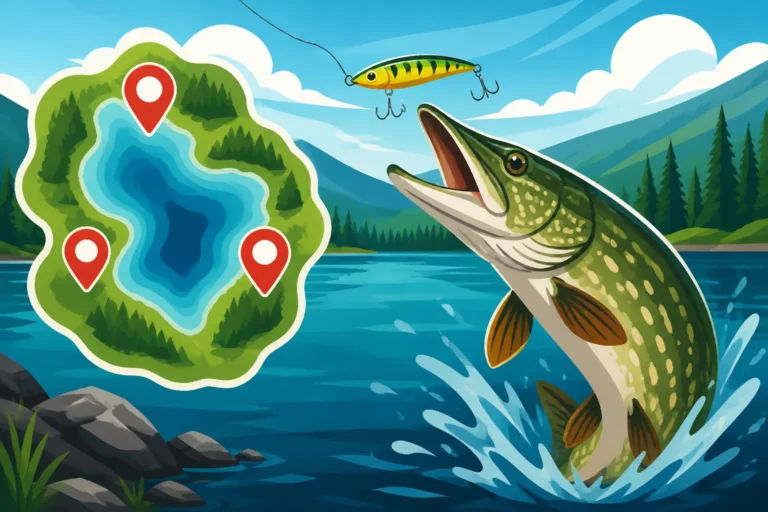
Northern Pike are, without a doubt, one of the most exciting species to target in Sylvan Lake. These aggressive, toothy predators are ambush hunters, often found lurking in weed beds, along drop-offs, or near submerged structures. While Sylvan Lake is known for producing a good number of "hammer handle" pike (smaller, slender ones), it also holds some true monsters that will give you a fight to remember. The frustration often comes from wading through the smaller fish to find those trophy-sized ones, but with the right approach, it's absolutely possible to target larger pike. They're voracious eaters, making them a fantastic target for anglers who love a hard strike.
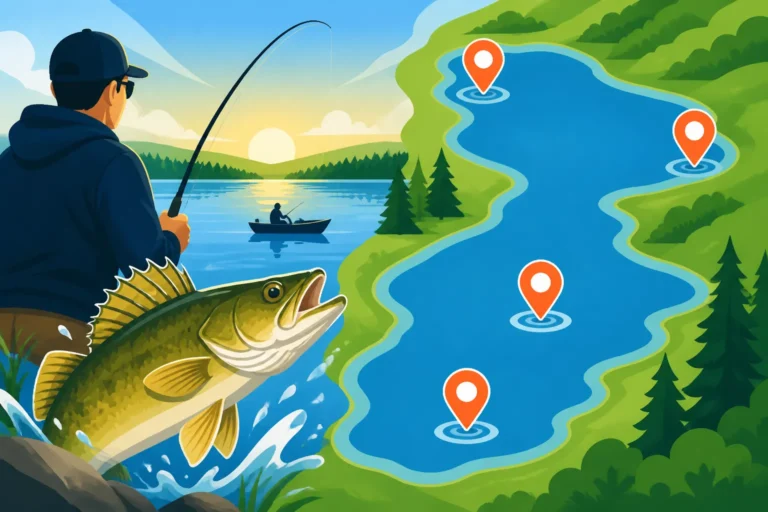
Walleye are perhaps the most prized catch in Sylvan Lake, primarily because they’re delicious table fare and can be quite elusive. These fish prefer deeper, cooler water during the day and often move shallower during low-light conditions like dawn and dusk. They typically school up, so once you find one, you're likely to find more. The challenge with walleye on a large lake like Sylvan is locating these schools, especially when they're scattered or tucked away in subtle transitions. But when you hook into a Sylvan Lake walleye, you'll immediately understand why so many anglers dedicate their time to pursuing them.
Yellow Perch are the unsung heroes of Sylvan Lake, especially for families and beginner anglers. They are abundant, relatively easy to catch, and provide fantastic action, making them perfect for keeping kids engaged. They don't grow to massive sizes, but what they lack in individual heft, they make up for in numbers and culinary value—a fresh perch fry is a classic fishing tradition. You'll typically find them in schools, often close to weed beds, docks, or other shallow structures, and they are quite active year-round.
Lake Whitefish are another fantastic species that often get overlooked in Sylvan Lake. These powerful fish are known for their incredibly hard fights, especially on lighter tackle. They are typically found in deeper, cooler parts of the lake, often feeding on aquatic insects, small crustaceans, and sometimes even smaller baitfish. While they might not have the same flashy reputation as pike or walleye, landing a chunky Sylvan Lake whitefish can be a truly satisfying experience, and they are excellent smoked or pan-fried.
Seasonal Fishing Dynamics
Sylvan Lake transforms throughout the year, and understanding these seasonal shifts is crucial for adapting your fishing strategy. What works in spring won't necessarily yield results in summer, and vice versa.
Spring, right after the ice melts, is a period of transition and opportunity on Sylvan Lake. As the water warms, fish begin to shake off their winter lethargy and move towards shallower areas, especially for spawning. This is an excellent time for targeting pre-spawn pike in weedy bays and shallow flats, as they are often aggressive and feeding heavily. Walleye will also be making their moves, gradually becoming more active. The lake is generally less crowded at this time, offering a more peaceful angling experience before the summer rush truly begins.
Summer sees Sylvan Lake burst into life, not just with fish, but with an abundance of recreational activity. The warmer water and increased boat traffic can push fish into deeper, cooler havens, or make them more active during specific low-light windows. Early mornings and late evenings become prime times for targeting walleye and larger pike closer to shore or over submerged structures. During the heat of the day, you'll often need to focus on deep water jigging or trolling to find actively feeding fish, like those elusive Lake Whitefish. It’s a busy time, requiring patience and strategic timing to get the best out of your fishing day.
Fall is often considered a "golden" period for fishing on Sylvan Lake. As water temperatures begin to cool, the recreational boat traffic dwindles, and the fish enter a frantic feeding frenzy, fattening up for the approaching winter. Pike become incredibly aggressive, readily striking spoons, crankbaits, and large soft plastics. Walleye can be found shallower and more actively feeding throughout the day, often schooling up tightly. This is arguably one of the most rewarding times to be on Sylvan Lake, offering less competition and some of the most consistent action of the year, as fish are at their peak activity levels.
Winter brings a whole new dimension to fishing on Sylvan Lake: ice fishing. The lake freezes over, attracting a dedicated community of ice anglers. Popular targets include yellow perch, which are plentiful and provide consistent action, as well as northern pike and walleye, which can be caught by jigging or using tip-ups. Safety on the ice is paramount, but for those properly equipped, Sylvan Lake offers some fantastic hardwater opportunities. You can find more specific tips and techniques in guides like Ice Fishing in Alberta, which covers everything from gear to safety.
Prime Fishing Spots and Access Points on Sylvan Lake
Finding the fish in a large lake like Sylvan is often about knowing where to start looking and how to get there. Whether you're casting from shore or venturing out in a boat, understanding the key access points and productive zones will dramatically improve your chances of success.
Shore Fishing Opportunities
Not everyone has access to a boat, and that's perfectly fine! Sylvan Lake offers several great spots where you can wet a line from solid ground. These locations are often easily accessible and can be surprisingly productive, especially for certain species.
Sylvan Lake Provincial Park is a fantastic starting point for shore anglers. With its extensive shoreline, public docks, and designated swimming areas, there are plenty of spots to cast a line without feeling overcrowded. While swimming zones might be off-limits for active fishing, the park's perimeter often provides good access to deeper water near drop-offs where perch and even smaller pike might be lurking. It’s a family-friendly environment, perfect for introducing kids to fishing, with amenities close at hand.
The Town of Sylvan Lake's beachfront and public piers are another excellent option, particularly for perch fishing. The main pier, in particular, extends into deeper water, giving you access to areas that might hold fish moving in from the main lake. These spots can get busy, especially on warm summer days, but early mornings or late evenings can offer a quieter experience and more active fish. You might even surprise yourself with an occasional pike or even a small walleye cruising the shallows during low light.
For successful shore fishing, consider investing in a longer rod to help with casting distance, especially when trying to reach deeper contours or weed edges. Pay attention to any visible structure near the shore, such as submerged logs, rocks, or changes in bottom composition, as these are natural holding areas for fish. Furthermore, remember that the busiest times of day (mid-day in summer) are usually the least productive for shore anglers, so adjusting your schedule can make a big difference.
Boat Access and Navigation
For anglers who prefer to cover more water and access deeper structures, a boat is invaluable on Sylvan Lake. Knowing where to launch and how to navigate safely will ensure a smooth and productive trip.
The Town of Sylvan Lake operates a public marina and boat launch, providing convenient access to the lake. This is a popular spot, so be prepared for potential lines and busy conditions, especially on weekends and holidays. There's also usually a public launch available within Sylvan Lake Provincial Park, which can offer another option. Before heading out, make sure your boat is in compliance with Alberta Boating Laws for Anglers, including having all required safety equipment and a valid Pleasure Craft Operator Card.
Once you’re on the water, navigating Sylvan Lake requires an understanding of its layout. The lake has a maximum depth of around 30 meters (98 feet) but also features extensive shallow areas, particularly in the northern bays. Always pay attention to navigation markers and be aware of other boaters, especially personal watercraft, which can create large wakes. A reliable fish finder will be your best friend, helping you identify drop-offs, humps, and submerged weed lines that are invisible from the surface. For deep water fishing, knowing how to interpret your electronics, as detailed in guides like Best Fish Finders for Alberta Lakes, is absolutely key.
Key structures on Sylvan Lake include several prominent reefs and humps, particularly in the central and southern parts of the lake. These underwater features act as magnets for baitfish and, consequently, predator species like walleye and lake whitefish. Extensive weed beds are found in shallower bays, especially on the north side, providing excellent cover for northern pike. Understanding these transitions from shallow to deep, and locating these underwater features, will dramatically narrow down your search for active fish.
Hidden Gems and Productive Zones
While the main areas are good starting points, knowing some more specific, productive zones can give you an edge on Sylvan Lake.
For northern pike, the shallower, weedier bays on the north end of Sylvan Lake are often hotbeds of activity. These areas warm up quickly in spring and offer abundant cover for pike to ambush their prey. Focus on casting spoons, spinners, or weedless soft plastics along the edges of these weed lines. Early morning or late evening often sees these aggressive fish moving even shallower to feed. These areas can sometimes offer a bit of respite from the heavier boat traffic found in the main body of the lake.
Walleye and lake whitefish often prefer the mid-lake humps and deeper breaks. These areas provide the cooler, oxygen-rich water they prefer, as well as access to deeper foraging grounds. Look for structures that rise from the lake bed or sharp contours where the bottom composition changes. Trolling crankbaits or vertically jigging spoons and soft plastics directly over these features can be incredibly effective. Sometimes, a subtle drop-off that might seem insignificant on a chart can be holding a school of hungry walleye.
Yellow perch, being less picky about depth, can be found in a wider range of habitats. However, sandy beaches and shallow flats, especially those adjacent to deeper water, are often prime locations. These areas provide easy access to the small insects and crustaceans that perch feed on. During the ice fishing season, these shallower areas are particularly productive, attracting large schools of perch that are eager to bite. Dropping a small jig tipped with a maggot or a piece of minnow near the bottom is usually a winning strategy.
Essential Gear and Techniques for Sylvan Lake Success
Alright, you know where to go, but what do you actually bring? Having the right tools and knowing how to use them effectively is paramount to success on Sylvan Lake. From specific rods to proven lures and techniques, this section will equip you with the knowledge to make your gear work for you.
Recommended Rods, Reels, and Lines
Matching your tackle to your target species and fishing style isn't just about preference; it's about maximizing your feel for the bite and your ability to land the fish.
For targeting northern pike, you’ll want a robust setup. A medium-heavy power rod, typically between 6'6" and 7'6" in length, will give you the backbone needed to cast larger lures and control a strong-fighting pike. Pair this with a baitcasting reel for heavy line and strong drag, or a durable spinning reel in the 3000-4000 series. Spool up with 30-50 lb braided line for its strength and no-stretch sensitivity, and always, always use a steel or heavy fluorocarbon leader (40-60 lb) to prevent bite-offs from their razor-sharp teeth. Don't let a toothy grin cut short your fight!
When pursuing the more subtle walleye, sensitivity is key. A medium-light to medium power spinning rod, 6'6" to 7' long, with a fast action tip, is ideal. This allows you to feel those often-faint walleye bites. A sensitive 2500-3000 series spinning reel spooled with 8-10 lb braided line and a 6-10 lb fluorocarbon leader (for invisibility and abrasion resistance) is a fantastic setup. The fluorocarbon leader is particularly important in Sylvan Lake’s often clear waters, as walleye can be quite line-shy.
For the abundant yellow perch, an ultralight spinning combo is not only effective but incredibly fun. A 5'6" to 6'6" ultralight rod paired with a small 1000-2000 series spinning reel spooled with 4-6 lb monofilament or braided line will allow you to feel even the slightest nibble. This lighter tackle also makes fighting smaller fish feel like a grand adventure, which is great for building confidence, especially for younger anglers.
Top Baits and Lures for Each Species
Having the right lure in your tackle box is half the battle. Here’s a breakdown of what generally works best for Sylvan Lake’s main players.
When it comes to pike, they are aggressive and respond well to a variety of presentations. Classic inline spinners like Mepps or Blue Fox, spoons from brands like Len Thompson or Johnson Silver Minnow, and larger crankbaits (think Rapala Shad Raps or X-Raps) in bright, flashy colors or natural baitfish patterns are highly effective. Soft plastic swimbaits rigged weedless are also fantastic for working through the dense vegetation where pike love to hide. For more detailed insights, check out our guide on How to Catch Northern Pike in Alberta.
Walleye can be a bit more finicky, but several lure types consistently produce. Jigs are a staple: try 1/4 to 1/2 oz jigs tipped with soft plastic grubs, paddle tails, or live bait like minnows or leeches. Jigging spoons (e.g., Northland Fishing Tackle Forage Minnow) are also excellent, especially when fish are suspended or holding tight to structure. When trolling, medium-diving crankbaits in perch, silver, or clown patterns can be deadly. Bottom bouncers paired with a worm harness are also a classic and effective choice for covering ground and presenting bait near the lakebed. Our How to Catch Walleye in Alberta guide offers even more tips.
For yellow perch, simplicity often wins. Small jigs (1/16 to 1/8 oz) tipped with a piece of worm, a maggot, or a small soft plastic grub are highly effective. Tiny inline spinners or spoons, no bigger than an inch, can also entice bites. During ice fishing, small tungsten jigs sweetened with a maggot or a specialized ice fishing spoon are irresistible to schools of perch. Remember, perch have relatively small mouths, so use smaller hooks to ensure good hookups.
Techniques to Master
Knowing your gear is one thing; mastering the techniques to use it is another. Sylvan Lake demands a variety of approaches to consistently find and catch fish.
Trolling is an incredibly effective technique on a large lake like Sylvan, especially for covering vast expanses of water and locating schools of walleye or actively feeding pike. For walleye, troll crankbaits or bottom bouncers at speeds between 1.0-2.5 mph, focusing on contours, drop-offs, and humps. For pike, faster trolling speeds with larger spoons or crankbaits can often trigger reactionary strikes. Pay close attention to your depth, using a line counter reel or weighted lines to ensure your lure is running at the desired depth.
Jigging is a cornerstone technique, particularly for walleye and perch, and it’s a must-have in your Sylvan Lake arsenal. Whether you’re vertically jigging from a boat directly over a marked fish or casting a jig to a weed edge, the presentation requires a sensitive touch. For walleye, a lift-and-drop retrieve with pauses often works best, allowing the lure to flutter and attract attention. For perch, a more subtle, smaller jigging motion is usually sufficient. In winter, vertical jigging through the ice is practically an art form, with subtle twitches and lifts making all the difference.
Casting and retrieving is a primary technique for targeting pike in the shallower, weedy areas. Fan cast spoons, spinners, or soft plastics to cover as much water as possible. Experiment with retrieve speeds – sometimes a fast, erratic retrieve triggers a chase, while other times a slower, steady retrieve with pauses is more effective. When fishing near weed lines, try to retrieve your lure just above the vegetation to prevent snagging while still keeping it in the strike zone. This technique is often most productive during the early morning or late evening when pike move into the shallows to feed.
Planning Your Sylvan Lake Fishing Trip
A successful fishing trip to Sylvan Lake involves more than just knowing where the fish are; it requires careful planning, respecting regulations, and being a responsible boater and angler. Think of it as preparing for an expedition, even if it's just a day trip!
Licenses and Regulations You Need to Know
This is arguably the most crucial part of any Alberta fishing trip. Without the proper documentation and understanding of the rules, your exciting day can quickly turn into a costly headache.
First and foremost, you absolutely need an Alberta Fishing License Guide for 2026 if you're 16 years or older. This isn't just a suggestion; it's a legal requirement. Along with your fishing license, you'll also need an Alberta WIN Card, Explained. This Wildlife Identification Number is unique to you and is required for purchasing any hunting or fishing licenses in Alberta. Trying to navigate the different license types and fees can be a bit frustrating for newcomers, but thankfully, the MyWildAlberta portal makes it quite streamlined once you have your WIN card.
Beyond the license, it’s vital to understand the Alberta Bag and Possession Limits by Species specific to Sylvan Lake. Regulations can and do change annually, so always consult the most current Alberta Guide to Sportfishing Regulations. For Sylvan Lake, walleye typically have a zero possession limit, meaning any walleye caught must be immediately and carefully released. Pike usually have a specific size and number limit, often one over 63 cm. Perch and whitefish generally have more generous limits. It’s not enough to know the general provincial rules; you need to know the specific regulations for the water body you’re fishing, so always check the Sylvan Lake section of the guide. Ignoring these rules could result in significant fines and impact conservation efforts, which none of us want.
Boating Safety and Etiquette
Sylvan Lake is a busy recreational hub, especially in summer. Sharing the water safely and respectfully is part of the experience.
Anyone operating a motorized boat in Alberta, regardless of age, needs to have a Pleasure Craft Operator Card (PCOC). This is a federal requirement and ensures you understand basic boating safety. Beyond that, all boaters are legally required to carry specific safety equipment, including properly sized and easily accessible life jackets. You can find all the details on Life Jacket Requirements for Alberta Boaters and other crucial information in our Alberta Boating Laws for Anglers guide. A simple safety check before you launch can prevent major issues on the water.
Given the heavy recreational traffic, especially during peak season, practicing good boating etiquette is essential. Maintain safe distances from other boats, swimmers, and personal watercraft. Be mindful of your wake, especially near shore or other moored vessels. When navigating, follow appropriate right-of-way rules. Remember, Sylvan Lake is a shared resource, and showing respect for everyone using it ensures a more pleasant experience for all.
Furthermore, environmental responsibility is key. Always pack out whatever you pack in, ensuring no litter is left on shore or in the water. Take precautions to prevent the spread of aquatic invasive species by cleaning, draining, and drying your boat and gear after each outing. A few minutes of prevention goes a long way in protecting Sylvan Lake’s ecosystem for future generations of anglers.
Maximizing Your Experience
Fishing is about more than just catching fish; it’s about the whole experience. Sylvan Lake offers plenty of ways to make your trip memorable.
Sylvan Lake is surrounded by fantastic local amenities. The town itself has numerous tackle shops where you can pick up forgotten lures or get up-to-the-minute local advice on what’s biting. There are plenty of accommodations, from campgrounds to hotels, if you plan to stay awhile. If you're looking for an even deeper dive into the lake's fishing potential or want to learn from an expert, consider hiring a local guide. Services like FishingBooker can help you find experienced guides who know Sylvan Lake inside and out, offering guided trips tailored to your preferences, whether you're after pike, walleye, or perch. They often have specialized equipment and knowledge that can significantly boost your success.
Think about the kind of trip you want. Are you after a relaxed day on the water, or an intense fishing expedition? Weekdays and shoulder seasons (spring and fall) generally offer a more tranquil environment with less competition. If you’re bringing family, focus on accessible spots and species that provide consistent action, like perch, to keep spirits high. The goal is to have fun, make memories, and perhaps land a few fish along the way.
Finally, take the time to celebrate your successes, however big or small. Practice good fish care if you plan to release your catch, ensuring they have the best chance of survival. Take photos, share your stories, and enjoy the beautiful scenery around Sylvan Lake. And if you had a particularly successful day and need to process your catch, remember to consult local regulations on how to properly clean and transport your fish. For those looking for an unparalleled guided experience, booking through platforms like FishingBooker can connect you with top-tier local pros, ensuring your time on Sylvan Lake is maximized.
Challenges and Solutions for Sylvan Lake Anglers
Every popular fishing destination has its quirks, and Sylvan Lake is no exception. While it offers fantastic opportunities, anglers often face specific challenges. Knowing these ahead of time and having strategies to overcome them will significantly increase your enjoyment and success.
Dealing with Recreational Pressure
One of Sylvan Lake’s biggest draws—its popularity—can also be its biggest challenge for anglers, especially during the peak summer months.
The summer crowds on Sylvan Lake can be intense. The surface fills with powerboats, jet skis, wakeboarders, and swimmers, creating constant noise and wake. This heavy activity often pushes fish into deeper, less disturbed areas, or makes them incredibly wary of anything happening on the surface. Loud engines and shadows overhead can put even aggressive pike on edge, making them less likely to strike. It’s a common frustration for anglers who just want a peaceful day on the water.
To counter this, strategic timing becomes your best friend. Target early mornings, before the recreational crowd fully wakes up, or late evenings, as the sun begins to set and the pleasure craft head back to shore. Weekdays are generally much quieter than weekends. During these low-light periods, fish are often more active and willing to move into shallower, more accessible water. If you must fish during the busy midday, focus on deeper waters or areas with less surface disturbance, even if it means venturing further out.
Another strategy is to focus on species and techniques less affected by surface activity. Deep water trolling or vertical jigging for walleye and lake whitefish, for example, can still be effective even when the surface is chaotic. Perch, while often found in shallower areas, are generally less bothered by boat traffic due to their schooling nature and constant foraging. Consider the north end bays as well; while popular, they can sometimes offer a slight buffer from the main lake's constant movement.
Adapting to Changing Conditions
Alberta weather is notoriously fickle, and Sylvan Lake is no stranger to rapid changes in conditions that can affect fish behavior.
Wind is perhaps the most significant weather factor on Sylvan Lake. A large, open body of water, Sylvan can get incredibly choppy very quickly. Strong winds make boat control difficult, casting accuracy nearly impossible, and can churn up the water, affecting clarity. If you’re fishing from a small boat or kayak, always check the forecast for wind warnings. If the wind picks up, focus on fishing protected bays or shorelines on the leeward side of the lake, where the water will be calmer. Sometimes, a strong wind can also push baitfish, concentrating them in certain areas, so it’s not always a bad thing if you know how to adapt.
Water clarity and temperature fluctuations also play a role. Clear water often means fish are more wary and line-shy, necessitating lighter lines and more natural presentations. Stained or murky water, on the other hand, might call for brighter, more vibrant lures that create more vibration. Fish are cold-blooded, and their metabolism is directly tied to water temperature. Sudden drops in temperature, often associated with a cold front, can make fish lethargic and less willing to bite.
When faced with post-cold front blues, where fish seem to shut down, you need to adjust your tactics. Slow down your presentation, use smaller baits, and focus on subtle movements. Fish might hug the bottom or hold tight to cover, requiring you to present your lure directly to them. Sometimes, simply waiting for conditions to stabilize or fishing during a stable weather window can make all the difference. Patience and persistence are key in these challenging times.
Finding the Elusive Walleye
Walleye are a fan favourite for their taste, but they can be notoriously challenging to locate and catch, especially in a large lake like Sylvan.
Walleye have specific preferences. They love structure – drop-offs, humps, rocky points, and submerged weed lines. They are also highly sensitive to light, making them more active during low-light conditions (dawn, dusk, overcast days) or in deeper, darker waters during bright daylight. Finding these specific combinations of depth, light, and structure in a vast lake is where many anglers struggle. They can be here today, gone tomorrow, seemingly disappearing without a trace.
This is where good electronics become indispensable. A quality fish finder allows you to scan the bottom, identify subtle changes in contour, locate baitfish schools, and most importantly, mark individual walleye or schools of them. Learn to read your sonar screen to distinguish between bottom structure and actual fish. Once you mark fish, you can then switch to vertical jigging or slowly troll over that specific area to entice a strike. For more on this, checking out a guide on Best Fish Finders for Alberta Lakes would be a smart move.
Ultimately, finding the elusive walleye in Sylvan Lake comes down to a combination of patience, persistence, and adapting your presentation. Don't be afraid to try different lures, colors, and retrieve speeds. If one spot isn't producing, move to another. Experiment with different depths until you find where they are holding. Sometimes, a slight change in jigging motion or a different crankbait color can make all the difference between a frustrating day and a successful walleye haul.
| Species | Typical Location (Summer) | Best Lures/Baits | Key Technique |
|---|---|---|---|
| Northern Pike | Shallow, weedy bays, weed lines, drop-offs | Spoons, inline spinners, large crankbaits, swimbaits | Casting, Trolling |
| Walleye | Mid-lake humps, deep breaks, low light shallows | Jigs (tipped with minnows/leeches), crankbaits, bottom bouncers | Jigging, Trolling |
| Yellow Perch | Shallow flats, public docks, weed edges | Small jigs (tipped with maggots/worms), tiny spoons, minnows | Casting, Jigging |
| Lake Whitefish | Deeper open water, mid-lake humps | Small spoons, small jigs, micro-plastics | Vertical Jigging |
Disclaimer
The information provided in this Sylvan Lake fishing guide is intended for general informational purposes only. Fishing regulations, season dates, bag limits, and licensing requirements in Alberta can change frequently. It is the responsibility of every angler to consult the most current Alberta Guide to Sportfishing Regulations published by the provincial government before heading out on the water. Local conditions, such as ice thickness, water levels, and fish advisories, can also vary and should be independently verified. Always prioritize safety and adhere to all applicable laws and guidelines.