Best boat ramps on the North Saskatchewan River
Ah, the North Saskatchewan River – a magnificent artery winding through our province, offering incredible fishing and boating opportunities. But let's be honest, finding a good, reliable boat ramp that isn't a headache can sometimes feel like a treasure hunt, especially when you're itching to get your boat in the water without a hitch. This guide is here to cut through that frustration, giving you the insider scoop on the best boat ramps along the North Saskatchewan, along with crucial tips to make your river adventures as smooth as possible.
Navigating the North Saskatchewan River's Access Challenges
Before we dive into specific locations, it's really important to understand that the North Saskatchewan isn't like a calm lake. It's a dynamic, powerful river, and that means its access points come with their own unique set of challenges and considerations. Don't let this deter you, though; knowing what to expect is half the battle!
Understanding River Dynamics and Water Levels
One of the biggest factors influencing how easy or difficult it is to use a boat ramp on the North Saskatchewan is the river's constantly changing dynamics. We're talking about water levels that can fluctuate wildly, sometimes within hours, depending on rainfall, snowmelt, and upstream dam operations. A ramp that was perfectly usable last week might be completely submerged or, conversely, leave you with a long, muddy haul to deep water today. This isn't just an inconvenience; it can be a real safety issue if you're not prepared for shallow spots, strong currents, or unexpected debris.
Beyond just the water level, the river's current is a force to be reckoned with. It sculpts the riverbed, creating shifting sandbars and gravel beds that can make navigation tricky, especially for those unfamiliar with specific stretches. These features can also impact the depth at the end of a ramp, making it challenging for boats with deeper drafts to launch or retrieve. Always check current conditions and forecasts from sources like Alberta Rivers before heading out.
Then there’s the constant churn of sediment and debris. After heavy rains or during spring runoff, the river can carry a surprising amount of logs, branches, and other hazards. These aren't just unsightly; they can clog your prop, damage your hull, or even create dangerous obstacles near boat ramps. You might find a perfectly good ramp obstructed by a fresh pile of driftwood after a significant high-water event.
And let's not forget the seasonal changes. Ice-out in spring presents one set of challenges with potential ice chunks and high, fast water, while late summer can bring extremely low water conditions that expose submerged hazards and make some ramps almost unusable for larger vessels. Each season demands a different approach and level of caution, making "know before you go" an absolute mantra for North Saskatchewan anglers.
Common Frustrations with Public Access
It's a familiar story for many river users: you drive all that way, excited for a day on the water, only to be met with a less-than-ideal situation at the boat launch. Parking is often the first major headache. Many popular ramps, especially those close to urban centers, have limited parking, and spots for trucks with trailers fill up incredibly fast on weekends and holidays. This can lead to frustration, illegal parking, and even fines, turning a fun outing into a stressful ordeal.
Then there's the maintenance, or sometimes, the lack thereof. While some ramps are well-maintained by local municipalities, others might be showing their age, with crumbling concrete, potholes in the access road, or overgrown vegetation making it tough to navigate. You might even encounter ramps that haven't been dredged in years, leaving a significant drop-off or silty buildup at the water's edge. It's not uncommon to see a local angler trying to clear a path themselves after a big storm.
Overcrowding at popular boat launches is another real buzzkill. Picture this: a line of eager boaters waiting to launch, each vying for space, often leading to impatient honking or strained tempers. This is particularly true during peak fishing seasons or on beautiful summer days when everyone has the same idea. It really highlights the need for more well-maintained access points along the river.
Finally, a common complaint is the lack of basic amenities. Many ramps offer little more than the concrete pad itself. Finding accessible washrooms, garbage cans (leading to litter issues), or even a designated spot to tie off your boat while you park your trailer can be a challenge. Forget about a fish cleaning station – you'll usually be left to your own devices. This bare-bones approach often falls short of what river users truly need and deserve.
Essential Boating Safety Considerations
Boating on the North Saskatchewan River isn't just about launching your boat; it's about being acutely aware of the safety challenges unique to river environments. The current, for one, is a relentless force. Even on seemingly calm days, the underlying flow can quickly sweep a boat downstream if you lose power or control. This is especially critical when launching or retrieving, as the current can push your boat against the dock or shore, making it difficult to maneuver. Always approach ramps carefully and consider the current's direction. For more on safe operation, be sure to check out our guide on Alberta Boating Laws for Anglers.
Beyond the natural current, remember that the North Saskatchewan is not exclusively for recreational boaters. You might encounter commercial barges, larger tour boats, or even emergency services vessels, particularly closer to urban areas. These larger boats create significant wakes that can be dangerous for smaller craft. Always keep a sharp lookout and give commercial traffic a wide berth. Understanding the "rules of the road" on the water is just as important as on land.
Submerged hazards are a constant threat. As mentioned earlier, shifting sandbars, hidden rocks, and submerged logs can appear out of nowhere, especially with fluctuating water levels. Striking one of these can cause serious damage to your prop or hull, potentially stranding you far from a boat launch. Investing in a good river map or GPS with up-to-date hydrographic data, if available, is paramount, and even then, local knowledge is invaluable.
It's also crucial to understand and respect navigation markers. While the North Saskatchewan isn't as heavily marked as some larger waterways, knowing what buoys and signs mean can help you avoid dangerous areas and stay within navigable channels. A good rule of thumb is if you're unsure, proceed with extreme caution and keep your speed down. Safety on the river relies heavily on preparedness and a healthy respect for its power.
Prime Boat Ramps in and Around Edmonton
For many, Edmonton is the hub of North Saskatchewan River access. The city has several key boat ramps that cater to different needs, though each comes with its own quirks. Knowing these spots inside and out can save you a lot of time and hassle, getting you onto the water faster.
The Fort Edmonton Park Boat Launch
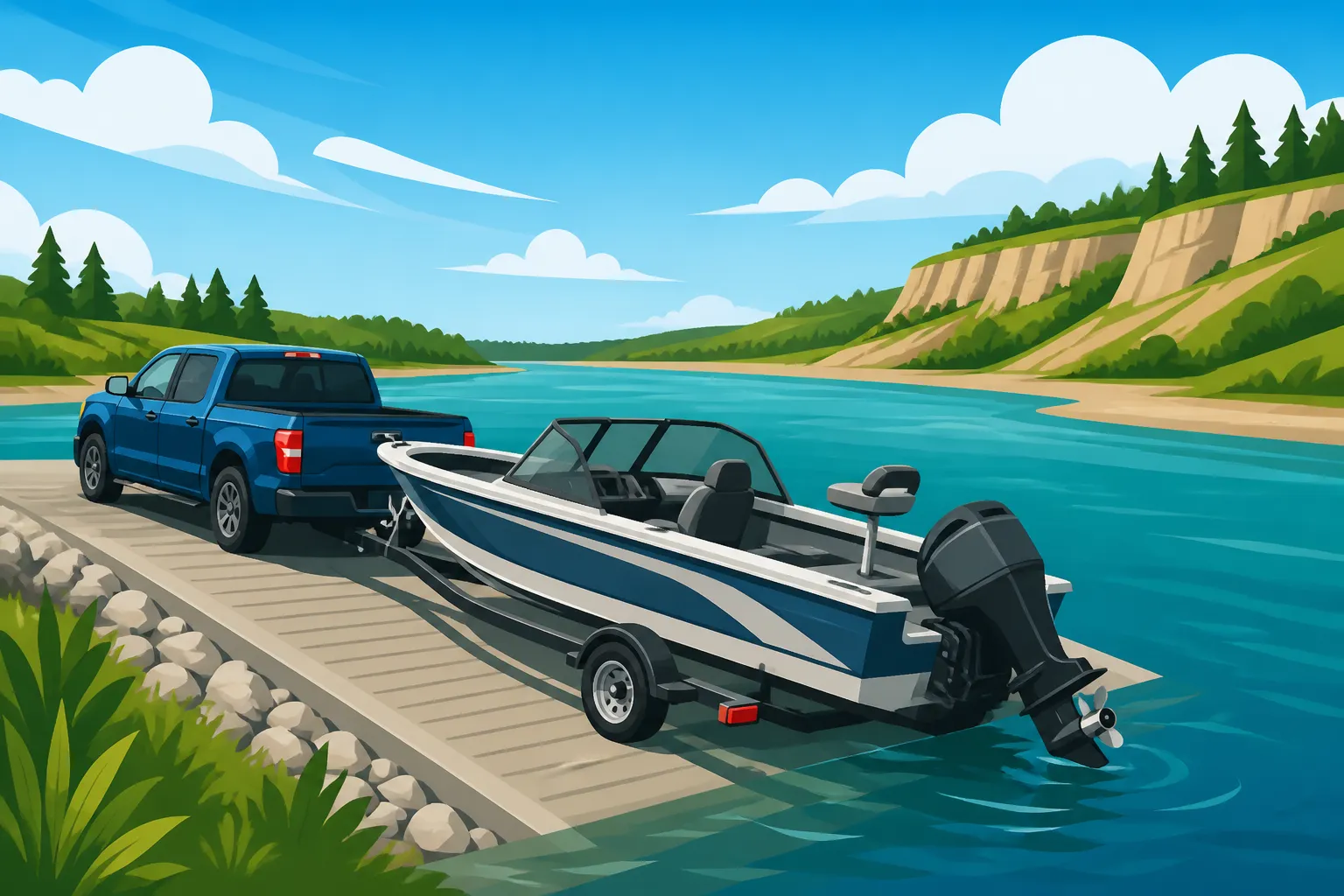
The boat launch near Fort Edmonton Park is arguably one of the most popular and well-known access points within the city limits. Located on the south side of the river, just west of the Quesnell Bridge, its concrete ramp offers a relatively gentle slope into the water, making it suitable for a wide range of boats, from small jon boats to larger pleasure crafts. The ease of access from major thoroughfares like Fox Drive is a huge plus, drawing many local anglers and recreational boaters.
However, its popularity is also its biggest drawback: parking. The adjacent parking lot, while sizable, fills up incredibly fast on any given summer weekend or statutory holiday. You'll often see trucks with trailers jockeying for the last few spots before 8 AM. If you arrive late, be prepared for a long walk from overflow parking, or worse, having to abandon your plans altogether. It’s always best to have a backup plan or go early.
Despite the parking challenges, this ramp is a fantastic gateway to some excellent river fishing. Many anglers launch here to target walleye, northern pike, and even burbot in the immediate vicinity, or to float downstream for several hours. It's also a common starting point for those looking to explore the river’s scenic beauty upstream or downstream, offering a good balance of accessibility and proximity to varied North Saskatchewan River fishing spots near Edmonton.
You’ll find a public washroom facility near the parking area, which is a definite bonus compared to more remote options. However, there are no specific amenities for boat cleaning or fish gutting, so plan to handle those tasks elsewhere. The area around the launch can also get quite busy with park visitors and cyclists, so extra caution is needed when maneuvering your boat and trailer, especially with curious onlookers.
Dawson Park Boat Launch
Heading further downstream and closer to downtown Edmonton, you'll find the Dawson Park Boat Launch. This access point offers a different vibe than Fort Edmonton, often feeling a bit less frantic, though it can still get busy. The ramp itself is well-maintained, concrete, and provides good access to the river, making it a reliable option for those living in central or east Edmonton. It's tucked away a bit more, which can be a double-edged sword: a bit harder to find for newcomers, but potentially less congested.
One of the advantages of Dawson Park is its strategic location. It's an excellent launch point for anglers looking to explore the stretches of river directly east of the downtown core, which can hold some surprisingly good fishing opportunities away from the immediate city bustle. For paddlers and smaller motorboat users, it’s a great spot to put in for a leisurely float or a quick fishing trip without having to drive across the city. Parking here is usually a bit more manageable than Fort Edmonton, but again, prime spots disappear quickly on busy days.
While the ramp itself is solid, the approach roads can be a little winding, so take it slow with a trailer, especially if you're not familiar with the area. The river currents can also be quite strong here, particularly during high water periods, so exert extra caution when navigating near the ramp. It’s a spot where you really appreciate having your Alberta Pleasure Craft Operator Card Requirement completed, ensuring you’re confident in handling your vessel in moving water.
This launch is a favourite for those planning a float trip that takes them through the scenic river valley within Edmonton. It offers a good balance of accessibility and a slightly more "natural" feel compared to some other urban launches. Just remember, as with all river launches, to check conditions before you go, as extreme water levels can impact its usability for certain boat types.
Devon Voyageur Park Boat Launch
Venturing southwest of Edmonton, the Devon Voyageur Park Boat Launch provides a crucial access point upstream from the city. This ramp is a lifeline for anglers and boaters who prefer to tackle the North Saskatchewan before it flows through the heavily urbanized areas. The launch here is a well-maintained concrete ramp, typically with ample parking, though it can certainly see its share of traffic during prime fishing seasons. Its location makes it ideal for those coming from the west side of Edmonton or towns like Spruce Grove and Stony Plain.
What makes the Devon launch particularly appealing is the river character in this stretch. Upstream of Devon, the North Saskatchewan tends to be a bit narrower, with more distinct channels, riffles, and deeper pools, creating excellent habitat for various fish species. It’s a popular starting point for longer float trips down towards Edmonton, offering a full day or even multi-day adventure on the water. Many consider this area pristine and excellent for both fly fishing and conventional tackle, chasing species like goldeye, walleye, and pike.
For those focusing on North Saskatchewan River fishing spots near Edmonton, launching in Devon opens up a whole new realm of possibilities. You can explore quieter sections of the river, often experiencing less recreational traffic than closer to the city. This upstream access allows you to fish virgin waters before the crowds or to embark on an epic float journey that ends at one of the Edmonton city ramps, assuming you've arranged for a shuttle.
It's a great spot for various boat types, including jet boats that can navigate shallower sections, and even larger river-capable prop boats when water levels are cooperative. The park itself also offers amenities like picnic areas and walking trails, making it a nice spot for the whole family, even if only one person is heading out on the water. Just be mindful that upstream means you're generally battling a stronger current if you're trying to head far back upriver from the launch.
Exploring Boat Ramps Further Afield on the North Saskatchewan
While Edmonton boasts some popular options, the North Saskatchewan River stretches far beyond the city, offering diverse landscapes and often quieter access points. Exploring these further-flung ramps can lead to incredible fishing and boating experiences, allowing you to truly immerse yourself in Alberta’s natural beauty.
Pushing Upstream: Drayton Valley Area Ramps
As you head west from Edmonton, the North Saskatchewan River transforms into a more untamed, natural waterway. The Drayton Valley area offers a few less-developed, but incredibly valuable, access points for those willing to venture a bit further. These ramps often consist of gravel or natural banks, rather than poured concrete, which means they can be more susceptible to erosion and water level changes. However, what they lack in polished infrastructure, they make up for in providing access to some truly wild stretches of the river.
One common spot is the "Ferry Site" area near Drayton Valley, though official, well-maintained ramps might be sparse. These access points are fantastic for smaller jon boats, inflatables, or jet boats designed for navigating shallower, rockier sections. The slower current in some of these upstream areas, relative to the main Edmonton stretch, can also make for more relaxed boating and drift fishing. Always scout these informal launches carefully before committing, as their condition can vary greatly from year to year, and even month to month.
These upstream areas are often teeming with wildlife, offering incredible opportunities for birdwatching and photography in addition to fishing. You're more likely to encounter undisturbed nature, far from urban noise. Many anglers come here specifically for the challenge and reward of fishing these wilder waters, which can hold robust populations of walleye, pike, and even goldeye. Planning a trip here might involve coordinating with a local guide, perhaps found through platforms like FishingBooker, who can help navigate these less-traveled waters. They often know the hidden gems and the current conditions of these natural ramps.
The experience of launching in the Drayton Valley region is definitely more rustic. You won't find washrooms or designated parking attendants. It’s a place where self-sufficiency is key. Bring everything you need, and pack out everything you bring in. This commitment to the outdoors is what draws many seasoned river users to these areas, providing a true escape and an opportunity to fish and boat in a more pristine environment.
Heading Downstream: Fort Saskatchewan and Beyond
Once the North Saskatchewan flows past Edmonton, it continues its journey eastward, expanding in breadth and often deepening in parts. The Fort Saskatchewan area provides the next significant set of access points for those heading downstream. The city's boat launch, often found at the Fort Saskatchewan River Valley Recreation Area, is a solid concrete ramp that can accommodate larger vessels than some of the upstream, more rustic options. Parking is generally better here than in Edmonton, making it a good choice for those wanting to avoid the city's hustle and bustle.
This downstream stretch of the river presents different opportunities and challenges. The current can still be strong, but the wider river channel often feels less confined. It's a popular area for those looking to fish for walleye, northern pike, and even lake sturgeon (though sturgeon are strictly catch-and-release and require specialized gear and knowledge). The Fort Saskatchewan launch is an excellent base for exploring long stretches of river that snake through agricultural land and natural areas, offering a sense of openness.
Beyond Fort Saskatchewan, official, well-maintained public boat ramps become sparser. Access might be limited to smaller, often unmaintained, natural bank launches that require a four-wheel-drive vehicle and a good deal of caution. These are typically used by locals or very experienced river rats who know the exact conditions. For long-distance trips or multi-day excursions downstream, meticulous planning is essential, including understanding potential take-out points, fuel stops (if applicable), and emergency contacts.
Boating downstream often means dealing with more significant distances between towns and services. This requires a higher degree of self-reliance, ensuring your boat is in top mechanical condition, you have all necessary safety equipment, and you’ve planned your route and contingency measures. While it offers incredible solitude and untapped fishing, it's not for the faint of heart or the unprepared.
Maximizing Your River Boating Experience
Getting your boat in the water is just the first step. To truly make the most of your North Saskatchewan River adventures, some thoughtful preparation, the right equipment, and a strong commitment to safety are non-negotiable.
Pre-Trip Planning and Preparation
Effective pre-trip planning can literally make or break your day on the North Saskatchewan. First and foremost, always, always check the river conditions. This means consulting real-time water level graphs from Alberta Rivers, checking weather forecasts, and reading any advisories for your specific stretch of the river. A sudden rise in water level can drastically increase current speed and bring down dangerous debris. Conversely, extremely low water can expose rocks and sandbars that are usually submerged. Knowing this beforehand helps you decide if it’s even safe to launch.
Next, have a detailed float plan. This is especially crucial if you're venturing into less-traveled areas or planning a longer trip. Your float plan should include your launch point, intended route, estimated duration, and your take-out point. Share this plan with a trusted person on shore who knows when to expect your return and who to contact if you don't check in. This simple step is an invaluable safety net.
Before you even leave your driveway, ensure your boat and trailer are in excellent working order. This means checking tire pressure, trailer lights, wheel bearings, and ensuring your boat's engine starts and runs smoothly. Don't forget to pack a comprehensive toolkit for minor on-water repairs. For a complete list of what you should have onboard, consult our guide on Alberta required boat safety equipment checklist.
Lastly, consider the essentials you'll need for comfort and survival. This isn't just about fishing gear. Pack enough water, snacks, sunscreen, insect repellent, and appropriate layers of clothing for changing weather conditions. A fully charged phone (in a waterproof bag), a first-aid kit, and a whistle or air horn are non-negotiable items.
Selecting the Right Boat for the River
Choosing the right vessel for the North Saskatchewan is critical, as its diverse conditions demand different features. For many local anglers, a shallow-draft jon boat or a jet boat is the preferred choice, especially if you plan to explore upstream areas with potentially shallower sections or rocky bottoms. These boats are designed to operate in minimal water, allowing you to navigate over submerged obstacles that would damage a prop-driven boat. When considering your options, it's helpful to look at resources like Best Boats for Alberta Lakes and Rivers for general guidance.
Larger, prop-driven pleasure crafts can certainly be used, particularly in the wider, deeper sections around and downstream of Edmonton. However, users of these boats must exercise extreme caution regarding water levels and submerged hazards. A deeper draft means you're more susceptible to striking the bottom, and a prop can be easily damaged by rocks or logs. If you do use a prop boat, consider carrying a spare prop and the tools needed to change it.
Inflatable boats or canoes and kayaks are also popular, especially for those seeking a quieter, more intimate river experience. These are excellent for accessing specific fishing spots or enjoying leisurely floats. However, they are more vulnerable to the strong current and sharp debris, so extra vigilance and proper PFD use (Personal Flotation Device) are absolutely essential. For canoes and kayaks, a solid anchor system is also crucial for holding position in the current while fishing.
Ultimately, the "right" boat depends on your intended use and the specific section of the river you plan to explore. If in doubt, consult with experienced local anglers or outfitters who regularly navigate the North Saskatchewan. They can offer invaluable insights into what works best for their specific areas of expertise. Remember, also, that any motorized boat operating in Alberta must comply with Alberta Boat Registration Rules, so ensure your paperwork is in order.
Essential Gear and Safety Practices
Beyond the right boat, having the correct gear and adhering to strict safety practices are paramount for a successful and safe trip on the North Saskatchewan River. First and foremost, life jackets. It's not just a recommendation; it's the law. Every person on board must have an approved PFD, and children should wear them at all times. Seriously, don't skimp here; understanding and meeting Life Jacket Requirements for Alberta Boaters could save a life. The river can be cold and unforgiving, even on a warm day, and currents can quickly overwhelm an unequipped swimmer.
Beyond PFDs, a comprehensive emergency kit is vital. This should include a powerful air horn or whistle, a bailing device (bucket or pump), a throw bag with a rescue rope, and a sturdy anchor with enough line to hold your boat in the current. A first-aid kit, fully stocked for cuts, scrapes, and other minor injuries, is also a must-have. Don't forget communication devices – a marine radio is ideal, but a fully charged cell phone in a waterproof case can be a lifesaver in an emergency, though coverage can be spotty in remote sections.
Navigation equipment is another crucial element. Even if you think you know the river like the back of your hand, a reliable GPS unit or a detailed river map can prevent you from getting lost or running aground. River features change, and what was a clear channel yesterday might be a sandbar today. Familiarize yourself with the river's bends and landmarks before you launch.
Finally, consider the human element of safety. Never overload your boat, and always distribute weight evenly. Avoid alcohol or drugs while operating a vessel – impaired boating is just as dangerous, and illegal, as impaired driving. If you're new to river boating, consider going out with an experienced friend or hiring a local guide. Services like FishingBooker can connect you with experienced outfitters who know the North Saskatchewan inside and out, providing not only great fishing opportunities but also invaluable safety guidance. And for those with younger crew members, remember to review the Alberta PWC operator minimum age rules, even if you’re not on a Personal Watercraft.
| Boat Ramp Name | Location (Approximate) | Features | Notes |
|---|---|---|---|
| Fort Edmonton Park Boat Launch | Southwest Edmonton, off Fox Drive | Concrete ramp, large parking area, washrooms nearby | Popular, fills quickly on weekends. Good for various boat types. Excellent for downstream floats. |
| Dawson Park Boat Launch | East-central Edmonton, near Capilano | Concrete ramp, moderate parking | Less crowded than Fort Edmonton, good access to central river stretches. |
| Devon Voyageur Park Boat Launch | Southwest of Edmonton, in Devon | Concrete ramp, ample parking, park amenities | Upstream access, quieter sections of river. Ideal for longer float trips towards Edmonton. |
| Drayton Valley Ferry Site (Informal) | West of Edmonton, near Drayton Valley | Natural/gravel bank, limited amenities | More rustic, better for shallow-draft boats (jet boats, jon boats). Explore wilder sections, check conditions carefully. |
| Fort Saskatchewan River Valley Recreation Area | East of Edmonton, in Fort Saskatchewan | Concrete ramp, good parking | Access to wider, deeper downstream sections. Can accommodate larger boats. |
Disclaimer
Please be advised that fishing regulations, license requirements, and local conditions for Alberta's waters can change frequently. Always consult the most current Alberta Guide to Sportfishing Regulations before heading out. The information provided in this guide is for general informational purposes only and should not be considered legal advice. It is your responsibility to ensure you are compliant with all applicable laws and regulations.