Best fishing spots between Calgary and Banff
Finding that perfect fishing spot, especially when you're traveling between two incredible destinations like Calgary and Banff, can feel like trying to solve a complicated puzzle. You know there's world-class fishing tucked away in those mountains and valleys, but pinpointing exactly where to go, what to fish for, and how to navigate the regulations can be daunting. This guide is designed to cut through the confusion, offering you a detailed look at some of the best angling opportunities along the scenic corridor connecting Calgary to the majestic Banff National Park.
Navigating the Fishing Opportunities from Calgary to Banff
The stretch of highway between Calgary and Banff isn't just a picturesque drive; it's a gateway to some of Alberta's most renowned fishing experiences. While Banff National Park itself has its own specific fishing regulations and licensing, the areas leading up to and surrounding the park offer incredible angling in provincial waters, often less crowded and equally productive. It’s a diverse landscape, shifting from the rolling foothills and wide-open rivers near Calgary to the dramatic mountain peaks and alpine lakes closer to Banff.
The Iconic Bow River Corridor
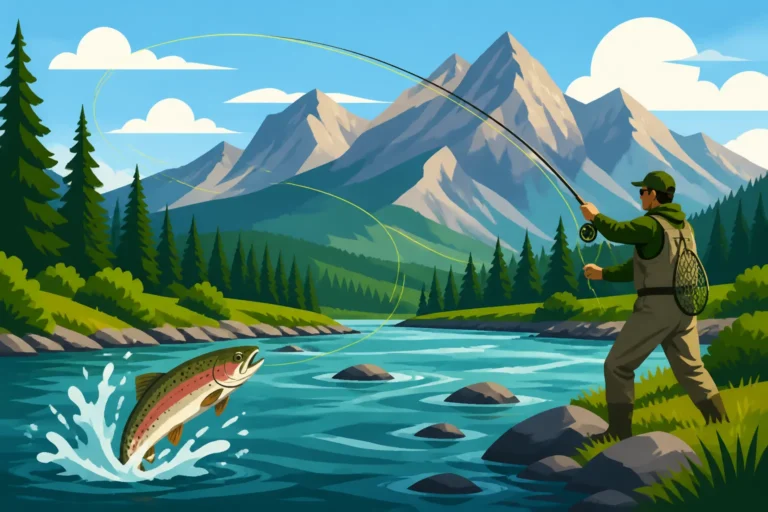
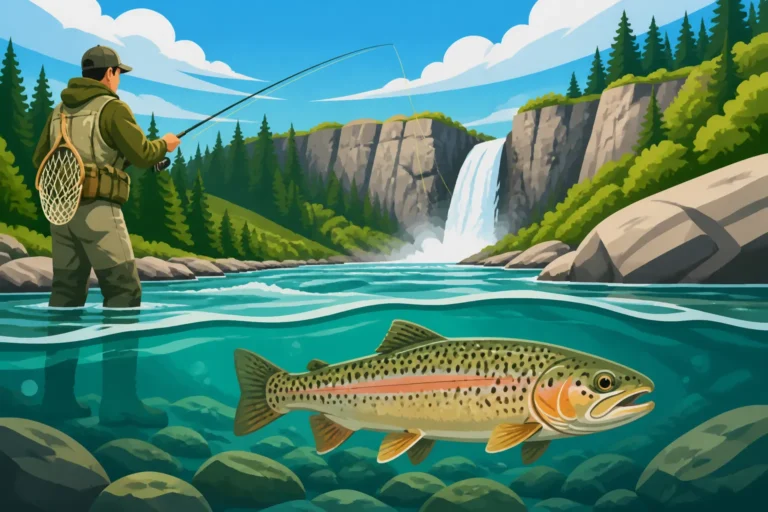
When most anglers think of fishing near Calgary and heading west, the first name that springs to mind is almost always the Bow River. And for good reason! While the famous sections downstream of Calgary get a lot of attention, the upper Bow River, as it flows through Cochrane, Canmore, and towards the national park boundary, offers a completely different, yet equally rewarding, experience. This stretch is characterized by faster currents, clearer, colder water, and stunning mountain backdrops. It’s primarily a trout fishery, boasting healthy populations of wild rainbow and brown trout.
Fishing this part of the Bow often means embracing a more active style, whether you're casting flies, drifting nymphs, or even throwing small spinners and spoons. The river here is more intimate, with deep runs, riffles, and pocket water offering abundant holding lies for trout. It's a place where reading the water becomes paramount, and a stealthy approach often pays dividends. Don't underestimate the sheer beauty of casting to rising trout with the Rockies towering above you; it's an experience that truly captures the essence of Alberta fishing. For a deeper dive into this incredible waterway, you might want to check out our comprehensive Bow River Fishing Guide.
Beyond the Bow: Mountain Lakes and Streams
While the Bow River is undeniably the star of the show for many, the journey from Calgary to Banff also opens up access to a spectacular array of mountain lakes and smaller tributary streams. These waters offer a fantastic change of pace and can be incredibly rewarding, especially if you're looking for different species or a less river-centric experience. From easily accessible roadside lakes to more remote, hike-in alpine gems, the variety is astounding.
These mountain waters often hold different trout species, including native cutthroat trout, brook trout, and even the elusive bull trout (which are almost exclusively catch-and-release). The techniques can vary widely, from still-water nymphing and indicator fishing on lakes to small stream dry fly presentations. Accessibility can range from boat launches on larger reservoirs to short hikes to tranquil ponds. It's important to remember that many of these mountain fisheries have very specific regulations, often including bait bans, single-barbless hook requirements, and even specific season dates that differ from larger rivers. Always consult the Alberta Fishing Regulations Explained for the specific waterbody you plan to fish.
Prime Fishing Destinations Along the Route
Let's get specific about some of the best places you can wet a line between Calgary and Banff. Each location offers a unique angling adventure, catering to different preferences and skill levels. Whether you're a seasoned fly-fisher or a family looking for a relaxed day of shore fishing, there's a spot waiting for you.
The Mighty Bow River: East of Canmore
As you head west from Calgary, before reaching the gates of Banff National Park, the Bow River flows through areas like Cochrane and then on towards Canmore. This upper stretch of the Bow is a prime destination for trout anglers, renowned for its healthy populations of rainbow and brown trout. The water here is colder and clearer than the downstream sections, making for excellent sight-fishing opportunities on clear days. You'll find a mix of faster runs, deep pools, and gravel bars, all offering prime trout habitat.
Many anglers prefer to wade this section, meticulously working pocket water and current seams. Fly fishing is particularly popular, with nymphing and streamer patterns often proving effective, though dry fly opportunities can be incredible during prolific hatches, especially in summer. If you’re not a fly angler, don't despair; spin fishing with small spoons, spinners, or even float-fished bait (where legal) can also yield impressive results. Access points are available near Cochrane and between Canmore and Exshaw, though some require a bit of exploration to find the perfect secluded stretch. Remember to check the local regulations for specific areas, as some parts of the Bow might have different rules regarding bait or tackle. When planning a trip, exploring services on platforms like FishingBooker can help you find local guides who know these specific stretches intimately.
Ghost Lake Reservoir: A Different Kind of Challenge
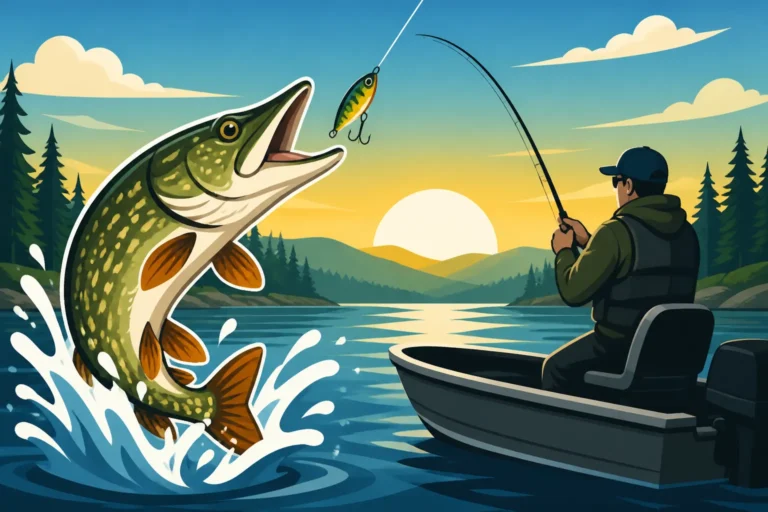
Located just west of Cochrane, Ghost Lake Reservoir offers a contrasting experience to the flowing waters of the Bow River. This large reservoir, formed by the damming of the Bow, is known primarily for its northern pike and whitefish populations, with the occasional bull trout making an appearance (remember, bull trout are generally catch-and-release only). Ghost Lake can be a challenging fishery, but for those willing to put in the time, it can produce some impressive catches.
Pike fishing is popular here, especially in the shallower bays and around submerged structures. Large spoons, crankbaits, and even topwater lures can entice these toothy predators. Trolling is a common method for covering water and locating fish, particularly for whitefish in deeper areas. Given its size, a boat or kayak is highly recommended for exploring Ghost Lake, though shore access is available in some spots, especially near the public boat launch. Always be mindful of wind conditions, as this lake can get very choppy very quickly, making safe boating a priority. For more insights on how to tackle these specific species, you might find our guides on How to Catch Northern Pike in Alberta or Lake Whitefish in Alberta Lakes helpful.
Kananaskis Lakes: Scenic Mountain Angling
Venturing further west into Kananaskis Country, just south of the Trans-Canada Highway, you'll find the stunning Upper and Lower Kananaskis Lakes. These pristine alpine lakes, set against a backdrop of towering peaks, offer some truly breathtaking fishing opportunities. They are well-regarded for their populations of rainbow trout, cutthroat trout, and the prized bull trout.
Both lakes are often subject to special regulations, including single barbless hook rules and catch-and-release for bull trout. Fishing from shore, canoes, kayaks, or small boats is popular. For Upper Kananaskis Lake, a deeper and colder body of water, trolling or jigging for lake trout can be productive, while shallower areas and inlets on both lakes are excellent for rainbow and cutthroat. Fly fishing is also very effective, with streamers and nymphs mimicking the natural forage. The sheer beauty of the surroundings makes a day on the Kananaskis Lakes an unforgettable experience, even if the fishing is slow. Just ensure you are aware of the Alberta Bull Trout Zero Possession Rule before heading out.
Barrier Lake and the Lower Kananaskis River
Barrier Lake, also within Kananaskis Country and easily accessible off Highway 40, is a popular spot, especially for families. It's frequently stocked with rainbow trout, making it a reliable option for catching fish. The lake is quite scenic and offers good shore access, as well as opportunities for non-motorized boats like canoes and kayaks. It's an ideal spot for bait fishing with worms or power bait, or for casting small spinners and spoons.
Flowing out of Barrier Lake is the Lower Kananaskis River, a smaller, picturesque stream that can offer decent fishing for rainbow trout, especially in the quieter sections. This river, however, is heavily influenced by the dam operations, so water levels and flow rates can fluctuate dramatically. Always exercise caution when wading and be aware of changing conditions. The section of river below the dam often holds larger, wilder fish that have grown accustomed to the river's challenges. For families or those just looking for a relaxed day with a high chance of success, Barrier Lake is a fantastic choice.
Understanding Species and Regulations in the Mountain Corridor
Fishing in the mountains west of Calgary requires a bit more nuance than simply dropping a line. The ecosystem is delicate, and conservation efforts are paramount, especially for native species. Being informed about what you're targeting and the rules that govern those waters is not just a recommendation; it's a legal and ethical responsibility.
Targeting Trout: Rainbow, Brown, Cutthroat, and Bull Trout
The primary focus for most anglers in this corridor will be trout. You'll encounter four main species:
- Rainbow Trout: Plentiful in the Bow River and many stocked lakes, known for their acrobatic fights. They prefer clear, cool, oxygenated water.
- Brown Trout: Often larger and more elusive, found alongside rainbows in the Bow River. They are known for their predatory nature and can grow to impressive sizes.
- Cutthroat Trout: Native to these mountain streams, identifiable by the red slashes under their jaw. They are often found in higher elevation lakes and streams and can be more sensitive to environmental changes.
- Bull Trout: Alberta's provincial fish, and a species of special concern. These are highly protected, and almost all waters mandate a zero-possession limit, meaning they must be immediately released unharmed. They are apex predators and prefer very cold, clear mountain waters. Learning How to Catch Bull Trout and Release Them Safely is crucial for any angler in their native range.
Understanding the subtle differences in their preferred habitats and feeding behaviors will greatly enhance your success. For instance, while rainbows and browns might actively feed in riffles, bull trout often lurk in deeper pools or behind large structure.
Essential Regulations and Conservation Efforts
Alberta's fishing regulations are designed to protect fish populations and ensure sustainable angling for future generations. It’s absolutely vital to carry and consult the latest Alberta Guide to Sportfishing Regulations every time you head out. These regulations are updated annually and vary by waterbody (zone-specific rules are very common), species, and even time of year.
Here are some general points to keep in mind for this region:
- Alberta Fishing License: A valid Alberta fishing license and an Alberta WIN card are mandatory for all anglers between the ages of 16 and 65, and for all non-residents. You can easily purchase your Alberta Fishing License Guide for 2026 online through the MyWildAlberta portal.
- Single Barbless Hooks: Many mountain streams and lakes in this area, especially those with sensitive trout populations, require the use of single, barbless hooks. This minimizes harm to fish, particularly those that are caught and released.
- Catch and Release: Beyond bull trout, many other trophy sections of rivers or lakes might have mandatory catch-and-release rules for certain species or for all fish. Always be prepared with proper release tools like forceps and a net that protects the fish's slime coat.
- Bait Bans: Some waters may have bait bans to prevent the introduction of invasive species or to protect sensitive fish that might swallow bait too deeply.
- Season Dates: While many lakes open for fishing on May 15th, mountain streams and certain trout waters often have later openers to protect spawning fish, such as the Alberta Trout Season Opener Dates by Zone.
Failing to adhere to these regulations can result in significant fines and impact your ability to acquire future licenses. It's a small price to pay for protecting our precious resources.
Planning Your Trip and Maximizing Your Success
A well-planned fishing trip is often a successful and enjoyable one. From having the right gear to knowing the best times to visit, a little preparation goes a long way, especially when exploring new waters between Calgary and Banff.
Gear Up for Mountain Fishing
The type of gear you bring will largely depend on the specific waters you plan to fish. For the Bow River, a medium-light to medium action spinning rod (7-8 feet) paired with a 2000-3000 size reel spooled with 6-8 lb test monofilament or fluorocarbon is a versatile setup. If you're a fly angler, a 5-6 weight fly rod is ideal for the Bow, capable of handling larger trout and nymphing rigs. For smaller mountain streams, a lighter 3-4 weight fly rod might be preferred. When it comes to waders, ensure they are breathable for comfort but durable enough to handle rocky streambeds. Investing in good Best Waders for Alberta Trout Rivers is never a bad idea.
For lake fishing, especially on larger bodies like Ghost Lake or the Kananaskis Lakes, a slightly heavier spinning or baitcasting setup might be more appropriate, especially if targeting pike. Having a selection of spoons, crankbaits, and jigs in various sizes and colors is always a good idea. Don't forget essentials like polarized sunglasses for seeing into the water, a hat, sunscreen, insect repellent, and a first-aid kit. A good map or a reliable GPS device is also invaluable, as cell service can be spotty in some mountain areas.
Here's a quick comparison of some popular fishing spots:
| Location | Primary Species | Recommended Gear (General) | Key Regulations (Check current guide) | Accessibility |
|---|---|---|---|---|
| Upper Bow River | Rainbow Trout, Brown Trout | Fly rod (5-6wt), light spin | Single barbless hooks, C&R zones likely | Numerous public access points, wading popular |
| Ghost Lake Reservoir | Northern Pike, Lake Whitefish, Bull Trout | Medium-heavy spin/baitcast | Check pike/whitefish limits, C&R for Bull | Public boat launch, some shore access |
| Kananaskis Lakes | Rainbow, Cutthroat, Bull Trout, Brook | Light-medium spin, fly rod | Single barbless hooks, C&R for Bull, bait bans | Boat launches, numerous hiking access, shore |
| Barrier Lake | Stocked Rainbow Trout | Light spin | General provincial limits | Excellent shore access, non-motorized boats |
When to Visit for the Best Experience
The "best" time to fish between Calgary and Banff depends heavily on what you're targeting and your preferred conditions.
- Spring (May-June): This can be a transition period. While some mountain lakes might still be ice-covered, the Bow River often kicks into gear, especially for nymphing. Snowmelt can make rivers high and cloudy, but pockets of clear water can be highly productive. May is typically when many lakes open for the season, including stocked ponds, offering early opportunities.
- Summer (July-August): Generally considered peak season. The weather is warm, hatches are prolific on the Bow, and mountain lakes are fully accessible. Early mornings and late evenings are often the best times on the river. These months are also ideal for exploring higher-elevation lakes. Weekends can be crowded, so consider mid-week trips if possible.
- Fall (September-October): Many seasoned anglers consider fall the crown jewel. Water temperatures cool, fish become more active, and larger trout (especially brown trout) are aggressive as they prepare for spawning. The scenery is spectacular with changing leaves, and crowds diminish. This is a fantastic time for streamer fishing on the Bow and exploring lake options before ice-up.
Regardless of the season, checking local weather forecasts and stream conditions is crucial. Heavy rains can blow out rivers, and sudden cold snaps can put fish off the bite. Many experienced anglers also use services like FishingBooker to find up-to-date reports from local guides who are on the water regularly, providing invaluable real-time advice. Remember, securing your Alberta fishing license age requirements and a WIN card is your first step to a great outing.
Disclaimer
The information provided in this guide is for general informational purposes only and is based on typical conditions and regulations. Fishing regulations in Alberta are subject to change annually and can vary significantly by specific waterbody, species, and season. It is the angler's sole responsibility to consult the most current official Alberta Guide to Sportfishing Regulations before engaging in any fishing activity. Always prioritize safety, adhere to all local rules, and practice responsible angling to protect Alberta's fisheries.