Best fly fishing access on the Crowsnest River
Oh, the Crowsnest River! It’s one of those legendary rivers in Alberta that every fly angler dreams of casting a line into. But let's be honest, finding prime access points can feel like trying to crack a secret code sometimes, especially with a mix of public and private lands along its winding course. This guide is here to untangle that mystery, giving you the lowdown on the best spots to get your boots wet and your fly in the water on this incredible trout fishery.
Understanding the Crowsnest River's Fly Fishing Appeal
The Crowsnest River isn't just any river; it's a jewel in Alberta's fly fishing crown, attracting anglers from all over for good reason. But what exactly makes it so special, and why does it hold such a revered status among those who chase trout with a fly rod?
Why the Crowsnest is a Fly Angler's Dream
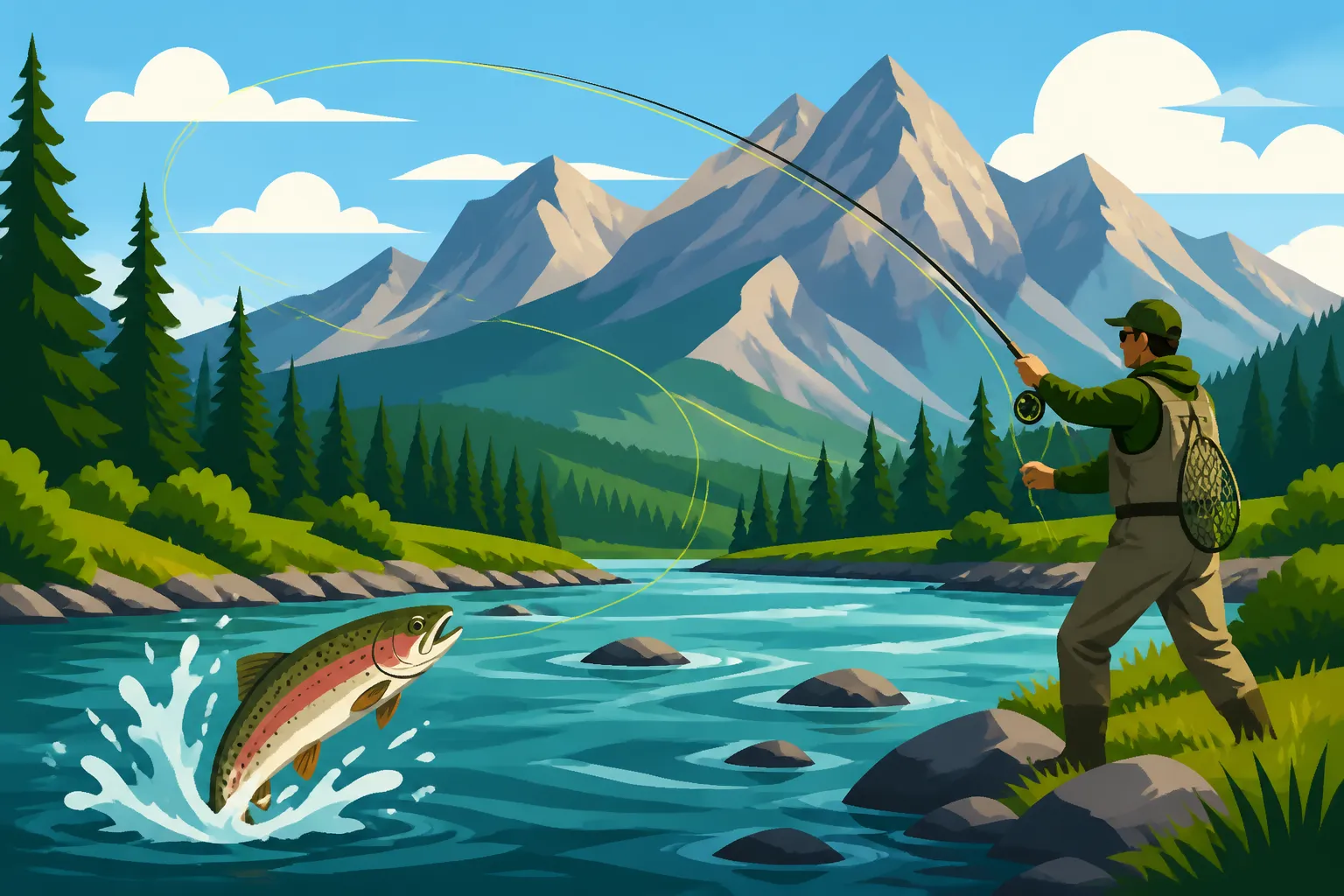
Imagine crystal-clear, cold water tumbling over a bed of smooth stones and gravel, carving out deep runs, swift riffles, and quiet pools. That's the Crowsnest River for you – a classic freestone stream perfectly suited for trout. This river is a vibrant ecosystem, teeming with diverse insect life, from various species of Mayflies and Caddis to robust Stoneflies, providing a consistent smorgasbord for the fish. This natural abundance means the trout here are wild, strong, and discerning.
You'll primarily be targeting spirited rainbow trout and beautiful native cutthroat trout, known for their distinctive red slashes under their jaws. The Crowsnest is also home to bull trout, a species that is strictly catch and release due to its threatened status. The fight these fish put up on a fly rod is truly something to experience. Beyond the fish, the scenery is breathtaking, with the majestic Rocky Mountains providing a dramatic backdrop. It's an immersive experience that goes beyond just fishing; it's about connecting with nature in a truly wild setting. If you're looking for more general information on Best Fly Fishing Rivers in Alberta, the Crowsnest consistently ranks among the top.
Navigating Public vs. Private Lands
One of the biggest hurdles, and frankly, a source of frustration for many anglers new to the Crowsnest, is understanding where you can legally access the river. A significant portion of the Crowsnest River flows through private land, meaning you can't just pull over and hop out anywhere. Respecting private property is paramount, not just for ethical reasons but also to ensure continued access to the public sections we do have.
Always look for designated public access points, often found at bridge crossings, specific day-use areas, or where Crown land borders the river. Signs are usually present, or you can consult detailed maps. When you're on public land, be mindful of your surroundings and leave no trace. Wandering onto private property without permission is not only illegal but can also jeopardize future access for everyone. The rule of thumb is: if you're not sure, don't go. Stick to the well-known public spots, and if you plan on exploring, always confirm land ownership beforehand.
Key Public Access Points Along the Crowsnest River
Knowing the general stretches of the Crowsnest River is one thing, but pinpointing exact, reliable public access points is what truly unlocks this fishery. Let's delve into some of the most popular and productive spots where you can get your boots wet.
Lundbreck Falls Provincial Park Area
This is arguably one of the most iconic and easily recognizable access points on the Crowsnest River, thanks to the stunning Lundbreck Falls itself. The river here offers two distinct experiences:
- Below the Falls: For the adventurous and experienced angler, the canyon section immediately below Lundbreck Falls can be incredibly rewarding. The water is often deep, swift, and powerful, holding some truly massive trout. Accessing this section requires careful navigation down steep trails, and wading can be challenging due to the strong currents and slippery rocks. It's a place where big streamers and heavy nymph rigs often shine, targeting those trophy fish lurking in the deeper pools. The rewards, however, can be spectacular if you manage to hook into one of the river's giants.
- Above the Falls: The section of river above Lundbreck Falls offers a more diverse and generally more accessible wading experience. Here, the river broadens out in many spots, featuring a mix of runs, riffles, and slower pools. There are numerous pull-offs along Highway 3 and Secondary Highway 507, providing ample parking and trails down to the water. This area is fantastic for both dry fly fishing during hatches and nymphing through the varied currents. It's a popular spot, so don't be surprised to see other anglers, especially on weekends. It's a great starting point for exploring the Crowsnest and often yields consistent action.
Frank Slide Interpretation Centre Area
Moving further upstream, the area around the historic Frank Slide offers several unique access points. The river's character here is influenced by the massive rockfall, creating a rugged and often unpredictable bottom.
- Bridge Crossings and Pull-offs: There are several bridge crossings and small, unmarked pull-offs along the highway through Frank and to the west. These often provide the easiest routes to the water. Look for small gravel areas where other vehicles are parked – these are usually informal access points. The river here tends to be a bit more channelized in places, with deeper slots and faster water mixed with wider, shallower runs. The unique geology means the riverbed can be quite dynamic, offering interesting structure for trout to hide in.
- Wading Considerations: Wading can be tricky due to the large, irregular rocks from the slide. A sturdy wading staff is highly recommended here, and good felt-soled or studded wading boots are a must. Fly presentations in this section often involve nymphing through the deeper pockets and runs, or working streamers along cut banks. Always keep an eye on your footing and the strength of the current.
Coleman to Blairmore Stretch
This section encompasses a few communities along the Crowsnest Pass and provides a variety of accessible fishing spots, ranging from easy roadside access to slightly more secluded areas.
- Coleman Bridge Access: Just outside of Coleman, there are often good access points near the bridges. These areas can be productive, offering classic runs and riffles where trout hold. Parking is usually straightforward. The river here generally has a good mix of faster water and deeper pools, making it suitable for various techniques from dry flies to nymphs.
- Blairmore Bridge Access: Similar to Coleman, the area around the Blairmore bridges offers accessible stretches. These town-adjacent spots can be convenient for a quick fishing session, providing relatively easy wading in many areas. Expect to find good structure, including submerged rocks and small log jams that provide excellent cover for trout.
- Roadside Pull-offs: Between Coleman and Blairmore, keep an eye out for smaller pull-offs directly alongside the highway. While they might not be formal parking areas, they often lead to informal trails down to the river. These can be great for finding quieter stretches of water, though you might have to walk a bit further. This whole stretch is a fantastic place to practice your drift fishing techniques, especially with longer leaders and accurate casts to reach feeding lanes.
Burmis Area
Further west, towards the Burmis Tree, the river tends to become a bit more remote and less pressured in certain stretches. This can be appealing for anglers seeking a quieter experience.
- Secluded Sections: Access points in the Burmis area might require a bit more effort, sometimes involving short hikes through the trees or along old tracks. However, this extra effort can pay off with fewer crowds and more undisturbed water. The river here often features longer, consistent runs and deep bends, perfect for methodical nymphing or swinging larger streamers.
- Challenges and Rewards: While the solitude is a huge draw, navigating some of these sections can be challenging due to thick bankside vegetation or more varied terrain. But for those willing to explore, the Burmis area can reveal hidden gems and some of the Crowsnest's most beautiful and productive water. Always be aware of wildlife in these more secluded spots, and carry bear spray if you're venturing far off the beaten path.
Practical Tips for Fly Fishing the Crowsnest River
Fishing the Crowsnest River isn't just about knowing where to go; it's also about understanding the nuances of how to approach this specific fishery. A little preparation and knowledge can make all the difference in your success and enjoyment.
Essential Gear and Fly Patterns
Having the right equipment tailored to the Crowsnest's unique characteristics will significantly enhance your experience.
- Rod and Line: A 4-weight or 5-weight fly rod is generally ideal for the Crowsnest. It offers enough backbone to handle the strong currents and larger trout, while still being delicate enough for precise presentations. A 6-weight can be useful if you plan on throwing larger streamers frequently or fishing during higher flows. Pair this with a floating fly line, and consider a sink-tip line for deep nymphing or streamer fishing in faster water.
- Leaders and Tippets: For the clear waters of the Crowsnest, fluorocarbon leaders and tippets are often preferred due to their low visibility. Start with a 9-foot, 3X or 4X leader, and carry a range of tippet sizes from 3X down to 6X. You'll use heavier tippet for nymphing and streamers, and lighter tippet for delicate dry fly presentations to spooky trout. If you're looking for broader fly fishing gear advice, check out our guide on Best Gear for Bow River Fly Fishing, much of which is applicable here.
- Fly Patterns: The Crowsnest has a rich insect population, so a diverse fly box is key.
- Nymphs: Essential year-round. Carry patterns like Prince Nymphs, Hare's Ears, Pheasant Tails, Copper Johns, and Stonefly nymphs (e.g., Kaufmann's Stone, Pat's Rubber Legs) in various sizes (size 10-18).
- Dry Flies: When hatches occur, dry fly fishing can be phenomenal. Stock up on Caddis patterns (Elk Hair Caddis, X-Caddis), Mayfly imitations (Parachute Adams, Pale Morning Duns, Green Drakes), and Hopper/Terrestrial patterns for late summer.
- Streamers: For targeting larger, aggressive trout, especially brown trout and big rainbows, streamers are incredibly effective. Woolly Buggers, Sculpzillas, and articulated patterns in olive, black, and white are good choices.
Wading Safety and River Etiquette
Safety and respectful behavior are non-negotiable when fly fishing, especially on a popular river like the Crowsnest.
- Wading Safety: The Crowsnest River can have strong currents and a slippery, uneven bottom, particularly in sections influenced by the Frank Slide. Always wear wading boots with good ankle support and sturdy felt soles or studded rubber soles for maximum grip. A reliable wading staff is an invaluable tool for maintaining balance and probing the riverbed ahead of you. Never wade beyond your comfort zone or into water that looks too deep or swift. Water levels can change, so always be aware of conditions.
- River Etiquette: The Crowsnest is enjoyed by many anglers, so courtesy is vital. Always give other anglers plenty of space – a general rule of thumb is to allow at least 50-100 yards between yourself and the next angler, especially if they are actively fishing a run. If you need to pass someone, do so quietly and far behind or above them on the bank, not through their fishing spot. Practice catch and release, especially with larger wild trout and absolutely with bull trout, which have a strict Alberta Bull Trout Zero Possession Rule. Use a rubberized net to minimize harm to the fish, and try to keep them in the water as much as possible for photos and release. For tips on handling protected species, refer to How to Catch Bull Trout and Release Them Safely.
Understanding Regulations and Seasons
Fishing in Alberta, and particularly on specific rivers like the Crowsnest, comes with a clear set of rules designed to protect the fishery. Ignoring them can lead to hefty fines and impact future angling opportunities.
- Consult the Regulations: Your first and most important step before heading out is to consult the current Alberta Fishing Regulations Explained. The Alberta Guide to Sportfishing Regulations is updated annually and is your authoritative source for all rules. You can usually pick up a physical copy at local tackle shops or download it from the MyWildAlberta website. This guide will outline specific zone regulations, general provincial regulations, and special regulations for waters like the Crowsnest River. A deep dive into Reading the Alberta Guide to Sportfishing Regulations will save you a lot of headaches.
- Crowsnest Specific Rules: The Crowsnest River often has special regulations, such as specific bait restrictions, mandatory Alberta Barbless Hook Requirement Waters, and defined fishing seasons. For example, some stretches may be fly fishing only, or have different possession limits for specific trout species. Always double-check the Alberta Fishing Season Dates by Zone for the Crowsnest Pass region to ensure you're fishing during an open season. You'll also need a valid Alberta Fishing License Guide for 2026 before casting a line.
Planning Your Crowsnest River Fly Fishing Trip
A successful and enjoyable fly fishing trip to the Crowsnest River involves more than just showing up with a rod. Thoughtful planning can make your experience seamless and significantly boost your chances of finding those elusive trout.
When to Visit for Optimal Conditions
The Crowsnest River offers fantastic fishing throughout the open season, but different times of the year present unique opportunities and challenges.
- Spring (May-June): Early spring, before the main runoff, can be excellent. The water is often clear and fish are hungry after winter. However, the exact timing is dictated by snowmelt and rain. Once the runoff begins in earnest, the river can become high and murky, making fishing difficult. As runoff subsides later in spring, usually late May into June, aquatic insect hatches begin in earnest, offering some exciting dry fly opportunities. This can be a great time for Spring Trout Fishing Techniques for Alberta Streams.
- Summer (July-August): This is prime time for many fly anglers. Consistent insect hatches, including various Mayflies and Caddis, provide excellent dry fly fishing, especially in the mornings and evenings. The water levels are typically stable, and wading is generally easier. It's a popular time, so expect company, especially on weekends. Terrestrial patterns like hoppers and ants also become effective in late summer.
- Fall (September-October): Many experienced anglers consider fall to be the absolute best time on the Crowsnest. Crowds thin out, and the trout are aggressively feeding to bulk up for winter. Large brown trout become particularly active, and streamer fishing can be incredibly effective. The vibrant autumn colours of the surrounding mountains add to the magical experience. For specific strategies, explore Best Techniques for Fall Trout Fishing.
Guided Trips and Local Expertise
For those new to the Crowsnest, or simply looking to maximize their experience, hiring a local guide can be an invaluable investment.
- Benefits of a Guide: A local fly fishing guide knows the river inside and out – its hidden access points, the best runs at different water levels, and the most effective fly patterns for current conditions. They can save you countless hours of scouting and frustration, putting you directly on fish. Guides also provide invaluable instruction, helping you refine your casting, presentation, and fish-fighting techniques. They often have access to private stretches or can navigate difficult public areas more safely.
- Finding a Guide: You can find reputable Crowsnest River guides through local fly shops in the Crowsnest Pass area, such as Crowsnest Angler, or by checking online resources. Websites like FishingBooker list experienced guides in the region, providing details on their offerings, pricing, and client reviews. Always look for guides who are passionate about conservation and knowledgeable about the specific regulations of the Crowsnest River. Utilizing a platform like FishingBooker can streamline the process of finding the perfect guide for your Crowsnest adventure, ensuring you connect with someone who truly knows the local waters and can offer a tailored experience. Even experienced anglers often hire a guide when visiting a new river, leveraging their expertise to quickly understand the nuances.
Crowsnest River Fly Fishing Access Summary
| Access Point Area | Primary Access Method | Key Features | Target Species | Recommended Techniques | Wading Difficulty |
|---|---|---|---|---|---|
| Lundbreck Falls (Below) | Trails from Provincial Park | Canyon section, deep, swift water, large boulders. Challenging but large fish. | Rainbow, Cutthroat, Bull | Heavy Nymphs, Large Streamers | Difficult |
| Lundbreck Falls (Above) | Hwy 3 & Hwy 507 pull-offs | Diverse runs, riffles, pools. Easier wading in many spots. | Rainbow, Cutthroat | Dry Flies (hatches), Nymphing | Moderate |
| Frank Slide Area | Bridge crossings, informal pull-offs | Rugged, rockfall-influenced bottom. Varied depths and currents. | Rainbow, Cutthroat, Bull | Nymphing, Streamers, Euro Nymphing | Moderate-Difficult |
| Coleman to Blairmore | Town bridges, roadside pull-offs | Classic runs, riffles, deeper bends. Good mix of water types. | Rainbow, Cutthroat | Dry Flies, Nymphing, Wet Flies | Easy-Moderate |
| Burmis Area | Informal trails, roadside pull-offs | Quieter, more secluded stretches. Longer runs, deep pools. | Rainbow, Cutthroat, Bull | Nymphing, Streamers, Dry Flies (selective) | Moderate |
Disclaimer
The information provided in this guide is for general informational purposes only and is based on publicly available knowledge and typical conditions. Fishing regulations, access points, and river conditions can change frequently. Always consult the most current Alberta Guide to Sportfishing Regulations before heading out, and be aware of local conditions and advisories. Angling involves inherent risks; always prioritize safety.