Bow River fishing access between Carseland Dam and Calgary
Finding good public access points along the Bow River between Carseland Dam and Calgary can feel like a real treasure hunt, especially for those new to the area or even seasoned anglers who haven't explored this particular stretch. You know that legendary trout water is there, but actually getting to it, knowing where to park, and understanding what to expect can be a frustrating puzzle. This guide is dedicated to untangling that puzzle, giving you a detailed breakdown of the prime fishing access points in this incredible section of the Bow River.
Understanding the Bow River's Unique Character in This Stretch
The Bow River is world-renowned for its incredible trout fishing, and the section between Carseland Dam and Calgary offers a unique blend of experiences that evolve as the river winds its way closer to the city. It’s a transition zone, moving from more rural, open landscapes to areas that start to feel the proximity of urban development, yet still hold fantastic fishing opportunities.
The Carseland Dam Influence
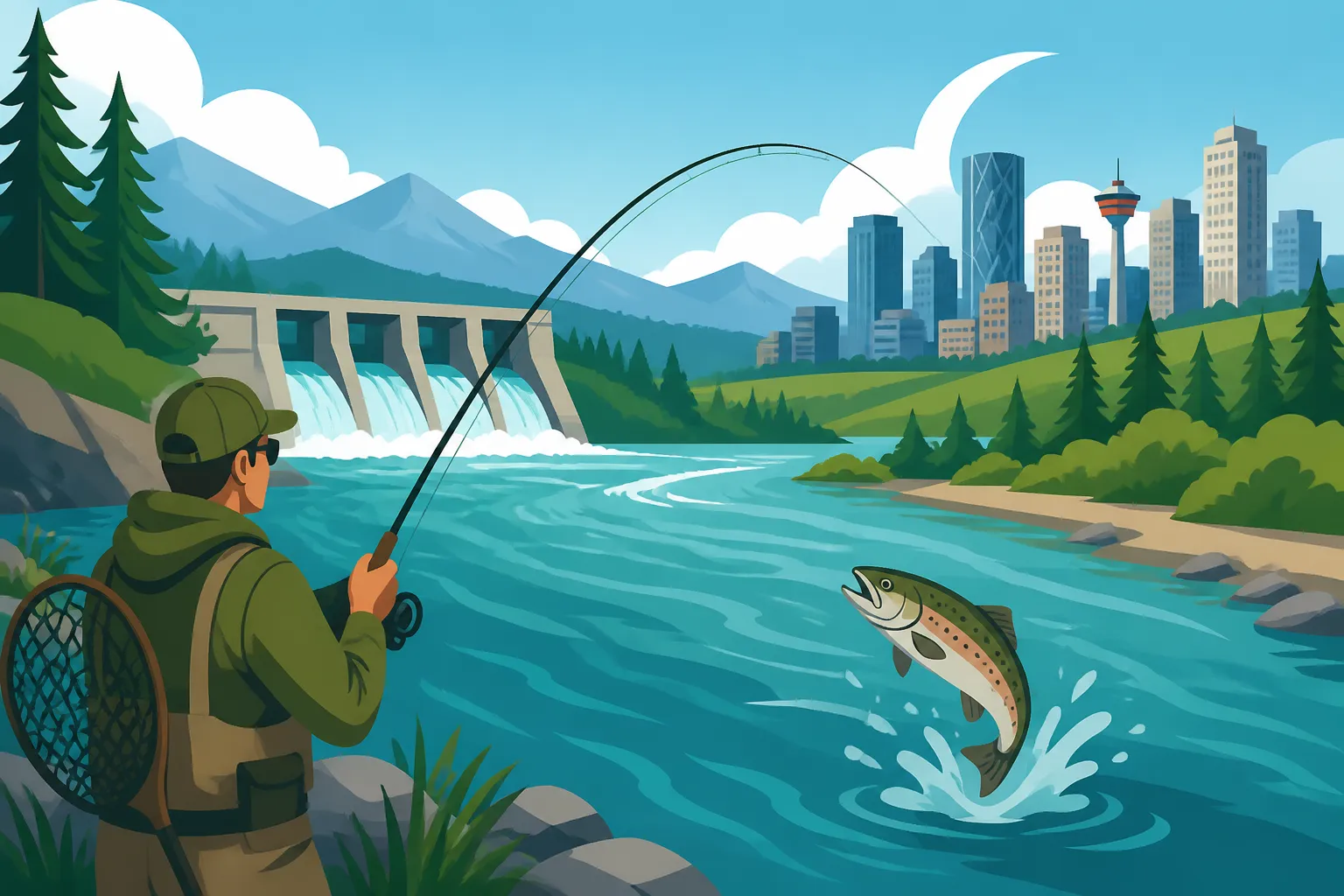
The Carseland Dam, a diversion weir near the town of Carseland, marks the technical beginning of the 'middle' Bow River for many anglers. While it's not a towering structure like some hydro dams, its presence significantly influences the river immediately downstream. Below the dam, the river's flow is regulated, and this stretch often benefits from cooler, more consistent water temperatures, which are absolutely crucial for trout. The dam also acts as a natural barrier for some fish species moving upstream, concentrating them in the waters below. This area, right after the dam, is typically characterized by deep runs, riffles, and oxygenated water, providing prime habitat for robust rainbow and brown trout. Anglers frequently find good success here, especially during insect hatches, as the steady flow helps concentrate insect life and subsequently, hungry trout.
Urban and Rural Blend
As the Bow River flows from Carseland towards Calgary, you'll notice a gradual shift in the landscape. Initially, the banks are often wide open, flanked by agricultural lands and sparse woodlands, offering a sense of wilderness even close to a major city. This allows for expansive back-casting for fly anglers and plenty of room for those who prefer to spin cast. However, as you get closer to the city limits, particularly near the Fish Creek Provincial Park confluence, the river corridor becomes more developed. You'll encounter more walking trails, designated park areas, and occasionally, the sounds of distant traffic. Despite this, the fishing can remain exceptional. The key is knowing which access points offer the best balance of convenience and solitude, and how to navigate the differing land uses. It's truly a blend – one moment you're casting to rising fish in what feels like untouched nature, and the next you might be sharing a parking lot with hikers and birdwatchers.
Prime Fish Species and Regulations
This particular stretch of the Bow River is primarily celebrated for its wild trout fishery. You're most likely to encounter strong, acrobatic rainbow trout, known for their powerful runs and aerial displays. Brown trout are also prevalent, often lurking in deeper, slower pools and undercuts, offering a different kind of challenge with their more elusive nature and tendency to strike larger, meatier flies and lures. While less common, there are also opportunities for Rocky Mountain whitefish, especially in faster, oxygen-rich sections. Knowing what you're targeting is half the battle!
It's absolutely critical to be well-versed in the specific rules that apply to this section of the Bow. Alberta's fishing regulations can be complex, often varying by river section, time of year, and even species. For instance, the Bow River through Calgary and extending downstream often has specific limits and regulations, including catch-and-release only sections for certain species or mandatory barbless hook rules. Before you even tie on your first fly or lure, make sure you've thoroughly checked the latest Alberta Fishing Regulations Explained in the current Alberta Guide to Sportfishing Regulations. Ignorance of the rules is no excuse, and conservation is everyone's responsibility to protect these incredible fisheries.
Key Public Access Points: From Downstream to Upstream
Navigating the Bow River for access can be tricky, as many spots are on private land. Thankfully, several well-known public access points allow anglers to get to the water between Carseland Dam and Calgary. We'll explore these from the furthest downstream, directly below the dam, working our way up toward the city.
Carseland-Wyndham Provincial Park Area
Just south of the town of Carseland, and immediately downstream from the dam, lies Carseland-Wyndham Provincial Park. This area is a fantastic starting point for exploring the Bow River and offers some of the most consistent fishing. You can typically find access directly off Township Road 210, which leads right into the park facilities.
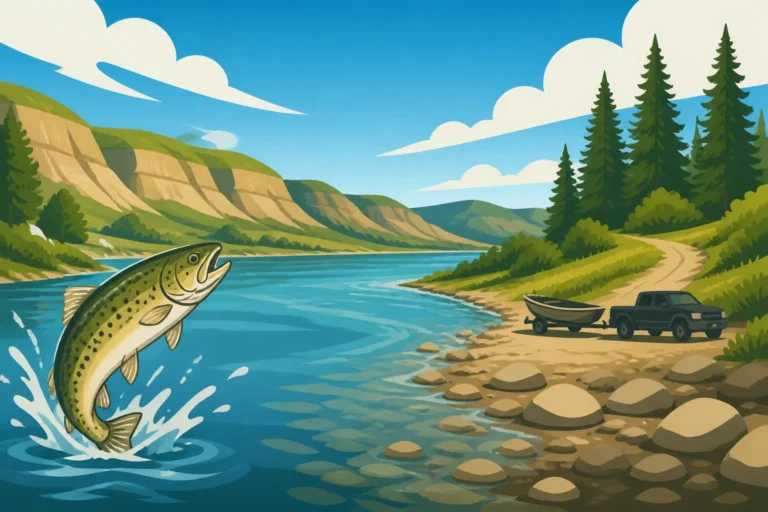
Within the park, there's a designated boat launch, making it an ideal spot for those with drift boats, rafts, or small motorized boats looking to float downstream. For shore anglers, there are numerous spots to walk and wade, particularly along the banks nearest the parking areas. The river here is wide and varied, with swift currents, slower pools, and plenty of submerged structure where trout love to hold. Access is relatively easy, with paved roads leading into the park and usually ample parking, though it can get busy on prime fishing days, especially during major hatches. Many anglers target rainbow and brown trout in the deep runs and riffles, often using nymphing techniques or streamer patterns to imitate baitfish. This is a very popular spot, and you'll find anglers of all skill levels enjoying the river.
McKinnon Flats Area
Moving upstream from Carseland-Wyndham, but still a significant float or drive from the dam, you'll find McKinnon Flats. This is arguably one of the most popular and well-known public access points on the Bow River, located southeast of Calgary, accessible via Range Road 270. It’s a bit of a drive on gravel roads, but the reward is usually worth it.
McKinnon Flats boasts a large parking area, designated boat launch facilities (though it can be quite bumpy and challenging for trailers during certain conditions), and plenty of bank access. This spot is a hub for drift boaters who launch here for a float downstream or take out if they’ve launched further upstream. Shore anglers also flock to McKinnon Flats, spreading out along the extensive riverbanks. The river here is wide, offering a mix of fast runs, gravel bars for wading (check current levels!), and deeper channels. Because of its popularity, you might find some pressure, especially on weekends. However, the sheer size of the river in this section means there’s usually enough water to find a quieter spot if you're willing to walk a bit. This area is fantastic for both fly fishing and spin fishing, with various techniques proving effective depending on the season, from dry flies during summer hatches to streamers in colder water.
Wyndham Bridge Access
Further upstream from McKinnon Flats, another important access point is around the Wyndham Bridge (also known as the Carseland Weir Bridge or Range Road 264 crossing). While not as developed as a provincial park or McKinnon Flats, this bridge offers critical entry and exit points for float trips and can provide good shore fishing opportunities.
Access here is generally less formal. There might be small pull-offs or informal parking areas near the bridge abutments. Anglers often use these points to put in smaller boats or rafts, or to access the banks for wading. Be mindful of private property signs in this area, as land ownership can be fragmented. The river near Wyndham Bridge features varied depths and currents, with some excellent holding water under and around the bridge structure itself. It's a great spot to try for brown trout that often hold in the shadows of such structures. It’s a less crowded option than McKinnon Flats but requires a bit more local knowledge to navigate efficiently. When planning a trip, looking up the exact location on a map or checking with local bait shops can give you the most current information on parking and river conditions.
Fish Creek Provincial Park Confluence
As the Bow River draws closer to Calgary, one of the most significant public access areas is the confluence with Fish Creek, which flows into the Bow River within the massive Fish Creek Provincial Park. This park is a jewel, offering extensive recreational opportunities, including excellent fishing. Access points within Fish Creek Provincial Park are numerous and well-maintained.
You can enter Fish Creek Provincial Park from various locations, such as Bow Bottom Trail SE or Canyon Meadows Drive SE, and then follow signs to parking lots that provide river access. The most direct access to the confluence itself is often via the Hull's Wood or Burnsmead parking areas. This part of the Bow River is characterized by a slightly slower current in some sections, numerous gravel bars, and often very clear water, especially if Fish Creek itself isn't muddy from recent rain. While wading is possible, boat access is more limited, with most anglers fishing from the bank or using small, hand-launched craft like canoes or kayaks. The confluence zone itself is a fantastic area, as the mixing waters can concentrate baitfish and insects, attracting hungry trout. It's an excellent spot for both rainbow and brown trout, with success often found using indicator nymphing rigs, dry flies during hatches, or smaller streamers. This area can be busy with walkers and cyclists, so be courteous and aware of your surroundings.
Near-Calgary City Limits Access
Just as the river enters the official city limits of Calgary, there are still some very viable public access points that offer excellent fishing, despite the urban backdrop. These areas might be a bit more bustling, but they still hold impressive fish.
One such area is around Pearce Estate Park, accessible off 17A Street SE. This park offers well-maintained trails and designated fishing areas, particularly around the Sam Livingston Fish Hatchery and the historic Bow Habitat Station. While fishing directly in the hatchery ponds is generally not allowed, the river access within the park boundaries can be surprisingly productive. Another option is the Inglewood area, which has several spots along the river pathway where anglers can drop a line. Parking can be more challenging in urban areas, often requiring paid parking or careful street parking. The river in these city sections continues to hold a strong population of wild trout, especially brown trout that adapt well to urban environments. Anglers often find success targeting structure like bridge pilings, downed trees, and deeper pools. These areas are more about convenience and quick trips for locals, but don't underestimate the quality of the fishing, particularly early mornings or late evenings when foot traffic is lower.
Essential Considerations for Anglers
Fishing the Bow River, especially in this dynamic stretch, requires more than just knowing where to go. Understanding river conditions, practicing responsible angling, and having the right gear are all crucial for a successful and enjoyable outing.
Navigation and Flow Conditions
The Bow River is a significant waterway, and its flow can vary dramatically depending on the season, recent precipitation, and dam operations. What might be a wadeable riffle one week could be a raging torrent the next. Always check the current flow rates (often measured in cubic meters per second, or CMS) before heading out. Websites like the Alberta Environment and Parks River Flow Data provide real-time information for gauges along the Bow, including one near Carseland.
For float trip anglers, understanding the flow is paramount for safety and trip planning. High flows can make rowing challenging and create dangerous hydraulics, while very low flows can expose gravel bars, requiring frequent dragging of your boat. For wading anglers, clear water and moderate flows are ideal. Always wear appropriate wading gear, including a sturdy wading belt and a reliable wading staff, especially if exploring unfamiliar territory. The bottom of the Bow can be very slippery, with large, unstable rocks. Being aware of changing weather patterns is also vital; a sudden thunderstorm upstream can significantly alter river conditions downstream in a matter of hours.
Responsible Angling and Conservation
The Bow River's reputation as a world-class trout fishery is due in large part to strong conservation efforts and responsible angling practices. It's not just about catching fish; it's about protecting the resource for future generations. One critical aspect of this is catch-and-release, which is mandatory in many sections and for specific species, such as the Alberta Bull Trout Zero Possession Rule. Even where it's not strictly mandatory, many anglers choose to practice catch-and-release for trout, particularly the larger breeding fish.
When practicing catch-and-release, handle fish as little as possible. Keep them in the water, use a rubber-meshed landing net to minimize slime coat damage, and release them quickly. Barbless hooks are highly recommended, if not mandatory, as they cause less damage and allow for easier, quicker release. Pack out everything you pack in – absolutely no garbage should be left behind. Be respectful of wildlife, other anglers, and private property. Consider taking a moment to clean up any stray line or trash you might find; every little bit helps keep our rivers pristine.
Gear and Techniques for Success
Success on the Bow River often boils down to having the right gear and understanding the appropriate techniques for the conditions. For fly anglers, a 5 or 6-weight rod is generally suitable for the powerful trout found here. You'll want a reliable reel with a good drag system and plenty of backing. Popular techniques include nymphing with strike indicators, swinging streamers, and dry fly fishing during the prolific hatches of mayflies, caddis, and stoneflies. Knowing your Fly Patterns for the Bow River will give you a significant advantage.
Spin anglers will do well with a medium-light to medium power rod, paired with a matching spinning reel spooled with 6-10 lb test line. Small spoons, inline spinners, soft plastic minnow imitations, and crankbaits that mimic baitfish are all effective. Always be prepared with a variety of lures and baits, as trout can be finicky. Regardless of your preferred method, always carry a pair of forceps or pliers for easy hook removal, and a net. Since this is often a wade fishing river, appropriate waders and wading boots are a must, along with layers of clothing to adapt to Alberta's unpredictable weather.
Planning Your Bow River Fishing Trip
A successful fishing trip on the Bow River involves more than just showing up. A bit of foresight and preparation can make all the difference, ensuring you're compliant with regulations and making the most of your time on the water.
Local Resources and Guides
Even with detailed guides like this one, there's no substitute for local knowledge. Fly shops in Calgary, such as Fish Tales Fly Shop or Country Pleasures Fly Shop, are invaluable resources. Their staff are usually keen anglers themselves and can provide up-to-the-minute information on river conditions, recent hatches, effective flies or lures, and any access advisories. They can also point you towards lesser-known spots or guide services.
If you're new to the Bow River, or looking to maximize your chances of a trophy fish, consider hiring a local fishing guide. A guide can provide insights into specific runs, proper techniques for the day's conditions, and expert navigation of the river. Platforms like FishingBooker can be an excellent starting point for finding reputable local guides who specialize in the Bow River, offering a variety of trips from float trips to wade trips. They often have detailed profiles and reviews, helping you pick the perfect fit for your angling goals. Engaging with a guide, particularly through services found on FishingBooker, can fast-track your learning curve and significantly enhance your experience.
Permits and Licenses
This might seem obvious, but it's surprising how many anglers forget or misunderstand the licensing requirements in Alberta. Before casting a line, every angler aged 16 to 64 (inclusive) must possess a valid Alberta fishing license. Non-residents, both Canadian and non-Canadian, also require specific non-resident licenses. Additionally, all anglers over 16, regardless of residency, need an Alberta Wildlife Identification Number (WIN card). The WIN card is your unique identifier for all hunting and fishing licenses in the province.
You can purchase your Alberta Fishing License Guide for 2026 and Alberta WIN Card, Explained online through the MyWildAlberta portal, at authorized license vendors (like many sporting goods stores), or at select provincial park offices. Ensure your license is valid for the current season and that you carry a physical or digital copy with you while fishing, as fisheries officers conduct regular checks. Failing to have the proper permits can result in significant fines and an unpleasant end to your fishing day. It's a simple step that often gets overlooked but is absolutely non-negotiable for responsible angling.
Bow River Fishing Access Summary
| Access Point | Location Relative to Calgary | Type of Access | Key Features | Target Species | Best For |
|---|---|---|---|---|---|
| Carseland-Wyndham Prov. Park | Furthest East (Downstream) | Boat Launch, Shore/Wade | Formal park, ample parking, strong runs below dam | Rainbow, Brown Trout | Float trips (start), shore fishing |
| McKinnon Flats | Southeast | Boat Launch, Extensive Shore/Wade | Popular, large parking, gravel roads, varied water | Rainbow, Brown Trout | Float trips (mid-river), wade fishing |
| Wyndham Bridge (Range Rd 264) | Southeast | Informal Launch, Shore/Wade | Less formal, private land caution, good structure around bridge | Brown, Rainbow Trout | Quick wade, smaller craft launch |
| Fish Creek Provincial Park | South Calgary | Shore/Wade (limited boat) | Urban park setting, trails, clear water from Fish Creek, some amenities | Rainbow, Brown Trout | Family-friendly, urban access, wading |
| Pearce Estate Park/Inglewood | East Calgary (City Limits) | Shore/Wade | Urban park, well-maintained paths, structure-rich, hatchery nearby | Brown, Rainbow Trout | Quick city fishing, structure fishing |
Disclaimer
The information provided in this guide is for general informational purposes only and is subject to change. Fishing regulations, access points, and river conditions can vary. Always consult the official Alberta Guide to Sportfishing Regulations and check local conditions before planning your trip. Angling involves inherent risks; always prioritize safety on and around the water.