Rocky Mountain Whitefish vs Lake Whitefish Identification
Accurate physical traits, head shapes, and specific habitats help anglers correctly identify Rocky Mountain whitefish and lake whitefish.
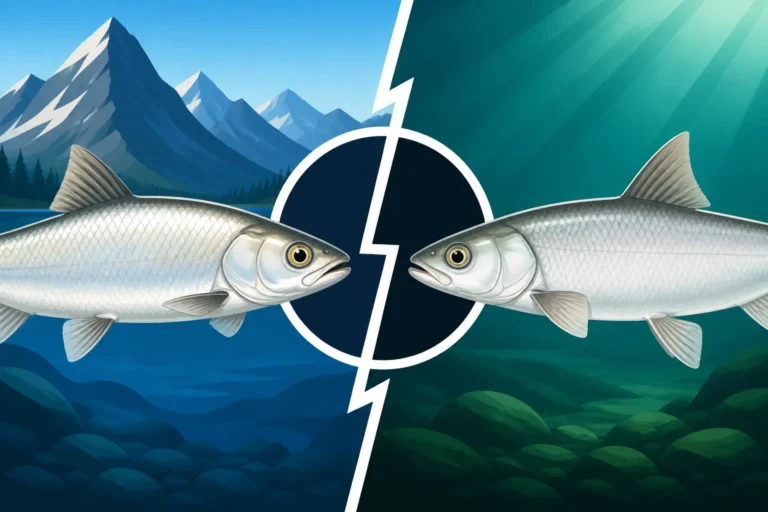
Accurate physical traits, head shapes, and specific habitats help anglers correctly identify Rocky Mountain whitefish and lake whitefish.
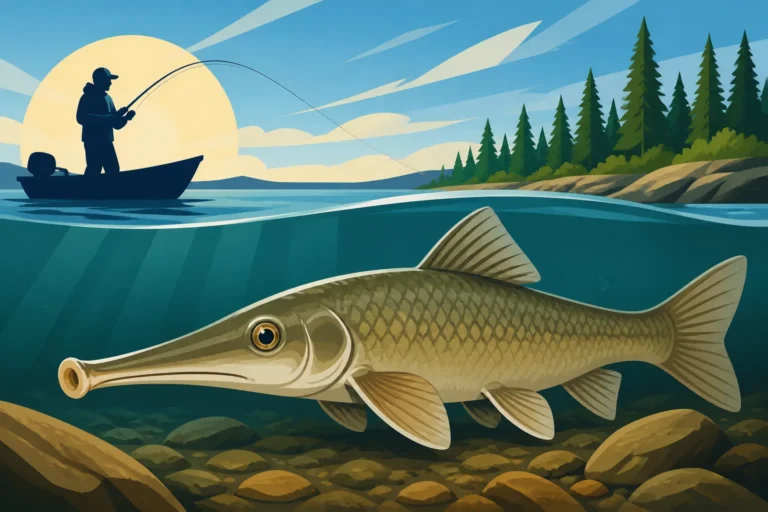
The longnose sucker in Lake Athabasca spawns from late April through June, serving as a vital food source for game fish.
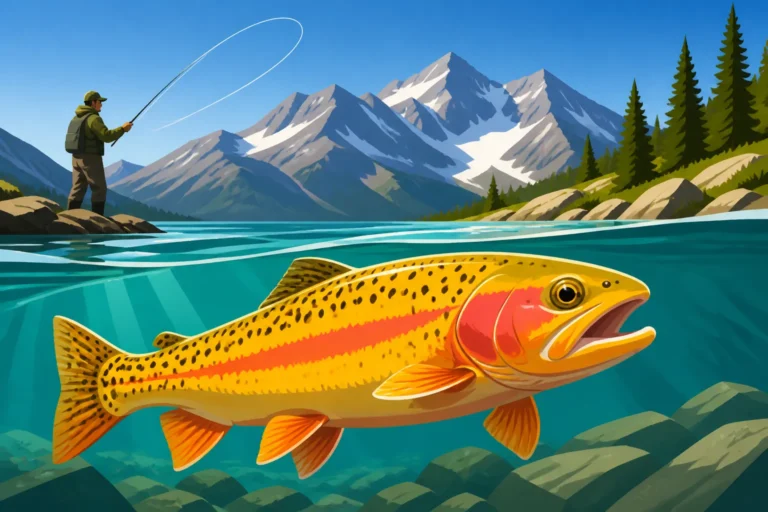
Golden trout in Alberta’s high alpine lakes explain locations, habitat characteristics, and fishing techniques for anglers.
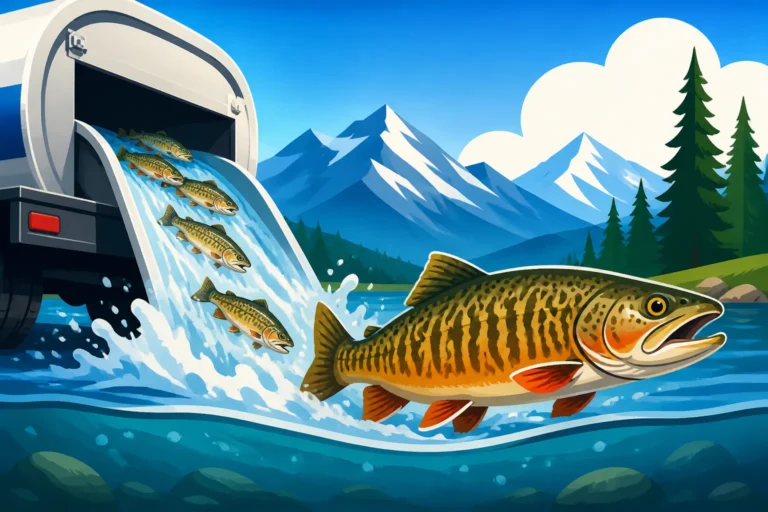
Tiger trout stocking in Alberta lakes explains sterile hybrid identification, provincial stocking locations, and effective angling techniques.
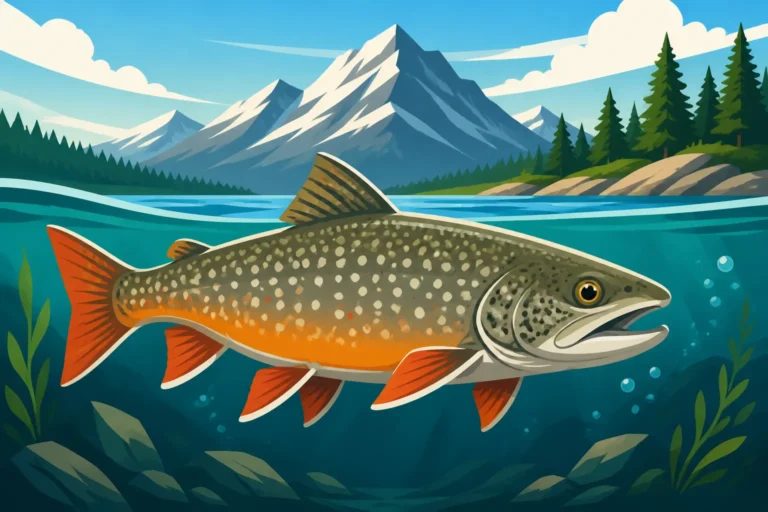
Splake stocking in Alberta lakes explains male brook trout and female lake trout hybrids, physical traits, habitat preferences, and fishing locations.
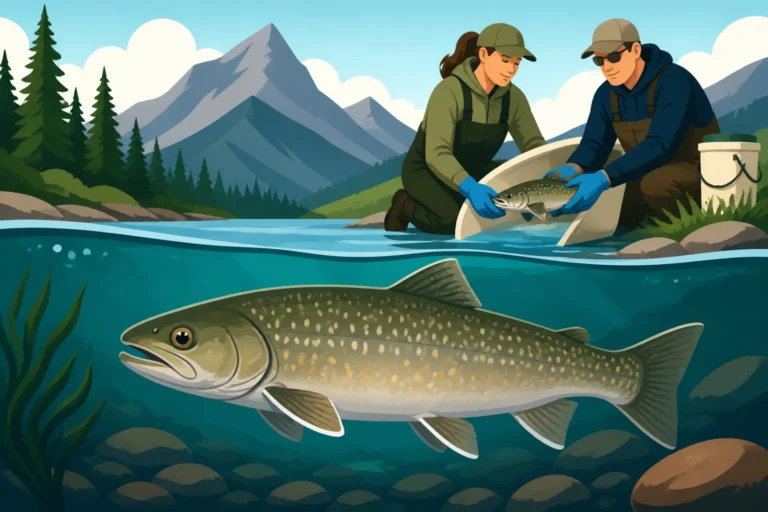
Bull Trout recovery efforts in Alberta involve habitat restoration, strict fishing regulations, and invasive species management to protect populations.
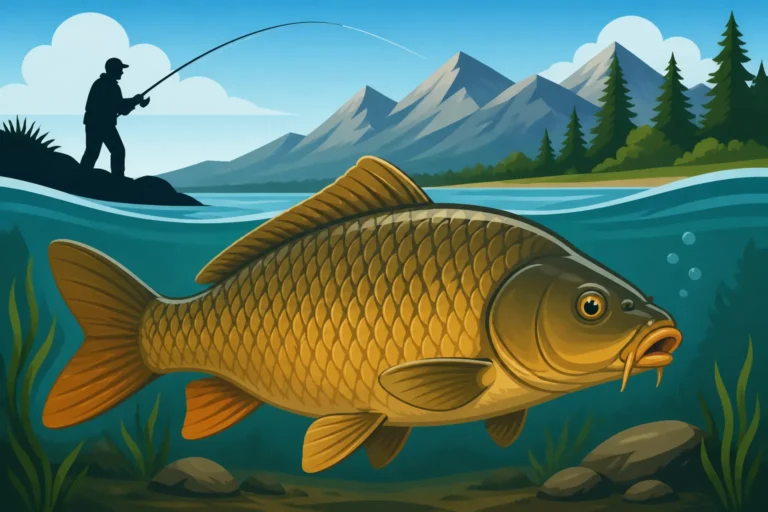
Common carp biology, habitats, and effective angling techniques across Alberta waters are explained for interested fishermen.
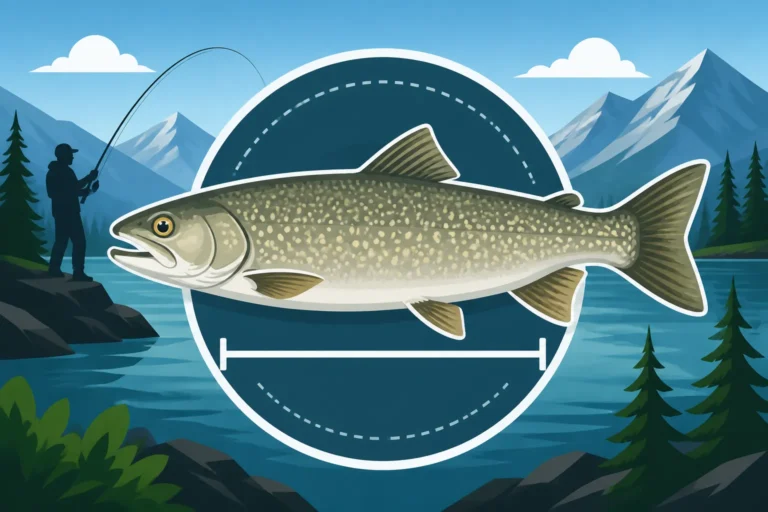
Lake trout average size in Alberta ranges from one to fifteen pounds, depending on the deep water, food supply, and genetics.
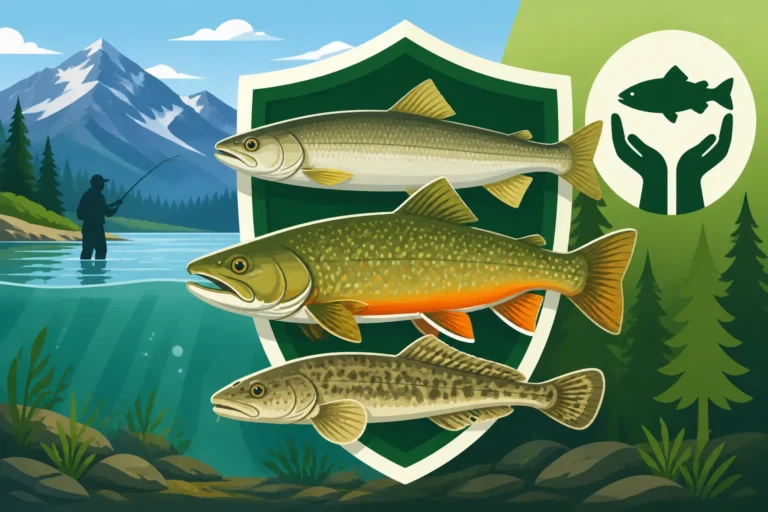
Alberta fish species status details endangered and protected native wildlife, regulations, and proper catch and release techniques.
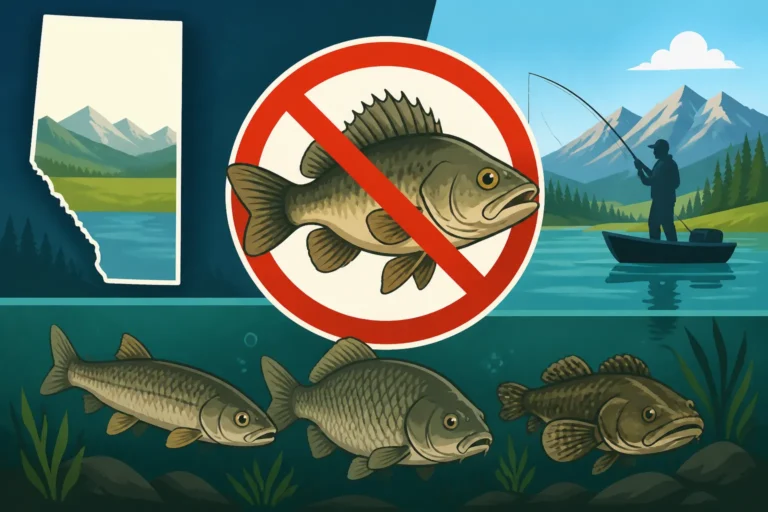
Invasive fish species in Alberta threaten native ecosystems through competition and habitat damage, requiring strict prevention measures by anglers.