Best moon phase for pike fishing
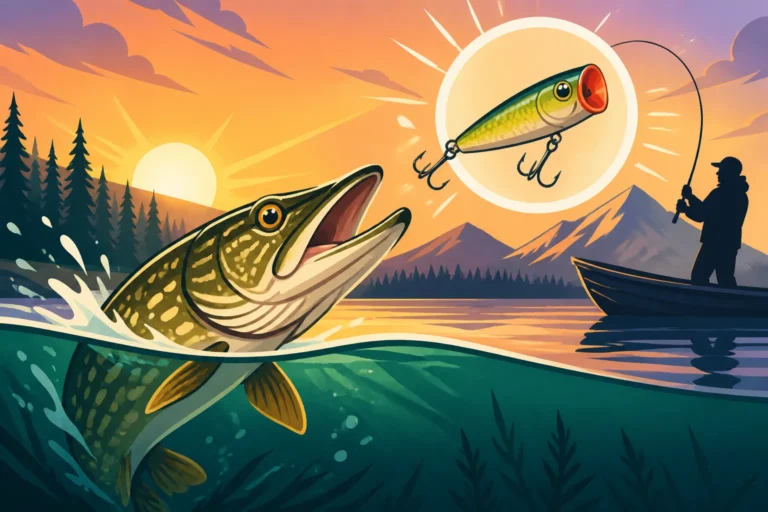
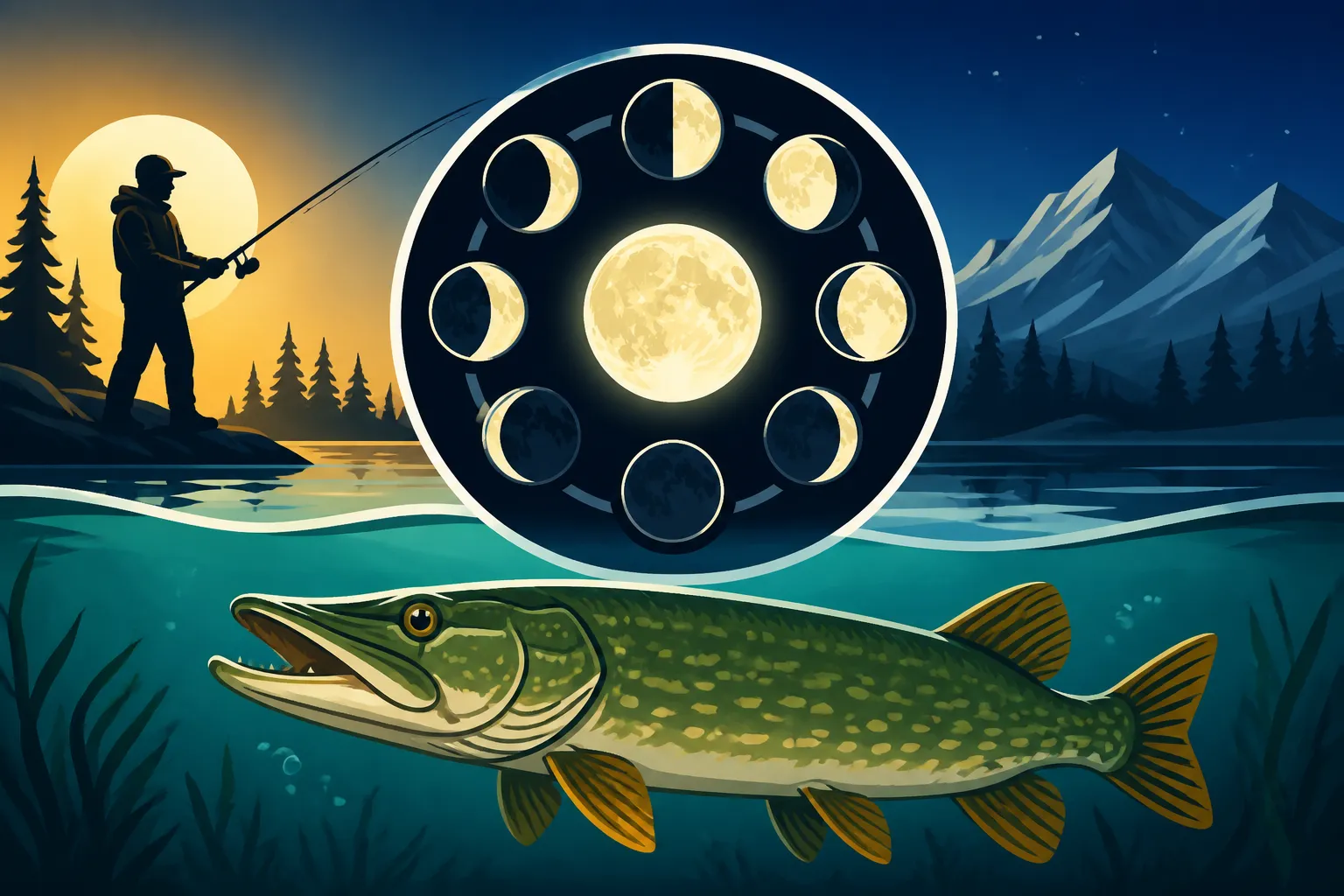
Oh, the age-old angler's dilemma: you've got your gear dialed in, you know your favourite Alberta pike spots, but some days the northern pike are just… not there. It’s enough to make you pull your hair out! You're left wondering if there’s some secret sauce everyone else knows, or if the fish just have a mind of their own. Well, many seasoned anglers, myself included, have pondered the subtle influences of the natural world, and one of the most intriguing theories revolves around the moon. This guide is going to dive deep into the fascinating world of moon phases and how they might just be the hidden key to unlocking more consistent pike action on Alberta’s waters.
The Lure of Lunar Influence: Why Anglers Look to the Moon for Pike
For generations, hunters and anglers have sworn by the moon's power, believing it dictates everything from deer movement to fish feeding frenzies. It’s not just old wives’ tales; there’s a real theory behind it that many dedicated outdoor enthusiasts lean on heavily. When it comes to chasing those toothy northern pike across Alberta, understanding if and how the moon plays a role can add another layer of strategy to your fishing game.
The Solunar Theory Explained
At its heart, the Solunar Theory suggests that wildlife activity is influenced by the gravitational pull of both the sun and the moon. Think about ocean tides – the moon’s gravity clearly affects massive bodies of water, causing them to ebb and flow. The theory posits that this same gravitational force also impacts all living creatures, including fish, subtly influencing their feeding and movement patterns. It suggests there are specific "major" and "minor" periods of activity each day when animals are most likely to be on the move and, critically for us, most likely to be feeding.
Now, I know what some of you are thinking: "Gravitational pull on a pike in a lake? Come on!" And you're right to be a bit skeptical. The scientific community has debated the direct empirical evidence for Solunar Theory's influence on fish for years. However, countless anglers and hunters swear by its predictive power. They argue that while it might not guarantee a bite, it certainly provides a reliable framework for when to expect higher activity. It’s about stacking the odds in your favour, right? If there's even a chance that the moon is telling the pike to get hungry, wouldn't you want to be there?
Pike Behavior and Circadian Rhythms
Northern pike, like most predatory fish, are creatures of habit with their own internal clocks, or circadian rhythms. They have peak feeding times, often tied to low light conditions like dawn and dusk, when their ambush predation style is most effective. They’re also highly attuned to changes in their environment, be it water temperature, barometric pressure, or light penetration.
Proponents of the Solunar Theory believe that the moon's position and phase act as an additional, subtle trigger within these existing rhythms. It’s thought that the stronger gravitational pulls during certain moon phases or positions can influence fish metabolism, movement, and overall aggression. Imagine a subtle shift in the water pressure or even the moonlight intensity on a clear night, prompting pike to cruise those weed lines or patrol the drop-offs with a bit more vigor. This could mean the difference between a sluggish bite and a full-on feeding frenzy. While pike are generally aggressive, active predators, they certainly have their "off" days, and many anglers feel the moon might just be contributing to those shifts. Understanding how to interpret these potential lunar signals can definitely give you a psychological, and maybe even a tangible, edge.
Deciphering the Major and Minor Feeding Times for Pike
Alright, so if the moon does have an impact, how do we actually read it? This isn't about staring up at the night sky with a telescope, thankfully. It’s about understanding the specific periods the Solunar Theory highlights as prime activity windows, and how you can integrate them into your fishing schedule for pike.
Major and Minor Periods
According to the Solunar Theory, there are four key periods each day that are considered to be high-activity windows: two "major" periods and two "minor" periods.
- Major Periods: These are the big ones, thought to be the most intense activity windows. They occur when the moon is directly overhead (moon culmination) and directly underfoot (moon opposition). These are the times when the moon's gravitational pull on your fishing spot is at its strongest. For many, these are the periods when you absolutely want to be on the water, presenting your best baits for northern pike.
- Minor Periods: These are generally considered shorter and less intense than the major periods, but still significant. They occur during moonrise and moonset. While not as strong as the major periods, the shifting gravitational pull and light changes during these times are still believed to trigger increased activity in fish.
What's really interesting is when these major or minor periods align with other known prime fishing times, like dawn and dusk. If a major moon period coincides with an early morning or late evening bite, many anglers believe that's when the magic truly happens. It's like a double whammy of optimal conditions, potentially leading to explosive action from those big Alberta pike.
Moon Phase Calendar for Pike
So, how do you find out when these major and minor periods are? You don’t need to be an astronomer! There are tons of resources available that track moon phases and provide solunar tables.
- Dedicated Fishing Apps: Many fishing-specific apps include built-in solunar calendars. These are often location-aware, so they can tell you the exact major and minor times for your specific Alberta fishing spot, whether you're targeting pike on Lesser Slave Lake or the Pembina River.
- Online Solunar Calendars: A quick search online will bring up numerous websites offering free solunar calendars. You simply input your location and date, and it will generate the predicted activity times.
- Specialized Books & Guides: For those who prefer a more traditional approach, there are books and guides that delve into the Solunar Theory and often include tables or explanations on how to calculate these times manually. You can often find a good selection of these on platforms like Amazon.
When you're looking at these calendars, pay close attention to the days around the new moon and full moon. These are the times of the strongest gravitational pull (think spring tides in the ocean), and consequently, many solunar theories predict heightened activity for a few days before and after these phases. The quarter moons (first and last quarter) are also important, though typically associated with slightly less intense activity. The key is consistency: if you start tracking these periods and observe a pattern in your catches, you might just become a believer!
Practical Application: Integrating Moon Phases into Your Alberta Pike Fishing Strategy
Knowing about moon phases and solunar periods is one thing, but actually using that knowledge to catch more pike is where the rubber meets the road. It’s about taking this theoretical edge and applying it directly to your time on Alberta’s beautiful waters.
Planning Your Pike Outings
This is where the rubber truly meets the road. If you're serious about trying to leverage moon phases, you need to be proactive in your planning.
- Consult a Solunar Calendar: Before every fishing trip, take a few minutes to check a reliable solunar calendar or app for your specific location in Alberta. Identify the major and minor feeding times for the days you plan to be on the water.
- Align with Peak Pike Times: Now, here's the kicker: try to align these solunar windows with traditional peak pike fishing times. We're talking about dawn and dusk, or periods when you know the pike in a particular area tend to be active due to other factors like baitfish movement or current changes. If a major solunar period lines up with sunrise, that's your golden window. If it's mid-day, but you know pike are often cruising that specific weed bed, it's worth a shot.
- Flexibility is Key: While it's great to plan around these times, don't let it completely dictate your trip. Sometimes life happens, or other factors (which we'll discuss next) are simply more dominant. But if you have the flexibility, try to schedule your most intense fishing efforts – whether that's aggressive casting, covering lots of water, or trying new spots – during these predicted high-activity periods. This is when the pike are theoretically more likely to bite, so you want your bait in front of them!
For instance, if you're planning a trip to the Red Deer River or a lesser-known local pond for pike, look at the moon calendar a few days before. If you see a major feeding window from 8:00 AM to 9:30 AM, plan to be at your prime spot, casting intensely, well before 8:00 AM. Don't just show up then; start working the area as the window approaches so your bait is already in the water when the "switch" is supposed to flip.
Adjusting Tactics During Peak Times
Once you've identified those prime moon-influenced windows, what should you do differently? This isn't the time for casual fishing; this is when you go into "attack mode."
- Increased Aggression: Pike are ambush predators, and during heightened activity periods, they're often more willing to chase. This is the time to throw those larger, more aggressive baits. Think big spinnerbaits, noisy topwaters, or fast-retrieved crankbaits. Make some commotion, try to trigger a reaction strike, rather than just waiting for a curious bite.
- Cover More Water: When pike are active, they're often moving. Don't sit in one spot. Fan cast, troll, or move along shorelines, covering as much water as possible. The more ground you cover during these prime windows, the higher your chances of encountering an actively feeding fish.
- Experiment with Depth and Structure: While pike love weeds, they also relate to other structures like drop-offs, submerged timber, and rocky points. During peak feeding times, they might be more inclined to venture out from their cover to hunt. Try working baits at different depths and along various structural elements that typically hold baitfish. A good fish finder can be invaluable here, helping you locate schools of bait that pike might be keying on.
- Have Your Gear Ready: Make sure your tackle is organized, your knots are fresh, and your leaders are strong. You don't want to be fumbling with gear when a major feeding window opens up. Stock up on your favorite pike lures – you can find a huge variety of options, from soft plastics to hard baits, available through online retailers like Amazon. Having a variety of colors and sizes can also be helpful, as pike can be particular even on active days. Sometimes a bright chartreuse is what they want, other times a natural perch pattern.
Beyond the Moon: Other Critical Factors for Alberta Pike Success
While the moon can be a fascinating piece of the pike fishing puzzle, it’s crucial to remember that it’s just one piece. Relying solely on lunar cycles without considering other critical environmental and behavioral factors is a surefire way to end up with an empty livewell. The truly successful pike anglers in Alberta are those who can blend all these elements into a cohesive strategy.
Weather and Water Conditions
Let’s be honest, sometimes the best moon phase in the world can't overcome a sudden cold front or a roaring wind. These environmental factors often have a much more immediate and pronounced impact on pike activity.
- Barometric Pressure: A stable or slowly falling barometric pressure is often associated with good fishing. A sudden, sharp drop often signals an approaching storm and can shut down the bite as pike hunker down. Conversely, a rapidly rising pressure after a storm can sometimes trigger a feeding spree as the fish recover and become more active. Keep an eye on the forecast, and if the pressure is falling rapidly, adjust your expectations and perhaps slow down your presentation.
- Temperature: Water temperature plays a huge role in pike metabolism and activity levels. In early spring, pike often cruise warming shallows. In the heat of summer, they might retreat to deeper, cooler water or dense weed cover. Knowing the ideal temperature range for pike in your chosen lake or river (which can vary seasonally) is key. Don't expect a pike to be super active in freezing cold water, even if the moon says so!
- Wind and Cloud Cover: A light chop on the water from a gentle breeze can actually be a good thing, breaking up the surface and making pike feel more secure. Overcast days can also extend the "low light" conditions that pike prefer, making them more active throughout the day. However, gale-force winds can make fishing impossible and turn off the bite. Too much sun on a calm, clear day might push pike deep into cover.
Imagine you're fishing on a clear, calm, bluebird day. The solunar calendar indicates a major feeding period. But if it's dead calm and sunny, those pike might be tucked deep in the weeds or holding tight to structure, requiring a more subtle approach, or perhaps even a change in location to shadier areas.
Location, Forage, and Time of Year
Understanding where pike live, what they eat, and when they do it is arguably more important than any lunar cycle. These are the fundamental principles of Northern Pike Fishing in Alberta.
- Habitat: Pike are ambush predators. They love cover! Look for weed lines, lily pads, fallen trees, rocky points, and submerged structures. If you’re not fishing where the pike are, no moon phase will help you. Different areas of Alberta, from the prairie lakes to northern rivers, will have varying typical pike habitats. Understanding Northern Pike Habits in Alberta Lakes is crucial.
- Forage: What are the pike eating in that particular body of water? If they're keying on perch, a perch-imitating lure will likely outperform a walleye-patterned one, regardless of the moon. Knowing What northern pike eat in Alberta lakes can greatly inform your lure selection. This is where local knowledge and experience really shine.
- Time of Year (Seasons): Pike behavior changes dramatically throughout the year.
- Early Spring (Post-Spawn): After their spawn (see Northern Pike Spawning Season in Alberta), pike can be incredibly aggressive, recovering from the arduous breeding season. They often cruise shallow areas.
- Summer: As waters warm, pike may move deeper or relate to dense weed beds, becoming less active during the heat of the day.
- Fall: This is often considered one of the best times for trophy pike, as they go on a major feeding binge to bulk up for winter. Think about integrating your moon phase strategy with Best Techniques for Fall Trout Fishing (which often applies to pike in terms of aggressive feeding).
- Winter (Ice Fishing): Pike can still be caught through the ice, but their activity levels are generally lower.
Your seasonal strategy for How to Catch Northern Pike in Alberta needs to trump lunar forecasts if they conflict.
Gear Selection and Presentation
Finally, having the right tools and knowing how to use them is paramount. Even if the pike are active due to a major moon phase, if your lure isn't appealing or your presentation is off, you're still not going to catch them.
- Rods, Reels, and Line: You need gear capable of handling powerful pike. A medium-heavy to heavy action rod with a strong baitcasting reel or a robust spinning reel is essential. Use braided line with a strong fluorocarbon or wire leader, especially when targeting trophy pike. If you're looking for recommendations, our guide on Best Pike Gear for Alberta Lakes can help you select the right setup.
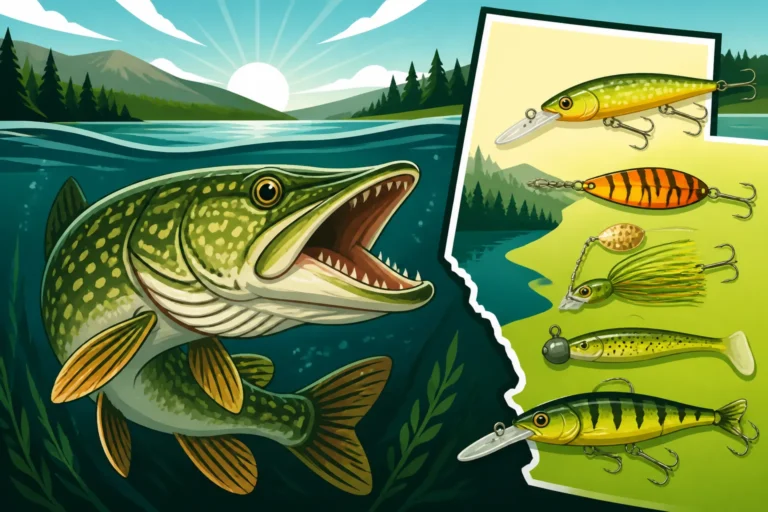
- Lure Selection: As mentioned, match the hatch if possible, but also have a variety of proven pike lures:
- Spinnerbaits: Excellent for working through weeds.
- Spoons: Classic pike attractors, especially effective for covering water.
- Crankbaits/Jerkbaits: Great for imitating baitfish and triggering reaction strikes.
- Soft Plastics: Swimbaits and large grubs can be deadly when retrieved correctly.
- Topwaters: Explosive fun, particularly during low light or in weedy areas (check out Topwater Fishing for Pike in Alberta).
Our guide on Best Lures for Northern Pike in Alberta has more in-depth recommendations.
- Presentation: This is often the most critical factor. Are you retrieving your lure at the right speed? Is it running at the correct depth? Are you varying your retrieve to mimic a wounded baitfish? Sometimes, a subtle twitch or pause is all it takes. During those active solunar periods, you might be able to get away with a faster, more aggressive retrieve, but always be prepared to slow it down if the fish aren't responding.
Ultimately, moon phases can be a fun and potentially beneficial layer to your Alberta pike fishing strategy. They provide another data point, another way to refine your approach. But never let them overshadow the fundamentals: knowing your water, understanding pike behavior, adapting to conditions, and having the right gear and skills. Combine these elements, and you’ll be well on your way to more memorable pike catches, regardless of what the moon is doing. And who knows, maybe that big fish you land during a major solunar window will turn you into a true believer!
Disclaimer
This article is for general informational purposes only and does not constitute professional advice. Laws, prices and regulations vary by location and change over time. Consult a qualified professional for guidance on your specific situation.