Best technique for post-spawn walleye
Oh, the post-spawn walleye! If you've spent any time on Alberta's lakes and rivers right after the ice comes off, or after that frantic spawning period winds down, you know how frustrating it can be. One day they're everywhere, shallow and hungry, and the next, it feels like they've vanished into thin air. Many anglers feel like they hit a wall, wondering where these usually predictable fish have gone and how on earth to get them to bite. This guide is all about cracking that code, giving you the specific techniques to locate and successfully catch walleye during this often-challenging time in Alberta.
Understanding Post-Spawn Walleye Behavior
Catching walleye after they've completed their annual spawning ritual really hinges on understanding what's going on in their world. They aren't just magically disappearing; they're simply shifting gears, and often, locations. This period, which can last a few weeks or even longer depending on the water body and weather, sees a significant change in their feeding patterns and where they prefer to hang out.
The Recovery Phase: From Exhaustion to Hunger
Immediately after spawning, walleye, particularly the females, are absolutely drained. They've expended a tremendous amount of energy, and their bodies need to recover. Think about how you feel after a marathon – probably not ready for another one right away, right? It's similar for them. They'll often move from those shallow spawning grounds to slightly deeper, quieter water nearby. They're seeking refuge, a place to rest and recuperate. During this initial recovery phase, their metabolism is usually lower, and they might not be actively chasing down fast-moving baits. They're more inclined to take an easy meal, something slow and presented right in front of them without much effort on their part. This is why you often hear about anglers struggling in the immediate post-spawn, because the fish just aren't as aggressive as they were pre-spawn or will be later in the summer. They're still in the process of rebuilding their energy stores.
Transitioning to Summer Patterns: The Big Move
As they recover and regain their strength, walleye start to get hungry again – often ravenously so. They're looking to put on weight quickly, which means they'll begin moving towards their preferred summer feeding grounds. This transition often involves moving from those shallower, protected post-spawn recovery areas to deeper structures, breaklines, and points where baitfish congregate. They're not going to be randomly scattered; they'll be following pathways, using contours, and staging in areas that offer both cover and access to food. This shift is crucial to understand because it dictates where you should be focusing your efforts. Instead of scouring vast open water, you should be looking for those "travel lanes" and transition zones. Think of it like a highway system for fish. They use specific routes to get from one area to another, often relating to bottom features. Knowing the Walleye Fishing in Alberta basics helps immensely here, as their overall habits remain consistent even as their specific locations change.
Best Lures and Baits for Post-Spawn Walleye
Once you've wrapped your head around their behavior, choosing the right presentation becomes much clearer. The key is adaptability – being ready to switch from subtle to aggressive as the fish transition through their recovery and feeding phases.
Subtle Presentations for Recuperating Walleye
In that immediate post-spawn period when walleye are still a bit sluggish, subtle presentations are your best friend. They want an easy meal. This means focusing on baits that can be fished slowly and effectively right in their face.
Jigs with Soft Plastics or Live Bait:
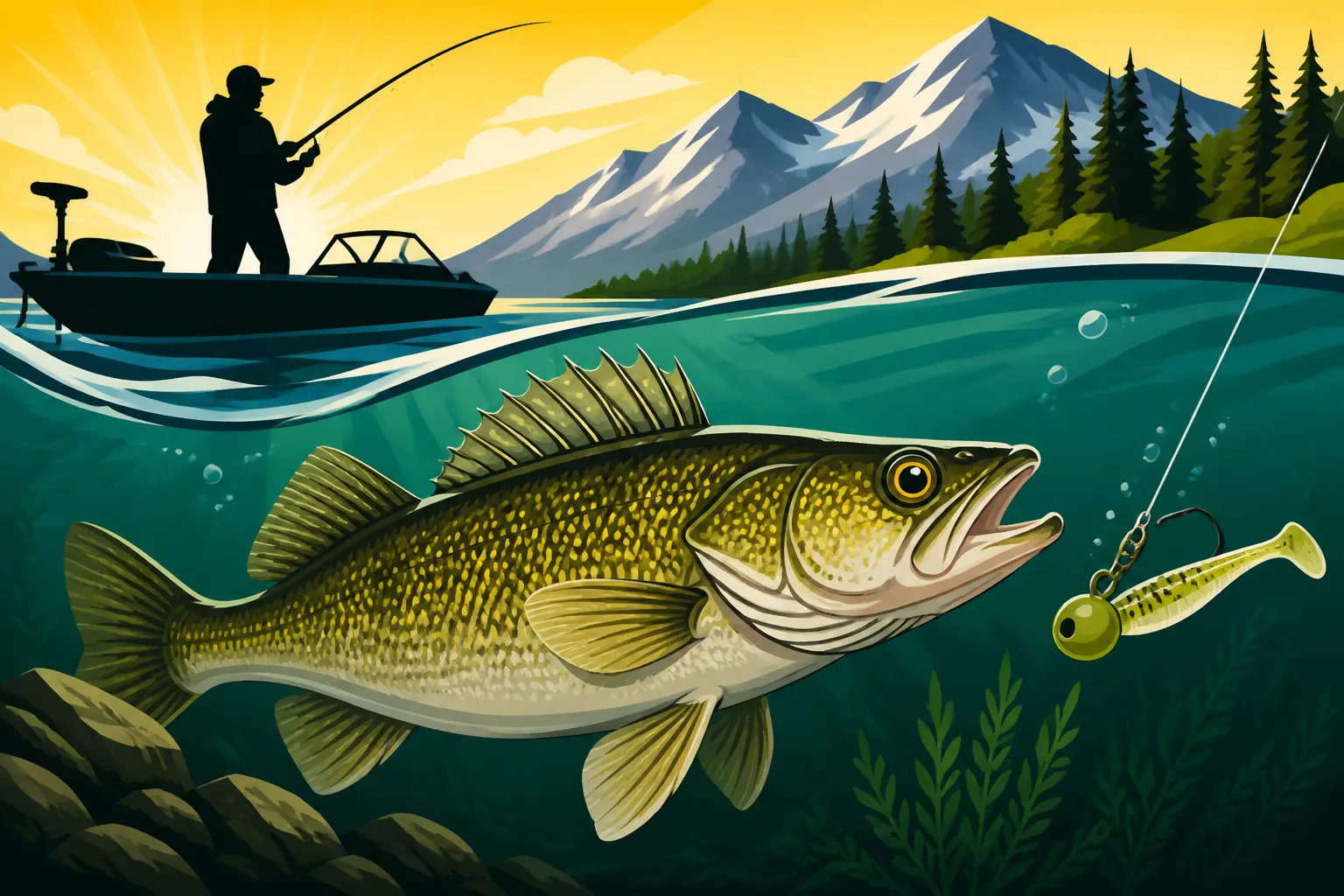
A classic jig and minnow or jig and worm setup is incredibly effective. The natural scent and subtle movement of live bait can entice even the most lethargic walleye. When using soft plastics, choose slender, natural-looking profiles like paddle tails or minnow imitations. The key is to jig it gently, letting it fall, resting it on the bottom, and imparting only slight movements. Think of it like a struggling baitfish, not a fleeing one. Try a 1/8 to 1/4 ounce jig head, matched to the depth and current. You can find a huge variety of these jig heads and soft plastics on Amazon, making it easy to experiment with different colours and styles. This technique allows you to thoroughly work an area, picking apart pockets where walleye might be resting.
Slip Bobbers and Leeches/Minnows:
For suspended fish or those holding just off structure, a slip bobber rig is unbeatable. It allows you to present a live leech or minnow at a precise depth, keeping it tantalizingly in the strike zone for an extended period. The natural movement of the bait does all the work, often triggering a bite from a walleye that might ignore an active retrieve. This is especially good in calmer conditions or when you've located a small school. Just cast it out, let it settle, and watch that bobber. If it dips or moves sideways, you're on! It's a fantastic way to fish specific depths, particularly in areas like Lesser Slave Lake where walleye often suspend. For those looking to stock up on quality slip bobbers and line, Amazon offers a wide selection from various brands.
Aggressive Options for Feeding Walleye
As walleye shake off their post-spawn lethargy and start actively feeding, you can ramp up your presentation to cover more water and trigger reaction strikes.
Crankbaits and Trolling:
When walleye begin to move to deeper breaks and offshore structures, covering water efficiently becomes paramount. Trolling crankbaits is a fantastic way to do this. Choose baits that dive to the depth you're targeting and mimic the local baitfish. Different crankbait styles like deep-diving lipped crankbaits or shallow-running lipless crankbaits will allow you to adapt to various depths and bottom compositions. The vibration and flash of a crankbait can call in aggressive walleye from a distance. Experiment with speeds and colors – sometimes a subtle, natural baitfish pattern works, other times a bright, obnoxious color is the ticket. Remember, trolling isn't just about going in a straight line; it's about following contours, making turns, and varying speed to trigger bites. If you want to dive deeper into specific options, check out our guide on Best Crankbaits for Alberta Walleye.
Blade Baits and Jigging Spoons:
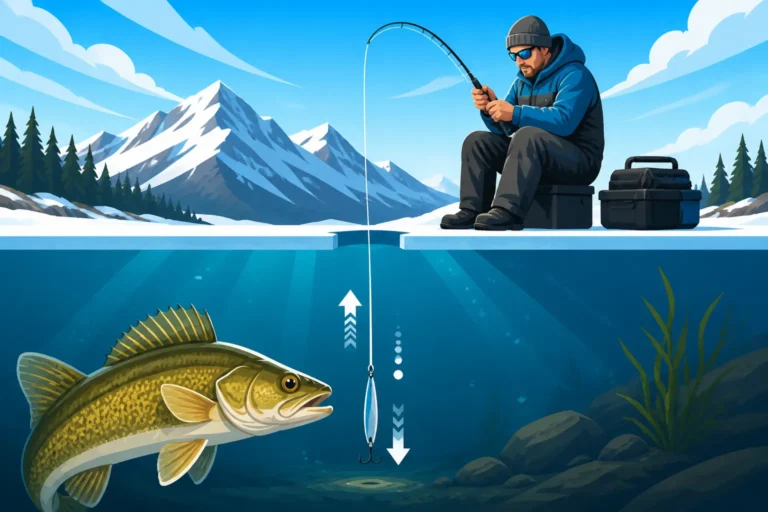
For those actively feeding walleye holding on deeper humps, points, or breaklines, blade baits and jigging spoons can be deadly. These lures are designed to be fished vertically, dropping quickly to the desired depth and then lifted with a sharp snap or a more subtle sweep. The erratic action on the retrieve and the fluttering on the fall mimic a wounded baitfish, often provoking a strong reaction strike. This is a very active fishing style that allows you to pinpoint schools of fish and stay on them. It's particularly effective when you've marked fish on your sonar. A quality sonar unit, many of which are available on Amazon, can make all the difference in finding these deeper structures and the fish holding on them.
Finding Post-Spawn Walleye Hotspots in Alberta
Finding these fish isn't about guesswork; it's about understanding their habitat preferences during this specific time. Alberta offers a diverse range of water bodies, each with its unique characteristics, but the underlying principles remain the same.
Shallow Staging Areas and Transition Zones
Initially, look for walleye to hold in areas adjacent to their spawning grounds. These are often shallower bays, points, or flats that offer protection, slightly warmer water, and proximity to deeper water for refuge. Think about where they might "pull over" to rest before making a bigger move. These areas will still have some kind of cover, whether it's submerged vegetation, old weed lines, or rocky patches. The key is that they are near deeper water. A perfect example would be a shallow bay connected to a main lake basin by a defined channel or breakline. Fish these areas with those slower, subtle presentations mentioned earlier, picking them apart meticulously. Consider lakes with good walleye populations like Gull Lake or Pigeon Lake, which often have these types of transition areas where fish will congregate.
Deeper Structures and Breaklines
As they recover and become more active, walleye will start migrating to deeper, more defined structures. This is where your sonar becomes an invaluable tool. Look for:
- Main Lake Points: Underwater points that extend out from shore, especially those with rock or gravel. Walleye will often stage on the sides or tips of these points.
- Humps and Reefs: Submerged islands or rock piles that rise from the main lake bottom. These are natural ambush points for walleye looking to feed on baitfish.
- Deep Breaklines: Sharp changes in depth, often where a flat suddenly drops into deeper water. Walleye will cruise these breaklines, moving up to feed and down to rest.
- Mud Flats and Soft Bottoms (especially in prairie lakes): In some of Alberta's productive prairie lakes, walleye will relate to large, soft-bottomed flats, often congregating along subtle changes in depth or hardness, especially if there's scattered rock or gravel.
These deeper zones provide both cooler water and proximity to ample food sources. Remember to check out resources like Best Walleye Lakes in Alberta to get a head start on where to apply these strategies. Understanding How to read structure for walleye on Lesser Slave Lake can significantly improve your success rate in these deeper locations.
Water Temperature and Depth
Walleye are cold-blooded creatures, and their activity levels are directly influenced by water temperature. In the post-spawn period, water temperatures are typically rising. They'll often seek comfortable temperatures, which might mean shallower water early in the morning or on cloudy days, and deeper water during bright, sunny afternoons. Pay attention to your fish finder's temperature gauge. Locating the thermocline (the layer where water temperature changes rapidly) can also be key, as baitfish and predators often relate to this depth.
Tactics and Presentation for Success
Having the right gear and knowing where to look is only half the battle. The other half is how you present your offering and how you work an area.
Slow and Steady When They're Moody
During the initial post-spawn, when walleye are still in recovery, patience and a slow hand are paramount. Don't be afraid to fish exceptionally slowly. When using jigs, let them soak on the bottom for several seconds before imparting a slight lift. If you're drifting or trolling, keep your speed minimal.
- Vertical Jigging: This is excellent for pinpointing small schools or individual fish marked on your sonar. Drop a jig or blade bait directly to the fish, working it with subtle lifts and drops. Sometimes just holding it motionless a foot or two above a marked fish is enough to trigger a strike.
- Dragging: Instead of traditional jigging, try dragging a jig or bottom bouncer with a live bait presentation. Let the weight bounce along the bottom, creating puffs of silt and allowing the bait to trail naturally. This is a very natural presentation that imitates a baitfish rooting around.
This slow approach is crucial for those finicky walleye who are still building back their strength. They aren't going to expend much energy to chase, so your bait needs to be right there, easy pickings.
Covering Water and Patterning Fish
As the walleye transition to more active feeding, your tactics should shift towards covering more water and establishing a pattern.
- Fan Casting: If you're fishing from shore or anchored, make long casts in a fan pattern, working all depths and areas around your boat or position. Pay attention to where the bites occur – was it shallow, deep, near a specific type of cover?
- Contour Trolling: Instead of just straight-lining, use your trolling motor or main engine to follow specific depth contours. This keeps your lures in the most productive zone for longer periods. As you fish, take note of the depth, speed, and lure color that's producing bites. Is it 15 feet? 20 feet? Is chartreuse working better than firetiger? This is how you develop a "pattern" for the day. For more on this, our Best trolling speed for walleye guide can offer valuable insights.
Using Electronics to Your Advantage
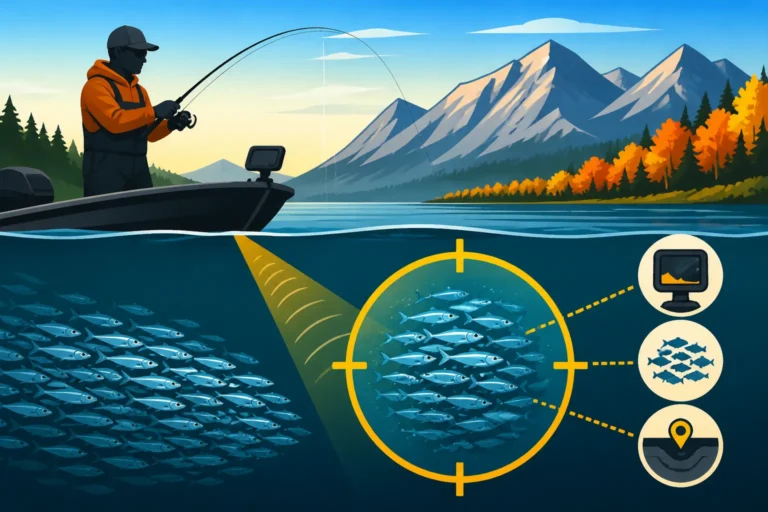
Modern fish finders are incredibly sophisticated and can be your best friend during this transitional period. Don't just look for fish arches; learn to interpret bottom composition, structure, and baitfish schools.
- Side Imaging/Down Imaging: These technologies can reveal submerged humps, rock piles, and baitfish schools off to the sides or directly below your boat, allowing you to cast to them or adjust your troll.
- GPS and Mapping: Mark waypoints where you catch fish or where you see promising structure. This helps you return to productive spots and build a mental map of the lake's walleye highways. A good mapping chip integrated into your fish finder, often found and reviewed on Amazon, can be a game-changer for navigating new waters and finding those hidden gems.
Remember, post-spawn walleye can be a bit of a puzzle, but with a good understanding of their behavior, the right baits, and adaptive tactics, you'll be putting more of these fantastic fish in your boat or on your line. It’s all about being flexible and paying close attention to the clues the fish and the water are giving you.
Disclaimer
This article is for general informational purposes only and does not constitute professional advice. Laws, prices and regulations vary by location and change over time. Consult a qualified professional for guidance on your specific situation.