How thick ice needs to be to fish safely in Alberta
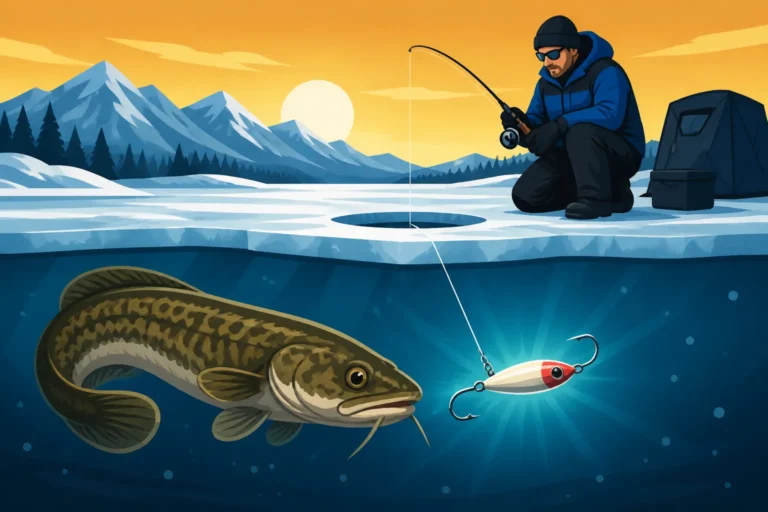
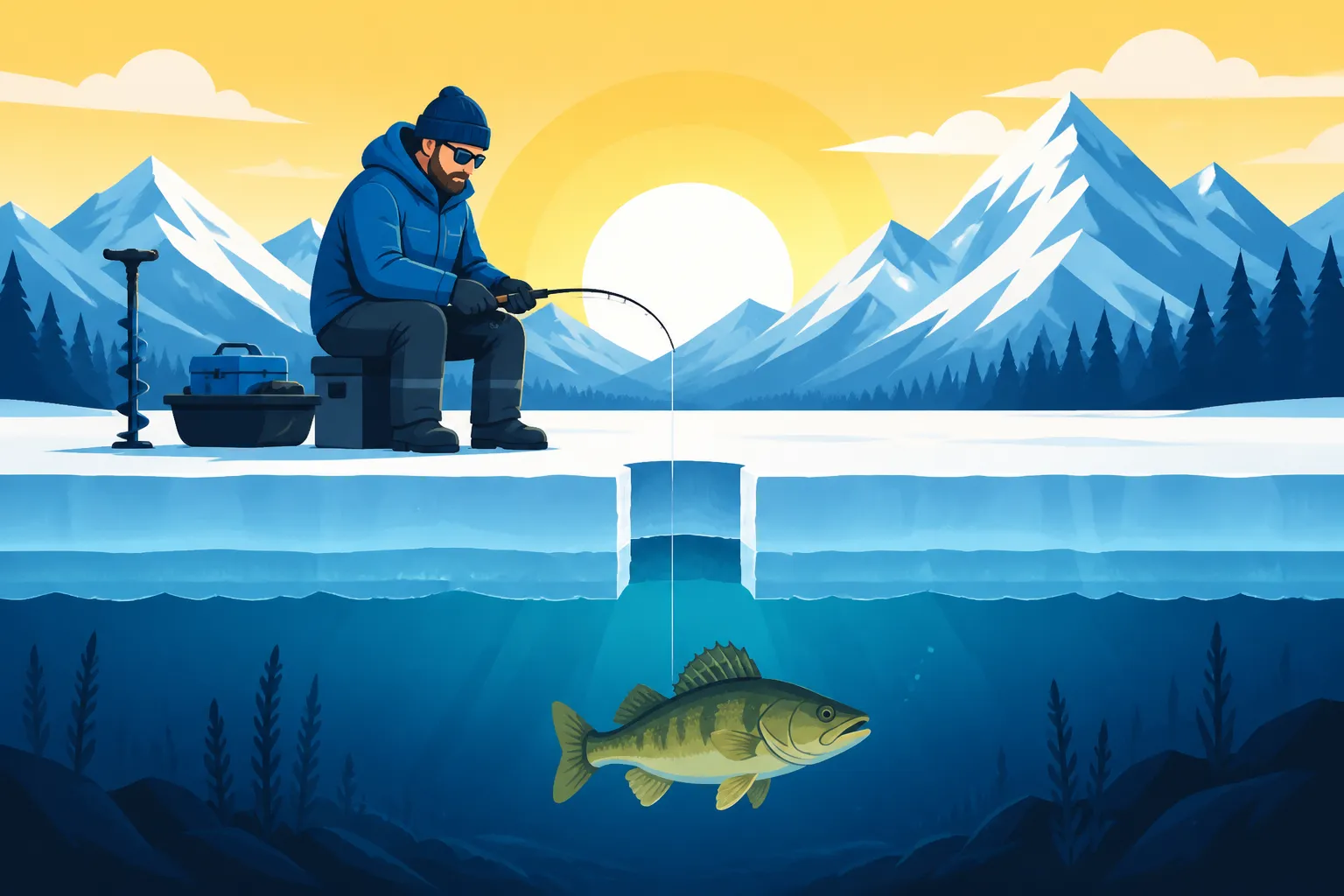
That first step onto a frozen lake can fill an angler with both giddy excitement and a knot of anxiety. The biggest question, the one that keeps us up at night before ice season, is always: Is the ice really safe? No one wants to hear that terrifying crack underfoot, and understanding exactly how thick the ice needs to be for safe fishing in Alberta is absolutely critical for anyone hoping to enjoy the hardwater season. This guide will help you navigate those chilling waters with confidence, giving you the knowledge and practical tips to stay safe and enjoy Alberta's fantastic ice fishing opportunities.
Understanding the Dynamics of Ice Formation and Safety
It's easy to look at a vast, frozen lake and assume it's uniformly solid, but the reality is far more complex. Ice is a living, breathing entity that changes daily, sometimes hourly, with the whims of Mother Nature. Relying on visual cues alone can be incredibly deceptive, and it's essential to grasp the underlying factors that dictate ice strength and how these apply specifically to Alberta's diverse aquatic environments.
Why Ice Thickness Varies So Much Across a Waterbody
You might think if one spot has six inches of ice, the whole lake does, but that's a dangerous assumption. So many variables play into how ice forms and maintains its integrity. For instance, flowing water, like an inlet where a stream feeds into a lake, or an outlet where water drains, will always have thinner, weaker ice. Even subtle underwater springs can create warm pockets that thin the ice from below, creating unseen hazards. Areas around docks, pilings, or submerged structures also tend to warm up or have currents that prevent consistent freezing.
Snowfall, while beautiful, acts as an insulator. A thick blanket of snow on top of ice can actually slow down the freezing process or even cause existing ice to become soft and slushy underneath. Think of it like a duvet – it keeps the cold from penetrating down to the water, preventing the ice from thickening. Wind also plays a role, creating open leads or areas of thinner ice where it consistently blows away snow cover, or conversely, piling snow in other spots. Then there are the fluctuating air temperatures; a few warm days can significantly degrade ice, even if it looks solid on the surface. Understanding these dynamics is the first step in ensuring a safe ice fishing trip in Alberta.
Official Guidelines for Safe Ice Thickness
When it comes to ice safety, there are universally accepted minimum thickness guidelines that every angler should know by heart. These aren't just suggestions; they are the bedrock of safe ice travel. Keep in mind that these are for clear, solid, new ice, which is the strongest type. Slushy, honeycombed, or refrozen ice will be significantly weaker, even if it measures the same thickness. It’s better to err on the side of caution and always treat these as absolute minimums, adding a few extra inches for peace of mind.
Here's a quick reference table for the general guidelines:
| Activity | Minimum Ice Thickness (Clear, Solid Ice) | Notes |
|---|---|---|
| Walking, Ice Fishing | 4 inches (10 cm) | Absolute minimum for single person. Proceed with extreme caution. |
| Snowmobile, ATV | 5-7 inches (12-18 cm) | Ensure sufficient distance between machines. Avoid slushy spots. |
| Light Car/Small Truck | 8-12 inches (20-30 cm) | Check local regulations. Never park vehicles close together. |
| Medium Truck | 12-15 inches (30-38 cm) | Rarely recommended. Extreme caution and specific local approval. |
It's crucial to remember that these are starting points. If you're heading out to new territory or fishing on a less-frequented lake, always assume the ice is less stable until proven otherwise. You can often find additional information on specific lake conditions or potential hazards by checking local forums or the Alberta Environment and Protected Areas website.
Critical Factors Affecting Ice Strength Beyond Just Thickness
Measuring the ice thickness is only part of the equation. The quality of the ice is just as, if not more, important than the raw measurement. A foot of rotten, "honeycomb" ice can be more dangerous than four inches of clear, solid ice. Ignoring these quality factors is a common, and often tragic, mistake made by even experienced anglers.
The Danger of "New Ice" vs. "Old Ice" and Slush
Think about how ice forms. The first ice of the season, when temperatures drop rapidly and consistently, is usually clear and hard – often called "black ice" because you can see right through it. This is the strongest kind. As the season progresses, and especially after thaws and refreezes, the ice changes. "Old ice" that has gone through cycles of warming and cooling, or has been covered by heavy snow, often becomes weaker and develops a crystalline structure that resembles a honeycomb. This honeycomb ice can give way suddenly without warning, even if it measures several inches thick. It loses its structural integrity, making it incredibly unpredictable.
Slush is another major culprit. When heavy snow falls on top of thin ice, the weight can push the ice down, causing water to seep up through cracks and saturate the snow, creating a layer of slush. This slush then freezes, but it's full of air pockets and is far weaker than solid ice. It acts as an insulating layer that prevents the ice below from thickening further, and it can conceal dangerously thin or weak spots. Always be wary of areas with slush, even if the underlying ice initially seems thick enough.
Water Movement and Its Impact on Ice Safety
This point really can't be stressed enough: moving water is the arch-nemesis of solid ice. In Alberta, with our numerous rivers and streams, and many lakes fed by flowing water, this is a constant consideration. Any current, no matter how slight, prevents ice from forming uniformly or causes it to erode from underneath. Areas like river inlets and outlets, narrows between islands, or even seemingly placid spots above submerged river channels on a lake, can be death traps.
Consider a river like the Bow River or the Oldman River. While sections might freeze over, the constant current means the ice is never truly safe for walking, let alone vehicles. Even on lakes, if there's an active feeder creek, a culvert, or a dam, the ice will be highly suspect in those vicinities. Always be on the lookout for open water or visibly thinner ice near any area with potential water flow. When you're out ice fishing in Alberta, always check the current local conditions, as small changes can make a big difference in ice stability, especially in moving water bodies.
Essential Tools and Practices for Measuring Ice Safely
You wouldn't go hiking in the Rockies without proper boots, and you shouldn't go ice fishing without the right tools and a systematic approach to checking ice safety. Guessing or relying on what "looked safe" last week is a recipe for disaster. Being proactive and properly equipped means you're taking your safety seriously.
Tools for Checking Ice Thickness
The first rule of ice safety is: always check the ice as you go. This isn't a one-and-done deal at the shore. You need a few key tools to do this effectively:
- Ice Chisel or Spud Bar: This is your first line of defense. A heavy, sharp metal bar with a handle, it's used to test the ice ahead of you. Give it a good whack; if it goes through in one or two hits, the ice is too thin. If it takes several solid hits, you're likely on safer ice. You can find excellent ice chisels, augers, and even reliable tape measures on Amazon.
- Ice Auger: Whether it's a manual hand auger, an electric auger, or a gas-powered one, you need it to drill holes for precise measurements. These aren't just for fishing; they're essential safety tools. After drilling, simply drop a tape measure or a marked stick down the hole to get an accurate reading.
- Tape Measure: Seems obvious, but you'd be surprised how many people forget this simple tool. Make sure it's long enough to measure several feet of ice.
- Ice Picks: These aren't for checking ice, but for self-rescue. Worn around your neck, they are vital for pulling yourself out if you do fall through. Investing in a good pair of ice safety picks, often found in a convenient two-pack on Amazon, is non-negotiable.
Beyond these, consider a personal flotation device (PFD) or a survival suit, especially if you're venturing far or early in the season. A rope, ideally floating, is also a wise addition for assisting others.
Step-by-Step Ice Checking Procedure
Now that you have your tools, here's how to actually use them to safely assess the ice as you venture out:
- Start at the Shore, Always: Don't just assume the ice near the bank is solid. It can often be weaker due to run-off, fluctuating water levels, or even direct sunlight on rocks. Use your spud bar to test the ice right at the edge.
- Test Every Few Steps: As you walk, use your spud bar to continuously test the ice ahead of you. A good rule of thumb is to tap the ice every 5-10 feet. Listen to the sound and feel the resistance. A solid "thunk" is good; a hollow "boing" or easy penetration is bad.
- Drill Test Holes Regularly: Every 15-30 feet, or whenever you notice a change in ice appearance (colour, texture, snow cover), drill a hole with your auger and measure the exact thickness. This gives you concrete data rather than just relying on sound. For those looking to upgrade their gear, a quick search on Amazon reveals a wide range of portable fish finders that can also help identify underwater hazards or even give a rough idea of ice thickness.
- Observe Ice Colour: Clear blue ice is generally the strongest. White or opaque ice contains air or refrozen slush and is about half as strong. Grey or dark ice indicates water saturation and extreme weakness – avoid it at all costs.
- Look for Clues: Pay attention to open leads, cracks, or areas where the snow looks discoloured or wet. These are all signs of potential weakness. If you're using an app like the Alberta Sportfishing Regulations App and Zone Lookup, it won't tell you ice thickness, but it can help identify special regulation waters where conditions might be unique.
- Buddy System: Never go alone. Always go with a friend or a group. This way, if someone falls through, there's immediate help available. Each person should have their own safety gear, including ice picks.
Remember, ice conditions can change rapidly. What was safe in the morning might not be safe in the afternoon, especially on sunny days or after a warm night.
What to Do If You Encounter Unsafe Ice or Fall Through
Even with all the precautions in the world, accidents can happen. It's a chilling thought, but knowing what to do if you encounter unsafe ice or, even worse, fall through, can be the difference between life and death. Preparation isn't just about preventing a fall, it's about being ready for the worst-case scenario.
Recognizing and Avoiding Hazardous Ice
Developing an "ice-conscious" mindset is key to avoiding trouble. You need to constantly scan your surroundings and listen for clues. Here's what to watch out for:
- Discoloration: As mentioned, grey or dark spots are huge red flags. This often indicates water underneath that is melting the ice or ice that is already saturated.
- Slushy Areas: These are notoriously unreliable. The slush itself might be shallow, but it could be concealing much thinner ice below, or even open water.
- Loud Cracks and Groans: While some cracking and booming is normal as ice expands and contracts, a loud, sharp crack directly beneath you that causes the ice to flex is a definite sign to retreat. Slowly spread your weight out and backtrack the way you came.
- Open Water: This one seems obvious, but people can get tunnel vision when heading to a promising fishing spot. Open water near shore, around structures, or even in the middle of a lake (often caused by currents or springs) should be avoided.
- Areas Around Structures: Docks, pilings, bridge abutments, large rocks, and fallen trees can absorb heat from the sun and warm the surrounding ice, making it thinner and weaker.
- Overcrowding: While the more the merrier for ice fishing, too many people or vehicles concentrated in one small area can stress even thick ice. Spread out!
- Fresh Snowfall: A fresh blanket of snow can hide thin ice or open holes. It also insulates the ice, preventing it from thickening. Always be extra cautious after a significant snowfall.
Always check local resources for advisories, and if you're not sure, don't go. It's just not worth the risk. Understanding Alberta Fishing Season Dates by Zone can also give you an idea of when ice conditions typically become safe or start to degrade in different regions.
Self-Rescue and Assisting Others
This is the scary part, but knowledge is power. If you do find yourself in the water, or someone else does, acting quickly and correctly is paramount.
If YOU Fall Through:
- Stay Calm: Easier said than done, but panic is your biggest enemy. Your clothes will get heavy, and the cold will be shocking. Control your breathing.
- Turn Towards the Edge You Came From: That's generally where the ice was strongest.
- Spread Your Weight: Don't try to climb straight up. Lay flat on the ice you just broke, kicking your feet to propel yourself upwards while using your ice picks (which you have around your neck!) to gain purchase on the ice.
- Kick and Pull: Keep kicking your feet like you're swimming, and use your ice picks to pull yourself onto the ice. Once you're out, do not stand up.
- Roll Away: Once you're on the ice, roll or slide away from the hole, spreading your weight as much as possible, until you reach solid, safe ice.
- Seek Warmth Immediately: Get to shelter, remove wet clothes, and get into dry ones. Hypothermia sets in quickly.
If SOMEONE ELSE Falls Through:
Remember the "Reach, Throw, Go" mantra:
- Reach: If they are close to shore and you can safely reach them with a stick, branch, or even your hand while lying flat on stable ice, do so. But only if you can do it safely!
- Throw: This is your safest bet. Lie flat on the ice to spread your weight. Extend a rope, a spare fishing rod, a branch, or even your jacket to the person. Have them grab it and pull them in. Make sure you have good footing or are anchored to something stable.
- Go (as a last resort): If the person is further out and you have no other option, and only if you are trained in ice rescue, attempt a rescue. This usually involves wearing a PFD, having ice picks, and using a rescue line. Never approach open water alone or without proper gear and training.
Always carry a fully charged cell phone in a waterproof bag, and know who to call in an emergency (911). It's a sobering topic, but vital for anyone who spends time on frozen lakes and rivers. Knowing how thick ice needs to be to fish safely in Alberta is just the beginning; being prepared for the unexpected is the mark of a truly responsible angler. When preparing for your trip, don't forget to review Alberta Boating Laws for Anglers to ensure all your safety bases are covered, even before the ice forms.
Planning Your Safe Ice Fishing Adventure in Alberta
Alright, you've got the lowdown on ice thickness and safety. Now let's talk about putting it all into practice for your next Alberta ice fishing adventure. Responsible planning doesn't just keep you safe; it also helps you enjoy the experience without constant worry. It's about combining knowledge with good judgment, and recognizing that nature always has the last word.
Pre-Trip Planning and Research
Before you even load up your gear, a little homework can go a long way. This is where you leverage all the information available to you and make informed decisions.
- Check Conditions: Pay attention to local weather forecasts, especially temperature fluctuations. A sudden warm spell can weaken ice rapidly, while a sustained cold snap will build it up. Local bait shops are often fantastic sources of real-time ice condition reports, as are online fishing forums specific to Alberta.
- Know Your Location: Not all lakes and rivers freeze equally or safely. Rivers are almost always more dangerous than stillwater lakes. Even on lakes, inlets, outlets, and areas around aeration systems (if present) will be hazardous. If you're targeting a specific species, knowing the Best Walleye Lakes in Alberta or Best Ice Fishing Lakes in Alberta is great, but combine that knowledge with current ice reports.
- Inform Someone: Always tell someone where you're going, who you're with, when you expect to return, and what your backup plan is. This simple step can be a lifesaver if things go wrong.
- Pack Smart: Beyond your fishing gear, ensure your safety kit is complete: ice picks, rope, a whistle, a fully charged phone, a change of warm clothes in a dry bag, and a first-aid kit. Consider a portable heater for your ice hut. When you're thinking about Best Ice Fishing Gear for Alberta, remember safety gear is paramount.
Respecting Regulations and the Environment
Part of being a responsible angler is not just about personal safety, but also respecting the rules and the natural environment. Fishing regulations are in place to protect fish stocks and ensure sustainable angling for everyone.
- Licenses and WIN Cards: Make sure your Alberta Fishing License is up to date and you have your Alberta WIN Card. Carrying a valid license is non-negotiable. Getting caught Fishing Without a License in Alberta: Penalties can result in hefty fines.
- Ice Hut Regulations: If you're using an ice hut, be aware of the Alberta ice fishing hut registration rules. You'll need to register it and remove it by specific dates to prevent it from becoming derelict property or a hazard.
- Leave No Trace: Pack out everything you pack in, and then some. This includes all trash, broken line, and any waste. Respect the natural beauty of Alberta's frozen landscapes.
- Respect Other Anglers: Give others space, especially if they're actively fishing. A friendly wave and a respectful distance go a long way in fostering a positive community.
- Fish Responsibly: Understand and adhere to Alberta Bag and Possession Limits by Species and other regulations like barbless hook requirements where applicable. Proper catch and release techniques for species not intended for harvest ensure their survival.
By taking the time to plan, equip yourself properly, and adhere to both safety guidelines and fishing regulations, you ensure that your time on the ice is not only successful but, most importantly, safe and enjoyable for everyone.
Disclaimer
This article is for general informational purposes only and does not constitute professional advice. Laws, prices and regulations vary by location and change over time. Consult a qualified professional for guidance on your specific situation.