Best setup for float fishing the Oldman River
The Oldman River, with its ever-changing currents and diverse fish populations, can be a truly rewarding but sometimes challenging place to fish, especially if you're trying to master the art of float fishing. Getting your setup just right can feel like a puzzle, where one wrong piece throws off the whole drift. This comprehensive guide is here to walk you through the ideal float fishing setup for the Oldman, helping you understand the nuances of gear, rigging, and technique to increase your chances of a successful and enjoyable day on the water.
Understanding the Oldman River for Float Fishing
The Oldman River, flowing through the heart of Southern Alberta, is a magnificent system that offers incredible opportunities for anglers. However, it's not a static environment; its characteristics shift depending on the section you're fishing and the time of year. Understanding these dynamics is crucial for setting up your gear effectively for float fishing.
River Characteristics and Fish Species
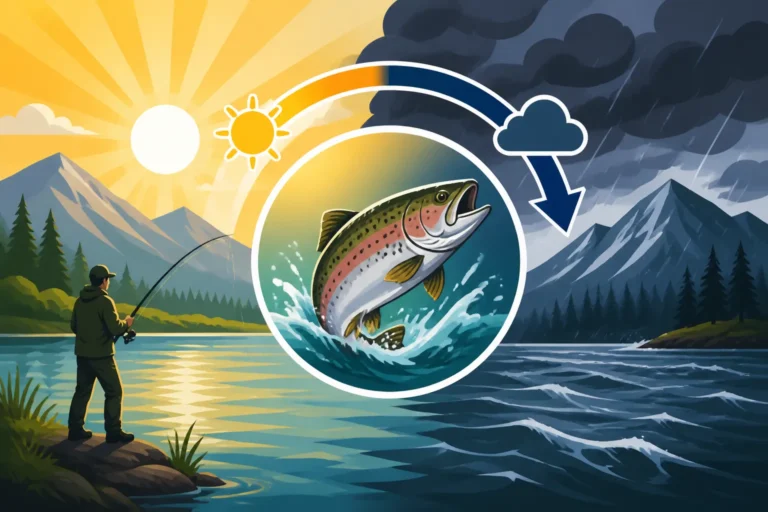
The Oldman River is primarily a freestone river, meaning its flow is largely influenced by snowmelt and rainfall. This results in varying water levels and currents throughout the season. In the spring, you'll often find higher, swifter water from runoff, which gradually recedes to more moderate flows in summer and fall. The riverbed itself is a mix of gravel, rock, and silt, with plenty of submerged structure like logjams, undercut banks, and deeper pools where fish love to hide.
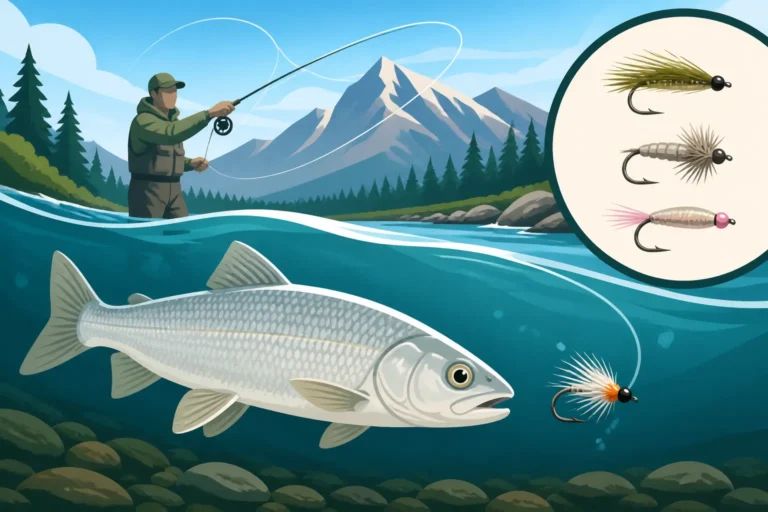
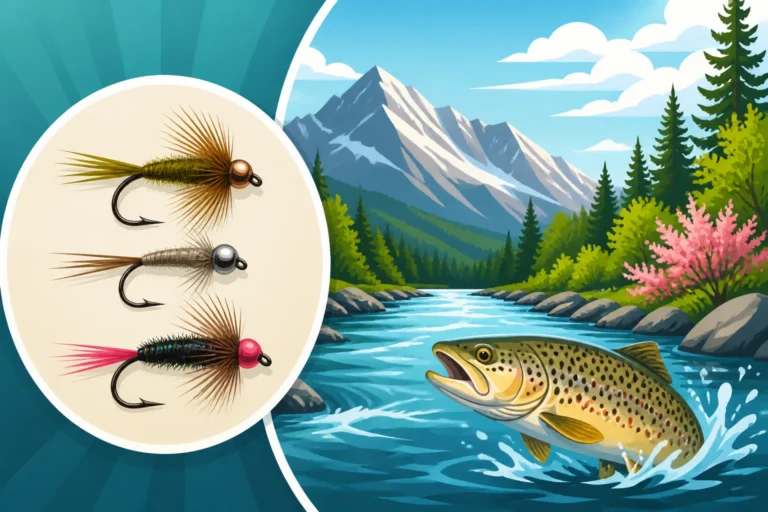
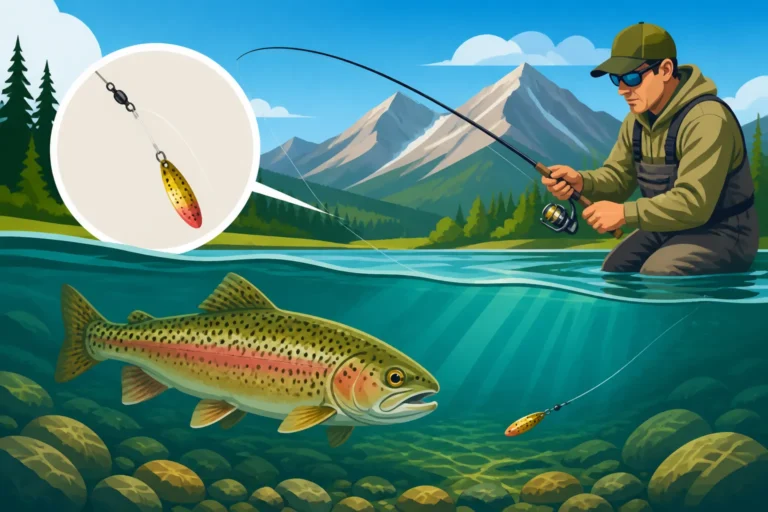
The primary targets for float anglers on the Oldman River are trout species and mountain whitefish. You'll encounter beautiful rainbow trout, often feisty and hard-fighting, alongside the more elusive and powerful brown trout. In the upper reaches, closer to the mountains, you might even find westslope cutthroat trout in certain sections. These fish all hold in similar types of water, often tucked behind structure, in slower seams next to faster current, or at the head and tail of deeper pools. Knowing these species and their habits will help you anticipate where to present your float rig. For a broader look at the province's fishing opportunities, check out our guide on the Best Fishing Rivers in Alberta.
Key Fishing Zones and Access Points
The Oldman River stretches a long way, and its character changes dramatically from its headwaters in the mountains to where it eventually flows into the South Saskatchewan River. For float fishing, the sections west of Lethbridge, particularly around towns like Fort Macleod, Pincher Creek, and especially the famous Crowsnest Pass area, are highly popular and productive.
- Upper Oldman (Crowsnest Pass/Lundbreck Falls area): This section is generally colder, clearer, and faster-flowing, with a higher concentration of trout, including a healthy population of wild brown trout. Access is often excellent from Highway 3. You'll find plenty of riffles, runs, and pools that are prime for float fishing. Remember that the Crowsnest River, a major tributary, offers fantastic trout fishing itself, and you might find useful crossover techniques by reading up on How to Fish the Crowsnest River for Trout.
- Mid-River (Fort Macleod/Brocket area): As the river widens and slows a bit, it maintains good trout populations and increasingly offers fantastic opportunities for mountain whitefish. The currents are often more forgiving here, making longer drifts achievable.
- Lower River (East of Fort Macleod): While still holding trout, this section transitions more into a warm-water fishery in some stretches, though good cold-water pockets persist. However, for dedicated trout and whitefish float fishing, the upper and mid-sections are generally more productive.
Always consult the latest Alberta Guide to Sportfishing Regulations for specific zone rules, as catch limits and tackle restrictions can vary. Our article on Alberta Fishing Regulations Explained can offer a good overview.
Essential Gear for Float Fishing Success
Having the right gear is paramount for an effective and enjoyable float fishing experience on the Oldman River. It's not just about having a rod and reel; it's about matching your equipment to the specific demands of the river and the fish you're targeting.
Rods and Reels
For float fishing on the Oldman, you're looking for a setup that offers sensitivity, line control, and enough backbone to handle strong river currents and powerful fish.
- Rods: A longer rod is a float angler's best friend. I highly recommend a rod between 9 and 11 feet in length. The extra length allows for better line mending (keeping your line off the water for a natural, drag-free drift), easier hook sets at a distance, and more control over your float. A medium-light to medium power rod with a fast action tip is ideal. This combination gives you the sensitivity to detect subtle bites while having the power to battle a surging brown trout or a heavy whitefish in current. Many anglers favor specialized "float rods" or "noodle rods" specifically designed for this technique, and you can often find good options on Amazon. For more rod options generally, take a look at our guide to Best Fishing Rods for Alberta Rivers.
- Reels: While specialized centrepin reels are popular among dedicated float anglers for their ultra-smooth line release, a good quality spinning reel in the 2000-3000 series size will serve you very well. Look for a reel with a smooth drag system, as this is critical for preventing break-offs when a big fish makes a run. A high retrieve rate can also be beneficial for quickly taking up slack line or resetting your drift. Make sure the reel balances well with your longer rod to prevent fatigue during a long day of casting and mending.
Line Choices and Terminal Tackle
The line connecting you to your float, and the leader connecting your float to your hook, are vital components that dictate your presentation and sensitivity.
- Mainline: For your main line, 6-10 lb monofilament or fluorocarbon is generally suitable. Monofilament floats better, which can be advantageous for keeping your line off the water and reducing drag. However, fluorocarbon sinks slightly, which can be beneficial in windy conditions or for a more direct connection to your float. Some anglers even prefer a braided mainline (e.g., 10-15 lb) for its sensitivity and strength, often topping it with a mono or fluoro leader. The choice often comes down to personal preference and the specific conditions you're facing.
- Leader: This is the invisible link to your bait, and its subtlety is key. I typically use a 4-8 lb fluorocarbon leader. Fluorocarbon is nearly invisible underwater, more abrasion-resistant than mono, and sinks well, helping your bait get down to the strike zone quickly. The length of your leader will vary based on water depth, but a good starting point is 1.5 to 3 feet below your last weight.
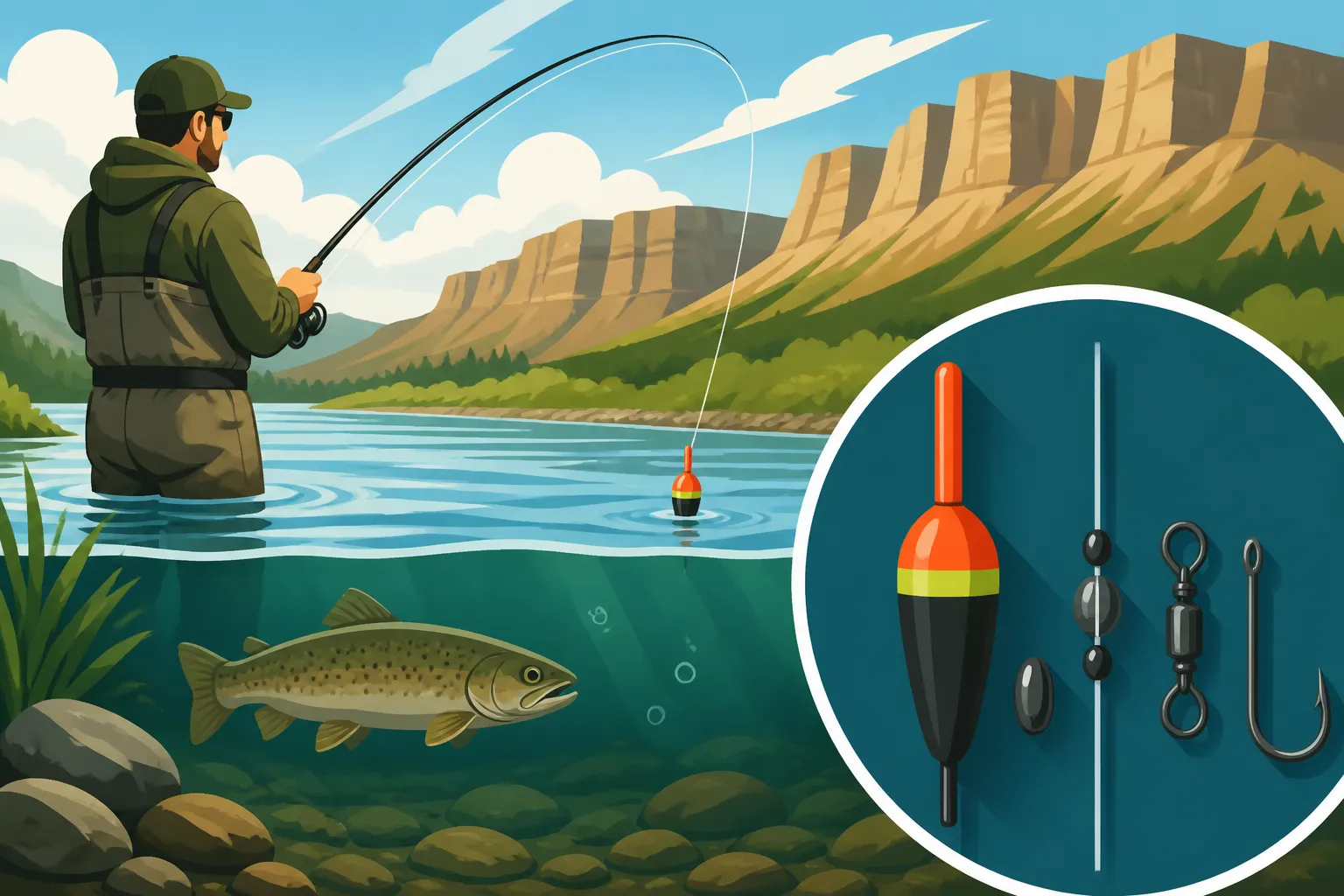
- Floats: These are the heart of your float fishing system. The best floats for the Oldman are typically long, slender, and highly visible. They offer minimal resistance to the current, allowing for a natural drift.
- Fixed Floats: These are attached directly to your line at a fixed depth and work well in shallower water (up to your rod length in depth).
- Slip Floats: These slide freely on your mainline and are stopped by a small knot (bobber stopper), making them ideal for deeper water as you can cast and then allow the float to slide down to your desired depth. Look for floats with good buoyancy, capable of suspending your chosen bait and weights without submerging. Companies like Raven Tackle or Drennan make excellent floats.
| Float Type | Ideal Use Case | Pros | Cons |
|---|---|---|---|
| Fixed | Shallow water, quick setup | Simple, direct connection, sensitive | Limited depth, hard to cast long distances |
| Slip | Deep water, variable depths | Adjustable depth, casts well, versatile | More complex rigging, stopper can slip |
| Waggler | Stillwater, light tackle, subtle bites | Very sensitive, good for shy fish | Not ideal for heavy currents, casts less |
| Speci | Heavier current, larger baits, long drifts | Durable, good visibility, handles more weight | Less sensitive than a waggler |
- Weights: You'll use small split shot or specialized float weights (like crimp-on or stick-on weights) to get your bait down. The goal is to "shot the line" effectively, meaning you add enough weight to cock your float properly (it should stand upright, with only the top visible) and get your bait to the desired depth, but not so much that it hinders a natural drift. I usually start with a few small split shot spaced out above the leader, graduating to smaller shots closer to the hook.
- Hooks: The size and type of hook will depend on your bait and the size of the fish you're targeting. For trout and whitefish, small, sharp hooks are key. Size 10-14 single hooks are a good starting point for worms, maggots, or beads. If you're using larger baits like roe bags, you might go up to a size 8. Barbless hooks are often required or highly recommended in many Alberta waters, especially for catch-and-release, so always check the regulations. Many anglers choose specific brands for their sharpness and strength, which can be found easily on Amazon.
Bait and Lure Selection
While float fishing is incredibly versatile, certain baits and lures consistently perform well on the Oldman.
- Natural Baits:
- Worms/Maggots: Perhaps the most classic and consistently effective bait. A small piece of a worm or a few maggots threaded onto a small hook are irresistible to trout and whitefish.
- Roe Bags: Cured salmon or trout eggs in a small mesh bag can be deadly, especially during or after spawning seasons.
- Insects: Crickets or grasshoppers during summer can be fantastic, floated naturally.
- Artificial Lures (Fished under a float):
- Beads: Trout beads, mimicking eggs, are incredibly popular, especially when fished under a float in clear water. Pair them with a small, sharp hook.
- Small Jigs: Tiny marabou jigs or plastic grub jigs (1/32 to 1/16 oz) can be suspended under a float and twitched to entice strikes.
- Plastic Worms/PowerBait: Small segments of soft plastic worms or a dab of PowerBait can be effective, particularly for stocked rainbow trout.
It's always a good idea to have a variety of options in your Best Tackle Box Setup for Alberta Anglers, as fish preferences can change throughout the day.
Rigging Up for the Oldman River
Setting up your float rig might seem daunting at first, but with a systematic approach, it becomes second nature. The goal is a balanced, natural presentation that fools wary fish.
Attaching the Float and Mainline Weights
Let's assume you're using a slip float, which offers the most versatility for variable depths found in the Oldman River.
- Bobber Stopper: Start by threading a bobber stopper onto your mainline. These are usually small pieces of string or rubber that you can slide up and down your line to set your desired depth. Pull it tight enough so it won't move easily but can be adjusted.
- Bead: Slide a small plastic bead (usually provided with your float) onto your mainline, directly below the bobber stopper. This protects the knot from the float.
- Slip Float: Now, thread your slip float onto the mainline. It should slide freely up and down the line.
- Swivel (Optional but Recommended): Tie a small barrel swivel (size 10-14) to the end of your mainline. This helps prevent line twist, especially with braided lines, and provides a clean connection point for your leader.
- Mainline Weights: If you plan to add weight above the swivel to help cast or get the line down quicker in wind, add a few larger split shot (e.g., #7 or #5) spaced several feet above the swivel. This is less common but can be useful. The primary weight for cocking your float will be on the leader.
The placement of your float and subsequent weights is crucial for getting a natural drift. The idea is to make your bait drift at the same speed as the current, without being dragged or pulled by your float or line.
Leader and Terminal Tackle Assembly
This is where your bait meets the water, and precision matters.
- Tie on Leader: Tie your fluorocarbon leader (e.g., 4-6 lb test, 2-3 feet long) to the other end of your barrel swivel (if used) or directly to your mainline if you skipped the swivel. Use a strong knot like a Uni knot or improved Clinch knot.
- Add Weights to Leader ("Shotting the Line"): This is perhaps the most critical step for proper float presentation. You'll add small split shot to your leader, carefully balancing them to your float's buoyancy and the desired sink rate of your bait.
- Bulk Shot: Start by crimping a small amount of "bulk" weight about 12-18 inches above where your hook will be. This could be 2-3 larger split shot (e.g., #BB or #B). The bulk weight helps quickly get your bait to depth.
- Indicator Shot/Dropper Shot: Below the bulk weight, add one or two smaller split shot (e.g., #8 or #7) spaced out every 6-8 inches, with the smallest one closest to the hook. These smaller shots act as "indicator" weights. They help keep your leader straight, present the bait naturally, and if one of these tiny shots drags bottom, it will subtly dip your float, indicating you're at the right depth or perhaps a little too deep.
- Tie on Hook: Finally, tie your chosen hook to the very end of your leader. Use an improved Clinch knot or a Palomar knot, ensuring it's cinched down tight.
Remember, the amount of weight needed depends entirely on your float's buoyancy, the bait you're using, and the current. You want your float to be just barely riding the water, with only its brightly colored tip visible. This ensures maximum sensitivity to even the most delicate bites.
Adjusting Depth and Presentation
Successfully float fishing the Oldman often comes down to precise depth control and a natural presentation.
- Setting Initial Depth: A good rule of thumb for starting out is to set your bobber stopper so that the distance from the float to the hook is about 1.5 times the water depth you're fishing. So, if you're in 3 feet of water, start with a 4.5-foot depth setting. This allows your bait to tumble along the bottom without constantly snagging.
- Reading the Drifts: Watch your float. If it's standing perfectly upright and moving at the exact same speed as the surface current, you're likely in the strike zone with a natural drift. If it's lying flat, you don't have enough weight. If it's dipping or stopping abruptly, you might be snagging bottom (too deep) or a fish has taken the bait! Adjust your bobber stopper up or down in small increments until you're consistently bumping the bottom occasionally, or getting bites.
- Fine-tuning Weight: If your float isn't cocking properly or your bait isn't getting down fast enough, add more small split shot. If your float is constantly dragging or submerging due to current, you might have too much weight or need to fish a lighter float. The goal is for the float to "tick" the bottom every so often, confirming you're in the right zone.
This constant adjustment is part of the art of float fishing and what makes it so engaging.
Techniques and Tips for Effective Float Fishing
Float fishing is more than just casting and waiting; it's an active process of reading the water, presenting your bait, and anticipating bites.
Reading the Water and Current
The Oldman River is a dynamic system, and understanding where fish hold is crucial.
- Seams and Current Breaks: Fish often position themselves in "seams" – the transition lines between fast and slow water. These are prime feeding lanes where food drifts by, but the fish expend less energy holding there. Look for areas behind large rocks, submerged logs, or along undercut banks.
- Pools and Riffles: The head of a pool (where faster water enters) and the tail of a pool (where water exits) are excellent spots. Riffles, the shallower, faster-moving sections, often hold actively feeding fish, especially whitefish and rainbow trout, but require precise drifts.
- Undercut Banks and Eddies: These provide cover and a break from the main current. A well-placed float rig drifted into an eddy or alongside an undercut bank can be incredibly effective. Take care while wading. Our guide on Best Waders for Alberta Trout Rivers can help you choose appropriate gear for stability and safety.
Always observe the river before you cast. How fast is the current? Where are the main channels? Where do the insects or debris naturally drift? This observation will inform your casting and drift strategy.
Casting and Drifting Techniques
Once you've identified a promising spot, your casting and drifting technique will determine your success.
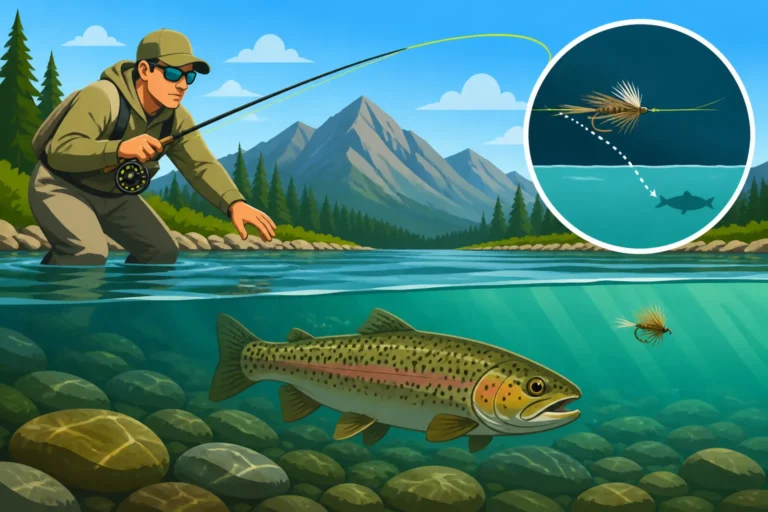
- Upstream Cast: Cast your float rig slightly upstream and across from your target area. This allows your bait time to sink to the desired depth before it reaches the fish.
- Line Mending: As your float drifts downstream, the current can create a "belly" in your mainline, pulling your float unnaturally. This is called drag. To combat this, lift your rod tip high and gently "mend" your line by flipping the slack upstream, putting a curve in the line that matches the current. This keeps your float drifting naturally, without being pulled by the surface current.
- Following the Float: Walk downstream with your float, keeping your rod tip pointed at it, maintaining a direct line. This allows you to react instantly to a bite and ensures you're fishing the entire length of the run effectively. For longer stretches of river, this type of fishing requires some stamina and good river sense.
- Targeted Drifts: Don't just cast anywhere. Aim for specific pockets, seams, or behind structure. Imagine your float as a presentation vehicle, delivering your bait directly to where a fish might be holding.
The goal is always a "drag-free" drift – your float moving at the exact speed of the water around your bait, making your offering look completely natural and enticing.
Hook Setting and Fighting Fish
Detecting bites can be subtle in float fishing, and fighting strong river fish requires a specific approach.
- The "Dip" or "Stop": A bite will often manifest as a slight dip, twitch, or full submersion of your float. Sometimes, the float will simply stop its downstream movement. Any unusual behavior from your float should be treated as a bite.
- Controlled Hook Set: When you see a bite, don't rear back like you're setting a hook on a bass. Instead, lift your rod tip smoothly and firmly, sweeping it upstream. This subtle yet powerful motion tightens the line, drives the hook home, and avoids breaking off the often light leader.
- Fighting the Current: When you hook a fish in current, it will use that current to its advantage. Keep your rod tip up, maintain constant pressure, and let your drag do its job. Don't try to muscle the fish against a strong current immediately. Instead, try to guide it out of the main current into slower water or an eddy where you can gain control. Be patient and let the fish tire itself out.
- Landing and Release: Once the fish is played out, use a soft, rubber-mesh landing net to safely cradle it. This minimizes harm to the fish, especially if you plan to release it. Our article on Best landing net for trout has more details on choosing the right net. If you're releasing, keep the fish in the water as much as possible, handle it gently with wet hands, remove the hook quickly, and allow it to recover before swimming away. This is particularly important for species like bull trout, which have a zero possession rule; even if you catch one accidentally, quick and careful release is essential, as detailed in Alberta Bull Trout Zero Possession Rule.
Float fishing the Oldman River is a fantastic way to connect with Alberta's beautiful trout and whitefish. With the right gear, a thoughtful approach to rigging, and an understanding of the river's dynamics, you'll be well on your way to many memorable days on the water. For more general advice on when to plan your outings, consider our guide on the Best Time of Year to Fish in Alberta.
Disclaimer
Fishing regulations, conditions, and best practices can change. Always consult the most current Alberta Guide to Sportfishing Regulations before heading out. Exercise caution when wading or boating in rivers, be aware of wildlife, and practice Leave No Trace principles to preserve Alberta's natural beauty. Safety should always be your top priority on the water.