Best Bass Fishing Techniques for Alberta Ponds
It's easy to get excited about the thought of hooking into a feisty largemouth bass, battling it out on a peaceful Alberta pond. Many of us see those incredible bass fishing videos from down south or across the border and naturally wonder if we can find that same thrill here. But the reality of bass fishing in Alberta is a little more nuanced, and often, more challenging than many realize. This guide will walk you through the truth about bass in Alberta, where you might encounter them or similar species, and the best techniques to use if you do get that rare opportunity, all while staying within the spirit of ethical angling and conservation.
The Truth About Bass Fishing in Alberta's Public Waters
Let's just get this out of the way upfront, because it’s a common point of confusion: true largemouth or smallmouth bass are not native to Alberta, nor are they widely stocked in public waters as part of the provincial sportfishing program. If you've heard whispers or seen a rare photo, it's often an exception rather than the rule. It's a bit of a heartbreaking truth for those of us who love the aggressive strikes and strong fights of bass, but understanding this reality is the first step to truly appreciating Alberta's unique angling opportunities.
Dispelling the Myth of Widespread Bass Populations
When people talk about bass fishing in Alberta, they're often either thinking of another species, or they've stumbled upon a very specific, isolated situation. Unlike provinces further east or states to the south, Alberta's climate and natural aquatic ecosystems simply aren't suited for thriving, self-sustaining populations of largemouth or smallmouth bass. Our cold, often short summers and harsh winters make it incredibly difficult for these warm-water species to reproduce and establish themselves naturally. This means you won't find designated "bass lakes" or "bass rivers" listed in the official Alberta Guide to Sportfishing Regulations. It’s a common frustration, especially when you're flipping through an outdoor magazine and seeing all the amazing bass action elsewhere. We’re left wondering, "Why not here?" And the answer really boils down to biology and climate.
Understanding Alberta's Focus on Native and Sport Fish
Alberta Environment and Protected Areas (AEPA) has a clear mandate: to protect and enhance our native fish populations and manage sport fisheries sustainably. This primarily focuses on species that thrive here, like various trout species (rainbow, brown, cutthroat, bull trout), northern pike, walleye, perch, and whitefish. Efforts are concentrated on maintaining healthy populations of these species, stocking them where appropriate (especially trout in recreational ponds), and managing harvest limits. Introducing a non-native species like bass could potentially disrupt these delicate ecosystems, competing with native species for food and habitat, or even introducing diseases. While it might sound fun to have bass, the potential ecological risks generally outweigh the benefits from a conservation perspective. It’s a tough pill to swallow for an angler dreaming of that iconic green fish.
The Legalities of Encountering Bass
Given that bass aren't a recognized sport fish in Alberta's public waters, what happens if you actually catch one? This is where it gets critical. If you accidentally catch a largemouth or smallmouth bass in a public Alberta water body, it must be immediately released back into the water where it was caught. Period. There are no possession limits or seasons because they are not managed as a sport fish here. Furthermore, it is illegal to introduce or transfer any live fish into any water body without a license to do so. This means you can't, under any circumstances, take bass from one pond and put them into another, even if you think you're "helping." Doing so is considered an unauthorized introduction of an Invasive Fish Species in Alberta Waters and carries significant penalties. Always consult the most current Alberta Fishing Regulations Explained to ensure you're in compliance. Respecting these rules is paramount to protecting our precious waterways and the fish that call them home.
Where You Might Encounter "Bass-Like" Opportunities
So, if largemouth and smallmouth bass aren't common in Alberta, does that mean you can't get any "bass-like" action? Not necessarily! While you won't be targeting classic black bass in most public spots, there are a few scenarios where you might find them, or you can certainly target other aggressive, predatory fish that offer a very similar thrill, especially in smaller, more intimate pond settings.
Private Stocked Ponds and the Importance of Permission
The most likely place you'll find actual largemouth bass in Alberta is in private, landowner-stocked ponds. These are generally managed by the property owners themselves, often with specific permits, and are not open to public fishing without explicit permission. These might be anything from small dugouts on a ranch to larger, more developed private lakes. If you're fortunate enough to know someone with such a pond, consider yourself lucky! These can offer incredible fishing for species that wouldn't normally thrive in our wild systems. However, gaining access is entirely at the discretion of the landowner, and you absolutely must ask for permission before casting a line. Trespassing is illegal and can damage the reputation of all anglers. Furthermore, if you are granted access, make sure you understand any specific rules the landowner has, such as bait restrictions or catch limits. Often, these private ponds are carefully managed for specific fishing experiences.
Identifying Potential Invasive Introductions
It’s an unfortunate reality that sometimes non-native species, including bass, are illegally introduced into public waters. While rare, these "bucket biology" incidents can have devastating effects on local ecosystems. If you happen to catch a bass in a public pond where it's not expected, and you've confirmed it's indeed a largemouth or smallmouth bass, you should immediately release it (as per regulations for non-sport fish) and consider reporting the catch to Alberta Environment and Protected Areas (AEPA) with details on the location. This helps them monitor and manage potential invasive issues. It's a tricky situation because on one hand, it's an exciting catch, but on the other, it signals a potential problem for the environment. Being a responsible angler means being vigilant about protecting our natural resources. For proper identification, you might want to review a Trout Species Identification Guide for Alberta or a general fish identification guide to ensure you're not mistaking a bass for something else entirely, like a particularly chunky perch or a juvenile pike.
Targeting "Bass-Adjacent" Species: Pike and Perch in Ponds
If you're craving that aggressive, predatory strike in a pond setting, your best bet in Alberta's public waters is to target northern pike or yellow perch. These species are abundant in many of Alberta's smaller lakes and larger ponds, and they can offer fantastic action, often with similar techniques you might use for bass.
- Northern Pike: Often referred to as "water wolves," pike are ferocious predators that will strike aggressively at a variety of lures, much like bass. In smaller ponds, they can be particularly active, especially near weed lines or submerged structure. They offer powerful runs and head shakes, giving you a thrilling fight. Catching a large pike on light tackle in a secluded pond can be every bit as exciting as a bass.
- Yellow Perch: While smaller than bass or pike, large yellow perch can school up in impressive numbers and provide consistent action. They are also aggressive for their size and are excellent eating. Targeting perch with small jigs or spinners can be a fantastic way to spend a day on a pond, especially for beginners or those looking for steady bites. They often inhabit similar weed and structure-filled areas that bass would favour.
Many provincial parks and local municipal ponds are stocked with rainbow trout and occasionally even provide opportunities for these "bass-adjacent" species. Check out our guide on Alberta Provincial Park Fishing Guide for ideas on accessible pond fishing.
Techniques for Alberta's "Pond Predators" (or Rare Bass)
Even though bass might be rare, the techniques used to catch them are incredibly effective for the aggressive species that do thrive in Alberta's ponds. Whether you're targeting pike in a shallow, weedy lake or a feisty perch in a dug-out, embracing "bass-style" presentations can lead to some fantastic action. The key is to adapt your approach to the specific environment and the fish you're targeting.
Topwater Action for Pike in Weedy Ponds
There's nothing quite like the explosive strike of a fish on a topwater lure, and while it might not be a largemouth, a northern pike absolutely crushes a topwater bait. This technique is particularly effective in weedy, shallower ponds, especially during warmer months or at dawn and dusk. Pike love to ambush prey from beneath cover, and a disturbance on the surface perfectly mimics an injured baitfish or a small animal that has fallen into the water.
- Poppers and Walk-the-Dog Baits: Poppers create a loud "blip" and splash that drives pike wild, while walk-the-dog baits like a Heddon Super Spook imitate a struggling critter with a side-to-side sashay. Cast these near weed edges, lily pads, or submerged logs. Let them sit for a moment after splashdown, then twitch them erratically. The trick is often to pause, give a few twitches, and then pause again. That pause can be what triggers the strike. You can find a fantastic selection of these on Amazon, often with multi-packs that give you different colors and sizes to experiment with.
- Buzzbaits and Frogs: Buzzbaits churn the surface, creating a continuous commotion that can draw pike from a surprising distance. They are great for covering water quickly. Soft plastic frog imitations, fished weedless, are perfect for dense cover where other lures would snag. Work them slowly over matted vegetation, pausing them in open pockets. When a pike strikes, resist the urge to set the hook immediately; wait until you feel the weight of the fish. These are excellent choices if you're exploring smaller, overgrown ponds where other lures just can't get through.
Subsurface Lures for Aggressive Pond Species
When the fish aren't willing to come to the surface, going subsurface is your next best bet. Many aggressive pond species, including pike, and even larger perch, will readily hit lures designed to mimic baitfish or crayfish below the water. The versatility of these lures makes them indispensable for any pond angler.
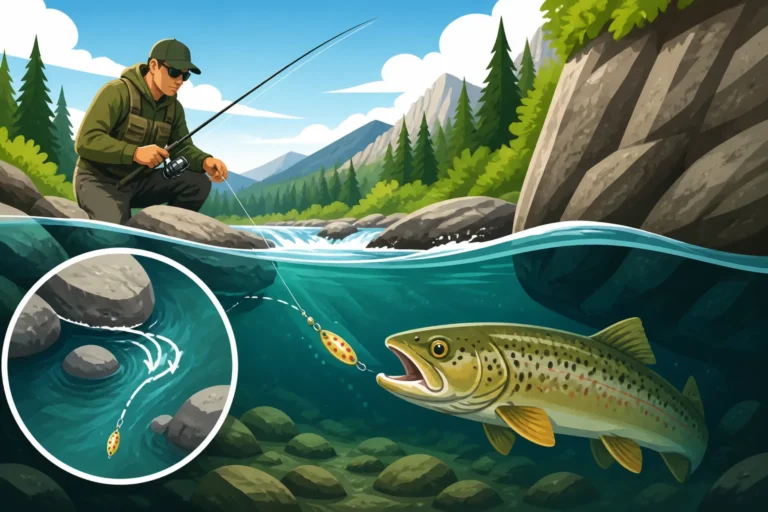
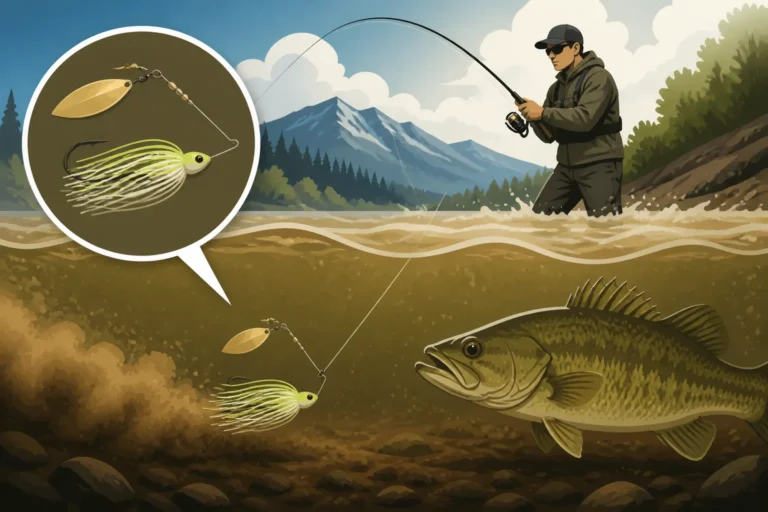
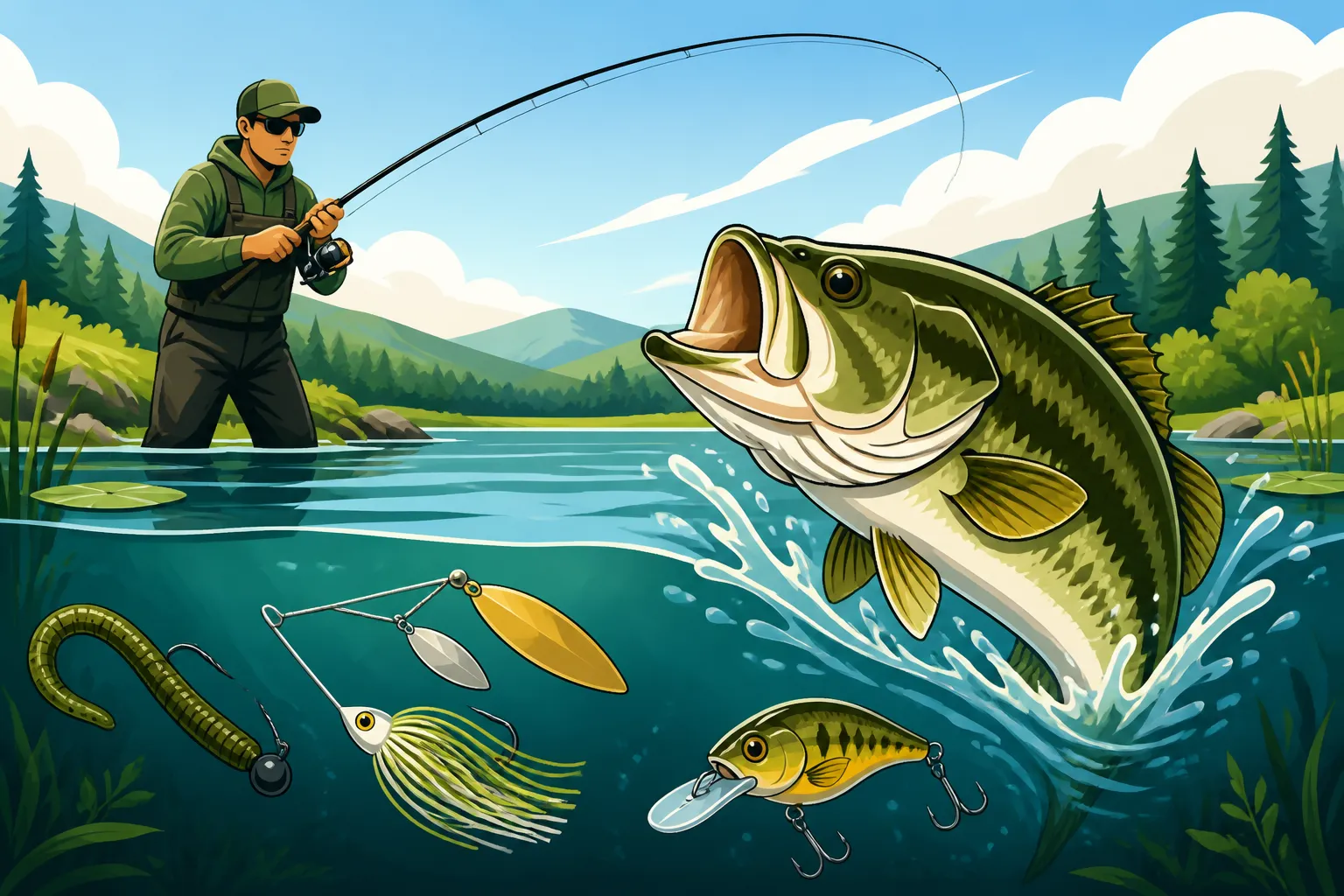
- Spinnerbaits: These are arguably one of the most versatile lures for pike in ponds. The flashing blades and pulsating skirt create incredible attraction, and they are surprisingly weedless, allowing you to fish them through moderate cover. Sizes from 3/8 oz to 1 oz are great for pike. Experiment with different blade combinations (Colorado for slower retrieves and more thumping vibration, willow leaf for faster retrieves and flash) and skirt colors. Chartreuse, white, and black are often go-to colors. A slow roll just above the weeds or a faster retrieve to trigger reaction strikes can be deadly. If you're looking for some reliable options, Amazon has a wide range of spinnerbaits from brands like Booyah and Strike King that perform well.
- Crankbaits and Lipless Crankbaits: These diving lures are fantastic for covering open water quickly and targeting fish holding at specific depths. Square bill crankbaits are excellent for deflecting off submerged wood or rocks, often triggering an immediate strike. Lipless crankbaits, like the Rapala Rippin' Rap, are great for ripping through weeds or fishing open water, creating a loud rattling vibration that calls in fish. The key is to match the crankbait's diving depth to the depth where the fish are holding, or to the top of the weed growth. Colors mimicking local baitfish (perch patterns, silver, gold) are always a good starting point. You might even find some success with these when targeting larger yellow perch in deeper sections of a pond. Our guide on Best Lures for Northern Pike in Alberta offers more detailed recommendations.
Finesse Presentations for Selective Biters
Sometimes, the fish are just plain finicky, especially in ponds that see a lot of pressure or when conditions are tough (think post-frontal or very clear water). This is where finesse techniques, often associated with bass fishing, really shine for pike and larger perch, and would certainly be your best bet if you ever found yourself targeting actual bass in a private pond.
- Soft Plastics (Jigs, Worms, Tubes): Rigging soft plastics weedless (e.g., Texas rig) allows you to probe dense cover without snagging. Weightless worms or flukes can be deadly when twitched slowly near cover, mimicking a struggling baitfish. Small tube jigs or grubs on a lightweight jig head are fantastic for enticing cautious perch or smaller pike. The key here is subtle action and a slow retrieve. These baits don't scream "come eat me!" but instead offer a delicate, easy meal that even wary fish find hard to resist. Consider scenting your soft plastics with a fish attractant for added appeal.
- Jigging Spoons and Blade Baits: While often thought of for ice fishing or deeper lakes, small jigging spoons or blade baits can be incredibly effective in ponds. Vertical jigging them over submerged structure or along deep weed lines can trigger powerful reaction strikes from both pike and larger perch. They imitate an injured or dying baitfish fluttering to the bottom. A fast retrieve with a sharp lift and fall can be irresistible. These can be particularly good in ponds with a bit more depth or during cooler periods when fish are less active and hugging the bottom. For perch, a 1/8 to 1/4 oz spoon can be perfect.
Essential Gear for Pond Fishing in Alberta
You don't need a boatload of specialized equipment to enjoy pond fishing in Alberta, but having the right tools for the job makes all the difference. When it comes to targeting aggressive pond species like pike or the rare bass, think versatility, durability, and a focus on presentation. Whether you're hiking to a secluded pond or casting from the bank of a local spot, your gear should be up to the task.
Rod, Reel, and Line for Versatility
For pond fishing, a good all-around setup will serve you well, covering everything from throwing topwaters to working soft plastics.
- Medium-Heavy Spinning Rod: A 6'6" to 7' medium-heavy fast-action spinning rod is incredibly versatile. It has enough backbone to cast larger lures and fight powerful pike, yet enough sensitivity for finesse presentations or detecting subtle bites from perch. Rods from brands like Ugly Stik (found readily on Amazon) are durable and offer excellent value, perfect for the often unpredictable nature of pond fishing. If you prefer baitcasting, a similar power and length rod would also be suitable, especially for heavier lures. Our guide on Best Spinning Rods for Walleye offers some crossover advice for similar fish types.
- 2500-3000 Series Spinning Reel: Pair your rod with a reliable 2500 or 3000 series spinning reel. This size offers a good balance of line capacity and retrieve speed for various lures. Look for a smooth drag system, which is crucial when battling a surprisingly large pike in a small pond. Brands like Shimano or Daiwa offer excellent options that are widely available.
- Braided Line with Fluorocarbon Leader: Spool your reel with 20-30 lb braided line. Braid offers incredible strength, sensitivity, and casting distance. Crucially, tie on a 15-20 lb fluorocarbon leader (18-24 inches long). Fluorocarbon is nearly invisible underwater, which can be critical for wary fish, and its abrasion resistance helps protect against pike teeth. If targeting pike, you might even consider a short, heavy monofilament or wire leader for added bite protection, as their razor-sharp teeth can easily cut through even heavy fluoro.
Lures and Baits: Mimicking Natural Prey
A well-stocked tackle box for pond fishing doesn't need to be huge, but it should contain a variety of lures that cover different depths and retrieve styles.
- Spinnerbaits: As mentioned, these are a must-have. Carry a few in different colors (white, chartreuse, black) and weights (1/2 oz to 3/4 oz). Brands like Strike King and Z-Man are popular and effective.
- Topwater Lures: A popper and a walk-the-dog style lure (like a Zara Spook or a Whopper Plopper) are essential for those exciting surface strikes.
- Soft Plastics: A pack of 4-6 inch soft plastic worms or flukes (green pumpkin, watermelon red) and some small jig heads (1/8 oz to 1/4 oz) will cover your finesse needs, especially for perch.
- Crankbaits: Include one or two shallow-diving crankbaits (square bills are great) in natural baitfish patterns or a bright perch pattern.
- Spoons: A few casting spoons (e.g., Daredevil, Little Cleo) in silver, gold, or red/white can be fantastic for pike and are easy to cast. You can pick up a starter kit of these on Amazon for a reasonable price.
- Live Bait (Where Permitted): If permitted in the specific pond you're fishing, live minnows or worms can be incredibly effective, especially for perch and smaller pike. Always check the Alberta Fishing Regulations Explained for bait restrictions.
Having a selection of these allows you to adapt to changing conditions and fish preferences. Our detailed guide on Best Tackle for Alberta Walleye might also offer some lure ideas that translate well to aggressive pond fish.
Accessories for an Enjoyable Pond Experience
Beyond your rod and reel, a few key accessories will make your pond fishing trip more comfortable, safe, and productive.
- Pliers and Hook Removers: Pike have a mouth full of sharp teeth, and deeply hooked fish can be dangerous to handle. Long-nosed pliers and a good hook remover are absolutely essential for safe and efficient catch and release. You'll find a variety of strong, rust-resistant fishing pliers on Amazon that are perfect for this task.
- Landing Net: A sturdy, rubber-coated landing net is crucial for safely landing larger pike. The rubber coating protects the fish's slime coat and prevents hooks from getting tangled.
- Tackle Bag or Backpack: Instead of a bulky box, a smaller tackle bag or fishing backpack is often more practical for pond hopping, especially if you're walking. It keeps your essential lures, tools, and snacks organized and easily accessible. We cover some great options in our article on Best Tackle Bag for Bank Fishing.
- Polarized Sunglasses: These are not just for looking cool! Polarized lenses cut through glare on the water's surface, allowing you to see submerged structure, weed lines, and even cruising fish, greatly increasing your effectiveness.
- Waders and Boots: If you plan on wading into shallower areas or through marshy banks to access better casting spots, a good pair of waders and wading boots will keep you dry and comfortable. This can be a game-changer for reaching untouched spots on lesser-known ponds.
- Water and Snacks: Staying hydrated and energized is important, especially on a warm day. Bring plenty of water and a few snacks.
Seasonal Considerations and Conservation
Just like any other type of fishing, timing and responsible practices play a huge role in your success and in maintaining the health of Alberta's aquatic environments, even in smaller ponds. Knowing when to go and how to fish ethically ensures that these rare "bass-like" opportunities, and the populations of native species, remain healthy for years to come.
Prime Times for Pond Activity
While specific "seasons" for bass in Alberta don't exist in the same way they do for other species, the general activity of predatory fish in ponds follows similar patterns.
- Spring (Post-Ice-Out): As soon as the ice leaves the ponds, and water temperatures begin to rise, pike and larger perch become very active. They move into shallower, warmer areas to feed and prepare for spawning. This is often an excellent time for aggressive presentations like spinnerbaits and spoons, as fish are hungry after a long winter. However, be mindful of spawning periods for pike, where they might be less interested in feeding or more vulnerable.
- Summer: During the heat of summer, especially in weedy ponds, early mornings and late evenings are prime times. The fish will often move into cooler, deeper water or hold tight to dense cover during the midday sun. Topwater lures can be incredibly effective during low-light hours. During the day, focus on working subsurface lures around deep weed lines or shaded areas. For larger perch, look for schools in slightly deeper, cooler water.
- Fall: As water temperatures cool down, fish in ponds often go through another aggressive feeding period, trying to bulk up for winter. This can be one of the best times to target larger pike, as they become very active and will hit a wide variety of lures. Both subsurface and topwater presentations can work well, depending on the day.
- Winter (Ice Fishing): Many Alberta ponds become popular ice fishing destinations. While not strictly "bass fishing," this is an excellent time to target pike and perch. Jigging spoons, minnows, and tip-ups are all highly effective. Always check ice thickness and local regulations for ice fishing huts. Our guide on Ice Fishing in Alberta provides comprehensive advice.
Remember, conditions can change rapidly in Alberta. A sudden cold front can shut down a bite, while a string of warm, sunny days can turn fish on. Pay attention to the weather and adapt your approach.
Catch and Release Best Practices, Especially for Rare Species
Whether you're targeting pike, perch, or happen to stumble upon a rare bass, practicing proper catch and release is crucial for conservation. This is particularly vital for any non-native species you might encounter, where their accidental presence needs careful management.
- Minimize Handling: Get the fish in quickly, take a photo if you must (but prioritize the fish's health), and release it as fast as possible. Avoid dragging fish onto dry land.
- Wet Hands: Always wet your hands before handling a fish. Dry hands can remove the fish's protective slime coat, leaving it vulnerable to disease.
- Support the Fish: If taking a photo, support the fish horizontally with two hands – one under the belly and one near the tail – especially for larger fish. Never hold a fish vertically by its jaw, as this can severely damage its internal organs.
- Pliers and De-hookers: Use long-nosed pliers or a de-hooking tool to remove hooks quickly and gently. If a fish is deep-hooked, cut the line as close to the hook as possible; trying to extract a deeply embedded hook often causes more harm.
- Revive Carefully: If a fish seems lethargic before release, hold it gently in the water, facing into any current (if present), or gently move it back and forth to push water over its gills until it swims away under its own power.
For more on species-specific handling, check out our guide on How to Catch Bull Trout and Release Them Safely – many of those principles apply broadly to all fish. And always be aware of Alberta bag and possession limits by species for anything you intend to keep.
Protecting Alberta's Aquatic Ecosystems
As anglers, we are stewards of the environment. Our actions on and around the water have a direct impact on the health of the ecosystems we enjoy.
- Clean, Drain, Dry: This simple mantra is vital to prevent the spread of aquatic invasive species. Before moving between water bodies, always clean your boat, waders, and gear, drain all water, and dry everything thoroughly. This stops microscopic invaders from hitchhiking to new locations.
- Pack It In, Pack It Out: Leave no trace. Take all your trash, including discarded fishing line, home with you. Better yet, pick up any litter you find.
- Respect Private Property: Always get permission before accessing private land. This is not just a legal requirement but a common courtesy that helps maintain good relationships between landowners and anglers.
- Understand Regulations: Familiarize yourself with the Alberta Fishing License Guide for 2026 and local regulations specific to the waters you're fishing. Rules on bait, tackle, and catch limits are there to protect fish populations. Age requirements also apply, so know the Alberta Fishing License Age Requirements for everyone in your party.
By embracing these practices, we ensure that Alberta's ponds and waterways remain vibrant habitats, offering exciting fishing experiences, even if those aren't always for the bass we might dream of.
Disclaimer
The information provided in this article is for general guidance only and is subject to change. Anglers are responsible for consulting the most current Alberta Guide to Sportfishing Regulations before engaging in any fishing activity. Always prioritize safety and environmental stewardship.