How to Fish the Crowsnest River for Trout
The Crowsnest River holds a special, almost mythical, place in the hearts of Alberta anglers. It's known for its incredible trout but also its demanding nature, often leaving newcomers feeling overwhelmed by its swift currents, diverse water types, and often finicky fish. This guide aims to demystify fishing the Crowsnest, sharing seasoned strategies and local insights to help you unlock its true potential and enjoy the remarkable angling opportunities this river provides.
Understanding the Crowsnest River's Unique Character
The Crowsnest River isn't just one type of water; it's a dynamic system that changes drastically along its course. From its headwaters in the mountains to where it eventually joins the Oldman River, understanding these nuances is key to a successful day on the water.
A River of Contrasts: Upper vs Lower Sections
The Crowsnest River flows through a landscape that transforms from pristine mountain wilderness to rolling foothills, and this geographical shift directly impacts its character as a fishery. The upper reaches, typically west of Coleman and stretching into the mountains, are characterized by colder, clearer water, tighter channels, and often more rugged terrain. Here, you'll find a higher concentration of native cutthroat trout and bull trout, along with wild rainbow trout. The fishing in these sections can be more technical, often requiring precise casts and delicate presentations in faster, shallower riffles and deeper pocket water. Access can be more challenging, often involving some hiking, but the reward is often a more solitary angling experience in breathtaking scenery.
As you move downstream, particularly through the towns of Coleman, Blairmore, and Frank, the river widens, slows slightly in places, and begins to pick up a more classic freestone river feel. This middle section, often referred to as the "Crowsnest Pass" section, is where many anglers focus their efforts. It features a mix of deep pools, long runs, riffles, and more braided sections. The water can be a bit warmer and may carry more sediment after a rain, offering a different set of challenges and opportunities. Here, rainbow trout and brown trout become more prevalent, often growing to impressive sizes due to the richer food sources. Further downstream, past Lundbreck Falls and towards its confluence with the Oldman River, the Crowsnest takes on more of a prairie river characteristic. The gradient lessens, the river widens considerably, and the water can become warmer and murkier, especially during summer months. While still holding trout, this section also sees a mix of other species. Understanding these transitions is crucial for tailoring your approach, as what works in one section might be completely ineffective in another.
Primary Trout Species and Their Habits
The Crowsnest River is a true trout angler's paradise, home to several species, each with their own unique behaviors and preferred habitats. Knowing who you're targeting can help you select the right techniques and gear.
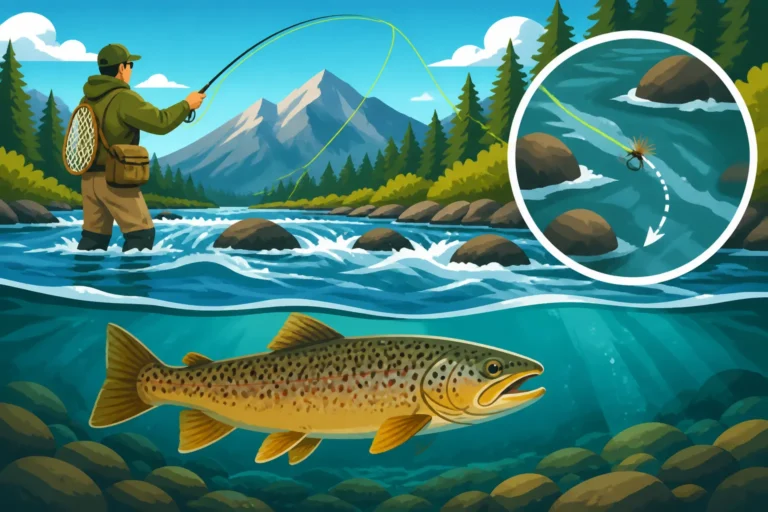
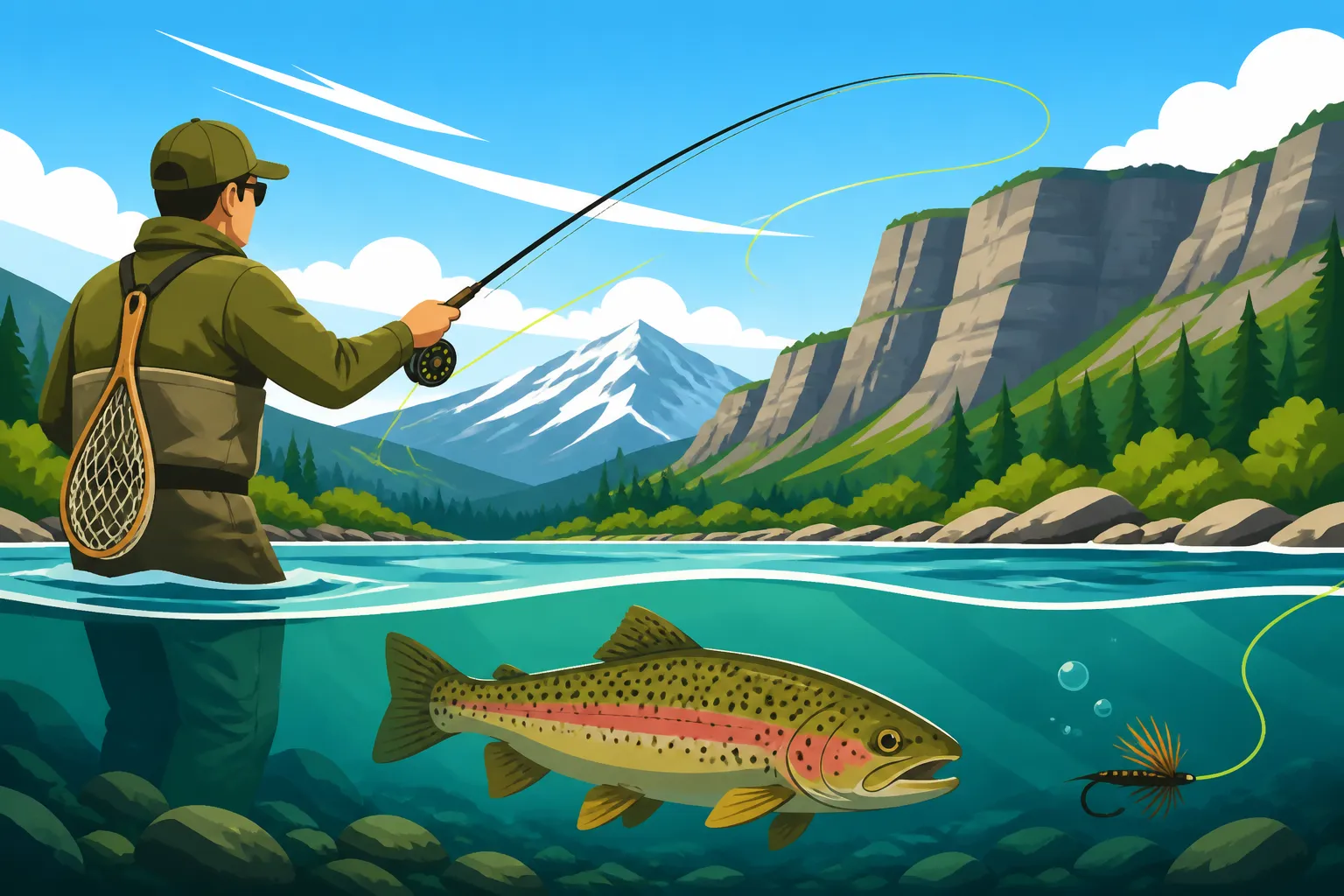
Rainbow Trout: These acrobatic fighters are abundant throughout much of the Crowsnest, especially in the middle sections. Rainbows love oxygenated water, so you'll often find them in riffles, at the heads and tails of pools, and along current seams where food is funneled to them. They are opportunistic feeders, taking a wide variety of insects, both aquatic and terrestrial. You might see them rising to dry flies during a hatch, but they spend most of their time feeding subsurface on nymphs and emergers. Understanding the nuances of Rainbow Trout Fishing on the Bow River can also provide transferable insights, as these fish often exhibit similar feeding patterns in different freestone rivers.
Brown Trout: Known for their elusive nature and often larger size, brown trout are the resident giants of the Crowsnest. While not as numerous as rainbows, they are present in good numbers, particularly in the middle and lower river sections. Browns are more nocturnal and predatory, often holding in deeper, slower pools, under cutbanks, and near submerged structure like logjams, waiting to ambush unsuspecting prey. They are less prone to rising for small dries and more likely to chase streamers or large nymphs mimicking sculpins, minnows, or even mice. If you're looking for a true challenge and the chance at a trophy fish, targeting browns requires patience, stealth, and often heavier gear. For more detailed information, exploring Brown Trout Fishing in Alberta is highly recommended.
Cutthroat Trout: Primarily found in the colder, cleaner upper reaches of the Crowsnest, west of Coleman, cutthroat trout are identifiable by the distinctive red slashes under their jaw. These native fish are incredibly beautiful and often more willing to rise to a well-presented dry fly than their rainbow or brown counterparts. They prefer the faster, pocket water sections and the confluence of small tributaries. While generally smaller than rainbows or browns further downstream, their aggressive takes and stunning markings make them a prized catch. Because they are often found in fragile ecosystems, practicing careful catch and release is paramount. Learning about Cutthroat Trout in Alberta's Mountain Streams can help you appreciate their habitat and conservation status.
Bull Trout: The Crowsnest River also harbors the magnificent bull trout, a species that is provincially designated as "threatened" in Alberta. These apex predators are incredibly sensitive to habitat disturbance and angling pressure. While present, they are strictly catch-and-release only, and any accidental capture requires immediate and careful release without removing the fish from the water. They prefer colder, deeper water and often inhabit the same areas as cutthroat trout in the upper river. If you're fortunate enough to encounter one, remember the strict regulations. Familiarize yourself with the Alberta Bull Trout Zero Possession Rule and best practices for How to Catch Bull Trout and Release Them Safely to ensure their continued survival.
Seasonal Influences on River Conditions
The Crowsnest River is a year-round fishery, but its conditions and the best tactics change dramatically with the seasons. Ignoring these shifts can lead to a frustrating day.
Spring (April – June): This is a season of transition, often starting with hungry, post-spawn rainbows and browns actively feeding before the inevitable spring runoff. However, by late May and well into June, the river typically swells with snowmelt from the mountains, turning into a powerful, cold, and often muddy torrent. During peak runoff, the river can be unfishable or extremely challenging due to high water levels and reduced visibility. Anglers often look for windows of fishable water between peaks, or target smaller tributaries that clear faster. Water temperatures are cold, so fish are often sluggish and tight to the bottom or banks. As the runoff subsides, usually late June, the river begins to clear and drop, signaling the start of prime nymphing and streamer conditions.
Summer (July – August): By early July, the Crowsnest usually settles into its summer flows, offering prime conditions. Hatches become more consistent, and fish are actively feeding on a variety of insects, including caddis, stoneflies, and various mayflies. Terrestrial patterns like hoppers, ants, and beetles become highly effective, especially on warmer, sunny days. However, summer can also bring its challenges. Extended periods of hot weather can lead to critically low and warm water levels, stressing trout. During these times, it's crucial to consider fishing early in the morning or late in the evening when temperatures are cooler, or even giving the fish a break entirely if water temperatures exceed safe limits (generally around 18-20°C). Always check local conditions and advisories before heading out.
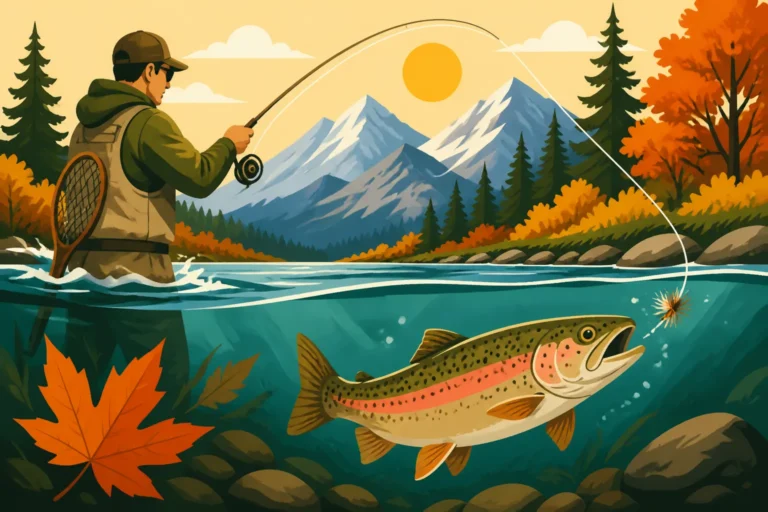
Fall (September – October): Many consider fall to be the absolute prime time for trophy trout on the Crowsnest. As temperatures cool, the fish become incredibly active, feeding aggressively in preparation for winter. Brown trout, in particular, begin their spawning rituals, becoming more visible and often more aggressive towards streamers. Dry fly fishing can still be excellent, especially during late-season hatches like blue-winged olives, but nymphing and streamer fishing are often the most productive methods. The river usually has stable flows and excellent clarity, and the cooler air temperatures make for comfortable wading. The vibrant autumn colours in the Crowsnest Pass are just an added bonus, making for a truly memorable angling experience.
Winter (November – March): Don't dismiss winter fishing on the Crowsnest! While challenging, it can offer incredible rewards, particularly for dedicated nymph and streamer anglers. The river often remains open and largely ice-free, though slush can be an issue during extreme cold snaps. Fish become concentrated in deeper, slower pools and runs, conserving energy. Their feeding windows are shorter, and their takes are often incredibly subtle, making detection difficult. Small nymphs, midge patterns, and slowly retrieved streamers are the go-to choices. Warm clothing, a good thermos of coffee, and short, focused fishing sessions are key to success. Always prioritize safety when fishing in winter, especially regarding ice formations along the banks. Remember to review Alberta Fishing Season Dates by Zone to ensure you're fishing legally and responsibly.
Essential Gear for Crowsnest River Trout Fishing
Approaching a technical river like the Crowsnest requires not just skill but also the right tools for the job. Having appropriate gear can make the difference between a frustrating day and a fantastic one.
Rod, Reel, and Line Selection
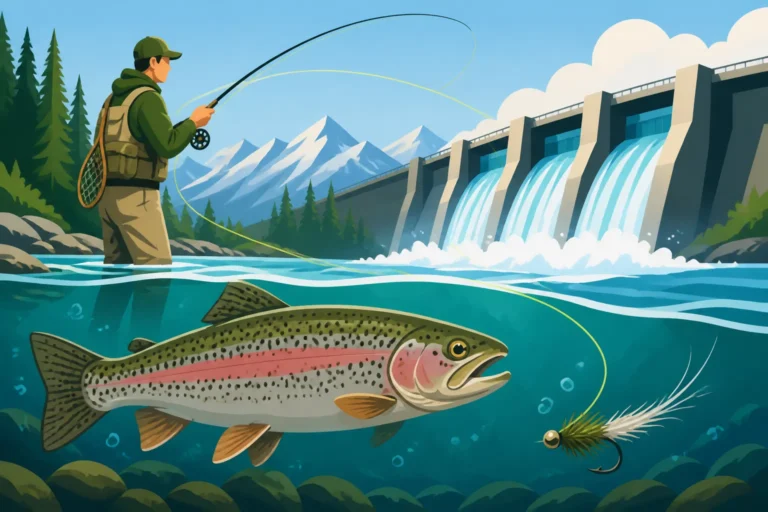
For most Crowsnest River trout fishing, especially with flies, a 9-foot, 5-weight fly rod is considered the versatile workhorse. This length and weight offer the perfect balance for casting a variety of fly sizes, from small dry flies to heavier nymph rigs and moderate streamers, while still providing enough backbone to handle larger trout and fight the river's currents. Many anglers prefer a slightly longer 9'6" or 10-foot 5-weight for enhanced line control when nymphing, especially for techniques like Euro nymphing. If you're specifically targeting larger brown trout with big streamers, stepping up to a 6 or even 7-weight rod will give you more casting power and fish-fighting ability. For lighter dry fly presentations on calmer days, a 4-weight can be a joy to cast.
Matching your reel to your rod is crucial for balance and comfort during long days on the water. A quality large-arbor reel with a smooth drag system is ideal, allowing for quick line retrieval and providing sufficient stopping power for strong runs. Ensure your reel is spooled with a good quality weight-forward floating fly line that matches your rod's weight. For specialized nymphing, a dedicated nymphing line (often thinner and with a level-tapered tip) or a shorter, lighter fly line can be advantageous. Your leader and tippet selection are equally vital. A 9-foot tapered leader ending in 4X or 5X tippet is a good starting point for general fishing. For very spooky fish in clear water or when fishing tiny dries, you might drop down to 6X or 7X. Conversely, when fishing heavier nymphs or streamers, bumping up to 3X or even 2X tippet will provide more strength and abrasion resistance. Many anglers will stock up on a variety of tippet sizes from trusted brands like Scientific Anglers or Rio, which can be easily purchased through retailers on platforms like Amazon.
For spin anglers, a medium-light to medium action spinning rod, typically 6'6" to 7'6" in length, paired with a 2000- or 2500-series spinning reel, is a solid choice. This setup allows for casting lighter lures and baits while still offering good sensitivity and the power to handle decent-sized trout. Spool your reel with 6-8 pound test monofilament or fluorocarbon line, or a braided line with a fluorocarbon leader for increased sensitivity and casting distance. Remember, while spin fishing is permitted, artificial lures and flies are often mandated in many areas, so always check the Alberta Fishing Regulations Explained before you go.
Wading Gear and Safety
Wading the Crowsnest River demands good gear and a strong emphasis on safety. The riverbed is often uneven, slick with algae, and consists of various sized rocks and boulders, making slips and falls a real possibility.
Waders: Breathable chest waders are essential for year-round comfort and safety. Neoprene waders can be a good choice for colder shoulder seasons or winter, offering superior insulation. Look for waders with reinforced knees and seat for durability. Brands like Simms, Orvis, and Redington offer excellent options for various budgets. Pairing these with quality wading boots is paramount.
Wading Boots: Your boots should provide excellent ankle support and outstanding grip. Felt soles were once the standard for slippery riverbeds, but many fisheries now restrict them due to concerns about invasive species transfer. Rubber soles with aggressive treads, often combined with tungsten carbide studs, are a safer and more environmentally conscious choice. These studded rubber soles offer incredible traction on slimy rocks and submerged debris. When wading, a sturdy Best Wading Staff for Fast Current is an absolute non-negotiable safety item. It acts as a third point of contact, helping you maintain balance in strong currents and probe the riverbed for unseen drops or slippery spots. You can find excellent wading boots and staffs from various outdoor retailers, and a quick search on Amazon will show you many highly-rated options.
Other Safety Gear: Always wear a PFD (personal flotation device) if you're wading in deep or fast water, especially if you're unfamiliar with the section. It's also wise to carry a small first-aid kit, a whistle, and to let someone know your float plan or where you intend to fish. Hypothermia is a real risk in colder months, so dress in layers of moisture-wicking materials and carry extra dry clothes in a dry bag. Even in summer, river temperatures are cold, and a fall can quickly turn serious. Check out our guide on Wading Techniques for Alberta Trout Rivers for more in-depth safety tips.
Fly Patterns and Lure Choices
The Crowsnest River has a rich insect population, but fish can be selective. Carrying a diverse fly box is crucial.
Nymphs: These are often the most productive flies on the Crowsnest, as trout spend most of their time feeding subsurface. Essential patterns include:
- Stonefly Nymphs: Prince Nymph, Pat's Rubber Leg, 20 Incher Stone. These imitate large aquatic insects and are effective year-round, especially after runoff.
- Mayfly Nymphs: Pheasant Tail, Hare's Ear, Lightning Bug, Barr's Emerger. These cover a wide range of mayfly species and sizes.
- Caddis Nymphs: Caddis Larva (green, tan), Peasant Caddis. Caddis are abundant and their larval forms are a staple food source.
- Midge Nymphs: Zebra Midge, Blood Midge. Crucial for winter and early spring when midges are often the only insects active.
- Attractor Nymphs: Copper John, Rainbow Warrior. These patterns aren't always exact imitations but are designed to grab a fish's attention.
Dry Flies: While nymphing often dominates, Crowsnest trout do rise, and when they do, it can be spectacular.
- Mayfly Dries: Parachute Adams, Blue-Winged Olive (BWO), Pale Morning Dun (PMD). Essential for matching specific hatches.
- Caddis Dries: Elk Hair Caddis, X-Caddis. Great searching patterns and effective during caddis emergences.
- Stonefly Dries: Stimulator, Chubby Chernobyl. Good for large stonefly hatches and as a high-floating indicator for a dropper nymph.
- Terrestrials: Hopper patterns (Dave's Hopper, Morrish Hopper), Ant patterns, Beetle patterns. Highly effective in summer and early fall, especially on windy days that blow insects into the water. For more inspiration, you might look into Fly Patterns for the Bow River, as many are applicable here.
Streamers: For targeting larger, predatory trout (especially brown trout), streamers are incredibly effective.
- Articulated Streamers: Sculpin patterns (Muddler Minnow, Sculpzilla), flashy baitfish patterns (Sex Dungeon, Double Bunny). These imitate smaller fish, sculpins, and leeches.
- Woolly Buggers: In black, olive, or brown, these are always a reliable choice for all trout species.
Spin Fishing Lures: If you're using spinning gear, focus on artificial lures that imitate baitfish or insects.
- Spinners: Panther Martin, Mepps Aglia, Blue Fox Vibrax. Small sizes (1-3) in silver, gold, or copper.
- Spoons: Little Cleo, Krocodile. Again, smaller sizes and natural colors.
- Small Jerkbaits/Minnow Plugs: Rapala Countdown, Rebel Minnow. Effective for imitating small baitfish in deeper pools.
- Jigs: Small marabou or rubber-legged jigs can be deadly when fished under a float or bounced along the bottom. Always check regulations for bait restrictions; often only artificial lures with single, barbless hooks are permitted.
Masterful Techniques for Crowsnest River Trout
The Crowsnest is a technical river, and success often comes down to employing the right technique for the conditions and the specific water you're fishing. Being versatile and adaptable will serve you well.
Nymphing Strategies
Nymphing is arguably the most consistent and productive method for trout on the Crowsnest River, as trout feed primarily subsurface. However, it's not a one-size-fits-all approach; different nymphing styles excel in varying conditions.
Indicator Nymphing: This is the most common and often easiest nymphing technique to learn. It involves suspending one or two nymphs under a strike indicator (a fancy bobber, essentially). The indicator helps you detect subtle takes and keeps your flies at a consistent depth. The key here is achieving a "dead drift" – allowing your flies to float naturally at the speed of the current, without drag. This requires careful mending of your fly line upstream of your indicator to counteract currents pulling on your line. You'll want to target current seams, the heads and tails of pools, and anywhere the current slows or changes, as these are natural feeding lanes. Adjust your indicator depth to place your flies close to the bottom where trout feed. A general rule of thumb is 1.5 times the depth of the water you're fishing.
Euro Nymphing (Tight-Line Nymphing): This highly effective technique, also known as French, Czech, or Polish nymphing, minimizes the use of a traditional strike indicator. Instead, a specialized leader and rod setup allow you to maintain direct contact with your flies, feeling for subtle takes. You keep your rod tip high, keeping most of your fly line off the water, and drift your weighted nymphs through likely holding water. The advantage is unparalleled sensitivity and precise depth control, allowing you to detect strikes that an indicator might miss, especially in complex currents. It's particularly effective in faster, broken water, pocket water, and deep slots. While it has a steeper learning curve, mastering Euro nymphing can dramatically increase your catch rate on the Crowsnest.
Suspension Nymphing: A less common but effective method for very cautious fish or in slower, deeper pools. This involves using a very buoyant dry fly as your "indicator," suspending a single nymph below it. The dry fly also serves as an attractor and can itself entice a strike. This method allows for a delicate presentation and is great for targeting trout that are looking up but occasionally feeding on nymphs. The length of the dropper leader is critical; experiment to get your nymph into the feeding zone without hindering the dry fly's drift.
Dry Fly Tactics
There's nothing quite like the thrill of a trout rising to a dry fly, and the Crowsnest offers plenty of opportunities for this exhilarating method, especially during hatches.
Reading the Water and Hatch Matching: Success with dry flies hinges on being in the right place at the right time. Watch for rising fish and observe what insects are present on the water. Are they small, dark mayflies (like BWOs) or larger, fluttering caddis? Try to "match the hatch" with a fly of similar size, shape, and color. If fish are rising subtly, they might be taking emergers just below the surface film, so a cripple or emerger pattern fished shallow can be deadly. If no specific hatch is apparent, a general attractor pattern like a Parachute Adams or an Elk Hair Caddis can often entice a strike.
Presentation is Key: Trout in clear, pressured rivers like the Crowsnest are incredibly sensitive to drag. Your fly must float naturally with the current, as if it were a real insect. This means making accurate casts upstream of the rising fish, often with a slack-line cast (like a reach cast or puddle cast) to build in slack that delays drag. Minimizing false casts and making a gentle, precise landing of your fly will also increase your chances. Target current seams, eddy lines, and the calm water behind boulders where trout often position themselves to feed on drifting insects. Remember, trout often have a preferred "feeding lane," so a subtle adjustment of your cast can make all the difference.
Streamer Fishing for Bigger Trout
If you're after the Crowsnest's largest residents, particularly brown trout, streamer fishing is a highly effective, albeit more physically demanding, technique. This method involves imitating larger baitfish, sculpins, or leeches.
Reading the Water for Streamers: Streamer fishing is less about matching tiny insects and more about triggering a predatory instinct. Focus on deeper pools, cutbanks, logjams, and heavy structure where larger trout hide and ambush prey. Also, target the transition zones between fast and slow water, where baitfish might be pushed around. After a significant rain, when the water might be slightly off-color, streamers can be especially productive as fish are less wary and visibility is reduced.
Retrieval Techniques: The way you strip your streamer back is crucial. Experiment with varying retrieve speeds and pauses. A common technique is to cast across and slightly downstream, letting the streamer swing through the current, then stripping it back in short, erratic jerks. Or, cast directly upstream and strip it back against the current, mimicking an injured baitfish. Sometimes a slow, steady retrieve is best; other times, aggressive, fast strips are required to elicit a chase. Often, the strike will come on the pause, so be ready. Use a strip-set rather than a traditional rod-lift set to ensure a solid hookup.
Spin Fishing Approaches
While fly fishing is often highlighted on the Crowsnest, spin fishing can be equally effective if done thoughtfully and with respect for the river and its fish. The key is using artificial lures and employing techniques that mimic natural prey.
Casting and Retrieving: Small spinners and spoons are excellent choices for covering water and eliciting strikes. Cast them upstream or across current and retrieve just fast enough to get the blade spinning, allowing the lure to tumble naturally with the current. Pay attention to how the lure moves; you want it to look like a struggling baitfish, not a propeller. Vary your retrieve speed and add pauses or twitches. Small minnow plugs or jerkbaits can be cast across pools and retrieved with a stop-and-go motion, allowing them to suspend briefly, which often triggers a strike from a wary trout.
Jigging and Drifting: Small jigs can be incredibly effective when drifted under a float (bobber) or bounced along the bottom. For drifting under a float, rig your jig so it suspends just off the bottom in feeding lanes. Watch your float intently for any hesitation or dip, indicating a bite. For bouncing along the bottom, cast upstream and allow the jig to sink, then lift and drop your rod tip to make the jig "hop" along the riverbed. This mimics insects or crayfish. Always ensure your hooks are barbless if regulations require it, and handle fish minimally for safe release. Remember, the Crowsnest River fishing experience is greatly enhanced by knowing and following all local guidelines, which you can easily access via the Alberta Sportfishing Regulations App and Zone Lookup, Explained.
Navigating the River: Access Points and Etiquette
The Crowsnest River benefits from several public access points, making it relatively easy to get to the water. However, understanding where to go and how to behave respectfully is vital for both your experience and the health of the fishery.
Key Access Points and Public Lands
The Crowsnest Pass area offers numerous spots to jump on the river. Many sections run adjacent to highways (Highway 3 and secondary roads), providing convenient access.
Upper River (West of Coleman): As you head west from Coleman towards Crowsnest Lake and the Continental Divide, access becomes more interspersed with private land and can require some hiking. Look for bridge crossings and designated public land access points. Beaver Mines Road, connecting to the southern part of the river, also offers several spots. This area is often quieter and offers more solitude, but be prepared for bushwhacking to reach prime spots. The river here is smaller and faster, often requiring more careful wading.
Middle River (Coleman to Lundbreck Falls): This is arguably the most popular stretch of the Crowsnest. Within the towns of Coleman, Blairmore, Frank, and Bellevue, there are numerous bridge crossings and public easements that allow access. For instance, in Frank, the river runs right through town, with easily accessible banks and park areas. Just east of Frank, the Frank Slide Interpretive Centre offers unique views and nearby river access points. Further east, as you approach Lundbreck, the river widens, and there are specific parking areas and trails leading to the river below Lundbreck Falls. The falls themselves present a natural barrier, and the section immediately downstream is very popular. Be aware of private property and respect "No Trespassing" signs. Using tools like Google Maps and aerial photos can help you scout potential access points before you even leave home.
Lower River (East of Lundbreck Falls): Beyond Lundbreck Falls, the Crowsnest River flows into a more agricultural landscape before meeting the Oldman River. Access in this section can be more challenging, often involving navigating private land. Look for public road allowances or bridges that cross the river. It's always best to seek permission from landowners if you're unsure about access. While still holding trout, this section also sees other fish species due to the changing river characteristics. Always confirm the specific regulations for the particular section you intend to fish, as different zones can have distinct rules.
Conservation and Catch & Release Best Practices
The Crowsnest River is a truly special fishery, but its health depends heavily on responsible angling practices. Conservation is not just a nice idea; it's a necessity to ensure these wild trout populations thrive for generations to come.
Barbless Hooks are Essential: In many sections of the Crowsnest River, barbless hooks are mandatory, and even where they aren't, they should be your default. Barbless hooks minimize tissue damage, allow for quicker unhooking, and greatly increase a fish's survival rate. You can easily pinch down the barbs on most hooks with a pair of pliers. This is a simple step with a huge positive impact. Many popular fly shops and online retailers like Amazon sell flies and lures pre-rigged with barbless hooks, making it easier than ever to comply.
Minimal Handling and Quick Release: When you catch a fish, try to keep it in the water as much as possible. If you need to net it, use a rubberized or knotless mesh net, which is much gentler on fish scales and slime coat than traditional knotted nets. Wet your hands before handling a fish to avoid removing their protective slime. Hold the fish gently, supporting its belly, and avoid squeezing it, especially around the gills or internal organs. Remove the hook quickly using forceps or pliers. If a fish is exhausted, hold it gently facing upstream in the current until it regains its strength and swims away on its own. Never "pump" a fish back and forth, as this can force water over its gills in the wrong direction and harm it.
Respect the Habitat: Stay on existing trails, avoid trampling riparian vegetation, and pack out everything you pack in (and maybe a little extra trash if you see it). Avoid disturbing spawning beds (redds) which appear as clean, gravelly depressions in the riverbed, often visible in fall. Educate yourself on Alberta Fishing Regulations Explained to understand size limits, bait restrictions, and any special harvest licenses. Remember, we are guests in nature, and our actions directly impact the future of this incredible fishery.
Seasonal Fishing Strategies on the Crowsnest
Tailoring your approach to the season is paramount for success on the Crowsnest River. What works in July might utterly fail in November. Let's break down the optimal strategies for each time of year.
Spring Fling: Runoff, Early Season Opportunities
Spring on the Crowsnest is a dynamic period, often starting with hungry fish before the river swells with snowmelt.
Early Spring (April – Early May): Before the main runoff hits, typically in April, the river can offer some fantastic opportunities. Water temperatures are still quite cold, so fish are often concentrated in deeper pools and slower runs. Nymphing with heavier stonefly patterns (like a Pat's Rubber Leg) and larger attractor nymphs (such as a Copper John) is often highly effective. Fish are less likely to chase flies aggressively, so a slow, deep drift is usually best. Don't be afraid to add a little weight (split shot) to get your flies down quickly. Streamer fishing can also be productive during this time, especially for brown trout that are beginning to shake off their winter lethargy. Look for the first signs of caddis activity or early black stoneflies. This is also a good time to double-check your Alberta Fishing License Guide for 2026 and ensure your WIN card is up to date for the new season.
Runoff Period (Late May – Mid-June): This is often the most challenging period. The river can turn into a raging, muddy torrent, making fishing difficult or impossible. However, opportunities can still exist. Look for short windows where the river might drop and clear slightly between peaks of snowmelt. During these times, focus on the edges of the river, in slower eddies, or in the very slowest sections of pools where fish can find refuge from the main current. Large, dark stonefly nymphs, worm patterns (like a San Juan Worm), or even large, dark streamers can sometimes get a reaction in off-color water. Often, the best strategy during peak runoff is to explore smaller, clearer tributaries if regulations allow, or simply take a break and wait for the river to drop and clear.
Summer Solstice: Hatches, Low Water Challenges
Summer typically brings more stable, lower flows, consistent hatches, and generally active trout. However, it can also bring heat-related challenges.
Prime Summer (July – August): Once runoff completely subsides, usually by early July, the Crowsnest truly shines. Hatches of caddis, various mayflies (like Pale Morning Duns and later, Blue-Winged Olives), and stoneflies become more consistent. This is prime dry fly season! Be on the lookout for rising fish, and if you see them, try to match the hatch. Even if fish aren't visibly rising, searching with larger dry flies like a Stimulator or an Elk Hair Caddis, often with a nymph dropper, can be very effective. Terrestrial patterns – hoppers, ants, beetles – become deadly as summer progresses, especially on windy days that blow these insects onto the water. Nymphing remains highly productive, with smaller, more imitative patterns often being key.
Heat and Low Water Considerations: During prolonged hot spells in late July and August, water levels can drop and temperatures can rise. This stresses trout, making them sluggish and vulnerable. It's crucial to monitor water temperatures. If the water temperature exceeds 18-20°C (64-68°F), consider calling it a day or focusing your efforts on the earliest morning hours or late evenings when temperatures are cooler. Landing an exhausted fish in warm water significantly reduces its chances of survival. Prioritize the fish's well-being over catching one more. Sometimes, the most responsible thing to do is simply not fish.
Autumn's Bounty: Fall Spawn, Active Fish
Fall is a celebrated season on the Crowsnest, offering some of the year's best fishing conditions.
Cooling Temperatures and Aggressive Feeders (September – October): As air and water temperatures cool, trout become incredibly active and aggressive, feeding heavily to build up fat reserves for winter. This is a fantastic time for nymphing, often with larger stonefly and attractor patterns, as fish are less selective. Dry fly fishing can still be excellent, particularly with late-season Blue-Winged Olive hatches on overcast days. However, fall is particularly renowned for streamer fishing, especially for the river's large brown trout. These fish become territorial and aggressive as their spawning season approaches, making them more likely to chase a well-presented streamer. Focus on deeper pools, cutbanks, and areas with structure.
Brown Trout Spawn: In late fall, typically October into November, brown trout begin their spawning rituals. While it can be tempting to target these large, visible fish, it's ethically important to avoid disturbing them on their redds. Spawning fish are highly vulnerable, and disrupting their reproduction can have significant negative impacts on future generations. Give them their space and focus your efforts on other areas of the river or on other species that are not currently spawning.
Winter Wonders: Cold Weather Opportunities
Don't hang up your waders when the snow flies! Winter on the Crowsnest offers a unique and often rewarding angling experience for the patient and well-prepared.
Concentrated Fish and Subtle Takes (November – March): The Crowsnest often remains open and largely ice-free throughout the winter, providing access when many other waters are frozen solid. Fish become concentrated in the deepest, slowest pools and runs, conserving energy. Their metabolism slows, and their feeding windows are short, requiring precise presentations. The key here is tiny nymphs, often midge patterns (Zebra Midges, Blood Midges), fished on light tippet (6X-7X) with long leaders to achieve a subtle, dead drift. Small worm patterns can also be effective.
Patience and Stealth: Takes in winter are incredibly subtle – sometimes just a slight hesitation or twitch of your indicator. Focus intently on your drift and strike at anything that looks out of place. Streamer fishing can still produce large trout on warmer winter days, especially with slow, deep retrieves. However, be prepared for long stretches of no action punctuated by intense, but brief, feeding periods. Warm, layered clothing, a good hat, gloves, and a thermos of hot coffee are essential. Always prioritize safety in winter conditions, being mindful of slippery banks and potential ice shelves.
| Trout Species | Preferred Habitat | Best Seasons | Key Fly/Lure Types |
|---|---|---|---|
| Rainbow Trout | Riffles, current seams, heads/tails of pools | Spring, Summer, Fall | Nymphs (stoneflies, mayflies, caddis), Dry Flies, Small Streamers, Spinners, Small Plugs |
| Brown Trout | Deep pools, cutbanks, submerged structure, slower runs | Fall (Trophy), Spring, Summer | Streamers (sculpins, baitfish), Large Nymphs, Terrestrials, Jerkbaits, Spoons |
| Cutthroat Trout | Cold, clear upper river, pocket water, small tributaries | Summer, Early Fall | Dry Flies (attractors, mayflies), Small Nymphs, Terrestrials |
| Bull Trout | Cold, deep pools, logjams, upper river (strictly C&R) | Year-round (encounter based) | Large Streamers, Large Nymphs |
Disclaimer
The information provided in this guide is for general informational purposes only and is not intended as legal advice. Fishing regulations in Alberta can change frequently. It is the responsibility of every angler to consult the most current Alberta Guide to Sportfishing Regulations before heading out on the water. This guide can be accessed through the MyWildAlberta website or by downloading the official AlbertaRELM app. Always prioritize safety, practice ethical angling, and respect private property.