Alberta Fishing Seasons by Zone and Month
There are few things more frustrating for an angler than gearing up for a fantastic day on the water, only to realize the season for your target species is closed, or you’re in a special regulation zone you weren’t aware of. Alberta’s fishing regulations can feel like a labyrinth, with seasons shifting by species, water body, and even specific sections of a river. This comprehensive guide is here to untangle that complexity, meticulously breaking down Alberta's fishing seasons by zone and month, ensuring you spend less time scratching your head and more time with a line in the water.
Understanding Alberta's Fishing Management Zones
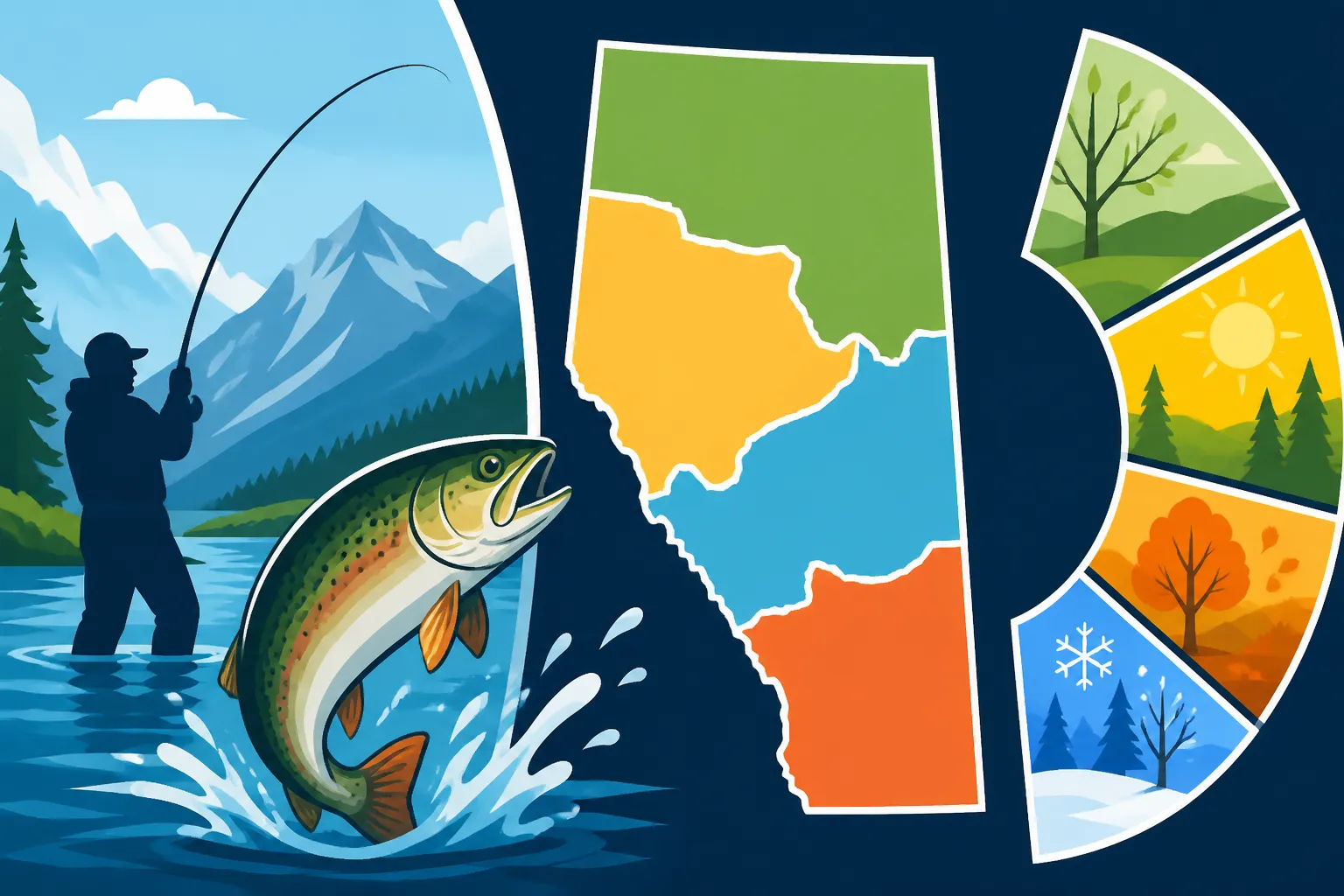
Alberta is a vast province, stretching from the prairies in the south and east, through the foothills and Rocky Mountains, and up into the boreal forests of the north. It only makes sense that the fisheries across such diverse landscapes would require different management strategies. This is precisely why Alberta is divided into various fishing management zones, each with its own set of rules and season dates designed to protect and sustain local fish populations.
Why Zones Are Necessary
Imagine trying to apply the same fishing pressure and regulations to a tiny, high-alpine lake that you would to the massive expanse of Lesser Slave Lake, or a slow-moving prairie river versus the roaring Bow River. It simply wouldn't work. Alberta's zones are meticulously drawn based on ecological factors like water temperature, fish species distribution, spawning habits, and overall fishing pressure. These zones allow fisheries managers to implement targeted conservation efforts, ensuring that vulnerable populations receive the protection they need while allowing sustainable angling opportunities where fish stocks are healthy. Without this zoned approach, we'd either see widespread overfishing in popular areas or unnecessary restrictions in less-pressured waters, neither of which benefits the angling community or the fish themselves.
Identifying Your Fishing Zone
Before you even think about packing your tackle box, you absolutely need to know which zone your chosen fishing spot falls into. This isn't just a suggestion; it's the foundation of legal and responsible angling in Alberta. The official "Alberta Guide to Sportfishing Regulations" provides detailed maps outlining these zones. You'll typically find large, overarching zones like the Eastern Slopes (broken down further into ES1, ES2, ES3, ES4), Prairie, Central, Northern Boreal, and Southern Boreal zones. Within these larger areas, specific lakes and rivers often have their own site-specific regulations that can override or add to the general zone rules. It’s crucial to look beyond just the general zone and pinpoint the exact water body you plan to fish. You might even find copies of the official guide or zone maps on Amazon if you prefer a physical copy delivered to your door for easy reference.
The Impact of Zones on Seasons
The most significant way these zones impact your fishing plans is directly through season dates. A lake trout season that's wide open in a Northern Boreal zone lake might be completely closed, or strictly catch-and-release, in an Eastern Slopes zone. Similarly, the opening date for trout streams in the mountains, particularly the upper reaches, is often much later than the opening for stocked ponds in the Central or Prairie zones due to snowmelt and runoff. This means you can't just assume that because you can fish for pike in one part of the province, you can fish for them anywhere else at the same time. Every zone, and often every major water body within it, needs to be checked individually for its specific open and closed dates, which is a key part of understanding Alberta Zone-Specific Season Dates, Explained. Failing to do so can quickly turn a fun day into a costly encounter with a Fish and Wildlife officer.
Decoding Alberta's Season Statuses
Beyond just knowing when a season is open, it's equally important to understand how you can fish during that season. Alberta's regulations use several key terms to describe the status of a fishery, and each carries significant implications for what you can and cannot do. Misinterpreting these can lead to fines, so let's break them down.
Open, Closed, and Catch & Release
-
Open Season: This is what every angler dreams of! An "open" season typically means you can fish for a specific species within a certain water body or zone, and generally, you can keep fish up to the specified bag limit, assuming all other regulations (like size limits, bait restrictions) are met. However, "open" doesn't always mean "anything goes." You still need to refer to the specific lake or river's details in the regulations to confirm bag limits and any special conditions. It's the standard, but it's never the only rule to consider.
-
Closed Season: When a species or water body is "closed," it means you cannot legally fish for that species, or fish at all within that water body, during the specified period. Closures are often implemented to protect fish during critical life stages, such as spawning, or to allow recovering populations to rebuild. For instance, many rivers and lakes close to fishing during the spring walleye spawn. Accidentally catching a species during a closed season, even if you intend to release it, can still be a violation, making species identification skills crucial. If you're targeting another species and accidentally hook one that's currently closed, you must release it immediately and with minimal harm.
-
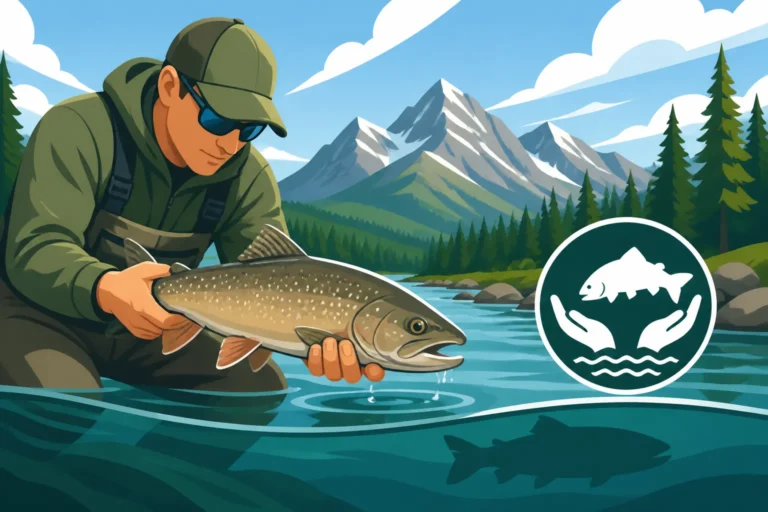
Catch & Release: This designation is becoming increasingly common, especially for sensitive species or highly pressured fisheries. A "catch & release" season means you can legally fish for the specified species, but all fish caught must be immediately and safely returned to the water. Keeping even a single fish is strictly prohibited. This rule often applies to trophy sections of rivers like the Bow for its world-class trout, or to specific populations that require careful management. Understanding Alberta Catch and Release Only Waters is vital, as these often have barbless hook requirements or other specific rules to maximize fish survival.
Zero Possession and Bait Bans
-
Zero Possession: This regulation takes "catch & release" a step further for critically imperiled or protected species. With a "zero possession" rule, it's not just about releasing the fish you catch; it means you cannot possess that species at all, regardless of where or when it was caught. The most notable example in Alberta is the Alberta Bull Trout Zero Possession Rule. Even if you caught a bull trout accidentally in a zone where it was technically "open" for catch and release, you cannot keep it or transport it. If you accidentally catch one, you must release it unharmed immediately. The intent here is to prevent any harvest whatsoever and to emphasize the species' fragile status.
-
Bait Bans: While not directly a season status, bait bans often go hand-in-hand with specific seasons or water bodies to protect fish. A bait ban means you cannot use certain types of bait, typically natural baits like minnows, worms, or roe. Instead, you're restricted to artificial lures and flies. These bans are usually implemented to reduce incidental mortality of released fish (as fish are more likely to swallow natural bait deeply) or to prevent the introduction of invasive species or diseases that can hitchhike on live bait. Always check the regulations for your specific water body, as a bait ban can vary even within the same zone.
Special Harvest Licences and Draws
In an effort to manage pressure on certain recovering or sensitive fish populations, Alberta Environment and Protected Areas (AEPA) sometimes implements special harvest licence programs. The most prominent example is the Alberta Walleye Special Harvest Licence Program. This isn't like your general fishing licence; it's a separate, often lottery-based draw that allows a limited number of anglers to harvest a specific number of walleye (or other species) from designated lakes.
Participating in these draws requires applying well in advance, and if successful, you'll receive a tag that must be affixed to any fish you keep. These programs are a testament to successful conservation efforts but also highlight the need for careful management. If you plan to target species that might fall under such a program, you need to be aware of the draw dates, application processes, and specific regulations that come with these special licences. They are designed to allow a sustainable harvest while continuing to rebuild populations.
Spring Fishing Opportunities by Zone
Spring in Alberta is a season of transition, marked by melting snow, rising river levels, and the cautious awakening of fish from their winter slumber. For anglers, it means looking forward to open water and the chance to cast a line after months of ice. However, "spring" doesn't mean the same thing across all zones, and many waters remain closed or restricted during the early part of the season.
Early Season Trout Openers
For many, spring fishing in Alberta means trout. The good news is that numerous small, stocked ponds and some designated "stocked trout lakes" in the Central, Prairie, and even parts of the Eastern Slopes zones open quite early, often in April or early May. These waters are typically stocked with rainbow trout and provide fantastic opportunities for families and beginners. The regulations will specify exact dates, but these are generally the first opportunities to fish for trout in open water.
Moving into larger rivers, especially the famous Bow River near Calgary, trout fishing can actually be year-round in many sections, though specific regulations for different sections might exist. However, true "openers" for many other trout streams, especially those in the foothills and mountains, happen much later. The mountain snowmelt, often referred to as "runoff," causes rivers to swell, become muddy, and make fishing difficult, if not impossible, for several weeks in late May and June. Thus, many mountain streams and lakes have season opening dates delayed until June 15th or even July 1st to allow fish to spawn and the water to clear. Always check the Alberta Trout Season Opener Dates by Zone to avoid disappointment and ensure you're fishing legally.
Pre-Spawn Pike and Walleye
While many walleye and pike fisheries close during their spring spawning periods, there are often brief windows in certain lakes and zones where you can target these species just before they head to their spawning grounds. These pre-spawn periods can offer some of the most aggressive fishing of the year as fish feed heavily to prepare for the rigors of reproduction. However, these opportunities are fleeting and highly dependent on water temperature and ice-out timing.
For instance, in some prairie lakes, pike might become active shortly after ice-out in April before any potential closure. Walleye can be trickier, with many lakes implementing closures from mid-March or early April through late May or even into June to protect them during their vulnerable spawning phase. It's crucial to consult the Alberta Walleye Limit by Zone and Alberta Northern Pike Limit regulations for the specific lake you're interested in, as these species are heavily managed, and regulations vary wildly. Fishing during or near a spawn period, even if technically "open" for a brief window, requires extra care to release fish safely and minimize stress.
Mountain and Foothills Rivers
The beauty of Alberta's mountain and foothills rivers in spring is undeniable, but their fishable season is often delayed. As mentioned, snowmelt runoff typically dictates when these waters become accessible and safe for fishing. Rivers like the Oldman, Crowsnest, and parts of the Highwood will experience high, turbid water from late May through mid-June, making fishing unproductive or dangerous.
Therefore, many sections of these rivers are either closed or effectively unfishable until the water levels drop and clarity improves, usually towards late June or early July. Anglers often spend their early spring days on stocked ponds or lower-elevation rivers before the mountain streams are ready. It's a rite of passage for many Western Alberta anglers to eagerly await the "green light" for their favorite mountain trout streams, but patience is definitely a virtue in these areas.
Summer's Peak Fishing Seasons
Summer is prime time for fishing across Alberta, with most lakes and rivers fully open and a wide variety of species actively feeding. Longer daylight hours and generally stable weather make it an ideal season for anglers of all stripes. This is when the provincial landscape truly comes alive with fishing opportunities, but specific lake and river regulations still apply.
General Open Seasons Across Zones
From June through August, you'll find the widest array of open fishing seasons throughout Alberta. The Central, Prairie, and Northern Boreal zones, in particular, see extensive open seasons for popular species like walleye, northern pike, perch, and burbot. Many smaller stocked lakes are also at their peak, offering consistent action for rainbow trout. This is the period when most anglers hit the water, whether it's for a weekend camping trip with the family or a serious multi-day fishing adventure.
While the general rule is "open," it's absolutely vital to remember that daily bag limits, possession limits, and size restrictions are always in effect. For example, some lakes might have a "slot limit" for walleye, meaning you can only keep fish within a certain size range, while others might have a simple daily limit. Always have the current regulations handy, perhaps even using the Alberta Fishing Regulations App and Zone Lookup, Explained on your phone, to quickly verify the rules for your specific location.
Lake-Specific Regulations
Even within a broadly "open" summer season, many of Alberta's larger and more popular lakes have their own unique, site-specific regulations. These are often in place due to the particular ecological characteristics of the lake or the intensity of fishing pressure it receives. Cold Lake, for example, a renowned lake trout fishery, has very specific rules regarding bag limits and seasons for its lakers, which are distinct from other parts of its zone. Understanding the Alberta Lake Trout Limit on Cold Lake is paramount for anyone venturing there.
Similarly, Lesser Slave Lake, a walleye powerhouse, has its own nuances. While generally open in summer, the Alberta Walleye Limit by Zone for Lesser Slave might differ from other walleye lakes. These specific rules are clearly outlined in the official "Alberta Guide to Sportfishing Regulations" under the detailed lake listings. Ignoring them could lead to serious consequences, so it’s never enough to just know the general zone rules—drill down to the specific water body every time.
Warm Water Species Activity
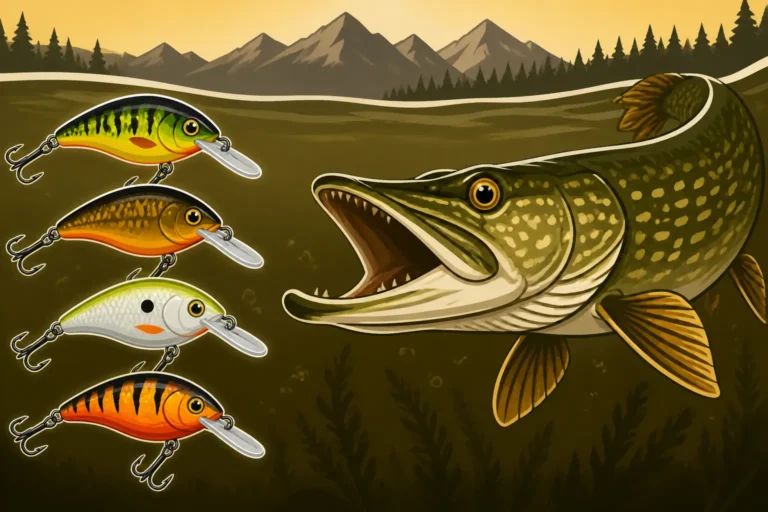
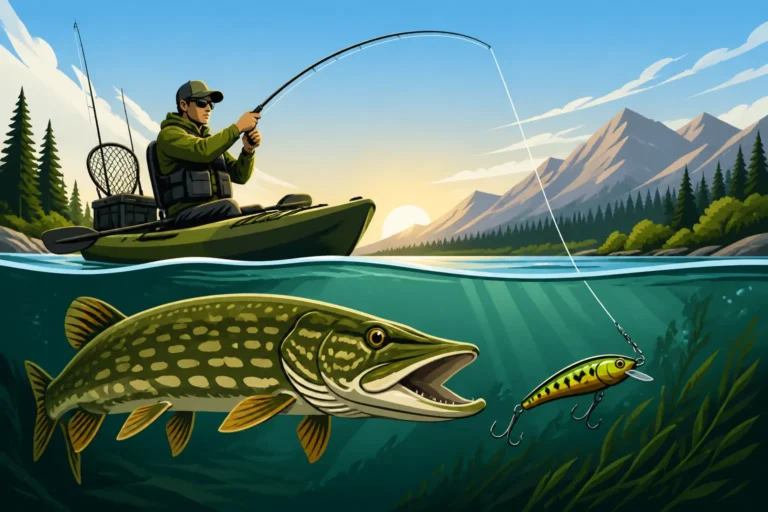
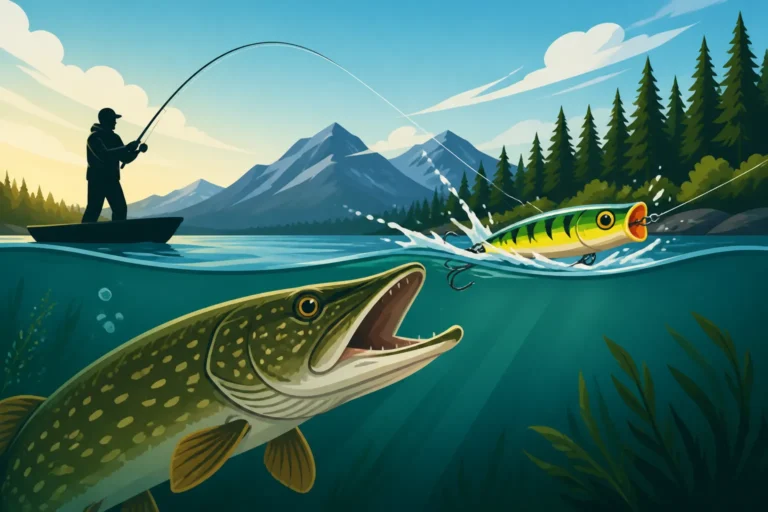
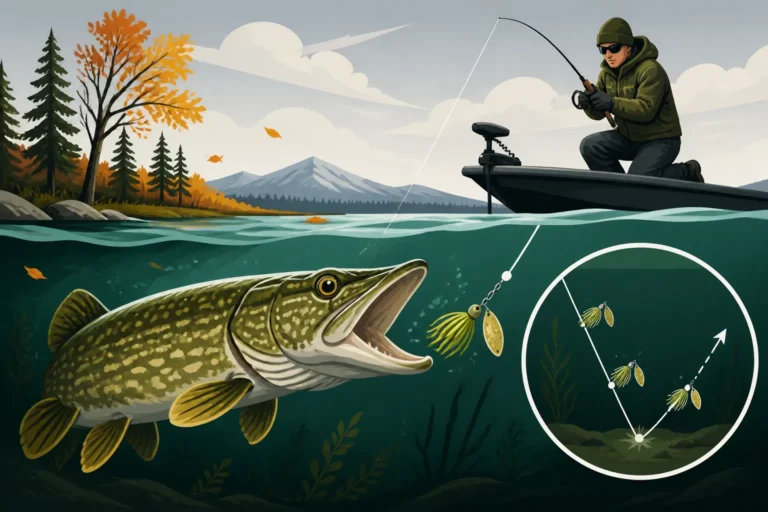
Summer is when warm-water species like northern pike, walleye, and yellow perch are at their most active and aggressive. As water temperatures rise, these fish often move into shallower, weedier areas or relate to specific structures, making them accessible to a variety of techniques. Pike are notorious for their explosive topwater strikes in the dog days of summer, while walleye can be found on humps, reefs, and along weed lines.
Yellow perch, a fantastic panfish, are also very active in summer, often schooling up in predictable locations, providing great fun for anglers of all ages. For those targeting burbot, while they are often thought of as a winter species, they can still be caught in deeper, cooler waters during the summer months. The abundance of these species during the summer makes it a truly rewarding time to explore Alberta's diverse fisheries. Just be mindful of ethical catch-and-release practices, especially during warmer water temperatures, as fish can be more stressed.
Fall Fishing and Winter Preparations
As the vibrant colours of autumn sweep across Alberta, the fishing landscape begins another significant transition. Water temperatures cool, fish patterns change, and anglers have a window of opportunity to pursue certain species before ice forms, while others prepare for the deep freeze.
Late Season Opportunities and Closures
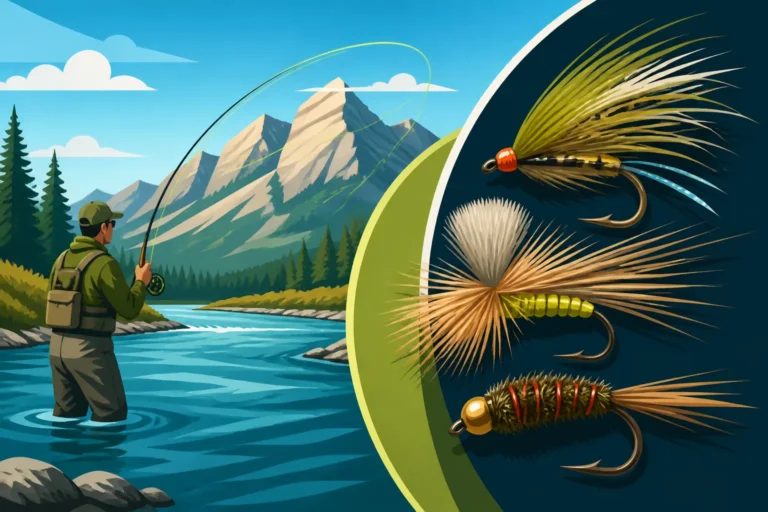
Fall offers some truly exceptional fishing, particularly for trout in rivers and for large pike and walleye in lakes as they feed aggressively before winter. The cooler water makes fish more active and often less lethargic than during the heat of summer. Rivers like the Bow River often see phenomenal dry fly fishing for trout in early fall, before colder temperatures push them to subsurface feeding. Many lakes remain open for pike and walleye well into October, sometimes even November, depending on ice formation.
However, fall also brings the start of some significant closures. Many mountain streams and even certain sections of the Bow River will close at the end of October or early November to protect spawning trout and their redds (nests). Some walleye fisheries might also close in late fall or early winter to protect their spawning aggregations or to reduce pressure during a vulnerable time. It's crucial to consult the Reading the Alberta Guide to Sportfishing Regulations for exact closing dates for your chosen water body, as missing these can easily lead to a violation.
Ice Fishing Season Onset
As soon as reliable ice forms, Alberta's passionate ice fishing community swings into action. While technically a winter activity, the onset of ice fishing often begins in late fall, typically November and December, in the northern and higher-elevation parts of the province. Lakes like Pigeon Lake, Gull Lake, and countless others become popular destinations for ice anglers targeting walleye, northern pike, perch, and even burbot.
The beauty of ice fishing is that many lakes that had complex open water regulations often simplify to a year-round open season with specific limits once the ice forms, though this is not universal. Early ice is often considered some of the best fishing, as fish are still quite active. Safety, of course, becomes paramount; never venture onto ice that isn't thick enough, and always be aware of changing conditions.
Targeting Cold-Water Species
Fall is an excellent time to target cold-water species, particularly lake trout and burbot. As the surface waters cool, lake trout move shallower, becoming more accessible to anglers casting spoons or minnow imitations, especially in lakes like Cold Lake. They are aggressive feeders in fall, bulking up for winter.
Burbot, often overlooked, become incredibly active in late fall and early winter. Often called "freshwater cod," these fish are prime targets for those willing to brave cooler temperatures. They feed heavily in preparation for their winter spawning period, making them relatively easy to locate and catch, especially as the ice fishing season gets underway. Understanding the Alberta Burbot Limit can help you plan your fall and early winter burbot expeditions.
Species-Specific Seasonal Considerations
While zones and general seasons provide a framework, the actual nitty-gritty of Alberta's fishing regulations often comes down to individual fish species. Each species has its own ecological needs, spawning patterns, and population vulnerabilities, which directly influence their specific season dates and bag limits.
Trout Species
Alberta is a renowned trout fishing destination, offering rainbow, brown, cutthroat, and bull trout. However, their regulations vary significantly:
-
Rainbow and Brown Trout: These species, both wild and stocked, often have the most extensive open seasons in designated trout waters. Rivers like the Bow are famous for their year-round opportunities (with catch-and-release rules in specific sections), while many stocked ponds open early in spring. Bag limits for rainbow and brown trout (where retention is allowed) can be generous in some stocked waters but very restrictive (e.g., one fish over 40 cm) or even catch-and-release-only in others, particularly on wild trout rivers.
-
Cutthroat Trout: Primarily found in the Eastern Slopes, especially in the headwaters, cutthroat trout are often managed under strict catch-and-release regulations or have very limited harvest opportunities due to their sensitive populations. These native fish require careful handling and often inhabit Alberta Catch and Release Only Waters.
-
Bull Trout: This native char is perhaps the most heavily protected game fish in Alberta. The province enforces a strict Alberta Bull Trout Zero Possession Rule across nearly all waters, meaning if you catch one, it must be immediately released unharmed. Anglers fishing in bull trout habitat must be acutely aware of this rule and take all precautions to identify and release them quickly. This rule underscores their status as a provincially threatened species.
Walleye and Northern Pike
These two highly sought-after species are abundant in Alberta's prairie and boreal lakes. Their seasons are often tied to their spawning periods, which occur in spring shortly after ice-out.
-
Walleye: Many popular walleye lakes will have a closed season during their spring spawn (typically March/April into May/June) to protect breeding fish. Once open, regulations can vary from catch-and-release, to specific bag limits (e.g., 3 walleye under 43 cm), to the aforementioned Alberta Walleye Special Harvest Licence Program. Understanding the Alberta Walleye Limit by Zone is crucial, as the bag and size limits can change dramatically from one lake to another, even within the same zone. Always consult the specific lake listing in the regulations.
-
Northern Pike: Pike typically have a shorter closed season, often only for a few weeks during their shallow-water spawn in late April or May. Once open, pike seasons are often quite long, extending through fall and into the ice fishing season. Bag limits, like walleye, are highly variable by lake and zone, but a common regulation is a daily limit of three pike, with often only one fish over a certain length (e.g., 63 cm). Again, always check the Alberta Northern Pike Limit for your specific destination.
Panfish and Whitefish
These species often provide more consistent and less regulated fishing opportunities, making them excellent targets for family outings and beginner anglers.
-
Yellow Perch: Yellow perch are found in many lakes across Alberta and are generally managed with more liberal bag limits. Their season is often year-round in many waters, and they are a staple of the ice fishing scene. The Alberta Yellow Perch Limit is typically quite generous (e.g., 15 per day), making them a fun species to target for a tasty meal. They are hardy and provide consistent action.
-
Burbot: As discussed, burbot become very active in late fall and winter. Their season is typically open for much of the year, with varying bag limits. They are popular for ice fishing, and their unique appearance and tasty flesh make them a rewarding catch. The Alberta Burbot Limit can range from 5 to 10 per day, depending on the zone and water body.
-
Whitefish (Lake and Mountain): Lake whitefish are found in many of Alberta's larger lakes and are also popular ice fishing targets, often having year-round open seasons with generous limits. Mountain whitefish are found in many of Alberta's cold-water rivers and are a fun target on light tackle or fly gear, often having specific seasons or catch-and-release regulations that align with trout seasons. They often have higher bag limits than trout, where retention is permitted.
Navigating the Official Regulations and Digital Tools
With all this talk of zones, species, and special rules, it's clear that the official Alberta fishing regulations are not something you can just glance at. They are your bible on the water, and knowing how to properly use them, both in print and digitally, is absolutely essential.
Reading the Alberta Guide to Sportfishing Regulations
The "Alberta Guide to Sportfishing Regulations" is published annually by Alberta Environment and Protected Areas. You can pick up a physical copy at most tackle shops, Canadian Tire stores, or directly from Fish and Wildlife offices. It's also available as a free PDF download from the MyWildAlberta website. This guide is segmented, making it easier to navigate once you understand its structure.
It typically starts with general regulations that apply province-wide, such as definitions, bait restrictions, and general possession limits. Following this, you'll find detailed sections for each fishing zone (Eastern Slopes, Prairie, Central, etc.), complete with maps. Crucially, within each zone section, there is an alphabetical listing of individual lakes, rivers, and streams. This is where you find the specific, site-based regulations that often override general zone rules. Always locate your exact water body in this alphabetical list. Pay close attention to dates (open/closed), bag limits, size restrictions (minimum, maximum, or slot), and any special conditions like bait bans or barbless hook requirements. This process is fully explained in Reading the Alberta Guide to Sportfishing Regulations.
Utilizing the MyWildAlberta App
In today's digital age, relying solely on a paper guide can sometimes be cumbersome, especially when you're already out on the water. Thankfully, Alberta has embraced technology with the MyWildAlberta app, which serves as an invaluable digital companion for anglers. This app allows you to easily look up regulations by specific water body or geographical location directly from your smartphone.
Imagine being on a new lake and quickly needing to confirm the walleye limit or if a certain river section is catch-and-release only. The app provides instant access to all current regulations, often including interactive maps that pinpoint your location and display the applicable rules. It's a game-changer for on-the-go fact-checking and vastly simplifies the process of staying legal and informed. If you haven't downloaded it yet, do yourself a favor; it's an essential tool for any Alberta angler, making Alberta Fishing Regulations App and Zone Lookup, Explained incredibly easy.
Staying Updated with Regulatory Changes
One of the most critical pieces of advice for any angler in Alberta is to never assume that last year's regulations are the same as this year's. Regulations are reviewed and updated annually, and sometimes even mid-season, to adapt to changing fish populations, environmental conditions, or conservation needs. What was open last year might be closed this year, or a bag limit could have changed.
Always ensure you are consulting the most current version of the "Alberta Guide to Sportfishing Regulations" for the specific year you are fishing. Check the MyWildAlberta website for updates before each fishing season, and even periodically during the season, especially if you plan to fish a lesser-known body of water. Ignorance of the rules is not an excuse in the eyes of the law, and staying updated is a fundamental responsibility of every ethical angler, starting with understanding the overall Alberta Fishing Regulations Explained. This due diligence, combined with obtaining your Alberta Fishing License Guide for 2026 and annual WIN card, forms the bedrock of responsible fishing in our beautiful province.
| Zone Category | Typical Open Season Window (General) | Primary Species Impacted | Key Considerations for Anglers |
|---|---|---|---|
| Eastern Slopes (ES1-ES4) | June 16 – October 31 | Trout (Rainbow, Brown, Cutthroat, Bull) | Later openings due to runoff, often catch & release, bull trout zero possession, barbless hooks. |
| Prairie Zone | May 8 – March 15 (following year) | Walleye, Pike, Perch, Burbot | Spring spawning closures for walleye/pike, varied bag/size limits by lake. |
| Central Zone | May 15 – March 31 (following year) | Walleye, Pike, Perch, Trout | Mixed opportunities, many stocked ponds open early, specific lake rules. |
| Northern Boreal Zone | May 15 – March 31 (following year) | Lake Trout, Walleye, Pike, Grayling, Burbot | Longer seasons, remote access, lake trout season specific rules. |
| Southern Boreal Zone | May 15 – March 31 (following year) | Walleye, Pike, Perch, Burbot | Similar to Central/Prairie, focus on larger lakes. |
Note: This table provides general season windows. Always consult the current official Alberta Guide to Sportfishing Regulations for specific dates and rules for each water body.
Disclaimer
The information provided in this guide is for general informational purposes only and is not a substitute for the official "Alberta Guide to Sportfishing Regulations." While we strive to provide accurate and up-to-date information, fishing regulations are subject to change. It is every angler's responsibility to review and adhere to the most current regulations published by Alberta Environment and Protected Areas before engaging in any fishing activity.