Best fly-in fishing camps in Alberta
There's a special kind of frustration that comes from hitting the same crowded fishing holes weekend after weekend, seeing the same familiar faces, and feeling like you're just rehashing old ground. You dream of casting a line into waters that haven't seen a thousand lures, where the fish are feisty, plentiful, and truly wild. If that yearning resonates with your angler's soul, then this guide is for you. We're diving deep into the world of Alberta's fly-in fishing camps, exploring how these remote havens offer an unparalleled escape and a chance at the fishing adventure of a lifetime.
The Unmatched Lure of Alberta's Fly-In Fishing Camps
For many passionate anglers, the idea of a fly-in fishing camp conjures images of pristine wilderness, untouched lakes, and fish that fight with an unbridled ferocity. Alberta, with its vast northern forests and expansive lake systems, offers incredible opportunities for these kinds of remote adventures, far from the madding crowds and well-worn trails. It's an experience that goes beyond merely catching fish; it's about reconnecting with nature in its most raw and beautiful form.
Escaping Pressure, Finding Peace
Think about your usual fishing spots. Even the "secret" ones often have a small access road, a worn path, or at least a few other boats you recognize. The fish in these waters become conditioned, smarter, and often less aggressive over time due to constant pressure. It can be incredibly frustrating to spend a day on the water, seeing activity but struggling to get a bite, knowing those fish have seen every trick in the book.
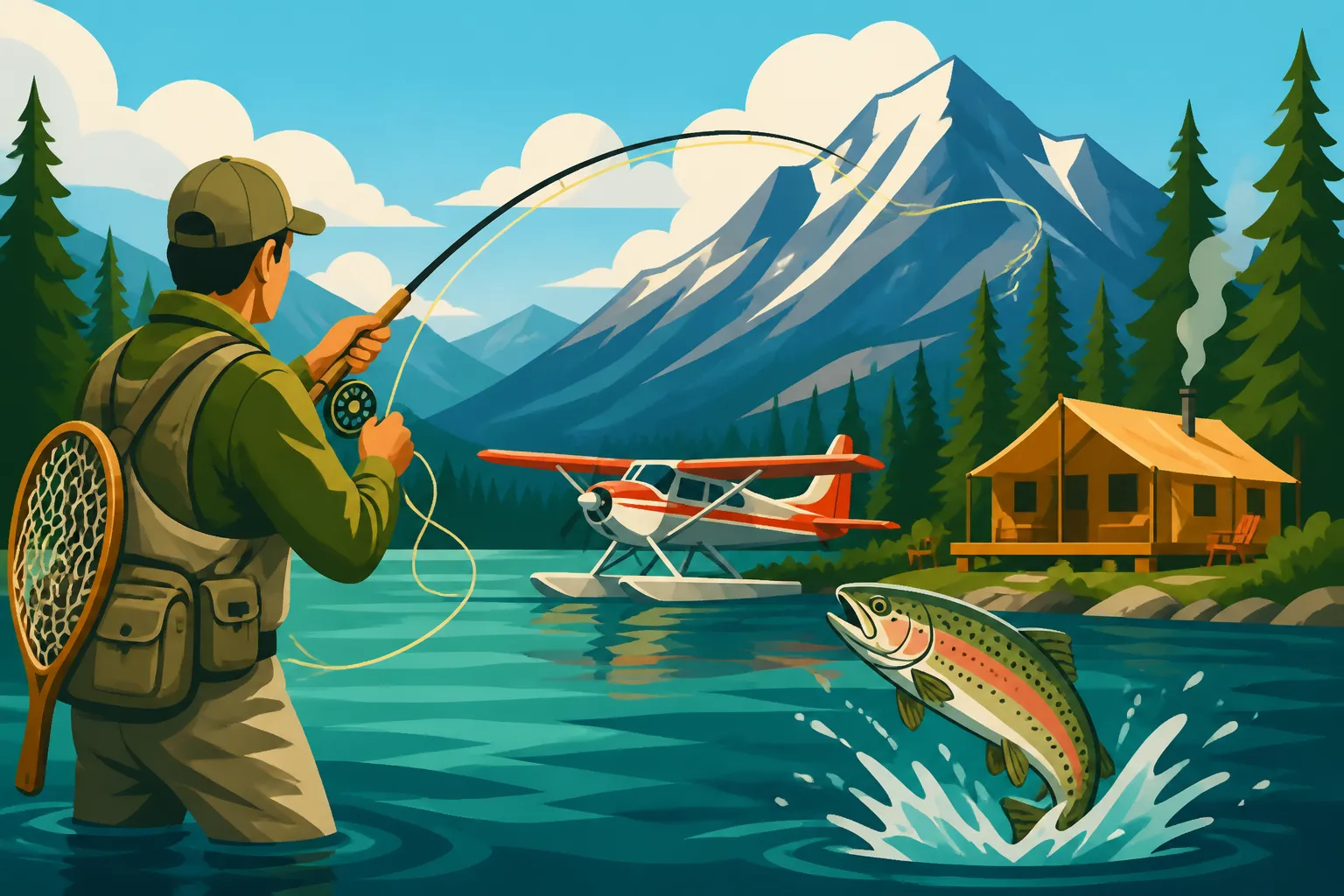
A fly-in fishing camp completely changes this dynamic. When you board that float plane, you're leaving behind the traffic, the cell service, and the everyday grind. You're heading to lakes and river systems that are virtually inaccessible by road, meaning the only people who fish there are those who make the journey by air. This drastic reduction in human presence translates directly into a different fishing experience, one characterized by profound solitude and quiet reflection. Imagine the absolute silence, broken only by the call of a loon or the splash of a rising fish – it’s a mental reset that’s hard to achieve anywhere else.
Unlocking Virgin Waters and Trophy Potential
The single greatest advantage of fly-in fishing is the access it provides to truly untouched fisheries. While Alberta has many incredible road-accessible lakes and rivers, the remote nature of fly-in destinations means the fish populations haven't experienced the same level of angling pressure. This isn't just a romantic notion; it has tangible benefits for your fishing success. These fish are often less wary, more aggressive, and more abundant simply because they haven't learned to associate hooks with danger.
It’s not uncommon to find Northern Pike in these remote northern lakes that have never seen a lure, hitting anything that moves with reckless abandon. Similarly, the deep, cold waters of these far-north lakes can hold truly massive Lake Trout, which grow to incredible sizes over many decades in their pristine environments. These waters offer a genuine opportunity to catch a personal best, or even a provincial record, because the genetic potential of the fish hasn't been culled by continuous harvest and the fishing grounds remain fertile. Your chances of encountering a truly exceptional catch soar when you venture beyond the reach of conventional travel.
Immersive Wilderness Adventure Beyond the Catch
While the promise of incredible fishing is certainly the primary draw, a fly-in camp offers so much more than just the thrill of the catch. It’s an immersive wilderness adventure that begins the moment you lift off the water from your departure point. The flight itself is a breathtaking tour, offering panoramic views of Alberta's vast boreal forest, winding rivers, and countless sparkling lakes stretching to the horizon. You'll likely spot moose, bears, or herds of caribou from the air, a preview of the wildlife that will be your neighbours for the duration of your stay.
Once you land and settle into camp, you're truly part of the wild. Days are spent on the water, but evenings bring starlit skies free from light pollution, the scent of pine and campfire smoke, and the deep quiet of the wilderness. It's a chance to completely disconnect from screens and schedules, to live by the rhythm of the sun and the fish. Many camps offer opportunities for wildlife photography, hiking, or simply relaxing in a hammock, taking in the unparalleled natural beauty. It's a holistic experience that feeds the soul as much as it excites the angler.
What to Expect from a Remote Alberta Fishing Camp
Embarking on a fly-in fishing trip requires a certain level of preparation and an understanding of what awaits you in Alberta's remote wilderness. These aren't your typical resorts, though the level of comfort can vary significantly. Knowing what to expect in terms of accommodation, the target species you'll encounter, and the logistical challenges will help you choose the perfect camp for your adventure.
Varieties of Accommodation and Service
Fly-in fishing camps in Alberta span a wide spectrum, from truly rustic outpost cabins to luxurious full-service lodges. Understanding these differences is key to managing your expectations and selecting the right fit for your group.
- Outpost Camps: These are typically unguided, self-sufficient experiences. You’ll be flown into a basic cabin equipped with bunks, a kitchen area (often propane stove, fridge), and a generator for limited power. Boats and motors are usually provided, but you're responsible for all your food, cooking, cleaning, and navigation. This option offers maximum independence and solitude, often at a lower price point. It’s perfect for experienced anglers who prefer to do everything themselves.
- Full-Service Lodges: On the other end of the spectrum, full-service lodges offer a much higher level of comfort and amenities. These camps typically include comfortable cabins or rooms, chef-prepared meals, daily guiding services, fully equipped boats, and often common areas like dining halls and lounges. Some even boast satellite internet and hot showers. While more expensive, they take care of all the details, allowing you to focus purely on fishing and relaxation. These are ideal for those who want a pampered wilderness experience or for anglers new to remote fishing. Many such lodges, particularly around areas like Lake Athabasca, offer exceptional service.
- Hybrid Options: Some camps fall in between, offering partial guiding, self-catering options alongside some provided meals, or a mix of cabin types. Always clarify what's included in your package when booking.
Premier Fish Species and Diverse Techniques
The remote waters of Northern Alberta are renowned for several hard-fighting species, each offering unique angling challenges and rewards. Understanding these fish and the best techniques to target them will significantly enhance your trip.
- Northern Pike: These toothy predators are a staple in most northern Alberta lakes. In unpressured waters, they are incredibly aggressive and can be caught using a variety of methods. Large spoons, spinnerbaits, jerkbaits, and topwater lures are all effective. Fly anglers will have a blast throwing large streamers on heavy fly rods. Pike can be found in shallower bays and weed beds early in the season, moving to deeper structure as the water warms. You can read more about Northern Pike Fishing in Alberta.
- Lake Trout: Found in the deeper, colder lakes, Lake Trout are powerful, long-lived fish that provide an intense fight. Trolling with spoons, large crankbaits, or even dead bait at various depths is a common and effective technique. Vertical jigging with heavy spoons or tubes over deep structure is also popular, especially during the colder months or early season. Often, the bigger the lake, the bigger the trout, with giants lurking in immense waters like Lake Athabasca. If you're keen on targeting these beauties, be sure to check out our guide on Lake Trout Fishing in Alberta.
- Walleye: While perhaps not as ubiquitous in fly-in only waters as pike or lake trout, some remote lakes and river systems, particularly those feeding into larger northern basins, can hold excellent populations of Walleye. These delicious fish are often targeted with jigs, minnow-imitating crankbaits, or crawler harnesses. They typically prefer dimmer light, making dawn, dusk, and overcast days prime fishing times. Our guide on Walleye Fishing in Alberta offers more insights into catching these popular game fish.
- Arctic Grayling: For fly anglers, the opportunity to target Arctic Grayling in clear, cold northern rivers is a bucket-list item. These beautiful fish with their distinctive dorsal fins are keen risers and offer fantastic dry fly action during insect hatches. Small nymphs and streamers are also effective. They are known for their beautiful colours and spirited fights on light tackle. You'll often find them in pristine river sections that require true wilderness access. Explore more about Arctic Grayling in Northern Alberta Rivers.
Navigating Logistics and Ensuring Safety
The "fly-in" aspect adds a layer of logistical planning that differs from driving to a destination. Most fly-in camps operate out of regional hubs, often in northern Alberta cities.
- Departure Points: Common departure points for float planes include Edmonton, Fort McMurray, and Grande Prairie. You'll typically drive or fly commercially to one of these cities, then connect with your charter float plane service.
- Flight Details and Baggage: Be prepared for strict baggage weight limits. Float planes have limited capacity, and every pound counts. Consolidate your gear, pack light, and confirm all restrictions with your camp well in advance. Soft-sided bags are often preferred over hard luggage. The flight itself is an exhilarating part of the adventure, offering incredible views.
- Safety and Communication: In the remote wilderness, safety is paramount. Reputable camps will have robust safety protocols, including satellite communication devices (like satellite phones or InReach devices) for emergencies. Ensure you understand the camp's emergency plan. While some lodges offer limited Wi-Fi, expect to be largely off-grid. This is part of the appeal, allowing for a true escape. Always carry a basic first-aid kit and know how to use it. When you're dealing with vast, remote areas, it's wise to consider robust travel insurance that covers emergency evacuation.
Discovering Alberta's Top Fly-In Fishing Destinations
Alberta's northern reaches are where the true fly-in fishing adventures come to life. These are the places where the lakes are immense, the forests are endless, and human presence is minimal, offering a unique opportunity to connect with a wild, productive fishery.
The Grandeur of Lake Athabasca and the Far North
When you talk about fly-in fishing in Alberta, Lake Athabasca inevitably comes up. Straddling the border between Alberta and Saskatchewan, this immense body of water is one of the largest and deepest lakes in North America. Its sheer size and remote location make it a prime destination for serious anglers seeking trophy fish.
The Albertan side of Lake Athabasca, particularly its vast northern shores and bays, is largely inaccessible by road, making fly-in camps the only practical way to experience its legendary fishing. These waters are particularly famous for their colossal Lake Trout, which can grow to truly epic proportions in the lake's cold, nutrient-rich depths. Anglers regularly land trout exceeding 20-30 pounds, with true monsters over 50 pounds being a possibility for those with patience and skill. In addition to lake trout, the shallower bays and river mouths of Athabasca host incredible populations of Northern Pike, often reaching trophy sizes as well. Many a guide has tales of pike hitting lures with such force it feels like a truck collided with the boat. The lake also supports a healthy Walleye population, particularly in its tributaries and shallower, warmer areas. For a deeper dive into this incredible fishery, consult our Lake Athabasca Fishing Guide.
Camps on Lake Athabasca typically operate from bases like Fort Chipewyan or Fort McMurray, offering comprehensive packages that include air transport, lodging, meals, and guided fishing trips. The experience is truly epic, a journey to the edge of the wilderness where the fishing stories write themselves.
The Allure of Lesser-Known Northern Lakes and River Systems
Beyond the famous giants like Lake Athabasca, northern Alberta is dotted with countless smaller, yet incredibly productive, lakes and interconnected river systems that are exclusively accessible by float plane. These are the hidden gems, often not widely publicized, that offer a more intimate and exploratory fly-in experience.
These lesser-known lakes, often unnamed on standard maps, are typically smaller and shallower than Athabasca, making them fantastic habitat for abundant Northern Pike and Walleye. Because they see even less pressure, the fish can be incredibly aggressive, leading to high catch rates and exciting action. Imagine fishing a small, crystal-clear lake where every cast yields a strike, or exploring a winding river that only you and your group have the privilege of drifting. These waters are also prime territory for those seeking Arctic Grayling in their native, pristine environment.
Many outfitters offer trips to these secluded destinations, sometimes using established outpost camps, and other times setting up temporary tent camps for a true wilderness camping experience. The beauty of these areas lies in their diversity and the sense of discovery they offer. You might spend a week targeting exclusively pike, or move between several lakes and rivers, enjoying multi-species action. The guides in these regions often have decades of experience, intimately knowing the best spots and patterns for each species, regardless of the Alberta Fishing Season Dates by Zone.
Essential Planning for Your Remote Alberta Angling Expedition
A fly-in fishing trip isn't just another outing; it's an expedition. Careful planning, understanding the regulations, and being prepared for the unique environment are crucial for a successful and enjoyable adventure.
Researching and Booking Your Dream Trip
The journey to your remote fishing paradise begins long before you pack your bags. Start your research early, ideally 6-12 months in advance, especially if you're targeting prime dates or a popular lodge. Look for camps that specialize in the species you want to target and offer the level of service you desire, whether that's rustic self-sufficiency or a fully guided luxury experience.
Many anglers start their search using online resources and specialized booking platforms. Websites like FishingBooker can be an excellent starting point, allowing you to browse various lodges, compare prices, read reviews from other anglers, and get a sense of what's available across different regions. You might find listings for these remote lodges on specialized booking sites such as FishingBooker, which can streamline the process of finding and contacting reputable operators. Don't hesitate to call the camps directly; a good outfitter will be happy to answer all your questions about their facilities, fishing reports, and what to expect. Inquire about their typical guest capacity, guide-to-guest ratio, and what specific gear they recommend bringing.
Mastering Alberta's Regulations and Conservation Practices
Fishing in remote wilderness areas carries an even greater responsibility to understand and adhere to local regulations. These ecosystems are often more fragile and sensitive to human impact, making conservation paramount. Before you go, thoroughly review the Alberta Fishing License Guide for 2026 and ensure you have all the necessary permits, including your Alberta WIN Card. It's not uncommon for conservation officers to visit even the most remote camps, so being compliant is essential.
Pay close attention to Alberta Fishing Regulations Explained, including zone-specific rules, bait restrictions, and any special harvest rules. For instance, species like Bull Trout are often catch-and-release only, due to their vulnerable status, as highlighted by the Alberta Bull Trout Zero Possession Rule. Understanding Alberta Bag and Possession Limits by Species is also critical. Many fly-in camps operate on a strict catch-and-release policy for certain species or sizes to maintain the quality of their fishery. Be prepared to practice proper fish handling techniques, using rubberized nets, de-hooking tools, and minimizing the time fish are out of the water to ensure their survival. Leaving no trace, packing out all garbage, and being mindful of your environmental footprint are also non-negotiable aspects of wilderness angling.
Investment and Unforgettable Returns
A fly-in fishing trip is, admittedly, a significant investment. Costs typically include the commercial flight to a staging city, the float plane charter, lodging, meals, guide services, boats, and sometimes fishing gear rental. These trips can range from a few thousand dollars for a self-guided outpost camp to upwards of $5,000 to $10,000 per person for a week at a high-end, full-service lodge.
However, consider what you're getting in return. You're not just paying for a fishing trip; you're investing in an unparalleled wilderness experience. You’re gaining access to fisheries that are virtually untouched, with a genuine chance at trophy-sized fish and consistent action. You’re buying solitude, breathtaking scenery, incredible wildlife viewing opportunities, and a chance to disconnect from the digital world. For many, the peace of mind, the thrill of the adventure, and the memories created far outweigh the financial cost. It's an investment in an experience that will likely remain one of your most cherished angling memories, standing out as a true adventure in Alberta’s magnificent wild.
| Species | Typical Fly-In Size Range | Key Features | Best Fishing Months | Common Lures/Techniques |
|---|---|---|---|---|
| Northern Pike | 5-20 lbs (trophy > 20 lbs) | Aggressive strikes, strong fighters, abundant | May – October | Large spoons, spinnerbaits, topwater, large streamers |
| Lake Trout | 10-30 lbs (trophy > 40 lbs) | Deepwater dwelling, powerful runs, long-lived | June – September | Trolling spoons/crankbaits, vertical jigging, dead bait |
| Walleye | 2-8 lbs (trophy > 10 lbs) | Excellent eating, elusive, schooling | June – September | Jigs, crankbaits, crawler harnesses |
| Arctic Grayling | 1-3 lbs | Beautiful fins, eager dry fly takers, clear water | June – September | Dry flies, small nymphs, small spinners |
Disclaimer
Please note that fishing regulations, camp availability, and pricing can change frequently. Always consult the most current Alberta Guide to Sportfishing Regulations and contact specific camps directly for the most up-to-date information before planning your trip. This guide is for informational purposes only and does not endorse specific businesses over others.