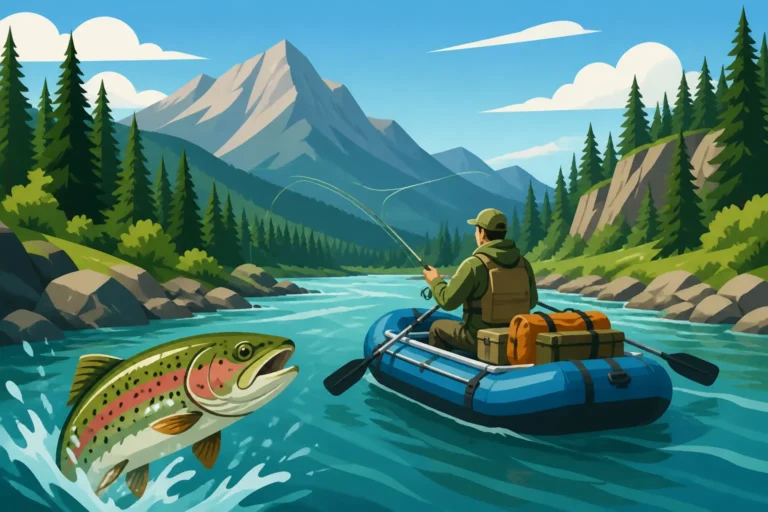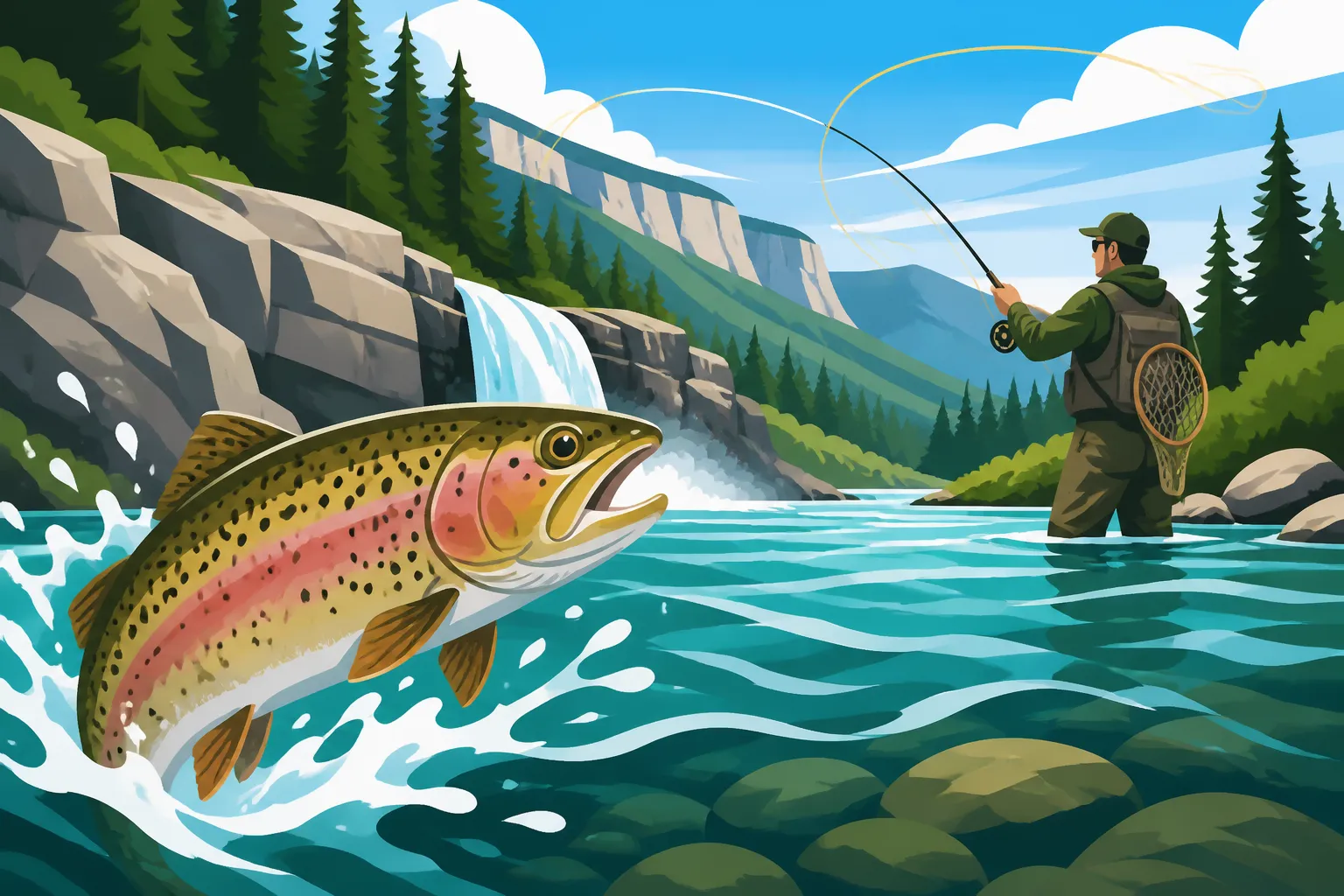
Best trout section on the Crowsnest River above Lundbreck Falls
It's incredibly frustrating when you hear whispers of legendary fishing spots, but then you're left to wonder how to actually find and fish them effectively. The Crowsnest River, especially its upper reaches, is one of those places—a true gem for trout anglers in Alberta, but navigating its waters, knowing where to access it, and understanding the nuances of its specific sections can feel like a secret handshake. This guide is here to cut through the mystery, focusing specifically on the fantastic trout fishing opportunities that lie above Lundbreck Falls, helping you plan a successful and unforgettable trip.
Unlocking the Upper Crowsnest's Trout Potential
The Crowsnest River is renowned throughout Alberta for its fantastic trout fishing, but the section above Lundbreck Falls offers a distinct character and a unique set of challenges and rewards that sets it apart. This isn't just another stretch of river; it's a dynamic, ever-changing environment that demands respect and a keen understanding of trout behavior.
Character of the River Above Lundbreck
Once you get upstream of Lundbreck Falls, the Crowsnest River transforms from its more accessible, sometimes broader lower sections into a wilder, more intimate mountain stream. Here, the river maintains a cooler temperature, largely due to its proximity to headwaters and numerous cold feeder creeks. This translates to happier trout, especially during the warmer summer months when other rivers might struggle. The flow is typically swifter in many areas, punctuated by deep, emerald-green pools, riffles that sparkle over rocky beds, and long, inviting runs. The substrate is predominantly gravel and larger cobble, providing excellent spawning grounds and ample habitat for aquatic insects.
You'll notice less agricultural influence and more natural, riparian vegetation crowding the banks, offering plenty of shade and cover for fish, but sometimes making casting a bit more challenging. The river here twists and turns through a valley, often flanked by towering trees and dramatic mountain backdrops, making it not just a fishing trip but a truly scenic experience. Unlike some of the wider, more open prairie rivers, this section of the Crowsnest demands a more stealthy approach, careful wading, and precise presentations. It’s a place where you truly feel immersed in the wilderness, far from the hustle and bustle, a sentiment many anglers appreciate when they're looking for that perfect escape. If you're planning a trip to the Crowsnest, understanding the distinct characteristics of this section is key to your preparation, and for more general information, you can always check out a guide on Crowsnest River Trout Fishing.
Target Species and Unique Opportunities
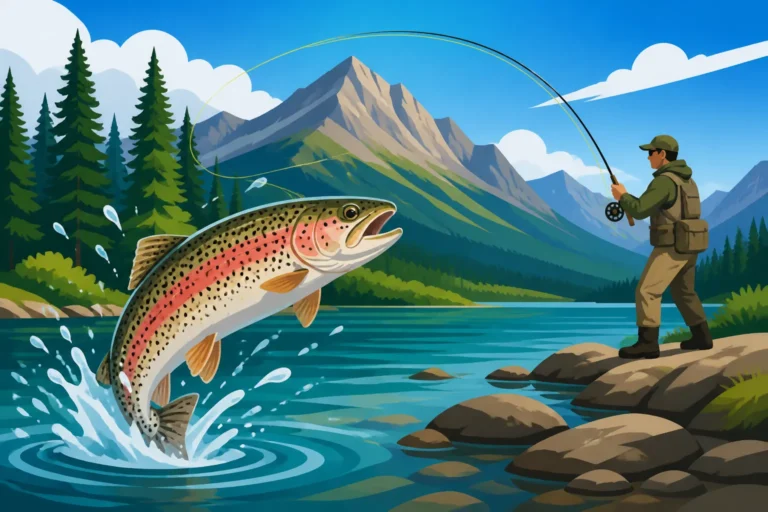
The upper Crowsnest River is a haven for several trout species, each offering a different angling experience. The primary draw here are the wild rainbow trout and brown trout, both known for their vibrant colors and aggressive fights. Rainbows are often found in the faster, oxygenated riffles and the heads of pools, eager to rise to a well-presented dry fly or smash a streamer. Browns, on the other hand, tend to be more elusive, often holding in deeper, slower pools, under cut banks, or near submerged structure, making them a prize for those who can pinpoint their hiding spots. They can grow to impressive sizes in this fertile river, presenting a true challenge for any angler.
You might also encounter westslope cutthroat trout, though they are less common and often require more specific habitat, usually in the higher reaches or tributary streams. These beautiful native fish are highly protected, and it's essential to understand their fragile status. Bull trout, Alberta's provincial fish, are also present in the Crowsnest system, but due to their threatened status, there is a strict Alberta Bull Trout Zero Possession Rule throughout the province. If you accidentally hook one, it must be released immediately and unharmed. The opportunity to catch a grand slam of trout species in one day, while always respecting regulations and conservation, is a unique draw to this stretch of river.
Navigating Access and Planning Your Trip
One of the biggest hurdles for any angler exploring a new river is knowing where to go and how to get there. The Crowsnest River above Lundbreck Falls, while accessible, still requires a bit of local knowledge to find the best spots and ensure a smooth outing.
Key Access Points and Parking
Accessing the Crowsnest River above Lundbreck Falls is primarily done via Highway 3 and the various secondary roads that branch off it. One of the most common and convenient access points is just upstream of Lundbreck Falls Provincial Park, where you can find parking areas and walk-in access to the river. Another popular option is along Highway 22 (the Cowboy Trail) where it crosses the Crowsnest River, offering numerous pull-offs and designated parking spots. However, be mindful that many stretches of the river run through private property, so always look for signs, respect landowners, and stay on Crown land or designated public access points. Using tools like provincial land-use maps or even consulting local fly shops can be incredibly helpful for pinpointing legal access.
Further upstream, towards the communities of Burmis and Sentinel, there are also various bridge crossings and informal trails that lead to prime fishing water. These spots can be less crowded but often require a bit more walking to get to the productive stretches. Always park safely off the road and ensure your vehicle isn't obstructing any access roads or private driveways. Remember that good etiquette goes a long way in maintaining access for all anglers. If you're ever in doubt about specific access, consider booking a trip with a local guide—you can find many experienced guides on platforms like FishingBooker who specialize in this exact stretch of river. For a broader overview of fishing spots in the area, check out Crowsnest River Lundbreck Falls Fishing.
Essential Gear for This Section
Fishing this particular section of the Crowsnest demands specific gear to ensure both comfort and success. Breathable chest waders are non-negotiable for most of the year. The water can be chilly, and you'll often need to wade across channels or move along the riverbed to get to prime casting positions. Pair these with sturdy wading boots that have good ankle support and grippy soles (felt or rubber with studs are often preferred for the rocky bottom) to navigate the sometimes slippery rocks. A reliable wading staff can be a lifesaver, providing stability in swift currents and helping you test depth before taking a step.
For fly anglers, a 5 or 6-weight fly rod, between 8.5 to 9.5 feet long, is generally ideal. This provides enough backbone to handle larger trout and cast streamers, yet remains sensitive enough for delicate dry fly presentations. A floating line is standard, with a variety of leaders and tippets (usually 3X-5X) to match your chosen flies. Spin fishers will do well with a medium-light spinning rod, around 6-7 feet, paired with a small, smooth reel spooled with 6-8 lb monofilament or fluorocarbon line. A landing net with a rubberized mesh is also essential for safe, catch-and-release practices, minimizing harm to the fish. Don't forget polarized sunglasses to spot fish and protect your eyes, and a small backpack or vest to carry water, snacks, extra tackle, and a first-aid kit.
Best Times to Visit
Timing is everything when it comes to trout fishing the upper Crowsnest. While the river can be fished throughout its open season, certain periods offer peak opportunities. The late spring, after the initial snowmelt and runoff have subsided (typically late May to mid-June), sees hungry trout actively feeding. The water levels usually drop, and clarity improves, making for excellent sight fishing opportunities. Summer (July and August) is fantastic, particularly early mornings and late evenings, when insect hatches are most prolific. During the heat of the day, trout will seek refuge in deeper pools and shaded areas, so adjust your tactics accordingly. Many anglers find the fall (September and October) to be outstanding for larger brown trout, which become more aggressive as they prepare for spawning.
However, each season presents its own challenges. Spring can still have unpredictable weather, and water levels can fluctuate. Summer might bring crowds, and the fish can be more pressured. Fall can have rapidly dropping temperatures. Always check current weather and river conditions before heading out. Local fly shops or online resources like the Alberta Environment and Protected Areas website often provide real-time stream flow data. And of course, always be aware of the Alberta Fishing Season Dates by Zone to ensure you're fishing legally.
Proven Strategies for Angling Success
Fishing the technical waters of the Crowsnest River above Lundbreck Falls isn't about simply casting and hoping. It requires thoughtful strategy, careful observation, and adaptability.
Effective Fly Fishing Techniques
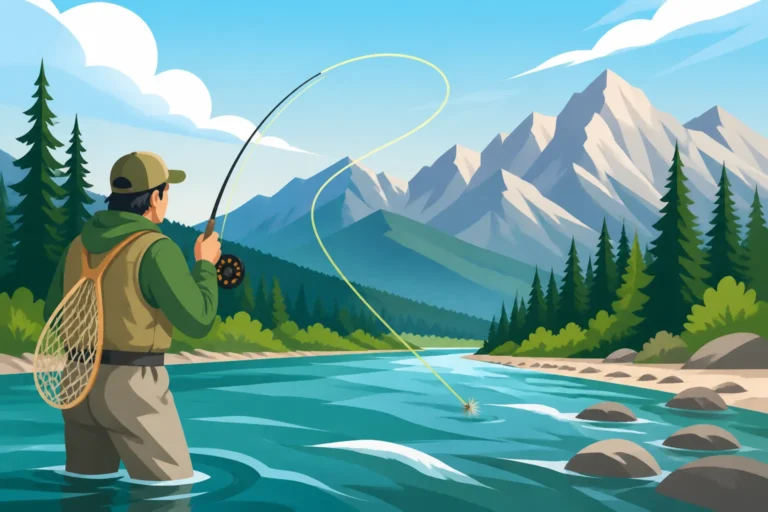
Fly fishing is arguably the most popular and often most effective method on this stretch of river. When it comes to matching the hatch, pay close attention to what insects are present on or near the water. Common hatches include various caddisflies, mayflies (like Blue-Winged Olives and Green Drakes), and stoneflies. Carrying a selection of dry flies in different sizes and patterns, such as Parachute Adams, Elk Hair Caddis, and Royal Wulffs, is always a good idea. Nymphing, especially indicator nymphing or European Nymphing, is incredibly productive when fish are feeding sub-surface. Patterns like Prince Nymphs, Hare's Ear Nymphs, Pheasant Tails, and various stonefly imitations work wonders. For more on this, consider exploring specific strategies for Euro Nymphing the Bow River, as many principles apply.
For those targeting larger trout, especially brown trout, throwing streamers can be incredibly effective. Patterns like Woolly Buggers, Sculpzillas, and articulated streamers fished aggressively through deep pools and along undercut banks can provoke explosive strikes. Remember that precise casting and mending your line to achieve a drag-free drift are crucial skills here. Wading upstream, quietly and carefully, allows you to present flies to undisturbed fish. For advanced wading strategies, you might find tips in Wading Techniques for Alberta Trout Rivers helpful. If you’re not familiar with the river, consider searching for a local guide on FishingBooker who can show you the ropes and the best techniques for the day.
Spin Fishing Tactics
While fly fishing dominates, spin fishing can be remarkably effective if approached correctly. The key is to use light tackle and subtle presentations. Small inline spinners (Mepps, Panther Martin) in silver, gold, or black are perennial favorites, especially when cast into riffles and current seams. Small spoons, like the Little Cleo or Krocodile, can also entice strikes, particularly in deeper pools where a bit more weight is needed to get down to the fish. When trout are wary, small crankbaits or stickbaits, imitating minnows or small baitfish, can be deadly when retrieved slowly near structure.
Many successful spin anglers also utilize soft plastics, such as small grub tails or trout worms, rigged on light jig heads. These offer a very natural presentation and can be fished effectively in slower pools or drifted through runs. Always use light fluorocarbon line or a fluorocarbon leader to minimize visibility, as the water here can be quite clear. Focus on making accurate casts to prime holding lies, and vary your retrieve speed until you find what the fish are keying in on. The less splash and commotion you make, the better your chances will be, especially in these clearer mountain waters.
Reading the Water
Understanding where trout hold in a river is perhaps the most important skill an angler can develop. Trout are ambush predators and energy conservers, so they look for places with a steady food supply and protection from current and predators. On the Crowsnest, this means focusing on several key features. Look for current seams, which are lines where fast and slow water meet. Trout often sit in the slower water, waiting for food to drift by in the faster current. Riffle tails, the calmer water at the end of a shallow, fast section, are also prime feeding lies.
Deep pools, especially those with undercut banks, submerged logs, or large boulders, provide excellent cover for larger, more elusive brown trout. The "dark water" usually indicates depth, which offers security. Don't overlook the pockets of calm water behind large rocks or structure, as these are classic trout lies. Also, pay attention to areas with overhanging vegetation, as these provide shade and can drop terrestrial insects into the water. By systematically targeting these features with your chosen technique, you significantly increase your chances of finding fish. This applies to many of the Best Fishing Rivers in Alberta, not just the Crowsnest.
Understanding Regulations and Conservation
Fishing the Crowsnest River comes with a significant responsibility to protect its valuable fish populations and fragile ecosystem. Alberta has specific regulations designed to ensure sustainable fishing for generations to come.
Zone-Specific Rules and Limits
It's absolutely critical to familiarize yourself with the current Alberta Fishing Regulations Explained before every trip. The Crowsnest River, like many of Alberta's important trout streams, often falls under specific regulations that can differ from general provincial rules. This includes special harvest restrictions, such as catch-and-release only for certain species or in certain sections, and specific tackle restrictions. For example, some stretches may mandate single, barbless hooks. Always consult the most recent Alberta Guide to Sportfishing Regulations, available digitally through the MyWildAlberta app or in print. Pay close attention to the specific zone that the Crowsnest River above Lundbreck Falls falls into, as rules can vary even along a single river system.
The regulations are there for a reason—to protect the resource. Ignoring them can lead to significant penalties, not to mention harming the fish populations we all love to pursue. Understanding the detailed rules found in Reading the Alberta Guide to Sportfishing Regulations is your first step towards a responsible and enjoyable fishing experience.
Catch and Release Best Practices
Because many of Alberta's trout streams, including the Crowsnest, operate under strict catch-and-release rules for certain species or entire sections, mastering proper handling techniques is vital. The goal is to minimize stress and injury to the fish, ensuring their survival after release. Always wet your hands before touching a fish, as dry hands can remove the protective slime coat, making them vulnerable to disease. Avoid squeezing the fish, especially around the gills or belly. Use a rubberized landing net to keep the fish submerged while you work to remove the hook.
Often, barbless hooks are either required or highly recommended; they make hook removal much easier and quicker. If the hook is deep, use forceps or pliers to gently back it out. If it’s too deep to remove without causing further harm, simply cut the line as close to the hook as possible. Once the hook is out, hold the fish gently in the water, facing upstream, until it regains its strength and can swim away under its own power. Don't just toss it back into the current. This mindful approach ensures that these beautiful trout can continue to thrive and provide sport for others. For more on specific regulations regarding hooks, check out Alberta Barbless Hook Requirement Waters.
Here’s a quick reference for common Crowsnest River fly patterns and when they are often most effective:
| Fly Type | Pattern Examples | Best Season | Target Conditions |
|---|---|---|---|
| Dry Flies | Parachute Adams, Elk Hair Caddis, Royal Wulff, Green Drake, Blue-Winged Olive | Late Spring, Summer, Fall | During active hatches, clear water, rising fish |
| Nymphs | Prince Nymph, Hare's Ear Nymph, Pheasant Tail, Stonefly Nymphs | Year-Round | Sub-surface feeding, faster currents, deep pools |
| Streamers | Woolly Bugger (black, olive), Sculpzillas, Articulated Streamers | Year-Round | High water, cloudy days, targeting large browns |
| Terrestrials | Foam Hoppers, Ants, Beetles | Summer | Warm, sunny days, fish feeding on bank insects |
Disclaimer
Please note that fishing regulations, conditions, and access points can change. Always consult the most current Alberta Guide to Sportfishing Regulations and local advisories before planning your trip. The information provided here is for general guidance only.