Red Deer River Fishing Spots
The Red Deer River, stretching across Alberta's diverse landscapes, presents a unique challenge for anglers. It's not a small, easily readable stream, nor is it a massive, uniform lake. Instead, you're dealing with a dynamic waterway that transitions dramatically from cold, clear mountain foothills to warmer, meandering prairie sections. This means that what works for trout upriver won't necessarily cut it for walleye downstream, and figuring out where to even start can feel overwhelming. This guide is designed to cut through that complexity, pinpointing the best fishing spots along the Red Deer River and equipping you with the knowledge to make your next trip a success.
Understanding the Red Deer River Fishery
The Red Deer River is a true gem, flowing for hundreds of kilometers from its headwaters in the Canadian Rockies foothills eastward through varied terrain until it eventually joins the South Saskatchewan River. This incredible journey means the river changes character dramatically, offering a smorgasbord of fishing opportunities for different species, each with its own preferred habitat along the way. You really can't approach the entire river with a one-size-fits-all mentality, which is often where anglers get frustrated. What's perfect for a fly angler in the upper reaches will be completely different from what a gear angler targets in the slower, warmer lower stretches.
What makes the Red Deer River particularly fascinating is this transition. In the upper stretches, you're looking at a classic trout stream, reminiscent of many Rocky Mountain rivers. As it widens and slows through central Alberta, it becomes a transitional zone, blending cold-water species with warmer-water dwellers. Further downstream, the river completely transforms into a classic prairie fishery, teeming with species that thrive in less turbulent, more nutrient-rich environments. Knowing these fundamental shifts is the first step to unlocking its secrets and finding your ideal fishing spot.
From Mountains to Prairies: The River's Diverse Ecosystems
The journey of the Red Deer River truly dictates its fishing personality. Upstream of Sundre, the river originates in the Rocky Mountains and flows through the foothills. Here, the water is typically colder, clearer, and faster-flowing, often characterized by distinct riffles, runs, and deep pools carved into a rocky or gravel bottom. This section is heavily influenced by mountain runoff, which means water levels and clarity can fluctuate dramatically with weather events, especially during spring melt. Anglers here often feel like they're in a completely different world compared to those fishing closer to Drumheller.
As the river leaves the foothills and approaches the city of Red Deer, it begins to widen and slow down, though it still retains some of its colder water characteristics. The bottom substrate becomes more varied, with sand, silt, and occasional gravel bars becoming more prominent. This middle stretch is where the river starts to "mix" its offerings, providing habitat for both trout and cool-water species. Further east, past Drumheller, the river takes on the classic prairie river persona. It becomes much wider, slower, and often murkier, particularly after rain. The banks are typically softer, with more clay and silt, and the river meanders through vast badlands and agricultural areas. Understanding these ecological zones is crucial for predicting what fish you'll find and how they'll behave.
Key Fish Species to Target in the Red Deer River
Given the river's diverse environments, it's no surprise that a variety of fish call the Red Deer River home. In the upper, colder stretches, your primary targets will be various trout species. This includes robust rainbow trout, often stocked but with some wild populations, and the elusive brown trout, which are notoriously difficult to catch but offer a true challenge. You'll also encounter plenty of mountain whitefish, especially in the deeper runs and pools, which are excellent on a fly rod. This section demands a different approach than the lower river, often favoring stealth and careful presentation.
Moving into the middle and lower sections, the species profile changes significantly. Here, you'll start to find thriving populations of walleye, a highly prized sport and table fish that prefers the warmer, slower currents and structure like submerged logs or deeper holes. Northern pike are also abundant, especially in backwater eddies and areas with emergent vegetation, offering aggressive strikes and powerful fights. Other species like burbot, sauger, goldeye, and various suckers also inhabit these stretches, providing additional angling opportunities. It's not uncommon to catch a mix of species in these transitional zones, making every cast a potential surprise. Knowing what you're targeting helps immensely, as the techniques and baits required for a rainbow trout are vastly different from those for a large walleye or pike.
Upper Red Deer River: Mountain and Foothills Fishing
The upper Red Deer River, generally considered the stretch upstream of the city of Red Deer, is a paradise for trout anglers. This is where the river's character as a swift, clear mountain stream truly shines. The scenery is often breathtaking, with rolling foothills and dense forests lining the banks, offering a more rugged and secluded fishing experience. It's a fantastic area for those who appreciate the challenge of reading the water and presenting flies or light tackle to wary trout. However, access can be a bit more challenging in some areas due to private land, so knowing your public access points is key.
The water temperatures here remain cooler throughout the summer, which is crucial for trout survival and activity. Snowmelt and heavy rains can significantly impact water levels and clarity, sometimes making fishing difficult or even unsafe due to fast currents. Always check local conditions before heading out, especially during spring and early summer. Despite the challenges, the rewards are often chunky rainbows and browns, along with cooperative mountain whitefish, making the effort worthwhile.
Trout Fishing Near Sundre and Caroline
If you're after trout, the stretches of the Red Deer River around Sundre and Caroline are excellent starting points. This area is well-known for its rainbow trout, which are regularly stocked by Alberta Environment and Protected Areas, ensuring good populations. You'll find these trout actively feeding in the riffles, at the heads and tails of pools, and along cut banks where they can find cover and ambush prey. Brown trout are also present, though often in lower numbers and tend to be more elusive, preferring deeper, slower pools and undercut banks. Many anglers swear by this section for a true Alberta trout experience.
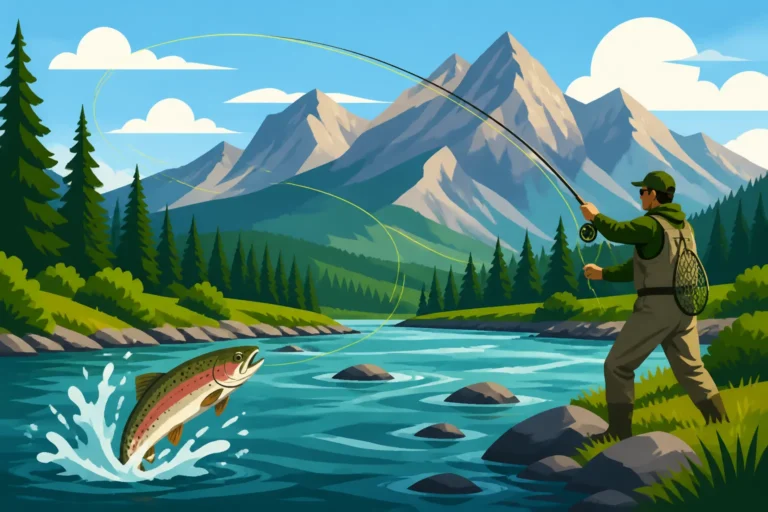
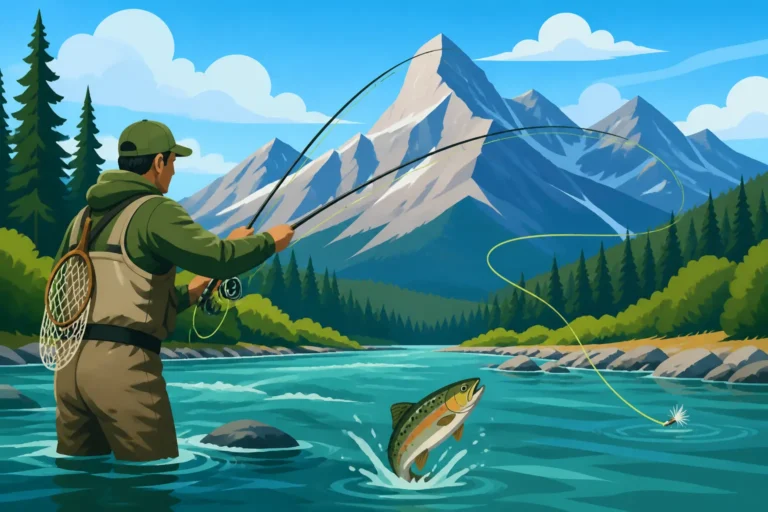
For those who love to fly fish, this upper river offers superb opportunities. Standard nymphing rigs, dry flies during hatches, and small streamers can all be highly effective. Popular fly patterns include prince nymphs, hare's ears, pheasant tails, caddis, and various stonefly imitations. Spin fishermen can do well with small spinners, spoons, or drifted bait like worms or roe sacs, provided regulations allow. The key here is stealth and a natural presentation, as the clear water can make trout quite wary. Don't be afraid to walk a bit to find less pressured water; often, the best spots are a little off the beaten path. If you're new to the area or specifically targeting these species, consider checking out resources like FishingBooker to find a local guide who can put you on fish.
Access Points and Fly-Fishing Opportunities
Public access to the upper Red Deer River is available at various points, though some require a bit of local knowledge or a good map. Popular spots include numerous bridges and designated public land access points near Sundre, Water Valley, and Caroline. The Red Deer River Provincial Recreation Area, just west of Sundre, offers excellent access for wading and launching smaller boats like canoes or kayaks, giving you the chance to float different sections. Remember to respect private land boundaries and always stick to marked public access.
This section of the river is particularly renowned for its fly-fishing. The varying water speeds and depths create diverse holding lies for trout, offering opportunities for different techniques. During warmer months, you'll often find strong hatches of caddis, mayflies, and stoneflies, making dry fly fishing exhilarating. In cooler weather or when fish are holding deep, nymphing becomes the go-to technique. Wading is generally feasible in many areas, but always exercise caution due to strong currents and slippery rocks. A reliable Wading Staff for Fast Current is not just a recommendation but a necessity for safety in these waters. For a deeper dive into trout techniques, you might find useful tips in a guide about Spring Trout Fishing Techniques for Alberta Streams.
Middle Red Deer River: Transition Zone and Popular Stretches
As the Red Deer River flows eastward from the foothills, it gradually broadens and deepens, transforming into a more accessible and widely fished area, especially around the city of Red Deer. This middle section serves as a fascinating transition zone where you can still find pockets of trout, particularly mountain whitefish, mingling with the advancing populations of cool-water species like walleye and northern pike. The current remains moderate in many areas, but you'll notice more substantial pools, slower runs, and larger eddies that provide ideal habitat for a wider range of fish.
The landscape also begins to shift, with agricultural fields and more developed areas bordering the river. This means access points are often easier to find, including municipal parks and boat launches. However, it also means these areas can experience more fishing pressure. The key to success here often lies in adapting your approach to the specific stretch of water you're on, as the river's character can still vary quite a bit within this middle section.
Fishing Around the City of Red Deer
The Red Deer River, as it flows through and around the city of Red Deer, offers some of the most convenient and popular fishing spots. Within the city limits, various parks and green spaces provide easy bank access, making it ideal for a quick evening fish or a family outing. Areas like Discovery Canyon, Fort Normandeau, and Bower Ponds (though technically ponds, they're near river access points) are well-known, as are stretches accessible from the extensive trail system. Here, you can expect to find a mix of species, including pike, walleye, mountain whitefish, and sometimes even a stray rainbow or brown trout, especially upstream of the city.
The river in this section is wider and deeper than in the upper reaches, with a slower current. This makes it more suitable for larger boats, though many anglers still prefer to launch canoes, kayaks, or smaller Jon boats to explore different sections. Key structures to target include deeper holes, current breaks behind islands or large rocks, and submerged timber. Fishing the mouths of feeder creeks can also be very productive, as these areas often concentrate baitfish and provide cooler water during warmer periods. Remember to always be mindful of other river users, as this is a popular spot for kayaking, canoeing, and casual strolls.
Targeting Walleye, Pike, and Whitefish in Central Stretches
In the central Red Deer River, particularly from just west of the city downstream, walleye and northern pike become primary targets. These species thrive in the slightly warmer, slower water, and feed aggressively on the abundant baitfish. For walleye, look for them holding near structural elements like current breaks, drop-offs, and submerged rocks or logs. They are often found in deeper pools during the day and will move into shallower feeding flats at dawn and dusk. Understanding Best Time of Day to Catch Walleye can significantly improve your success here.
Northern pike, with their ambush predator instincts, will often be found in weedy bays, slack-water areas, or alongside submerged wood structure. They are notorious for aggressive strikes and can be caught on a wide variety of lures. Both species respond well to jigs tipped with minnows or soft plastics, crankbaits, and spoons. Trolling can also be an effective method, especially for covering larger stretches of water to locate schools of fish. Don't forget the mountain whitefish, which are still present in good numbers and can provide consistent action, particularly on small jigs or flies presented on the bottom in deeper runs. Their delicate bites require a bit of finesse.
Lower Red Deer River: Prairie Section and Larger Water
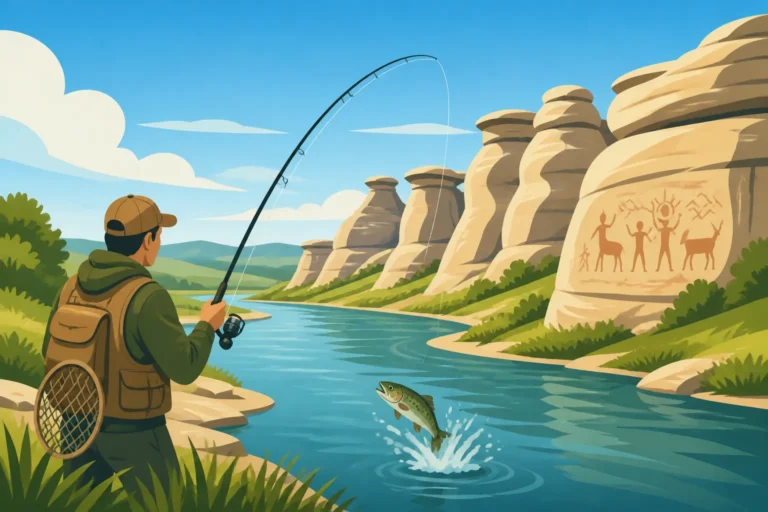
The Red Deer River undergoes its most dramatic transformation as it flows into the eastern prairies, downstream of Drumheller and through the iconic badlands. Here, the river is significantly wider, slower, and often takes on a murky, silty character, especially after rainfall. The landscape is vastly different from the foothills, dominated by eroded coulees, hoodoos, and expansive agricultural lands. This stretch is a quintessential prairie river fishery, offering entirely different species and angling challenges compared to the upper sections.
While the water isn't as clear or cold as upriver, this section is rich in nutrients and supports a robust ecosystem. It's a fantastic area for anglers who enjoy targeting larger, warm-water species, often from a boat. Bank access can be more sporadic due to private land, but provincial recreation areas and municipal access points still provide opportunities. Always check the Alberta Fishing Regulations Explained for any specific rules pertaining to this unique river section, as they can sometimes differ from general provincial rules.
Exploring Fishing Opportunities Downstream of Drumheller
Downstream of Drumheller, the Red Deer River becomes prime territory for walleye, northern pike, and other warm-water species. The slower current and numerous deep bends and oxbows create ideal habitats. Walleye will often be found hugging the main channel in deeper pools, especially where there's a current seam or submerged structure. Pike will lurk in shallower, slower backwaters or around any available cover. Goldeye also become a more common catch in these waters, offering exciting light-tackle action, particularly in the summer months.
Access in this area often relies on finding public boat launches or roadside pull-offs. The Tolman Bridge, contentiously closed and re-opened at times, historically provided a good access point, but always check current local status. Other bridges and ferry crossings can also offer bank access or launch points for small craft. Due to the wide, slow nature of the river, covering water with a boat is often the most effective way to find active fish. Focus your efforts on current breaks, seams, and areas with submerged timber or rocky bottom transitions.
Seasonal Considerations for Lower River Angling
Fishing the lower Red Deer River is highly seasonal, with success often peaking during specific times of the year. Spring, shortly after ice-off, can be fantastic for northern pike as they move into shallower areas to spawn and feed aggressively. Walleye fishing often picks up significantly in late spring and early summer, as they become more active after their own spawning period. Look for them concentrated in deeper pools and feeding flats during low light conditions. You can find more general information about this in Best Time of Year to Fish in Alberta.
Summer months can be good, but the river may experience higher water temperatures and increased turbidity after heavy rains, making fishing more challenging. However, night fishing for walleye can be incredibly productive during these warmer periods. Fall is another prime time, as both walleye and pike begin to feed heavily in preparation for winter, often moving into deeper water as temperatures drop. Always be prepared for changing weather conditions, as prairie storms can roll in quickly, affecting both fishing and safety on the water.
Essential Gear and Techniques for Red Deer River Anglers
Preparing for a fishing trip on the Red Deer River means thinking strategically about your gear. Given the river's extreme diversity, from rocky mountain streams to silty prairie flows, a versatile approach to tackle and techniques is essential. You won't use the same rod for delicate nymphing in the upper reaches as you would for casting heavy spoons for pike in the lower river. Having a well-rounded tackle box and understanding how to adapt your methods to the specific conditions and target species will make all the difference.
Many anglers make the mistake of bringing only one type of setup, only to find themselves under-gunned or over-prepared for the actual fishing conditions they encounter. A little planning goes a long way, especially when you consider the varied flow rates, water clarity, and fish behavior across the river's length. Let's break down some of the essentials that will maximize your chances of success.
Recommended Tackle for Different Species
For the upper Red Deer River, targeting trout and whitefish, a light to medium-light spinning rod (6-7 feet) paired with a 1000-2500 size reel spooled with 4-8 lb monofilament or fluorocarbon is ideal. This allows for delicate presentations of small spinners, spoons (e.g., Panther Martins, Mepps, Acme Kastmasters), or drifted bait. Fly anglers will find a 4-6 weight fly rod with a matching floating line to be versatile for both dry flies and nymphing. A good selection of nymphs (Prince, Hare's Ear, Pheasant Tail), dry flies (Elk Hair Caddis, Adams, Parachute Adams), and small streamers (Woolly Bugger) is crucial. For more insights, consider looking into Best Fly Rods for the Bow River, as many principles apply.
Moving to the middle and lower river, where walleye and pike are prevalent, heavier gear is needed. A medium to medium-heavy spinning or baitcasting setup (6'6" – 7'6") with 10-20 lb braided line and a fluorocarbon leader is a solid choice. This allows you to cast larger lures and handle the powerful runs of bigger fish. Essential lures include various jigs (1/4 to 1 oz) tipped with soft plastics or live minnows, crankbaits (diving and shallow-running), and spoons for pike. Don't forget a strong wire leader when targeting pike to prevent bite-offs. Having a dedicated Best Leader for Pike Fishing can save you a lot of lost lures and fish.
| Species | River Section | Rod Power/Weight | Line Type/Weight | Recommended Lures/Baits |
|---|---|---|---|---|
| Rainbow Trout | Upper | Light/Med-Light | Mono/Fluorocarbon 4-8lb | Small Spinners, Spoons, Nymphs, Dry Flies |
| Brown Trout | Upper | Light/Med-Light | Mono/Fluorocarbon 4-8lb | Nymphs, Streamers, Small Crankbaits |
| Mountain Whitefish | Upper/Middle | Light | Mono/Fluorocarbon 4-6lb | Small Jigs, Flies (Nymphs) |
| Walleye | Middle/Lower | Medium/Med-Heavy | Braid 10-20lb (Fluoro Leader) | Jigs, Crankbaits, Bottom Bouncers, Live Bait |
| Northern Pike | Middle/Lower | Medium-Heavy | Braid 20-40lb (Wire Leader) | Spoons, Spinnerbaits, Large Crankbaits, Swimbaits |
| Goldeye | Lower | Ultralight/Light | Mono/Fluorocarbon 2-6lb | Small Spoons, Spinners, Worms |
Boating and Shore Fishing Strategies
The Red Deer River offers opportunities for both shore and boat fishing, each with its own advantages. Shore fishing is highly accessible, especially in municipal parks and designated recreation areas, making it great for casual anglers or those without a boat. When fishing from shore, focus on casting to visible structure, current seams, and drop-offs close to the bank. Walking stretches of river and casting as you go can also be highly effective, especially in the upper trout sections. Remember that you are limited to where you can reach, so choosing your access point wisely is key.
For serious anglers, a boat—whether a canoe, kayak, or powerboat—opens up vast stretches of the Red Deer River that are inaccessible from shore. In the upper river, drift boats, canoes, and kayaks are excellent for floating and wading, allowing you to cover miles of prime trout water. In the middle and lower sections, larger powerboats can efficiently cover big water, allowing for trolling or quickly moving between productive spots. Always adhere to Alberta Boating Laws for Anglers and ensure you have all required safety equipment. If you're looking to explore the river with the guidance of a local expert, perhaps even for a multi-day trip, platforms like FishingBooker can connect you with experienced outfitters who know the prime boating routes and fishing holes.
Navigating Regulations and Conservation on the Red Deer River
Fishing the Red Deer River, like any waterway in Alberta, comes with a responsibility to understand and adhere to the regulations. These rules are not just bureaucratic hurdles; they are in place to protect fish populations, ensure sustainable angling opportunities for future generations, and maintain the health of the aquatic ecosystem. Failing to understand these rules can lead to fines, loss of equipment, and even loss of fishing privileges, which is a frustration nobody wants. The Red Deer River, due to its diverse nature and the various species it supports, has particular nuances in its regulations that every angler should be aware of.
Beyond just the written laws, responsible angling also involves practicing ethical conservation. This includes careful handling of fish, proper waste disposal, and minimizing your impact on the environment. Being a responsible angler means contributing to the long-term health of this incredible river system.
Understanding Zone-Specific Rules and Limits
One of the most important aspects of fishing the Red Deer River is understanding that regulations can vary significantly along its length, primarily due to Alberta's Fisheries Management Zones. The upper river, in the Eastern Slopes zones (ES1, ES2), will have rules primarily focused on trout and mountain whitefish, often including special restrictions like bait bans, lure restrictions (e.g., single barbless hooks only), and catch-and-release-only sections for sensitive species like bull trout. It's crucial to consult the Alberta Fishing Season Dates by Zone and the Alberta Bag and Possession Limits by Species for the specific zone you plan to fish.
As you move into the Red Deer River's more central and eastern sections, which fall into the Prairie and Parkland Zones (PP1, PP2), the regulations shift to reflect the dominance of walleye, northern pike, and other warm-water species. Here, you might find different size restrictions, daily limits, and general angling regulations. Always have a copy of the current Alberta Guide to Sportfishing Regulations with you, either physically or digitally through the app. There's nothing worse than catching a beautiful fish only to realize you can't keep it or, worse, that you've broken a rule. Staying informed is your best defense against inadvertently violating regulations.
Practicing Responsible Catch and Release
For many anglers, especially in sensitive trout waters or when targeting species like bull trout which often have a zero possession limit, practicing responsible catch and release is paramount. Even when keeping fish within legal limits, careful handling ensures that released fish have the best chance of survival. This means using appropriate gear that minimizes harm, such as barbless hooks, which make hook removal much easier and quicker. Avoid fishing with live bait in certain trout streams if regulations prohibit it, as deep hooking can be a major issue.
When you do catch a fish you intend to release, minimize its time out of the water. Handle fish gently with wet hands, supporting their body weight, especially larger specimens. Remove the hook quickly using pliers or a de-hooking tool. If the fish is deeply hooked, it may be better to cut the line as close to the hook as possible, rather than attempting to rip it out. Revive the fish by holding it gently in the water, facing upstream in a mild current, until it can swim away under its own power. These practices, outlined in guides like How to Catch Bull Trout and Release Them Safely, contribute directly to the health of the Red Deer River's fish populations.
Disclaimer
The information provided in this guide is for general informational purposes only and is subject to change. Fishing regulations, season dates, and access points can vary and be updated frequently by official authorities. Always consult the most current Alberta Guide to Sportfishing Regulations issued by Alberta Environment and Protected Areas before heading out to fish. The author and publisher are not responsible for any incidents, accidents, or regulatory violations that may occur. Fish responsibly and safely.