Best fishing spots in Writing-on-Stone Provincial Park
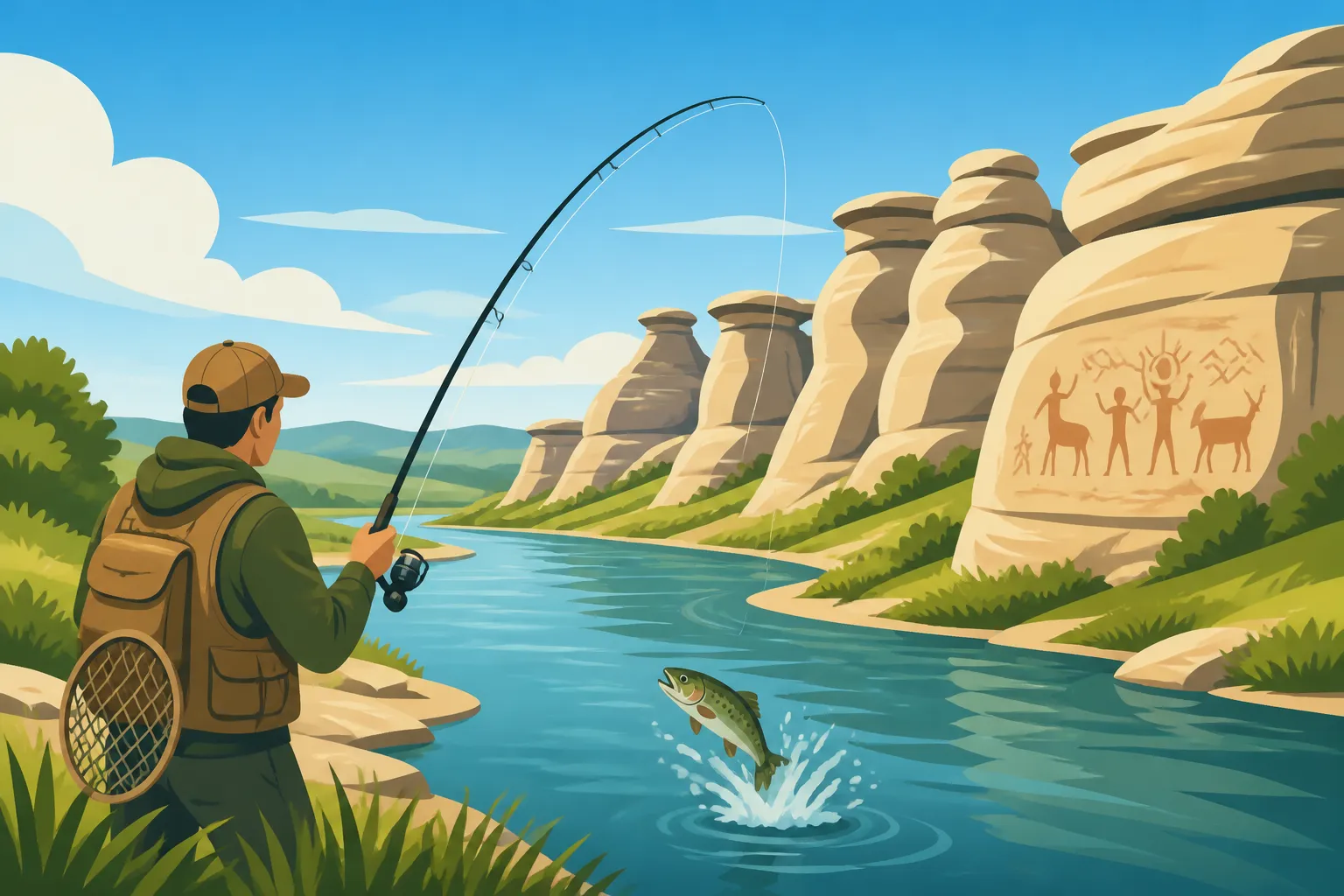
Writing-on-Stone Provincial Park is a place of incredible natural beauty and profound cultural significance, a UNESCO World Heritage Site that draws visitors for its hoodoos, coulees, and ancient Indigenous petroglyphs. But for many anglers, the question naturally arises: can you actually fish in this stunning, protected landscape, and if so, where are the best spots? It’s easy to feel intimidated by the idea of fishing in such a unique and sensitive area, wondering about regulations and if there are even any fish worth casting for. This comprehensive guide will navigate you through the waters of Writing-on-Stone, detailing where and how to pursue fishing opportunities, ensuring you have a memorable and respectful angling experience.
The Milk River: A Ribbon of Life in a Unique Landscape
The heart of any fishing opportunities within Writing-on-Stone Provincial Park lies squarely with the Milk River, a relatively small, prairie river that winds its way through this captivating geological formation. Unlike the roaring trout streams of the Rockies, the Milk River offers a distinctly different angling experience, characterized by its slower currents, warmer temperatures, and diverse population of fish species adapted to prairie environments. Many anglers overlook smaller rivers like this, but they hold a charm and a challenge all their own. You won't find trophy trout here, but you might just find a new appreciation for species that thrive in these often-underestimated waters.
Understanding the River's Characteristics for Angling Success
The Milk River in Writing-on-Stone Provincial Park is not a deep river, especially during drier summer months, often exhibiting broad, shallow flats interspersed with deeper runs and holes. Its banks are typically lined with cottonwoods and willows, providing crucial shade and structure. The riverbed itself is a mix of sand, gravel, and some rocky areas, offering different habitats for various fish species. During periods of heavy rain or spring runoff, the water can become quite turbid, which impacts fishing conditions. This dynamic nature means that understanding the river's flow and clarity is paramount to a successful outing.
Navigating the river’s features often involves identifying current breaks behind submerged logs, deeper pools where fish can escape the heat, and stretches of vegetation that provide cover for ambush predators. Don't expect the clear, cold waters you might find in mountain streams; instead, embrace the unique prairie river ecosystem. If you're planning a trip, checking the Alberta Environment and Protected Areas website for current river levels can give you a significant advantage in anticipating conditions. This kind of preparation is key, as is having the right gear. For those new to Alberta's diverse fisheries, understanding the nuances of different fishing environments is crucial, and you can learn more about general conditions in our guide on the Best Time of Year to Fish in Alberta.
Common Fish Species You Might Encounter
While the Milk River within Writing-on-Stone Provincial Park isn't famed for any single "trophy" species, it hosts a surprising variety of fish that can provide exciting action for the prepared angler. The primary draw for many are the lively goldeye, known for their aggressive strikes and spirited fights. Beyond them, you'll also find various other species that call these waters home.
- Goldeye: These are perhaps the most popular target species in the Milk River. Goldeye are incredibly fun to catch on light tackle, offering acrobatic jumps and strong runs. They feed actively on insects and small baitfish, making them responsive to a variety of lures and baits. Their abundance makes them a great option for consistent action throughout the day. You can delve deeper into Goldeye in Alberta Rivers to understand their habits better.
- Northern Pike: While not as common as in some of Alberta’s larger lakes, pike do inhabit the Milk River. They tend to stick to slower, weedier sections or ambush points where they can hide and dart out at prey. Catching a pike in a river setting like this can be a real treat, as they often hit hard and fight dirty in the current. Learn more about Northern Pike Fishing in Alberta for general tips applicable here.
- Sauger: Often mistaken for walleye, sauger are another predatory fish found in the Milk River. They have a more mottled coloration and typically prefer slightly more turbid waters than walleye. Sauger are excellent eating fish and can provide a good challenge. Identifying them correctly is important, and our guide on Sauger Identification and Habits can help.
- Burbot: These unique, freshwater cod relatives are primarily nocturnal but can be caught during the day, especially in deeper holes or during cooler weather. They are often targeted during winter ice fishing, but their presence in the Milk River adds another interesting dimension to summer angling. For more on these fascinating fish, check out Burbot Fishing in Alberta.
- Various Sucker Species: While not typically targeted by sport anglers, white suckers and longnose suckers are plentiful in the Milk River. They play a vital role in the river ecosystem and can sometimes be caught incidentally while targeting other species with bait. They provide a good fight, even if they aren't the primary quarry.
Remember that regulations for each species can vary, and it's essential to consult the official Alberta Guide to Sportfishing Regulations before you head out. Understanding the specific Alberta Goldeye Limit, Alberta Northern Pike Limit, Alberta Sauger Limit, and Alberta burbot limit is crucial for responsible angling.
Identifying Prime Fishing Locations Within Writing-on-Stone
Fishing within Writing-on-Stone Provincial Park primarily revolves around access to the Milk River. While the entire river stretches for miles, certain areas within the park offer better access and more consistent fishing opportunities due to local topography and river features. The park's focus on preserving its natural and cultural heritage means that designated access points are key, and venturing off marked trails for fishing is strongly discouraged.
Accessible Shore Fishing Opportunities
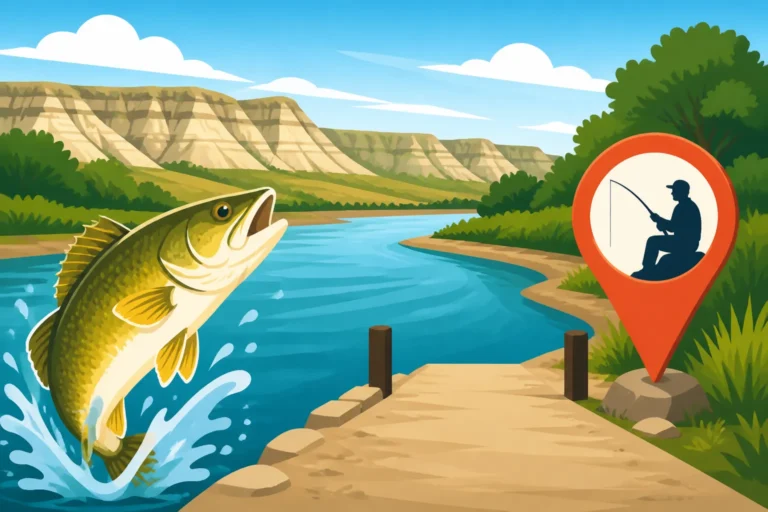
For most visitors, shore fishing will be the primary method of angling in Writing-on-Stone Provincial Park. The park has several established picnic areas and day-use sites along the Milk River, particularly near the main campground and visitor center. These areas often provide easy, well-maintained access to the riverbanks, making them ideal starting points.
- Near the Main Campground: The stretch of the Milk River adjacent to the main campground offers several accessible points where anglers can cast from shore. Look for areas where the river widens slightly or where there's a visible bend in the river, as these often create deeper pockets or slower current lines where fish might congregate. The shade from the large cottonwood trees here also makes for a more comfortable fishing experience on warmer days.
- Day Use Areas: Throughout the park, you’ll find smaller day-use sites with river access. These are great for a quick stop and exploratory casting. Always check the park map upon arrival to identify these specific locations. When you find a spot, take a moment to observe the water. Look for signs of baitfish activity, rising insects, or current seams. These clues can tell you where the fish might be holding.
- Beneath the Hoodoos: While it might be tempting to fish directly among the famous hoodoos, direct access to the river in these areas is often restricted or difficult due to steep banks and sensitive erosion zones. Focus on the more open, designated access points rather than trying to forge new paths. The beauty of the landscape is a constant companion, no matter where you cast.
Remember, the park is a protected area, so always stay on marked trails and respect all signage. Parking is typically available at the main campground and visitor center, as well as designated day-use areas. Always be mindful of other park visitors enjoying the scenery and wildlife.
Considerations for Boating and Kayaking
While the Milk River within Writing-on-Stone Provincial Park can be floated or paddled, specific regulations regarding boat launches and use might be in place due to the park's protected status. Generally, non-motorized crafts like canoes or kayaks are the most suitable for this stretch of river, offering a peaceful way to explore more remote fishing spots that are inaccessible from shore.
- Non-Motorized Craft: If you plan to float the river, bringing a canoe, kayak, or even a small inflatable raft is a fantastic way to access undisturbed sections. These allow you to drift quietly and target structure that shore anglers can’t reach. Always scout your launch and take-out points in advance, and be aware of potential rapids or shallow sections, especially during low water. The Milk River is generally gentle, but understanding the flow is key.
- Launch Points: Within the provincial park itself, designated launch points for watercraft may be limited. It's often easier to launch just outside the park boundaries, upstream or downstream, and then paddle through. Check with the park visitor center or the Alberta Parks website for the most current information on watercraft regulations and approved access points. Always ensure your vessel is properly equipped with all required safety gear, including life jackets.
- River Navigation: When floating, pay close attention to submerged hazards like logs, sandbars, and shallow riffles. The river's current, while not strong, can still be deceptive. Plan your trip to ensure you have enough daylight and energy to complete your float safely. If you're looking for an organized excursion or want to explore other Alberta fishing destinations with a guide, using a service like FishingBooker can help you find local experts who know the rivers well.
Always remember that fishing from a boat or kayak still requires adherence to all Alberta fishing regulations and park rules. This includes possessing a valid Alberta Fishing License Guide for 2026.
Essential Gear and Regulations for Your Trip
To make the most of your fishing trip to Writing-on-Stone Provincial Park, being prepared with the right gear and a solid understanding of the regulations is paramount. The Milk River's unique environment calls for a specific approach, and ignorance of the rules can lead to fines, which is certainly not the memory you want to take home from such a beautiful place. For a general overview of all the rules, it’s always a good idea to refresh yourself with Reading the Alberta Guide to Sportfishing Regulations.
Recommended Tackle and Baits
Given the species present and the river's characteristics, a light to medium-light spinning setup is generally ideal for fishing the Milk River in Writing-on-Stone. This setup offers the versatility to handle goldeye, pike, and sauger effectively.
- Rods and Reels: A 6 to 7-foot spinning rod with a fast action, paired with a 1000-2500 series spinning reel, will give you plenty of sensitivity and casting distance. Spool your reel with 6-10 lb monofilament or braided line, possibly with a fluorocarbon leader for abrasion resistance and stealth in clear water.
- Lures for Goldeye: Goldeye are often caught on small, flashy lures. Think about using:
- Inline Spinners: Brands like Mepps or Panther Martin in sizes #0 to #2 are excellent. Gold, silver, or brass blades with a squirrel tail or feather dressing work wonders.
- Small Spoons: Tiny casting spoons, especially in silver or gold, can mimic small baitfish.
- Tiny Jigs: 1/16 to 1/8 ounce jigs tipped with a small plastic grub or even a piece of worm can be deadly.
- Flies: If you're a fly angler, small dry flies, nymphs, or even tiny streamers can be very effective for goldeye, especially during hatches.
- Lures for Pike and Sauger: For these predatory fish, you’ll want to size up your offerings slightly.
- Spoons: Larger casting spoons (1/4 to 3/8 ounce) in red and white, silver, or chartreuse can entice pike.
- Spinnerbaits: Compact spinnerbaits with willow or Colorado blades are great for working through potential snags and weed beds for pike.
- Crankbaits: Small, shallow-diving crankbaits that mimic minnows can be effective for both pike and sauger, especially in deeper holes.
- Jigs: Jigs dressed with soft plastics (swimbaits, grubs) in natural colors or bright chartreuse can also work for sauger.
- Baits: Live bait is generally very effective for many species in the Milk River.
- Worms: Classic nightcrawlers or dew worms are irresistible to goldeye, suckers, and often pike and sauger too. Fish them on a small hook under a bobber or on a bottom rig.
- Minnows: If allowed (check regulations carefully), small live minnows can be excellent for pike and sauger, fished under a float or on a light jig head.
- Corn or Dough Balls: While less common for the predatory species, these can attract suckers and sometimes goldeye.
| Species | Recommended Lure Types | Recommended Bait Types | Notes |
|---|---|---|---|
| Goldeye | Small inline spinners (#0-#2), tiny spoons, small jigs, flies | Worms, small minnows (if allowed), insects | Aggressive strikes, great on light tackle. |
| Northern Pike | Spoons (1/4-3/8 oz), spinnerbaits, crankbaits | Live minnows (if allowed) | Target weed beds and current breaks. Leader is recommended. |
| Sauger | Small crankbaits, jigs with soft plastics, spoons | Worms, small minnows (if allowed) | Prefer deeper, more turbid water. Good table fare. |
| Burbot | Jigs (vertical), glow baits, spoons | Cut bait (smelly), worms | Primarily nocturnal; target deep holes. |
| Suckers | (Often incidental catches) | Worms, corn, dough balls | Common, provide a strong fight. |
Remember to bring a small pair of pliers or forceps for hook removal, especially with pike, and a small, soft-mesh landing net to minimize stress on fish if you plan to release them.
Important Regulations to Remember
Fishing in any provincial park, especially one with cultural significance like Writing-on-Stone, comes with a responsibility to understand and adhere to local and provincial regulations. Ignoring these rules not only risks penalties but also impacts the delicate ecosystem and cultural integrity of the park.
- Alberta Fishing License: The most crucial requirement is a valid Alberta Fishing License Guide for 2026. Everyone over the age of 16 (and under 65, unless exempted) must possess a license to fish in Alberta. Non-residents, including non-resident Canadians, also require a specific license. Failure to carry a valid license can result in significant fines, as detailed in Fishing Without a License in Alberta: Penalties.
- WIN Card: Before purchasing your license, you'll need an active Wildlife Identification Number (WIN) card. This is a one-time purchase that lasts for five years.
- Zone Regulations: The Milk River falls within specific Alberta Fisheries Management Zones. You must consult the current Alberta Guide to Sportfishing Regulations to determine the specific rules for the Milk River, including bait bans, lure restrictions, and specific daily bag and possession limits for each species. While we provide general information, regulations can change, so always check the official guide. Pay particular attention to Alberta Fishing Season Dates by Zone as they can impact when you can target certain species.
- Bait vs. Lure Restrictions: Some waters in Alberta have bait bans to prevent the spread of disease or protect sensitive fish populations. Always verify if the Milk River within Writing-on-Stone has any such restrictions. If bait is allowed, ensure it adheres to regulations (e.g., no live fish as bait from other water bodies).
- Catch and Release: Many anglers choose to practice catch and release, especially for species they don't intend to eat or if they've already met their bag limit. If you are releasing fish, handle them gently, minimize their time out of water, and use appropriate tools like de-barbed hooks (if not already mandated) to ensure their survival.
- Park-Specific Rules: Beyond provincial fishing regulations, Writing-on-Stone Provincial Park itself will have rules regarding access, waste disposal, and general conduct. Respect these rules, especially those related to archaeological sites and fragile habitats. Pack out everything you pack in, and avoid disturbing wildlife or historical artifacts.
By respecting the regulations and practicing responsible angling, you contribute to the conservation of this incredible natural and cultural treasure for future generations. If you're looking to plan a fishing trip, consider using platforms like FishingBooker to explore guided options that ensure you're fishing legally and responsibly, often with experts who intimately know the local rules.
Maximizing Your Experience and Respecting the Park
Fishing in Writing-on-Stone Provincial Park is more than just about catching fish; it's an opportunity to connect with a unique landscape, rich in both natural beauty and human history. To truly maximize your experience, and importantly, to ensure this privilege remains for others, it's vital to approach your visit with respect and responsibility.
Embracing the Journey: Beyond the Catch
Sometimes, the best fishing days aren't measured by the number or size of fish caught, but by the overall experience. At Writing-on-Stone, this sentiment rings especially true. The park offers an unparalleled backdrop for your angling adventures. Take the time to:
- Observe Wildlife: The Milk River valley is home to diverse wildlife, including various bird species, deer, and small mammals. Keep an eye out while you're fishing; you might spot a raptor soaring overhead or a beaver working on its lodge. These observations enrich your time on the water.
- Appreciate the Geology and History: Walk some of the interpretive trails. Marvel at the hoodoos sculpted by wind and water over millennia. Reflect on the ancient petroglyphs and pictographs left by Indigenous peoples, which tell stories of their deep connection to this land. This historical context adds a profound layer to your visit, reminding you that you are a guest in a place of immense significance.
- Photography: Bring a camera! The changing light on the hoodoos, the reflection of the sky on the Milk River, or even a well-handled fish against the scenic backdrop can make for stunning photographs. Just remember to put your rod down carefully before snapping that picture.
Remember, the goal isn't just a full stringer, but a full heart and mind from experiencing such a special corner of Alberta.
Leave No Trace and Support Conservation Efforts
The principles of Leave No Trace are paramount when visiting any natural area, and particularly so in a provincial park and UNESCO World Heritage Site like Writing-on-Stone. Every action, no matter how small, has an impact.
- Pack It In, Pack It Out: This is the golden rule. All garbage, including fishing line, bait containers, and food wrappers, must be carried out of the park with you. Even biodegradable items can take a long time to break down and disrupt the natural environment.
- Stay on Trails and Designated Areas: Anglers should stick to established paths and access points along the river. This minimizes disturbance to sensitive ecosystems, prevents erosion, and protects any unseen archaeological features. Avoid trampling vegetation or disturbing riverbanks unnecessarily.
- Responsible Fish Handling: If you are practicing catch and release, do so with the utmost care. Minimize handling time, keep the fish in the water as much as possible, and use wet hands to protect its slime coat. Consider using barbless hooks, which make release easier and less damaging. For those interested in how to properly release fish, especially larger species, there are many resources available through guides booked via platforms like FishingBooker, or local Alberta Fish & Wildlife offices.
- Respect Others: Share the space gracefully with other visitors, whether they are hikers, birdwatchers, or fellow anglers. Keep noise levels down and be mindful of your casting space.
By adhering to these principles, you help ensure that Writing-on-Stone Provincial Park remains a pristine and historically significant site for everyone, and that its fishing opportunities continue to thrive for years to come. Your respectful actions contribute directly to the ongoing conservation efforts that protect this remarkable landscape.
Disclaimer
The information provided in this guide is for general informational purposes only and is subject to change. Anglers are solely responsible for understanding and complying with all current Alberta fishing regulations, including licensing requirements, season dates, bag limits, and specific rules for Writing-on-Stone Provincial Park and the Milk River. Always consult the official Alberta Guide to Sportfishing Regulations and the Alberta Parks website before heading out. Fishing conditions, river levels, and accessibility can vary significantly.