Crowsnest River Lundbreck Falls Fishing
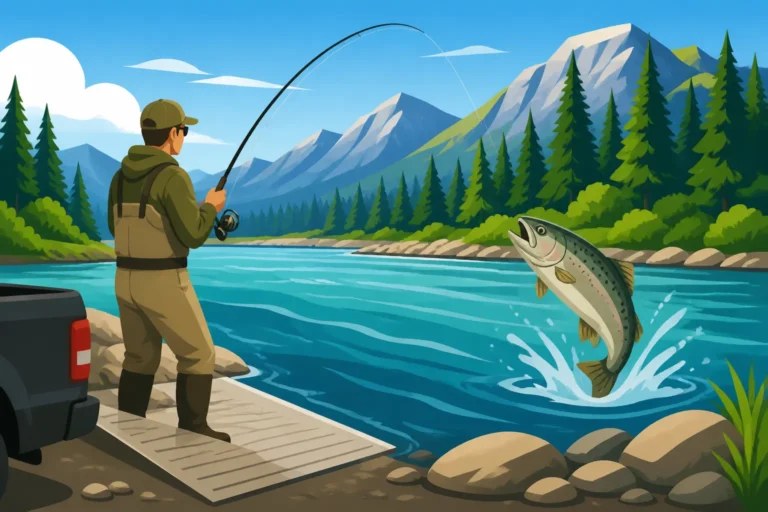
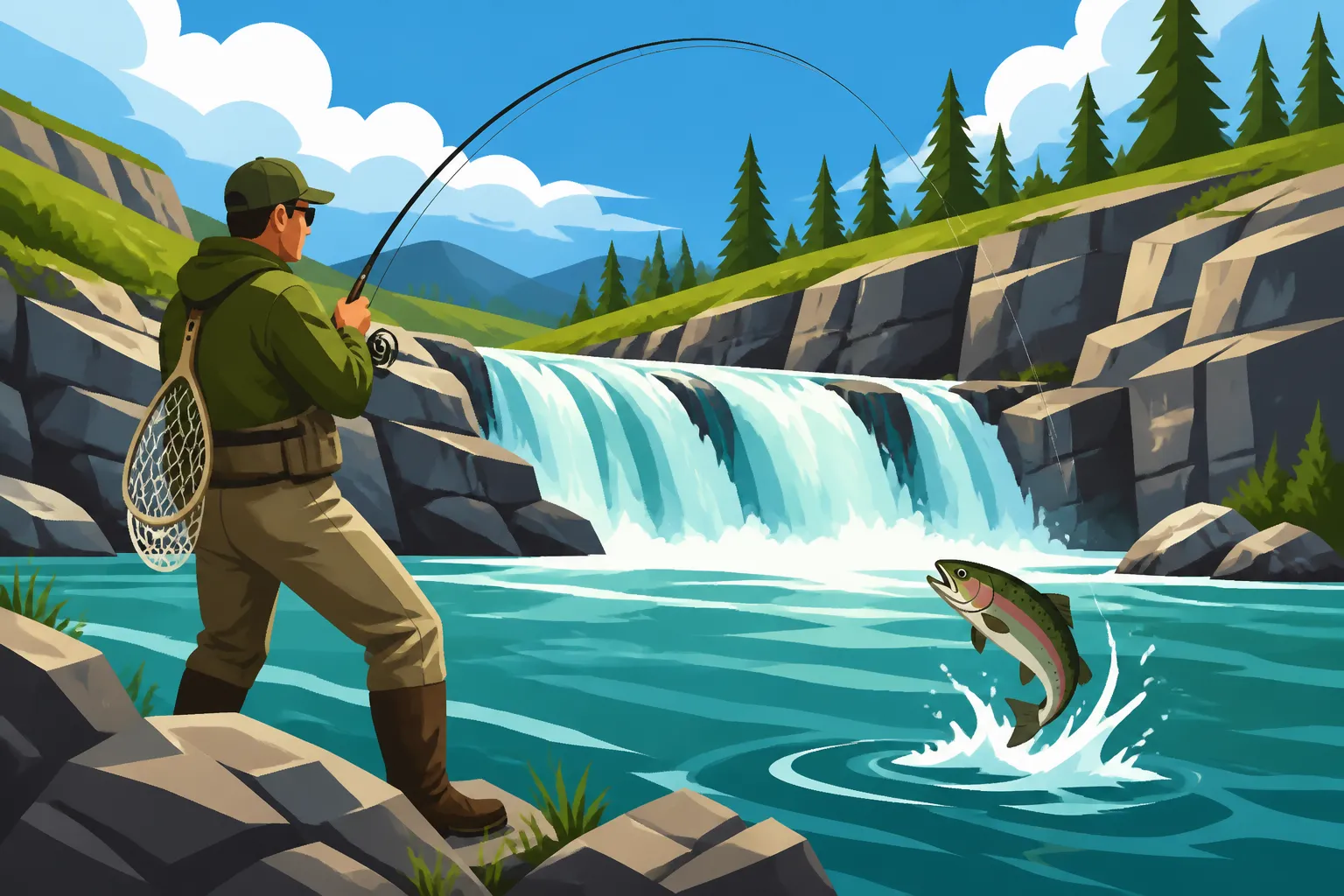
The Crowsnest River, especially around the iconic Lundbreck Falls, presents a unique and sometimes challenging proposition for anglers. Many experienced fishers find themselves wondering how to best approach these storied waters, which hold everything from feisty rainbow trout to elusive bull trout. This guide aims to demystify fishing the Crowsnest River near Lundbreck Falls, providing comprehensive insights into techniques, regulations, and responsible angling practices to help you make the most of your adventure.
The Allure of Crowsnest River and Lundbreck Falls
There’s something truly special about the Crowsnest River as it tumbles over Lundbreck Falls. It’s not just the dramatic scenery, where the water carves its way through ancient rock; it’s the sense of wildness, the knowledge that you’re casting into waters teeming with vibrant, often challenging, fish. This isn't just another stocked pond; this is a living, breathing river ecosystem that demands respect and understanding.
Why Lundbreck Falls is a Trout Angler's Dream
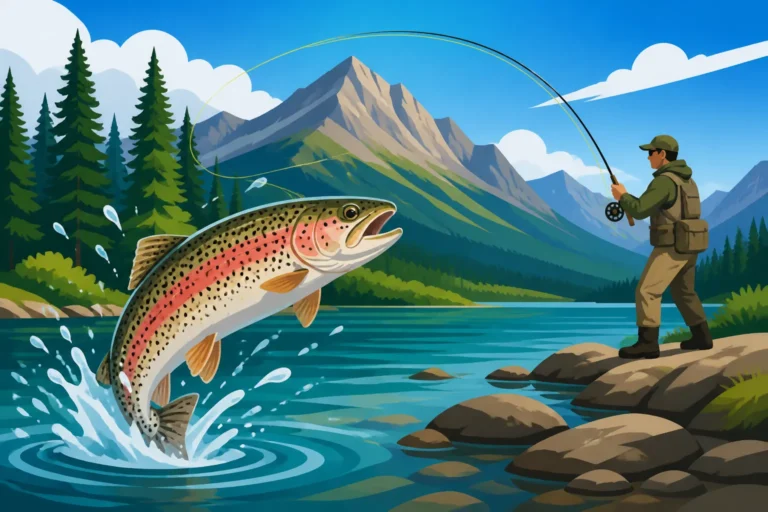
For many, Lundbreck Falls is more than just a beautiful landmark; it’s a gateway to some of Alberta’s most rewarding trout fishing. The river here is a mosaic of diverse habitats, from deep, churning pools at the base of the falls to swift runs and gentle riffles both upstream and down. This variety means a rich diversity of trout species call this area home. You'll primarily encounter robust Rainbow Trout, often identifiable by their vibrant pink stripe and energetic fight. Then there are the more subtle, yet equally beautiful, Cutthroat Trout, characterized by their distinctive red slash under the jaw. And, of course, the ever-elusive Brown Trout, known for their cunning and impressive size, particularly in the lower stretches of the river.
The sheer accessibility of the area is another huge draw. Lundbreck Falls Provincial Park offers ample parking and well-maintained trails that lead directly to prime fishing spots. This convenience means you can spend less time bushwhacking and more time with a line in the water. Yet, despite its popularity, the river maintains a wild character. The forces of nature – seasonal water flows, insect hatches, and the natural migration of fish – dictate the fishing experience, ensuring that no two days on the Crowsnest are ever truly the same. It’s a place where you can feel connected to the rhythm of the wilderness, even with a paved road just a stone's throw away. This particular stretch of the river, especially the runs and pools immediately below the falls, acts as a natural holding area for trout, making it a fantastic location for both seasoned anglers and those looking to develop their river skills.
Navigating the Unique Waters Below and Above the Falls
Understanding the distinct characteristics of the river above and below Lundbreck Falls is crucial for successful angling. The falls themselves act as a significant barrier, influencing fish distribution and river dynamics. Below the falls, the river is often more powerful and turbulent, especially during higher flows. The water churns into deep pools and swift runs, creating oxygen-rich environments that trout absolutely thrive in. This section can be incredibly productive, but it also demands a more cautious approach to wading and casting. The fish here are often strong, adapted to fighting the current, and can be quite aggressive towards a well-presented fly or lure.
Above the falls, the Crowsnest River generally presents a somewhat different character. While still a vibrant trout stream, it tends to be narrower, with more defined riffles, runs, and pools, and often slightly less powerful currents. The river meanders through more open terrain, offering different types of structure like undercut banks, fallen logs, and gravel bars. These features provide excellent cover and feeding lanes for trout. Fishing upstream often requires a stealthier approach, as the water can be shallower and clearer, making fish more easily spooked. Anglers often find success targeting specific seams and pockets where current meets slower water. This part of the river can offer incredible dry fly opportunities, especially during prolific insect hatches. Knowing whether you plan to focus on the powerful plunge pools and fast runs below the falls or the more intricate, meandering sections above will greatly influence your choice of gear and technique. Many anglers even split their day, experiencing the best of both worlds.
Essential Gear and Tackle for Lundbreck Falls
Successfully fishing the Crowsnest River, particularly around Lundbreck Falls, isn't just about showing up with a rod. It's about having the right tools for the job, tailored to the specific challenges and opportunities these waters present. Whether you're a devoted fly angler or prefer the simplicity and effectiveness of spinning gear, a thoughtful approach to your tackle can make all the difference.
Fly Fishing Essentials for Crowsnest Trout
For many who visit the Crowsnest, fly fishing is the quintessential method. The river’s diverse insect life and clear waters are perfectly suited to it. When it comes to rods, a 9-foot, 5-weight fly rod is often considered the ideal all-around choice. It offers enough backbone to handle larger trout and cast heavier nymph rigs, yet remains sensitive enough for delicate dry fly presentations. Pair this with a reliable disc-drag fly reel loaded with a weight-forward floating fly line, typically a 5-weight as well, to match your rod. Don't skimp on a good leader; a 9-foot tapered leader ending in a 4X or 5X tippet is a solid starting point for most situations. You might need to adjust the tippet size smaller (6X) for very shy fish in clear, low water, or slightly larger (3X) if you're throwing bigger streamers or fishing in faster, murkier conditions.
Now, for the critical part: the flies. The Crowsnest River is renowned for its prolific hatches, so a well-stocked fly box is your best friend. For subsurface nymphing, which is often highly effective, consider patterns like the Prince Nymph, Hare's Ear, Pheasant Tail, and various stonefly imitations in sizes 12-18. When fish are rising, having a selection of dry flies is paramount. Think Parachute Adams, Elk Hair Caddis, stimulators, and various mayfly and caddisfly patterns in sizes 14-20. Specific local hatches can vary, so it's always a good idea to check with a local fly shop in nearby Pincher Creek or Frank. Don't forget streamers; patterns like Woolly Buggers (black, olive, brown) or Sculpzillas in sizes 6-10 can entice larger, more aggressive trout, especially Brown Trout, when stripped through deeper pools or swung across runs. Remember, the Crowsnest River has certain sections with a Alberta Barbless Hook Requirement Waters, so make sure your flies are crimped down for safe, ethical catch-and-release.
Spinning Gear for Those Who Prefer Conventional Methods
While fly fishing holds a special place, spinning gear is perfectly effective and often a great choice for anglers who prefer a more straightforward approach or are just starting out. For the Crowsnest, a light to medium-light action spinning rod, around 6 to 7 feet in length, is ideal. This type of rod provides enough sensitivity to feel subtle bites but also has the power to handle a spirited trout. Match it with a quality spinning reel in the 1000 to 2500 size range, spooled with 4-6 lb test monofilament or fluorocarbon line. Monofilament is forgiving and great for beginners, while fluorocarbon offers excellent abrasion resistance and low visibility, which can be crucial in clear water. Many anglers opt for braided line as their main line for casting distance and sensitivity, using a 6-10 lb braid, and then tie on a 4-6 lb fluorocarbon leader of about 3-5 feet.
When it comes to lures, smaller is usually better for river trout. Classic inline spinners, such as Mepps or Rooster Tails, in sizes #0 to #2, with silver, gold, or brass blades and various colored dressings (black, white, chartreuse), are consistently productive. Small spoons, like a Little Cleo or a Kastmaster, in silver or gold, weighing 1/8 to 1/4 oz, can also be deadly, especially when fished in deeper pools or faster currents. For a more subtle approach, try small soft plastics rigged on a light jig head (1/16 to 1/8 oz). Grubs, tubes, or small worm imitations in natural colors can be incredibly effective when slowly bounced along the bottom or drifted through runs. Remember that ethical angling requires careful handling when using trebled lures. Consider replacing treble hooks with single, barbless hooks to minimize harm to the fish you intend to release. Always carry a pair of long-nosed pliers to aid in quick and safe hook removal.
Understanding Crowsnest River Regulations and Conservation
Fishing responsibly on the Crowsnest River, especially near a significant ecological area like Lundbreck Falls, goes far beyond just catching fish. It's about respecting the ecosystem, understanding the rules, and doing your part to ensure healthy fish populations for generations to come. Alberta's fishing regulations are designed with this in mind, and knowing them is your primary responsibility.
Navigating Alberta's Sportfishing Regulations in this Zone
Before you even think about casting a line into the Crowsnest River, the absolute first thing you need is an Alberta Fishing License Guide for 2026. Fishing without one is not only illegal but also disrespectful to the conservation efforts that keep these fisheries vibrant. Once you have your license, you need to delve into the specifics of the Crowsnest River's regulations. Alberta operates on a zone-based system, and the Crowsnest River falls within a particular management zone with its own set of rules that can differ significantly from other rivers in the province.
You'll need to consult the current Alberta Fishing Regulations Explained and pay close attention to the "ES1" Eastern Slopes (South) zone or specific regulations listed for the Crowsnest River itself. Crucial details include catch limits (which are often zero possession for certain species like Bull Trout, which we'll discuss next), legal bait, and most importantly, specific season dates. For instance, while some waters might open earlier, the Alberta Fishing Season Dates by Zone for mountain rivers often dictate later openings to protect spawning fish. It's also imperative to note if the section you're fishing is designated as "barbless hook only." The Crowsnest River, like many of Alberta's sensitive trout streams, often has Alberta Barbless Hook Requirement Waters to minimize injury to fish during catch and release. Not having barbless hooks, or failing to crimp down your barbs, can result in fines and, more importantly, unnecessary harm to the fish. Always carry the current Alberta Guide to Sportfishing Regulations, either physically or digitally through the MyWildAlberta app, and refer to it frequently.
Practicing Responsible Angling at Lundbreck Falls
Beyond the letter of the law, there's the spirit of responsible angling, which is especially vital in such a popular and sensitive area as Lundbreck Falls. The Crowsnest River is home to several trout species, including the provincially threatened Bull Trout. These magnificent native char are highly protected, and the Alberta Bull Trout Zero Possession Rule means that if you accidentally catch one – and it does happen – you must release it immediately and unharmed. Knowing How to Catch Bull Trout and Release Them Safely is critical, including minimizing their time out of water, handling them with wet hands, and avoiding contact with their gills.
Even for other species like Rainbow or Cutthroat Trout, practicing proper catch-and-release techniques is paramount. This means using appropriate gear that doesn't overstress the fish, bringing them in quickly, keeping them in the water as much as possible, and using a knotless rubber net to protect their slime coat and fins. Avoid dragging fish onto dry land or rocks. Before releasing, allow the fish to recover in the current until it can swim away under its own power. Furthermore, respect for the environment means adhering to "Leave No Trace" principles. Pack out everything you pack in, including discarded fishing line and any food wrappers. Stay on established trails, avoid disturbing wildlife, and always be mindful of private property along the riverbanks. If you're unsure about access points, consider booking a trip with a local guide through a platform like FishingBooker, which can help ensure you're fishing legally and respectfully. Your actions directly impact the health and sustainability of this incredible fishery.
Best Times and Techniques for Lundbreck Falls Fishing
The Crowsnest River at Lundbreck Falls is a year-round destination for keen anglers, though each season brings its own set of challenges and rewards. Understanding the rhythm of the river and adapting your approach accordingly is key to consistent success.
Seasonal Hotspots and Optimal Fishing Windows
The Crowsnest River's character shifts dramatically with the seasons, and so too do the best fishing opportunities. Spring, typically after the initial runoff subsides but before the summer heat truly kicks in, can be fantastic. As snowmelt recedes, the water clears, and insect activity begins to pick up. This is a prime time for nymphing, especially with stonefly and caddisfly imitations, as trout are often hungry after a lean winter. Look for fish in slower runs and eddies, seeking out newly available food. Always check the Alberta Fishing Seasons by Zone and Month as opening dates can vary.
Summer brings warmer temperatures and lower, clearer water, which means active insect hatches and excellent dry fly fishing. Mornings and evenings are often the most productive, as mid-day sun can make trout lethargic and spooky. Target riffles, current seams, and undercut banks where fish can ambush unsuspecting insects. This is also a great time for terrestrial patterns like hoppers and ants. As fall approaches, the water cools, and larger trout, particularly brown trout, become more aggressive and territorial, often feeding heavily in preparation for winter. Streamer fishing can be incredibly effective during this period, especially during overcast days or in the low light of dawn and dusk. The Best Time of Year to Fish in Alberta often points to spring and fall for trout rivers like the Crowsnest, as these seasons offer a balance of active fish and manageable conditions. During any season, high water levels from heavy rains can make fishing challenging, while extremely low, clear water demands the utmost stealth and fine tackle.
Effective Fishing Techniques for Crowsnest River Trout
Mastering a few key techniques will greatly enhance your success on the Crowsnest River. For fly anglers, nymphing is arguably the most consistent producer, especially when trout aren't visibly rising. A common setup involves a strike indicator, split shot (if needed), and two nymph patterns fished in tandem. Focus on drifting your nymphs naturally through runs, current seams, and into the heads of pools. Watch your indicator carefully for any subtle movement that signifies a take. When trout are actively rising, dry fly fishing is incredibly rewarding. Matching the hatch is key; observe what insects are on the water and try to imitate their size, shape, and color. Present your dry fly upstream, allowing it to drift drag-free over feeding fish. For larger, predatory trout, especially brown trout, streamer fishing can be dynamite. Cast your streamer across and slightly downstream, allowing it to swing and strip it back with varying retrieves to imitate baitfish. While often associated with larger rivers like the Bow, many principles from Fly Fishing for Trout on the Bow River can be applied and adapted to the Crowsnest.
For those using spinning gear, casting small inline spinners or spoons upstream and retrieving them downstream, just faster than the current, is a time-tested method. This allows the lure to tumble naturally and flash in the current, mimicking small baitfish or aquatic insects. Vary your retrieve speed and depth until you find what triggers a bite. Another effective technique is drift fishing with a small soft plastic or a jig. Rig it with just enough weight to bounce along the bottom without getting constantly snagged, letting the current carry it naturally through prime holding water. Pay close attention to structure like submerged rocks, fallen logs, and undercut banks. Trout love to hold in these areas, using them as ambush points. When wading, safety is paramount. The Crowsnest can have slippery, uneven bottoms, especially near Lundbreck Falls where rocks are prevalent. Always use a good pair of wading boots, and a wading staff can provide crucial stability, just as emphasized in any guide about Wading Techniques for Alberta Trout Rivers. Learning to read the water – identifying riffles, runs, pools, and seams – will significantly improve your chances regardless of your chosen technique.
Planning Your Trip to Lundbreck Falls
A well-planned trip to Lundbreck Falls will not only maximize your fishing time but also ensure a safer and more enjoyable experience. From knowing how to get there to understanding the local amenities, a little preparation goes a long way.
Access Points and Local Amenities
Lundbreck Falls Provincial Park is conveniently located on Highway 3, west of the town of Pincher Creek. The park offers easy access to the falls themselves and surrounding river areas, with well-marked parking lots and designated pathways. There are viewing platforms that offer stunning vistas, but for fishing, you’ll want to utilize the trails that lead down to the riverbanks. Popular access points are found both immediately above and below the falls. Below the falls, trails lead to various pools and runs where the river flows through a more defined canyon. Above the falls, the river widens in some sections, offering different fishing opportunities. Always be mindful of designated access points and respect private property signage along the river.
While the park itself has basic facilities, for more extensive amenities, you'll want to visit the nearby towns. Pincher Creek, just a short drive east, is the largest hub in the area and offers gas stations, grocery stores, restaurants, and a few accommodation options. Frank, another small community even closer to the falls, might have more limited services but can be convenient. For specific fishing supplies, including local fly patterns or bait, it's always a good idea to check with tackle shops in Pincher Creek or even further afield in larger centers like Calgary or Lethbridge before you head out. These local shops are invaluable resources for up-to-date fishing reports and conditions, offering insights that a generic weather app just can't provide. If you're looking for a guided experience to truly unlock the secrets of Crowsnest River Trout Fishing, platforms like FishingBooker can connect you with experienced local guides who know these Crowsnest River fishing spots intimately and can provide all the necessary gear and expertise.
Essential Safety Tips for River Angling
Fishing rivers like the Crowsnest always comes with inherent risks, and being prepared is vital for a safe outing. The water around Lundbreck Falls, especially below the drop, can be incredibly powerful and deceptively deep. Even in calmer sections, currents can be strong, and the riverbed can be rocky and slippery. Always wear appropriate wading boots with good grip, and consider a wading staff for added stability, particularly when crossing or moving through faster water. If you're planning to wade deep, a life vest is a sensible piece of safety equipment, even if not legally required for wading.
Weather in the Alberta mountains can change rapidly. A sunny morning can quickly turn into a cold, rainy, or even snowy afternoon. Dress in layers, and always carry rain gear, even if the forecast looks clear. Inform someone of your fishing plans – where you're going and when you expect to return. Cell service can be spotty in some remote sections, so don't rely solely on your phone for emergencies. Wildlife, including bears, cougars, and coyotes, inhabit the area, so carry bear spray and know how to use it. Make noise while hiking, and store food securely. Finally, be aware of fluctuating water levels. Heavy rainfall upstream or reservoir releases can cause the river to rise quickly, potentially creating dangerous wading conditions. Always check local conditions before you venture out, and if the water looks too high or fast, err on the side of caution and find safer, alternative Best Fishing Rivers in Alberta.
| Trout Species | Preferred Habitat | Recommended Techniques | Special Notes |
|---|---|---|---|
| Rainbow Trout | Riffles, runs, pocket water, pools | Nymphing, dry flies, small spinners | Strong fighters, common in all sections |
| Brown Trout | Undercut banks, deep pools, log jams | Streamers, large nymphs, small spoons | Can grow very large, often nocturnal |
| Cutthroat Trout | Headwaters, clear runs, slower pockets | Dry flies, small nymphs, soft plastics | Distinctive red slash under jaw |
| Bull Trout | Deep, cold pools, structure | Large streamers, heavy jigs (accidental catch) | ZERO POSSESSION! Protected species, release immediately and carefully |
Disclaimer
The information provided in this guide is for general informational purposes only and is subject to change. Fishing regulations in Alberta are updated annually and may vary based on specific zones, species, and other factors. It is the sole responsibility of the angler to consult the most current Alberta Guide to Sportfishing Regulations, available from MyWildAlberta, before engaging in any fishing activities. Adherence to all local, provincial, and federal laws is mandatory. Fishing inherently carries risks, and safety precautions should always be observed. The author and publisher are not responsible for any accidents, injuries, or legal repercussions incurred while following the advice or information presented herein.