Best whitefish rivers in Alberta
Many anglers in Alberta feel like the mighty trout gets all the glory, often overlooking the fantastic sport and delicious reward that whitefish can offer. It can be a challenge to pinpoint exactly where these elusive bottom-feeders thrive and what methods work best to entice them. This comprehensive guide is here to change that, leading you to the best whitefish rivers across Alberta and equipping you with the knowledge to make your next whitefish adventure a resounding success.
Understanding Alberta's Whitefish Species
Before we dive into specific river recommendations, let's get acquainted with the stars of the show. Alberta is home to a couple of whitefish species that provide excellent angling opportunities, and understanding their differences is key to successful fishing.
Rocky Mountain Whitefish vs. Lake Whitefish
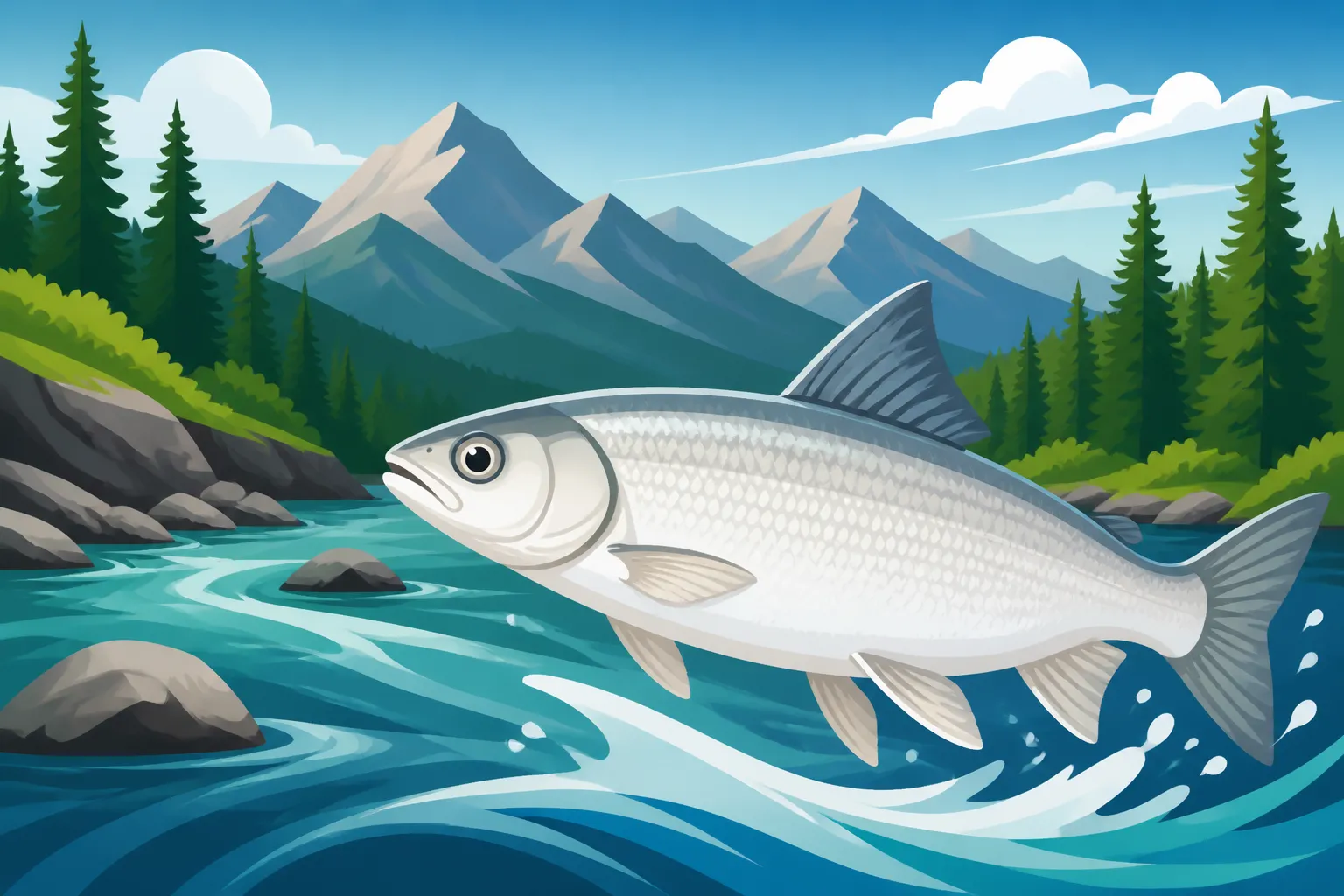
While both are "whitefish," the Rocky Mountain Whitefish (Prosopium williamsoni) is the primary species you'll encounter in Alberta's rivers, especially those originating in the mountains. These fish are typically stream-dwelling and are known for their small, downward-facing mouths adapted for feeding on aquatic insects, larvae, and small crustaceans right off the riverbed. They rarely grow beyond a few pounds, making them a fantastic light-tackle sport fish.
Lake Whitefish (Coregonus clupeaformis), on the other hand, are generally larger and prefer the deeper, colder waters of lakes. While you might find them in the slower, deeper sections of very large rivers connected to lakes, your primary river target will almost always be the Rocky Mountain Whitefish. Identifying them usually comes down to their habitat and subtle differences in fin structure and body shape, but for river anglers, if you're catching whitefish in a moving water system, it's almost certainly the Rocky Mountain variety.
Key Characteristics and Habits
Rocky Mountain Whitefish are incredibly opportunistic feeders, but they tend to prefer submerged insects and larvae. They spend much of their time near the bottom, often in slower currents adjacent to faster-moving water, behind rocks, or in deeper pools where food items naturally settle. They are schooling fish, so where you find one, you're likely to find more. This means if you pick one up, it's often worth working that same seam or hole thoroughly.
Their spawning habits typically occur in late fall, when they move into shallower, gravelly areas of rivers. During other times of the year, look for them in classic trout water – riffles, runs, and pools, especially those with clean gravel or rock bottoms where their insect prey congregates. Understanding their preference for bottom-dwelling invertebrates makes fly selection and presentation critical. They can be finicky, often requiring a subtle presentation, which adds to their sporting appeal. If you're looking to dive deeper into identifying different species, our guide on Mountain Whitefish in Alberta Rivers offers even more detail.
Top Rivers for Whitefish in Alberta
Alberta boasts several incredible rivers where whitefish thrive, offering diverse fishing experiences from mountain streams to larger prairie rivers. Each river presents unique opportunities and challenges, but a common thread is the abundance of these often-underestimated game fish.
The Bow River
Ah, the legendary Bow River! While it's globally renowned for its trophy rainbow and brown trout, many anglers overlook its incredible whitefish population. The Bow holds healthy numbers of Rocky Mountain Whitefish, especially in the stretches downstream from Calgary.
- Prime Sections: Below the city of Calgary, particularly from Fish Creek Provincial Park all the way down to Carseland Weir, the river offers extensive opportunities. The deeper runs, slow seams, and gravelly bottom areas are prime whitefish habitat. Access points like Policeman's Flats, McKinnon Flats, and the areas around Carseland are excellent choices. Many guides, often found through services like FishingBooker, specialize in these stretches and can put you on good numbers of whitefish in addition to trout.
- Seasonal Tips: Whitefish are present year-round, but late summer and fall can be particularly productive as they feed heavily before winter and their spawning season. During winter, some ice anglers even target them in slower sections, but open-water fishing from shore or boat is most common.
- Techniques: Small nymphs (sizes 16-20) dead-drifted along the bottom are incredibly effective. Think tiny stoneflies, caddis larvae, midge pupae, or even small worm imitations. For spin anglers, small jigs tipped with a grub or a tiny spoon worked slowly along the bottom can also entice bites. Our Bow River Fishing Guide can provide more general tips for fishing this incredible river.
The Oldman River
The Oldman River, flowing through southwestern Alberta, is another excellent destination for Rocky Mountain Whitefish. This river transitions from a freestone mountain stream into a wider, more braided prairie river, offering varied whitefish habitats.
- Prime Sections: The upper stretches in the foothills, particularly around the towns of Lundbreck, Cowley’s Bridge, and downstream towards Fort Macleod, are known for robust whitefish populations. Look for them in deeper pools, runs with consistent current, and alongside slower eddies where insects accumulate.
- Access Points: Public access is good in many areas, including designated spots within provincial recreation areas. When exploring, keep an eye out for bridges and public land access points.
- Seasonal Tips: Similar to the Bow, late summer and fall offer consistent action. Early spring, as the river clears from runoff, can also be productive. They remain active even in colder water, making them a good target during shoulder seasons.
- Techniques: Fly anglers will find success with similar small nymph patterns as on the Bow, often fished under an indicator with split shot to get them down quickly. Spin fishers can use small jigs or even tiny spoons, bounced carefully along the bottom without snagging. If you're specifically targeting areas, check out Oldman River Fishing Spots for detailed access information.
North Saskatchewan River
The North Saskatchewan River, particularly its upper and middle stretches as it flows out of the mountains and into the central plains, hosts a good population of whitefish. While often overshadowed by pike and walleye further downstream, the cleaner, cooler water upstream of Edmonton is excellent for them.
- Prime Sections: From the mountain parks downstream through Rocky Mountain House and Drayton Valley, the river offers ample whitefish opportunities. Deeper holes, current breaks, and gravelly shelves are key. As the river broadens, look for them along channels and seams.
- Access Points: Numerous public boat launches and park areas provide access. Bank fishing is also viable in many spots, but caution is always advised due to variable flows and slippery banks.
- Seasonal Tips: Summer and fall are prime, as insect hatches provide consistent food sources. Fishing during cooler parts of the day can be beneficial in warmer summer months.
- Techniques: Nymphs are still king for fly anglers, with bead-head patterns being particularly effective in the often deeper and stronger currents of this river. Spin anglers can use small spoons like Gibbs-Delta Crocs or even small inline spinners in deeper runs. Booking a guided trip through a platform like FishingBooker on the North Saskatchewan can be a game-changer for finding those elusive whitefish spots. To better plan your trip, explore North Saskatchewan River Fishing Spots.
Athabasca River
Another major river system in Alberta, the Athabasca River, particularly in its upper reaches, also supports Rocky Mountain Whitefish. As it flows from the Jasper National Park area, it offers cold, clear mountain water ideal for whitefish and other salmonids.
- Prime Sections: Upstream of Athabasca town and especially within and just outside Jasper National Park, the whitefish population is strong. Focus on the confluences of tributary streams, deeper pools, and areas with slower currents adjacent to faster flows.
- Access Points: Within Jasper National Park, specific regulations apply, so always consult the park's fishing regulations. Outside the park, public land access and bridge crossings often provide entry points.
- Seasonal Tips: Summer is often best when the water levels are stable and clear. Runoff in late spring can make fishing challenging, but once the river settles, the whitefish bite can be excellent.
- Techniques: Due to often clearer water, stealthy approaches are key. Long, fine leaders and small, natural-looking nymphs are vital for fly anglers. Spin anglers might find success with very small, subtle jigs or even micro-spoons. For more information on access points, consult Athabasca River Fishing Spots.
Crowsnest River
The Crowsnest River, a tributary of the Oldman, is a renowned trout stream that also holds a healthy population of Rocky Mountain Whitefish. Its accessible nature and consistent flows make it a favourite for many anglers.
- Prime Sections: From its headwaters near Coleman all the way downstream to its confluence with the Oldman River, the Crowsnest offers excellent whitefish opportunities. Look for them in the same classic trout holding water: seams, riffles, and the tails of pools.
- Access Points: Highway 3 runs alongside much of the river, providing numerous pull-offs and bridge access points. Areas around Lundbreck Falls and the stretches near Frank and Blairmore are particularly popular.
- Seasonal Tips: Spring after runoff and throughout the summer and fall are prime times. Whitefish here are often caught incidentally while targeting trout, but dedicated efforts can yield good numbers.
- Techniques: Small nymph patterns are highly effective, often fished in tandem. European nymphing techniques can also be very productive for getting flies down to their feeding zone without excessive weight. Spin anglers can try small jigs or tiny trout spoons. Our Crowsnest River Trout Fishing guide also provides valuable information on this river system that applies to whitefish.
Effective Techniques and Gear for Alberta Whitefish
Successfully targeting whitefish requires a nuanced approach. They’re not usually aggressive strikers, preferring subtle presentations that mimic their natural food sources. Here’s how to set yourself up for success.
Fly Fishing Strategies
Fly fishing is often considered the most effective and enjoyable way to target Rocky Mountain Whitefish. Their diet consists primarily of aquatic insects, making fly imitations incredibly effective.
- Nymphing is Key: Whitefish spend most of their time feeding on the bottom, so getting your flies down is paramount. Use a tandem nymph rig: a heavier "point" fly (like a weighted Prince Nymph or Copper John) followed by a smaller, unweighted "dropper" fly (like a Hare's Ear, Pheasant Tail, or even a tiny midge pattern in sizes 16-20). The weight of the point fly helps both get to the bottom quickly.
- Indicator Rig: A sensitive strike indicator is essential. Whitefish takes are often very subtle – sometimes just a slight hesitation or twitch of the indicator. Set your indicator depth so your flies are drifting just above or lightly ticking the bottom.
- Euro Nymphing: For those looking for a more direct connection, Euro nymphing can be incredibly effective. This method uses a long, sensitive rod and specialized leader to maintain contact with your flies, allowing you to detect even the lightest takes without an indicator. This is particularly useful in faster runs or deeper pockets where whitefish often hold.
- Soft Hackles: Sometimes, especially during sparse hatches, a small soft hackle fly swung gently through a seam can also draw strikes. These flies imitate emerging insects and can be deadly.
- Fly Rod Setup: A 4 or 5-weight fly rod, 8.5 to 9 feet long, is ideal. Pair it with a floating line and a 9-foot tapered leader terminating in 4x or 5x tippet. You might want to use a longer tippet section (2-3 feet) to allow your flies to drift naturally. To learn more about Fly Patterns for the Bow River, many of which also work for whitefish, check out our dedicated article.
Spin Fishing Approaches
While fly fishing is popular, spin fishing can also be highly productive for whitefish, especially for those who prefer conventional tackle. The key is to downsize your gear and focus on bottom presentations.
- Small Jigs and Baits: Tiny jig heads (1/32 to 1/8 ounce) tipped with a small plastic grub, a piece of corn, or a maggot can be deadly. Cast upstream and let the jig bounce along the bottom with the current, retrieving just fast enough to keep slack out of your line.
- Bottom Rigs: A simple bottom rig, similar to what you might use for trout or panfish, can work. Use a small weight (split shot or a pencil lead) to get your bait to the bottom, followed by a short leader (12-18 inches) to a small hook (size 10-14). Baits like powerbait, corn, or small worms can be effective.
- Micro Spoons: Very small, thin spoons (e.g., 1/16 to 1/8 ounce) like a Cleo or a little Croc, retrieved slowly and erratically along the bottom, can imitate small baitfish or dying insects.
- Ultralight Setup: An ultralight spinning rod (5-foot to 6.5-foot range) paired with a small spinning reel spooled with 2-4 lb test monofilament or fluorocarbon line is perfect. The light line helps with casting small lures and allows for a more natural drift.
Essential Gear Checklist
Having the right gear will significantly enhance your whitefish angling experience. Since many of these rivers are shared with trout, much of the gear overlaps.
- Rod and Reel: As mentioned, a 4-5 weight fly rod or an ultralight spinning combo.
- Line: Floating fly line or 2-4lb test monofilament/fluorocarbon.
- Leaders/Tippet: Tapered leaders for fly fishing, 4x-5x tippet.
- Waders and Boots: Many prime whitefish spots require wading. Good quality breathable waders and sturdy wading boots are essential for comfort and safety in Alberta's often cold rivers. Ensure your Best Wading Boots for Rocky Rivers have good grip.
- Net: A small, fine-mesh landing net is helpful for safely landing and releasing whitefish, especially if you plan to practice catch and release.
- Tackle Box/Vest: Stocked with a variety of small nymphs, soft hackles, tiny jigs, spoons, and split shot. Don't forget tippet, leader material, and maybe some strike indicators.
- Polarized Sunglasses: Crucial for spotting fish and reading the water, especially in clear mountain rivers.
- Alberta Fishing License: Absolutely essential! Remember that all anglers require an Alberta Fishing License Guide for 2026 and must adhere to Alberta Fishing Regulations Explained. Always carry your license and consult the current Reading the Alberta Guide to Sportfishing Regulations before heading out.
Comparing Top Whitefish Rivers in Alberta
To help you plan your next trip, here’s a quick overview comparing some of Alberta’s best whitefish rivers. This table highlights key characteristics and ideal approaches. Many anglers find researching and planning their adventures through platforms like FishingBooker invaluable for local insights and guide availability.
| River Name | Dominant Whitefish Species | Best Season | Primary Technique | Key Characteristics | Notes |
|---|---|---|---|---|---|
| Bow River | Rocky Mountain Whitefish | Late Summer, Fall | Nymphing | Famous trout river, abundant whitefish downstream | Easily accessible near Calgary, strong insect hatches |
| Oldman River | Rocky Mountain Whitefish | Summer, Fall | Nymphing, Jigs | Diverse habitat from mountains to plains | Good public access, scenic fishing |
| North Saskatchewan | Rocky Mountain Whitefish | Summer, Fall | Nymphing, Spoons | Upper reaches are colder and clearer | Good for drift boats, less crowded upstream |
| Athabasca River | Rocky Mountain Whitefish | Summer | Small Nymphs | Mountain-fed, clear water, stealth required | Focus on Jasper area (check park rules) |
| Crowsnest River | Rocky Mountain Whitefish | Spring, Summer, Fall | Nymphing | Popular trout stream, consistent whitefish action | Highway access, good wading opportunities |
Whitefish might not jump out of the water like a rainbow trout or fight with the brute force of a northern pike, but they offer a unique challenge and a delicate fight on light tackle. Plus, they are absolutely delicious table fare, making them a worthy target for any Alberta angler. For general information on other great fishing spots, check out Best Fishing Rivers in Alberta. Enjoy your time on the water, and tight lines!
Disclaimer
The information provided in this guide is for general informational purposes only and is subject to change. Fishing regulations, season dates, and access points can vary. Always consult the most current Alberta Guide to Sportfishing Regulations and local advisories before planning your fishing trip. Safety should always be your top priority when on or near the water.