Alberta Provincial Park Fishing Guide
The appeal of spending a day fishing in Alberta's Provincial Parks is undeniable, but it can also be a source of real frustration. You imagine serene waters, stunning scenery, and the thrill of a tug on your line, only to be met with confusing regulations, overcrowded spots, or waters that don't quite live up to the hype. Many anglers feel overwhelmed trying to figure out which parks offer the best opportunities, what specific rules apply within park boundaries, and how to make the most of their visit without running afoul of the law or disturbing nature. This comprehensive guide is designed to cut through that confusion, giving you the detailed, practical advice you need to plan successful and enjoyable fishing trips in Alberta's diverse provincial parks, ensuring you spend less time worrying and more time casting.
The Unique Appeal of Alberta's Provincial Parks for Anglers
Alberta's provincial parks aren't just patches of protected land; they are often true havens for fish and wildlife, offering some of the most accessible and stunning fishing experiences in the province. But what makes them so special for anglers, and why should you consider them over other public access points? It often boils down to a blend of natural beauty, varied fish species, and the unique management structure that protects these valuable resources.
More Than Just a Pretty View: Why Parks are Prime Fishing Grounds
Let's be honest, part of the allure of fishing is the setting. And when it comes to settings, Alberta's provincial parks deliver in spades. From the towering peaks and clear, cold streams of Peter Lougheed Provincial Park in Kananaskis Country to the sprawling, productive waters of Lesser Slave Lake Provincial Park, these areas are intentionally preserved for their ecological and recreational value. This means healthier ecosystems, often leading to better fish populations and more diverse species. Think about it: less development, cleaner water, and dedicated conservation efforts usually translate into more robust fisheries.
For instance, parks often encompass critical spawning grounds or provide crucial habitat for species that might struggle in more heavily developed areas. The Bow River, famous for its world-class trout fishing, flows through sections of Bow Valley Provincial Park, offering accessible points to fish its legendary waters. These parks provide a sanctuary not just for the fish, but for the angler seeking a quieter, more immersive natural experience. You're not just fishing; you're immersed in Alberta's natural heritage, often with easy access to amenities like campgrounds, picnic areas, and boat launches that make a day or a weekend trip seamless. This blend of conservation and convenient access is a major draw, providing a unique fishing opportunity that feels both wild and welcoming.
Navigating Park-Specific Fishing Rules and Regulations
This is where things can get a little tricky, and it's a common point of frustration for many anglers. You might have your general Alberta fishing license and a good grasp of provincial regulations, but provincial parks often layer on their own set of specific rules. These aren't meant to make your life harder; they're designed to protect the very resources that draw you there in the first place. For example, some parks might have special catch-and-release zones, restrictions on certain types of bait, or even specific access points for anglers to minimize impact on sensitive shorelines or wildlife.
It's absolutely critical to understand that ignorance of these rules is not an excuse. Before you even pack your rod, you should consult the Alberta Guide to Sportfishing Regulations, paying very close attention to any "Special Regulations" sections that apply to waters within or adjacent to provincial parks. Many parks will have signage at their entrances or boat launches detailing these specific rules. For example, while the province might allow bait in certain areas, a specific park lake could be designated "artificial lures only" to protect delicate fish populations, especially trout. Failing to check these nuances can lead to fines or, worse, unintended harm to the fishery. Always check the park's official website or call their information line before your trip. This extra step ensures a hassle-free day and contributes to the ongoing health of the park's aquatic ecosystems. Remember, understanding the detailed Alberta Fishing Regulations Explained is your first line of defense against a frustrating encounter.
Top Provincial Parks for Diverse Fishing Experiences
Alberta is incredibly diverse, and so are its provincial parks. You'll find everything from rugged mountain streams teeming with trout to vast prairie lakes known for their hard-fighting pike and walleye. Choosing the right park depends entirely on what kind of fishing adventure you're after.
Mountain Majesty and Pristine Waters: Kananaskis Country Parks
If your idea of fishing involves breathtaking mountain backdrops, crystal-clear water, and the challenge of native trout, then Kananaskis Country is your playground. This region, home to several provincial parks like Peter Lougheed Provincial Park and Bow Valley Provincial Park, offers unparalleled opportunities for mountain angling.
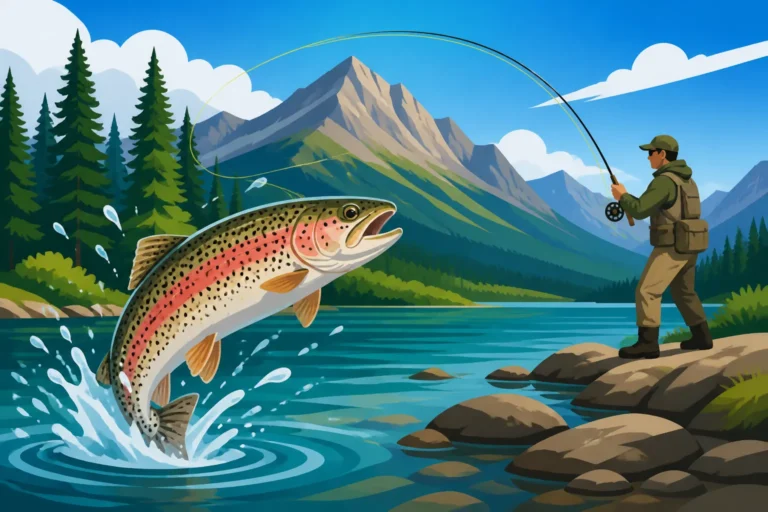
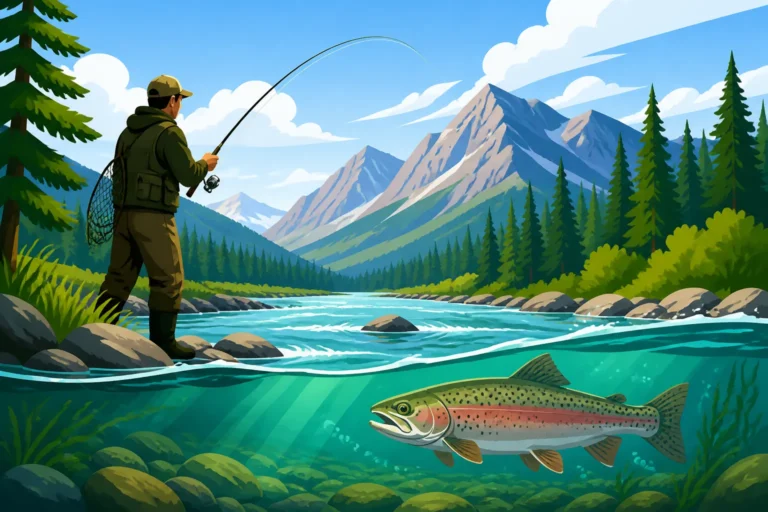
Peter Lougheed Provincial Park, for instance, boasts several pristine lakes such as Upper and Lower Kananaskis Lakes, Spray Lakes Reservoir, and smaller, hike-in lakes. These waters are renowned for cutthroat trout, rainbow trout, and even the elusive bull trout, which are strictly catch-and-release due to their protected status. Fishing here often involves fly-fishing or light spin gear, with a focus on imitating the insects and small baitfish present in these cold, clear waters. The challenge is as much about the environment as it is about the fish—variable weather, often deep and cold water, and the need for stealth. When planning your trip, be sure to consult a comprehensive Kananaskis Lakes Fishing Guide for species-specific tips and access points. These parks also offer fantastic opportunities for kayak fishing or using small, non-motorized boats, allowing you to explore secluded bays and shorelines that are inaccessible to larger craft. The sheer beauty of the surroundings, coupled with the opportunity to target stunning native trout, makes Kananaskis an unforgettable destination for any angler. You might even consider hiring a local guide through platforms like FishingBooker to help you navigate the specific nuances of mountain river and lake fishing, especially if you're new to the area.
Prairie Lakes and Family-Friendly Spots: Central and Southern Alberta Parks
Moving away from the mountains, Alberta's central and southern regions offer a different, but equally rewarding, fishing experience in parks like Pigeon Lake Provincial Park, Cold Lake Provincial Park, and Cypress Hills Provincial Park. These areas are typically characterized by larger, shallower lakes that warm up more quickly in the spring, leading to robust populations of warm-water species like walleye, northern pike, and yellow perch.
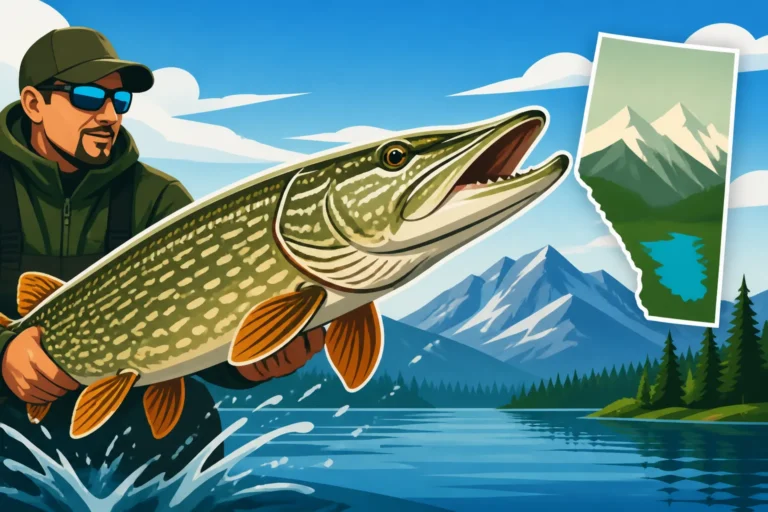
Pigeon Lake Provincial Park, a popular spot southwest of Edmonton, is a fantastic family-friendly destination. Its waters are known for good walleye and northern pike fishing, often from shore, a small boat, or even a kayak. The ease of access and generally calmer waters make it ideal for beginners or those introducing kids to fishing. You'll find designated day-use areas with picnic tables and playgrounds, making it easy to combine fishing with a family outing. Similarly, Cold Lake Provincial Park on the Alberta-Saskatchewan border is a renowned destination for trophy lake trout, northern pike, and walleye. This massive, deep lake requires different tactics, often involving trolling or deep jigging, but the rewards can be substantial. Understanding the Alberta Lake Trout Limit on Cold Lake is essential here. Even further south, Cypress Hills Provincial Park, uniquely situated in a forested plateau within the prairies, offers stocked trout fishing in various small lakes. These lakes are regularly stocked with rainbow and brown trout, providing excellent opportunities for bait fishing or fly fishing in a surprisingly lush environment. These parks are perfect for those seeking a more relaxed pace, abundant catches, and opportunities to target diverse species without the challenges of mountain terrain.
Northern Wilderness and Remote Adventures: Lesser-Known Gems
For the angler yearning for a true wilderness experience, Alberta's northern provincial parks offer remote and often untouched fishing opportunities. These parks require a bit more planning and effort to access, but they promise solitude and the chance at truly wild fish.
Lakeland Provincial Park, for example, is a canoe-in park system with numerous interconnected lakes like Jackson Lake and Seibert Lake. These waters are less pressured and hold healthy populations of northern pike, walleye, and yellow perch. Access often involves paddling in, making it a multi-day backcountry adventure. You won't find bustling marinas or roadside pull-offs here; instead, you'll encounter a quiet wilderness where you can truly disconnect. This kind of trip requires careful preparation regarding gear, safety, and understanding how to Alberta Fishing Seasons by Zone and Month impacts your timing. Another notable northern park is the region surrounding Lesser Slave Lake Provincial Park. While Lesser Slave Lake itself is massive and popular, venturing into the surrounding smaller lakes and rivers within the broader park area can reveal fantastic pike and walleye fishing with fewer crowds. These northern parks cater to the adventurous angler, offering a chance to explore untouched waters and experience Alberta's wild side. Booking a charter through FishingBooker might be an excellent option for navigating these larger, more remote lakes, ensuring you hit the best spots efficiently and safely.
Essential Gear and Techniques for Park Fishing
Having the right gear and knowing how to use it is paramount for a successful fishing trip, especially when dealing with the diverse conditions found across Alberta's provincial parks. From mountain streams to expansive prairie lakes, your tackle box and technique need to adapt.
From Shore to Boat: Versatile Gear for Park Waters
The type of gear you bring will largely depend on the park you're visiting and how you plan to fish. For those sticking to shore fishing, especially in stocked ponds or accessible lake bays within parks like Beauvais Lake Provincial Park, a medium-light spinning rod and reel combo is incredibly versatile. A 6-7 foot rod with 6-8 pound monofilament or fluorocarbon line can handle everything from rainbow trout to smaller pike and perch. A small tackle bag with a selection of spoons, spinners, jigs, and some power bait or worms will cover most situations. Don't forget a pair of long-nosed pliers for hook removal, a small measuring tape to ensure your catch meets Alberta Bag and Possession Limits by Species, and a landing net, especially for catch-and-release.
If you're heading out onto larger waters like Cold Lake or Lesser Slave Lake, a robust setup for boat fishing is essential. This might involve heavier action rods for battling lake trout or northern pike, equipped with baitcasting or larger spinning reels spooled with braided line for strength and sensitivity. For kayak anglers, who often frequent provincial park lakes, consider a purpose-built fishing kayak from brands like Old Town or Hobie, which offer stability and hands-free propulsion. These allow you to reach secluded areas and cover more water than shore fishing, opening up new opportunities. Ensure your kayak is equipped with all necessary safety gear, including a PFD, and consider a portable fish finder to locate structure and fish in deeper park waters. The key is versatility, as park conditions can change, and you might encounter different species than anticipated. Having a selection of lures, from spoons and crankbaits for pike and walleye to small jigs and flies for trout, will prepare you for almost any scenario.
Adapting Your Approach: Species-Specific Strategies in Parks
Successfully fishing in provincial parks often means understanding the habits of the fish you're targeting and adapting your techniques accordingly. It’s not a one-size-fits-all approach, and what works in a mountain stream won't necessarily work on a prairie lake.
For trout in clear mountain streams within Kananaskis, finesse is key. Fly fishing with dry flies, nymphs, or small streamers is often the most effective method. For spin anglers, small inline spinners or spoons, cast upstream and retrieved through pools and riffles, can be deadly. Remember, these fish are often easily spooked in clear water, so stealthy approaches and longer casts are crucial. In contrast, for walleye and northern pike in prairie lakes like Pigeon Lake, you'll want to focus on different strategies. Walleye often hug structure such as drop-offs, weed lines, or rocky points. Trolling with crankbaits, jigging with soft plastics, or using a live bait rig (where permitted) are proven tactics. Pike, being ambush predators, are frequently found in weedy bays, around submerged timber, or along shallow transition zones. Casting large spoons, spinnerbaits, or topwater lures can elicit aggressive strikes. Always be mindful of the Alberta Walleye Limit by Zone and the Alberta Northern Pike Limit as they can vary even within the same general area. For burbot through the ice on larger lakes like Lesser Slave Lake, jigging with glowing lures tipped with bait near the bottom after dark can be incredibly effective. Tailoring your technique to the specific species and water type you encounter in a given provincial park is the secret to a rewarding day.
Respecting the Environment and Park Etiquette
Fishing in provincial parks comes with a responsibility to protect these natural treasures. These areas are conserved for everyone to enjoy, and that includes future generations of anglers and nature enthusiasts. Practicing responsible angling and general park etiquette is non-negotiable.
Catch and Release Best Practices in Sensitive Habitats
Many provincial park waters, particularly those in the mountains or with vulnerable native species, operate under strict catch-and-release regulations or have very limited harvest opportunities. This is especially true for species like bull trout, which have a zero possession rule across Alberta. When fishing in these sensitive habitats, mastering proper catch-and-release techniques is vital for the survival of the fish.
First and foremost, use appropriate gear that minimizes harm. Barbless hooks are often required in these areas, and they make hook removal much easier and less damaging. If not required, crimping the barbs on your hooks is a simple step that makes a huge difference. When you land a fish, handle it minimally and gently. Keep the fish in the water as much as possible; if you must remove it for a quick photo, do so quickly and wet your hands beforehand to protect the fish's protective slime coat. Avoid squeezing the fish, especially around its belly or gills. Use a rubberized landing net, which is gentler on fins and scales than traditional knotted nets. If the fish is deeply hooked, cut the line as close to the hook as possible rather than attempting to rip the hook out. For species like bull trout, learning How to Catch Bull Trout and Release Them Safely is a must, as these fish are incredibly sensitive and protected under the Alberta Bull Trout Zero Possession Rule. By following these practices, you ensure that the fish you release have the best possible chance of survival, contributing to healthy fish populations for years to come.
Leave No Trace: Preserving Park Beauty for Future Anglers
The "Leave No Trace" principles are at the heart of responsible recreation in all natural areas, and provincial parks are no exception. This means that everything you bring into the park, you must take out. This isn't just about large pieces of garbage; it extends to fishing line, bait containers, food wrappers, and even organic waste like fruit peels. No one wants to find discarded monofilament tangled on a tree branch or a plastic bottle floating in a pristine lake.
Beyond trash, consider your physical impact on the environment. Stick to established trails and access points to avoid trampling sensitive vegetation or disturbing wildlife habitats. When relieving yourself, move at least 60 meters (200 feet) away from water sources and trails, and bury human waste. If you're having a campfire (where permitted), ensure it's completely extinguished before you leave. Avoid cutting live trees for firewood. Noise pollution is another often-overlooked aspect; keep voices and any music at respectful levels to maintain the tranquility of the park for others and to avoid disturbing wildlife. Remember, you're a guest in these wild spaces. Your actions directly reflect on the angling community, and by being a responsible visitor, you help ensure that these beautiful provincial parks remain open and vibrant for all.
Planning Your Provincial Park Fishing Trip
A successful fishing trip to an Alberta provincial park often hinges on meticulous planning. From understanding where you'll stay to navigating the necessary permits and bookings, thinking ahead will save you a lot of headaches and allow you to fully enjoy your time on the water.
Accommodation and Amenities: Camping, Cabins, and Day Use
One of the great advantages of provincial parks is the range of amenities they often offer. For many anglers, a fishing trip is synonymous with camping. Most provincial parks offer well-maintained campgrounds, from basic unserviced sites to those with power, water, and even sewer hookups. Staying at a park campground means you're often just a short walk or drive from prime fishing spots, allowing for early morning starts or late evening casts. Some popular parks like Lesser Slave Lake Provincial Park have multiple campgrounds to choose from, offering different levels of privacy and access. Always book your campsite well in advance, especially for popular parks and during peak seasons, as spots fill up quickly. The Alberta Parks website is your go-to resource for campground information and reservations.
Beyond camping, some parks may offer cabins, comfort camping options, or even nearby private accommodations just outside park boundaries. If you're planning a day trip, remember to check for designated day-use areas. These typically provide parking, picnic tables, and often easy access to shore fishing or boat launches. Always be aware of park operating hours for day-use areas and any associated fees. Understanding the available amenities will help you decide if a particular park is suitable for a quick outing or a multi-day adventure. Exploring different options can enhance your trip, whether you prefer the rustic charm of a tent or the convenience of a serviced site.
Permits, Fees, and Booking: What You Need to Know Before You Go
Before you even think about casting a line in an Alberta provincial park, ensure all your ducks are in a row regarding licenses and permits. First and foremost, you will need an Alberta Fishing License Guide for 2026 if you are over the age of 16 (or under certain exemptions like the Alberta Youth Fishing License Exemption Under 16 or the Alberta Senior Fishing License Exemption at 65). This is purchased through the MyWildAlberta portal or authorized vendors. Along with your general fishing license, you'll also need a Wildlife Identification Number (WIN) card. This card is mandatory for anyone holding an Alberta hunting or fishing license.
In addition to your fishing license, some provincial parks, especially those within the Kananaskis Country or other fee-for-access zones, may require a Kananaskis Conservation Pass or similar park entry fee. This pass helps fund conservation efforts and amenities within these protected areas. It's crucial to check the specific park's requirements well in advance of your visit. These passes can often be purchased online or at visitor centers. For those planning to use a boat, especially a motorized one, ensure you're aware of any specific boating regulations within the park, which might include speed limits or restricted areas. Always double-check any booking requirements for campsites or specific facilities, as popular spots can be fully booked months in advance. Reputable services like FishingBooker can sometimes assist with finding guides or charters that operate within or near these parks, offering a convenient way to organize a fishing excursion without the stress of navigating all the regulations yourself. A little research upfront can save you a lot of hassle and ensure a smooth, enjoyable trip.
Hidden Gems and Lesser-Known Park Fishing Opportunities
While the popular provincial parks draw a crowd, Alberta is vast, and there are plenty of quieter, equally rewarding fishing experiences to be found within its less-trafficked parkland. These hidden gems offer solitude and a different kind of adventure for those willing to seek them out.
Beyond the Crowds: Discovering Secluded Spots
For many anglers, the appeal of a provincial park isn't just the fish, but the peace and quiet. If the thought of elbow-to-elbow fishing at popular spots sends shivers down your spine, consider exploring some of Alberta's lesser-known provincial parks or venturing into the more remote corners of larger ones. Parks like Lakeland Provincial Park, mentioned earlier for its canoe-in access, are perfect examples. They might require a bit more effort to reach—perhaps a longer drive on gravel roads, a hike, or a paddle—but the reward is often a pristine lake or stream with minimal pressure and abundant fish.
Consider smaller, regional parks or natural areas managed by Alberta Parks that might not be featured prominently in tourist guides. These can often be found by poring over detailed maps or consulting local fishing forums. For instance, while everyone flocks to the main lakes, there might be a small, stocked pond within a lesser-known provincial recreation area that offers excellent fishing for rainbow trout. These spots often won't have the same level of amenities as the larger parks, so you'll need to be more self-sufficient, but the tranquility and the feeling of discovering your own secret spot can be incredibly fulfilling. Look for provincial park areas that boast good reviews from fellow anglers, but aren't constantly featured on "top 10" lists. Sometimes, the best fishing is found where others aren't looking, offering a chance to truly connect with nature and your quarry without interruption.
Seasonal Considerations for Off-Peak Park Fishing
Fishing in Alberta's provincial parks isn't just a summer activity. Embracing the shoulder seasons or even winter can unlock entirely different experiences, fewer crowds, and sometimes even better fishing. Each season brings its unique challenges and rewards, especially in park settings.
Spring, immediately after ice-out, can be phenomenal for northern pike and walleye in prairie lakes before the summer crowds arrive. Fish are often hungry and active in the shallower, warming waters. However, melting snow can lead to high, turbid water in rivers, making fishing challenging. Fall offers some of the most spectacular fishing, especially for large trout as they prepare for winter. The vibrant autumn colours in parks like those in Kananaskis Country provide a stunning backdrop, and many fair-weather anglers have already packed up for the season. Winter, of course, means ice fishing, which transforms many provincial park lakes into bustling (or sometimes serene) communities of ice huts. Parks like Pigeon Lake Provincial Park and Lesser Slave Lake Provincial Park become prime ice fishing destinations for walleye, pike, and burbot. Always check the specific park's season dates and regulations for ice fishing, as rules for hut placement, removal, and access can vary. Also, prioritize safety by checking ice thickness and conditions before venturing out. By understanding the seasonal nuances and being prepared for the weather, you can extend your provincial park fishing adventures beyond the typical summer months and discover some truly unforgettable moments.
| Provincial Park Name | Primary Fish Species Targeted | Best Time to Visit (General) | Main Fishing Type (Boat/Shore/Fly) | Key Features/Notes |
|---|---|---|---|---|
| Peter Lougheed Prov. Park | Cutthroat Trout, Rainbow Trout, Bull Trout | Spring, Summer, Fall | Shore, Fly, Kayak, Float Tube | Stunning mountain views, clear water, catch-and-release focus for Bull Trout. |
| Cold Lake Prov. Park | Lake Trout, Northern Pike, Walleye | Spring, Summer, Winter | Boat (Trolling/Jigging), Ice Fishing | Large, deep lake, trophy potential, check Alberta Lake Trout Limit on Cold Lake. |
| Lesser Slave Lake Prov. Park | Walleye, Northern Pike, Burbot, Yellow Perch | Summer, Fall, Winter | Boat, Shore, Ice Fishing | Massive lake, excellent walleye, Lesser Slave Lake Fishing Guide available. |
| Pigeon Lake Prov. Park | Walleye, Northern Pike, Yellow Perch | Spring, Summer, Winter | Shore, Boat, Ice Fishing | Family-friendly, good for beginners, accessible fishing. |
| Cypress Hills Prov. Park | Rainbow Trout, Brown Trout (stocked) | Spring, Summer, Fall | Shore, Fly, Float Tube | Unique forested plateau, stocked ponds, good for light tackle. |
| Lakeland Prov. Park | Northern Pike, Walleye, Yellow Perch | Spring, Summer, Fall | Canoe-in, Kayak | Remote, wilderness experience, multi-day trips, less pressured waters. |
| Beauvais Lake Prov. Park | Rainbow Trout (stocked), Northern Pike | Spring, Summer | Shore, Kayak, Float Tube | Regularly stocked, smaller lake, good for a quick day trip. |
Disclaimer
The information provided in this guide is for general informational purposes only and does not constitute legal advice. Fishing regulations in Alberta are subject to change, and it is the angler's sole responsibility to consult the most current Alberta Guide to Sportfishing Regulations and any specific provincial park rules before engaging in fishing activities. Failure to comply with regulations may result in penalties. Always prioritize safety and environmental stewardship.