Alberta trout season closing date for 2026
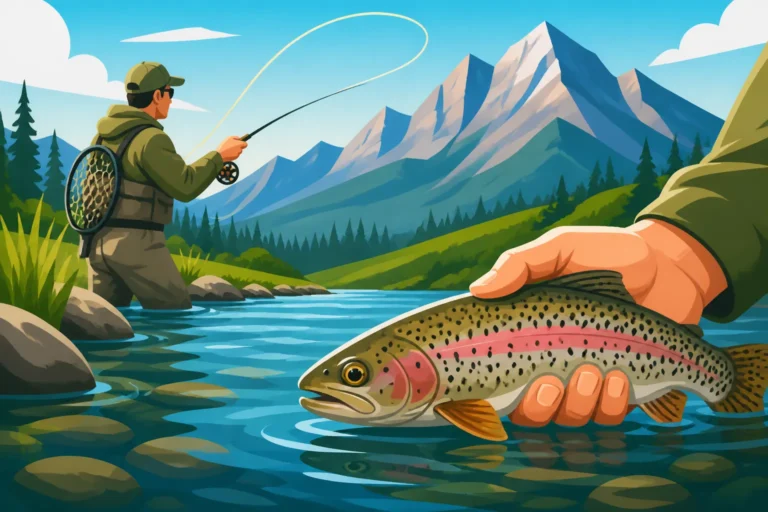
Trying to pin down the exact Alberta trout season closing date for 2026 can feel like trying to catch a ghost, especially when you're planning your fishing adventures well in advance. Regulations, especially those for future seasons, aren't always set in stone years ahead of time, leaving many anglers wondering when they need to hang up their waders for the year. This comprehensive guide will walk you through how Alberta's fishing seasons typically operate, where to find the most accurate and up-to-date closing dates for trout, and how to prepare for those inevitable seasonal shifts.
Understanding Alberta's Approach to Fishing Seasons
Alberta's fisheries management is a dynamic process, and while there's a predictable rhythm to the seasons, the exact dates can sometimes shift. It’s not like they just put out a calendar for the next decade!
Why Exact 2026 Dates Aren't Always Available Yet
It's a common frustration: you're planning a trip far in advance, maybe even thinking about booking accommodations or a guide, and you can't find the precise closing dates for a season that's still a couple of years away. The main reason for this is that the Alberta government, through Environment and Protected Areas (formerly AEP), typically publishes the official Alberta Guide to Sportfishing Regulations on an annual basis. These guides are usually released in the spring, just before the new fishing year begins (which often coincides with April 1st). The regulations for 2026 will therefore be finalized and published closer to that year, often in late 2025 or very early 2026. This allows fisheries biologists to assess current fish stocks, environmental conditions, and population trends, making informed decisions that protect the resource while still providing angling opportunities. So, while we can anticipate general patterns, nailing down precise dates this far out isn't usually possible.
The Alberta Guide to Sportfishing Regulations: Your Go-To Source
When it comes to official fishing dates and rules in Alberta, the Alberta Guide to Sportfishing Regulations is the undisputed bible. This document is meticulously compiled each year and covers everything from specific lake and river regulations to general provincial rules. It's crucial for every angler to read and understand this guide, as ignorance of the rules is never an excuse. You can usually find a digital version of the guide on the MyWildAlberta website, and many tackle shops, sporting goods stores, and government offices will have physical copies available once they are released for the season. Thinking about getting a jump on understanding the rules? You can usually find the current year's guide online and get a good feel for how things generally work. Knowing how to read the zone-specific regulations is absolutely key to understanding when and where you can fish for trout.
General Patterns for Trout Season Closures
While exact dates vary, trout season closures in Alberta generally follow a few common patterns. Many trout fisheries, especially in the Eastern Slopes (mountain) zones, will have closures that begin in the fall, often around October 31st or November 1st. These closures are critical for protecting spawning trout populations, particularly species like brown trout and bull trout, which spawn in the fall. Some waters might have specific, earlier closures for certain species or year-round "catch and release only" regulations to protect sensitive populations.
For example, many smaller streams and headwaters in the mountain regions will close to all angling by late fall, not reopening until the following spring. Larger rivers, like sections of the Bow River, might remain open year-round for some species, often with specific regulations like bait bans or single-barbless hook requirements, but even these can have localized closures for certain stretches. It's truly a patchwork, which is why checking the specific zone and waterbody is so important.
Navigating Zone-Specific Trout Season Closures
Alberta isn't a "one-size-fits-all" province when it comes to fishing regulations. It's divided into distinct fishing zones, each with its own set of rules, including when trout seasons close. This level of detail is essential to protect diverse fish populations and habitats across the province.
The Importance of Fishing Zones in Alberta
Alberta is divided into several main fishing zones: Eastern Slopes (ES1, ES2), Prairie (PP1, PP2), and Northern Boreal (NB1, NB2, NB3, NB4). These zones are based on ecological regions and help fisheries managers apply regulations that are best suited to the specific fish populations and environmental conditions within those areas. Trout, being primarily cold-water species, are most prevalent in the Eastern Slopes zones and some colder lakes in the other zones. Understanding which zone a particular river or lake falls into is the first step in determining its trout season closing date. For instance, a small stream in ES1 might close much earlier than a larger river in ES2, or a specific lake in PP1 might have unique regulations due to stocking programs or conservation efforts. Don't forget, there are often further distinctions within these zones for specific "special regulation waters in Alberta," which might have even more nuanced rules.
| Zone | Primary Trout Species (General) | Typical Closing Period | Notes |
|---|---|---|---|
| Eastern Slopes 1 (ES1) | Cutthroat, Bull, Rainbow, Brown | Oct 31 / Nov 1 to May 31 | Many headwater streams and smaller rivers. Focus on protecting spawning fish. Some sections may be year-round catch & release. |
| Eastern Slopes 2 (ES2) | Rainbow, Brown, Bull, Cutthroat | Oct 31 / Nov 1 to May 31 | Larger rivers like the Bow River, Oldman River. Some sections (e.g., Bow below Calgary) may have year-round open seasons with special regulations like bait bans. Always check specific river stretches. |
| Prairie (PP1, PP2) | Stocked Rainbow, Brown (limited) | Varies greatly by waterbody | Primarily stocked ponds and lakes. Many are open year-round, others close Oct 31. Natural trout populations are rare. Refer to individual waterbody listings. |
| Northern Boreal (NB1-NB4) | Lake Trout, Arctic Grayling, Bull | Oct 31 / Nov 1 (many) | Primarily for lake trout and arctic grayling. Many lakes remain open for ice fishing, but certain species or areas may close. Bull trout are highly protected here. |
Note: This table provides typical patterns. Always consult the current Alberta Guide to Sportfishing Regulations for 2026 for exact and legally binding dates.
Common Closing Periods for Different Trout Species
It's not just about the zone; sometimes, the specific species of trout can dictate the season closure.
- Bull Trout: Alberta's provincial fish, the bull trout, is a species of special concern. Many waters that hold bull trout have strict catch-and-release rules year-round, and some areas may have specific closures that extend beyond those for other trout species to further protect their spawning aggregations. The Alberta Bull Trout Zero Possession Rule is a critical regulation to be aware of.
- Brown Trout: These impressive fish are fall spawners. Consequently, many prime brown trout rivers and streams in the Eastern Slopes will close to angling around late October or early November to protect these fish during their critical spawning period.
- Rainbow Trout and Cutthroat Trout: While some rainbow trout strains (especially stocked ones) might not spawn in the fall, many wild populations, along with native cutthroat trout, are often protected by general fall closures in mountain streams. Some major rivers with significant wild rainbow populations, like the Bow River, might have year-round open seasons but with very strict regulations such as barbless hooks and bait bans.
- Lake Trout: Found in deeper, colder lakes, lake trout often have different season dates. While some lakes might close in the fall, many remain open for ice fishing through the winter, with specific bag limits. Cold Lake, a renowned lake trout fishery, has its own unique set of regulations you'll want to check.
The overarching principle is conservation. Closures are implemented to ensure the long-term health and sustainability of these incredible fisheries.
Special Regulation Waters and Year-Round Closures
Beyond the general zone rules, Alberta has numerous "Special Regulation Waters in Alberta." These are specific lakes, rivers, or even sections of rivers that have unique rules that supersede the general zone regulations. For trout, this often means:
- Catch and Release Only: Many prime trout streams, particularly those with native or sensitive populations, are designated as catch and release only, sometimes year-round. While you can fish them, you cannot retain any trout.
- Bait Bans: To further protect fish that are caught and released, many trout waters prohibit the use of bait. Only artificial flies or lures may be used.
- Barbless Hooks: Similar to bait bans, barbless hooks minimize damage to fish, increasing their survival rate after release. Which Alberta rivers mandate barbless hooks only is a great resource to check.
- Complete Closures: In rare cases, a specific waterbody might be closed to all fishing for an entire season or even multiple years to allow for significant recovery of a fish population.
These special regulations are detailed in the Alberta Guide to Sportfishing Regulations and are paramount to successful and legal trout fishing in Alberta.
How to Find the Most Up-to-Date 2026 Trout Season Closing Dates
Alright, so how do you actually get your hands on those crucial 2026 dates when they become available? It’s not as hard as it sounds, but it does require knowing where to look and being patient.
Official Alberta Government Resources
The absolute best and most reliable source for the Alberta trout season closing date for 2026, once published, will be the official Alberta government websites.
- MyWildAlberta Portal: This is the primary online hub for all hunting and fishing regulations, licensing, and information in Alberta. Around late 2025 or early 2026, the new Alberta Guide to Sportfishing Regulations for the 2026-2027 season will be uploaded here. You’ll find it under the "Regulations" or "Publications" section. Keep an eye on the news releases section of the website around that time, as they usually announce the publication of the new guide. This portal is also where you'd go for things like your Alberta WIN Card, Explained and to purchase your Alberta Fishing License Guide for 2026.
- Alberta Environment and Protected Areas (AEPA): This department is responsible for fisheries management. Their website will also host the official regulations and any updates or announcements related to season dates.
Don't rely on third-party forums or old PDFs floating around online. Always cross-reference with the official source to ensure you have the correct information. The nuances of Alberta fishing regulations explained can be tricky, so sticking to official channels is paramount.
Leveraging Online Tools and Apps
In our digital age, convenience is key, and Alberta provides some excellent tools to help anglers stay informed.
- Alberta Sportfishing Regulations App: This app, available for both Apple and Android devices, is an absolute game-changer. Once the 2026 regulations are released, the app will be updated accordingly. You can use it to search for specific waterbodies, view zone maps, and get real-time access to the most current rules, including closing dates for trout. It's much faster than flipping through a physical book, especially when you're out on the water and need to double-check a regulation quickly. Having it on your phone or tablet is almost like having a fisheries officer in your pocket, guiding you on Alberta Fishing Regulations App and Zone Lookup, Explained.
- Online Mapping Tools: Many online fishing maps and apps integrate regulation data. While these can be very helpful, always ensure they are pulling data directly from the official MyWildAlberta source and are updated for the correct season. Using these in conjunction with the official guide or app is a smart strategy.
These tools are incredibly helpful for navigating the often-complex Alberta Zone-Specific Season Dates, Explained.
Local Knowledge and Resources
While official sources are paramount, don't underestimate the value of local knowledge.
- Local Tackle and Fly Shops: The staff at local tackle and fly shops in towns near prime fishing areas are often a treasure trove of information. They live and breathe local fishing and are usually among the first to know when new regulations are released or if there are any significant changes. They can provide insights into specific river conditions, local hotspots, and nuances of the regulations that might not be immediately obvious in the official guide. For example, a shop in Calgary will have intimate knowledge of the Bow River Fishing Guide and its season dates.
- Experienced Anglers and Guides: Connecting with seasoned local anglers or professional fishing guides can also provide valuable context. They often have years of experience navigating the regulations and can offer practical advice on how to plan your trips around season closures. Many guides are also subscribed to government updates and can relay changes. Just be sure to verify any information with an official source, as even experienced anglers can sometimes misremember a detail or two.
Preparing for Trout Season Closures
Whether the trout season closes on October 31st or later for your favourite spot, proper preparation ensures you make the most of the season and keep your gear in top shape for next year.
Planning Your Last Trips of the Season
As the closing dates approach, many anglers feel a sense of urgency to get those last few casts in. This "last hurrah" can be some of the most rewarding fishing of the year, especially for larger trout getting ready to spawn.
- Targeting Fall Spawners: Brown trout in particular become very active and aggressive in the fall as they prepare to spawn. They'll be on the lookout for larger, protein-rich meals. Focus on areas with good cover, deeper pools, and potential spawning redds (though avoid disturbing active redds). Knowing the Best Time of Year to Fish in Alberta often means understanding these seasonal patterns.
- Weather Considerations: Fall in Alberta can bring unpredictable weather, from warm, sunny days to sudden snowfalls. Dress in layers, bring appropriate rain gear (even if it looks clear), and always check the forecast. Cold hands make for tough fishing, so good gloves are a must.
- Water Levels and Clarity: Rivers can fluctuate significantly in the fall due to rainfall or early snowmelt. Keep an eye on flow rates and water clarity, as these will dictate your lure or fly selection and overall fishing approach. Lower, clearer water might call for more finesse tactics and smaller presentations.
Gear Maintenance and Off-Season Prep
Once the trout season winds down, it's the perfect time to give your fishing gear some much-needed TLC, ensuring it's ready for next year's Alberta Trout Season Opener Dates by Zone.
- Rods and Reels: Give your rods a thorough wipe-down, checking for any nicks or cracks, especially on guides. Clean your reels with freshwater, lubricate moving parts, and loosen the drag to prevent spring compression. If you need new line, spools are readily available on Amazon and can be a great way to save money buying in bulk.
- Waders and Boots: Clean and dry your waders completely to prevent mildew. Inspect them for any small leaks and repair them if necessary. Clean your wading boots, ensuring no mud or debris is left to degrade the materials. You can find repair kits and boot cleaners on Amazon.
- Tackle and Fly Boxes: Go through your tackle, removing any rusty hooks or damaged lures. Sharpen dull hooks. Organize your fly boxes, restocking essential patterns and tying or purchasing new ones. Consider a new, larger tackle organizer available on Amazon if your current one is bursting at the seams.
- Storage: Store your gear in a clean, dry place, away from direct sunlight or extreme temperatures. Rods should be stored horizontally or in rod cases to prevent warping.
Alternative Fishing Opportunities During Closures
Just because trout season is closed in certain areas doesn't mean your fishing year has to end! Alberta offers a fantastic variety of other angling opportunities.
- Ice Fishing: Many lakes in Alberta remain open, or even open up for specific species, during the winter for ice fishing. Walleye, northern pike, perch, and burbot are popular targets through the ice. Lakes like Lesser Slave Lake and Pigeon Lake offer incredible winter action.
- Year-Round Waters: As mentioned, some larger rivers or specific stocked ponds might have year-round open seasons, often with different target species or regulations than the trout fisheries. It's worth checking the regulations for nearby lakes and rivers to see if there are any open-water options.
- Non-Game Species: For those who truly just want to cast a line, some waters allow angling for non-game species like common carp, which can provide a surprising fight and be a fun challenge during the off-season.
- Conservation and Learning: The off-season is a great time to volunteer for conservation projects, attend fishing expos, tie flies, learn new techniques, or even take a course to get your Alberta Pleasure Craft Operator Card Requirement if you plan on boating next season.
Staying active in the fishing community and preparing your gear ensures that when the Alberta Fishing Seasons by Zone and Month roll around again for 2026, you'll be more than ready.
Disclaimer
Please remember that fishing regulations, including season dates, can change. While this guide aims to provide accurate and helpful information based on current patterns and practices, it is essential to always consult the most current official Alberta Guide to Sportfishing Regulations directly from the MyWildAlberta website or the official app before heading out. Fishing without a valid license or in contravention of regulations can result in significant penalties. Be safe, be responsible, and enjoy Alberta's incredible fisheries!