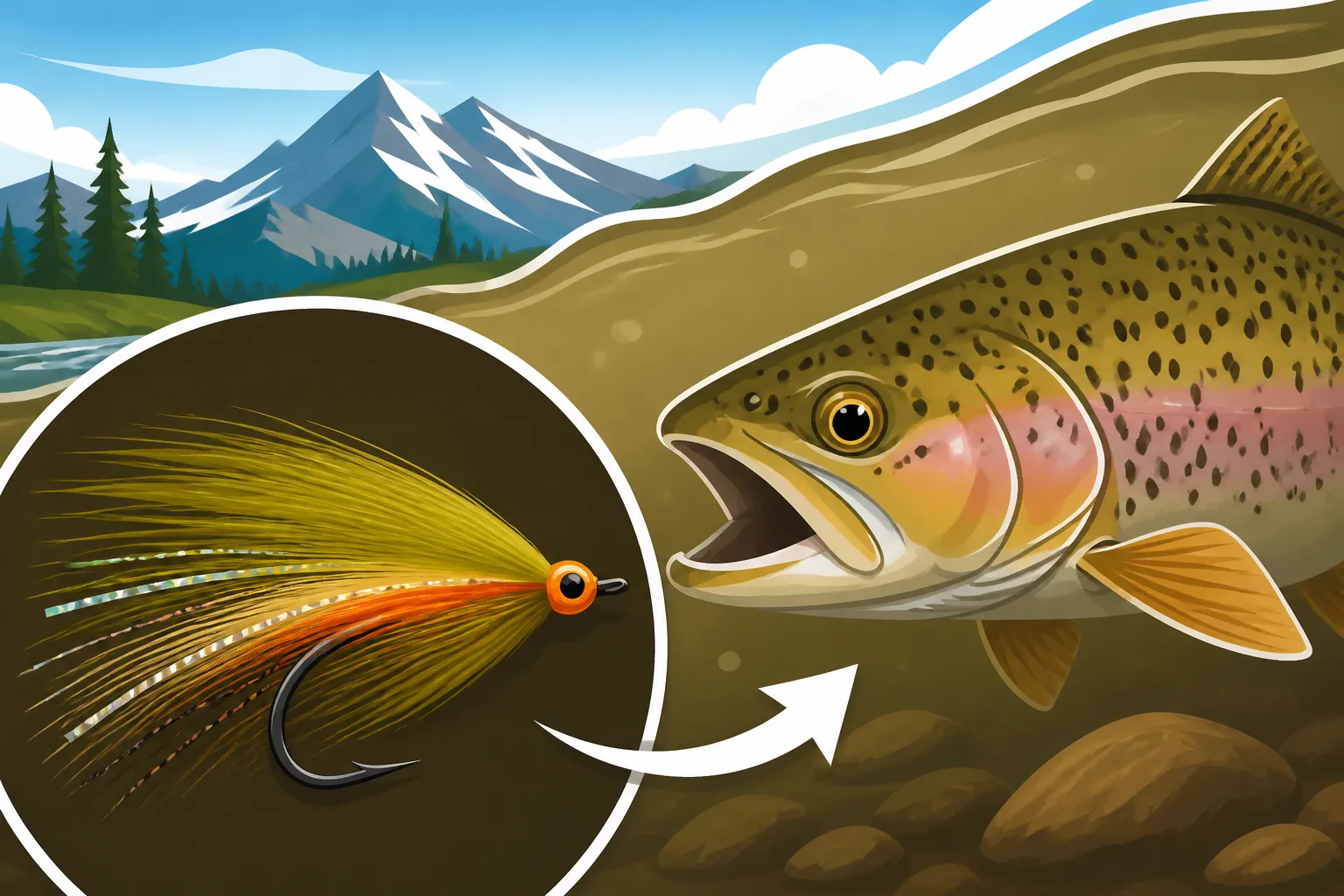
Best streamer color for muddy water trout
Ah, the frustration of showing up at your favourite Alberta trout stream, only to find it's churned into a chocolate milkshake! We've all been there – after a heavy rain or snowmelt, that crystal-clear water you were dreaming of is now thick and murky. It feels like your chances of catching anything just washed downstream. But don't despair! This guide is going to dive deep into how trout react to muddy water and, more importantly, equip you with the knowledge of which streamer colors will cut through the murk to tempt those wily fish.
Understanding Muddy Water and Trout Behavior
Before we even think about tying on a fly, it's crucial to understand why the water gets muddy and what that means for the trout living within it. It’s not just about visibility for us; it’s about their whole world changing.
Why Water Gets Muddy in Alberta
Alberta's rivers and streams are beautiful, but they can be incredibly dynamic. A sunny morning can quickly turn into an afternoon thunderstorm, or a sudden warm spell can kick off a rapid snowmelt. These events are the primary culprits for turning clear water into a cloudy mess. When heavy rain or melting snow rushes over the land, it picks up loose soil, silt, and organic debris. This runoff then flows into the streams and rivers, dramatically increasing their turbidity. Rivers like the Bow River, Oldman River, or even smaller mountain streams can experience this, especially during spring runoff or after intense summer storms. The sediment load can be so significant that it drastically reduces light penetration and can even scour riverbeds.
How Muddy Water Affects Trout
Imagine trying to navigate your living room with a blindfold on – that's a bit like what trout experience in highly turbid water. Their primary sense of sight, which they rely heavily on for hunting prey and avoiding predators, is severely impaired. This dramatic shift causes them to alter their behaviour significantly.
Firstly, trout tend to move to slower, shallower water along the edges of the main current where the water might be slightly clearer, or they seek out eddies, backwaters, and undercut banks for refuge. These spots offer some relief from the fast, silty currents and often provide pockets of better visibility. They also become more sedentary, expending less energy on actively hunting. Instead of darting after quick-moving prey, they might hold tight to structure, waiting for food items to drift right by them.
Secondly, with their vision compromised, trout rely much more on their other senses. Their lateral line, a sensory organ running along their sides, becomes paramount. This system detects vibrations and pressure changes in the water, allowing them to "feel" nearby objects, including prey, without seeing them. Their sense of smell also becomes more important. So, while color is our focus, remember that movement and profile are equally critical for success in these challenging conditions. You’re not just trying to make your fly seen, you’re trying to make it felt and smelled by a fish that’s operating in a sensory overload environment.
The Science of Color and Visibility in Turbid Water
It’s not just about picking a color you like; there's some interesting science behind why certain colors work better than others when the water is murky. Light behaves differently in turbid water, and understanding this can give you a significant advantage.
Light Penetration and Color Absorption
When light hits water, especially water filled with suspended particles, it gets scattered and absorbed. Different wavelengths of light (which we perceive as colors) are absorbed at different rates. In clear water, most colors penetrate quite well, but as turbidity increases, light penetration drastically decreases. Red light, for instance, has the longest wavelength and is the first color to be absorbed and disappear in water, even in relatively clear conditions. So, a bright red fly might look vibrant in your hand, but it quickly loses its punch just a few feet under the surface, especially if that surface is murky.
Conversely, colors with shorter wavelengths, like blues and greens, penetrate deeper, but they don't always create the strong contrast needed in dirty water. What works best are colors that either stand out intensely because of their brightness (like fluorescents) or colors that create a strong silhouette because they absorb almost all light (like black). It’s less about mimicking natural colors perfectly and more about creating a visual cue that fish can detect from a distance, or a strong vibration that triggers their lateral line.
The Importance of Contrast and Silhouette
In muddy water, trout aren't scrutinizing the intricate details of your fly. They're looking for movement, shape, and contrast. Think of it like trying to spot someone across a crowded, smoky room. You're not going to notice the pattern on their shirt; you're going to notice their overall outline and how they move. The same goes for trout.
A streamer that creates a strong silhouette against the murky background is often far more effective than one that perfectly matches a natural baitfish in color but disappears visually. Dark colors excel here. Black, dark brown, and deep olive absorb most of the available light, creating a stark, unmistakable outline against the lighter, cloudy water. This silhouette makes the fly easier for a trout to pick up, especially if it's holding in a slightly clearer seam or just off the bottom.
Beyond silhouette, contrast within the fly itself or against the surrounding water can also be a game-changer. A fly that combines a dark body with a bright "hot spot" (like a chartreuse tail or head) can provide both a strong profile and an aggressive trigger. This combination gives the trout something distinct to home in on, even when visibility is minimal.
Top Streamer Colors for Muddy Water Trout in Alberta
So, with the science in mind, what colors should you be reaching for when Alberta's rivers are running high and off-color? We're looking for colors that either stand out boldly or create a commanding silhouette.
Dark and Opaque Colors Black, Brown, Olive
These are your workhorses for muddy water. They might not look exciting to you in your fly box, but to a trout in a turbid river, they scream "EAT ME!"
- Why they work: The primary reason these colors are so effective is their ability to create a strong, clear silhouette. They absorb nearly all ambient light, making them stand out against the lighter, cloudy backdrop of the water. This provides a distinct profile that a trout can detect with its limited vision, and crucially, with its lateral line through the displacement of water. Many natural prey items, such as sculpins, leeches, or large aquatic insects, are also dark-bodied, so these colors can also mimic natural food sources effectively.
- Examples: The classic Black Woolly Bugger is a staple for a reason. Its dark profile, combined with the pulsating action of the marabou tail and hackle, is incredibly effective. Larger patterns like black or dark brown Sculpin imitations are also excellent choices, as they imitate bottom-dwelling baitfish that trout often target when visibility is low. You might also consider streamers with dark olive or brown rabbit strips, which offer great movement and a strong silhouette. You can often find a great selection of these patterns at a local fly shop or even through Amazon for convenience.
- Scenarios: These colors truly shine on overcast days when overall light penetration is poor, or in very deep pools where natural light struggles to reach. They are particularly effective after heavy rain when rivers are at their murkiest. Fish holding tight to structure, under logs, or in undercut banks, often respond well to a dark streamer slowly worked past their hiding spot. Don't be afraid to go with a slightly larger size than you might normally use in clear water, as the added bulk helps create an even stronger profile.
Bright and Fluorescent Colors Chartreuse, Orange, Pink
Sometimes, instead of blending in with a strong silhouette, you want to shout for attention. That's where your bright, fluorescent colors come into play.
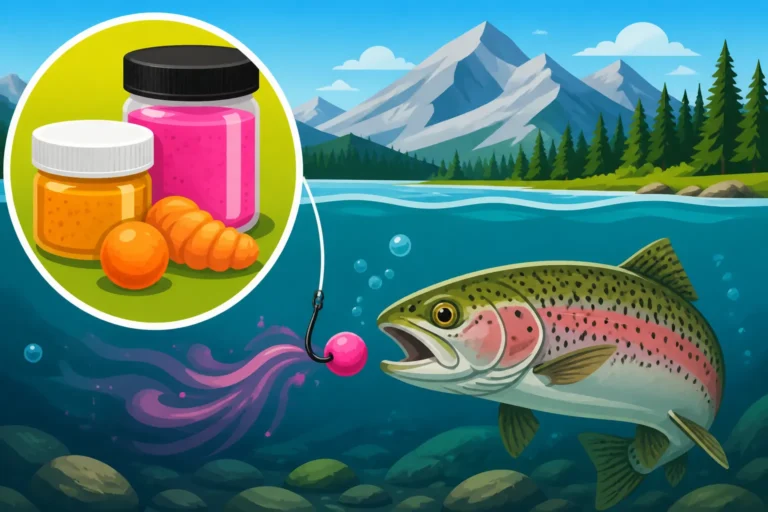
- Why they work: These colors are designed for maximum visibility. Fluorescent dyes react to UV light, which can penetrate turbid water more effectively than some visible light wavelengths, causing them to "glow" or appear exceptionally vivid. This high-vis quality acts as an immediate trigger, often provoking aggressive, instinctual strikes from trout that are struggling to see clearly. They don't necessarily mimic natural prey, but rather present an irresistible "hot spot" that screams "here I am!"
- Examples: Chartreuse streamers, particularly those with a generous amount of flash or bright hackle, are phenomenal. Think of patterns like a Chartreuse Articulated Streamer or a bright green or yellow Krystal Flash Bugger. Orange and pink patterns, often in the form of Egg Sucking Leeches (even if there are no eggs, the color acts as an attractor) or small, brightly coloured Mickey Finn style streamers, can also be very effective. Many anglers swear by a bright orange fly when the water is truly like chocolate milk.
- Scenarios: These are your go-to colors for extremely muddy or turbid water conditions, or when you’re trying to prospect a new area and simply want to get a trout's attention. They are fantastic for targeting aggressive trout, especially larger brown trout or bull trout, which are often opportunistic predators. Sometimes, trout are simply agitated by the high, dirty water and will lash out at anything that moves boldly and brightly in their limited field of vision. This is a great time to experiment with patterns you might find at Bass Pro Shops that are specifically designed for murky water.
Combination Patterns Black & Chartreuse, Olive & Orange
Why choose one when you can have the best of both worlds? Combination patterns try to offer both a strong silhouette and an undeniable attractor.
- Why they work: These patterns leverage the best aspects of both dark and bright colors. They present a clear, dark silhouette for the fish to detect in low light, but then add a vibrant "hot spot" that acts as an additional visual trigger, drawing the fish's eye to a specific point on the fly. This can be particularly effective when trout are slightly finicky, or when the turbidity isn't uniformly dense across the entire river section you're fishing. The dark body gives them a target, and the bright accent encourages the strike.
- Examples: Many fly tiers will add a chartreuse tail to a black or olive Woolly Bugger, creating an "Egg Sucking Leech" effect without literally being one. Patterns like a Sex Dungeon or other articulated streamers often feature a dark body with a brightly coloured head or tail, such as orange or pink. Even simply tying in a few strands of chartreuse Krystal Flash into a dark streamer can achieve this combination effect. You can find materials or pre-tied flies with these combinations from various online retailers, including Amazon.
- Scenarios: These patterns are excellent for conditions where the water is murky, but perhaps not completely opaque. If there's a slight increase in visibility in certain seams or eddies, the bright spot might be more easily seen. They're also great "search patterns" – flies that give you a good chance of catching fish when you're not entirely sure what the trout are keying into. The dual attraction helps cover more bases.
| Streamer Color Category | Primary Benefit in Muddy Water | Ideal Conditions / Scenarios | Example Patterns |
|---|---|---|---|
| Dark & Opaque | Strong silhouette, natural mimicry | Overcast, deep pools, very murky water, bottom structure | Black/Olive Woolly Bugger, Sculpin imitations |
| Bright & Fluorescent | High visibility, aggressive trigger | Extremely turbid water, prospecting, aggressive trout | Chartreuse Articulated Streamer, Orange Egg Sucking Leech |
| Combination | Strong silhouette + visual trigger | Varied turbidity, finicky trout, versatile search pattern | Black/Olive with Chartreuse Tail, Multi-color Articulated Streamers |
Beyond Color: Other Factors for Muddy Water Success
While color is a huge piece of the puzzle, it’s not the only thing that matters when the water is running dirty. Successful muddy water angling involves a holistic approach. After all, you’re trying to convince a fish that’s practically blind that your offering is worth the effort.
Size and Profile of Streamers
When trout can't see well, they rely on feeling vibrations and sensing water displacement. This means the physical presence of your streamer becomes incredibly important.
- Larger Profiles for Better Displacement and Visibility: Don't be shy about upsizing your streamers. A larger fly pushes more water, creating stronger vibrations that are more easily detected by a trout's lateral line system. A bulkier profile also helps create a more pronounced silhouette against the murky water, even with less-than-ideal colors. Think about a larger articulated streamer with multiple sections that really pulsate and move water. It’s about creating a noticeable disturbance, not a subtle one. This is especially true for those larger predatory trout, like bull trout or big brown trout, which are often still on the hunt for a substantial meal in these conditions. When picking out your flies, remember to consider overall bulk, not just length.
- Bulkier Flies for Slower Sink Rates in Shallower, Murky Water: Sometimes, the muddy water is also high, pushing fish into shallower, slower eddies or along the banks. If your fly is too streamlined and heavy, it might sink too fast and get snagged, or simply blow past the fish's strike zone too quickly. A bulkier, more buoyant fly, especially one tied with materials like rabbit strips, marabou, or even a foam head, can offer a slower, more controlled sink rate. This allows it to stay in the feeding zone longer, giving trout more time to detect it and react. You might even find that some patterns, like a heavily weighted Best streamer rod setup for big brown trout, are ideal.
Retrieve Techniques and Presentation
The way you move your streamer through the water is just as critical as its color and size. Even the "best" streamer won't catch fish if it's not presented effectively.
- Slower, Erratic Retrieves: In muddy water, trout are typically less active and more reluctant to chase. A fast, consistent retrieve is often ignored. Instead, opt for a slower, more deliberate retrieve. Incorporate pauses, twitches, and sudden jigs. These erratic movements mimic a struggling or injured baitfish, which is an easier target for a trout operating with limited vision. The pauses also give the fish more time to locate the fly and decide to strike. Think of it as stop-and-go; a sudden dart, then a long pause, then another twitch. This is very different from the smooth, steady retrieve you might use in clear water.
- Adding Pauses and Jigs: The "jigging" motion – lifting the rod tip sharply and letting the fly drop – creates significant vertical movement and vibration. This can be incredibly effective in triggering strikes from trout holding tight to the bottom or structure. During the pause, the fly sinks, often with a tantalizing wobble, giving the trout that extra second to commit. This technique is particularly useful when fishing deeper holes or eddies.
- Fishing Closer to Structure: As discussed earlier, trout often seek refuge in slower, shallower water or tight to structure during high, muddy flows. This means you need to get your fly right into those hiding spots. Cast upstream of logs, undercut banks, rock gardens, or along the softer seams where the main current meets slower water. Your presentation needs to be precise, allowing the fly to drift naturally into these zones and remain there for as long as possible. Don't be afraid to bump your fly off the bottom or tick it along submerged rocks – these contact points can create additional vibrations that attract curious fish. This approach works well for a variety of species, from rainbows on the Bow River to cutthroat in the mountain streams. For specific tactical advice, check out How to catch trout in fast current on the Bow River or Best technique for fishing a riffle for trout.
Weight and Sink Rate
Getting your streamer to the right depth is non-negotiable in muddy water. If it's not where the fish are, it doesn't matter what color it is.
- Getting the Fly Down Quickly to Where Fish Are Holding: Muddy water often means higher water levels and stronger currents. Trout will often hold closer to the bottom to conserve energy and escape the fastest flow. Your streamer needs to get down to that depth quickly and efficiently. This might mean using heavier flies, or even adding extra weight.
- Using Weighted Flies or Adding Split Shot: Many effective muddy water streamers are tied with heavy lead eyes, coneheads, or weighted bodies. If your go-to patterns aren't cutting it, don't hesitate to add a few split shot to your leader a foot or two above the fly. The amount of weight will depend on the current speed and desired depth. Experiment to find the right balance – you want it to sink, but still be manageable to cast and retrieve without constantly snagging the bottom. For fly anglers, a sinking tip line or a full sinking line can be incredibly helpful, particularly when fishing larger rivers. Consider what you might use for Spring Trout Fishing Techniques for Alberta Streams to get some ideas on appropriate weighting. Having a well-stocked Best Tackle Box Setup for Alberta Anglers with various weights and leader options will make these adjustments much easier on the water.
By paying attention to these factors in conjunction with your color choice, you'll significantly increase your chances of finding success even when the water looks like a coffee-stained river. Remember, trout are still there, they're still eating, but you need to adjust your approach to meet them on their terms.
Disclaimer
This article is for general informational purposes only and does not constitute professional advice. Laws, prices and regulations vary by location and change over time. Consult a qualified professional for guidance on your specific situation.