Best inline spinner for stream trout
Oh, the humble inline spinner! It's one of those classic lures that every angler, from seasoned veterans to excited newcomers, has in their tackle box, especially when it comes to chasing trout in Alberta's beautiful streams. But picking the best one can feel like a bit of a riddle, right? There are so many options out there, and what works wonders in one stream might just sit uselessly in another. This guide is all about cutting through that confusion, helping you understand what makes an inline spinner tick for stream trout, and how to choose the perfect one for your next Alberta fishing adventure.
Understanding Inline Spinners for Stream Trout
Inline spinners are deceptively simple lures, yet incredibly effective for enticing stream trout. Their brilliance lies in their ability to mimic common trout prey items, triggering those instinctual strikes that make stream fishing so rewarding. You might think they're just shiny bits of metal, but there's a lot more going on beneath the surface when one is properly presented.
Why Inline Spinners Excel in Streams
When you cast an inline spinner into a current, several things happen simultaneously that make it irresistible to trout. First, the blade rotates, creating a visual flash that mimics a fleeing baitfish or insect larva caught in the current. This flash is a huge attractor, especially in water with good visibility. Trout are opportunistic feeders, and that glint of light signals an easy meal.
Beyond the visual, that spinning blade generates vibrations in the water. These vibrations travel through the water, alerting trout to the lure's presence long before they see it. In murky water, or when trout are tucked away under cover, this subtle "thump" can be the key to getting their attention. Furthermore, the compact design of an inline spinner allows for easy casting and relatively snag-free retrieves in tight stream environments, making them incredibly versatile. They cut through the water efficiently, getting down to where the trout are holding without a lot of fuss.
Key Components of an Effective Stream Trout Spinner
An inline spinner, while simple, consists of several crucial parts working in harmony. Understanding each component helps in making an informed choice.
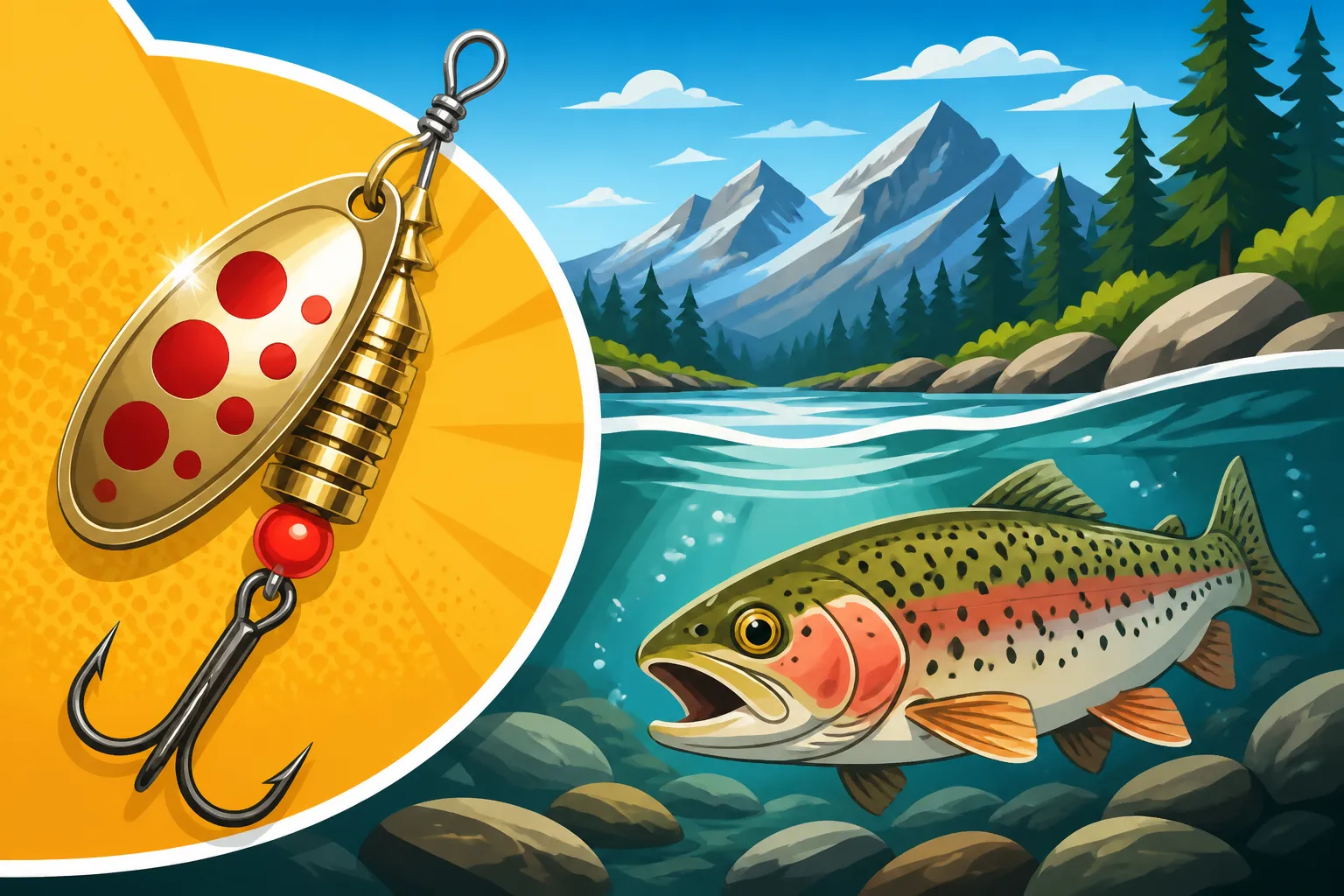
- The Blade: This is the heart of the spinner. It's the part that rotates, creates flash, and generates vibration. Blades come in various shapes like Colorado, Indiana, and Willow Leaf, each offering different actions and levels of resistance in the water. A wider, rounder blade like a Colorado will spin easily, create more vibration, and lift more, while a longer, narrower Willow Leaf will spin tighter, create less lift, and cut through current faster.
- The Body: The body of the spinner adds weight and often acts as an attractor itself, with various colors and patterns. It provides the mass needed for casting and helps the lure sink to the desired depth. Sometimes beads or a weighted core make up the body, allowing for customization of presentation.
- The Shaft: This is the wire that runs through the entire lure, holding the blade, body, and hook in place. A sturdy, straight shaft is essential for the spinner to perform correctly.
- The Hook: Most inline spinners come with a treble hook, but many anglers, especially when fishing catch-and-release waters or Alberta Barbless Hook Requirement Waters, will swap these out for a single barbless hook. The size of the hook should match the size of the spinner and the anticipated size of the trout. A sharp hook is paramount for good hooksets.
- Weight Distribution: The balance of weight between the blade and the body dictates how the spinner swims and sinks. A well-balanced spinner will cast accurately and maintain its action in varying current speeds.
Top Inline Spinner Features for Alberta Stream Trout
When you're standing on the bank of an Alberta stream, maybe the pristine waters of the Crowsnest River Trout Fishing or a smaller, less-travelled tributary, you want confidence in your lure choice. The specific features of an inline spinner can make a huge difference in how many fish you bring to hand.
Blade Design and Color Considerations
The blade is where much of the magic happens. Its shape dictates its rotation speed, vibration, and how much it "lifts" in the water.
- Colorado Blades: These are wide, round, and cup-shaped. They create a lot of vibration and flash, even at slow retrieve speeds, and tend to ride higher in the water column due to their lift. They're excellent for slower currents, deeper pockets, or when you want a strong thumping action. Think about using these in slower pools or in somewhat murkier water where vibration is key.
- Indiana Blades: A hybrid between Colorado and Willow Leaf, these blades are oval-shaped. They offer a good balance of flash and vibration, spinning faster than a Colorado but not as tight as a Willow Leaf. They're a fantastic all-rounder for varied stream conditions.
- Willow Leaf Blades: Long and slender, these blades offer minimal resistance and spin very tightly and fast. They excel in strong currents, allowing the spinner to cut through the water efficiently and stay deeper. They produce less vibration but a strong, thin flash. Ideal for fast riffles and runs where trout hold tight to the bottom.
When it comes to color, it's often a matter of trial and error, but some general rules apply. For clear water and bright sunny days, natural colors like silver, gold, copper, or subtle patterns are often best. These mimic natural forage like minnows or aquatic insects. On overcast days, in stained water, or during low light conditions, brighter, more aggressive colors like chartreuse, orange, or fire tiger patterns can be incredibly effective. Sometimes, a touch of red on the blade or body can act as a trigger, mimicking injured prey. It's always a good idea to have a selection of both natural and vibrant colors in your Best Tackle Box Setup for Alberta Anglers.
Weight and Size for Different Stream Conditions
The size and weight of your inline spinner are critical for presenting it effectively in a stream. You need enough weight to cast accurately and get down to the fish, but not so much that it's constantly snagging the bottom or overpowering the trout's strike.
For smaller, shallower streams, especially those often found in the foothills or mountain regions that might be home to cutthroat or smaller rainbow trout, spinners in the 1/16 oz to 1/8 oz range are usually ideal. These lighter lures allow for a more delicate presentation, less disturbance, and are less likely to snag in shallow riffles. They also match the size of smaller forage commonly found in these waters.
When you move to larger rivers like the Bow River Fishing Guide or other significant waterways with deeper runs and stronger currents, you'll want to step up to 1/8 oz to 1/4 oz, or even 3/8 oz spinners. This added weight helps them punch through the current, get down to holding lies quickly, and stay in the strike zone longer. Heavier spinners also allow for longer casts to reach across wider stretches of water. Always consider the depth of the water and the speed of the current when selecting your weight. If your spinner is constantly bouncing off the bottom and snagging, go lighter. If it's washing over the top of suspected fish lies, go heavier.
Hook Types and Barbless Requirements
Most inline spinners come equipped with a treble hook. While effective for hooking fish, treble hooks can cause more damage, especially to smaller trout or when practicing catch and release. Many avid stream anglers in Alberta prefer to swap out the factory treble for a single, barbless hook. This is not just a preference; in some Alberta Barbless Hook Requirement Waters, it's mandatory.
Why single barbless hooks?
- Reduced Harm: A single barbless hook causes less trauma to the fish, increasing its chances of survival after release. This is especially important for native species or in areas with conservation efforts. How to Catch Bull Trout and Release Them Safely provides excellent tips on careful handling.
- Easier Release: Unhooking a fish with a single barbless hook is significantly faster and easier, minimizing the fish's time out of water.
- Compliance: As mentioned, some specific regulations mandate their use, so always check the current Alberta Guide to Sportfishing Regulations for the waters you plan to fish.
When choosing a replacement hook, ensure it's made of good quality, sharp wire. The size should roughly correspond to the gap of the original treble hook to maintain the lure's balance and action. You can find excellent quality single barbless hooks at most reputable tackle shops, including large retailers like Bass Pro Shops or through online platforms like Amazon, offering a wide variety to choose from.
Choosing the Right Inline Spinner for Your Alberta Stream
Now that we've dug into the anatomy and features of inline spinners, let's talk about putting it all together for your specific Alberta fishing scenario. It's not just about having a great spinner; it's about having the right spinner for the right conditions.
Matching Spinner to Water Conditions and Species
This is where your knowledge of the stream and the fish you're targeting really comes into play.
- Clear, Low Water: In crystal-clear streams, common in many of Alberta's mountain and foothill regions, trout can be incredibly spooky. Opt for smaller (1/16 oz to 1/8 oz) spinners with natural, subdued colors like silver, gold, or black. Willow Leaf blades work well here as they create less disturbance and can be retrieved subtly. Consider adding a small swivel a foot or so above your spinner to prevent line twist, especially in currents.
- Stained or High Water: After a rain or during spring runoff, streams might be a bit murkier. This is when you can reach for brighter, more vibrant colors like fluorescent orange, chartreuse, or fire tiger patterns. Colorado blades, with their strong vibration, are excellent here as they help trout locate the lure in reduced visibility. Heavier spinners (1/4 oz to 3/8 oz) will help you cut through the stronger current and reach fish holding closer to the bottom. Remember to adjust your retrieval speed to keep the spinner in the strike zone. Best Techniques for High Water Spring Conditions could give you more insight into this.
- Fast Riffles and Runs: For quick, turbulent water, you need a spinner that can maintain its action without blowing out. Willow Leaf or Indiana blades in a heavier weight will cut through the current effectively. Again, natural colors are usually best if the water is clear. Focus on presenting the spinner upstream and letting it drift naturally through the seam, giving it a subtle retrieve to keep the blade spinning.
- Slow Pools and Eddies: Here, trout have more time to inspect your lure. Slower retrieve speeds are often key. Colorado blades work exceptionally well because they spin at very slow speeds, offering maximum flash and vibration. You might even try pausing your retrieve momentarily to let the spinner flutter, often triggering a strike. Natural colors are generally preferred here, but don't shy away from a pop of color if the fish are ignoring everything else.
- Target Species: While all trout species will hit inline spinners, certain patterns or sizes might be more effective. For aggressive rainbow trout, especially on rivers like the Bow, a silver or gold blade in 1/8 to 1/4 oz can be deadly. For more elusive brown trout, often found hugging structure, a subtle copper or black spinner might tempt them out. Smaller cutthroat trout in high country streams often respond well to tiny, bright-bladed spinners. Trout Species Identification Guide for Alberta can help you learn more about what you might encounter.
Popular Inline Spinner Brands and Models for Alberta Anglers
While many brands produce excellent inline spinners, a few have really stood the test of time and earned a reputation among Alberta stream trout anglers.
- Mepps Aglia: This is arguably the most iconic inline spinner in the world, and for good reason. Its classic Colorado blade design, combined with a weighted body and often a dressed hook, makes it incredibly effective. They come in a vast range of sizes and colors, from tiny 00s for panfish and small trout to larger sizes for bigger fish. The Aglia Long, with its Willow Leaf blade, is another fantastic option for faster currents. You can find Mepps spinners easily at almost any sporting goods store or online through retailers like Amazon and Bass Pro Shops.
- Rooster Tail (Worden's): Another legendary spinner, the Rooster Tail is known for its pulsating hackle tail, which adds an irresistible element of lifelike action. The simple, effective design often features an Indiana-style blade. They are incredibly versatile and come in a dazzling array of colors and sizes. Many anglers swear by the black, white, or brown hackle patterns for stream trout.
- Panther Martin: These spinners feature a unique "through-the-blade" shaft design that allows the blade to spin directly on the shaft, creating a distinctive action and vibration. They sink quickly and maintain their spin even at slow retrieve speeds. Their bright, often fluorescent, body colors combined with silver or gold blades are great attractors, especially in stained water.
Experimenting with different brands and models is part of the fun of fishing. What one angler swears by, another might pass over. The key is to find what works for you and the waters you fish most often.
Retrieval Techniques for Maximizing Success
Having the right spinner is only half the battle; knowing how to retrieve it is just as important. The goal is always to make your spinner look like a natural, easy meal for the trout.
- Upstream Casts: This is a very popular and effective technique for stream fishing. Cast your spinner slightly upstream and across the current, letting it drift naturally downstream. As it swings, retrieve just fast enough to keep the blade spinning and maintain a tight line. This allows the spinner to appear to drift with the current, like a stunned minnow or insect. Keep your rod tip high to manage line and prevent snags.
- Downstream Casts: While less common for initial presentations, casting downstream can be effective for covering water or when fish are holding in deeper pockets. Cast directly downstream or quartering downstream, and retrieve slowly, allowing the current to work the blade. The spinner will swim against the current, mimicking a struggling baitfish. Be mindful of line twist with this method, and consider using a barrel swivel.
- Across Current (Quartering): This is perhaps the most versatile retrieve. Cast quartering upstream or downstream, and let the spinner swing through the current. Vary your retrieve speed as the spinner moves through different depths and current speeds. You'll feel the spinner "thump" as the blade turns; maintaining this thumping action is key. Often, strikes occur as the spinner reaches the end of its swing, where it hangs momentarily in the current before being retrieved.
- Varying Retrieval Speed: Trout aren't always looking for the same thing. Sometimes they want a fast, erratic retrieve, other times a slow, methodical one. Experiment! Try twitching your rod tip, pausing briefly, or speeding up your retrieve to impart different actions. Cold water often calls for slower retrieves, while warmer water can mean more aggressive fish. Consider the Spring Trout Fishing Techniques for Alberta Streams for specific tactics during that time.
- Reading the Water: Pay attention to seams, eddies, current breaks, and underwater structure. Trout will often hold in these areas, conserving energy and waiting for food. Cast your spinner into these prime locations and work it thoroughly. Don't be afraid to cast multiple times to the same spot from different angles.
Maintenance and Storage of Your Inline Spinners
Inline spinners are tough, but they aren't indestructible. A little care goes a long way in ensuring they perform their best trip after trip. Neglecting your gear can lead to missed opportunities, and nobody wants that after a long day of fishing on one of the Best Fishing Rivers in Alberta.
Keeping Your Spinners Pristine
After a successful day of fishing, especially if you've been in murky water or brackish conditions, it's a good habit to give your spinners a quick rinse in fresh water. This helps remove any grit, slime, or corrosive elements that can degrade the metal over time.
- Rinse and Dry: Simply rinse them under a tap and lay them out to air dry completely. Don't put them away wet, as this can lead to rust, especially on hooks and wire shafts.
- Sharpen Hooks: The sharpness of your hook is paramount. A dull hook can mean the difference between a solid hookset and a missed strike. Regularly check your hooks for sharpness by lightly dragging the point across your thumbnail. If it slides, it's dull; if it digs in, it's sharp. Carry a small hook file or sharpener with you and give them a few passes as needed. Even new hooks sometimes benefit from a quick touch-up.
- Check for Damage: Inspect the blade for any bends or nicks that might impede its spin. Check the shaft for any kinks. Ensure the split ring connecting the hook is still strong and not starting to open up. A bent blade won't spin correctly, and a weak split ring can mean a lost fish.
Organizing Your Tackle for Stream Success
Having your spinners organized means less time fumbling through your tackle box and more time fishing. It also protects your lures from damage.
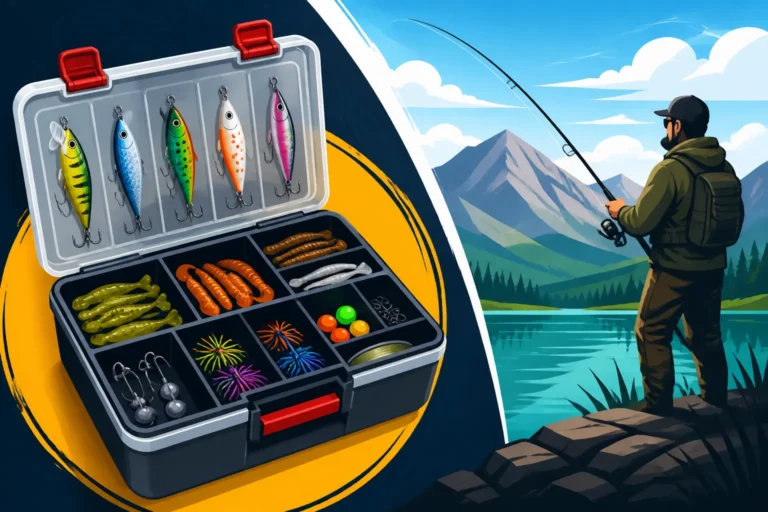
- Dedicated Spinner Boxes: Invest in small, compartmentalized tackle boxes specifically designed for lures. These often have individual slots or dividers that prevent hooks from tangling with each other and protect the blades from getting scratched or bent. This is especially true for delicate lures. Bass Pro Shops and Amazon offer a huge selection of these storage solutions.
- Size and Color Grouping: Organize your spinners by size and color. This makes it incredibly easy to quickly select the right lure for changing conditions. Imagine the frustration of needing a small, silver spinner for spooky trout and having to dig through a tangled mess to find it!
- Minimalist Approach (for streams): When stream fishing, especially if you're wading or hiking, a minimalist approach to tackle can be very beneficial. Instead of carrying your entire collection, select a handful of your most trusted inline spinners in various sizes and colors, along with a few other essential lures. This keeps your load light and your options focused. Consider a small sling pack or vest with dedicated pockets. Best Tackle Bag for Bank Fishing or Best Fly Boxes for the Bow River (if you're thinking fly fishing too!) could give you ideas.
By taking these simple steps, your inline spinners will remain in top condition, ready to entice those beautiful Alberta stream trout whenever you hit the water. It’s all about preparation and making sure your gear is as ready as you are.
| Feature | Small, Clear Streams (e.g., Mountain Brooks) | Large, Fast Rivers (e.g., Bow River) | Stained/Murky Water (e.g., after rain) |
|---|---|---|---|
| Spinner Size | 1/16 oz – 1/8 oz | 1/8 oz – 3/8 oz | 1/8 oz – 1/4 oz |
| Blade Type | Willow Leaf, Small Indiana | Willow Leaf, Indiana | Colorado, Indiana |
| Blade Color | Silver, Gold, Copper, Black | Silver, Gold, Brass | Fluorescent (Orange, Chartreuse), Fire Tiger |
| Hook Type | Single Barbless (recommended/mandated) | Single Barbless (recommended) | Single Barbless (recommended) |
| Retrieve Speed | Slow to Moderate | Moderate to Fast | Slow to Moderate (with strong vibration) |
| Key Attraction | Subtle flash, natural movement | Stability in current, consistent flash | Strong vibration, bold color |
Disclaimer
This article is for general informational purposes only and does not constitute professional advice. Laws, prices and regulations vary by location and change over time. Consult a qualified professional for guidance on your specific situation.