Best fly pattern box for a beginner
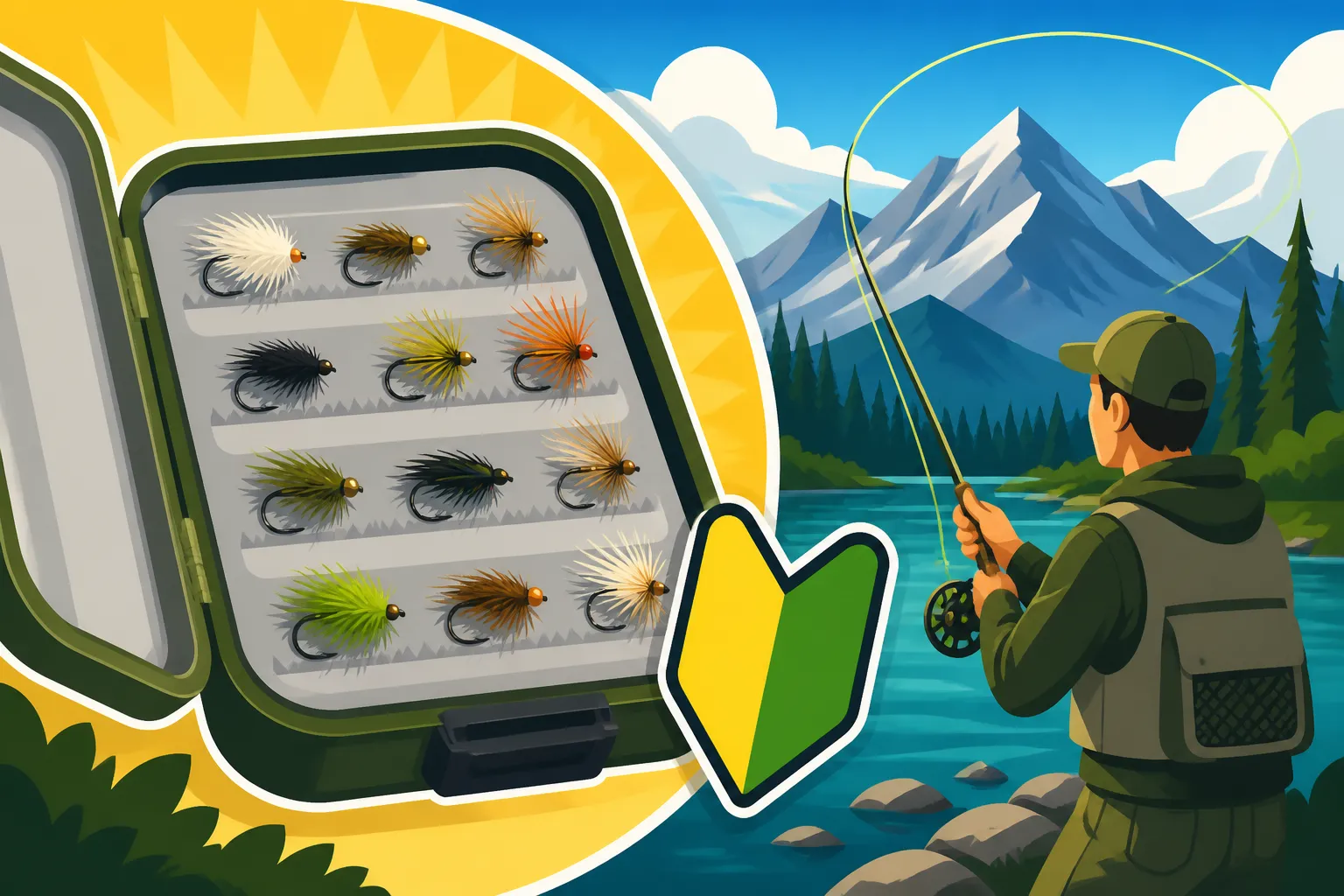
Stepping into the world of fly fishing can feel like learning a whole new language, and few things are as intimidating as that initial visit to the fly shop or browsing online. You see walls of tiny, feathery creations, all with strange names like "Woolly Bugger" or "Parachute Adams," and you wonder, "Where do I even begin?" The thought of choosing just a few, let alone organizing them, can stop a new angler in their tracks. This guide is here to cut through that confusion, helping you understand what makes a great beginner fly pattern box for fishing here in Alberta, and how to stock it wisely so you can get out on the water with confidence.
The Beginner's Dilemma: Why Just Any Box Won't Do
When you first get into fly fishing, it's easy to grab any old container and start stuffing flies into it. Maybe you picked up a pre-selected assortment, or a generous friend gifted you a few handfuls of their own favourites. While well-intentioned, this approach can quickly lead to frustration. A chaotic, disorganized fly box isn't just an annoyance; it can cost you precious fishing time and even fish. Imagine a beautiful trout rising consistently, and you're fumbling through a tangled mess, trying to find that one specific dry fly you think you have. It's a common, disheartening experience.
Beyond the "Junk Drawer" Mentality
Think of your fly box not as a junk drawer for hooks and feathers, but as a carefully curated tackle system. For a beginner, this system needs to be simple, intuitive, and robust. You don't need hundreds of patterns (yet!), but you do need easy access to the ones that are proven to work in Alberta's diverse waters. A good beginner box forces you to be intentional about what you carry, reducing decision fatigue and increasing your chances of success. It's about having the right tools for the job, readily available, without all the excess that can overwhelm a new angler.
Protecting Your Precious Patterns
Those delicate flies, with their carefully tied hackle and tiny hooks, are surprisingly vulnerable. Tossing them loosely into a pocket or a general tackle box is a recipe for crushed hackle, bent hooks, and lost patterns. A dedicated fly box protects your investment, keeping each fly secure and ready for action. This is especially true for the more delicate dry flies, which need their buoyant properties preserved. Losing a few flies because they weren't stored properly might not seem like a big deal, but when you're just starting, every lost fly feels like a setback. Investing in a good box protects your flies and, by extension, your confidence.
Key Considerations for Choosing Your First Fly Box
Selecting your first fly box isn't rocket science, but a few thoughtful choices upfront can save you headaches down the road. You'll want something durable, functional, and appropriately sized for a core selection of essential Alberta patterns. Don't fall for the trap of buying the biggest, fanciest box right away; simplicity and utility are your best friends as you learn the ropes.
Material and Durability
Fly boxes come in a variety of materials, each with its own advantages. For an Alberta beginner, durability is paramount. You'll be dropping it, getting it wet, and probably subjecting it to a fair bit of wilderness abuse.
- Plastic Boxes: These are often the most affordable and lightweight. Look for sturdy, clear plastic that allows you to see your flies at a glance without opening the box. Many plastic boxes from brands like C&F Design or Tacky Fly Fishing (available at retailers like Bass Pro Shops or Amazon) offer excellent durability and a secure closure. They resist water well, which is crucial when you're wading or fishing in unpredictable Alberta weather. Their transparency is a huge bonus for beginners, as it helps you quickly identify patterns without fumbling.
- Aluminum Boxes: While classic and aesthetically pleasing, aluminum boxes tend to be heavier and more expensive. They are extremely durable but often lack transparent lids, meaning you have to open them to see what's inside. For a beginner, the added weight and lack of visibility might be more of a hindrance than a help, though they certainly have their place for more experienced anglers who prioritize ruggedness and traditional style.
- Waterproof Seals: Regardless of the main material, a good rubber gasket or O-ring seal is a game-changer. Alberta weather can be fickle, and rain or an accidental dunk in the river can ruin your flies, especially the dry flies. A waterproof box keeps your flies dry and rust-free, extending their lifespan and ensuring they perform as intended. Always check for a secure latching mechanism that truly seals the box shut.
Storage Style: Foam vs. Compartments
The internal layout of your fly box dictates how your flies are held. For beginners, the choice often comes down to foam or individual compartments.
- Foam Inserts: Most modern fly boxes feature high-density foam with slits or dimples to hold your flies. Slit foam is excellent for securing individual flies, preventing them from tangling or getting crushed. It’s particularly good for delicate dry flies and smaller nymphs. Ripple foam (the wavy kind) is often found in older or cheaper boxes and while it works, it doesn't hold flies quite as securely as slit foam. For a beginner, a box with slit foam is highly recommended, as it keeps things tidy and protects each fly individually. Some boxes even have magnetic inserts to help hold tiny flies.
- Compartment Boxes: These boxes have individual plastic compartments with separate lids, similar to traditional tackle boxes. While great for larger items or hardware like split shot, they are generally less suitable for flies. Flies tend to bounce around, damage hackle, and get mixed up when placed in open compartments. They might be okay for larger streamers or salmon flies, but for the typical trout patterns you'll be using in Alberta, foam is the superior choice for organization and protection. Avoid these for your primary fly storage.
- Double-Sided Boxes: Many excellent beginner boxes are double-sided, offering twice the storage capacity in a compact footprint. This is fantastic for separating different types of flies (e.g., dry flies on one side, nymphs on the other) or for expanding your collection as you grow. Just ensure both sides have secure, waterproof closures. This is a very practical option for new anglers who are building their initial collection.
Size and Portability
As a beginner, you want a fly box that’s easy to carry and doesn't feel like a burden. Overly large boxes can be cumbersome, while tiny ones might not hold enough essential patterns.
- Pocket-Sized vs. Vest-Sized: Aim for a box that can comfortably fit into a fishing vest pocket, a wader pouch, or a small sling pack. A box that's roughly 5-7 inches long and 3-4 inches wide is often ideal. This size allows you to carry a good selection of 50-100 flies without being bulky. Think about how you’ll be carrying it – do you prefer a vest, a chest pack, or a backpack? Your chosen carrying method will influence the optimal size.
- Capacity: For a beginner, a box with capacity for about 50-100 flies is a great starting point. This might sound like a lot, but once you include a few sizes of nymphs, dry flies, and maybe a couple of streamers, it fills up faster than you think. You don't want to run out of a crucial pattern halfway through your trip on the Bow River because you opted for a tiny box. A box with too much capacity, however, can encourage over-collecting and disorganization early on, so find a happy medium.
| Feature | Ideal for Beginners | Less Ideal for Beginners |
|---|---|---|
| Material | Durable, clear plastic with secure latches (e.g., Umpqua, Fishpond, Tacky) for visibility and water resistance. | Heavy aluminum (lack of visibility, higher cost) or flimsy, non-sealed plastic (poor protection). |
| Storage Style | High-density slit foam on one or both sides. Keeps flies individually secure, prevents tangles, and protects delicate hackle. Double-sided is a bonus. | Open compartments or old-school ripple foam. Flies get crushed, tangled, and mixed up, making it hard to find what you need quickly, especially for smaller patterns. |
| Waterproofing | Essential rubber gasket seal. Keeps flies dry in rain or accidental dips, preventing rust and preserving buoyancy of dry flies. | No seal or weak closure. Leads to wet, rusty, or damaged flies, particularly problematic for dry flies that rely on being bone-dry. |
| Size/Capacity | Vest or pocket-sized (e.g., 5-7 inches long) with capacity for 50-100 essential patterns. Allows for a good selection without being bulky or encouraging over-collection. | Too large (cumbersome to carry, encourages too many patterns) or too small (limits selection, requiring frequent re-stocking). |
| Visibility | Clear lid or translucent material. Quickly identify flies without opening the box, saving time and reducing risk of dropping contents. | Opaque lid. Requires opening to view contents, slower selection, and increased risk of flies blowing away in wind. |
Essential Fly Patterns for an Alberta Beginner's Box
Now that you know what kind of box to look for, let's talk about what goes inside. For an Alberta fly fishing beginner, the goal is versatility. You want flies that can imitate a wide range of aquatic insects and baitfish, covering different conditions and seasons. Don't worry about matching every single hatch initially. Focus on proven "all-rounder" patterns that consistently catch fish.
Nymphs: The Underwater Workhorses
A vast majority of a trout's diet comes from beneath the surface, making nymphs absolutely crucial. These patterns imitate the larval and immature stages of aquatic insects. You’ll want a selection that covers different sizes and colours to represent various stages and species. When fishing rivers like the Crowsnest River or the Bow River, nymphs are often your bread and butter.
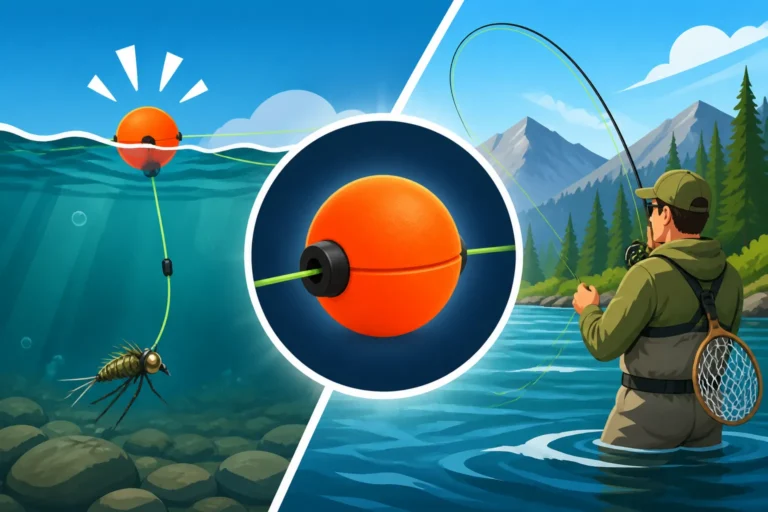
- Pheasant Tail Nymph: This classic pattern imitates a wide variety of mayfly nymphs. It's subtle, effective, and should be in every fly box. Carry it in sizes #14 to #20. It's a fantastic drift pattern, whether fished under an indicator or as part of a multi-nymph rig. This fly is a true workhorse year-round.
- Hare's Ear Nymph: Another versatile pattern, the Hare's Ear imitates mayflies, caddis larvae, and even scuds. Its buggy, impressionistic appearance makes it irresistible to trout. Sizes #12 to #18 are good to start with. Like the Pheasant Tail, it's a great all-around producer and can be fished effectively in various water conditions.
- Prince Nymph: With its flash and distinct profile, the Prince Nymph is a killer attractor pattern that can also imitate stonefly nymphs. It’s particularly effective in slightly off-colour water or when fish aren't responding to more subtle offerings. Sizes #10 to #16 are perfect.
- Walt's Worm / Perdigon Nymph: These simpler, faster-sinking patterns are becoming incredibly popular. They are essentially suggestive patterns that imitate a variety of aquatic invertebrates. Good for getting down fast in deeper, faster runs. Carrying a few in sizes #14-18, in natural tones like olive or brown, will serve you well. Spring Trout Fishing Techniques for Alberta Streams will often involve these types of patterns.
Dry Flies: The Surface Action
The thrill of a trout rising to your dry fly on the surface is what hooks many fly anglers for life. While not always the most productive method, having a few reliable dry flies for when fish are actively feeding on top is essential. Dry Fly Fishing Alberta Mountain Streams often provides incredible opportunities for these patterns.
- Parachute Adams: If there's one dry fly every beginner needs, it's the Parachute Adams. It's incredibly versatile, imitating a wide range of mayflies. Carry it in sizes #12 to #18. Its parachute style makes it float well and provides excellent visibility for the angler, which is a huge benefit for newcomers.
- Elk Hair Caddis: Caddisflies are abundant on many Alberta rivers. This fly, with its buoyant elk hair wing, is an excellent imitation of adult caddis and floats well in riffles and faster water. Sizes #12 to #16 are a good starting point. This pattern is particularly effective during evening caddis hatches.
- Stimulator: This bushy, high-floating fly is great for imitating larger stoneflies, caddis, or even grasshoppers. It's a fantastic searching pattern when you don't know exactly what fish are eating, especially on larger rivers. Carry a few in sizes #8 to #14. It's also sturdy enough to suspend a small nymph underneath it.
- Griffith's Gnat: A simpler, smaller pattern that imitates tiny midges and clusters of midges. When trout are sipping tiny bugs and nothing else seems to work, a Griffith's Gnat in sizes #18-22 can be deadly. It’s also good for imitating spent mayflies.
Streamers: Imitating Baitfish
Streamers imitate baitfish, leeches, or larger aquatic insects, and they can be incredibly effective for enticing aggressive trout and even pike. They're often retrieved with strips and pauses, mimicking a swimming meal.
- Woolly Bugger: This is perhaps the most versatile streamer pattern ever invented. It can imitate anything from a leech to a minnow to a large nymph. Carry it in black, olive, and brown, in sizes #4 to #10. You can strip it, swing it, or dead-drift it, making it an indispensable pattern for any angler, especially on larger rivers like the Bow River. Fly Patterns for the Bow River will definitely include this one.
- Clouser Minnow (or similar baitfish imitation): While often associated with saltwater, smaller Clouser Minnows or similar jig-style baitfish patterns (like a conehead muddler or sculpin imitation) are excellent for imitating baitfish in Alberta lakes and rivers. White, olive, or grey colours in sizes #6 to #10 work well. These are particularly effective for predatory fish like brown trout or even bull trout (remembering the Alberta Bull Trout Zero Possession Rule when fishing for them).
Organizing and Maintaining Your Beginner Fly Box
Having the right flies in the right box is only half the battle; knowing how to organize and maintain it is key to maximizing your time on the water. A well-organized box means less fumbling and more fishing, which is exactly what a beginner needs to stay motivated.
Logical Organization Strategies
The way you arrange your flies can dramatically impact your efficiency. For a beginner, simplicity is paramount. Don't overcomplicate it.
- By Fly Type: This is one of the most common and effective methods. Dedicate one side of a double-sided box to dry flies and the other to nymphs. If you have a larger single-sided box, you can still create sections for different types. This makes it easy to grab the right category of fly when you know whether fish are feeding on the surface or below. You might have a distinct section for streamers too, perhaps towards one end of the box.
- By Size: Within each fly type, organize by size. For example, have all your #12 Parachute Adams together, then your #14s, and so on. This prevents you from constantly pulling out flies to check their hook size, which is a common frustration. A quick glance should tell you if you have the right size.
- By Color/Pattern: For patterns you carry in multiple colors (like Woolly Buggers), keep all of one color together. This isn't as critical as type or size for beginners, but it adds another layer of organization as your collection grows. You might even use small waterproof labels on your box to designate sections (e.g., "Dry Flies – Mayflies," "Nymphs – Stoneflies"). Remember, a well-organized Best Tackle Box Setup for Alberta Anglers applies to your fly box too!
Essential Accessories to Keep Handy
While not in the fly box itself, a few small accessories are vital companions to your fly box. These will help you use and maintain your flies effectively on the water.
- Floatant: For dry flies, floatant is non-negotiable. Apply it to your dry flies before casting to help them float high and visible on the surface. There are paste, liquid, and powder options. Galson's is a popular brand, often found at Bass Pro Shops or specialized fly shops. Without floatant, your beautiful dry fly will quickly become waterlogged and sink, defeating its purpose.
- Forceps or Hemostats: These are tiny locking pliers that are invaluable for unhooking fish gently and safely, especially when using small flies. They also come in handy for pinching down barbs (which is often a good practice, and sometimes legally required in Which Alberta rivers mandate barbless hooks only), or for retrieving flies from tough spots. A good pair of forceps with a scissor function is a fantastic multi-tool.
- Nippers: You'll need a clean cut on your leader and tippet. Small, sharp nippers are far better than using your teeth or a dull knife blade. Many nippers also come with a small needle for cleaning out the eyes of flies that get clogged with glue or varnish.
- Leader and Tippet: Always carry spare spools of leader and tippet in various sizes. A 5X or 6X tippet is often suitable for the small flies a beginner will be using for trout. This ensures you can tie on new flies or replace worn sections of line, rather than having your fishing day cut short by a broken or too-short leader.
Post-Trip Maintenance
Your fly box needs a little TLC after each outing to keep it in top shape and your flies ready for the next adventure. This simple routine will prevent rust and extend the life of your patterns.
- Dry Out Wet Flies: After a day on the water, especially if you've been catching fish or fishing in the rain, open your fly box and let any wet flies air dry. Leaving wet flies sealed in a box is a recipe for rust on your hooks and mildew on your delicate materials. You can gently place them on a towel or a piece of paper to fully dry before returning them to the box. This is particularly important for patterns with natural materials like fur or feather.
- Inspect and Replace: Take a moment to inspect your flies. Are any hooks bent or dull? Are any patterns frayed or damaged beyond repair? Replace or repair them as needed. You don't want to tie on a compromised fly when you're facing a picky fish. This habit also helps you identify which patterns you used most and might need to restock. You can often find individual flies or small packs online via Amazon or at your local tackle shop.
- Clean the Box: Periodically, give your fly box a wipe down, especially if it's accumulated dirt, sand, or fish slime. A clean box is easier to work with and looks much more inviting than a grimy one. If you have a clear lid, keeping it clean ensures good visibility of your flies.
By following these simple guidelines for choosing, stocking, and maintaining your beginner fly pattern box, you'll be well on your way to enjoying the fantastic fly fishing opportunities Alberta has to offer, without the headache of fly-related fumbling!
Disclaimer
This article is for general informational purposes only and does not constitute professional advice. Laws, prices and regulations vary by location and change over time. Consult a qualified professional for guidance on your specific situation.