Which Alberta waters have fish consumption advisories
It's an age-old question for any angler, isn't it? You spend a wonderful day out on an Alberta lake or river, you hook into some fantastic fish, and then the thought creeps in: "Is this safe to eat?" Nobody wants to unintentionally put their health at risk, especially after the effort and joy of a good catch. This comprehensive guide is here to demystify fish consumption advisories in Alberta, helping you understand why they exist, where to find them, and how to make informed decisions to keep both yourself and your family healthy while enjoying the bounty of our waters.
Understanding Fish Consumption Advisories in Alberta
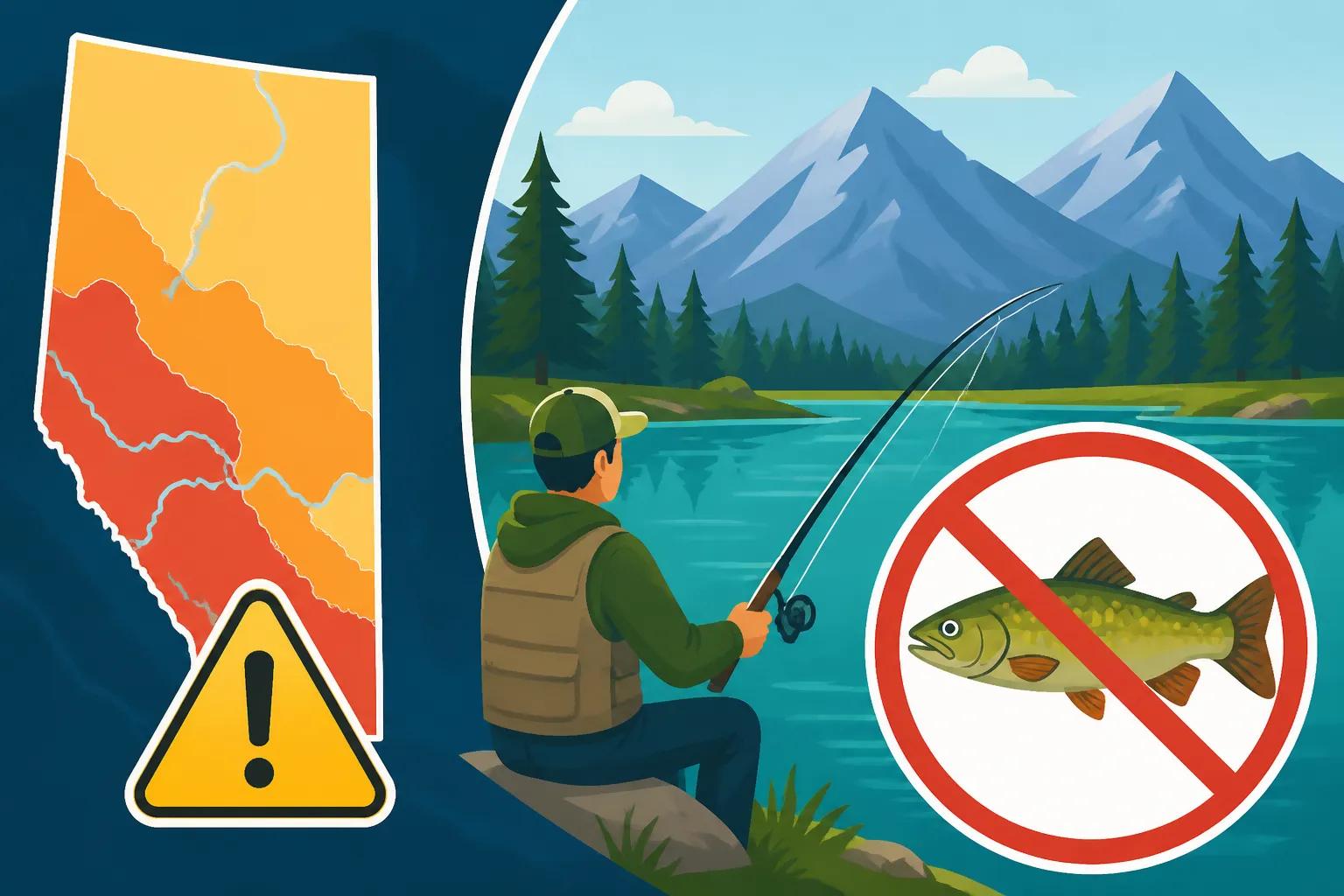
When you hear about a "fish consumption advisory," it's not a blanket warning to stop eating fish altogether. Instead, these advisories are carefully researched guidelines designed to help you enjoy fish safely by providing recommendations on how much of certain species from specific bodies of water you can consume. They're put in place to protect public health without taking away the pleasure of eating your catch.
Why Advisories Exist: The Science Behind It
The reality is that our environment, both natural and industrial, can introduce various substances into our water systems. Fish, living in these waters, can absorb and accumulate these substances in their bodies. The primary culprits we often hear about are heavy metals like mercury, and organic pollutants such as PCBs (polychlorinated biphenyls) and dioxins. These aren't just isolated to specific areas; they can be transported through the air and water, eventually settling into lakes and rivers.
The frustration for many anglers is that you can't see, smell, or taste these contaminants. A perfectly healthy-looking fish might carry higher levels of a substance than is recommended for regular consumption. This is where the science comes in. Researchers study fish samples, testing for these specific contaminants and then assessing the potential health risks based on the levels found. It’s a complex process that takes into account how these substances affect the human body, especially vulnerable populations like pregnant women, nursing mothers, and young children.
Who Issues the Advisories and How to Find Them
In Alberta, the responsibility for monitoring fish health and issuing consumption advisories falls primarily to Alberta Health Services in collaboration with Alberta Environment and Protected Areas. These government bodies have dedicated teams that conduct ongoing research, collect fish samples, and analyze data to keep the public informed. They are the authoritative source for all official advisories, so it's crucial to always refer to their information.
Finding this information used to feel like a treasure hunt, but thankfully, it's become much more accessible. The most comprehensive source is the annual Alberta Guide to Sportfishing Regulations. Not only does this guide lay out all the rules about limits and seasons, but it also includes a section specifically dedicated to fish consumption advisories. You can pick up a physical copy at many sporting goods stores or download the latest version online. For on-the-go access, the MyWildAlberta app is an invaluable tool. It often integrates the most current advisories directly into its waterbody lookup feature, so you can check before you even wet a line. It's always a good habit to check the most recent information before heading out, as advisories can change based on new research or environmental conditions. Learning to navigate this vital resource is key to responsible angling, and you can get even more familiar with it by Reading the Alberta Guide to Sportfishing Regulations.
Common Contaminants and How They Affect Fish
Understanding the specific contaminants and how they behave in fish and the environment helps us appreciate why advisories are structured the way they are. While many substances can be present, mercury, PCBs, and dioxins are the most frequently cited concerns in fish consumption advisories across Alberta and elsewhere.
Mercury: The Most Widespread Concern
Mercury is perhaps the most well-known contaminant when it comes to fish. It exists naturally in the environment from sources like volcanic eruptions and forest fires, but human activities such as coal-fired power generation and industrial processes have significantly increased its presence. Once released, mercury can travel long distances in the atmosphere before settling into water bodies, where bacteria transform it into methylmercury, its most toxic form.
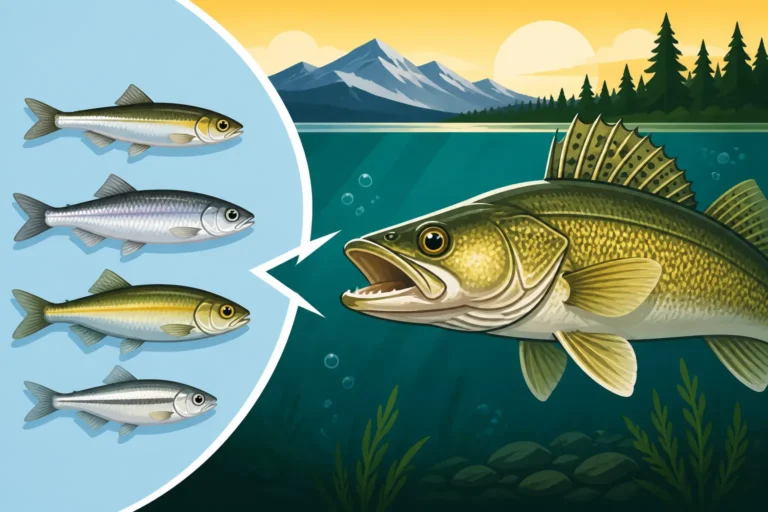
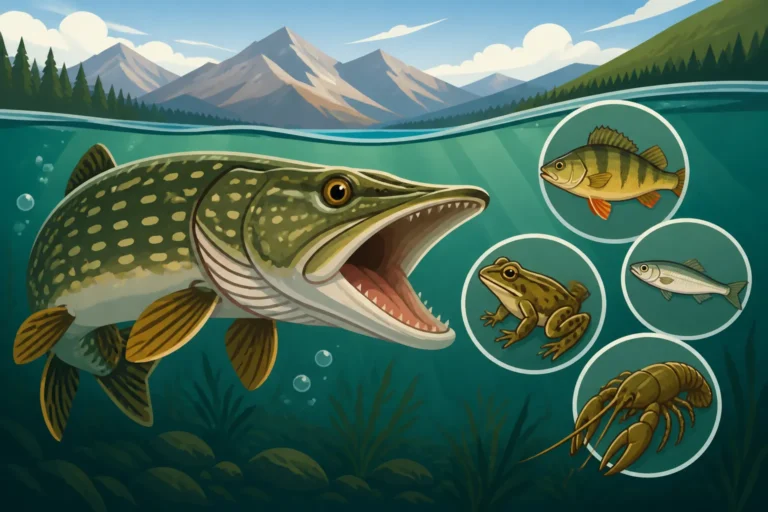
Fish absorb methylmercury from the water as it passes over their gills and from the food they eat. This is where "bioaccumulation" comes into play: the mercury builds up in their tissues over time. Even more concerning is "biomagnification," which means that as larger fish eat smaller fish, the mercury concentration increases up the food chain. This is why predatory fish that live longer, like older walleye, northern pike, and lake trout, often have higher mercury levels than smaller, shorter-lived species. For humans, consuming too much mercury can impact the nervous system, and it's especially concerning for pregnant women and young children because it can affect fetal and child development. When you're targeting species like the popular Walleye Fishing in Alberta or exploring tips for Northern Pike Fishing in Alberta, remember that these larger predators are more likely to have higher mercury levels. Similarly, pursuing big fish in deep waters, such as in Lake Trout Fishing in Alberta, often means you're targeting older individuals that have had more time to accumulate contaminants.
PCBs and Dioxins: Legacy Pollutants
PCBs (polychlorinated biphenyls) and dioxins are different types of persistent organic pollutants. PCBs were widely used in electrical equipment, plastics, and various industrial applications for decades before their toxic effects were fully understood and their production was banned in most countries. Dioxins are byproducts of certain industrial processes and waste incineration. The unfortunate reality is that even though their use has been restricted or banned for many years, these chemicals are incredibly stable and don't break down easily in the environment. They remain in our soil and water, slowly leaching into aquatic ecosystems.
Unlike mercury, which is found throughout a fish's muscle tissue, PCBs and dioxins tend to accumulate in the fatty tissues of fish. This is a crucial distinction because it offers a potential way to reduce your exposure if you choose to consume fish from waters with advisories related to these compounds. These legacy pollutants have been linked to various health issues, including developmental problems, reproductive issues, and certain types of cancer. While general levels have decreased significantly since their bans, certain localized areas, especially near historical industrial sites, may still have higher concentrations. This underscores the importance of checking advisories for your specific fishing location.
Navigating Alberta's Consumption Advisories: Practical Steps for Anglers
Alright, so we know why advisories exist and what contaminants are usually involved. Now, let's talk about the practical side of things. How do you actually use this information to make safe choices for your next shore lunch or dinner? It's about being proactive and knowing where to look.
Locating Specific Advisories for Your Fishing Spot
This is perhaps the most critical step. Fish consumption advisories are not universal across all of Alberta's vast waterways. They are often very specific, applying to particular lakes, sections of rivers, or even certain species within those water bodies. Trying to guess is just not worth the risk. Your go-to resource, as mentioned earlier, should always be the official Alberta Guide to Sportfishing Regulations. It's updated annually, and any changes or new advisories will be clearly listed there, often organized by specific fishing zones or major water bodies.
Beyond the physical guide or its online PDF, the MyWildAlberta app is a fantastic modern solution. If you're on the water and have cell service, you can often punch in the name of the lake or river you're on, and any relevant advisories will pop up alongside the fishing regulations for that spot. It's like having a digital copy of the regulations right in your pocket. Having a good GPS unit, maybe one you found on Amazon, that can display detailed map data of your specific waterbody can be really helpful here, ensuring you know exactly which section of a river you're in, should advisories be zone-specific. Sometimes, at very popular fishing access points, you might even see physical signs posted by Alberta Health Services detailing local advisories. However, always verify with the official online sources, as signs can sometimes be outdated or vandalized.
To give you a clearer picture of how these advisories are often presented, here's a generalized table showing the typical categories and factors that contribute to fish consumption recommendations:
| Advisory Category | General Population (Adults) | Women of Childbearing Age / Pregnant / Breastfeeding | Children (Under 15) |
|---|---|---|---|
| Factors Considered | |||
| Fish Species | Walleye, Pike, Lake Trout, etc. | Walleye, Pike, Lake Trout, etc. | Walleye, Pike, Lake Trout, etc. |
| Fish Size (Length) | E.g., over 50 cm | E.g., over 40 cm | E.g., over 30 cm |
| Maximum Meals/Week | E.g., 2 meals/week | E.g., 1 meal/month | E.g., 1 meal/week |
| Preparation Notes | Trim fat, remove skin | Trim fat, remove skin, consume less | Trim fat, remove skin, consume less |
| Example Waterbodies | Lesser Slave Lake, Cold Lake | Specific sections of Athabasca River | Certain stocked ponds |
Note: This table provides illustrative examples only. Always refer to the most current Alberta Guide to Sportfishing Regulations or MyWildAlberta app for exact, up-to-date advisories for your specific location.
Applying the Advice: Size, Species, and Frequency
Once you've found an advisory for your chosen fishing spot, it's essential to understand how to apply it. Advisories don't usually say "don't eat any fish from here." Instead, they provide nuanced guidance often based on three key factors: the species of fish, its size, and the frequency of consumption. For example, an advisory might state: "The general public should consume no more than two meals per week of Walleye over 50 cm from Lesser Slave Lake," while for "women of childbearing age, pregnant women, nursing mothers, and young children," the recommendation might be "no more than one meal per month of Walleye over 40 cm." This shows how sensitive populations need to be more cautious.
Why the emphasis on size? Because, as we discussed with mercury, larger, older fish have had more time to accumulate contaminants. So, if you're planning to keep a fish for supper, choosing smaller, younger individuals of the same species can be a safer bet. For example, keeping within the Alberta Walleye Limit by Zone might include smaller fish that are well within consumption guidelines. When you do clean your fish, particularly for species from waters with PCB or dioxin concerns, it’s a good practice to trim away all visible fat and remove the skin. Since these contaminants store in fatty tissues, this simple step can significantly reduce your exposure. Proper cooking methods don't destroy these contaminants, but they also don't increase them, so focus on reducing the initial load. For those concerned about making the best choices for the dinner plate, researching Best eating fish species from Alberta lakes can also provide insights into generally lower-contaminant options.
Making Informed Choices and Safe Practices
At the end of the day, responsible angling isn't just about following regulations; it's about being informed and making choices that ensure both your enjoyment and your well-being. Knowing about fish consumption advisories is a big part of that.
General Guidelines for Safer Consumption
To simplify things, here are a few general guidelines that can help you reduce your risk when enjoying fish from Alberta's waters:
- Diversify Your Catch and Your Locations: Don't just fish the same lake for the same species every single time, especially if that waterbody has an advisory. Spreading your consumption across different species and various lakes and rivers can help minimize exposure to specific contaminants.
- Follow Advisories Rigorously: This might seem obvious, but it's the golden rule. If an advisory says "no more than one meal per month" for a certain species, stick to it. These aren't arbitrary numbers; they are based on scientific assessment of risk. Always check the official Alberta Fishing Regulations App and Zone Lookup, Explained for the most current information.
- Consider Catch and Release for Larger Fish: If you're out there chasing a trophy Alberta record walleye weight or a massive pike, those big, old fish have had the longest to accumulate potential contaminants. For these giants, practicing catch and release is often the safest and most responsible choice. Not only does it protect you, but it also helps conserve these valuable breeding fish populations. You can find excellent techniques for safe release in guides like Best Techniques for Bull Trout Catch and Release.
- Prepare Fish Smartly: For species caught from waters with advisories related to PCBs or dioxins, which accumulate in fat, trim off the skin and all visible fat (especially along the belly and lateral line) before cooking. This can remove a significant portion of these particular contaminants.
Essential Gear and Resources for Staying Informed
Staying informed and making safe choices can be made easier with the right tools and resources. Beyond regularly checking the official Alberta Environment and Protected Areas website and the MyWildAlberta app, here are a few other things that can help:
- Reliable Mapping and GPS: Knowing exactly where you are on a large lake or river is crucial, especially if advisories are zone-specific. A dedicated fish finder with detailed mapping capabilities, often available through retailers like Amazon, can pinpoint your location and show you key features. This ensures you're applying the correct advisory for your precise fishing spot.
- Waterproof Phone Cases: We rely on our phones for everything these days, including checking regulations and advisories via the MyWildAlberta app. A good waterproof case, easily found on Amazon, protects your device from splashes and drops, ensuring you can always access those vital updates when out on the water.
- Accurate Measuring Tools: Advisories often specify consumption limits based on fish length. A reliable fish measuring board or tape, which you can also find on Amazon, is essential for accurately assessing your catch's size to ensure it falls within safe consumption guidelines. It also helps you stay compliant with general catch limits, like the Alberta Northern Pike Limit.
- Educational Materials: Take the time to read through the entire "Alberta Guide to Sportfishing Regulations" beyond just the catch limits. It contains a wealth of information, including detailed explanations of advisories and why they're in place. The more you know, the better decisions you can make.
By taking these proactive steps, you can continue to enjoy the fantastic fishing opportunities Alberta offers while ensuring that the fish you bring home to the table are a healthy and delicious part of your diet.
Disclaimer
This article is for general informational purposes only and does not constitute professional advice. Laws, prices and regulations vary by location and change over time. Consult a qualified professional for guidance on your specific situation.