What lures imitate the baitfish walleye eat
It's incredibly frustrating, isn't it? You've spent good money on a tackle box full of lures, tried every color, every retrieve, but those elusive walleye just aren't biting. It feels like they're laughing at your carefully chosen presentation. Often, the missing piece isn't your technique, but a fundamental understanding of what walleye are actually eating down there. This guide will walk you through the primary baitfish species walleye key in on across Alberta and, more importantly, how to pick and present lures that perfectly mimic those natural food sources.
Understanding the Walleye's Dinner Plate in Alberta
Walleye are often considered finicky, but a lot of that reputation comes from anglers not understanding their true dietary preferences. These magnificent fish are primarily sight feeders, especially in the low light conditions they prefer. This means they are constantly evaluating prey based on size, shape, color, and movement. If your lure doesn't look or act like something they're used to eating, they'll often ignore it, no matter how hungry they might be. It's a critical piece of the puzzle for successful Walleye Fishing in Alberta.
The Opportunistic Predator: How Walleye Hunt
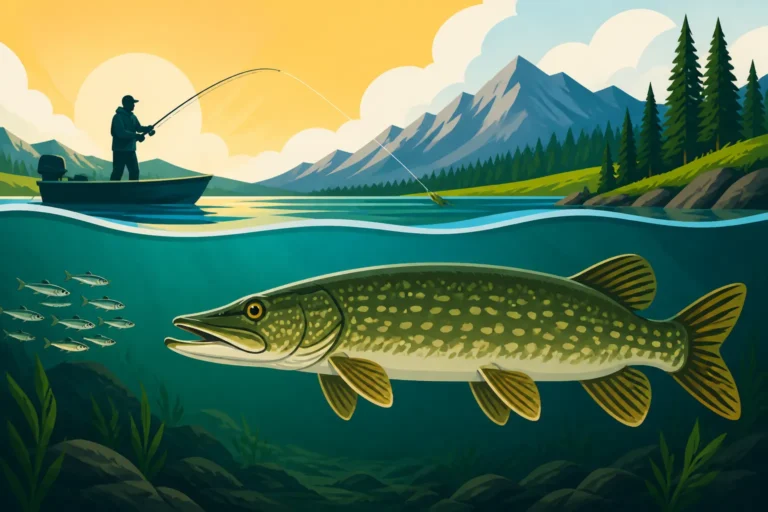
Walleye are definitely predators, but they're also opportunists. They aren't going to expend excessive energy chasing down a meal if an easier one is available. They often position themselves in ambush points, like around submerged structures, weed lines, or current breaks, waiting for baitfish to swim by. Their large, light-sensitive eyes are perfectly adapted for low light, giving them a distinct advantage over their prey at dawn, dusk, and on cloudy days, or in deeper, darker waters. This ambush predation means your lure needs to trigger a strike impulse, either by appearing vulnerable, injured, or simply an easy meal.
It's not just about what's available, but also what's easy. A walleye won't typically chase a healthy, fast-moving baitfish if there's a struggling, erratic one nearby. This is why lure action is so crucial. A wobbling crankbait, a darting jerkbait, or a jig that falls like a stunned minnow can be irresistible. Think about a school of baitfish; predators often target the stragglers or the weaker individuals. Your lure should try to emulate that weakness or isolation to maximize its appeal.
Seasonal Shifts in Forage: How Diet Changes Through the Year
Just like us, walleye's diets change with the seasons. What they’re eating in the spring might be totally different from their winter menu. In the spring, after the ice-out, walleye are often shallow, focusing on smaller baitfish that are also moving into warmer waters. As the water warms into summer, they might move deeper, following schools of larger baitfish like ciscoes or whitefish into cooler thermal refuges. This is when understanding How deep walleye go in summer becomes really important.
Come fall, walleye often go on a major feeding binge, bulking up for winter. They’ll actively chase larger prey, and their metabolism is still high enough to make them aggressive. Winter sees them slowing down, conserving energy, often preferring a slower, more subtle presentation that mimics baitfish struggling in the cold. Understanding these seasonal shifts is key to choosing not just the right baitfish imitation, but also the right size and presentation. It’s a constant adaptation game, and the more you pay attention to the time of year and water conditions, the better your chances of success.
Key Baitfish Species Walleye Eat in Alberta
Alberta's diverse waterways host several species of baitfish that form the core diet of walleye. Knowing these key players and their characteristics is the first step in selecting effective lures.
Ciscoes and Lake Whitefish: The Main Course
In many of Alberta's larger lakes, particularly in the central and northern regions like Lesser Slave Lake or Lac La Biche, ciscoes (also known as lake herring) and juvenile lake whitefish are absolute staples of the walleye diet. These fish are typically silvery, slender, and swim in open water. They can range from a couple of inches to much larger sizes, providing a substantial meal for a hungry walleye.
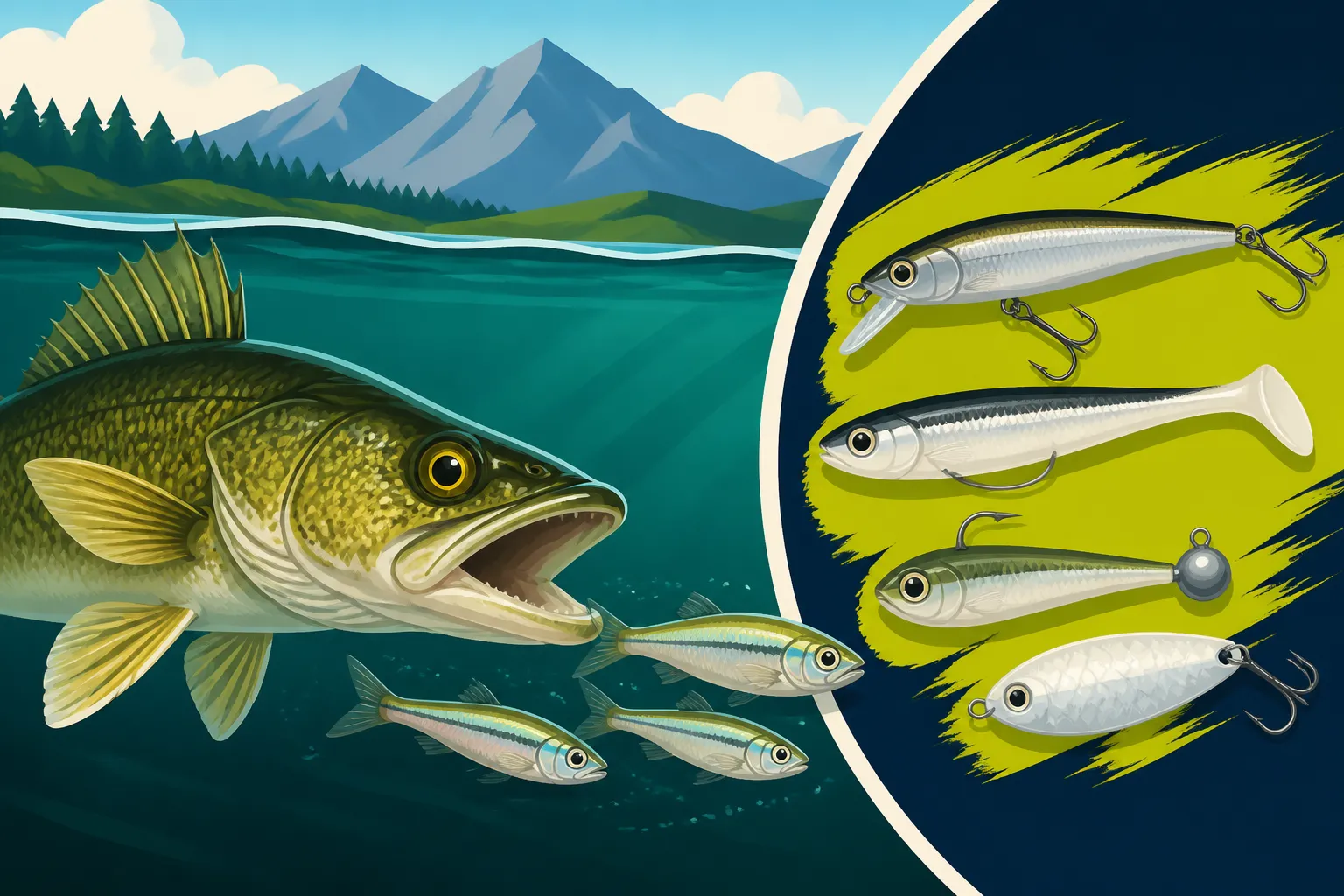
When walleye are gorging on ciscoes or whitefish, your lures need to match this profile. Think about long, slender crankbaits, spoons, or even large soft plastic jerkbaits. Colors often lean towards silver, white, blue, or sometimes even a greenish back. The key is to mimic their darting, schooling movements. These baitfish are typically found in deeper water, especially during warmer months, so How deep walleye go in summer often correlates directly to where these baitfish are holding.
Perch and Suckers: Supplementary Snacks
Yellow perch are incredibly common in many Alberta lakes and rivers, and they are a significant food source for walleye, especially in waters where ciscoes might be less abundant. Perch have a distinct olive-green and striped pattern, and a slightly stockier body profile than ciscoes. They tend to hang around weed beds, rocky points, and bottom structure. Walleye definitely eat perch, and not just the small ones – they’re not shy about taking a larger perch if it presents itself.
Juvenile suckers (like white suckers or longnose suckers) are another consistent part of the walleye diet, particularly in rivers and lakes with soft bottoms. Suckers are bottom dwellers, often brownish or duller in color, and have a somewhat cylindrical body shape. Lures that imitate perch or suckers often have a more rounded profile, use natural greens, yellows, browns, and blacks, and are often fished closer to the bottom or near cover. Jigs with soft plastics, lipless crankbaits, or even some larger crankbaits can effectively mimic these prey species.
Smelts and Other Minnows: Smaller Offerings
While less ubiquitous than ciscoes or perch, rainbow smelt can be present in some Alberta lakes (like Cold Lake) and are a highly sought-after food source for many predatory fish, including walleye. Smelts are very silvery, slender, and emit a distinct cucumber-like smell. When a walleye population has access to smelts, they will often gorge on them.
Beyond specific species, a general "minnow" imitation is always a good bet, especially for smaller walleye or when baitfish are less abundant. These include various species of shiners or other small forage fish that inhabit a wide range of water bodies. When mimicking smelts or other small minnows, focus on slim profiles, iridescent or silver finishes, and lures that can be retrieved quickly or jigged to create a flash. Small crankbaits, spoons, or soft plastic minnow imitations are excellent choices. Many anglers find great success with these universal minnow patterns, and you can find a vast array of options on Amazon.
Matching Lures to Walleye Baitfish
Now that we know what walleye are eating, let's dive into how to choose the right lures to imitate those natural food sources. It's about more than just color; it's about profile, action, and even the way the lure presents itself in the water.
Crankbaits for Mimicking Swimming Bait
Crankbaits are your bread and butter for imitating actively swimming baitfish like ciscoes, smelts, and even perch. They come in a dizzying array of shapes, sizes, and diving depths, making them incredibly versatile.
- Action and Profile: For ciscoes and smelts, look for slender, elongated crankbaits with a tight wobble. Brands like Rapala (think Husky Jerk or Shad Rap) or Berkley (like the Flicker Shad) are perennial favorites because their actions closely mimic a fleeing baitfish. When walleye are feeding on perch, a crankbait with a slightly fatter, deeper body profile and a more aggressive wobble can be more effective.
- Depth: Match your crankbait's diving depth to the depth where you're marking walleye and baitfish. If fish are suspended in 20 feet of water, a shallow-running crankbait won't cut it. You'll need deep-diving models that can reach those depths, or even use trolling techniques to get them down. Remember, the deeper the walleye, the more subtle your Best lure color for muddy water walleye fishing might need to be, as light penetration is reduced.
- Color: Silver, blue, white, and natural baitfish patterns (like perch or cisco) are always solid choices. In stained or darker waters, brighter colors like chartreuse or firetiger can be more effective as they offer better contrast. If you're looking to stock up, Amazon has a huge selection of crankbaits, making it easy to find specific colors and sizes.
Jigs and Soft Plastics for Bottom Forage
Jigs combined with soft plastics are incredibly effective for mimicking injured, dying, or bottom-dwelling baitfish like suckers, gobies, or struggling perch. They allow for a very controlled, subtle presentation that can be irresistible to walleye that are less willing to chase.
- Jig Heads: The weight and shape of your jig head dictate its fall rate and how it interacts with the bottom. A round head is versatile, while a stand-up jig head keeps your plastic horizontal, resembling a foraging baitfish. For deeper water or current, heavier jigs are essential.
- Soft Plastic Shapes:
- Paddle-tail grubs/swimbaits: These are fantastic for imitating swimming baitfish with a consistent, vibrating action. Rigged on a jig head, they can be cast and retrieved, trolled, or vertically jigged. This is often an excellent choice if you're trying Best technique for vertical jigging walleye.
- Minnow imitations (fluke-style baits): Slim, unweighted soft plastic minnows can be rigged on a jig head for a darting, erratic action on the retrieve. These mimic dying or injured baitfish perfectly.
- Grubs/curly-tail plastics: A classic for a reason, the curling tail provides a lot of action with minimal movement, perfect for enticing lethargic walleye.
- Color: Natural colors like brown, green pumpkin, motor oil, or grey work well for imitating suckers or minnows. If perch are the primary forage, perch-patterned soft plastics are a must. For Best hair jig technique for winter walleye, natural colours often shine through clear ice.
Blade Baits and Spoons for Flash and Vibration
Blade baits and spoons are excellent choices when you want to imitate fleeing, distressed, or schooling baitfish. Their flash and vibration can trigger reaction strikes, even from walleye that aren't actively feeding.
- Blade Baits: These vibrating metal lures (like a Heddon Sonar or a Sebile Vibe Machine) mimic fleeing baitfish with intense vibration and flash. They are incredibly effective for vertical jigging, especially in colder water or when fish are concentrated. A sharp snap and fall technique can make them irresistible. The flash and vibration can also call in walleye from a distance, which is particularly useful when you're trying to locate fish in new areas.
- Casting/Jigging Spoons: Metal spoons, like Johnson Silver Minnows or Luhr-Jensen Krocodiles, wobble and flash on the fall, mimicking an injured or dying baitfish. They can be cast and retrieved, trolled, or vertically jigged through the ice or in open water. Their versatility makes them a staple for many anglers targeting Where to Find Walleye in Alberta. Silver and gold are classic choices, but spoons with white, blue, or even perch-like patterns can be highly effective. The erratic flutter on the fall can be a powerful trigger for a walleye strike.
Tips for Choosing and Presenting Baitfish-Imitating Lures
Picking the right lure is only half the battle. How you present it, and the fine details of color and size, can make all the difference between a frustrating day and a successful one.
Color and Pattern Matching: Getting it Just Right
It’s not just about "silver for minnows." Walleye can be incredibly sensitive to subtle color differences, especially in clear water.
- Match the Hatch: The golden rule is to observe what baitfish are actually present in the water you're fishing. If you see schools of silvery ciscoes, go with silver and blue. If perch are abundant, a perch-patterned lure is a smart move. When possible, if you catch a baitfish, take note of its size and color and try to mimic it.
- Water Clarity: In clear water, natural, muted colors tend to work best. Think silver, grey, subtle greens, and browns. In stained or muddy water (which you might encounter after a heavy rain), brighter colors like chartreuse, orange, or firetiger offer better visibility and contrast, making it easier for walleye to find your lure. Don't be afraid to experiment with Best lure color for muddy water walleye fishing.
- Light Conditions: On bright, sunny days, lures with reflective finishes (chrome, silver) can create a lot of flash, potentially attracting walleye. On cloudy days or in low light, matte finishes or glow-in-the-dark options can be more appealing.
Size and Profile Considerations: Making it Believable
Matching the size and profile of the predominant baitfish is just as important as matching the color. A walleye will quickly disregard a lure that is clearly out of proportion to what they're accustomed to eating.
- Seasonal Size Preference: In the spring, walleye often key on smaller baitfish, so smaller lures (2-3 inches) can be highly effective. As the season progresses into summer and fall, and baitfish grow larger, walleye will readily strike larger lures (4-6 inches, or even more for trophy hunters). Don't hesitate to go big in the fall when walleye are trying to pack on weight.
- Forage Abundance: If there's an overwhelming abundance of small baitfish, a slightly larger lure might stand out. Conversely, if baitfish are sparse, matching the size precisely might be crucial.
- Body Shape: Is the primary forage long and slender (ciscoes, smelts), or short and stocky (perch, suckers)? Choose crankbaits and soft plastics that mimic that specific body shape. For instance, a shallow-diving, slender jerkbait is great for mimicking ciscoes, while a deeper-bodied crankbait in a perch pattern is ideal for imitating yellow perch. When choosing lures, especially online through retailers like Amazon, pay close attention to the listed dimensions and compare them to the baitfish you're trying to imitate.
Retrieval Techniques to Imitate Natural Movement
Even the most perfectly matched lure won't work if it's not presented with the right action. The way you retrieve your lure should mimic how baitfish move naturally, or, crucially, how they move when they're vulnerable.
- Steady Retrieve: For active, schooling baitfish, a steady retrieve with a crankbait or swimbait can be very effective. Vary your speed slightly, adding a few twitches or pauses to make it look less robotic. This is a common tactic when employing Best trolling speed for walleye.
- Erratic Retrieve (Jerk and Pause): This technique is fantastic for imitating injured or dying baitfish. For jerkbaits, a few sharp jerks followed by a pause (sometimes a long pause!) can trigger vicious strikes. For jigs and soft plastics, a lift-drop, twitch-and-pause, or drag-and-hop retrieve along the bottom can make the lure appear like a struggling bottom feeder. Walleye often hit on the pause, so pay attention!
- Vertical Jigging: When walleye are holding tight to structure or schooled up, especially during Cold Front Fishing Tactics for Alberta Walleye or in winter, vertical jigging with spoons, blade baits, or jigs and plastics can be deadly. A sharp snap of the rod tip, followed by a controlled fall, makes the lure dart and then flutter, perfectly imitating a disoriented baitfish. This technique is often discussed in detail when learning Best technique for vertical jigging walleye.
- Trolling: This technique allows you to cover a lot of water and present crankbaits at specific depths for extended periods. When employing How to fish a crawler harness for walleye or similar live bait presentations, a slow, consistent troll often mimics baitfish swimming naturally. Adjust your speed and lure depth until you start getting bites, paying close attention to the Best Time of Day to Catch Walleye or How to read structure for walleye on Lesser Slave Lake for optimal success.
By understanding what's on the walleye's menu and then selecting and presenting lures that realistically mimic those specific baitfish, you'll significantly increase your chances of success on Alberta's waters. It takes a bit more thought than just grabbing any old lure, but the results are definitely worth it!
Disclaimer
This article is for general informational purposes only and does not constitute professional advice. Laws, prices and regulations vary by location and change over time. Consult a qualified professional for guidance on your specific situation.