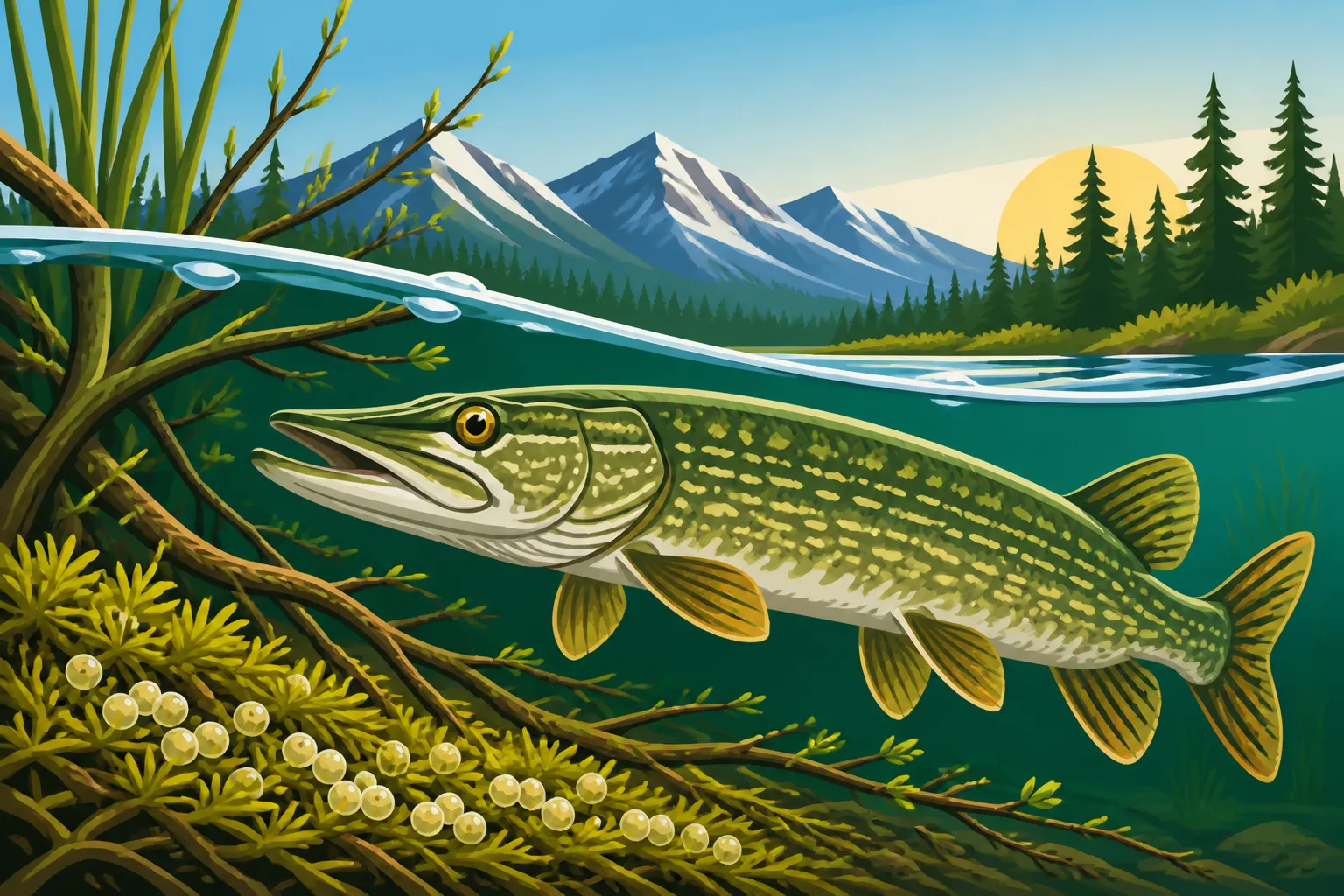
When northern pike spawn in Alberta
There's nothing quite like the anticipation of spring in Alberta, when the ice finally starts to give way and anglers eagerly await their first cast of the open water season. But if you're chasing northern pike, there's a crucial period that can both frustrate and fascinate: their annual spawn. Understanding exactly when pike spawn in Alberta isn't just a biological curiosity; it's key to maximizing your success, understanding their behavior, and respecting these incredible fish during a vulnerable time. This guide will unravel the mysteries of the pike spawn, helping you time your trips for the best results.
When Northern Pike Undertake Their Annual Spawn in Alberta
Knowing when northern pike begin their annual spawning ritual in Alberta is like trying to pinpoint the exact moment spring officially arrives – it's a bit of a moving target, highly dependent on the whims of Mother Nature. Generally speaking, you can expect northern pike to start their spawning activities relatively early in the spring, often shortly after ice-out, when water temperatures are still quite chilly.
In the warmer, more southerly regions of Alberta, where lakes and rivers shed their icy coats sooner, this can begin as early as late March or early April. As you move further north in the province, or to higher elevation lakes that retain ice longer, the spawn will naturally be delayed, sometimes not kicking off until late April or even mid-May. The critical factor isn't a calendar date, but rather the water temperature reaching a specific range, typically between 4 to 8 degrees Celsius (around 39 to 46 degrees Fahrenheit). This narrow window is what truly signals "go time" for these toothy predators.
The Environmental Cues for Pike Spawning
It's truly fascinating how fish, like our beloved northern pike, are tuned into the subtle shifts in their environment. Their internal clocks are set by a combination of factors, all working together to ensure a successful spawn. The most dominant cue, as mentioned, is undoubtedly water temperature. As the sun climbs higher and the days lengthen, warming the shallow bays and river backwaters, the pike begin to stir from their deeper winter haunts.
However, it's not just temperature. The increasing photoperiod – the lengthening of daylight hours – plays a significant role in triggering hormonal changes that prepare the pike for reproduction. Think of it like a gradual awakening: the sun tells them it's time, and the water temperature confirms it's safe to proceed. Another vital environmental cue is the availability of suitable spawning habitat, which often means flooded vegetation. After winter, as snow melts and spring rains fall, water levels can rise, inundating grassy areas, reeds, and sedges along shorelines. This submerged cover is absolutely crucial for pike to deposit their adhesive eggs, providing protection from predators and currents. Without these flooded areas, the spawn can be less successful, impacting future fish populations.
Key Factors Influencing the Timing of the Pike Spawn
Understanding the nuances of the pike spawn is really about appreciating how interconnected nature is. It’s not just one switch that gets flipped; it’s a symphony of environmental conditions that have to align. As anglers, recognizing these factors can help us predict not only when pike might be spawning but also where.
Water Temperature as the Primary Driver
When you’re trying to figure out the pike spawn, water temperature is your absolute best friend. Forget the calendar; grab a thermometer. Pike are cool-water fish, and they prefer quite chilly conditions for their spawning activities. As the ice recedes, the sun starts to penetrate the water, slowly warming those shallow, sheltered areas first. These spots, often less than two metres deep, are the pike's chosen nurseries. Once the water consistently reaches that 4-8°C (39-46°F) range, the pike know it’s time. If you’re out on a lake in early spring, pay close attention to any bays or channels that are out of the main current and soak up the most sun; these will be the first to warm up and attract pre-spawning and spawning pike. A sudden cold snap, however, can put the brakes on the whole affair, causing fish to retreat to slightly deeper water until conditions stabilize.
The Role of Ice-Out and Spring Runoff
The timing of ice-out in Alberta is a huge determinant. A mild winter might mean earlier ice-out and a quicker warm-up, pushing the spawn forward. Conversely, a prolonged, cold winter will delay everything. Once the ice is off, the spring runoff from melting snow and rains can significantly influence water levels. Pike are looking for those flooded grassy areas and emergent vegetation along shorelines to lay their eggs. If runoff is minimal and water levels are low, suitable spawning habitat might be limited, potentially concentrating fish in fewer areas or even leading to a less successful spawn overall. On the flip side, excessive runoff can make the water muddy and turbulent, which might also disrupt spawning activities by making it harder for pike to locate ideal sites or for eggs to adhere properly. It’s a delicate balance that these hardy fish navigate every year. You'll often find information about how these conditions affect fishing in general in articles like Alberta Fishing Seasons by Zone and Month or Best Time of Year to Fish in Alberta.
Geographical Variations Across Alberta
Alberta is a big province, stretching from the temperate prairies in the south to the boreal forests and sub-Arctic conditions in the north. Naturally, the timing of the pike spawn varies considerably based on geography.
- Southern Alberta Lakes (e.g., Lake Newell, Chain Lakes): These typically experience ice-out and warmer water temperatures earlier. You might see the pike spawn beginning in late March or early April, sometimes even before the calendar officially flips to the open water season for some species.
- Central Alberta Lakes (e.g., Gull Lake, Pigeon Lake, Lesser Slave Lake): Here, the spawn generally kicks off mid-April to early May. These lakes are large and can take a bit longer to warm up after the ice departs.
- Northern Alberta Lakes and Rivers (e.g., Lake Athabasca, Peace River system): Further north, the ice can persist well into May, pushing the pike spawn into mid-May or even early June. The season often feels much shorter up there, but the pike are just as eager to reproduce when conditions are right.
This geographical spread means that while you might be chasing post-spawn pike in the south, anglers further north are just beginning to see their pre-spawn activity. It’s always good to check local conditions for the specific water body you plan to fish. You can learn more about general regulations in articles like Alberta Fishing Regulations Explained.
| Region of Alberta | Typical Ice-Out Period | Approximate Pike Spawning Window | Key Water Temperature Range | Habitat Preference During Spawn |
|---|---|---|---|---|
| Southern Alberta | Late March – Early April | Early April – Late April | 4-8°C (39-46°F) | Shallow, flooded grasses, bays |
| Central Alberta | Mid-April – Early May | Mid-April – Mid-May | 4-8°C (39-46°F) | Submerged vegetation, channels |
| Northern Alberta | Late April – Mid-May | Mid-May – Early June | 4-8°C (39-46°F) | Marshy areas, river backwaters |
Northern Pike Behavior and Angling Considerations During the Spawn
Understanding pike behavior during their spawning cycle is paramount for any responsible angler. It’s not just about knowing when they spawn, but how it affects them and, consequently, your fishing opportunities.
Pre-Spawn: The Feeding Frenzy Before the Fast
Before the actual spawning begins, when water temperatures are still on the cooler side (but warming up!), northern pike go through a critical pre-spawn period. This is often heralded as one of the best times to target truly large pike. Why? Because they are bulking up! Females are laden with eggs, and both sexes need to pack on calories for the energy-intensive process of spawning. They'll move from deeper wintering areas into transitional zones near their future spawning grounds, like the edges of shallow bays, drop-offs, and points leading into those areas.
During this time, pike are aggressive and often willing to strike a wide variety of lures. Big spinnerbaits, jerkbaits, and swimbaits are fantastic choices, imitating the baitfish that these hungry pike are actively pursuing. It’s a fantastic opportunity to hook into some truly memorable fish, as discussed in How to Catch Northern Pike in Alberta or Best Lures for Northern Pike in Alberta. Being able to locate these staging areas, often visible on a good fish finder, can make all the difference. Many anglers stock up on their favorite pike gear from retailers found online, like a wide selection of lures and lines available on Amazon.
The Actual Spawning Period: Focus on Reproduction
Once the water hits that sweet spot of 4-8°C, the actual spawning begins. This is when pike move into the very shallow, often ankle-deep, flooded vegetation. Unlike salmon, pike don't build elaborate nests. The female will release her eggs, and multiple smaller males will fertilize them as they swim alongside her. This process can last for several days, and during this time, the pike's focus is entirely on reproduction.
While you can technically catch pike during the spawn, their feeding drive is significantly reduced. They might strike out of aggression or irritation rather than hunger. Many anglers choose to give the pike a break during this vulnerable time. It's often difficult to even reach them in the dense, shallow vegetation, and repeatedly catching fish that are actively spawning can be stressful for them. If you do encounter spawning pike, practicing strict catch and release with minimal handling is crucial. Learning about Northern Pike Habits in Alberta Lakes can give you more insight into their natural cycles.
Post-Spawn: Recovery and Renewed Hunger
After the exhaustive act of spawning, pike enter a recovery phase. Both males and females are depleted of energy and often look quite lean. They'll typically move out of the very shallow spawning grounds into slightly deeper water, often holding along the first available drop-offs or structure where they can rest and ambush prey without expending too much energy.
This post-spawn period can sometimes be a bit slower for fishing, as the fish are recovering. However, as they regain their strength, their hunger kicks in again. They’ll start feeding more actively to rebuild their reserves. This is another excellent time to target them, using tactics similar to the pre-spawn but perhaps focusing on areas just outside the immediate spawning bays. Depending on the conditions, this transition can happen quite quickly, and within a week or two of the main spawn, you might find pike aggressively feeding again. It's during this time that you might also hear discussions about Northern Pike Growth Rate to Trophy Size as they begin to put on weight for the summer. Ensuring you understand the Alberta Northern Pike Limit is always important, especially when they are actively feeding.
Ethical Angling and Conservation During the Pike Spawn
Being a responsible angler means more than just following the rules; it means understanding the life cycles of the fish we pursue and making ethical choices that support healthy populations. The pike spawn is a prime example where our actions can have a significant impact.
Respecting Vulnerable Fish
During the spawn, northern pike are at their most vulnerable. They are concentrated in shallow areas, often preoccupied with reproduction, making them easier to target. However, repeatedly catching fish that are actively spawning can cause undue stress, potentially affecting their ability to successfully reproduce. This stress can lead to higher mortality rates for released fish or disrupt the spawning process itself.
Many experienced anglers, myself included, choose to either avoid targeting pike directly in known spawning areas or switch to other species during the peak of the spawn. It's a personal choice, but one rooted in conservation. If you do fish during this time and accidentally hook a pike showing signs of spawning (e.g., being in very shallow, vegetated water, or males having a darker, more vibrant coloration), handle it with extreme care. Keep it in the water as much as possible, use barbless hooks, and release it quickly. The health of the pike population for future generations depends on respectful angling practices. Sometimes, simply giving the fish a break can be the best strategy.
Catch and Release Best Practices
When fishing around the spawning period, whether pre-spawn or post-spawn, catch and release is often the most appropriate approach, especially for larger, older females who contribute significantly to the gene pool. Even if you're planning to keep a legal fish, consider letting the biggest breeders go. For How to Catch Bull Trout and Release Them Safely, many of the same principles apply.
Here are some key catch and release tips, applicable to pike:
- Use Barbless Hooks: These minimize damage and make hook removal much easier and quicker. If your hooks aren't barbless, simply crimp the barb down with a pair of pliers. Many popular lures from manufacturers widely available on Amazon come with hooks that can be easily de-barbed.
- Minimize Handling: Keep the fish in the water as much as possible. If you must lift it for a photo, support its entire body horizontally, especially the belly, to avoid stressing its internal organs. Avoid holding pike vertically by the jaw.
- Use a Proper Net: A large, rubberized landing net is ideal. It cradles the fish, prevents it from flopping, and the rubber mesh is gentler on their slime coat and fins than knotted nylon. This can also help you quickly assess the fish and remove the hook.
- Quick Release: Have your camera ready (if you plan to take a photo) and your pliers/hook removers easily accessible. Get the hook out, ensure the fish is revived and can swim away strongly, then release it. Avoid prolonged fights that exhaust the fish.
Practicing these methods ensures that the pike you release have the best possible chance of survival, contributing to healthy and robust populations in Alberta’s waters for years to come.
Locating Spawning Habitat and Identifying Pike Activity
Finding where pike spawn, or have recently spawned, is a crucial skill that can inform your early season fishing strategies. These areas aren't always obvious, but once you know what to look for, you'll start seeing patterns across different lakes and rivers in Alberta.
Shallow, Vegetated Bays and Backwaters
Northern pike are broadcast spawners, meaning they simply scatter their eggs rather than building elaborate nests. For this reason, they absolutely depend on specific types of habitat for their eggs to adhere to and develop safely. Their preferred spawning grounds are almost always shallow, vegetated bays, flood plains, and backwater areas that are protected from strong currents and winds. These spots warm up first in the spring.
Look for areas with dense, emergent vegetation like cattails, reeds, sedges, or submerged grasses. As water levels rise from spring runoff, these plants become inundated, providing the perfect structure for eggs to stick to. The vegetation also offers crucial cover for the vulnerable young pike once they hatch. These areas are typically quite shallow, often less than two metres deep, allowing the sun's rays to quickly warm the water. On larger lakes, these might be expansive marshy areas; on rivers, they could be oxbows or slow-moving back channels. Knowing the general areas for Northern Pike Fishing in Alberta will often lead you to these spots.
Visual Cues and Water Temperature Checks
When you're out on the water in early spring, there are a few things you can look for that signal pike spawning activity.
- Dark-colored Males: Male pike often arrive on the spawning grounds first and can develop a darker, more intense coloration during this period. They'll patrol these shallow areas, waiting for females.
- Splashing and Thrashing: During the peak of spawning, you might observe splashing and thrashing in very shallow water as multiple males jostle for position around a single female. This can be quite subtle, so keep a keen eye out.
- Muddy Water in Shallows: While not always indicative of spawning, localized muddy water in very shallow, vegetated areas can sometimes be a sign of fish activity – including pike moving through.
- Thermometer is Key: As previously mentioned, carrying a reliable water thermometer is perhaps your most important tool. Consistently finding water temperatures between 4-8°C in these shallow, vegetated zones is the strongest indicator that the spawn is either ongoing or imminent. If you’re checking a map or using a navigation system from a brand like Humminbird or Lowrance (widely available on Amazon), look for large, sheltered bays with plenty of dark bottom that will absorb sunlight, often on the north side of the lake where they are protected from prevailing winds.
By combining visual observations with temperature readings and understanding the preferred habitat, you can effectively pinpoint where and when northern pike are carrying out their essential reproductive duties in Alberta. This knowledge not only enhances your fishing strategy but deepens your appreciation for these magnificent freshwater predators.
Disclaimer
This article is for general informational purposes only and does not constitute professional advice. Laws, prices and regulations vary by location and change over time. Consult a qualified professional for guidance on your specific situation.