Invasive Fish Species in Alberta Waters
There's nothing quite like the feeling of dropping a line into a pristine Alberta lake or river, but lately, a growing concern casts a shadow over our cherished waterways: the silent, often unseen, invasion of non-native fish species. It's a real bummer to think that the fish we love to catch, and the delicate ecosystems they inhabit, are under threat from outsiders. This comprehensive guide will walk you through what invasive fish species are, how they get here, the damage they cause, and most importantly, what you, as a responsible angler, can do to protect Alberta's incredible aquatic heritage.
Understanding Invasive Fish Species in Alberta
When we talk about "invasive" species, it’s not just about a fish being in a place it wasn’t originally from. It's much more serious than that. These are creatures that don't just visit; they move in, take over, and disrupt the entire neighbourhood, often at the expense of our native fish and the delicate balance of the environment.
What Makes a Fish "Invasive"?
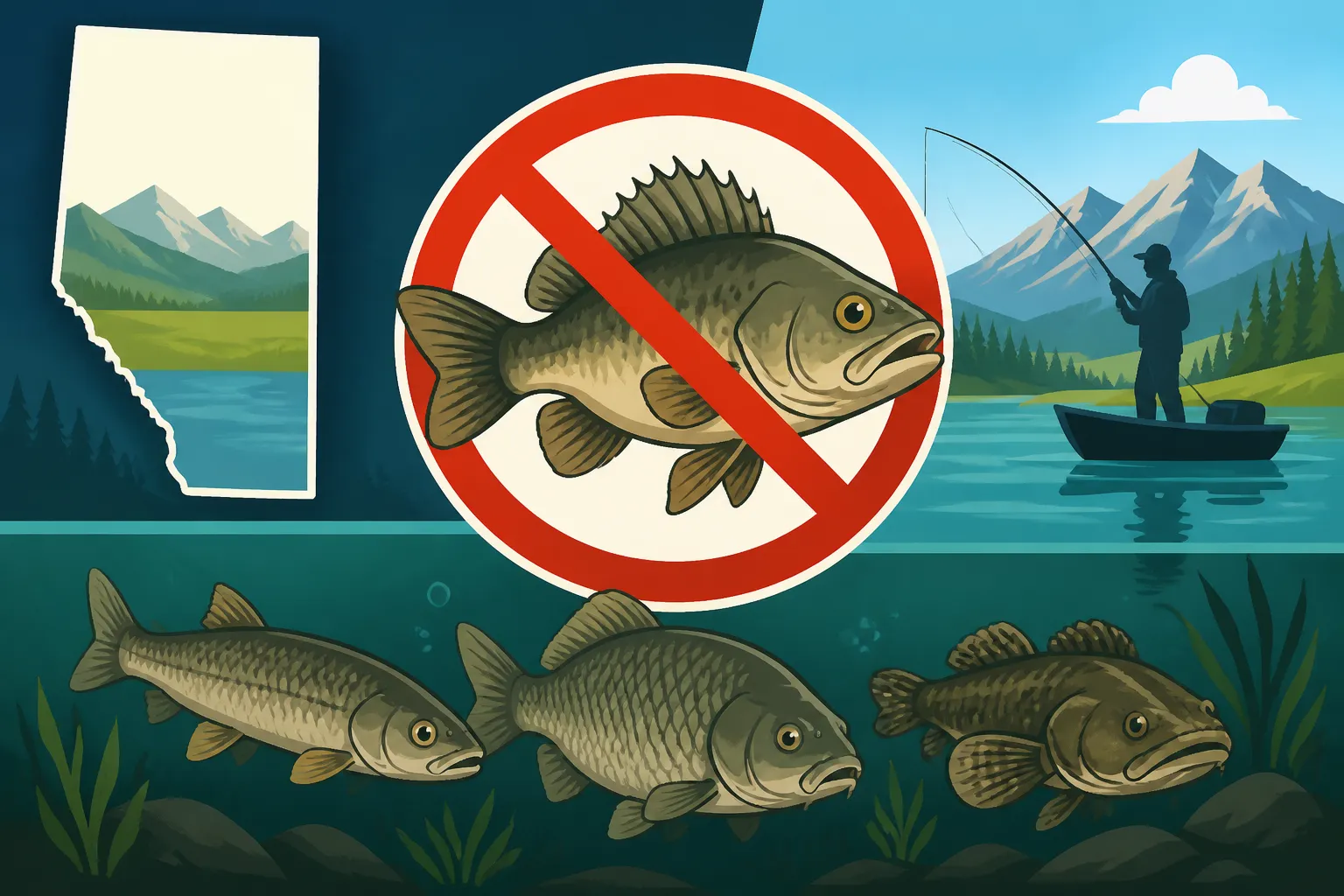
An invasive fish species isn't just a fish that's not native to Alberta. The key distinction is that it’s a species that has been introduced, either intentionally or accidentally, outside of its natural range, and it poses a significant threat to the environment, economy, or human health. Think of it like a bully moving into a quiet community. At first, they might seem harmless, but soon they're pushing everyone else around, taking their resources, and generally making life miserable for the long-time residents. For fish, this means outcompeting native species for food and habitat, altering water quality, introducing diseases, and generally throwing the entire ecosystem into chaos.
Consider the native trout in our cold mountain streams, like the Cutthroat or Bull Trout. They've evolved over millennia to thrive in specific conditions, feeding on particular insects and navigating certain water flows. Now imagine a species, let's say a carp, that's much more adaptable, reproduces incredibly fast, and can tolerate a wider range of conditions. That carp doesn't just "coexist"; it actively harms the environment our native trout depend on. It stirs up sediment, clouds the water, and eats the same food, but with far greater efficiency. This isn't just an inconvenience; it's an existential threat to the species that are meant to be here.
How Invasive Species Get Into Our Waters
It's easy to point fingers, but the truth is, most invasive species introductions are accidental or come from well-meaning but ill-informed actions. There isn't usually some nefarious plot to introduce these fish. It often boils down to a few common pathways, and understanding these is the first step in prevention.
One of the biggest culprits, and perhaps the hardest to prevent, is unauthorized stocking. This is when someone decides a lake or pond needs "more fish" and introduces species they shouldn't, often without realizing the dire consequences. Maybe they had some goldfish they didn't want anymore and thought releasing them into a local pond was a humane act. Or perhaps an angler thought a specific species would thrive in a new water body, unaware of the domino effect it would have on existing populations. This kind of "bucket biology" can completely devastate a fishery in a very short amount of time, as the introduced species can quickly outcompete or prey upon native fish that aren't equipped to handle this new competition. This is why strict adherence to regulations, like those outlined in Alberta Fishing Regulations Explained, is so critical.
Another major pathway is bait bucket release. Anglers often use live bait, especially minnows, and after a day on the water, it's tempting to just dump the leftover bait into the lake or river. The problem? Those baitfish might not be native to that particular body of water, or they could be carrying diseases or parasites that our native fish have no immunity to. Even if the baitfish themselves aren't considered invasive, they can introduce something even worse. Always dispose of unused bait in the trash, far from any water body, and never, ever release live bait into the water you're fishing. It might seem like a small thing, but it can have enormous repercussions.
Finally, accidental transport can play a role. This often happens with aquatic invasive species that aren't necessarily fish, but the principle applies. Think about tiny larvae or eggs hitchhiking on boats, fishing gear, or even waders. If you move your gear from an infested lake to a clean one without proper cleaning, you could unknowingly be transporting the next big threat. This is why the "Clean, Drain, Dry" protocol is drilled into every responsible angler – it’s not just a suggestion, it’s a vital safeguard for our waters. We’ll delve deeper into this critical prevention step later in this guide.
The Most Notorious Invasive Fish in Alberta
While there are many potential aquatic invasive species that could threaten Alberta, a few fish species have already made their presence known, causing significant headaches for our fisheries managers and concern for local anglers. These are the ones we need to be particularly aware of.
Common Carp
Ah, the common carp. They're a classic example of an invasive species that has really dug in, literally and figuratively. Originally introduced to North America from Europe and Asia for aquaculture purposes, they've since spread far and wide, thriving in many of Alberta's warmer, slower-moving waters, especially in the central and southern parts of the province. You'll find them in many of our prairie lakes and rivers, often in areas with abundant vegetation and muddy bottoms. They're big, they're tough, and they reproduce like crazy, making them incredibly difficult to eradicate once established.
The problem with common carp isn't just their size or their numbers; it's their behaviour. They are bottom feeders, constantly rooting around in the sediment with their mouths, which churns up the bottom of lakes and rivers. This effectively turns clear water into muddy soup, reducing water clarity and making it harder for native fish that rely on sight to hunt. This turbidity also smothers aquatic vegetation that provides critical habitat and food for many native species, including important forage fish and the insects they eat. Furthermore, they can directly compete with native bottom-dwelling fish for food, like whitefish and suckers, and their sheer biomass can put enormous strain on a water body's resources. They're generalists, meaning they'll eat almost anything, giving them a huge advantage over more specialized native species.
Prussian Carp
If common carp are a headache, Prussian carp are a full-blown migraine. These smaller, hardier relatives of the goldfish have emerged as a significant and alarming invasive species in Alberta, particularly in the prairie regions. First detected in Alberta waters in the early 2000s, they have undergone a truly explosive population growth. What makes them so incredibly concerning is their unique reproductive strategy, combined with their incredible adaptability to a wide range of environmental conditions, including low oxygen levels and poor water quality.
Prussian carp are infamous for a reproductive trick called gynogenesis. This means the female can essentially clone herself. While she still needs sperm from another cyprinid fish (like a common carp or even a goldfish) to trigger egg development, the male's genetic material isn't actually incorporated into the offspring. The result? Every egg hatches as a female Prussian carp, ensuring incredibly rapid population growth and spread. This mechanism allows them to outcompete and overwhelm native fish populations at an unprecedented rate. They are smaller than common carp, but their numbers can be astronomical, completely dominating the biomass in some water bodies. They compete with native species like Alberta walleye daily limit and Alberta northern pike daily limit for food, and their dense populations can degrade water quality, much like common carp, though perhaps not to the same physical disturbance level due to their smaller size. Their rapid expansion is a major focus for fisheries management in Alberta.
Goldfish
You might be surprised to see goldfish on this list. Aren't they just cute little pets? Unfortunately, "cute little pets" are often the most common and unwitting vectors for invasive species. Goldfish are actually a domesticated variety of Prussian carp (or a very close relative), and when they are released into Alberta's waterways, they can wreak havoc. That "humane" act of releasing a pet fish into a local pond or storm drain can lead to catastrophic consequences. Once in the wild, goldfish revert to their wild form, can grow surprisingly large, and can survive and reproduce incredibly effectively.
Like their Prussian carp cousins, goldfish are extremely hardy and adaptable. They can tolerate a wide range of water conditions, including low oxygen and fluctuating temperatures, which allows them to thrive in many Alberta ponds and even connect into larger river systems. They compete with native fish for food and habitat, often outcompeting juvenile native species. What’s more, if they breed with Prussian carp, they can contribute to the genetic pool, making the invasive population even more robust. The moral of the story: never, ever release unwanted pet fish into natural waters. If you have a goldfish you can no longer care for, find it a new home or, as a last resort, humanely euthanize it; do not "set it free" in our lakes and rivers. This irresponsible practice highlights why understanding Alberta fishing regulations explained goes beyond just catching limits.
The Devastating Impact on Alberta's Ecosystems
The consequences of invasive fish species aren't just theoretical; they are tangible and, frankly, heartbreaking. Our beautiful, balanced ecosystems are incredibly fragile, and introducing a foreign element can shatter that balance with ripple effects that impact everything from water quality to the survival of our most cherished native fish.
Ecological Harm and Competition with Native Species
The primary concern with invasive fish is the ecological havoc they unleash. It starts with direct competition. Imagine a pristine stream where native trout thrive, feeding on aquatic insects and small fish. Now, introduce a highly adaptable, fast-breeding invasive species. This newcomer doesn't just ask nicely for a share of the food; it takes it, often outcompeting the native fish because it might be a more efficient feeder, grow faster, or simply be present in overwhelming numbers. This competition can lead to reduced growth rates for native fish, lower reproductive success, and ultimately, a decline in their populations. In severe cases, it can push already vulnerable species towards extirpation.
Beyond direct competition for food, invasive fish can physically alter the habitat. Common carp, with their bottom-feeding habits, are notorious for stirring up sediment. This increases water turbidity, making it murky and less hospitable for sight-feeding fish like trout and walleye. The cloudy water also reduces light penetration, which stunts the growth of vital aquatic plants. These plants aren't just pretty; they provide crucial cover for juvenile fish, spawning grounds, and habitat for the insects that form the base of the food web. When this vegetation disappears, the entire food chain suffers. Moreover, invasive species can introduce new diseases or parasites that native populations have no natural immunity to, further weakening their ability to survive. Protecting our native species, like the vulnerable Bull Trout, which has a Alberta Bull Trout Zero Possession Rule, is paramount, and invasive species pose a direct threat to these conservation efforts.
Economic and Recreational Ramifications
The impact of invasive fish isn't confined to the natural world; it has very real economic and recreational consequences for all Albertans, especially anglers. When native fish populations decline due to invasive species, the quality of fishing experiences inevitably drops. Think about the joy of catching a vibrant Alberta rainbow trout daily limit or a feisty northern pike. If their numbers dwindle because invasive carp have decimated their habitat or food sources, it reduces the allure of our fishing destinations. This, in turn, can affect tourism, bait and tackle shops, guide services, and all the businesses that rely on a healthy recreational fishery. No one wants to spend their hard-earned money and time travelling to a lake only to find it choked with undesirable invasive species.
Beyond the direct angling experience, there's the enormous cost of managing these infestations. Government agencies, like Alberta Environment and Protected Areas, spend considerable resources on monitoring, research, and eradication efforts. These funds could otherwise be used for improving native fish habitat, stocking programs, or enhancing recreational access. The financial burden can be substantial, diverting taxpayer dollars from other important initiatives. For example, if a major infestation occurs, it might require costly physical removal programs, chemical treatments (used very sparingly and carefully), or habitat manipulation projects, all of which are expensive and often only partially successful once a species is firmly established. The best "cost-saving measure" is prevention, which is why angler education and vigilance are so vital.
Preventing the Spread: What Every Angler Can Do
It might feel overwhelming to think about these threats, but you, as an angler, hold incredible power in preventing the spread of invasive species. Your actions make a real difference, and adopting a few simple habits can go a long way in protecting our precious waters.
Clean, Drain, Dry Your Gear
This is the golden rule, the mantra for preventing the spread of all aquatic invasive species, including fish eggs or larvae that might be unseen. Every time you move your boat, kayak, or even just your waders and tackle from one body of water to another, you could be unknowingly transporting unwanted guests. This process is so critical it's worth breaking down:
- Clean: Before you leave the boat launch or shore, thoroughly inspect all your gear. Remove any visible mud, weeds, or organisms. This means checking your boat hull, prop, fishing lines, nets, waders, boots, and even the soles of your shoes. Use a scrub brush to get into crevices. If you’re coming from a known infested area, or if you just want to be extra cautious, a quick rinse with hot, high-pressure water can be incredibly effective. You can find portable scrub brushes and cleaning solutions on platforms like Amazon that make this task easier.
- Drain: This step is crucial for boats, but also applies to anything that holds water. Pull your boat's drain plug and make sure all water is emptied from the bilge, livewells, baitwells, and any other compartments. Remember, even a small puddle can harbour microscopic invaders. Ensure your motor is tilted down to drain completely. For smaller items like tackle boxes or buckets, simply empty them out. Do this before you leave the launch area and definitely before you travel to a new water body.
- Dry: This is perhaps the most important and often overlooked step. Thoroughly dry everything that came into contact with the water. Sunlight and air are excellent disinfectants. Ideally, allow your boat, gear, waders, and fishing lines to dry completely for at least 48 hours, or even longer (5-7 days) if conditions are cool or humid. If you can't dry your gear completely, consider using a towel and then allowing it to air out for as long as possible. Some anglers even have a dedicated set of gear for different water bodies, especially if they fish in areas with known infestations. Investing in breathable, quick-drying waders, which you can often find great options for on Amazon, can really help with this process.
Following "Clean, Drain, Dry" is your personal shield against the spread of invasive species. It's a small effort that yields monumental protection for our rivers and lakes.
Never Move Live Fish or Bait
This point cannot be stressed enough, and it ties directly into how some of the most problematic invasive fish like Prussian carp and goldfish get established. It might seem harmless, but moving any live fish or aquatic organism from one body of water to another – even if it's just from a local pond to a nearby lake – is a recipe for disaster.
This practice, often dubbed "bucket biology," is illegal and has severe consequences for our native fish populations. You might think you're helping by introducing a new species to a lake that seems "empty," or perhaps you're just disposing of unwanted bait. However, what you're actually doing is potentially introducing a species that will outcompete native fish, bring in new diseases, or disrupt the delicate ecological balance that has been in place for centuries. Even common baitfish can carry diseases or parasites that our native species have no immunity to. Always dispose of unused live bait in the garbage, never into the water or onto the shore where it can be washed back in. This also applies to pet fish: never release pet goldfish or other aquarium fish into natural waterways. They might seem benign, but they are genetically predisposed to survive and thrive in the wild, quickly becoming an invasive threat. Familiarize yourself with Alberta fishing without a license penalty and remember that unauthorized stocking can carry even steeper fines and ecological damage.
Report Sightings and Educate Others
Vigilance is key in the ongoing battle against invasive species. If you suspect you've encountered an invasive fish species in a water body where it's not known to exist, or if you spot any other aquatic invasive species like zebra mussels or quagga mussels (which are also a huge threat), it is absolutely critical that you report it. Do not ignore it, and do not try to deal with it yourself. Early detection significantly increases the chances of successful containment or eradication.
How do you report a sighting? The Alberta government has resources in place for this. You can usually find a dedicated hotline or online reporting tool through Alberta Environment and Protected Areas (or similar provincial authority). When reporting, try to gather as much information as possible: take clear photos, note the exact location (GPS coordinates if possible), the date and time, and any identifying characteristics of the species. Do not release the fish back into the water if you are confident it is an invasive species and you can legally and safely retain it (check local regulations first). However, if you are unsure or cannot safely keep it, at least get good photographic evidence and report immediately. Spreading awareness among your fellow anglers and friends is also crucial. Share the "Clean, Drain, Dry" message, discuss the dangers of moving live bait, and encourage everyone to be vigilant. The more eyes we have on our waters, the better our chances of protecting them.
Are There Other Potential Threats on Alberta's Horizon?
While we've focused on the current major fish invaders, the world of aquatic invasive species is constantly evolving. New threats emerge, and vigilance is required for species that might not be here yet but could pose a significant risk in the future. It's not just about what's already here, but what could be.
Vigilance for Emerging Threats
The world is a small place, and aquatic invasive species don't respect borders. While Alberta has done a good job of keeping some of the more notorious species out, particularly the infamous Asian Carp (Grass Carp, Bighead Carp, Silver Carp, Black Carp) that have wreaked havoc in the Great Lakes basin and other parts of North America, the threat is constant. These fish are known for their voracious appetites, rapid growth, and ability to alter entire aquatic ecosystems. Should any of these species ever make it into Alberta's river systems, the impact could be devastating, not just for native fish like Alberta lake whitefish limit and Alberta burbot limit, but for the entire food web. Maintaining strict monitoring at our borders, especially along major river systems that connect to other jurisdictions, is absolutely vital.
Another area of concern, though not a fish, are Zebra and Quagga Mussels. While they are not fish, these tiny freshwater mussels are considered among the most destructive aquatic invasive species in North America. They attach to almost any hard surface, clogging water intake pipes, boat hulls, and even the shells of native mussels. They filter vast amounts of plankton, starving native species and changing the entire food web. They also have razor-sharp shells that can cut swimmers. Alberta has successfully kept these out so far, largely through rigorous boat inspection programs. However, their presence elsewhere in North America means we must remain incredibly vigilant, as their larvae can be transported in even the smallest amounts of standing water on a boat or gear. This reinforces why the "Clean, Drain, Dry" message is so comprehensive.
The Role of Citizen Science and Community Involvement
It's easy to feel like the fight against invasive species is a job for government agencies alone, but the truth is, we are all stewards of Alberta's natural resources. Citizen science and community involvement play a huge, often underestimated, role in identifying and reporting new threats. Local angling clubs, conservation groups, and even individual anglers who spend a lot of time on the water are often the first to notice something "off" in a familiar fishing spot.
Participating in volunteer monitoring programs, attending public information sessions, and staying informed through resources like the Alberta Guide to Sportfishing Regulations can empower you to be a frontline defender. Many apps and online portals, some accessible via your smartphone or tablet (with accessories you can find on Amazon), allow for easy reporting of suspicious sightings, often with geo-tagging features that pinpoint the exact location. This collective effort creates a network of eyes and ears across the province, making it much harder for new invasive species to slip in unnoticed and gain a foothold. By working together, we can protect Alberta's incredible biodiversity and ensure that future generations can enjoy the same pristine waters and healthy fish populations that we cherish today.
| Invasive Fish Species | Key Characteristics | Primary Impact | Prevention Focus |
|---|---|---|---|
| Common Carp | Large, bottom-feeder, tolerant of poor water quality, barbels around mouth. | Churns sediment (turbidity), destroys vegetation, competes with native species. | Never release live bait; proper disposal of unused bait. |
| Prussian Carp | Smaller, silver-gold, highly adaptable, can reproduce via gynogenesis (cloning). | Rapid population growth, overwhelms native populations, competes for food. | Never release pet fish (goldfish are close relatives); proper disposal of unused bait. |
| Goldfish | Domesticated Prussian Carp, can grow large in wild, revert to wild traits. | Same impacts as Prussian Carp; direct competition, habitat alteration. | ABSOLUTELY NEVER release pet fish into natural waterways. |
Disclaimer
This article is for general informational purposes only and does not constitute professional advice. Laws, prices and regulations vary by location and change over time. Consult a qualified professional for guidance on your specific situation.