Alberta Provincial Fish Records by Species
For many Alberta anglers, the dream isn't just about catching fish; it's about catching that fish – the one that makes your heart pound, the one that tests your gear and your grit, the one that could potentially make it into the record books. It’s a pursuit filled with passion, dedication, and sometimes, a little heartbreak. This comprehensive guide is here to walk you through the fascinating world of Alberta's provincial fish records, demystifying the process and celebrating the incredible catches that have cemented their place in our angling history.
The Thrill of the Chase: Why Records Matter to Alberta Anglers
There's something uniquely compelling about a record-setting fish. It's more than just a big catch; it's a testament to skill, patience, and sometimes, a stroke of pure luck. For many, it represents the pinnacle of a lifetime of angling. The allure isn't just about personal glory, but about understanding the potential of our waters and the amazing creatures that inhabit them. It connects us to a broader community of anglers who share the same dream, the same quiet obsession with the next big bite.
It’s easy to get lost in the day-to-day grind, but thinking about chasing a record can reignite that spark of adventure. Whether you're casting lines on the Bow River Fishing Guide or exploring the depths of Lesser Slave Lake Fishing Guide, the thought that a true giant might be lurking beneath the surface adds an exciting layer to every outing. It gives purpose to every cast, every retrieve, every moment spent on the water, transforming a simple fishing trip into an epic quest.
Understanding the Allure of a Provincial Record
What truly drives anglers to pursue a provincial record? It's a blend of factors, isn't it? There's the competitive spirit, the desire to prove oneself against the best the waters have to offer. But it's also a deep respect for the fish itself – a magnificent specimen that has grown to an extraordinary size, a testament to its survival and the richness of its habitat. Capturing such a fish, even if only for a few moments, is a profound experience that stays with you forever.
For many, it's about being part of history, about leaving a legacy in the angling world. Imagine telling stories around a campfire years from now, recalling the day you battled a fish that tipped the scales and earned its place in Alberta's record books. It's a goal that demands the very best from an angler, from understanding Alberta Fishing Regulations Explained to mastering specific techniques. This pursuit transforms fishing from a hobby into an art form, requiring meticulous planning, precise execution, and a whole lot of heart.
The Journey from Cast to Claim: What it Takes
The path to a provincial record is rarely straightforward. It often begins with countless hours on the water, learning the habits of target species and scouting prime locations. You might spend seasons perfecting your technique, upgrading your gear, and poring over maps and old fishing reports. It’s a journey of continuous learning, adaptation, and perseverance. There will be days of frustration, missed opportunities, and perhaps even broken lines, but it's these challenges that make the eventual triumph all the sweeter.
Once that record-setting fish is hooked, the real challenge begins. Landing a truly massive specimen requires strength, quick thinking, and a cool head. Then comes the critical step of documentation, followed by the formal submission process to have your catch verified. It’s a meticulous journey that demands attention to detail at every stage, from the moment your bait hits the water to the final stamp of approval on your record application.
Official Rules and How Records Are Verified in Alberta
The integrity of provincial fish records is paramount. Without a clear and consistent process for verification, the whole system would lose its meaning. Alberta has specific guidelines to ensure that every record claimed is legitimate, offering a fair playing field for all anglers and maintaining the respect such achievements deserve. It's not just about catching a big fish; it's about demonstrating that you followed the rules and that your catch truly stands out.
Navigating these rules can sometimes feel a bit like deciphering an ancient scroll, especially for first-timers. However, understanding the official procedures is crucial. It ensures that when that once-in-a-lifetime fish bites, you're prepared not just to land it, but to properly document it according to the province's exacting standards. This dedication to process protects the sanctity of the records for generations of anglers to come.
The Alberta Record Fish Program: Criteria and Submission
To ensure every record is accurately recognized, Alberta maintains a structured program. This typically involves specific criteria for the type of fish, the method of capture, and the condition of the fish. For instance, most records require the fish to be legally caught by angling, and in many cases, if it's a catch-and-release record, the fish must be alive and healthy when measured and photographed. It’s about more than just the weight or length; it’s about ethical angling practices.
The submission process generally involves filling out an official form, providing detailed information about the catch, and often including photographic evidence and witness testimonies. It’s a comprehensive application that leaves little room for doubt. Before you even head out, familiarize yourself with these forms, perhaps even having a printed copy ready or knowing exactly where to find them online. You don't want to be scrambling for information when you're excitedly holding what could be a new provincial best.
Ensuring Fair Play: Weight, Measurement, and Verification
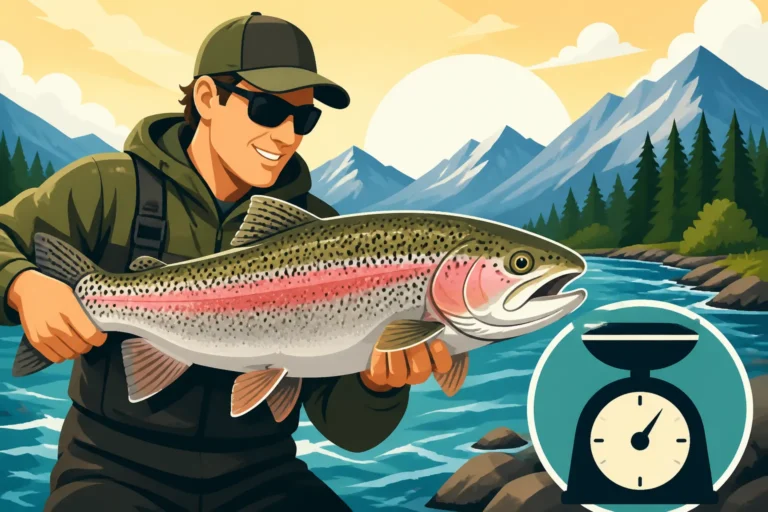
The accuracy of weight and measurement is critical for any record claim. It's usually stipulated that fish must be weighed on a certified scale, preferably one that has been recently calibrated. This is where investing in a good quality digital scale, perhaps from a reputable outdoor retailer on Amazon, can make a huge difference. You'll also need precise measurements of length and girth, often requiring a flexible measuring tape to conform to the fish's contours.
Witnesses are also key to verification. Having one or more unbiased individuals present to observe the catch, the weighing, and the measuring process adds significant credibility to your claim. These witnesses will often need to sign off on your record application, attesting to the accuracy of the details. Clear, well-lit photographs or even video footage showing the fish, the measurements, and the weighing process are also typically required. The more evidence you can provide, the smoother the verification process will be.
Alberta's Top Contenders: Key Game Fish and Their Record Holders
Alberta is blessed with an incredible diversity of fish species, each offering its own unique challenge and the potential for a record-breaking catch. From the vast northern lakes to the meandering southern rivers, our waters hold giants of many different fins. While exact record numbers fluctuate and should always be confirmed with current official provincial sources, we can certainly celebrate the species that consistently produce incredible catches and capture the imaginations of anglers across the province.
These are the fish that lure anglers back season after season, the ones whispered about in tackle shops and around campfires. They represent the pinnacle of what our waters can produce, demanding respect and often requiring specialized techniques and gear. Understanding where these record-setting fish tend to be found and what makes them grow so large is half the battle in the pursuit of a new provincial best.
Walleye: The Prairie Gold Standard
Walleye are one of Alberta's most prized game fish, known for their delicious fillets and their challenging nature. The provincial record walleye is often a fish of truly immense proportions, a testament to the rich forage and productive waters of certain large lakes and river systems. Anglers targeting record walleye often spend countless hours honing their techniques, understanding seasonal patterns, and searching for prime, undisturbed habitats.
These record-class walleye are often found in deep, expansive lakes, where they have access to abundant baitfish and old-growth structures to ambush prey. Lakes like Lesser Slave Lake are renowned for producing large walleye, offering anglers a chance to encounter a true giant. Catching a walleye of this calibre requires heavy-duty tackle, often including powerful rods capable of handling the fight and sensitive lines to detect subtle bites in deep water. Mastering How to Catch Walleye in Alberta involves understanding their movements, preferred depths, and feeding habits throughout the year.
Northern Pike: The Water Wolf's Reign
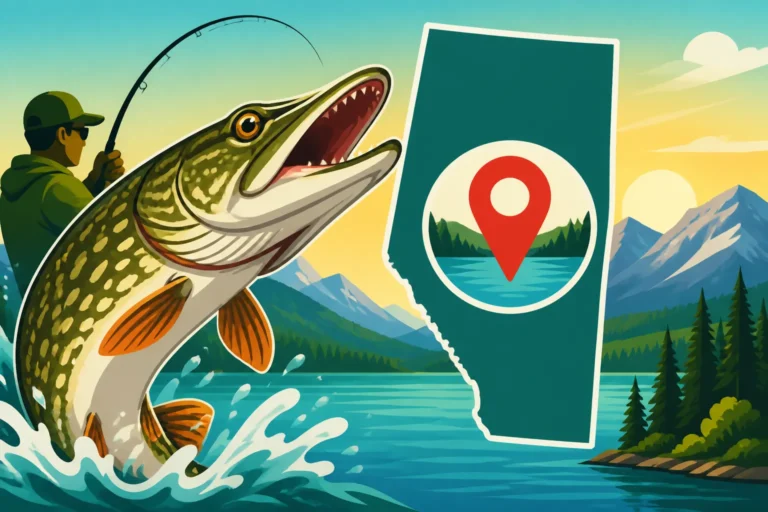
Northern Pike are the undisputed apex predators of many Alberta waters, and their sheer size and aggressive nature make them a thrilling target for record chasers. The provincial record pike are truly monstrous, often exceeding sizes that many anglers have ever seen in person. These toothy giants command respect and require robust gear to bring them to the net.
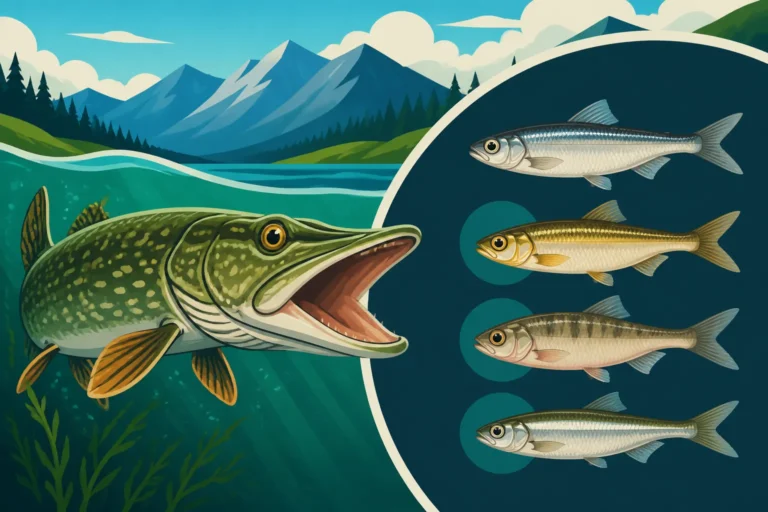
The largest northern pike are typically found in large, fertile lakes with extensive weed beds, submerged structures, and abundant prey species. Lakes in northern Alberta are particularly famous for producing enormous pike. Targeting these record-breakers means employing heavy rods and reels, strong braided line, and wire leaders to prevent bite-offs. Big baits, like large swimbaits or oversized spoons you might find on Amazon, are often the ticket to enticing these apex predators. Understanding Northern Pike Habits in Alberta Lakes is crucial for finding and hooking these colossal fish.
Lake Trout: Deepwater Giants
Lake trout are the undisputed kings of Alberta's deep, cold, pristine waters. These ancient, powerful fish grow to incredible sizes, and the provincial record lake trout is always a magnificent specimen of sheer power and endurance. Pursuing these deepwater giants is a test of an angler's patience, dedication, and ability to fish challenging environments.
Cold Lake is particularly famous for its trophy lake trout, consistently producing fish that push the provincial record. These fish inhabit the deepest, coolest parts of the lake, often holding near underwater structures, drop-offs, and baitfish schools. Targeting them requires specialized gear, including heavy trolling rods, downriggers to reach extreme depths, and powerful reels spooled with strong braided line. Patience is key, as is a thorough understanding of How to Catch Lake Trout in Alberta and the lake's topography. The fight of a record-class lake trout from the depths is an experience unlike any other, a true battle of wills.
| Species | General Characteristics of Record Holders | Prime Locations for Big Fish |
|---|---|---|
| Walleye | Exceptional length and girth, dark coloration | Large prairie lakes, major rivers |
| Northern Pike | Enormous head and body, aggressive nature | Shallow, weedy bays of large lakes |
| Lake Trout | Deep body, powerful tail, ancient appearance | Deep, cold mountain and northern lakes |
| Rainbow Trout | Broad shoulders, vibrant colours, long fight | Nutrient-rich rivers, large lakes |
| Brown Trout | Dark spots with halos, strong jaws, wary nature | Cold, clear freestone rivers |
| Bull Trout | Streamlined body, large mouth, native markings | Clear, cold mountain streams |
| Yellow Perch | Unusually large girth and length | Many fertile prairie lakes |
| Burbot | Thick body, large head, long and robust | Deep, cold lakes, river pools |
| Mountain Whitefish | Deep body, small mouth, powerful fins | Cold, clear mountain rivers |
| Arctic Grayling | Sail-like dorsal fin, iridescent scales | Remote, clear northern rivers |
Trout Species: Mountain and River Royalty
Alberta's trout fisheries are world-renowned, especially those nestled in the majestic Rocky Mountains and the pristine rivers that flow from them. These waters hold a variety of trout species, each with its own beauty, habits, and the potential to grow to impressive sizes. Chasing a record trout isn't just about the fish; it's about immersing yourself in some of Alberta's most stunning natural landscapes.
From the feisty rainbows of the Bow to the elusive brown trout in hidden pockets, these species represent the pinnacle of freshwater fly fishing and spin fishing alike. Each species presents a unique challenge, requiring different approaches, different flies, and a deep understanding of their preferred habitats. For many, the pursuit of a record trout is a pilgrimage, a journey into the heart of Alberta's wild beauty.
Rainbow Trout: Bow River Beauties and Beyond
Rainbow trout are perhaps Alberta's most iconic sport fish, and the Bow River is legendary for producing some of the largest and most vibrant specimens anywhere. A provincial record rainbow trout is a truly spectacular catch, often displaying incredible fighting strength and dazzling aerial acrobatics. Anglers come from all over the world to try their hand at these magnificent fish.
While the Bow River is famous, large rainbows can also be found in many other robust river systems and larger lakes across the province. Targeting a record rainbow means using strong yet sensitive gear, whether you're fly fishing with precision or spin fishing with carefully selected lures. Success often comes down to matching the hatch, understanding water conditions, and being prepared for a long, hard fight. Mastering techniques like Fly Fishing for Trout on the Bow River will greatly increase your chances of hooking into a Bow River beauty that could challenge the records.
Brown Trout: Elusive Giants of the Cold Waters
Brown trout are known for their cunning, their wariness, and their incredible growth potential in the right conditions. A provincial record brown trout is typically a truly old and wise fish, one that has eluded countless anglers. Their preference for cover and their nocturnal feeding habits make them a formidable challenge, and landing a record-setter is a testament to an angler's persistence and stealth.
These elusive giants are often found in cooler, often slightly more turbid river sections than rainbows, preferring deep pools, undercut banks, and complex woody debris where they can hide and ambush prey. Rivers with stable flows and good invertebrate populations are prime brown trout habitat. Pursuing them requires a keen eye for subtle signs, a stealthy approach, and often, larger flies or lures that imitate their preferred prey, like sculpins or baitfish. Patience and quiet observation are your best friends when targeting these record-class fish.
Bull Trout and Cutthroat: Native Treasures
Alberta is home to several native trout species, including the magnificent bull trout and various cutthroat trout strains. While bull trout are primarily a catch-and-release species due to conservation efforts – often under a Alberta Bull Trout Zero Possession Rule – the pursuit of a record-sized specimen (measured and released) is a profound experience. Cutthroat trout, with their distinctive red slash under the jaw, are also highly prized, especially the westslope cutthroat found in our western mountain streams.
Finding record-class bull trout and cutthroat often means venturing into more remote, pristine mountain streams and rivers. These fish are indicator species, thriving in the coldest, cleanest waters. Catching them requires a gentle approach, barbless hooks, and a strong commitment to safe handling and immediate release. The thrill isn't just in the catch, but in witnessing the raw beauty of these indigenous fish in their natural, unspoiled habitats. Documenting a catch-and-release record requires precise measurements and clear photographs without harming the fish.
Underappreciated Gems: Other Alberta Record Fish
While walleye, pike, and trout often steal the spotlight, Alberta's diverse aquatic ecosystems are home to many other fish species that offer exciting angling opportunities and have their own impressive provincial records. These "underappreciated gems" might not get the same press as their larger counterparts, but a record-setting perch or burbot is just as much a testament to the angler's skill and the health of our waters.
Often, these species are more accessible, found in a wider variety of waters, and can provide incredible action for anglers of all skill levels. Chasing records for these fish introduces you to different techniques and different fishing environments, expanding your overall angling repertoire. Don't underestimate the thrill of landing a truly massive specimen from these often-overlooked categories.
Burbot: The Freshwater Ling's Bragging Rights
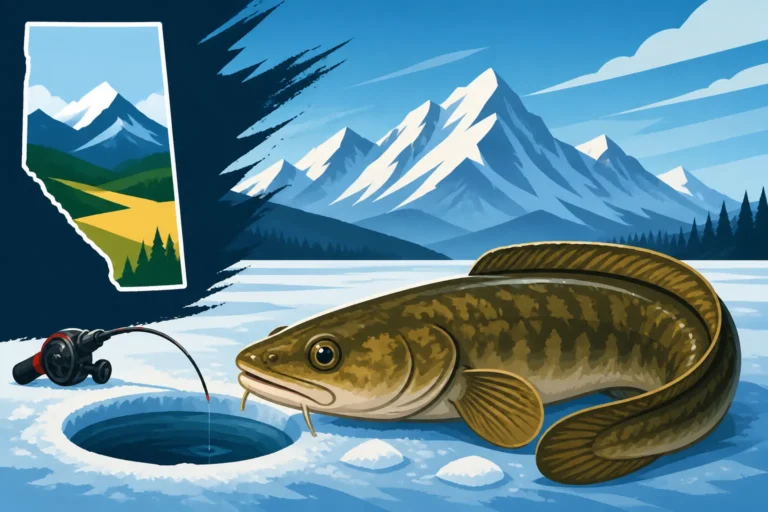
Burbot, often called "freshwater ling" or "mariah," are unique fish known for their elongated bodies and their preference for cold, deep water. While not traditionally a glamorous species, a provincial record burbot is a truly impressive catch, often weighing in at a substantial size. They are particularly popular among ice anglers, who brave the winter elements to target these bottom-dwelling fish.
These fish are found in many of Alberta's larger, deeper lakes and some major river systems. During winter, they often become more active under the ice, making them a prime target. Catching a record burbot often involves fishing near the bottom with scent-laden baits or glow jigs. The fight is typically a deep, powerful tug-of-war, and landing a big one is incredibly satisfying. Understanding their nocturnal habits and preferred deepwater structure is key to finding these substantial fish.
Yellow Perch and Whitefish: Smaller but Mighty Records
Yellow perch might be considered a panfish, but a record-setting perch is an absolute slab, a testament to abundant food sources and long lifespans in certain lakes. Similarly, mountain whitefish, though smaller than trout, can grow surprisingly large in our mountain rivers, and lake whitefish can reach impressive sizes in our larger lakes. These smaller records offer a different kind of challenge and reward.
Yellow perch are found in countless lakes and ponds across Alberta and are a fantastic species for new anglers and families. However, truly giant perch are found in specific, highly fertile lakes where they have an extended growing season and ample food. Whitefish, both mountain and lake varieties, are often targeted by fly anglers or those using small jigs and baits. Catching a record-sized perch or whitefish requires targeting specific schools of larger fish and refining your presentation to entice the biggest ones. The accessibility of these species, often found closer to urban centers, makes them a popular target for local record hopefuls.
Exploring Records for Less Common Species
Beyond the mainstream game fish, Alberta's waters hold a variety of other species that also have provincial records. This includes species like sauger, a close cousin to the walleye, goldeye known for their spirited fight in prairie rivers, and the iridescent Arctic grayling found in pristine northern streams. Each of these species offers a unique pursuit and the chance to set a record in a less crowded category.
Chasing records for these less common species often means venturing to specific, often remote, locations where they thrive. It requires specialized knowledge of their biology, preferred habitats, and feeding patterns. For example, Arctic Grayling in Northern Alberta Rivers are a beautiful and rewarding fish to pursue, but finding a record-class specimen involves exploring some of Alberta's wilder frontiers. Expanding your angling horizons to include these species can lead to truly unique and rewarding experiences, and perhaps, a lesser-known provincial record that you can proudly call your own.
Chasing the Dream: Tips for Anglers Eyeing a Record
So, you're serious about wanting to chase a provincial record? That's fantastic! It's an ambitious goal that will push your angling skills to new heights. But it's not just about luck; it's about preparation, strategy, and a deep understanding of your target species and the waters they inhabit. Think of it as a fishing expedition where every detail matters, from the knots you tie to the way you handle your catch.
Success in record hunting often comes down to meticulous planning and an unwavering commitment. It means going beyond the casual fishing trip and approaching every outing with a specific goal in mind. With the right mindset, the right information, and a bit of perseverance, that dream of a record-setting catch can become a tangible reality.
Researching Productive Waters and Peak Seasons
The first step in chasing a record is knowing where and when to focus your efforts. Every species has specific waters where they grow larger than average, and particular times of the year when they are most active or accessible. For instance, if you're targeting a record pike, you'll want to focus on Best Fishing Lakes in Alberta known for their large pike populations and target them during their prime feeding windows, often early spring or late fall. For walleye, understanding Alberta Walleye Limit by Zone and where they congregate can be key.
Delve into historical data, talk to local experts, and spend time studying maps and bathymetric charts. Look for patterns in past record catches – were they always from the same lake? The same river section? Were they caught during a specific Alberta Fishing Seasons by Zone and Month? This research is invaluable and forms the foundation of a successful record hunt. Don't be afraid to travel a bit further or explore less-frequented spots, as these often hold the biggest, most undisturbed fish.
Essential Gear for Catching a Record Setter
When you're targeting a potentially record-breaking fish, your gear isn't just about functionality; it's about reliability and power. You'll want rods with enough backbone to handle a heavy fish, yet sensitive enough to detect subtle bites. Reels need smooth, powerful drags and ample line capacity. Your line choice is crucial – opt for high-quality, strong lines that can withstand the stress of a big fight. For example, if you're targeting a massive lake trout, you'll need the right gear for Lake Trout Fishing in Alberta.
Don't skimp on terminal tackle either; strong hooks, reliable swivels, and durable leaders are non-negotiable. And, of course, you'll need the right tools for documentation. A certified, accurate digital scale is a must, as is a flexible measuring tape. A good camera, perhaps one you ordered from Amazon, is essential for clear, verifiable photos. Consider a large, rubberized landing net to protect both the fish and your chance at a record. Having everything you need, from Best Fishing Rods for Alberta Rivers to a reliable measuring device, can make all the difference.
Best Practices for Catch, Documentation, and Release
Once you've hooked and landed a potential record-setter, how you handle the fish immediately afterwards is critical, especially if you plan to release it. Always prioritize the fish's health, particularly with species like bull trout which often have a catch and release requirement. Minimize its time out of the water. Have your scale, measuring tape, and camera ready to go the moment the fish is landed.
Take clear photos from multiple angles, showing the full length of the fish, the measurements, and the weighing process. If required, ensure witnesses are present and attentive. For species that must be released, such as under the Alberta Bull Trout Zero Possession Rule, practice extreme care to ensure its survival. Use barbless hooks, keep the fish wet, and support its body properly. Documenting a record is a thrilling moment, but it's also a responsibility to the fish and the fishery. A quick, efficient process increases the chances of a successful release and a verified record.
The Future of Alberta's Fish Records: Conservation and New Anglers
The pursuit of provincial fish records is deeply intertwined with the health and sustainability of Alberta's fisheries. Without thriving fish populations and pristine habitats, the chance of catching a record-setting fish diminishes significantly. As anglers, we have a vital role to play in ensuring that these incredible opportunities exist not just for us, but for future generations who dream of their own record-breaking catches.
The stories of past records inspire us, but the actions we take today will determine the records of tomorrow. It's about recognizing that our passion for angling comes with a responsibility to protect and preserve the very resources that make our sport so rewarding. By embracing conservation and mentorship, we can ensure the legacy of Alberta's record fish continues for decades to come.
Protecting Our Fisheries for Future Record Breakers
Conservation is not just a buzzword; it's the bedrock of sustainable angling. Adhering to Alberta Bag and Possession Limits by Species, respecting special regulations in specific waters, and practicing responsible catch-and-release are fundamental. Supporting organizations dedicated to habitat restoration and fisheries management directly contributes to healthier fish populations, increasing the likelihood that fish can grow to trophy sizes.
Consider the long-term impact of your actions. Over-harvesting, improper handling of released fish, or polluting waterways can severely impact a fishery's ability to produce record-class fish. By acting as stewards of our aquatic environments, we ensure that Alberta's record books continue to be filled with impressive catches. Every angler has a part to play in protecting these precious resources, from reducing litter to advocating for conservation initiatives.
Inspiring the Next Generation of Trophy Anglers
One of the greatest joys of fishing is sharing it with others, especially the younger generation. Introducing kids and new anglers to the sport is crucial for its future, and instilling in them a respect for the resource is paramount. While not every trip needs to be about chasing records, sharing the stories of Alberta's provincial record holders can ignite a passion and inspire them to dream big.
Teach them the importance of proper fish handling, the ethics of catch-and-release, and the thrill of the chase. Show them how to research fishing spots, how to select appropriate gear (perhaps even pointing them towards beginner-friendly options on Amazon), and how to document their catches. By fostering a love for the outdoors and a commitment to conservation, we're not just creating new anglers; we're cultivating the next generation of record breakers and guardians of Alberta's incredible fishing heritage.
Disclaimer
This article is for general informational purposes only and does not constitute professional advice. Laws, prices and regulations vary by location and change over time. Consult a qualified professional for guidance on your specific situation.