Best technique for vertical jigging walleye
It's incredibly frustrating, isn't it? You've got your boat positioned perfectly over a promising humpie or a rocky drop-off in an Alberta lake, your fish finder is lit up with arches, but for whatever reason, those walleye just aren't committing to your cast-and-retrieve presentations. When fish are deep, sluggish, or hugging the bottom, the subtle, direct approach of vertical jigging can be an absolute game-changer. This guide will walk you through everything you need to know to master vertical jigging for walleye, turning those stubborn marks on your screen into fish in your net.
Understanding Walleye Behavior for Vertical Jigging Success
Before you even drop a line, truly understanding how walleye behave is your secret weapon. They aren't just swimming aimlessly; their movements and feeding patterns are often highly predictable, especially when you consider their preference for certain types of cover and their response to changing conditions. Vertical jigging capitalizes on these behaviors, allowing you to present a lure directly in their strike zone with precision.
Why Walleye Love Structure
Walleye are absolute creatures of structure. They relate to it for ambush points, protection from predators, and often, because that's where their food source congregates. When we talk about structure in Alberta lakes and rivers, we're thinking about those subtle (or not-so-subtle) changes in the lakebed that create breaks and hiding spots. This could be anything from deep-water humps that top out at 20 feet surrounded by 40 feet of water, to sharp drop-offs leading into river channels, or even submerged rock piles and fallen timber.
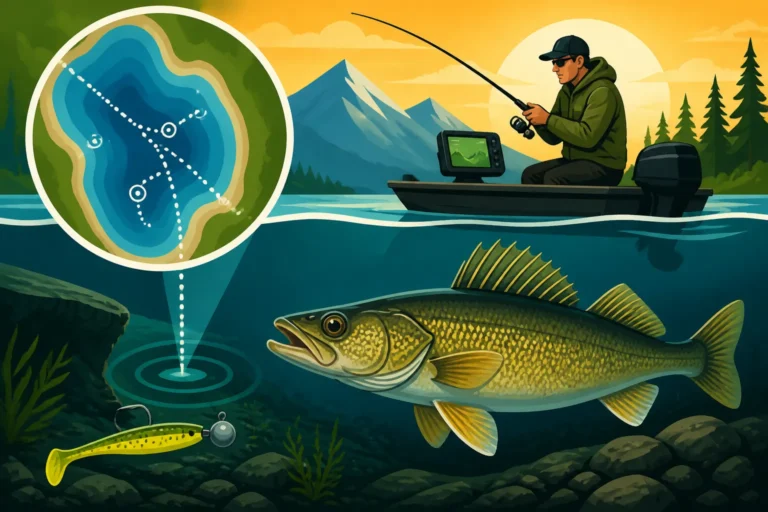
These structural elements provide vertical relief, allowing walleye to suspend at specific depths or hug the bottom, waiting for an unsuspecting minnow to swim by. They'll often position themselves on the "down-current" side of a hump or the deeper edge of a flat, using the change in depth to their advantage. Vertical jigging shines here because it allows you to literally drop your lure right onto their noses. You're not casting and hoping; you're pinpointing their location with your electronics and delivering a presentation that mimics a wounded baitfish right in their face, often triggering an aggressive reaction strike even from less active fish.
Seasonal and Daily Movements
Walleye movements aren't static; they shift dramatically throughout the year and even over the course of a single day, and your vertical jigging approach needs to adapt. In the early spring, after ice-out, walleye will often be shallower, near spawning grounds or feeding heavily as they recover. As water temperatures rise into summer, they'll typically move to deeper, cooler waters, often relating to main lake basins, deep points, and thermoclines. This is a prime time for vertical jigging, as they might be suspended in baitfish schools or holding tight to deep structure.
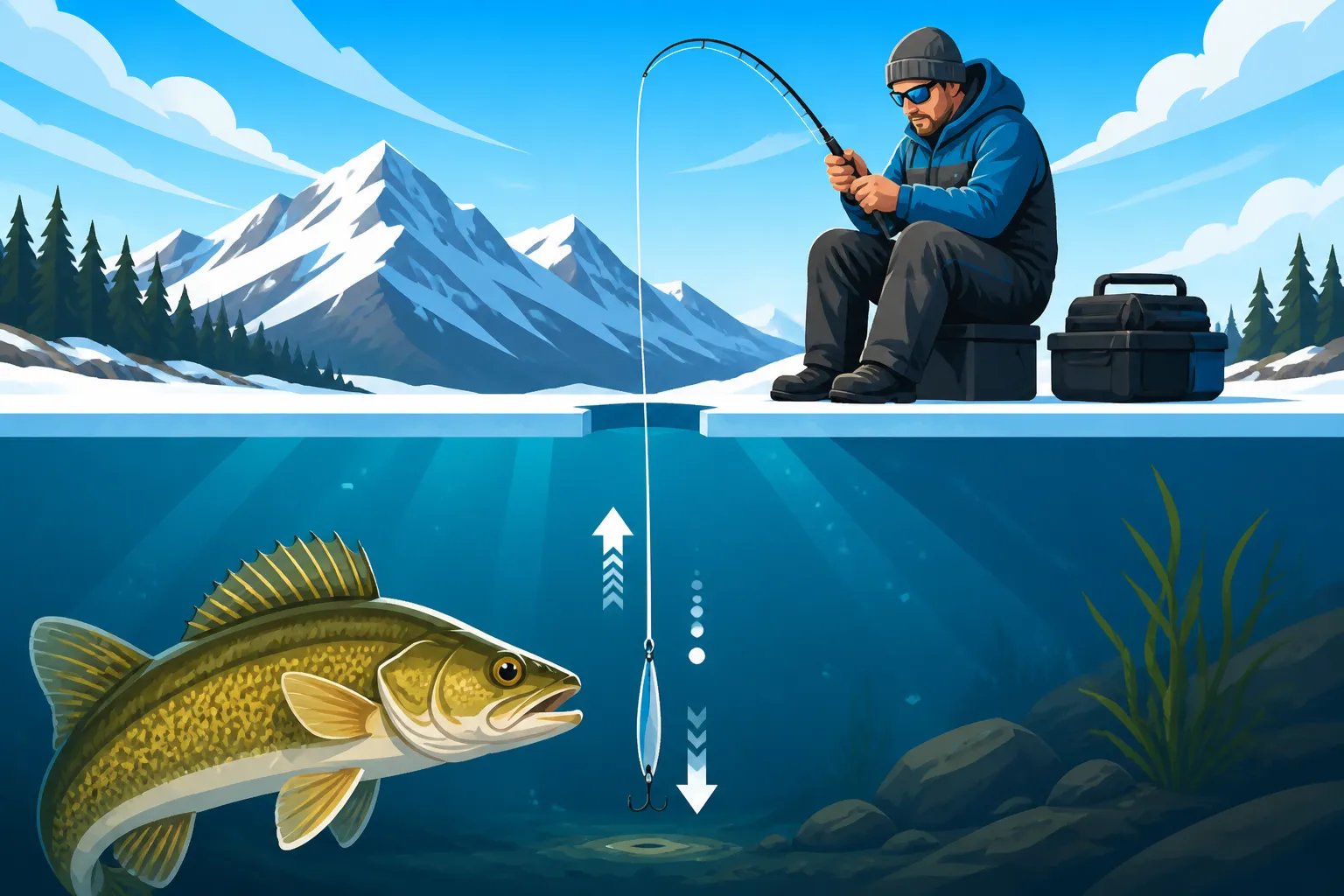
During the fall, as waters cool again, walleye often go on a major feeding binge, moving back to shallower breaks or remaining on deep structure where baitfish are abundant, preparing for winter. And even in the dead of winter, through the ice, vertical jigging is the technique. Beyond seasonal shifts, daily movements play a role too. Walleye might move shallower during low-light periods (dawn, dusk, cloudy days) to feed more actively, then retreat to deeper cover during bright sunlight. Being aware of these patterns allows you to predict where walleye will likely be holding, making your vertical jigging efforts much more efficient. For more on their patterns, check out our guide on Best Time of Day to Catch Walleye.
Essential Gear for Effective Vertical Jigging
Having the right tools for vertical jigging isn't just about comfort; it's about maximizing sensitivity, control, and ultimately, your hook-up ratio. A mismatched rod or the wrong line can make a subtle walleye bite feel like nothing at all, leaving you wondering if you're even getting strikes.
Rods, Reels, and Line Choices
For vertical jigging, sensitivity is king. You want a rod that can transmit the slightest tick, bump, or change in pressure directly to your hand. Look for a medium-light to medium power spinning rod, typically 6' to 7' long, with a fast or extra-fast action tip. This means the tip bends easily, but the backbone of the rod is stiff, allowing for quick hooksets and good control over your jig. Graphite rods are excellent for this as they are lightweight and highly sensitive. When browsing options, you'll find plenty of sensitive graphite rods for walleye on Amazon.
Pair your sensitive rod with a lightweight spinning reel in the 1000 to 2500 size range. It should have a smooth drag system, which is crucial for fighting larger walleye without breaking your line.
Line choice is equally important. Many experienced vertical jiggers swear by a main line of braided superline, often 8-15 lb test, because it has virtually no stretch. This lack of stretch greatly enhances sensitivity, allowing you to feel every subtle contact with the bottom or a fish. Because braid is visible in clear water and doesn't hold knots well for lures, you'll want to tie on a leader of fluorocarbon line, usually 6-10 lb test, using a strong knot like a FG knot or double uni-knot. Fluorocarbon is nearly invisible underwater and has excellent abrasion resistance, which is vital when fishing around rocky structure.
Lure Selection: Jigs, Baits, and Plastics
The beauty of vertical jigging lies in the simplicity and versatility of the jig. But 'jig' isn't just one thing!
- Jig Heads: The most common are round-head or stand-up jig heads, typically ranging from 1/8 to 1/2 ounce, depending on depth and current. A stand-up jig head, with its flat bottom, keeps your bait horizontal on the lakebed, making it more visible. Some jigs come with built-in rattles or spinner blades to add attraction.
- Soft Plastics: These are incredibly popular for walleye. Paddle-tail swimbaits (2-4 inches), grub tails, and soft plastic minnow imitations are fantastic. Experiment with colors: natural patterns like white, smoke, or chartreuse are often effective, but bright colors can trigger bites in stained water.
- Live Bait: There's nothing quite like live bait for tempting finicky walleye. A minnow, shiner, or even a leeches threaded onto a jig head is often irresistible. Hook the minnow through the lips or just behind the dorsal fin to keep it lively. Remember to check Alberta Fishing Regulations Explained for rules on live bait use.
- Blade Baits: These thin, vibrating metal lures are excellent for vertical jigging, especially when fish are aggressive. They sink quickly and emit strong vibrations on the lift, drawing attention from a distance.
- Spoons: While often associated with ice fishing, small jigging spoons can be deadly for open-water vertical jigging, especially for suspended fish or when mimicking dying baitfish.
The key is to have a variety of jig head weights, styles, and soft plastic options in your tackle box, maybe something like a Plano tackle box filled with different options from Amazon, so you can adapt to what the walleye are responding to on any given day.
Mastering the Vertical Jigging Technique
Vertical jigging is more than just dropping a lure over the side; it's a dynamic dance between boat control, lure presentation, and a keen sense of what's happening beneath the surface. Success hinges on being precise and responsive.
Boat Control and Positioning
This is perhaps the most critical aspect of effective vertical jigging. You need to stay directly over the fish and the structure you're targeting. This requires excellent boat control, especially in wind or current.
- Spot-Lock Trolling Motors: If you have a modern electric trolling motor with a GPS spot-lock feature (like a Minn Kota or MotorGuide), it's an absolute game-changer. It will hold your boat in place over a waypoint or directly over a specific piece of structure, even in wind, allowing you to focus entirely on your jig presentation.
- Drifting and Back-Trolling: Without a spot-lock, you'll need to use your main motor or a standard trolling motor to maintain position. In windy conditions, consider back-trolling (running your motor in reverse) to slow your drift and keep your bow facing into the wind, giving you better control. If drifting, try to drift along contour lines, keeping your jig in the prime depth range.
- Anchor Systems: For smaller boats or less windy days, a traditional anchor can work, but it limits your ability to follow active fish. A drift sock or anchor sock can also slow your drift effectively, allowing for a more controlled presentation as you move over structure.
The goal is to minimize your boat's movement relative to the fish, ensuring your line is as vertical as possible. A nearly vertical line allows for maximum sensitivity and direct control over your jig.
The Art of the Jigging Motion
There's no single "correct" jigging motion, but rather a spectrum of techniques you'll want to experiment with until you find what the fish prefer on that particular day.
- Short, Subtle Hops: This is often the starting point. Drop your jig to the bottom, then lift your rod tip a few inches to a foot, letting the jig fall back down on a semi-slack line. The "fall" is often when the strike occurs, as the lure looks like a dying baitfish. Let it sit on the bottom for a few seconds before repeating.
- Aggressive Lifts and Drops: Sometimes, especially when fish are active or in stained water, a more aggressive approach is needed. Lift your rod tip sharply, 2-3 feet, then let the jig helicopter back down. This creates more flash and vibration, drawing attention from a distance.
- "Dead Sticking": This technique involves holding the jig perfectly still, just above the bottom, or even letting it rest on the bottom for an extended period. Sometimes the most effective presentation is no presentation at all. Walleye can be incredibly finicky, and a motionless bait can be just what they need to commit. This is often very effective with live bait or scented soft plastics.
- Shake and Quiver: Subtle movements can also be highly effective. Hold your rod tip steady and just lightly twitch it, making the jig tremble in place without much vertical movement. This can entice cautious fish.
Remember, the bite can be incredibly subtle – a slight weight, a mushy feeling, or just your line going slack. If anything feels "off," set the hook!
Reading Your Electronics
Your fish finder is your eyes beneath the surface, and it's indispensable for vertical jigging. You can find excellent options for Best Fish Finders for Alberta Lakes on Amazon.
- Locating Fish: Use your sonar to identify schools of baitfish, individual fish arches, and of course, the walleye themselves. Look for fish holding tight to the bottom, suspended in the water column, or relating to specific structural elements like rock piles or humps. Don't forget to look for fish on the edges of the structure, not just on top.
- Targeting Depth: Once you see fish, you can drop your jig directly to their depth. Many modern fish finders have a A-scope or real-time sonar window that shows your lure descending and even the fish reacting to it. This allows for incredible precision.
- Interpreting Structure: Your fish finder helps you understand the bottom composition. Harder bottoms (rock, gravel) typically show up as thicker, more intense lines than soft bottoms (mud, silt). Walleye often prefer those harder bottoms. Use your GPS to mark waypoints on key structure or where you catch fish.
- Bait Presentation Feedback: Watch your jig on the screen as you work it. Are you staying over the fish? Is your jig getting down to the right depth? Are fish reacting to your movements? This real-time feedback loop is crucial for adjusting your technique on the fly. You'll literally see your jig drop down, and then watch as a fish moves towards it, allowing you to pause, twitch, or lift to trigger a strike.
Tips for Maximizing Your Vertical Jigging Catch
Vertical jigging, like any angling technique, has nuances that can significantly boost your success rate. It's about constant adaptation and paying close attention to the subtle clues the fish and the water provide.
Adjusting to Conditions
Alberta's weather and water conditions can change rapidly, and walleye react to these shifts. Being able to adjust your vertical jigging technique accordingly is what separates good anglers from great ones.
- Water Clarity: In clear water, fish tend to be more wary. You might need to use smaller jigs, more natural colors (like smoke, green pumpkin, or black), and a slower, more subtle jigging motion. Fluorocarbon leaders are essential here. In stained or turbid water, walleye rely more on vibration and scent. Larger jigs, brighter colors (chartreuse, orange, firetiger), and more aggressive jigging motions can be more effective.
- Current: If you're vertical jigging in a river or an area with strong lake current, you'll need heavier jig heads to maintain contact with the bottom and keep your line vertical. Experiment with different weights until you find one that allows you to feel the bottom without too much bow in your line. Current can also position fish in predictable ways, often behind structure or in eddies.
- Fish Mood: This is perhaps the hardest to read, but critical. If walleye are active and aggressive, they might chase down a fast-moving, brightly colored jig. If they're lethargic (common during cold fronts or hot spells), you'll need to slow down dramatically, use dead-sticking, subtle twitches, or rely heavily on live bait or scented plastics. Pay attention to how the fish on your sonar react to your lure – are they rising to meet it aggressively, or just slowly tracking it? That tells you a lot. Don't forget to always consult Reading the Alberta Guide to Sportfishing Regulations for any specific conditions that might apply to your chosen waterbody.
When to Switch It Up
Stubbornly sticking to one jig, one color, or one technique, even when it's not working, is a common mistake. Vertical jigging is about dynamic problem-solving.
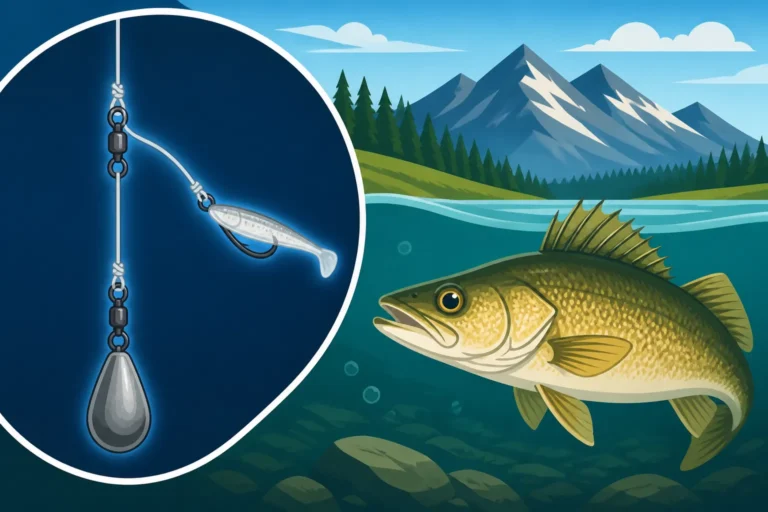
- Lure Changes: If you're not getting bites, don't be afraid to change your jig. Switch colors, go from a paddle-tail to a grub, or try a minnow imitation. Change jig head weights. Sometimes, even a slight alteration can make all the difference. If fish are hitting short, try a smaller jig or add a stinger hook to your live bait rig.
- Technique Modifications: If your short hops aren't working, try dead-sticking. If dead-sticking isn't producing, try more aggressive lifts. Vary the pause length between lifts. Fish can develop "lockjaw" to a specific presentation, and simply changing the cadence or intensity can trigger them.
- Location Adjustments: If an area that looked promising isn't producing, don't spend all day there. Move to another piece of structure, a different depth, or try a different side of the same hump. Walleye can be very particular about their positioning. Keep marking those productive spots on your GPS so you can return to them later or on future trips. Sometimes, moving just a few boat lengths can put you onto active fish.
Vertical jigging is an interactive technique. The more you pay attention to the feedback from your rod tip, your electronics, and the fish themselves, the quicker you'll unlock the day's pattern. Patience, persistence, and a willingness to adapt are your greatest assets.
| Jig Head Style | Best Application | Primary Feature | Pros | Cons |
|---|---|---|---|---|
| Round Head | All-around, versatile | Simple, classic design | Easy to rig, good for most conditions | Can roll over on soft bottoms |
| Stand-Up Head | Soft bottoms, horizontal presentation | Flat bottom, keeps bait upright | Excellent visibility, good for dead-sticking | Can be snaggy in heavy rock |
| Weedless Jig | Heavy cover (weeds, timber) | Brush guard or protected hook point | Reduces snags significantly | Can impede hookset slightly, less exposed hook |
| Bullet Head | Moderate current, streamlined penetration | Tapered, aerodynamic | Cuts through water quickly, less drag | May not stand up as well on bottom |
| Swimbait Head | Pairing with soft plastic swimbaits | Often features a bait keeper, sometimes articulated | Creates realistic swimming action | Less versatile for live bait or other plastics |
Conclusion
Vertical jigging for walleye in Alberta is more than just a technique; it's an art form that blends technology, understanding fish behavior, and precise lure presentation. It demands your attention, your patience, and your willingness to adapt, but the rewards are often spectacular. The next time you're out on a beautiful Alberta lake, and those walleye are playing hard to get, remember the power of the vertical jig. Drop that lure straight down, feel for that subtle tap, and get ready for the fight. You might just find it's the most effective way to fill your livewell and make those frustrating days a thing of the past.
Disclaimer
This article is for general informational purposes only and does not constitute professional advice. Laws, prices and regulations vary by location and change over time. Consult a qualified professional for guidance on your specific situation.