Best sling bag for bank fishing
Oh, the age-old struggle of the bank angler! You've trekked to that perfect bend in the river or that promising point on the lake, only to realize your backpack is a tangled mess of lures, your pliers are missing, and that vital snack is crushed. It’s frustrating trying to keep all your essentials at hand without feeling like you’re hauling a full expedition. This guide is all about finding that perfect fishing sling bag that frees up your hands, keeps your gear organized, and makes your bank fishing trips in Alberta a whole lot smoother and more enjoyable.
Why a Sling Bag is a Game Changer for Alberta Bank Anglers
Let's be real: bank fishing often means being on the move. You're exploring different spots, scrambling over rocks, or navigating dense brush along the shore. Traditional gear options can quickly become a nuisance, but a well-chosen sling bag can completely transform your experience, turning those frustrating gear fumbles into seamless transitions.
The Frustrations of Traditional Gear Hauling
Think about it – how many times have you ended up with a regular backpack that felt like a black hole? You're standing at the water's edge, fish are biting, and you need to switch lures now. But your backpack is on your back, you have to take it off, put it on the damp ground, unzip it, rummage through it, and by the time you've found what you need, the bite has slowed, or that school of walleye has moved on. Or perhaps you're juggling a tackle box in one hand and a rod in the other, feeling like an octopus on roller skates as you try to cast or simply walk a short distance. Buckets are great for ice fishing, but not for covering ground. Multiple small bags just mean more things to carry and potentially leave behind. It’s a constant battle between having enough gear and having the mobility to use it effectively.
Unmatched Mobility and Quick Access
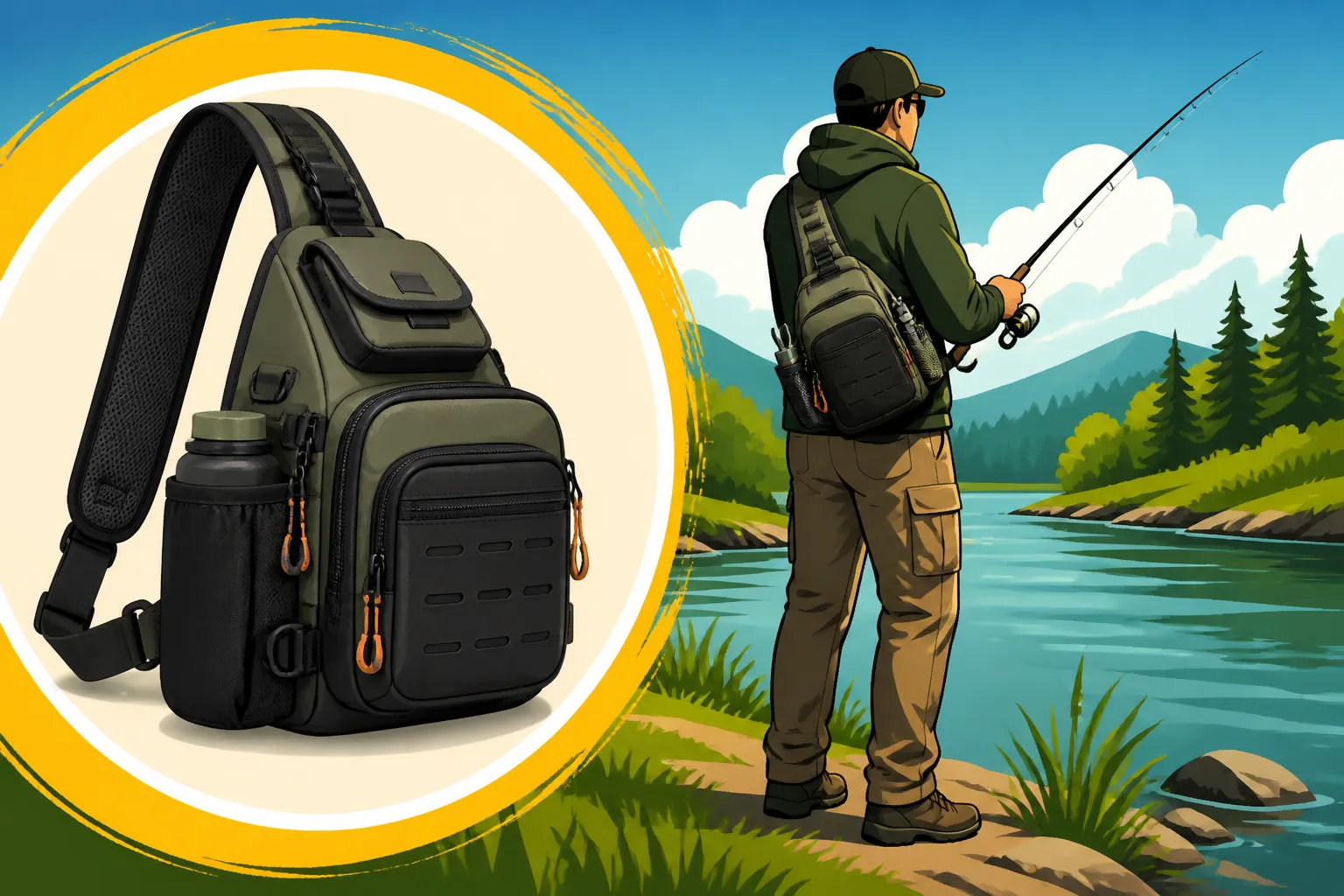
This is where the magic of the sling bag truly shines. Designed to be worn over one shoulder and across your back, it keeps your weight distributed comfortably and your hands completely free. When you need something, you don't have to remove the bag. You simply swing it around to your front, access your gear, and then swing it back out of the way. Imagine standing on the Bow River Trout Fishing Near Calgary, spotting a rise, and being able to quickly grab your fly box and tie on a new pattern without missing a beat. This quick-draw capability means you spend less time fumbling and more time fishing, maximizing your opportunities, especially during those precious low-light hours or active feeding windows. It also helps prevent lost items, as everything stays attached to you.
Balancing Capacity and Portability
The key to a good sling bag is finding that sweet spot: enough space for your absolute essentials, but not so much that it becomes bulky and cumbersome. Unlike a full-sized backpack that might encourage you to bring everything but the kitchen sink, a sling bag forces you to be strategic. It's about packing smart, not packing heavy. For many Alberta bank anglers, this means a couple of small tackle trays with their most-used lures, a spool of leader, a pair of pliers, and perhaps a snack and a water bottle. It's often enough for a productive outing without weighing you down. You want to be able to comfortably walk along shorelines, climb down to access points, and quickly pivot from casting to landing a fish without feeling constrained.
Key Features to Look For in an Alberta Fishing Sling Bag
Choosing the right sling bag isn't just about picking one that looks cool. It's about functionality, durability, and how well it stands up to the diverse conditions you'll encounter while bank fishing across Alberta, from the mountain streams to the prairie lakes.
Material Durability and Weather Resistance
Alberta weather can be unpredictable. One minute it's sunny, the next you're caught in a sudden downpour. That's why the material of your sling bag is paramount. Look for bags made from tough, water-resistant fabrics like ripstop nylon or heavy-duty polyester. These materials can withstand snags on branches, rubs against rocks, and general wear and tear that comes with outdoor adventures. Equally important are the zippers – cheap zippers will fail quickly, especially when exposed to dirt and moisture. YKK zippers are often considered the gold standard, offering smooth operation and reliability. Many quality bags will also feature a DWR (Durable Water Repellent) coating or even a waterproof liner to keep your valuable tackle and electronics dry if you get caught in the rain or accidentally splash your bag. Checking out options from reputable brands at a place like Bass Pro Shops can give you a good idea of what materials to look for.
Strategic Compartmentalization and Storage
A good sling bag isn't just a big pouch; it's a thoughtfully designed organizational system. You need dedicated pockets and compartments to keep your gear from becoming a tangled mess. Look for a main compartment that can comfortably fit one or two standard tackle trays. Smaller external pockets are invaluable for items like leader spools, terminal tackle, or a camera. A fleece-lined pocket for sunglasses or a clear-view pocket for your phone can also be a huge bonus. Some bags feature external tool holders or D-rings for attaching pliers or line cutters with a lanyard, ensuring they're always within reach. Good internal organization means you're not digging for five minutes to find that one specific jig; everything has its place, and you know exactly where to find it. This efficiency is a true time-saver when the fish are biting hot, whether you're chasing Walleye Fishing in Alberta or trying to land a trophy pike.
Comfort and Ergonomics for Long Hauls
Even a light bag can become uncomfortable after a few hours if it's not designed well. A padded, adjustable shoulder strap is crucial. Look for bags with breathable mesh on the back panel and the underside of the strap to reduce sweating and improve airflow, especially during warm summer days. Some sling bags also feature a smaller stability strap that clips around your waist or chest, which helps keep the bag from swinging around excessively as you walk or cast vigorously. This is a small detail that makes a big difference in comfort and preventing chafing on longer walks to that secret spot. The way the bag sits against your body, distributing the weight evenly, determines how long you can comfortably fish without feeling fatigued by your gear.
Top Considerations for Alberta-Specific Bank Fishing
Alberta's fishing landscape is incredibly diverse, from the fast-flowing rivers of the Rockies to the vast, calm lakes of the prairies. Your sling bag needs to be versatile enough to handle these different environments and the specific demands of Alberta angling.
Size and Capacity for Essential Gear
When you're bank fishing in Alberta, you're rarely hauling a boatload of gear. The goal is efficiency. Your sling bag should be able to hold your core essentials: typically one or two small-to-medium tackle trays, your fishing license (remember, Printing or Carrying a Digital Fishing License in Alberta is important!), a spool of leader material, a multi-tool or pliers, and perhaps a small measuring tape. If you're targeting specific species, like Northern Pike Fishing in Alberta, you might need a tray with larger lures. For trout, smaller trays with an assortment of spinners, spoons, or soft plastics would be appropriate. Don't be tempted to overpack. A full, heavy sling bag defeats the purpose of its lightweight, mobile design. Always think about what you truly need for the specific outing and destination.
Easy Access for Quick Lure Changes
The ability to quickly swap out lures or adjust your rig without breaking your stride is a massive advantage for bank anglers. Imagine you're working a stretch of river, and you've tried a few different presentations with no luck. With a sling bag, you just swing it around, open the main compartment, grab a different lure, tie it on, and you're back in the game in moments. This quick-change capability is especially vital when fish are actively feeding or when you're exploring new water and trying to "pattern" what the fish are biting on. It's far more efficient than constantly taking off and putting on a backpack or rummaging through a bulky tackle box. This streamlined access makes you a more responsive angler.
Water Bottle and Hydration Pockets
Staying hydrated is absolutely critical, especially on long summer days out on the bank, whether you're casting for Lake Trout Fishing in Alberta or stalking shallow creek channels. Many sling bags will incorporate a dedicated mesh pocket or a sleeve designed to hold a water bottle. This might seem like a small detail, but it’s a huge convenience. You don't want to have to dig into your main compartment every time you need a sip, nor do you want a loose bottle rolling around. Easy access to hydration encourages you to drink more, keeping you comfortable and focused on your fishing. Some anglers even use these pockets for small snacks or a quick energy bar.
Setting Up Your Sling Bag for Maximum Efficiency
Once you've chosen your perfect sling bag, the next step is to organize it effectively. A well-organized bag isn't just tidy; it's a tool that enhances your fishing experience, allowing you to react quickly and spend more time with your line in the water.
Organizing Your Tackle Trays
The heart of your sling bag's efficiency lies in your tackle trays. Most sling bags are designed to hold standard Plano-style tackle trays. Consider dedicating trays to specific lure types or target species. For example, one tray could be for spoons and spinners, another for jigs and soft plastics, and perhaps a smaller one for terminal tackle like hooks, swivels, and sinkers. If you're primarily fishing for walleye, fill a tray with your favorite crankbaits and jig heads that have proven effective on local waters like Lesser Slave Lake. If you're a multi-species angler, keep a "general purpose" tray for when you're not sure what you'll encounter. Brands like Plano, Flambeau, and sometimes even Bass Pro Shops' own brands offer excellent, durable tackle tray options that fit well into most sling bags. Remember, less is more – only bring what you realistically think you'll use. For more ideas on what to pack, check out Best Tackle for Alberta Walleye.
Essential Tools and Accessories
Beyond lures and terminal tackle, there are a few essential tools every bank angler should have close at hand. Pliers, for hook removal and cutting wire, are a non-negotiable. Line cutters or a small pair of fishing scissors are also crucial. Many anglers like to carry a small measuring tape or a fish ruler, especially when adhering to Alberta's specific slot limits and Alberta Bag and Possession Limits by Species. A small, easily accessible pocket or an external clip point for these tools will save you a lot of frustration. Don't forget a small first-aid kit with basics like band-aids and antiseptic wipes – small cuts and scrapes happen more often than you think when you're out in the wild. If you're considering a new Best Rod and Reel Combo for Beginners, make sure you've also got the basic tools to go with it!
Personal Items and Safety Gear
While the primary purpose of your sling bag is fishing gear, it's also the perfect place for a few crucial personal items and safety considerations. Your phone, wallet, and keys can go into a secure, zippered pocket. Sunscreen and insect repellent are often necessities in Alberta, especially during the warmer months when the mosquitoes can be relentless. If you plan to fish into the evening, a small headlamp or flashlight is invaluable. Even though you're bank fishing, always be mindful of your surroundings and local regulations. While not directly for your sling bag, if you're ever thinking of getting into float tube or kayak fishing, it's good to be aware of things like Life Jacket Requirements for Alberta Boaters for general safety practices near the water. For more general organization tips, you might find Best Tackle Box Setup for Alberta Anglers helpful, even if it's not specific to sling bags.
Here's a quick comparison of features to consider when picking out your sling bag:
| Feature | What to Look For | Benefit for Alberta Bank Anglers |
|---|---|---|
| Material | Ripstop nylon, heavy-duty polyester, DWR coating | Durability against snags, weather resistance for rain/splash |
| Zippers | YKK or other heavy-duty, corrosion-resistant zippers | Reliable access, prevents gear loss, lasts longer |
| Main Compartment | Fits 1-2 standard tackle trays (e.g., Plano 3600/3700) | Organized lure storage, quick swap capability |
| External Pockets | Mesh for water bottle, zippered for phone/keys, tool loops | Hydration, secure personal items, quick tool access |
| Shoulder Strap | Padded, adjustable, breathable mesh | All-day comfort, reduces fatigue |
| Stability Strap | Optional chest/waist strap | Prevents bag swing during casting or movement |
| Internal Organization | Dividers, clear pockets, secure tool sleeves | Keeps small items from tangling, easy to find specific gear |
| Size & Weight | Compact enough for mobility, light when empty | Allows hands-free movement, prevents overpacking |
Whether you're exploring new stretches of the Crowsnest River Trout Fishing or hitting up a local pond, having the right sling bag will make your bank fishing trips more enjoyable and more productive. You can find a wide variety of options that fit these criteria at sporting goods stores like Bass Pro Shops or online retailers like Amazon, often with reviews that can guide your choice. Happy fishing, and may your sling bag always be perfectly organized!
Disclaimer
This article is for general informational purposes only and does not constitute professional advice. Laws, prices and regulations vary by location and change over time. Consult a qualified professional for guidance on your specific situation.