Alberta Pleasure Craft License, Explained
It’s easy to get tangled up in the red tape of boating regulations, especially when you’re just trying to enjoy a peaceful day fishing on one of Alberta’s stunning lakes or rivers. Many anglers find themselves scratching their heads, wondering if they need a special license for their boat in addition to their fishing permit. This comprehensive guide will demystify the Alberta Pleasure Craft License, breaking down exactly what it is, who needs it, and how to stay compliant without the headache.
Understanding the Basics of a Pleasure Craft License
The world of boating licenses can feel like navigating a maze, but let's start by clarifying one of the most fundamental requirements for many boaters in Alberta: the Pleasure Craft License. This isn't just another piece of paper; it's a vital identifier for your vessel.
What Exactly is a Pleasure Craft License?
A Pleasure Craft License (PCL) is essentially a unique identification number for your recreational boat, issued by Transport Canada. Think of it like a license plate for your car, but for your boat. It’s a series of numbers and letters that must be displayed prominently on your vessel. The crucial thing to understand right off the bat is that this license is tied to the boat itself, not the person operating it. It provides key information about the vessel and its owner, making it much easier for authorities like the RCMP or provincial conservation officers to identify a boat in distress or to track down a vessel involved in an incident.
This license includes details such as the owner's name and address, the vessel's make, model, and year, and its unique license number. When you apply, you're registering your vessel's identity with Transport Canada. This system is invaluable for search and rescue operations – if your boat breaks down or you find yourself in an emergency situation on a large body of water like Lesser Slave Lake or Cold Lake, that unique license number can be the key to quickly identifying your craft and getting help to you. It also plays a critical role in enforcing compliance with various boating laws and regulations, ensuring everyone on the water is accountable.
Who Needs a Pleasure Craft License in Alberta?
The requirement for a Pleasure Craft License generally applies to most motorized recreational vessels in Alberta. Specifically, if your boat has a motor of 10 horsepower (7.5 kW) or more, you need a PCL. This includes a vast range of boats popular among anglers, from small aluminum fishing boats with powerful outboards to larger pontoon boats and even smaller cruisers. It’s not just about the size of the boat, but the power of its engine. If your motor crosses that 10 HP threshold, you're in PCL territory.
However, there are a few important exceptions to be aware of. Non-motorized vessels, such as canoes, kayaks, and paddleboards, do not require a PCL. This makes them popular choices for those seeking a simpler, regulation-light experience on the water. Personal Watercraft (PWCs), like Jet Skis or Sea-Doos, also don’t require a traditional PCL, but they do have their own specific identification and operating requirements that you'll need to follow. Lastly, if your motorized vessel has an engine less than 10 horsepower, you are exempt from the PCL requirement. So, if you're puttering around a small lake with a tiny electric trolling motor or a low-horsepower gas engine, you likely won't need one, though you'll still need to carry your Alberta Fishing License Guide for 2026 if you plan to cast a line.
Differentiating the Pleasure Craft License from the PCOC
Here's where many people get understandably confused, and it’s a critical distinction to grasp: a Pleasure Craft License (PCL) is for the boat, while a Pleasure Craft Operator Card (PCOC) is for the person operating the boat. They are two entirely separate requirements, and for most motorized fishing boats in Alberta, you'll need both. Think of it like this: your car needs a registration and license plate (PCL), but you also need a driver's license to operate it (PCOC).
The Alberta Pleasure Craft Operator Card Requirement signifies that you, as the operator, have demonstrated a basic understanding of safe boating practices and rules. It's proof of competency. The PCL, on the other hand, is simply an identification for your vessel. Without a PCOC, you could face fines for operating a boat illegally, regardless of whether your boat is properly licensed. Without a PCL, your boat is essentially unidentifiable and also operating illegally. The consequences for not having either can range from warnings to significant fines, so it’s always best to ensure both your vessel and your operating qualifications are in order before heading out on the water. Don't let these two crucial documents get mixed up in your mind, as both are equally important for a legal and safe day of fishing or boating in Alberta.
Applying for and Maintaining Your Pleasure Craft License
Once you understand what a Pleasure Craft License is and if you need one, the next step is applying for it and ensuring you keep it up to date. The process is straightforward, but attention to detail is key.
Step-by-Step Application Process
The application process for a Pleasure Craft License is managed by Transport Canada. The easiest and most common way to apply is online through the Transport Canada website, which has a dedicated portal for pleasure craft licensing. You'll need a few key documents ready to go before you start. First and foremost, you'll need proof of ownership for your vessel. This could be a bill of sale, a builder’s certificate, or a notarized declaration of ownership, especially if you've purchased a used boat without formal paperwork. Ensure this document clearly states who the owner is and provides a description of the vessel.
Next, you'll need valid identification, typically a government-issued ID like a driver's license. You’ll also need a clear, recent photograph of your vessel. Transport Canada has specific guidelines for this photo: it needs to show the full side profile of your boat, be in color, and be under a certain file size. Make sure your boat is clean and the image is well-lit. Finally, you'll complete the application form, either online or by downloading a PDF and submitting it. This form asks for all the details about your vessel (make, model, length, hull material, propulsion type, maximum horsepower) and your personal information. Double-check all entries for accuracy to avoid delays. The online portal usually guides you through each section, making it a fairly user-friendly experience.
The Cost and Validity of an Alberta Pleasure Craft License
One of the best pieces of news about the Pleasure Craft License for Alberta boaters is that the license itself is absolutely free. That's right, there's no fee charged by Transport Canada to obtain this identification number for your boat. This often surprises people, especially when other licenses and permits come with various costs. This "free" aspect is a common source of confusion, sometimes leading people to believe they might not need one, but the absence of a fee doesn't negate the legal requirement.
Once issued, your Pleasure Craft License is valid for a generous period of 10 years. This means you won’t have to think about renewing it annually, which is a nice break from other yearly tasks like vehicle registration or fishing license renewals. However, it's crucial to mark your calendar for when that 10-year period is up. Transport Canada will often send a reminder closer to the expiry date, but it's ultimately your responsibility to ensure it's renewed in a timely manner. Renewing is generally a simpler process than the initial application, often just requiring a re-submission of current information and an updated photograph, ensuring your vessel remains properly identified for another decade of adventures on Alberta's waters.
Displaying Your License Number Correctly
Having a valid Pleasure Craft License is only half the battle; displaying it correctly on your vessel is just as important for compliance. Transport Canada has clear regulations on how your PCL number must be shown, and these rules are in place for quick and easy identification, especially in emergency situations or during compliance checks. Your license number must be painted, decaled, or otherwise affixed to both sides of the bow (the front) of your boat. This ensures visibility from either side of the vessel.
The characters of your license number must be in block capitals and numerals, meaning no fancy scripts or hard-to-read fonts. They also need to be a minimum of 7.5 centimeters (approximately 3 inches) high. Critically, the colour of the numbers and letters must contrast sharply with the colour of your boat's hull. For example, if your boat is dark blue, white numbers would be ideal, or if your boat is white, black numbers would stand out. This high contrast ensures legibility from a distance. Beyond the external display, you must also carry a copy of your Pleasure Craft License document on board the vessel whenever it's in operation. This can be the original paper copy or a digital version accessible on a device. Ensuring you have this documentation is crucial for situations where an enforcement officer might ask for proof of your license, similar to needing your Printing or Carrying a Digital Fishing License in Alberta readily available.
Transferring, Updating, and Replacing Your License
Life happens, and circumstances change. Whether you buy a new boat, move to a new address, or simply lose your license document, Transport Canada has processes in place to keep your Pleasure Craft License current and valid.
Transferring Ownership of a Licensed Pleasure Craft
When you sell your motorized boat, or if you purchase a used vessel that already has a Pleasure Craft License, the ownership of that license needs to be transferred. This is not just a suggestion; it's a legal requirement. As the new owner, you are responsible for initiating this transfer within 90 days of the purchase date. Failing to do so can lead to penalties, as the boat would technically still be registered under the previous owner's name in Transport Canada's system, causing all sorts of confusion in case of an incident.
To transfer ownership, you'll need a new bill of sale that clearly identifies you as the new owner and provides the vessel's details. You’ll also need the existing Pleasure Craft License number and typically the previous owner's contact information, although their active involvement isn't always strictly necessary if you have clear proof of sale. The process is similar to the initial application but focuses on updating the ownership details. You’ll submit a transfer application form, along with your proof of ownership, to Transport Canada. This ensures that the boat's identity is correctly linked to its current owner, maintaining the integrity of the database and helping with enforcement and emergency response.
Updating Information on Your License
It's not just ownership changes that require an update to your Pleasure Craft License. Any significant changes to your vessel or personal information should be reported to Transport Canada within 90 days. This includes a change of address if you move, or any modifications to the vessel itself that alter the information initially provided on your license. For example, if you originally licensed a boat with a 9 HP motor and later upgrade to a 15 HP engine, that change in propulsion must be updated, as it directly relates to the vessel's registered specifications.
To update your information, you typically fill out an update form available on the Transport Canada website. This form allows you to specify what information has changed, such as your mailing address or the vessel’s horsepower. While seemingly minor, keeping your license information current is vital. It ensures that in an emergency, or if your boat is recovered after being stolen, authorities have the most accurate details to contact you or return your vessel. It's a small administrative task that can save a lot of headaches down the line and keep you compliant with Alberta Boating Laws for Anglers.
What to Do If Your Pleasure Craft License is Lost or Damaged
Losing or damaging important documents is a common frustration, and your Pleasure Craft License is no exception. Whether it falls overboard, gets soaked, or simply disappears, you’ll need to take action to get a replacement. The first step is to report the loss or damage to Transport Canada as soon as possible. This helps prevent any potential misuse of your vessel's identification number if it falls into the wrong hands, though this is rare for a PCL.
To obtain a replacement, you will typically need to complete a form requesting a duplicate license. You might be asked to provide details about how the original was lost or damaged, and you'll likely need to resubmit some of your vessel's information and possibly an updated photo to verify the current state of your craft. While waiting for your replacement to arrive, it’s a good idea to keep any confirmation of your replacement request on board your vessel. This serves as temporary proof that you've initiated the process, which could be helpful if you encounter an enforcement officer on the water. Just like with Replacing a lost Alberta fishing license, being proactive is key to minimizing disruption and maintaining your legal standing on the water.
Navigating Common Misconceptions and Compliance
The rules around recreational boating can be tricky, and there are a few common misunderstandings about the Pleasure Craft License that often trip up even experienced boaters. Let’s clear the air on these to ensure you’re always on the right side of the law.
Pleasure Craft License vs. Boat Registration
This is arguably the most common point of confusion for many boat owners. While the terms "license" and "registration" are often used interchangeably in everyday conversation, they refer to distinctly different things in the world of Canadian boating. As we’ve discussed, a Pleasure Craft License (PCL) is a free identification number for most recreational boats with 10 HP or more. It’s a mandatory ID for your vessel. Boat registration, on the other hand, is generally a more formal and voluntary process for recreational vessels, though mandatory for larger commercial boats.
Registering your boat with Transport Canada means your vessel gets a unique name and an official registry number. This process is more akin to registering land or property. It provides clear proof of ownership and allows for the boat to be officially named, which can be important for larger vessels, or if you plan to use your boat internationally. It also allows you to mortgage your vessel or claim maritime liens, which isn't possible with just a PCL. Most casual anglers or recreational boaters with smaller craft will only require a PCL, but if you’re considering a larger investment or have specific needs, you might explore full registration. For more details on when registration becomes a requirement, you can look into Alberta Boat Registration Rules.
Penalties for Non-Compliance in Alberta
Operating a motorized boat in Alberta without a valid Pleasure Craft License, or with an improperly displayed license, is a serious matter and can lead to significant penalties. Enforcement officers, including the RCMP and Alberta Environment and Protected Areas officers, regularly patrol Alberta’s waterways, ensuring boaters are compliant with all federal and provincial regulations. The fines for non-compliance can vary depending on the specific infraction. For instance, operating a pleasure craft that requires a license without one can result in a fine of up to $250. Improperly displaying your license number, or not carrying your license document onboard, can also lead to fines of up to $250.
These aren't just minor slaps on the wrist; these fines are designed to deter non-compliance and ensure accountability on the water. Imagine you're stopped by a patrol boat on Lake Athabasca, eager to check your Alberta Walleye Limit by Zone, and suddenly realize your boat’s numbers are faded or you left your PCL document at home. It could quickly turn a pleasant fishing trip into a costly one. Furthermore, serious breaches, especially those involving safety or environmental regulations, can lead to even steeper fines and other legal consequences, similar to the stern penalties outlined for Alberta boating under the influence penalties. It’s always best to be prepared and ensure all your documents and displays are in order before launching your boat.
Ensuring Your Boat is Always Compliant
Staying compliant with all boating regulations, including your Pleasure Craft License, doesn't have to be a daunting task. A little proactive planning and regular checks can save you from potential fines and ensure a smooth, enjoyable experience on the water. Firstly, make it a habit to regularly check your PCL's expiry date and set a reminder for renewal well in advance. Since it's valid for 10 years, it's easy to forget about it until it's too late.
Secondly, routinely inspect the display of your license number on your boat's bow. Fading from sun exposure, peeling decals, or accidental damage can make your numbers illegible. If they're not clearly visible, you're technically non-compliant. A quick trip to a marine supply store or even finding durable vinyl numbers on platforms like Amazon can easily fix this. Always keep multiple copies of your PCL document – one in a waterproof bag on the boat, one on your phone, and one at home. Knowing where to find specific information, like the nuances of Reading the Alberta Guide to Sportfishing Regulations, will also help, as these guides often include crucial boating information alongside fishing rules. By integrating these small checks into your routine, you can ensure your vessel is always ready for legal and safe operation.
Practical Tips for Alberta Anglers and Boaters
Beyond the license itself, there are many practical considerations for Alberta anglers and boaters that contribute to a safe, compliant, and enjoyable experience on the water. Thinking ahead about your gear, planning, and overall responsibility makes all the difference.
Essential Safety Equipment Checklist
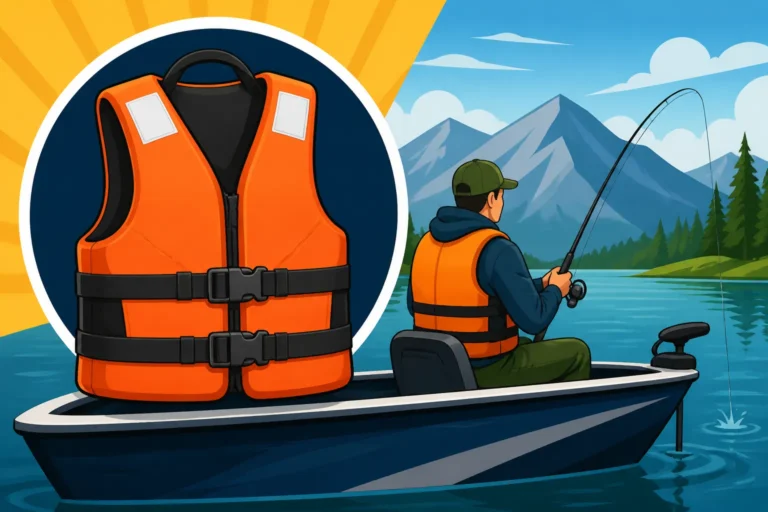
Having your Pleasure Craft License and PCOC in order is fundamental, but they are just two pieces of the broader puzzle of safe boating. Transport Canada mandates that certain safety equipment be carried on board all pleasure craft, and this checklist is crucial for your safety and to avoid fines. For any motorized boat, regardless of size, you must have a sufficient number of Canadian-approved life jackets or personal flotation devices (PFDs) for everyone on board. It’s not enough to have them; they must be readily accessible and in good condition. You can find excellent options for various sizes and comfort levels on Amazon, ensuring everyone from the smallest child to the largest adult is covered.
Beyond PFDs, your boat needs a sound-signaling device (like a whistle or horn), a bailing device (bucket or pump), and navigation lights if you operate between sunset and sunrise or in periods of restricted visibility. Depending on the size of your boat and engine, you might also need a fire extinguisher, magnetic compass, and a re-boarding device. Regularly check the expiry dates on safety flares or fire extinguishers. These items aren't just for compliance; they are potentially life-saving tools. For a detailed list, consult the Alberta required boat safety equipment checklist and make sure every item is accounted for before you leave the dock. A small investment in a marine safety kit, readily available online or at local outdoor retailers, can cover many of these requirements.
Planning Your Fishing Trip with Regulations in Mind
Alberta offers an incredible diversity of fishing experiences, from the cold, clear trout streams of the Rockies to the vast, walleye-filled lakes of the prairies. However, each area and species often comes with its own unique set of rules. Smart anglers combine their knowledge of general boating regulations with specific fishing regulations to plan a successful and legal trip. Before you head out, always consult the current Alberta Fishing Regulations Explained guide. This document details everything from open seasons and bag limits for different species, such as Alberta Walleye Limit by Zone or Alberta Northern Pike Limit, to specific lure restrictions or catch-and-release only waters.
Consider the interplay of these rules. If you're planning to fish a river with special barbless hook requirements, ensure your tackle box is equipped accordingly. If you're heading to a lake with a slot limit for walleye, make sure you understand how to properly measure and release fish. Always check the specific zone your chosen fishing spot falls into, as seasons and limits can vary dramatically across the province. Tools like the MyWildAlberta app can be invaluable for real-time access to regulations and zone maps. By cross-referencing your PCL, PCOC, fishing license, and the relevant fishing regulations, you can embark on your angling adventure with confidence and peace of mind.
Boating Etiquette and Environmental Responsibility
Being a responsible boater and angler in Alberta extends beyond simply adhering to licenses and safety gear; it encompasses a strong sense of etiquette and environmental stewardship. When you're out on the water, remember that you’re sharing it with others – other anglers, kayakers, swimmers, and wildlife. Minimize your wake when near shore, around other boats, or in designated slow zones to prevent erosion and avoid disturbing others. Always give other boats and shorelines a wide berth, particularly when operating at speed.
Environmental responsibility is paramount. Never litter; pack out everything you pack in, and perhaps even a little extra if you find trash left by others. Be mindful of fuel spills and ensure your engine is well-maintained to prevent pollution. Crucially, take steps to prevent the spread of aquatic invasive species, such as zebra mussels or whirling disease. Always "Clean, Drain, Dry" your boat, trailer, and fishing gear after each outing, especially when moving between different bodies of water. This simple habit protects Alberta's precious aquatic ecosystems. By practicing good etiquette and prioritizing environmental care, we ensure that Alberta's beautiful waters remain healthy and enjoyable for generations of anglers to come.
| Feature | Pleasure Craft License (PCL) | Pleasure Craft Operator Card (PCOC) |
|---|---|---|
| What it is | Identification for the vessel | Proof of competency for the operator |
| Issued by | Transport Canada | Transport Canada accredited course providers |
| Requirement for | Most motorized vessels 10 HP (7.5 kW) or more | All operators of motorized vessels, regardless of engine size |
| Cost | Free | Varies by course provider (typically $50-$100) |
| Validity | 10 years (requires renewal) | Lifetime (no renewal required) |
| Information Display | License number displayed on both bows of the boat | Card carried onboard by the operator |
| Purpose | Vessel identification for search & rescue, law enforcement | Ensures operator has basic knowledge of safe boating rules and practices |
Disclaimer
The information provided in this guide is for general informational purposes only and does not constitute legal advice. While we strive to keep the information up-to-date and correct, regulations can change. Always refer to the official Transport Canada website and the current Alberta Guide to Sportfishing Regulations for the most accurate and up-to-date information regarding Pleasure Craft Licenses, Pleasure Craft Operator Cards, and all other boating and fishing regulations in Alberta. Compliance with all applicable laws is the responsibility of each individual boater and angler.