Alberta fishing license reciprocity with Montana boundary waters
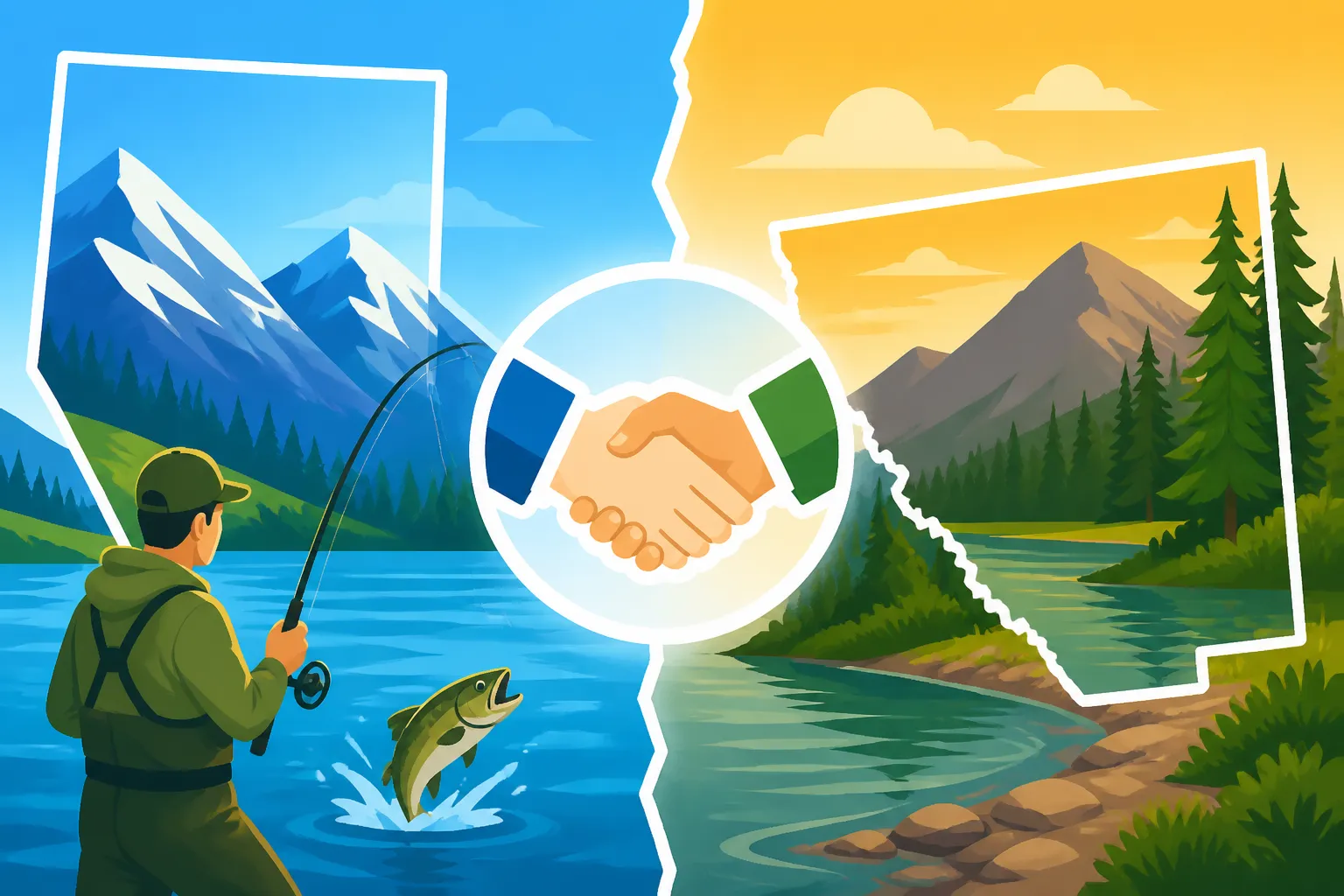
It's a common dream for many anglers, especially those living near the Alberta-Montana border: to cast a line freely across those stunning, fish-rich waters without needing to juggle two sets of rules and licenses. The thought of seamless fishing, moving from one side to the other, often crosses our minds. However, the reality of Alberta fishing license reciprocity with Montana boundary waters is a bit more complex, and frankly, often disappointing for those hoping for a simple solution. This guide will unravel the specific requirements and considerations for anglers looking to fish waters straddling these two jurisdictions.
The Reality of Cross-Border Fishing Licenses
When you're standing on the banks of a river that flows between two distinct governmental bodies, whether it's provincial/state lines or international borders, it's natural to wonder if your fishing license from one side is valid on the other. Unfortunately, for most general fishing licenses between Alberta and Montana, the answer is usually a clear "no." There isn't a widespread, blanket reciprocity agreement that allows an Alberta resident with an Alberta license to fish Montana waters, or vice-versa, without purchasing a separate license. This can be a frustrating reality for anglers who simply want to enjoy the shared resources.
Why Reciprocity is Rare
The lack of broad reciprocity isn't due to a lack of goodwill, but rather the practicalities of wildlife management, funding, and legal frameworks. Each jurisdiction, in this case, Alberta and Montana, operates its own fisheries management programs, funded by the sale of hunting and fishing licenses. These funds go towards conservation efforts, stocking programs, habitat restoration, and enforcement. If licenses were fully reciprocal, it would be incredibly difficult to track where the revenue should go, and each entity would essentially be losing out on potential funding for its own programs.
Think about it: Alberta's Environment and Protected Areas (through MyWildAlberta) sets its own Alberta Fishing Regulations Explained, specific to our province's unique ecosystems and fish populations. Montana's Fish, Wildlife & Parks does the same for their state. Their goals might align, but their methods, regulations, and funding structures are distinct. This fundamental difference means that a fishing license is essentially a permit to participate in that specific jurisdiction's managed fishery.
What No Reciprocity Means for Anglers
For you, the angler, this means that if you plan to fish any body of water that crosses the Alberta-Montana border, you will almost certainly need to purchase a valid fishing license for each jurisdiction you intend to fish in. Even if you're only casting from the Alberta side into what appears to be a continuous stretch of water, if your line or lure crosses into Montana waters, you could be in violation of their laws if you don't hold a Montana license. This isn't just a hypothetical scenario; wildlife officers on both sides are diligent in protecting their resources. It means more paperwork and more expense, but it's the only way to ensure you're fishing legally and supporting the conservation efforts on both sides.
Specific Border Waters and Their Licensing Requirements
While there isn't general reciprocity, it's crucial to look at the specific waterways that actually cross or form the boundary between Alberta and Montana. The most notable example is a section of the Milk River, and there are also considerations around the Waterton Lakes area, although their primary fishing waters are generally contained within their respective national/provincial parks.
The Milk River: A Unique Cross-Border Challenge
The Milk River is perhaps the most direct example of a shared waterway between Alberta and Montana. Originating in Montana, it flows north into Alberta, where it makes a loop through southern Alberta before flowing back into Montana to eventually join the Missouri River. This unique geographical feature presents a clear scenario where anglers might encounter cross-border licensing questions.
- Fishing the Alberta section of the Milk River: If you're fishing the stretch of the Milk River within Alberta, you absolutely need a valid Alberta fishing license, along with your Alberta WIN Card, Explained. All Alberta regulations for species, limits, and seasons apply to this section. You cannot use a Montana license to fish here.
- Fishing the Montana section of the Milk River: Conversely, if you venture across the border to fish the Milk River in Montana, you will need to purchase a valid Montana fishing license. Montana has its own set of license types, including non-resident options, and you'll need to familiarize yourself with their specific regulations, which can differ significantly from Alberta's.
It's vital to know precisely where you are on the river. GPS devices or fishing apps can be incredibly helpful for identifying the international boundary. Imagine you're fishing near Coutts, Alberta, and decide to follow the river south into Montana. The moment you cross that invisible line, your Alberta license becomes invalid for fishing on the Montana side.
Waterton Lakes Area
The Waterton-Glacier International Peace Park encompasses Waterton Lakes National Park in Alberta and Glacier National Park in Montana. While the main lakes like Upper Waterton Lake do straddle the international border, the regulations for fishing within the national park boundaries are typically handled by the park authorities themselves, in conjunction with provincial/state rules.
- Waterton Lakes National Park (Alberta side): To fish in the Alberta section of Waterton Lakes National Park (including Upper Waterton Lake, Middle Waterton Lake, and Lower Waterton Lake), you will need an Alberta fishing license and a National Park fishing permit. These permits are typically purchased directly from Parks Canada. The Alberta regulations will generally apply, but always check park-specific rules.
- Glacier National Park (Montana side): To fish in the Montana section of Glacier National Park (including the Montana portion of Upper Waterton Lake), you'll need a Montana fishing license and a Glacier National Park fishing permit. Again, park-specific regulations will apply in addition to state rules.
Even though it's one continuous body of water, the jurisdictional divide is still very much in effect. This area is a prime example of needing to be doubly prepared: a license for the province/state, and a permit for the national park.
Navigating Licensing Requirements for Both Sides
Since a single license won't cut it, let's break down what you'll need to do if you plan on fishing in both Alberta and Montana. It requires a bit of planning, but it's entirely manageable.
Obtaining an Alberta Fishing License
For those living in Alberta or visitors coming to fish our beautiful waters, getting an Alberta license is straightforward.
- Get a WIN Card: Your Wildlife Identification Number (WIN) card is essential. It's a one-time purchase that acts as your angler profile. You can get your Alberta WIN Card Activation Fee, Explained online through the MyWildAlberta portal.
- Purchase Your License: Once you have your WIN card, you can purchase your annual, 1-day, or 7-day fishing license. The Alberta Fishing License Age Requirements stipulate that most residents aged 16 to 64 need a license. Options like the Alberta resident fishing license cost 2026 are clearly outlined on the MyWildAlberta website. Non-residents, including those from Montana, will need to purchase a non-resident license. You can easily learn How to Buy an Alberta Fishing License Online or visit an authorized vendor.
- Review Regulations: Before hitting the water, always consult the current Reading the Alberta Guide to Sportfishing Regulations. This guide details all zone-specific rules, bag limits (like the Alberta Walleye Limit by Zone or Alberta Northern Pike Limit), seasons (such as Alberta Trout Season Opener Dates by Zone), and gear restrictions.
Obtaining a Montana Fishing License
If you're an Albertan looking to fish in Montana, or a Montana resident planning to fish your side of the border, here’s a general overview of what you'll need.
- Montana Conservation License: Similar to Alberta's WIN card, Montana requires a Conservation License as a base. This is an annual purchase.
- Non-Resident Fishing License: As an Albertan, you would be considered a non-resident in Montana. Montana offers various non-resident fishing license options, including annual, 2-day, or 10-day licenses. These are generally more expensive than resident licenses, which is common practice. You can purchase these online through Montana Fish, Wildlife & Parks' website or from authorized vendors in Montana.
- Additional Endorsements: Depending on what and where you plan to fish, Montana might require additional stamps or endorsements. For instance, specific trout stamps might be needed for certain waters. Always verify these requirements based on your target species and location.
- Understand Montana Regulations: Just as with Alberta, Montana has a comprehensive set of regulations. These will cover everything from fishing license reciprocity on the Milk River with Montana (which essentially means none for the whole state) to specific Alberta Walleye Special Harvest Licence Program equivalent rules (if applicable to their management) for different species and waters. Seasons can vary greatly, as can bait and gear restrictions. It's not uncommon to find rules like "fly fishing only" on certain rivers, or specific slot limits for prized species.
It's a good idea to purchase your Montana license and review their regulations before you even leave Alberta. That way, you're prepared and can ensure you have any necessary gear or understanding of the rules. For example, if you realize you need a specific type of lure that's hard to find in local shops, checking on Amazon might yield some quick solutions before you embark on your trip.
Key Differences in Regulations to Watch Out For
Beyond just the license, the varying regulations between Alberta and Montana are where many anglers can inadvertently run into trouble. Assuming that the rules are similar because the fish are similar is a common pitfall. Always, always check the current regulations for the specific body of water and jurisdiction you are fishing.
Seasons and Openers
While spring might signify the opening of trout season in some Alberta waters, Montana's openers could be earlier, later, or even year-round on certain rivers. For example, if you're targeting trout, Alberta has distinct Alberta Trout Season Opener Dates by Zone, but Montana might have different dates or even "catch-and-release only" periods that don't align. Missing these differences can lead to significant fines.
Bag and Possession Limits
Species limits are another area of considerable difference. The number of walleye, pike, or trout you can keep can vary dramatically. Alberta has specific Alberta Bag and Possession Limits by Species, like a strict zero possession rule for bull trout in most areas. While Montana may also have conservation rules for native species, their specific numbers will likely differ. It’s not just about what you keep, but also how many you possess on your person or in your vehicle.
Consider a scenario where Alberta allows you to keep three Northern Pike, but just across the border, Montana has a one-pike limit, or even a slot limit where only fish within a certain size range can be kept. Transporting fish caught on one side across the border, even if legal where caught, can also have implications if not declared or if limits differ.
Gear and Bait Restrictions
Both jurisdictions implement rules about what kind of gear and bait you can use.
- Barbless Hooks: Many of Alberta's sensitive trout streams, especially in the mountains, mandate Alberta Barbless Hook Requirement Waters to protect native fish populations. Montana also has similar requirements on some of its blue-ribbon trout streams. Fishing with barbed hooks where they are prohibited, even accidentally, is a violation.
- Bait Restrictions: Alberta has many "flies-only" or "artificial lures only" regulations, particularly in trout streams. Live bait is often heavily restricted in many waters to prevent the spread of aquatic invasive species. Montana has similar concerns and rules. Always check if minnows, worms, or other organic baits are allowed in the specific water body you're targeting. Using unauthorized bait can harm the ecosystem and lead to fines.
- Aquatic Invasive Species (AIS) Prevention: Both Alberta and Montana are incredibly serious about preventing the spread of aquatic invasive species like Zebra and Quagga mussels. If you're transporting a boat or even just a kayak or waders between the two jurisdictions, you must follow stringent "Clean, Drain, Dry" protocols. Montana has mandatory inspection stations for boats, and failing to stop can result in severe penalties. Even your fishing boots and waders can carry microscopic invaders, so always give them a thorough cleaning and drying. Keeping a small spray bottle of diluted bleach and a brush in your vehicle, easily found on Amazon, can be incredibly helpful for cleaning gear before moving between different water bodies.
National Park Regulations
As mentioned, fishing within the national parks (Waterton and Glacier) adds another layer of regulation. These parks often have their own specific rules on top of provincial/state laws regarding seasons, catch limits, and even types of fishing allowed. For instance, some areas might be entirely closed to protect spawning fish or sensitive habitats. Always check with Parks Canada (for Waterton) or the National Park Service (for Glacier) for the most current information.
Enforcement
Fisheries officers and park wardens on both sides are well-versed in their respective regulations and have the authority to enforce them. They are often present on popular cross-border waterways. Ignorance of the law is never an excuse. A simple mistake, like misjudging the border or not realizing a specific bait is prohibited, can lead to fines, confiscation of gear, and even loss of future fishing privileges. It's always better to be over-informed and overly cautious than to risk a negative encounter.
By understanding that reciprocity is generally non-existent and by taking the time to acquire the necessary licenses and diligently review both Alberta's and Montana's regulations, you can ensure a legal, enjoyable, and conservation-minded fishing experience on these beautiful shared waters.
Disclaimer
The information provided in this guide is for general informational purposes only and does not constitute legal advice. Fishing regulations and licensing requirements are subject to change without notice. Always consult the official government websites for Alberta Environment and Protected Areas (MyWildAlberta) and Montana Fish, Wildlife & Parks for the most current and accurate regulations before engaging in any fishing activities.