Best time to nymph for trout on the Bow River
The Bow River in Alberta is legendary for its trout fishing, but knowing when and how to maximize your chances, especially with nymphing, can feel like a secret code. Many anglers get frustrated trying to time their trips perfectly, wondering if they're missing out on the best subsurface action. This comprehensive guide is here to unravel those mysteries, helping you understand the prime times for nymphing success on the Bow River throughout the year.
Understanding the Bow River's Nymphing Opportunities
Nymphing is, without a doubt, one of the most effective ways to catch trout on the Bow River, and truly, on most trout streams. It involves presenting artificial flies that imitate the immature stages of aquatic insects – think stoneflies, mayflies, and caddis – that live on the riverbed. Trout spend the vast majority of their lives feeding subsurface, often on these very nymphs, making this technique incredibly productive.
Why Nymphing is So Effective on the Bow
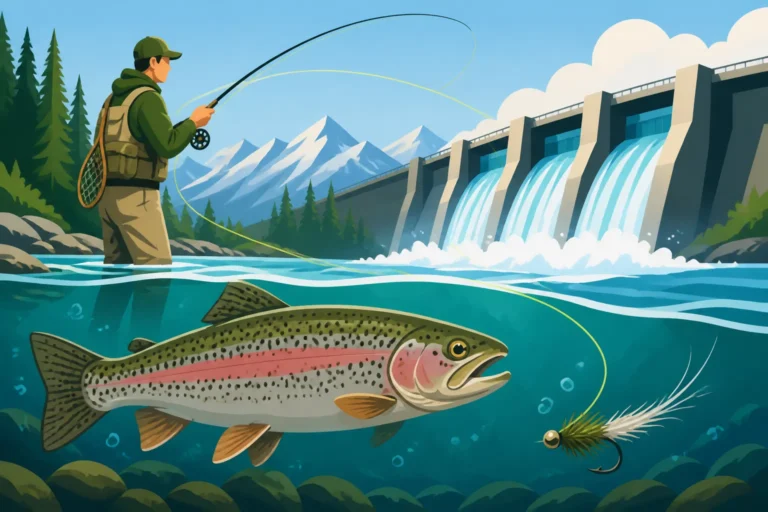
The Bow River is a highly fertile, nutrient-rich tailwater, meaning its waters flow from the bottom of a dam (the Bearspaw Dam, which creates Ghost Lake upstream). This consistent flow and relatively stable water temperature create an ideal environment for a huge diversity and abundance of aquatic invertebrates. Trout, especially the large, healthy rainbows and brown trout the Bow is famous for, become very accustomed to feeding on these bugs as they drift along the river bottom.
Unlike dry fly fishing, which relies on trout rising to insects on the surface during specific hatches, nymphing allows you to target fish that are continuously feeding in their natural comfort zone. Even when there are no visible hatches, trout are still actively munching on nymphs. This makes nymphing a consistent and reliable method, often yielding more fish, and often larger fish, than purely surface presentations, especially when fished correctly. The sheer biomass of aquatic insects available year-round makes nymphing an angler's best friend.
Seasonal Variations and Their Impact
The Bow River is not a static environment; its character changes dramatically with the seasons, and these shifts have a direct impact on when and how trout feed, and thus, when nymphing is most effective. Water temperature, flow rates, and the lifecycle of aquatic insects all play critical roles.
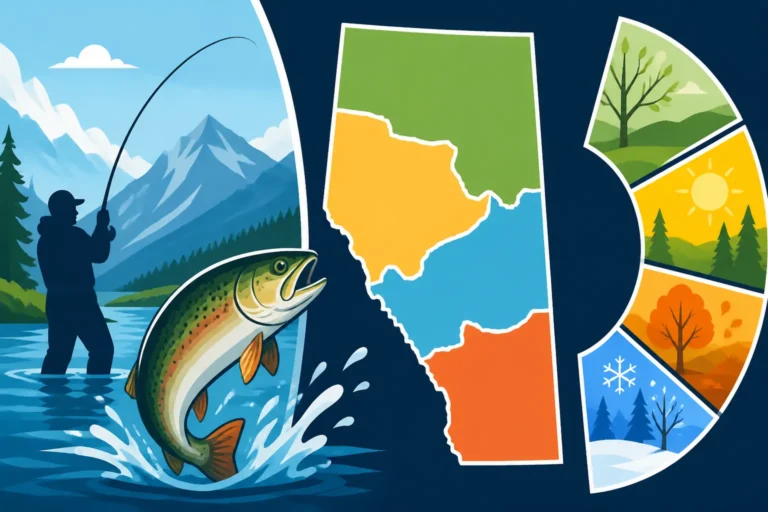
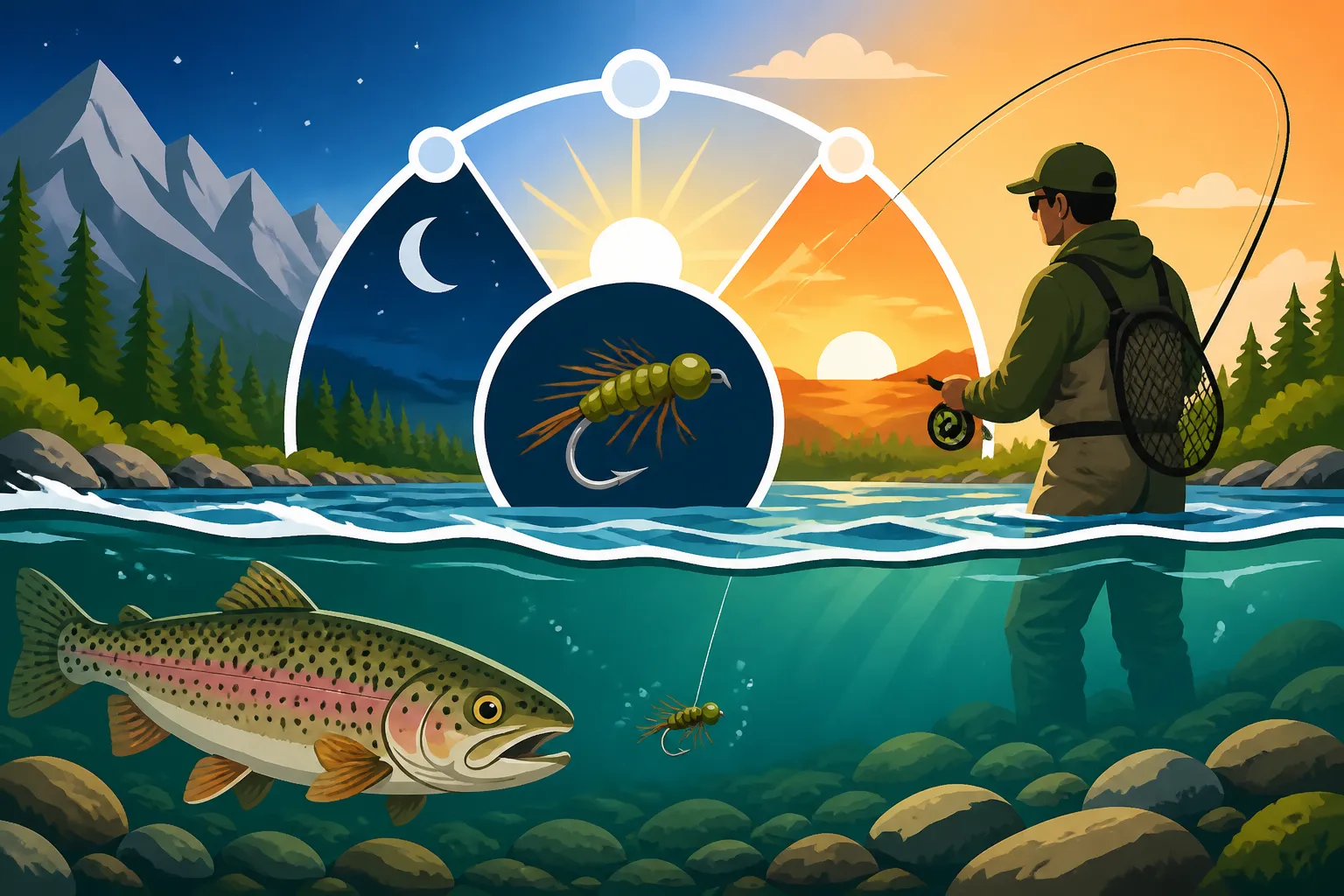
In spring, you'll see rising flows and potentially some murky water from snowmelt. Summer brings warmer temperatures, prolific hatches, and often lower, clearer water later in the season. Fall sees cooling temperatures, decreasing flows, and fish fattening up before winter. Winter, of course, means cold, often clear, and low water conditions. Each of these periods presents unique challenges and opportunities for the nymph angler. Understanding these cycles is key to picking the right time and technique for success. For a broader perspective on timing your trips, check out our guide on the Best Time of Year to Fish in Alberta.
Prime Times for Nymphing Success on the Bow River
While nymphing can be productive almost any day of the year on the Bow, certain windows offer exceptional opportunities due to specific environmental conditions and fish behavior.
Spring: Pre-Runoff and Early Season Feasting
Spring on the Bow River can be a tale of two distinct periods: the pre-runoff cold water phase and the early post-runoff clear water phase.
Pre-Runoff (March to mid-May): This is a fantastic time for nymphing. The river is typically still quite cold but generally clear, and flows are relatively stable before the major snowmelt begins. Trout, after a long winter, are becoming more active and are incredibly hungry. They're looking for substantial meals to regain energy. Larger stonefly nymphs, like the golden stone and skwala imitations, as well as hefty caddis larvae, are excellent choices. During this period, trout tend to hold in slower, deeper runs and eddies where they don't have to expend too much energy fighting current. A deeper nymph rig with some weight to get down to them is crucial.
Early Post-Runoff (Late May to early June): The true spring runoff from mountain snowmelt can make the river high and turbid, often making fishing difficult or even dangerous. However, once the peak runoff subsides and the water begins to drop and clear, the fishing can explode. This is a shorter window, but immensely rewarding. The river is flushing out tons of dislodged nymphs, worms, and other food items, and trout go on a feeding frenzy. Large stoneflies, caddis, and even San Juan Worms (imitating aquatic worms dislodged by the high water) are extremely effective. Focus your efforts on the edges of the main current, seams, and areas where the water starts to slow down, as fish will be pushed out of the fastest flows and congregating where food delivery is consistent. Our guide on Spring Trout Fishing Techniques for Alberta Streams offers more insights into this exciting time.
Summer: Subsurface Strategies During Hatches
Summer (June to August) on the Bow River is synonymous with incredible dry fly fishing, as countless insect hatches bring trout to the surface. However, don't make the mistake of abandoning your nymphs! Even during the most prolific hatches, trout still consume the vast majority of their food subsurface.
Often, you'll find trout feeding on nymphs before a hatch begins, or between rises. On bright, sunny days when trout might be less willing to rise to a dry fly, nymphing remains a consistent producer. During midday lulls, or when fish are being particularly selective, a well-presented nymph can be the key. Small mayfly nymphs (like Baetis or PMD imitations), caddis larvae, and even terrestrial nymphs (like beetle or ant patterns that imitate drowned insects) can be highly effective. Consider fishing a "dry-dropper" rig, where a buoyant dry fly acts as your strike indicator, suspending a nymph below it. This allows you to cover both surface and subsurface opportunities simultaneously. For specific patterns, consult our page on Fly Patterns for the Bow River.
Fall: Big Trout, Big Meals
Fall (September to November) is arguably the absolute best time for nymphing on the Bow River. The crowds begin to thin out, the autumn colors are spectacular, and, most importantly, the trout are on a mission to pack on weight before winter. Water temperatures begin to cool, making the fish incredibly active and aggressive.
During this period, trout are less wary and will often move aggressively to intercept nymphs. Mayfly hatches like Blue Winged Olives (BWOs) become more prominent, meaning BWO nymph patterns are incredibly effective. Caddis larvae and pupa also remain a staple. Many of the river's largest brown trout begin to stage for their spawn in late fall, and they are especially vulnerable to larger nymph patterns, including stoneflies and even egg patterns, as they become increasingly opportunistic. Fish in the deeper pools, runs, and current seams, and be prepared for strong takes. Targeting these hungry, powerful fish can lead to some truly memorable angling experiences. Our article on the Best Months to Catch Trout on the Bow River provides additional seasonal details.
Winter: The Subtle Art of Cold-Water Nymphing
Winter (December to February) on the Bow River is a season for dedicated nymph anglers. While fair-weather fishermen might pack away their gear, those willing to brave the cold often find themselves with stretches of river almost entirely to themselves, and the chance at some truly impressive fish.
The river is typically at its lowest and clearest during winter. Water temperatures are frigid, so trout become sluggish and conserve energy. This means they won't move far for a meal. Your nymphing technique needs to be precise and subtle. Small, heavily weighted patterns are key, such as tiny midge larvae and pupae (chironomids), small Baetis nymphs, and even tiny caddis larvae. The presentation must be slow and deliberate, getting the flies right on the bottom in the slowest, deepest parts of the river. Fish congregate in these winter holding lies, often in deep pools, eddies, and tailouts. Detecting subtle strikes can be challenging, so a sensitive rod and a good strike indicator are paramount. While it requires patience and specific tactics, winter nymphing can yield surprisingly large and healthy trout.
Key Factors Influencing Nymphing Success
Beyond just the season, several other factors dramatically influence how successful your nymphing efforts will be on the Bow River. Paying attention to these details can turn a slow day into a productive one.
Water Conditions and Clarity
The clarity and flow rate of the Bow River are perhaps the most critical elements after temperature. Clear, stable water conditions, often found in late summer, fall, and winter, allow for more precise nymphing with lighter tippets and smaller flies. Fish can see your flies well, but they can also see your leader, so stealth is important.
When the water is high or slightly off-color, such as during runoff or after a heavy rain, fish tend to hold closer to the banks and in slower eddies. This is when you can often get away with heavier tippet and larger, darker, or more "buggy" nymph patterns that create a stronger silhouette. Think large stoneflies or San Juan Worms in murky conditions. The slight discoloration can also make fish less wary, allowing for a more aggressive approach. Knowing your way around changing river conditions is essential, and our piece on Wading Techniques for Alberta Trout Rivers can help you navigate varied flows.
Insect Hatches and Imitation
Even though nymphing targets subsurface insects, being aware of what's hatching (or about to hatch) is incredibly important. If you know that Blue Winged Olives are active, you'll want to fish BWO nymph imitations. If caddis are prevalent, caddis larvae and pupa patterns will be your go-to.
The Bow River boasts a rich ecosystem of aquatic insects, including several species of mayflies (Baetis, PMDs, Green Drakes), caddisflies, and stoneflies (Skwalas, Golden Stones). Midges are present year-round, especially in colder months. Having a selection of nymphs that imitate these key insects in various sizes and weights will prepare you for almost any situation. Don't be afraid to experiment! Sometimes, a generic attractor nymph like a Prince Nymph or a Hare's Ear will outperform a precise imitation simply because it looks like a juicy meal to a hungry trout. It's always a good idea to flip over a few rocks in the river to see what nymphs are clinging to them; this can give you a real-time clue about what the trout might be feeding on.
Reading the Water and Presentation
Trout are structure-oriented creatures. They hold in places where they feel safe, where food is delivered to them, and where they can ambush prey with minimal effort. Learning to "read the water" is fundamental to successful nymphing. Look for:
- Seams: Where fast water meets slow water. This is a trout highway for food.
- Current breaks: Boulders, fallen logs, or depressions in the riverbed that disrupt the current.
- Pools: Especially the deeper sections where fish can escape strong currents and find refuge.
- Riffles and runs: Oxygen-rich areas where nymphs are often dislodged.
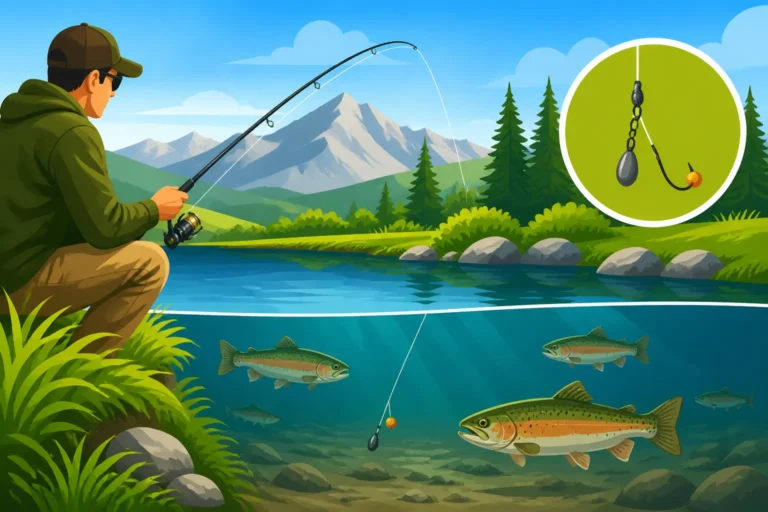
Your presentation needs to be natural and convincing. This typically means achieving a "dead drift" where your nymphs tumble downstream at the same speed as the natural current, free of drag. Use techniques like mending your line upstream to counteract current differences and keep your flies drifting naturally. Euro Nymphing the Bow River is a highly effective technique that emphasizes contact and precise drifts, especially in varied currents.
Essential Nymphing Gear for the Bow River
Having the right tools for the job makes all the difference, especially when you're trying to fool picky trout with tiny subsurface imitations.
Rods, Reels, and Lines
For nymphing on the Bow, a 9 to 10-foot, 5-weight or 6-weight fly rod is generally considered ideal. The extra length helps with line control, roll casts, and high-stick nymphing techniques, allowing for longer, drag-free drifts and easier mending. A longer rod also provides better leverage for fighting the large trout the Bow is known for. You can find excellent options from various brands on Amazon that offer both sensitivity and backbone.
Pair your rod with a reliable reel that has a smooth, adjustable drag. While you might not always be fighting fish on the reel, it's crucial for those times a trophy trout decides to run. A good floating fly line is standard for most nymphing techniques. However, some anglers prefer specialized nymphing lines or even a dedicated Euro Nymphing setup that uses a very thin, level line for maximum sensitivity and control.
Leader and Tippet Setups
Your leader and tippet setup are critical for getting your flies to the fish naturally. A typical leader for nymphing might be 9-12 feet long, tapering down to a 3X or 4X tippet. However, don't be afraid to go longer (up to 15-20 feet) or lighter (5X or even 6X) in clear, low water conditions, especially if fish are spooky. Fluorocarbon tippet is often preferred for nymphing because it's nearly invisible underwater and sinks faster than monofilament. For more details on stealthy presentations, check out our guide on Best tippet material for spooky Bow River trout.
You'll also need some form of strike indicator. There are many options, from foam indicators (like Thingamabobbers) to yarn indicators or even a section of brightly colored leader material. The key is to have an indicator that is sensitive enough to detect subtle takes yet buoyant enough to support your weighted nymphs.
Must-Have Nymph Patterns
When stocking your fly box for the Bow River, consider a range of patterns that imitate the primary food sources. Here’s a quick list of essentials:
- Stonefly Nymphs: Pat's Rubber Legs, Prince Nymph, Girdle Bug, 20 Incher Stone. (Sizes #6-12) – These are great for early season, high water, or targeting large fish.
- Mayfly Nymphs: Pheasant Tail Nymph, Hare's Ear Nymph, Flashback Pheasant Tail, Barr's Emerger, Zebra Midge. (Sizes #12-20) – Crucial year-round, especially for specific hatches like BWOs and PMDs.
- Caddis Larvae/Pupa: Caddis Larva (green, tan), Tungsten Caddis, LaFontaine's Sparkle Pupa. (Sizes #10-16) – Consistent producers, especially in riffles.
- Attractor/Worm Patterns: San Juan Worm, Squirmy Wormy. (Sizes #10-16) – Excellent for high or off-color water, or when fish are highly aggressive.
- Midge Larvae/Pupa: Zebra Midge, Blood Midge. (Sizes #18-24) – Essential for winter and cold water.
You'll want these in various sizes and weights (beadheads or tungsten) to help you get down to the fish in different water depths and currents. It's easy to build up a diverse collection of these patterns on Amazon, ensuring you're ready for any situation on the Bow.
Here’s a summary of nymphing strategies by season:
| Season | Key Nymph Patterns (Examples) | Recommended Sizes | Water Conditions | Trout Behavior | Key Technique Focus |
|---|---|---|---|---|---|
| Spring | Pat's Rubber Legs, Prince Nymph, Caddis | #6-14 | Cold, clear (pre-runoff); High, murky (post-runoff) | Hungry, active after winter; Pushed to edges post-runoff | Deep drifts, heavy rigs; Target seams & eddies |
| Summer | Pheasant Tail, Hare's Ear, Caddis Larva | #12-18 | Moderate flows, varied clarity | Actively feeding, can be selective during hatches | Dry-dropper rigs; Focus on runs & riffles |
| Fall | BWO Nymphs, Prince Nymph, Stoneflies | #8-16 | Cooling temps, clear, stable flows | Aggressive, fattening up for winter; Spawning staging | Covering water, deeper runs; Targeting aggressive takes |
| Winter | Zebra Midge, Blood Midge, Small Baetis | #18-24 | Cold, low, clear | Sluggish, holding in deep, slow water | Subtle drifts, light indicators, precise depth |
Ultimately, nymphing on the Bow River is a nuanced but incredibly rewarding pursuit. By understanding the seasonal changes, the insects available, and refining your presentation, you'll greatly increase your chances of connecting with the magnificent trout that call this river home. Don't forget to grab your essential nymphing tools, perhaps even a new pair of waders from Amazon, and hit the water!
Disclaimer
Fishing conditions and regulations in Alberta can change rapidly. Always consult the most current Alberta Guide to Sportfishing Regulations before heading out. This guide is for informational purposes only and does not supersede official government regulations.