Best time to fish for perch in winter
There's nothing quite like the crisp, quiet solitude of ice fishing, but let's be honest, trying to pinpoint the absolute "best time" to catch yellow perch through a hole in the ice in Alberta can feel like a guessing game. Many of us have spent hours staring down an auger hole, wondering if we picked the wrong day, the wrong time, or even the wrong hour. It’s a common frustration, especially when those active schools seem to vanish into thin air. This guide is here to unravel the mysteries of winter perch behavior, helping you understand when and where to drop your line for the most rewarding days on the ice.
Understanding Winter Perch Behavior Under the Ice
When the lakes and ponds across Alberta freeze over, the world beneath the surface transforms, and so do the habits of yellow perch. These panfish are highly social, typically moving in schools, and their activity levels are largely dictated by water temperature, available light, and food sources. They’re not just swimming aimlessly; they're actively seeking comfort and sustenance, making their movements predictable once you understand their winter patterns.
Early Ice vs. Mid-Winter vs. Late Ice Perch Patterns
The winter season isn't a monolithic block; it has distinct phases, and perch adjust their behavior accordingly. Knowing these shifts is crucial for timing your fishing trips.
- Early Ice (December – Early January): This is often considered one of the best times for aggressive perch action. As soon as the ice is safe, usually around 4-6 inches thick, perch are often still relatively shallow, feeding actively. They haven't been pressured much, and oxygen levels are usually still high. You'll find them around green weed lines, submerged structures, and transition areas where shallow water drops off into deeper basins. Think of them as still exploring the buffet before the winter doldrums set in. Many anglers target areas close to summer hotspots during this period, as the fish haven't moved far yet. You might find lively schools on places like Pigeon Lake or Gull Lake, actively chasing bait.
- Mid-Winter (Late January – February): This can be the most challenging period. The ice is thick, snow cover is often deep, and light penetration into the water column is minimal. Oxygen levels can start to deplete in shallower, heavily vegetated areas, pushing fish to deeper, more stable environments. Perch become lethargic and less willing to chase. They'll often school up very tightly in deeper holes, along major drop-offs, or near submerged humps and reefs. You'll need to be right on top of them, and your presentation needs to be subtle. This is when a good fish finder really shines, helping you locate those tight-lipped schools. Patience and persistence are key, and often, smaller, more natural presentations will out-fish aggressive jigging. This is when many anglers start looking for them in the deeper sections of Lesser Slave Lake or even specific areas of Cold Lake.
- Late Ice (March – Ice Out): As spring approaches, often indicated by longer daylight hours and melting snow, perch activity picks up significantly. This is another prime time, rivalling early ice. The longer days mean more light penetrates the water, stimulating plankton blooms and increasing oxygen levels. Perch start to move shallower again, preparing for their spring spawn. They become much more aggressive, feeding heavily to build up energy. You'll find them cruising shallower flats, near emerging green weeds, and along shorelines where runoff might bring in new nutrients. This is when you can really hit a hot bite, with fast and furious action, especially in systems that have good current or shallow bays. The last few weeks of the season can be incredibly productive, with many anglers reporting their biggest perch hauls during this time.
Depth and Structure Preferences of Winter Perch
Perch are rarely found suspended in open water without reason. They are structure-oriented fish, always seeking cover, ambush points, or areas where their food congregates.
- Weed Lines: Even under ice, healthy green weeds provide oxygen, cover, and a nursery for small invertebrates that perch feast on. Look for the deepest green weed edges, as these will hold fish longer into winter. As the winter progresses and shallow weeds die off, perch will migrate to the healthiest, deepest weed growth.
- Drop-Offs and Contours: Perch often stage along breaks, using them as highways between deep water comfort and shallower feeding grounds. A sharp drop-off can hold fish at various depths, allowing them to move up or down with changing conditions. Mapping out these contours with a good lake map or a GPS-enabled fish finder is invaluable.
- Humps and Reefs: Submerged humps, rock piles, or old foundations provide vertical structure that perch love. These high spots act as magnets for baitfish and offer perch vantage points for ambushing prey. Fishing all sides and depths of a hump can reveal where the active schools are holding.
- Mud Flats and Soft Bottoms: While less exciting than weeds or rocks, large, soft-bottomed flats can hold vast schools of perch, especially in mid-winter. These areas often contain insect larvae and other invertebrates that perch will root out. You might not see them on sonar if they're hugging the bottom, but a sensitive rod will tell you when you're in the right spot.
Prime Times for Perch Activity on the Ice
Beyond the general winter phases, specific daily factors play a huge role in when perch decide to bite. It's not just about the month, but often the hour and even the weather.
Time of Day
Like many fish, perch have peak feeding times that align with their natural instincts and environmental factors.
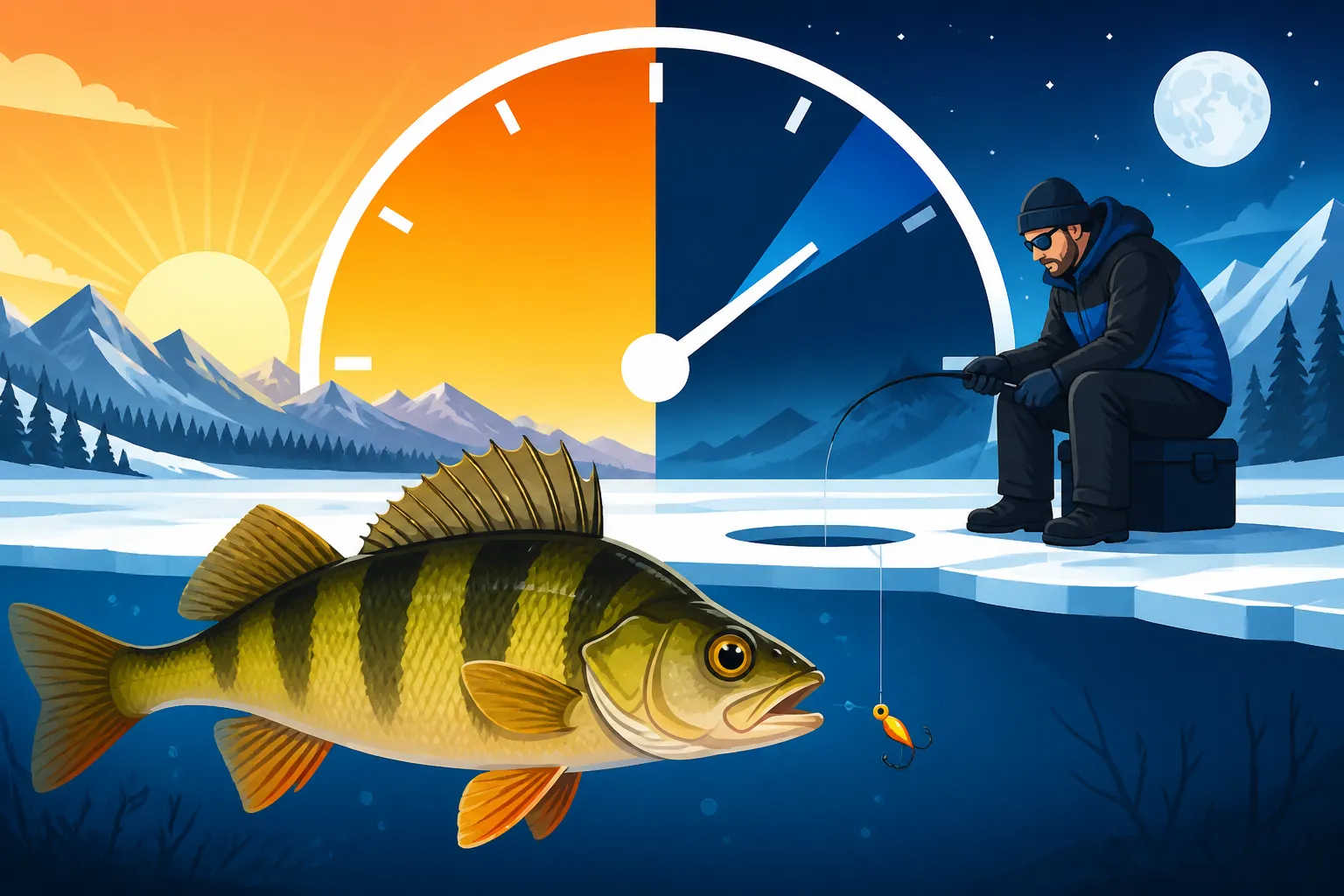
- Dawn and Dusk: These are classic "golden hours" for many fish species, and perch are no exception. Low light conditions give perch an advantage over their prey, making them more confident in venturing out to feed. The first hour after sunrise and the last hour before sunset often see the most intense feeding frenzies. If you're planning a full day on the ice, make sure you're set up and ready to fish during these periods. Many dedicated perch anglers brave the cold to be on the ice before first light and stay until the stars are out.
- Mid-Day Lulls: While not always completely unproductive, mid-day (typically 10 AM to 3 PM) can be slower, especially during mid-winter. With higher light penetration, perch may retreat to deeper water or denser cover. However, if conditions are overcast or there's significant snow cover on the ice, mid-day can still be productive. In late winter, as fish become more active, the mid-day bite can often be just as strong as dawn or dusk. It really pays to pay attention to the specific day's light conditions.
- Night Fishing (less common for perch): While some anglers successfully target walleye or burbot at night, perch are primarily visual feeders and typically become inactive after dark. It's rare to have a hot perch bite at night, so focus your efforts during daylight hours. If you're out there anyway for other species, you might pick up an occasional perch, but don't count on it as a primary strategy.
Weather and Barometric Pressure
The weather above the ice has a direct impact on the fish below. Ignoring it is a mistake many anglers make.
- Stable High Pressure (Sunny, Calm): After a few days of stable high pressure, fishing can be excellent. The fish have had time to adjust, and a consistent environment often means consistent feeding. While bright sun can push fish deeper, a steady high-pressure system generally correlates with active fish.
- Falling Barometer (Approaching Storm): A rapidly falling barometer, often preceding a snowstorm or major front, can trigger a short but intense feeding window. Fish seem to sense the change and feed aggressively before the weather hits. If you see the barometer dropping, it might be a good time to hit the ice, even if the skies look threatening.
- Rising Barometer (Post-Storm, Clear Skies): Immediately after a major front passes and the barometer is rising rapidly, fishing can be tough. The fish are often scattered and lethargic, recovering from the weather change. It can take a day or two for them to stabilize and resume normal feeding patterns.
- Overcast Days: Often preferred for perch fishing. Overcast skies reduce light penetration, making perch feel more secure and less wary in shallower water. These days can lead to a sustained bite throughout the day, rather than just during dawn and dusk windows.
- Windy Conditions: While not directly affecting the fish below, strong winds can make fishing uncomfortable and challenging for anglers. It can make delicate presentations difficult and increase heat loss in your shelter. Always dress appropriately and consider a portable ice fishing shelter to combat the wind.
Finding the Schools
Knowing when to go is one thing, but knowing where to drill your holes is another. Perch are schooling fish, meaning if you find one, there are likely many more nearby.
- Electronics are Key: A good flasher or fish finder is your best friend. It allows you to see fish, your lure, and the depth in real-time. Brands like Humminbird or Garmin offer excellent portable units that are indispensable for ice fishing. You can often find great deals on these during the off-season or even on platforms like Amazon. Seeing those tell-tale red or green marks on your flasher indicating a school is a huge morale booster and a time-saver.
- Drill, Drill, Drill: Don't be afraid to be mobile. If you're not getting bites within 15-20 minutes in a spot, move! Perch schools can be nomadic. Drill a series of holes in a grid pattern or along a contour line until you locate active fish. Remember to always check ice thickness as you move, especially in unfamiliar areas.
- Follow the Crowds (Sometimes): While solo adventures are great, sometimes observing where other successful anglers are concentrating their efforts can give you a clue. However, don't just set up right on top of them; try to understand why they're there – is it a certain depth, a weed line, or a point? Then look for similar features nearby that might hold an untouched school.
Gear and Techniques for Winter Perch Success
Even at the "best time," having the right tools and knowing how to use them makes all the difference. Perch, while often eager, can be surprisingly finicky.
Rods, Reels, and Line
Sensitive gear is paramount for detecting the subtle bites of winter perch.
- Ultralight Rods: A 24 to 30-inch ultralight or light action ice rod with a sensitive tip is ideal. The light tip allows you to see even the slightest tap, which might be all a lethargic perch offers. A graphite rod will transmit these subtle bites better than fiberglass.
- Small Spinning Reels: Pair your rod with a small spinning reel (500 or 1000 size) that has a smooth drag. A good drag is important even for smaller fish, preventing line breaks on a sudden surge, especially in colder temperatures.
- Light Line: Four to six-pound test monofilament or fluorocarbon line is usually sufficient. Some anglers prefer a very thin braided line (4-6 lb test) with a 2-4 foot fluorocarbon leader for maximum sensitivity and minimal stretch. Fluorocarbon is also nearly invisible underwater, which can be an advantage in clear ice conditions common in Alberta's mountain lakes.
Baits and Lures
Variety is the spice of life, and that holds true for perch baits.
- Jigging Spoons: Small jigging spoons (1/16 to 1/8 oz) like the Northland Forage Minnow, Swedish Pimple, or various Rapala Jigging Raps are incredibly effective. Tip them with a small piece of live bait (magnum or wax worm, minnow head) for added attraction. Flashy colors can work, but natural baitfish patterns often excel.
- Soft Plastics: Tiny soft plastic baits, often referred to as "plastics" or "micro-plastics," fished on small jig heads are deadly. Sizes from 1 to 2 inches in minnow, grub, or worm profiles are excellent. Experiment with colors, but chartreuse, white, pink, and natural tones are perennial favorites. You can find a huge selection of these plastics on Amazon, making it easy to stock up.
- Live Bait: There's no denying the effectiveness of live bait. Maggots (especially "magnums"), wax worms, and small minnows or minnow heads are irresistible to perch. Rig them on a small hook under a bobber (tip-up style for passive fishing) or tipped on a jig. Make sure your live bait is kept warm enough to remain lively.
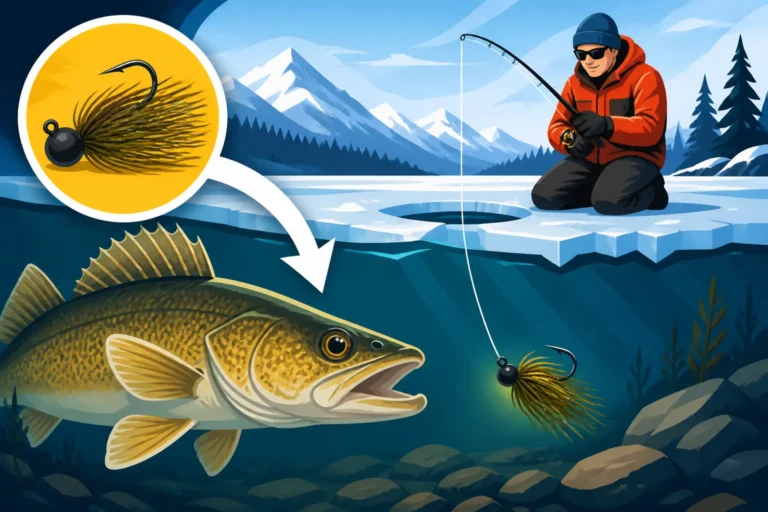
- Tungsten Jigs: Small tungsten jigs (1/16 to 1/32 oz) in various shapes and colors are also fantastic, especially when fish are finicky. Tungsten is denser than lead, allowing for a smaller profile jig that still gets down quickly. Tip these with a wax worm or a few maggots.
Essential Ice Fishing Accessories
Beyond your rod and reel, certain accessories make your perch fishing trips safer and more enjoyable.
- Ice Auger: A good auger is non-negotiable. Whether it's a hand auger, a gas-powered auger, or a popular electric auger like the Eskimo ION, make sure it's sharp and efficient. Drilling lots of holes is key to finding active schools. For specific recommendations, check out a guide on the Best Ice Auger for Alberta Lakes
- Portable Ice Fishing Shelter: These shelters, often called "huts" or "shacks," provide protection from the wind and cold, dramatically increasing your comfort and extending your time on the ice. A dark interior also helps you see your line better against the ice hole. Look into a guide on the Best Ice Hut for Alberta Lakes for options.
- Fish Finder/Flasher: As mentioned, electronics are crucial for locating schools and understanding their behavior. They tell you depth, show fish activity, and even let you see your lure presentation.
- Pail/Seat: A simple five-gallon pail is essential. It serves as a seat, carries your gear, and can be used to hold your catch.
- Ice Scoop: Keep your holes free of slush and ice buildup.
- Small Tackle Box or Bag: Organize your jigs, spoons, line, and other small items.
- Warm Clothing: Layering is vital in Alberta winters. Don't forget insulated boots, gloves, a warm hat, and waterproof outer layers.
- Safety Gear: Always carry ice picks, a throw rope, and know how to use them.
Top Alberta Lakes for Winter Perch Fishing
Alberta boasts a fantastic array of lakes and ponds that offer excellent winter perch opportunities. Knowing which ones consistently produce can give you a head start.
Specific Lake Examples for Productive Perch Fishing
- Pigeon Lake: Located southwest of Edmonton, Pigeon Lake is renowned for its abundant yellow perch. It’s a shallower, productive lake with extensive weed lines and structure that perch thrive in. Early and late ice are particularly good here. The average size is decent, with plenty of eaters.
- Lesser Slave Lake: While famous for its walleye, Lesser Slave Lake also holds impressive numbers of yellow perch, often of substantial size. Look for them in bays and along drop-offs, especially during mid-winter when they can be found schooled up in deeper basins. Navigating this larger lake requires a bit more effort, but the rewards can be great. For more insights, check out Yellow Perch in Alberta Lakes.
- Gull Lake: Another central Alberta gem, Gull Lake offers a robust perch population. It's a relatively shallow lake with diverse structure including sand flats, weed beds, and marl bottoms, all of which attract perch. It's a popular choice for anglers from both Calgary and Edmonton.
- Lake Wabamun: West of Edmonton, Wabamun is another good option for perch. It's a large, productive lake with plenty of habitat. Perch here can be found in a variety of depths depending on the season, from shallower weeds to deeper channels.
- Sylvan Lake: A popular recreational lake that also provides good ice fishing for perch, particularly in bays and around submerged structure. While it sees a lot of activity, there are still plenty of perch to be caught, especially during the peak feeding times.
When planning your trip, always consult the current Alberta Guide to Sportfishing Regulations for specific zone rules, bag limits, and any special regulations that might apply to your chosen lake.
| Winter Phase | Best Time of Day | Preferred Depth Range (ft) | Key Locations | Recommended Lures/Baits |
|---|---|---|---|---|
| Early Ice | Dawn, Dusk, Overcast Days | 5-20 | Green weed lines, shallow drop-offs | Small jigging spoons, minnows, wax worms |
| Mid-Winter | Dawn, Dusk (often slower) | 20-40+ | Deep holes, major drop-offs, humps | Small tungsten jigs, plastics, maggots |
| Late Ice | Dawn, Dusk, All Day | 10-30 | Transition zones, shallower flats | Jigging spoons, minnows, aggressive jigs |
By understanding these patterns and equipping yourself with the right gear, you'll significantly increase your chances of finding that "best time" on the ice for a productive day of perch fishing in Alberta. Remember that patience, mobility, and adaptability are your greatest assets when chasing these tasty panfish through the hard water. Don't forget to review the Alberta Fishing Season Dates by Zone to ensure your chosen lake is open and follow all local regulations outlined in the Alberta Fishing Regulations Explained. Whether you're a seasoned ice angler or just starting out, there's always something new to learn and enjoy about Ice Fishing in Alberta. And for those looking to fine-tune their tactics, a deep dive into the Best Techniques for Perch Through the Ice can provide even more valuable insights. If you need some new gear, remember you can always browse a wide selection of fishing tackle and accessories on Amazon.
Disclaimer
Please remember that fishing conditions, regulations, and fish behavior can change. Always consult the most current Alberta Guide to Sportfishing Regulations before heading out. Exercise caution on ice, ensure adequate thickness for safety, and be aware of weather conditions. This guide is for informational purposes only and does not substitute for official regulations or personal judgment.