Trolling Techniques for Alberta Lake Trout
There’s nothing quite like the immense satisfaction of hooking into a powerful lake trout in Alberta's deep, pristine waters, but the journey to that moment can often feel like a guessing game. Many anglers struggle with consistently finding these elusive giants, especially when it comes to employing the right trolling techniques. This comprehensive guide will pull back the curtain on the most effective strategies, gear, and knowledge you need to transform your lake trout trolling from hit-or-miss to a roaring success, helping you unlock the secrets of Alberta's most impressive deepwater predators.
Understanding Lake Trout Habits and Habitat
Before you even think about dropping a line, truly understanding the behavior of Alberta's lake trout is paramount. These magnificent fish aren't just swimming around randomly; they have specific preferences that dictate where they’ll be, what they’ll eat, and how they’ll react to your presentation. Knowing their habits is the bedrock of successful trolling.
Seasonal Movements and Depth Preferences
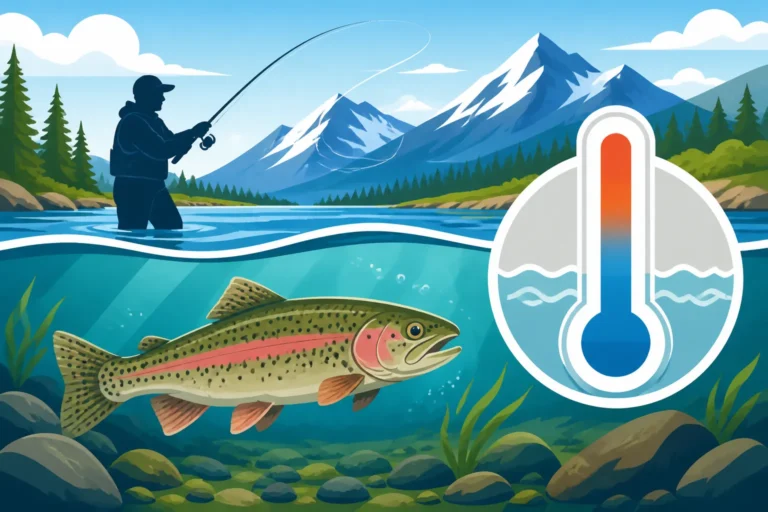
Lake trout are highly sensitive to water temperature, a characteristic that drives their movements throughout the year. In the spring, shortly after ice-off, lake trout can often be found relatively shallow, sometimes even in the top 20 feet of water. This is because the entire water column is cool and oxygenated, and their preferred baitfish, like ciscoes or whitefish, might also be in shallower zones. As the surface waters warm up, usually by late May or early June, lake trout begin their descent into deeper, cooler waters, often congregating around the thermocline where cooler, oxygenated water meets warmer surface water.
During the peak of summer, especially in large, deep lakes like Cold Lake or Lake Athabasca, lake trout will hold in depths ranging from 40 to well over 100 feet, sometimes even deeper. They seek out these frigid depths where temperatures remain in their ideal range of 45-55°F (7-13°C) and baitfish are still accessible. As autumn approaches and the water temperature begins to cool and "turn over" again, lake trout may once again move shallower, often for their spawning rituals which typically occur in late fall over rocky shoals and reefs. Understanding these migrations is key to knowing what depths to target with your trolling gear.
Preferred Forage and Water Temperatures
Lake trout are apex predators in their ecosystems, and their diet primarily consists of smaller baitfish. In many Alberta lakes, this means they’re feasting on ciscoes (also known as lake herring), various species of whitefish, and sometimes even smaller perch. This preference for baitfish dictates the type, size, and even color of lures you should be using. If you can identify the primary forage in your target lake, you’re already one step closer to selecting the perfect lure. For example, if ciscoes are abundant and silver-sided, a long, slender spoon or stickbait in chrome or blue-silver might be deadly effective.
As mentioned, water temperature is a critical factor for lake trout. They thrive in cold, well-oxygenated water. This is why a good fish finder with temperature sensing capabilities is invaluable for serious lake trout anglers. Locating the thermocline – the distinct layer where water temperature changes rapidly with depth – is often the sweet spot. Lake trout will patrol this zone, as it offers both comfort and a prime feeding ground for many baitfish species. Ignoring water temperature is like fishing blind; paying attention to it will drastically improve your success rates.
Essential Gear for Successful Lake Trout Trolling
Trolling for lake trout isn't like casting for rainbows in a small stream; it demands specialized gear to reach those deep, dark haunts where these fish reside. Investing in the right equipment isn't just about catching more fish, it's about making the experience more efficient and enjoyable.
Rods, Reels, and Line Choices for Deep Water
When it comes to rods for lake trout trolling, you'll want something with a moderate to fast action, generally in the 7 to 9-foot range. This length helps spread lines in your spread and absorbs the shock of a strike, especially with heavy trolling setups. The power should be medium-heavy to heavy, capable of handling large lures, heavy weights (like downrigger balls), and powerful fish. Brands like Ugly Stik or Daiwa offer durable rods that can withstand the rigors of deepwater trolling.
For reels, line counter reels are practically a non-negotiable asset. They allow you to precisely deploy your lures to exact depths and distances behind the boat, which is vital when you're trying to replicate a successful pass. Look for models with a strong drag system and high line capacity, as lake trout can make powerful runs. When considering line, braided line in 30-50 lb test is an excellent choice for your main line due to its strength, thin diameter (which reduces drag in the water), and lack of stretch, which provides excellent sensitivity. However, always attach a 10-20 foot fluorocarbon leader (15-25 lb test) to your braid. Fluorocarbon is nearly invisible underwater, which can be crucial for enticing wary lake trout, especially in clear Alberta waters. You can find a wide selection of these essential items on Amazon.
The Critical Role of Downriggers and Lead Core
To consistently reach the depths where lake trout lurk, you’ll need more than just heavy lures. Downriggers are the ultimate tool for precise depth control. These devices allow you to clip your fishing line to a heavy cannonball weight, which is then lowered to a specific depth, carrying your lure with it. When a fish strikes, the line pops free from the clip, allowing you to fight the fish directly without the added weight of the cannonball. For serious lake trout anglers, a pair of electric downriggers can make a world of difference, especially on large bodies of water.
Another powerful tool for achieving depth, especially for those without downriggers or for targeting slightly shallower but still deep zones (20-60 feet), is lead core line. Lead core is essentially a braided line with a lead wire running through its center, causing it to sink. The line is segmented by color, with each color change (typically every 10 yards) representing approximately 5 feet of depth at a given trolling speed. For instance, if you let out 5 colors of lead core, your lure might be running around 25-30 feet deep. This method requires a longer rod with a parabolic bend to absorb the stretch and weight of the line. Both downriggers and lead core systems are excellent topics discussed in our guide on How to Catch Lake Trout in Alberta.
Must-Have Electronics: Fish Finders and GPS
In the vast expanse of Alberta's deep lakes, a quality fish finder is your window into the underwater world. Modern sonar units, especially those with CHIRP technology and side-imaging capabilities, can reveal not only individual fish and schools of bait but also the contours of the lake bottom, submerged structure, and even the thermocline. Being able to mark fish at a specific depth, identify ledges, humps, or drop-offs, and see baitfish schools is absolutely vital for efficient trolling. Companies like Humminbird and Garmin offer fantastic units that can pinpoint these crucial details. You can learn more about selecting the right unit in our article on Best Fish Finders for Alberta Lakes.
Complementing your fish finder is a reliable GPS unit, often integrated into modern sonar systems. GPS allows you to mark waypoints of productive areas, follow specific depth contours, and track your trolling passes. If you hit a hot spot, you can mark it and precisely return to it later, or even troll a parallel path to target fish holding on the edges of that structure. This level of precision saves time and fuel, maximizing your fishing effort. Remember, navigation and safety on Alberta's large lakes are important, and adhering to Alberta Boating Laws for Anglers is always essential.
Mastering Diverse Trolling Techniques
Once you have your gear sorted, it's time to dive into the art of trolling. It's not just about driving in a straight line; it's about understanding how your boat speed, lure depth, and presentation influence the fish. Varying your approach based on conditions and fish behavior is what separates the average angler from the consistently successful one.
Flatlining and Planer Board Strategies
Flatlining involves simply letting out a long length of line directly behind the boat without any additional weights or devices other than the lure itself. This technique is most effective during the spring or fall when lake trout are shallower, or when you’re targeting fish suspended just below the surface. The key is to use lures that have enough inherent action and weight to dive a bit on their own, like larger crankbaits or heavy spoons. By varying the amount of line you let out, you can subtly adjust the depth.
For spreading out multiple lines and covering more water, especially in shallower water, planer boards are incredibly useful. These buoyant devices attach to your line and pull your lure out to the side of the boat, away from the prop wash and noise. This allows you to run several lines at different distances from the boat, covering a wide swath. Planer boards are particularly effective when lake trout are spooky and shy of the boat's presence, allowing you to present lures in undisturbed water. For instance, running a shallow-diving stickbait 50 feet out to the side can sometimes entice a hesitant fish.
Deepwater Downrigging Tactics
Downrigging is the quintessential method for serious deepwater lake trout trolling. The precision it offers is unmatched. When downrigging, your speed is crucial. Generally, 1.8 to 2.5 mph is a good starting point, but always watch your fish finder and adjust. Sometimes slowing down will entice a hesitant fish, while a burst of speed can trigger a chase. Make subtle S-turns with your boat; this causes your lures to speed up and slow down on the turns, mimicking an injured baitfish and often triggering strikes.
Another tactic is to "stack" lines on a single downrigger. This involves running one lure directly from the release clip on the downrigger ball and then clipping another line higher up on the downrigger cable with a specialized stacking release. This allows you to present two lures at different depths using one downrigger, maximizing your coverage. Remember to keep a close eye on your rods for a strike, as the line will "release" from the clip with a noticeable snap. Using a good quality fishing line, as you would stock up from Amazon, ensures reliable performance with downrigger clips.
Harnessing Lead Core and Dipsy Divers
Lead core line, as discussed earlier, is a fantastic tool for reaching intermediate to deep depths without the bulk of downriggers. A common approach is to spool lead core onto a large-capacity reel, often with a monofilament or braided backing and a fluorocarbon leader. Counting the colors of lead core you let out allows for fairly precise depth control. Trolling speeds for lead core are similar to downrigging, around 1.8 to 3 mph, depending on the lure and desired depth. Varying your speed and making S-turns is equally effective with lead core, creating an enticing erratic action for your lure.
Dipsy Divers (or similar diving planers like Jet Divers) offer another way to get lures down without additional weight directly on the main line. These disc-shaped devices dive when pulled through the water and can be adjusted to run to the side or directly behind the boat. They have a release mechanism that trips when a fish strikes, taking the diver out of play and allowing you to fight the fish. Dipsy Divers come in various sizes and can reach depths of up to 50-80 feet or more, depending on line diameter and trolling speed. They're excellent for spreading lines horizontally and vertically without needing a full downrigger setup, making them a versatile addition to any Best Tackle Box Setup for Alberta Anglers.
Lure Selection and Presentation for Lake Trout
The right lure can make all the difference, but it's not just about the lure itself; it's how you present it. Lake trout can be finicky, and paying attention to small details in your presentation can lead to big rewards.
Spoon and Stickbait Power
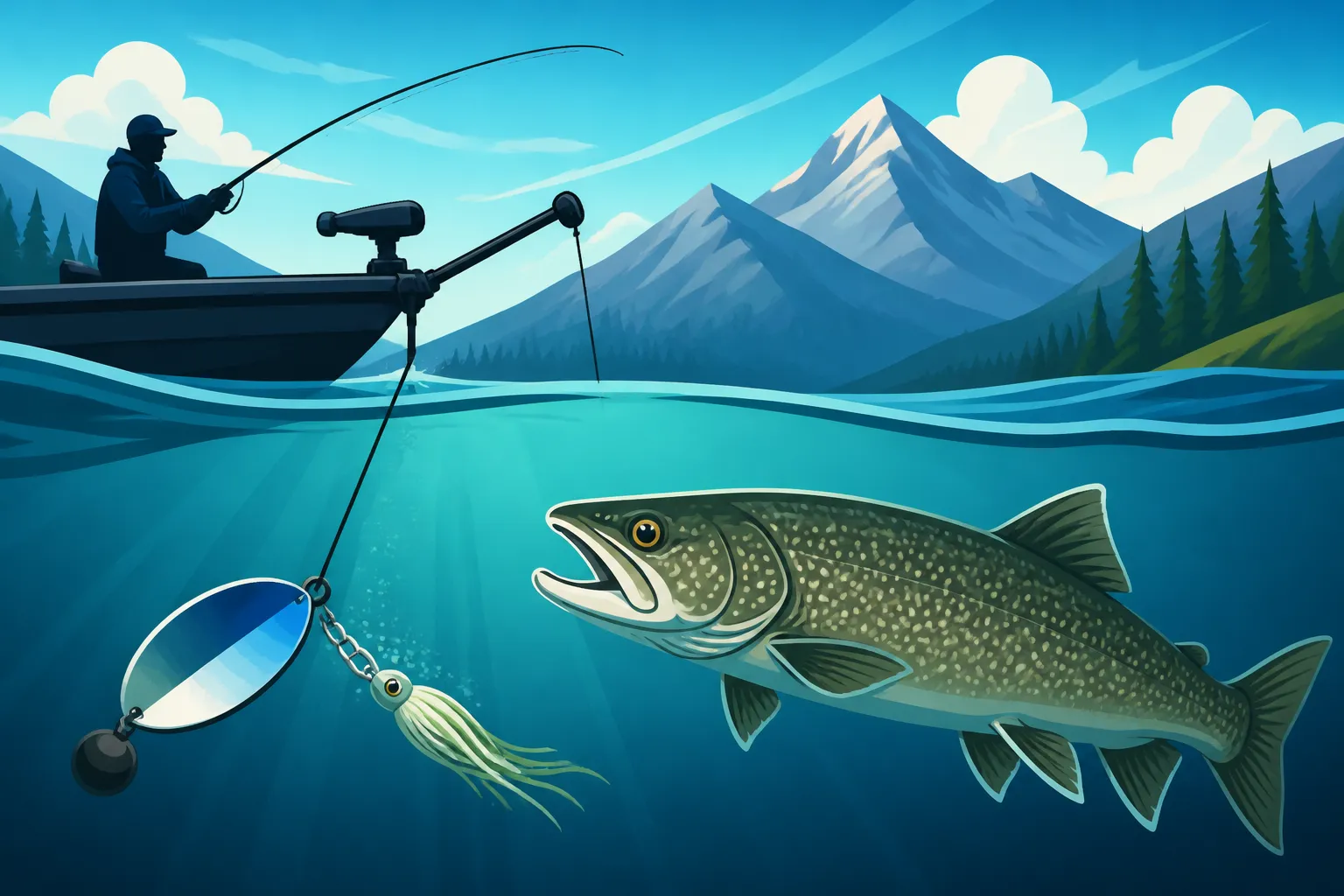
Spoons are arguably the most iconic lake trout lures, and for good reason. Their wobbling, fluttering action perfectly mimics injured baitfish, which is irresistible to hungry lake trout. Classic trolling spoons like the "Silver Horde Coho Killer" or "Doctor Spoon" in silver, blue, or chartreuse patterns are perennial favorites. Sizes typically range from 3 to 6 inches, but larger spoons can be effective for targeting trophy-sized fish. The action of a spoon can be altered by trolling speed; a slower speed might give a wider wobble, while a faster speed makes it dart and flash more rapidly.
Stickbaits, or minnow-imitating crankbaits, are another powerhouse in the lake trout arsenal. Long, slender designs that dive to various depths, such as Rapala Deep Tail Dancers or Livetarget Rainbow Smelt, are excellent choices. Look for natural baitfish patterns in silver, blue, green, or perch imitations. Stickbaits often have a tight, erratic wobble that appeals to lake trout. Varying trolling speed and making subtle turns can impart an even more lifelike action, making these lures incredibly effective, especially when fish are suspended or actively chasing bait.
Dodgers, Flashers, and Fly Combinations
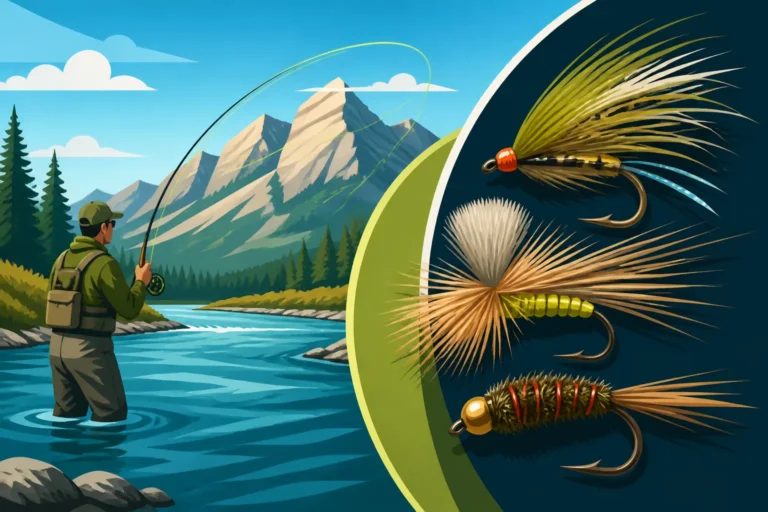
Sometimes, lake trout need a little extra encouragement to strike. That's where dodgers and flashers come into play. These are non-baited attractors that wobble or spin as they're trolled, creating flash and vibration in the water. They don't have hooks themselves but are typically rigged a short distance (18-36 inches) in front of a smaller lure or a fly. The dodger's action is designed to make the trailing lure "dance" erratically, much like a wounded baitfish struggling behind a larger predator.
The most common setup with dodgers or flashers is to trail a small, unweighted fly or a tiny spoon. Tube flies or marabou jigs in white, black, or even bright chartreuse are excellent choices. The dodger or flasher provides the attraction, and the subtle movement of the fly seals the deal. This combination can be incredibly effective when lake trout are being finicky or when they are keying in on very small baitfish. You might find a good selection of these attractors and flies online at Amazon or your local tackle shop.
Matching the Hatch: Color and Size Considerations
Just like fly fishing for trout on the Bow River, matching the "hatch" – or in this case, the available forage – is crucial for lake trout. Observe what baitfish are present in the lake. If there are silvery ciscoes, then chrome, silver, and blue lures will often be productive. If perch are a dominant food source, lures with yellow, green, and orange patterns might be more effective. On cloudy days or in deeper, darker water, brighter colors like chartreuse, orange, or even glow-in-the-dark might get more attention. On bright, sunny days with clear water, more natural, subtle colors often work best.
Size also matters. If lake trout are gorging on large whitefish, a larger spoon or stickbait might be necessary. If they are focusing on smaller baitfish or are less aggressive, downsizing your lure can sometimes be the key. Don't be afraid to experiment with different sizes and colors throughout the day. It's not uncommon for a subtle change to turn a slow day into a productive one. Always refer to the Alberta Fishing Regulations Explained to ensure your chosen lures comply with any specific rules for treble hooks or bait restrictions in certain waters.
Here's a quick guide to some popular lure types and suggested trolling speeds for lake trout:
| Lure Type | Typical Size (Inches) | Suggested Trolling Speed (MPH) | Ideal Depth Range (Feet) | Common Colors |
|---|---|---|---|---|
| Trolling Spoons | 3-6 | 2.0 – 3.5 | 20 – 150+ | Silver, Blue/Silver, Perch, Fire Tiger |
| Minnow Stickbaits | 4-7 | 1.8 – 3.0 | 10 – 60 | Natural Baitfish, Chrome, Fire Tiger |
| Dodgers/Flashers | 6-10 | 1.5 – 2.5 | 30 – 150+ | Silver, Chartreuse, Blue |
| Tube Flies | 3-5 | 1.5 – 2.5 (behind attractor) | 30 – 150+ | White, Black, Chartreuse |
| Diving Planers | Various | 2.0 – 3.5 | 20 – 80 | N/A (attractor) |
Locating Productive Lake Trout Structures
Trolling isn't just about covering water; it's about covering the right water. Lake trout are structure-oriented fish, and understanding how to read the bottom and identify potential holding areas is critical. Without this knowledge, you're just dragging lures aimlessly.
Interpreting Sonar Readings and Lake Maps
Your fish finder is your most valuable scouting tool. Learn to interpret what you see on the screen. Look for sharp drop-offs, underwater humps, submerged islands, and deep rock piles. These are prime areas where lake trout will ambush baitfish or seek refuge. Schools of baitfish appearing as dense clouds on your sonar are a clear indicator that predators, including lake trout, might be lurking nearby. Pay close attention to individual fish arches, especially those suspended just above or around structure. Marking these on your GPS is invaluable for repeated passes. Many lake maps also show depth contours, which you can follow with your boat to stay in the strike zone. Many of the Best Fishing Lakes in Alberta have detailed hydrographic maps available.
Understanding the thermocline on your sonar is also essential. This appears as a distinct band on your screen where temperature changes rapidly. Many baitfish, and consequently the lake trout feeding on them, will congregate around this comfortable zone. If your fish finder shows a strong thermocline at 60 feet, that’s your starting point for trolling depth.
Targeting Drop-Offs, Humps, and Submerged Islands
Lake trout love structure. A drop-off, where the lake bottom sharply descends from shallower flats into deep water, creates an ideal ambush point. Baitfish will often cruise along these edges, and lake trout will patrol the deeper side, darting up to strike. Trolling parallel to a drop-off, keeping one side of your boat over the deep water and the other over the shallower edge, is often highly effective.
Submerged humps and islands are offshore magnets for lake trout. These underwater features act like natural congregations points for baitfish, which in turn attract predators. Focus on the slopes, the top, and especially the deepwater edges of these structures. Don't be afraid to make several passes, varying your depth and speed, to thoroughly work these areas. A successful pass might mean you get a strike as your lure comes up over the top of a hump, or as it falls off the back side. Patience and persistence in these areas can yield incredible results.
Understanding Thermoclines and Oxygen Levels
The thermocline isn't just a comfort zone; it's often an oxygen factory. In deep lakes, the water below the thermocline can sometimes become deoxygenated, especially in late summer. While lake trout prefer cold water, they also need oxygen to survive. Therefore, they will often be found in the cooler, oxygen-rich waters just above or within the thermocline, avoiding the truly stagnant depths. Your fish finder can help you locate this critical layer, allowing you to focus your trolling efforts where fish are most likely to be active and healthy.
Paying attention to the water temperature at different depths is crucial. Many advanced fish finders offer temperature graphs, allowing you to clearly see the thermocline. Target depths that fall within the optimal temperature range for lake trout, typically between 45-55°F (7-13°C). If the thermocline is at 50 feet and the surface is 70°F, you'll want your lures running at or just above that 50-foot mark, not up in the warm water or too far below into potentially low-oxygen zones.
Navigating Regulations and Ensuring Safety on Alberta Waters
No matter how skilled you are as an angler, understanding and adhering to local regulations and prioritizing safety are non-negotiable. Alberta has specific rules designed to protect its fisheries and ensure everyone has a safe and enjoyable time on the water.
Essential Licenses and Boating Requirements
Before you even think about putting your boat in the water, ensure you have the necessary licenses. All resident and non-resident anglers in Alberta require an Alberta Sportfishing Licence, unless specifically exempt (e.g., youth under 16 or seniors over 65). You also need a Wildlife Identification Number (WIN) card to purchase your license. Failure to possess these can result in hefty fines and penalties. It’s always best to check the current Alberta Fishing License Guide for 2026 well in advance of your trip.
If you’re operating a motorized boat for trolling, you must also be aware of Alberta Boating Laws for Anglers. This includes possessing a Pleasure Craft Operator Card (PCOC), carrying all required safety equipment on board, and understanding right-of-way rules. These regulations are in place for your safety and the safety of others on the water, especially on busy lakes during peak season.
Understanding Bag Limits and Catch-and-Release Practices
Alberta's fisheries are managed carefully, and this includes specific bag and possession limits for various species, including lake trout. For instance, on popular lakes like Cold Lake, there are very specific Alberta Lake Trout Limit on Cold Lake rules that often differ from other bodies of water. Always consult the current Alberta Guide to Sportfishing Regulations for the specific lake and zone you are fishing. These guides are updated annually and are available digitally or at most license vendors. Ignorance of the rules is not an excuse, and game wardens are diligent in their enforcement.
Beyond simply knowing the limits, ethical angling practices, especially catch-and-release, are vital for sustaining healthy lake trout populations. If you’re not keeping your catch, handle the fish minimally, use a rubberized net to protect their slime coat, and revive them properly before release. Deep-set hooks or fish brought up from extreme depths (causing barotrauma) should be handled with extra care, and in some cases, it may be more humane to keep a fish that cannot be successfully revived, if within legal limits.
Prioritizing Safety Gear and Protocols
Safety on large, deep Alberta lakes, especially when trolling from a boat, cannot be overstated. Always ensure you have a full complement of safety gear, including correctly sized and easily accessible life jackets for everyone on board. Familiarize yourself with Life Jacket Requirements for Alberta Boaters before you head out. Other essentials include a bailing device, signaling devices (whistle, flares), a first-aid kit, and a functional fire extinguisher.
Weather on Alberta lakes can change rapidly. Always check the forecast before heading out and be prepared for sudden winds, storms, or drops in temperature. Inform someone on shore of your float plan – where you’re going and when you expect to return. Consider carrying a marine radio or satellite communicator in areas with poor cell service. These precautions aren't about being paranoid; they’re about being prepared for the unexpected and ensuring everyone returns home safely after a great day of chasing those magnificent Alberta lake trout.
Disclaimer
The information provided in this guide is for general informational purposes only and is subject to change. Anglers are responsible for consulting the most current Alberta Guide to Sportfishing Regulations, available from Alberta Environment and Protected Areas, and adhering to all provincial and federal laws. Fishing conditions, species availability, and regulations can vary significantly by location and season. Always prioritize safety and practice responsible angling.