Spring Trout Fishing Techniques for Alberta Streams
Ah, spring in Alberta! It's a time of renewed hope for anglers, but let's be honest, it also comes with its fair share of head-scratching moments. You're eager to get out after a long winter, but the rivers can be a fickle beast – raging with runoff one week, crystal clear and freezing the next. It’s a challenge to know when and how to approach these dynamic waters to find those hungry trout. This comprehensive guide will walk you through the ins and outs of spring trout fishing in Alberta streams, helping you understand the conditions, master the techniques, and gear up properly for a successful and safe season opener.
Understanding Spring Conditions in Alberta Streams
Spring in Alberta is less of a gentle awakening and more of a dramatic meteorological opera. Our rivers and streams, especially those fed by mountain snowmelt, undergo significant transformations, and understanding these changes is absolutely crucial for finding fish.
The Thaw and Runoff Challenges
As soon as the temperatures start to consistently climb above freezing, usually around late March to early May, the massive snowpacks in the Rockies begin their melt. This isn't just a slow trickle; it can be a torrent. Rivers like the Bow River, Crowsnest, and Oldman swell rapidly, often becoming high, swift, and murky. This period, known as "runoff," presents the biggest challenge for spring anglers.
Imagine trying to fish a river that looks like chocolate milk, moving at the speed of a freight train. It's not just visibility that's an issue; the sheer power of the water can make wading dangerous or impossible. Debris like logs and branches can also be carried downstream, adding to the hazards. Even on smaller foothill streams or prairie creeks, heavy spring rains can mimic snowmelt conditions, turning clear waters turbid overnight. The frustrating part is that this can change day by day, or even hour by hour, depending on the weather upstream. One day you might have a shot, the next it’s a total washout.
Water Temperature and Trout Metabolism
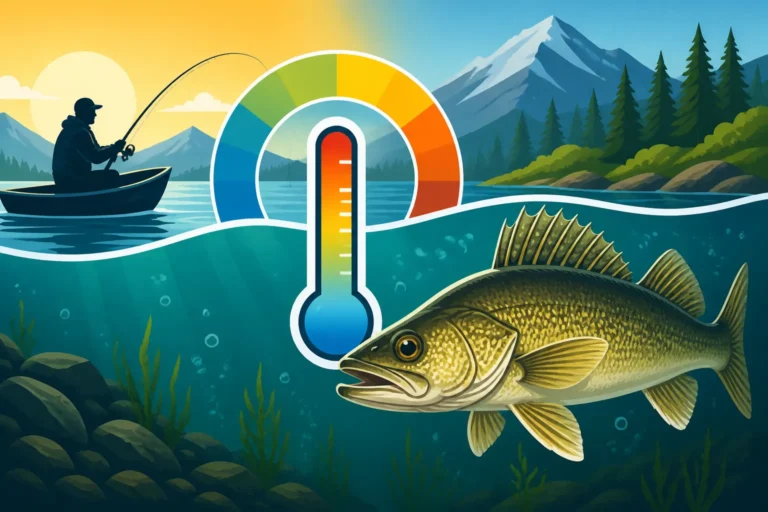
Beneath the raging surface, another critical factor is at play: water temperature. As the snowmelt enters the system, it's typically very cold, often hovering just above freezing. Trout are cold-blooded creatures, and their metabolism is directly tied to water temperature. In frigid conditions, they become sluggish, less active, and their feeding windows shrink significantly.
Think of it this way: a trout in 4°C water isn't going to chase a fly across the river like it would in 12°C water. They conserve energy, often holding in slower, deeper pockets where the current is less taxing and the water might be marginally warmer. As spring progresses and the runoff subsides, water temperatures will gradually rise, usually peaking in late spring or early summer. This warming trend stimulates their metabolism, making them more active and willing to chase food. Understanding this thermal dynamic is key to predicting where trout will hold and how aggressively they’ll feed. It's a delicate balance; too cold, they're lethargic; too warm, they might start to get stressed.
Early Season Insect Hatches or Lack Thereof
While many anglers dream of glorious dry fly fishing, early spring in Alberta streams rarely delivers prolific insect hatches, especially when waters are still cold and high. You might see some sporadic activity, perhaps a few midges dancing on the surface on a warm, calm afternoon, or maybe a small stonefly or mayfly here and there, but it's generally not enough to reliably bring trout to the surface.
Instead, the trout are primarily focused on subsurface food sources. Nymphs, the larval forms of aquatic insects, are always present in the water column and are a staple diet. Worms, leeches, and baitfish are also crucial food items, especially during runoff when heavy flows dislodge them from the riverbed and banks. This means your approach needs to be heavily biased towards subsurface presentations. Don't go out expecting to throw dries all day; prepare to fish deep and slow. It's about presenting a substantial, easy meal that doesn't require the trout to expend much energy.
Essential Gear for Spring Trout Fishing
Having the right gear isn't just about comfort in spring; it's about safety and effectiveness. The unpredictable nature of Alberta's spring weather and water conditions demands a versatile and robust setup.
Rod, Reel, and Line Considerations
For spring trout fishing, especially when dealing with higher, faster water and larger subsurface flies, you’ll want a setup that offers a bit more backbone than your typical summer dry fly rig.
- Rods: A 9-foot, 5-weight or 6-weight fly rod is an excellent all-around choice for most Alberta trout streams during spring. The extra length helps with line control and mending in turbulent water, while the heavier weight allows you to cast heavier nymph rigs, multiple flies, or even smaller streamers more effectively. If you're specifically targeting larger fish on bigger rivers like the Bow, a 7-weight can be a great asset, giving you even more power to turn over heavy rigs and handle bigger trout in strong currents. For those who prefer spinning gear, a 6'6" to 7' medium-light action rod with a fast tip will give you the sensitivity to feel subtle bites and the power to cast small spoons, spinners, or bait rigs.
- Reels: A reliable reel with a smooth drag system is essential. It doesn't need to be fancy, but it should be able to hold enough backing and balance your rod well. For fly fishing, a large arbor reel helps with quicker line retrieval, which can be useful when fighting a fish or quickly changing spots.
- Lines: For fly fishing, a weight-forward floating line is standard. However, consider having a sink-tip line or polyleaders if you plan on doing a lot of streamer fishing in deeper, faster runs. For spinning setups, 6-8 lb monofilament or fluorocarbon is generally sufficient, offering a good balance of strength and sensitivity. Some anglers prefer braided line with a fluorocarbon leader for increased sensitivity and casting distance.
Remember, the goal is to get your flies down to where the fish are holding in the heavier flows, so having a system that can handle that is paramount.
Waders, Boots, and Layering for Comfort
This is not the time to skimp on quality insulation and waterproofing. Spring water temperatures can be dangerously cold, and even a quick dip could lead to hypothermia.
- Waders: Breathable chest waders are a must. They allow for layering underneath and keep you dry from the waist up. Look for durable models from reputable brands like Simms, Patagonia, or Orvis. Ensure they fit well, allowing for freedom of movement without being baggy. Pay close attention to the seams and zippers – these are often the first points of failure. Being wet and cold will quickly cut your fishing day short and can be unsafe.
- Wading Boots: Sturdy wading boots with good ankle support are crucial for navigating slippery, uneven riverbeds. Felt soles offer excellent grip on slimy rocks but are often banned in certain areas to prevent the spread of invasive species (check regulations for specific streams). Rubber soles with aggressive studs or cleats are a more versatile and often preferred option. I personally find the added grip of studded rubber invaluable when dealing with the unpredictable bottom of a fast-flowing river. For more on safe navigation, consider checking out tips on Wading Techniques for Alberta Trout Rivers.
- Layering: This is where you master the art of temperature regulation. Start with a moisture-wicking base layer (merino wool or synthetic, never cotton). Add a warm insulating layer, such as fleece pants and a fleece jacket or down vest. On top, wear a waterproof, breathable wading jacket. A warm hat and gloves are also non-negotiable, especially on overcast or windy days, as you lose a lot of heat through your head and extremities. Being able to shed or add layers as the day progresses from a chilly morning to a warmer afternoon is key to staying comfortable.
Tackle Selection for Variable Spring Flows
Your tackle box needs to be well-stocked with heavy, prominent patterns that can cut through strong currents and appeal to sluggish trout.
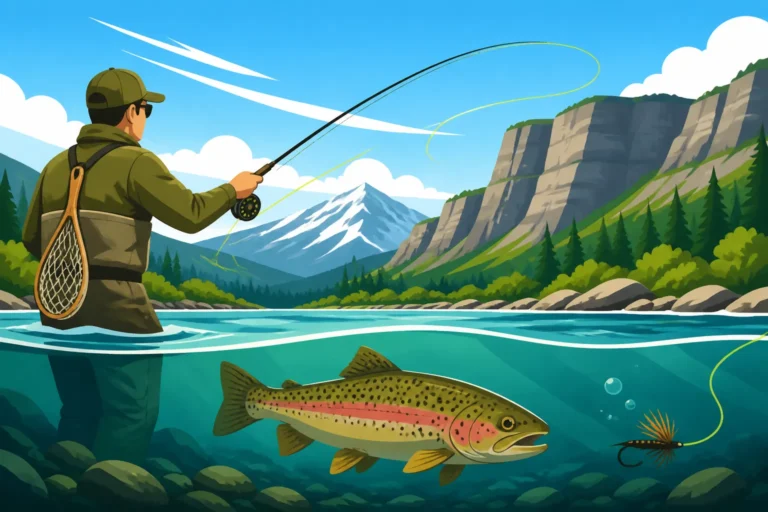
- Nymphs: Think big and buggy. Pat's Rubber Legs, Stonefly Nymphs (like Kaufmann's Stone), Prince Nymphs, Copper Johns, and San Juan Worms are all excellent choices. Vary your sizes from #8 to #14. Heavy tungsten-beaded versions are often necessary to get down quickly. Don't be afraid to use a two-nymph rig, sometimes with a large, heavy "point" fly and a smaller "dropper" trailing behind.
- Streamers: When fish are lethargic, a well-presented streamer that looks like an easy meal can often provoke a strike. Patterns like Woolly Buggers (black, olive, or brown), Sculpzillas, and articulated streamers imitating baitfish are very effective. Sizes #4 to #10 are good starting points. These flies represent a substantial meal and can often trigger a predatory response from hungry trout looking for a big payoff.
- Indicators and Weights: Slip strike indicators are invaluable for nymphing, allowing you to adjust depth easily. Sizes from 1/2" to 1" are common. Split shot or lead-free weights are essential for getting your nymphs into the strike zone in fast water. Have an assortment of sizes on hand.
- Spinning Lures: For spin fishing, small spoons (e.g., Little Cleo, EGB, Krocodile) in silver, gold, or brass finishes can work wonders. Spinners (Mepps Aglia, Blue Fox Vibrax) in sizes #1-#3, especially with brightly coloured blades, are also effective. Small jerkbaits or swimbaits imitating baitfish can also entice strikes. Always check the Alberta Fishing Regulations Explained for any specific bait or lure restrictions in the stream you plan to fish, such as barb-less hook requirements or bait bans. Many mountain streams are fly-fishing-only or barbless hook-only.
- Accessories: Don't forget a quality pair of polarized sunglasses to cut glare and help you spot fish or structure, a good pair of hemostats or pliers for hook removal, and a soft, knotless landing net to minimize harm to fish you intend to release. A mesh or rubberized net like those found on Amazon can prevent damage to a trout's slime coat and fins, ensuring they swim away strong.
Top Spring Trout Fishing Techniques
With the challenges of spring conditions in mind, certain techniques rise to the forefront for their effectiveness in getting flies or lures to where the trout are holding and feeding.
Nymphing Strategies for Subsurface Success
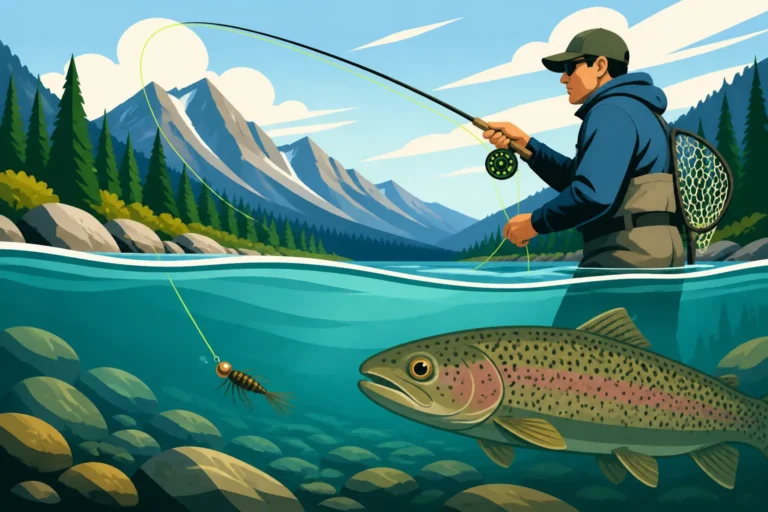
Nymphing is, without a doubt, the most consistently productive method for spring trout fishing in Alberta streams. Trout are primarily feeding on nymphs subsurface, and your goal is to present these imitations naturally.
- Indicator Nymphing: This is the bread and butter. You'll typically use a strike indicator floating on the surface to detect subtle bites while your weighted nymph or nymph rig drifts naturally downstream. The key is to match the weight of your flies and split shot to the current speed and depth. You want your flies bouncing gently along the bottom without dragging. On deeper sections of the Bow River, this might mean a couple of heavy tungsten nymphs and several split shot. On smaller, shallower streams like sections of the Crowsnest River, you might only need one weighted nymph. The challenge is achieving a drag-free drift; the indicator, leader, and flies must all move at the same speed as the current. Any unnatural drag will make your flies look suspicious to a wary trout. Often, longer leaders (9-12 feet) help achieve this natural drift.
- Euro Nymphing (Contact Nymphing): For anglers looking for a more direct connection to their flies and enhanced strike detection, Euro nymphing is incredibly effective, especially in faster, shallower runs or pocket water. This technique uses a specialized leader (often long and thin, with a sighter section) and heavily weighted nymphs, with no traditional strike indicator. You maintain direct contact with your flies, using the sighter to detect subtle changes in line tension or movement, which often indicate a strike. It requires active rod control, leading the flies through the current with your rod tip. This method allows for incredible precision in getting your flies into tight pockets and detecting the softest takes that an indicator might miss. It's particularly useful when trout are holding tight to the bottom in fast flows.
No matter the nymphing style, presentation is everything. Focus on short, drag-free drifts, mending your line upstream of your indicator or sighter to keep it from pulling your flies unnaturally.
Streamer Fishing for Aggressive Trout
While trout are often sluggish in cold spring waters, a well-presented streamer can sometimes trigger an aggressive, territorial strike, especially from larger fish. This technique mimics baitfish, leeches, or larger aquatic insects dislodged by high water.
- Strip and Pause: Cast your streamer across or slightly upstream of likely holding water (eddies, current seams, undercut banks). Let it sink for a few seconds, then begin a retrieve using short, erratic strips, punctuated by pauses. The retrieve should imitate a wounded baitfish or a struggling creature trying to escape the current. The pause is often when the strike occurs, as the fly appears to be falling or dying. Vary your retrieve speed and strip length until you find what the fish respond to.
- Swinging: In some situations, especially on larger rivers, swinging a streamer can be very effective. Cast quartering downstream and allow the fly to swing across the current on a tight line. As the fly swings, it will present a broadside profile to any fish looking upstream. This is a very active form of fishing that covers a lot of water. It's less about imitating a specific bug and more about triggering an instinctual, territorial response. On the Bow River, swinging streamers can often entice some of the bigger brown trout.
- Weight and Depth: Similar to nymphing, getting your streamer to the correct depth is vital. This might require heavier flies, sink-tip lines, or adding split shot to your leader. During runoff, trout often hug the bottom, so your streamer needs to be presented down there. Think about fish holding in the deeper slots and runs; your fly needs to get in front of them without being washed away by the surface current.
Indicator Fishing in Slower Pools
While the focus is often on fast water, don't overlook the slower, deeper pools and backwaters, especially during periods of high flow. These areas offer refuge for trout from the main current and can be holding zones for concentrations of fish.
- Longer Drifts: In slower water, trout have more time to inspect your offering. Longer, unhindered drifts are often more effective here. Use a longer leader (10-12 feet) to allow your flies to sink naturally, and adjust your indicator placement to ensure your nymphs are near the bottom. The less current there is to contend with, the more critical it is to have a completely drag-free drift.
- Targeting Structure: Look for submerged logs, rock piles, or undercut banks within these slower pools. These features provide cover and current breaks where trout feel secure and can ambush food. Often, a cast directly upstream of a submerged log, allowing your nymphs to tumble past it, will be highly productive.
- Subtle Takes: In slower water, takes can be incredibly subtle. Watch your indicator like a hawk. Any twitch, hesitation, or unnatural movement could mean a fish has taken your fly. Set the hook quickly and firmly. Even a slight dip or stop of the indicator on the surface could be a fish mouthing your fly. Sometimes, the only sign is when your indicator doesn't drift as expected.
Reading the Water in Spring
Spring runoff completely changes how a river looks and fishes. Being able to read the water and identify potential holding lies is more critical than ever. Trout are looking for refuge from powerful currents and easy access to food.
Identifying Holding Lies and Current Breaks
When the river is high and fast, trout will seek out areas where they can expend minimal energy while still having access to drifting food. These are your prime targets.
- Eddies: These are swirling pockets of water, often downstream of large boulders, fallen trees, or bends in the river, where the current slows or even reverses. Eddies are goldmines in high water. They create a "conveyor belt" effect, bringing food to waiting trout without them having to fight the main current. Fish the entire eddy, from the main current seam where food enters, to the slower water near the bank.
- Current Seams: The distinct line where fast water meets slow water is a superhighway for food and a prime ambush point for trout. These seams can be found along the edges of the main current, behind obstacles, or where a tributary joins the main river. Position your casts to drift your flies right along these seams, as fish will often be tucked into the slower water, ready to dart out for a meal.
- Undercut Banks and Log Jams: Overhanging banks and submerged log jams offer excellent cover from both predators and strong currents. Fish will often tuck deep under these structures, venturing out to grab food as it drifts by. Be prepared to lose some flies in the snags, but the potential for a large trout makes it worthwhile. Accuracy in casting is key here to get your fly as close as possible without getting hung up immediately.
- Deep Pools and Runs: While trout will avoid the fastest parts of these, the deeper, slower sections within them provide important holding water. Fish will drop down to the bottom where the current is weakest. Your challenge is getting your flies down to their level. This is where heavy nymphs and proper weighting come into play.
Navigating High and Turbid Water
High and turbid (murky) water presents specific challenges that require adjustments to your tactics.
- Closer to Shore: When the main current is raging, trout often move closer to the banks, seeking refuge in the slower, shallower water. Don't overlook these often-ignored margins. Sometimes the biggest fish are just a few feet from your wading boots. This is also where dislodged worms and insects are washed, providing an easy meal.
- Increased Weight: To get your flies through the faster, deeper currents, you'll almost certainly need to add more weight than you typically would. Don't be shy with split shot. If you're not occasionally tickling the bottom or getting snagged, you're probably not deep enough. It’s better to be too heavy and adjust than too light and never reach the fish.
- Larger, Brighter Flies: In turbid water, trout rely more on their lateral line to detect vibrations and scent. Larger, darker, or more brightly coloured flies (think chartreuse, orange, or black Woolly Buggers) can offer a better silhouette and create more vibration, making them easier for fish to find. San Juan Worms or Squirmy Wormies in red or pink are also excellent choices, as they mimic the worms washed into the river during runoff. These patterns also offer a more substantial meal, which is appealing to energy-conserving trout. For more on specific fly patterns, you might find insight in articles like Fly Patterns for the Bow River.
Focusing on Eddies, Seams, and Backwaters
These specific areas are consistently productive during spring runoff and deserve special attention.
- The Head of the Eddy: This is the critical transition zone where the fast water of the main current begins to slow and swirl into the eddy. Fish will often stack up here, waiting for food to be swept in. Cast into the main current just above the eddy and allow your flies to drift naturally into the slower water.
- The Belly of the Eddy: This is the calmest part, often holding many fish. Target any structure within the eddy, like submerged rocks or logs. Since the current is slower, you might need less weight here, but a drag-free drift is still paramount.
- Inside Bends: On the inside of a river bend, the current is typically slower and shallower than on the outside. This is a common holding lie for trout during high water. Work your flies thoroughly through these areas.
- Confluence Zones: Where a smaller tributary meets a larger river, you often find a distinct current seam, a change in water temperature, and a potential influx of new food sources. These areas are magnets for trout, especially if the tributary is clearer than the main river. Cast into the seam where the two water bodies meet.
By carefully observing the water and understanding where trout seek refuge and food, you can significantly increase your chances of success during the challenging but rewarding spring season.
Safety and Ethics on Spring Streams
Spring fishing isn't just about catching fish; it's also about staying safe and being a responsible steward of our natural resources. The harsh conditions of early spring in Alberta demand extra caution.
Cold Water Safety and Wading Hazards
The water in Alberta's rivers during spring is dangerously cold, often just above freezing. This poses significant risks.
- Hypothermia Risk: Prolonged exposure to cold water, even if you don't fall in, can lead to hypothermia. If you do take a plunge, your body can lose heat 25 times faster in cold water than in cold air. Always wear appropriate layers, including wool or synthetic base layers under your waders. Carry a change of dry clothes in your vehicle, and tell someone where you are going and when you expect to return. Consider carrying a small, waterproof emergency kit with a space blanket and fire starter.
- Wading Hazards: High, fast water is incredibly powerful. Even seemingly shallow water can sweep you off your feet. Always use a wading staff for stability and to test depth and bottom conditions. Move slowly and deliberately, shuffle your feet, and avoid crossing fast, deep currents alone. Never wade in water deeper than your knees, and ideally, keep it below your mid-thigh in strong currents. The phrase "if in doubt, don't go out" is particularly apt in spring. If the water looks too intimidating, it probably is. Check current river flow data online before heading out; websites like Water Survey of Canada provide real-time information for many Alberta rivers.
- Ice Shelf Dangers: In early spring, riverbanks can still have unstable ice shelves. These can give way without warning, plunging you into frigid water. Avoid walking on or near these shelves. Stick to solid ground. Always be aware of your surroundings, especially when moving between fishing spots.
Practicing Catch and Release Effectively
Many of Alberta's trout streams, particularly those supporting native species like bull trout and cutthroat, have strict catch-and-release regulations. Even on rivers where harvest is allowed, practicing catch and release is vital for sustaining healthy fish populations.
- Minimize Handling: The less you handle a fish, the better its chances of survival. Try to keep the fish in the water as much as possible. If you must lift it for a quick photo, do so gently, supporting its belly, and get it back into the water immediately. Avoid squeezing or touching its gills. Wet your hands before touching the fish to protect its protective slime coat.
- Quick Hook Removal: Use forceps or pliers to quickly remove the hook. Barbless hooks are highly recommended, or even mandated on many specific Alberta waters. They make hook removal much easier and reduce tissue damage. If the hook is deeply embedded and removal would cause significant damage, it's often better to cut the line as close to the hook as possible and release the fish. The hook will usually rust out over time.
- Revive Gently: Hold the fish gently in the current, facing upstream, until it can swim away on its own. Do not thrust it back and forth; this can force water through the gills unnaturally. Let it recover at its own pace. Sometimes a fish needs a few minutes, especially after a long fight. If you’re targeting species like bull trout, it's imperative to know How to Catch Bull Trout and Release Them Safely due to their vulnerable status. Alberta has many Alberta catch and release only trout streams where these practices are crucial.
Respecting Spawning Areas and Bankside Etiquette
Spring is often a critical time for certain fish species to spawn. Knowing where and when this happens, and avoiding disturbance, is crucial.
- Avoid Spawning Beds: While many trout species spawn in the fall, some, like rainbow trout, are spring spawners. Look for "redds" – clean, gravelly depressions in stream beds where fish lay eggs. These areas are typically shallower and have noticeable mounds of disturbed gravel. Avoid wading through or fishing over these areas. Disturbing spawning fish or their eggs can severely impact future generations.
- Bankside Manners: Be mindful of other anglers, especially on popular waters like the Bow River. Maintain a respectful distance and avoid crowding. If you see someone fishing a run, ask if you can fish upstream or downstream, or simply move on to another spot. Pack out all your trash, including discarded fishing line and broken leaders. Leaving no trace ensures these pristine environments remain beautiful for everyone.
- Know the Regulations: Always consult the most current Reading the Alberta Guide to Sportfishing Regulations before heading out. Regulations can change annually and often have specific rules for different zones, species, and times of year. Ignorance of the law is not an excuse for breaking it, and penalties for infractions can be steep. You can often find detailed information by consulting the MyWildAlberta portal.
Prime Alberta Streams for Spring Trout
Alberta boasts an incredible diversity of trout streams, each offering unique challenges and rewards during the spring season. Knowing which ones to target and when can make all the difference.
Mountain Streams: Crowsnest, Oldman, Highwood
These iconic rivers, nestled in the Rockies and foothills, are famous for their wild trout populations, but they are also among the most susceptible to early spring runoff.
- Crowsnest River: This river is a fly fishing gem, known for its healthy populations of rainbow and brown trout, with the occasional bull trout. In early spring, before peak runoff (which usually hits in late May to early June), the "Crow" can be fantastic. Target the sections near Lundbreck Falls or upstream towards Coleman. Focus on deep nymphing in slower pools and current seams. If you hit it before the melt truly gets going, you might experience some incredible fishing. Once the heavy runoff starts, the river can become unfishable for a period. For specific guidance, delve into the Crowsnest River Trout Fishing guide.
- Oldman River: The Oldman River and its tributaries, particularly in the upper reaches, also offer excellent trout fishing for rainbows, browns, and cutthroat trout. Similar to the Crowsnest, the window before peak runoff is key. Look for fish in the calmer pockets and eddies, especially where feeder creeks might be adding slightly warmer, clearer water. The sheer volume of water during peak runoff can make the main stem very challenging, but its smaller tributaries sometimes clear faster.
- Highwood River: This picturesque river, winding through the Kananaskis Country, holds good numbers of cutthroat, rainbow, and bull trout. Access can be limited in early spring due to road closures (Highway 40 typically opens mid-June), but sections accessible earlier can be productive. The Highwood is very much a freestone river, meaning it will rise and fall dramatically with rainfall and snowmelt. Being there when the water is just starting to drop and clear after a bump can be magic.
These mountain streams often impose barbless hook rules or are designated as fly-fishing-only, so always check the specific regulations for the section you intend to fish.
Foothills Rivers: Bow River, Red Deer River
Moving east into the foothills, these rivers offer different characteristics and often a longer viable spring fishing window, particularly the renowned Bow.
- Bow River: The lower Bow River, particularly the famous "Blue Ribbon" section from Calgary downstream to Carseland, is one of Alberta's most famous trout fisheries. It holds robust populations of large rainbow and brown trout. While it does experience runoff, its regulated flow from the mountain reservoirs often means it remains fishable even when other freestone rivers are blown out. Early spring (April to early May) can be phenomenal, especially before the main runoff from non-regulated tributaries kicks in. Deep nymphing is the primary tactic, often with heavy two-nymph rigs. Streamer fishing can also be highly effective for big browns. After the main runoff, the river often clears and settles, leading into excellent summer fishing. A full Bow River Fishing Guide can provide extensive details on this world-class fishery.
- Red Deer River: Further north, the Red Deer River offers diverse fishing opportunities. While the upper sections can hold trout (rainbows, browns, and some brook trout), the lower sections become more of a walleye and pike fishery. For trout in spring, focus on the clearer, cooler headwaters and tributaries. These sections are also subject to runoff, so timing is crucial. These are often smaller, more intimate waters, best approached with a stealthy wading strategy.
Stocked Ponds and Lakes: Early Season Options
For many anglers, especially families or those looking for a more accessible option during heavy river runoff, stocked ponds and lakes are an excellent choice.
- Provincial Stocking Program: Alberta Environment and Protected Areas (AEPA) has an extensive stocking program, releasing thousands of rainbow trout (and sometimes brook trout or tiger trout) into various ponds and smaller lakes across the province each spring. These fish are usually eager biters.
- Family-Friendly Fishing: Ponds like those around Calgary (e.g., Pine Coulee Reservoir, many smaller urban ponds) or Edmonton (e.g., Hermitage Pond, Fort Saskatchewan Pond) are often easily accessible, allowing for shore fishing or small boat access. They are a fantastic way to introduce kids to fishing or just enjoy a relaxed day when the rivers are unfishable.
- Techniques: Simple techniques work best here. PowerBait, worms, or small spinners and spoons are often all you need. Fly anglers can find success with small nymphs, Woolly Buggers, or even micro-leeches under an indicator. The key is finding where the newly stocked fish are congregating, which is often near aeration systems or drop-offs. Always check the Alberta Fish Stocking reports for specific locations and dates.
Whether you prefer the challenge of wild river trout or the accessibility of a stocked pond, Alberta offers a spring fishing experience for every angler.
Adapting to Different Spring Phases
Spring is not a monolithic season; it's a dynamic period with distinct phases that dictate different fishing strategies. Being able to adapt to these shifts is paramount for consistent success.
Early Spring: Before Runoff Peaks
This is often the most anticipated, and sometimes the most rewarding, period of spring fishing. It usually occurs from ice-out until the major snowmelt truly kicks in, which can be late March through early May, depending on the year and location.
- Conditions: Water levels are typically lower and clearer than during peak runoff, but water temperatures are still very cold, just above freezing. Air temperatures can be highly variable, from crisp, sunny days to late-season snowfalls.
- Trout Behavior: Fish are lethargic and energy-conserving. They'll be holding in slow, deep pockets, current seams, and eddies where they don't have to fight strong currents. Their feeding windows are short, and they prefer large, easy meals. They are less likely to move far for food.
- Techniques: Deep nymphing is king. Focus on heavy, dark stonefly patterns, large leeches, and worm imitations. Present them slowly and methodically, allowing them to drift right into the fish's face. Use enough weight to ensure your flies are bouncing along the bottom. Streamer fishing can also be effective, slowly stripped or swung through deep holes. For spin anglers, bottom-bounced jigs tipped with bait or slowly retrieved spoons can work. Think "slow and deep" as your mantra.
- Example Scenario: Imagine fishing the Bow River in early April near McKinnon Flats. The water is clear but cold. You'd focus on the deeper runs and slow eddies, using a 2-fly nymph rig with a heavy Pat's Rubber Legs (#8) as the point fly and a smaller Prince Nymph (#12) on a dropper, weighted with enough split shot to constantly tick bottom. Your retrieve would be minimal, allowing the current to do most of the work.
Peak Runoff: When Waters are High and Dirty
This phase typically hits its stride from late May to mid-June, though heavy spring rains can trigger it earlier or extend it. This is often the most challenging time to fish.
- Conditions: Rivers are swollen, fast, and often heavily discoloured (like chocolate milk). Water temperatures can fluctuate wildly, often dropping with fresh snowmelt. Visibility is severely limited.
- Trout Behavior: Trout seek extreme refuge from the raging currents. They'll be tightly packed against banks, under logjams, in large eddies, or in the slowest, deepest parts of the river. Their feeding instinct shifts from actively hunting to ambushing any food washed into their limited visibility zone.
- Techniques: This is when you bring out the big guns. Use oversized, dark, or brightly coloured nymphs and streamers. San Juan Worms, heavily weighted Pat's Rubber Legs, or black Woolly Buggers (#6 or larger) are prime choices. The key is to get your flies right on the bottom and as close to the bank or structure as possible. Short casts and targeted drifts into specific current breaks are more effective than trying to fish the main flow. On rivers like the Bow, even the "Blue Ribbon" sections can get off-colour, so adjust to very short leaders and heavy flies right against the bank. If a river is completely unfishable, consider smaller tributaries that might clear faster, or turn to stocked ponds and lakes for an easier day. This is also a good time to review your Alberta Fishing Season Dates by Zone to find waters that might be less affected.
- Example Scenario: Fishing the Crowsnest River in early June during a heavy melt. The water is high and very murky. You'd target small eddies right against the bank, focusing on the slower water where large boulders offer a current break. A single, very heavy black or olive Woolly Bugger (#4) or a bright red San Juan Worm, fished with minimal leader and aggressive weight, would be your best bet, almost bumping the bottom as it drifts slowly.
Late Spring: Waters Receding and Clearing
As the snowpack diminishes and runoff begins to subside, usually from late June into early July, the rivers transition into summer conditions. This can be a fantastic time to fish.
- Conditions: Water levels are dropping and beginning to clear. Water temperatures are slowly rising, stimulating trout metabolism. Air temperatures are generally warmer and more stable.
- Trout Behavior: Trout become much more active and willing to move for food. They'll start to spread out from their deep-water refuges, venturing into riffles and shallower runs. More insect activity might begin, leading to occasional surface feeding.
- Techniques: Nymphing remains highly effective, but you can lighten your weight and use smaller patterns. Stoneflies, caddis nymphs, and mayfly imitations (#12-16) become more prominent. Streamer fishing is still strong, and as the water clears, more natural baitfish patterns can be effective. Crucially, dry fly fishing might finally become a viable option, especially on warmer afternoons with emerging caddis or small mayflies. This is the transition where you can start to experiment more and enjoy a wider range of techniques. You might even start thinking about Fly Fishing for Trout on the Bow River with dry-dropper rigs.
- Example Scenario: On the Oldman River in late June. The water is still a bit high but noticeably clearer. You're using a lighter nymph rig with a bead-head Pheasant Tail Nymph (#14) and a caddis larva imitation (#16). You're also keeping an eye out for rising fish, ready to switch to a small Elk Hair Caddis or Parachute Adams if a hatch starts. Trout are now holding in the tails of pools and the edges of faster runs.
By understanding and adapting to these distinct phases of spring, you can approach Alberta's trout streams with confidence and increase your chances of a memorable day on the water, no matter what Mother Nature throws your way.
Disclaimer
Fishing involves inherent risks, including but not limited to adverse weather conditions, treacherous footing, and cold water immersion. Always prioritize safety, wear appropriate gear, and inform others of your whereabouts. Regulations for fishing in Alberta are subject to change; always consult the current Alberta Guide to Sportfishing Regulations before heading out. This guide is for informational purposes only and does not supersede official government regulations.