Best fishing spots in the Kananaskis Valley
Trying to pinpoint the best fishing spots in the stunning Kananaskis Valley can feel like searching for a needle in a vast, beautiful haystack. With so many lakes, rivers, and hidden gems nestled amongst the mountains, it's easy to feel overwhelmed and unsure where to cast your line for a truly memorable experience. This comprehensive guide will cut through the confusion, revealing the prime locations and offering practical advice to ensure your Kananaskis fishing adventure is both productive and enjoyable.
Understanding Kananaskis Valley's Unique Fisheries
The Kananaskis Valley, often affectionately known simply as "K-Country" by locals, is a breathtaking region of the Canadian Rockies. It’s a haven for outdoor enthusiasts, and anglers are certainly no exception. The fishing here is distinct from the prairie lakes or major rivers further east, offering a unique challenge and reward.
The Allure of Mountain Water Fishing
Fishing in Kananaskis means immersing yourself in pristine, often glacier-fed waters that are typically clearer and colder than those found elsewhere in Alberta. This clarity, while beautiful, can make fish more wary, requiring a more stealthy approach and refined techniques. The mountainous terrain means you'll often be fishing in spectacular settings, surrounded by towering peaks, dense forests, and the occasional glimpse of wildlife like elk or bighorn sheep. It's not just about catching fish; it's about the entire experience of being in such a wild and untouched landscape.
However, the cold, clear water also means that fish growth rates can be slower, and populations can be more sensitive to environmental changes. The season is often shorter, with ice-off typically occurring later in spring and freeze-up happening earlier in the fall, especially at higher elevations. Understanding these dynamics is crucial for planning a successful trip. The sheer beauty of Kananaskis makes it a destination for more than just fishing; it’s an escape into nature, where the act of being by the water is as fulfilling as the catch itself.
Common Fish Species You'll Encounter
Kananaskis Valley is primarily known for its trout fisheries, with several species calling these cold waters home. Expect to find a good mix of native and stocked trout.
Rainbow trout are quite common, especially in stocked lakes and some river systems. They are known for their vibrant colors and acrobatic fights, making them a favorite target for many anglers. Brown trout, often more elusive and larger, also inhabit some of the rivers, preferring cooler, deeper pools. These fish can be a real challenge to catch, but the reward of landing a big, territorial brown is hard to beat.
Beyond these, you might also encounter cutthroat trout, a native species, particularly in the more remote, higher-elevation streams. These fish are characterized by the distinctive red or orange slash marks under their jaws. Protecting native species like the cutthroat is paramount, so always be mindful of local regulations. Less commonly, some lakes might hold brook trout or even lake trout, though the latter is more prevalent in larger, deeper bodies of water outside the immediate Kananaskis area. Whitefish species, such as the mountain whitefish, are also present in many river systems and offer a fun challenge, particularly on a fly rod. Always double-check your target species and be familiar with the regulations, especially regarding any Alberta Bull Trout Zero Possession Rule which applies in many areas.
Navigating Regulations in a Protected Area
Fishing in Kananaskis Valley, as with any part of Alberta, requires adherence to specific provincial regulations, which are often more stringent in protected mountain zones. Your first step should always be to secure an Alberta Fishing License Guide for 2026 and an Alberta Wildlife Identification Number (WIN) card. These are non-negotiable, and failing to have them can result in significant penalties. You’ll want to be familiar with the process for Printing or Carrying a Digital Fishing License in Alberta to avoid any issues.
The Kananaskis region falls under specific management zones, and within these zones, individual lakes and rivers can have their own unique rules. This means daily bag limits, possession limits, bait restrictions, and even specific season dates can vary greatly from one water body to the next. For instance, some areas might be "catch-and-release only," while others permit bait, and still others mandate artificial lures with single, barbless hooks. Ignorance of the rules is not an excuse, and enforcement officers are diligent in protecting these sensitive ecosystems. Before you head out, make sure to read the current year's Alberta Fishing Regulations Explained for the specific Kananaskis zone you plan to fish, perhaps using the MyWildAlberta portal or a handy fishing app. For those who enjoy planning a full year of fishing, understanding the Alberta Trout Season Opener Dates by Zone is essential, as these can dictate when certain waters become accessible and productive.
Top Lakes for Angling in Kananaskis Valley
The Kananaskis Valley is dotted with numerous lakes, each offering a distinct fishing experience. From easily accessible roadside lakes to more remote alpine gems, there’s a variety of options for anglers of all skill levels.
Upper and Lower Kananaskis Lakes
These two large, picturesque lakes are among the most popular fishing destinations in Kananaskis. Nestled within Peter Lougheed Provincial Park, they offer stunning scenery and decent fishing opportunities for a variety of trout. Both lakes are known for their rainbow trout and cutthroat trout, and occasionally, you might hook into a brook trout. They are primarily stocked with rainbow trout to sustain angler interest.
The Upper Kananaskis Lake, being at a higher elevation, can be a bit colder and might offer slightly more challenging fishing. Access is excellent, with multiple day-use areas, boat launches, and hiking trails that provide shore fishing opportunities. Lower Kananaskis Lake is equally beautiful and often sees more boat traffic due to its easier access from Highway 40. Both lakes are suitable for various methods, including spin casting with spoons or spinners, and fly fishing, particularly from a float tube or small boat along the drop-offs and structure. The deep, clear waters often require fishing a bit deeper, especially as the summer progresses. During the shoulder seasons of spring and fall, when water temperatures are cooler, fish tend to be more active closer to the surface. It's worth noting that while popular, these lakes are managed carefully to maintain healthy fish populations, so understanding catch limits is crucial.
Barrier Lake
Just off Highway 40, Barrier Lake is one of the most accessible and heavily used lakes in the Kananaskis Valley. It's a man-made reservoir that serves multiple purposes, including recreation and hydroelectric power generation. This lake is stocked annually with rainbow trout, making it a reliable spot for family fishing trips or for beginners looking to hone their skills. The accessibility also means it can get busy, especially on weekends and holidays.
Barrier Lake is excellent for shore fishing, with numerous picnic areas and trails providing easy access points. Fly fishing from shore can be effective, especially near the inlet or outfall areas. For those with canoes, kayaks, or small boats, exploring the lake's various bays and points can yield good results. Standard trout baits like powerbait, worms, or small spinners and spoons are often productive. The lake's shallower areas warm up faster in the spring, drawing trout closer to shore. As summer progresses, fish tend to move to deeper, cooler water. A good strategy here is to target early mornings or late evenings when the fish are more active and the crowds are thinner. The mountain backdrop is spectacular, making even a slow day of fishing a visually rewarding experience.
Gap Lake and Quarry Lake
For anglers looking for something a bit different or less imposing than the larger Kananaskis Lakes, Gap Lake and Quarry Lake offer charming, smaller-scale options. Gap Lake, located west of Canmore, is another highly accessible, stocked rainbow trout lake. It’s relatively shallow and warms up quickly, making it a good early-season option. It's a popular spot for kayaking and paddleboarding, so it can be busy, but often yields steady action for those willing to use light tackle and subtle presentations.
Quarry Lake, also near Canmore, is a stunning, crystal-clear lake set in an old quarry site. It's spring-fed and offers excellent swimming, but it’s also regularly stocked with rainbow trout, providing reliable fishing. Its compact size makes it perfect for a leisurely half-day trip or for teaching kids to fish. The clarity of the water means fish can be easily spooked, so long casts and fluorocarbon leaders are often beneficial. Both Gap and Quarry Lakes are generally catch-and-release focused for their stocked fish, encouraging sustainable enjoyment. These smaller lakes are ideal for a quick outing, a peaceful morning, or a family adventure, providing a relaxed atmosphere away from the busier spots. You can easily find information on these and other Kananaskis Country Fishing Guide locations for detailed planning.
Premier Rivers and Streams in Kananaskis for Fly Fishing
While the lakes offer great opportunities, the rivers and streams of Kananaskis Valley are a true paradise for fly anglers, presenting technical challenges and the chance to hook into wild, hard-fighting trout.
The Kananaskis River
The Kananaskis River itself is a gem, offering diverse fishing experiences as it flows through the valley. This river is a tailwater fishery below the Kananaskis Lakes, meaning its water levels and temperatures can be influenced by dam releases. This often results in consistent flows and colder temperatures, which are ideal for trout. The upper stretches, closer to the lakes, tend to hold a good mix of rainbow and cutthroat trout, with some brook trout as well. The river can be quite swift in places, requiring careful wading and casting.
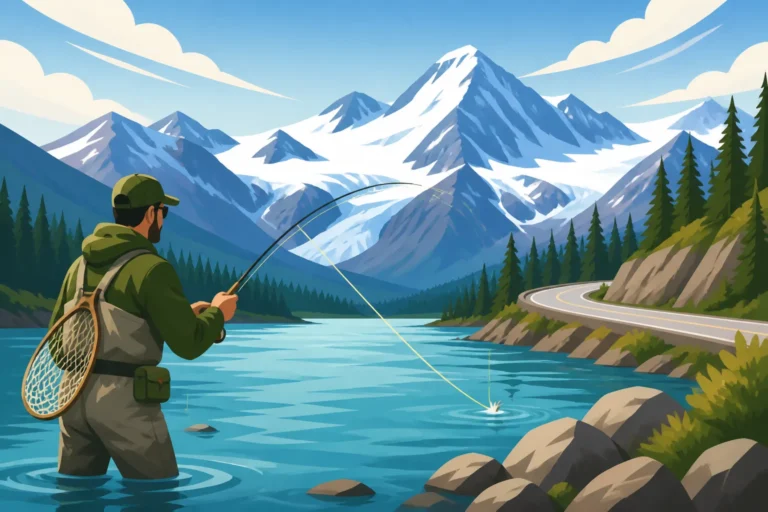
As the river progresses downstream, especially below the town of Kananaskis Village, it opens up into wider sections with more varied structure. Here, you'll find excellent opportunities for dry fly fishing during hatches, nymphing in deeper runs, and streamer fishing for larger, more predatory trout. Access is generally good along Highway 40, with numerous pull-offs and bridge crossings providing entry points. It’s a popular spot for drift boat trips as well, allowing anglers to cover significant stretches of water and access less pressured areas. Understanding current flow conditions, often available from Alberta Environment and Protected Areas, is critical for safety and success on the Kananaskis River. It’s truly one of the Best Fly Fishing Rivers in Alberta, known for its consistent action and stunning surroundings.
The Elbow River
Flowing through the eastern edge of Kananaskis Country, the Elbow River offers a classic mountain stream experience, particularly for westslope cutthroat trout and rainbow trout. This river is known for its beautiful pocket water, riffles, and deeper pools, making it a dream for fly anglers who enjoy technical fishing. The headwaters of the Elbow, deep within the mountains, hold a healthy population of native cutthroat, which are often eager to rise to a dry fly. Further downstream, as the river gains size, rainbow trout become more prevalent.
Access to the Elbow River can vary, with some sections easily reached from Highway 66, which leads into the Elbow Valley, while other areas require hiking or bushwhacking. Due to its popularity and the sensitive nature of the native cutthroat, many sections of the Elbow River have specific regulations, including catch-and-release only and single, barbless hook requirements. It’s a fantastic river for wading, though a Best Waders for Alberta Trout Rivers and a reliable wading staff are essential, especially during higher flows. Anglers typically find success with attractor dry flies, various nymph patterns, and smaller streamers. Fishing the Elbow is a patient angler's game, where precise casts and careful presentations are often rewarded with stunning, wild trout.
Lesser-Known Tributaries and Ponds
Beyond the main rivers and lakes, Kananaskis Valley holds a myriad of smaller, often unnamed tributaries and isolated mountain ponds that can offer truly unique and unpressured fishing experiences. These spots are usually not stocked and rely on natural reproduction, often holding smaller, but wild and incredibly feisty, trout. Access to these areas almost always involves hiking, sometimes deep into the backcountry.
These hidden gems typically hold brook trout, cutthroat trout, or a mix of smaller rainbow trout. The fishing here is often less about trophy size and more about the adventure of discovery and the thrill of catching wild fish in a pristine environment. Ultralight spinning gear or a small pack rod for fly fishing are ideal for these locations. Simple dry flies, small spinners, or tiny jigs can be incredibly effective. Before venturing into these remote areas, it’s critical to have a good map, understand backcountry safety, and be aware of any specific regulations that might apply to these sensitive waters. Sometimes, these lesser-known spots can be located by consulting local experts or fishing forums, but a part of their charm is the effort required to find them. Always ensure you are following the rules and practicing strict catch and release in these fragile ecosystems to preserve them for future generations.
Essential Tips for a Successful Kananaskis Fishing Trip
A trip to Kananaskis Valley for fishing is an unforgettable experience, but proper planning and preparation are key to making it successful and safe.
Gear Up Smart for Mountain Conditions
Mountain weather can be incredibly unpredictable, swinging from warm sunshine to cold rain or even snow within a single day, regardless of the season. Dressing in layers is paramount. Start with a moisture-wicking base layer, add insulating layers, and top it off with waterproof and windproof outerwear. A good quality rain jacket and pants are non-negotiable. Don't forget a hat, gloves, and polarized sunglasses – the latter not just for comfort but for spotting fish in clear mountain waters.
When it comes to fishing tackle, consider the type of fishing you'll be doing. For river trout, a 4-6 weight fly rod is ideal, especially if you're targeting the Bow River or its tributaries; you might even want to check out some suggestions for Best Fly Rods for the Bow River which can be applicable to other Kananaskis streams. If spin fishing, a light to medium-light rod with 4-8 pound test line will cover most situations. Carry a variety of lures, including small spoons, spinners, and jigs for lakes, and a selection of appropriate flies (nymphs, dry flies, streamers) for rivers. A Best Landing Net for Trout with a rubberized mesh is essential for safe, catch-and-release practices, minimizing harm to the fish. Also, don't forget the essentials like sunscreen, insect repellent (especially for evening fishing), a first-aid kit, and enough water and snacks.
Respecting the Environment and Regulations
Kananaskis Valley is a protected natural area, and it's our collective responsibility to keep it pristine. This means practicing "Leave No Trace" principles: pack out everything you pack in, including all trash and discarded fishing line. Avoid disturbing wildlife and give them plenty of space. When wading, be mindful of spawning beds (redds), typically identified as cleared-out, often lighter-colored patches of gravel in the streambed, and avoid walking on them.
As mentioned earlier, understanding and adhering to the Alberta Fishing Regulations Explained is critical. These regulations are designed to protect fish populations and their habitats. Always check zone-specific rules, bait restrictions, and possession limits. For any unique or guided experiences, considering platforms like FishingBooker can sometimes offer insights into local regulations, as professional guides are often well-versed in the specifics of their operating areas. If you're unsure about a rule, err on the side of caution or consult the Alberta Guide to Sportfishing Regulations. Remember, fishing without a license or violating regulations can lead to substantial fines, an Alberta fishing without a license penalty being one of the more common infractions. Your actions directly impact the health and sustainability of these incredible fisheries.
Planning Your Adventure and Accommodations
A Kananaskis fishing trip often requires more than just a day trip, especially if you plan to explore multiple spots or venture into the backcountry. There are various accommodation options, from provincial park campgrounds (book well in advance!) to backcountry campsites, and a few lodges or hotels in and around the Kananaskis Village area or nearby Canmore. Researching these options and booking ahead, especially during peak season, is highly recommended.
For more ambitious trips, like multi-day float fishing on a larger river or exploring remote alpine lakes, consider hiring a local guide. Guides not only provide expertise and increase your chances of success but also ensure you’re fishing legally and safely. You can often find reputable guides through services like FishingBooker, which lists local outfitters and their specialties. Always let someone know your itinerary, especially if you're heading into remote areas. Cell service can be spotty to non-existent in much of the valley, so consider carrying a satellite communication device for emergencies. A well-planned trip, taking into account weather, regulations, safety, and comfort, will make your Kananaskis fishing adventure truly enjoyable and memorable. Don't forget a sturdy Best Cooler for a Fishing Boat or a comparable option if you plan to keep any legal catch to ensure it stays fresh on the journey home.
Disclaimer
The information provided in this guide is for general informational purposes only and is subject to change. Fishing regulations, season dates, and access points can vary and are updated annually by Alberta Environment and Protected Areas. Always consult the most current official Alberta Guide to Sportfishing Regulations and local advisories before planning and commencing any fishing activity. Adherence to all provincial and federal laws is the responsibility of the angler.