Best fishing spots in the Cypress Hills region
Finding the perfect fishing spot in Alberta can often feel like a puzzle, especially when you're looking beyond the well-trodden paths of the Rockies or the major prairie lakes. Many anglers overlook the unique gem that is the Cypress Hills region, a high-elevation plateau that offers fantastic fishing opportunities often surprising to first-time visitors. This comprehensive guide is designed to help you navigate the best fishing spots in this picturesque and often underestimated corner of Alberta, ensuring you spend less time searching and more time casting.
Why Cypress Hills is a Unique Fishing Destination
Nestled like an island in a sea of prairie, the Cypress Hills stand apart from much of Alberta's typical fishing landscape. It's a place where you'll find diverse ecosystems crammed into a relatively small area, offering distinct fishing experiences compared to the mountain streams or vast northern lakes. The elevation and cooler climate create conditions that sustain a different variety of fish and offer a tranquil escape from the bustling city life.
A High-Elevation Oasis on the Prairies
Imagine rolling grasslands suddenly giving way to dense lodgepole pine and spruce forests, dotted with clear, spring-fed lakes and coulees. That's the Cypress Hills for you. Rising sharply from the surrounding prairie, this unique plateau creates its own microclimate, receiving more precipitation and experiencing cooler temperatures than the surrounding plains. This ecological anomaly means that while the rest of southern Alberta might be sweltering in summer, the Cypress Hills offer a refreshing retreat, perfect for a day on the water. The elevation helps maintain cooler water temperatures in its lakes and reservoirs, which is crucial for many fish species, particularly trout, ensuring they remain active and healthy even during warmer months.
Diverse Fish Species in a Unique Ecosystem
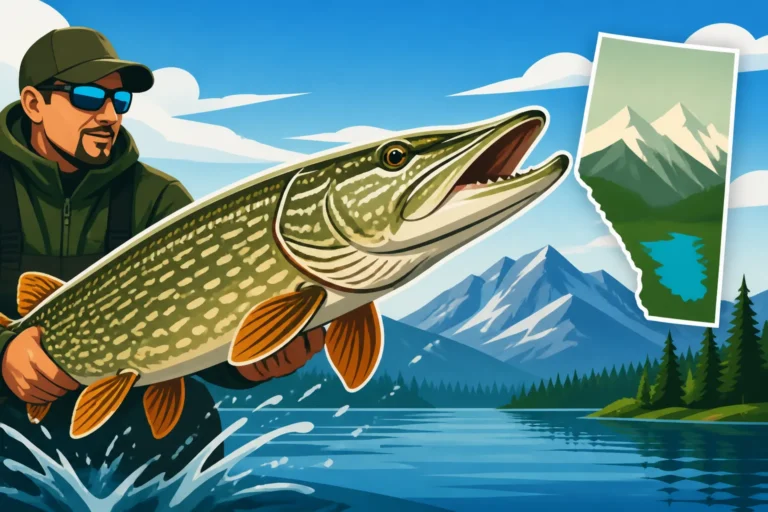
The varied aquatic environments within the Cypress Hills region support a surprising diversity of fish. Unlike some areas dominated by a single species, here you can target several different kinds of fish, often within a short drive of each other. You'll find healthy populations of rainbow trout, often stocked annually by Alberta Environment and Protected Areas, providing excellent sport for both fly and spin anglers. Beyond trout, many of the region's lakes also hold northern pike and yellow perch, offering exciting opportunities for those who enjoy chasing predatory fish or filling a bucket for a delicious fish fry. This unique mix makes Cypress Hills an ideal destination for anglers looking to broaden their catch list without traveling across the entire province.
Top Fishing Lakes in Cypress Hills Provincial Park
Within the provincial park boundaries, several lakes offer easily accessible and rewarding fishing experiences. These spots are popular for a reason, providing good infrastructure, reliable stocking, and beautiful scenery that enhances any day out on the water. Make sure you understand the Alberta Fishing Regulations Explained before you head out, as specific rules can apply to individual lakes.
Elkwater Lake: Family-Friendly Fun
Elkwater Lake is perhaps the most well-known and accessible fishing destination within the Cypress Hills Provincial Park. Situated right next to the townsite of Elkwater, it's a hub of activity in the summer, offering camping, swimming, and, of course, fishing. This lake is primarily known for its yellow perch and northern pike, making it a fantastic spot for anglers of all ages and skill levels.
For families with young children, Elkwater Lake is a dream. The easily accessible shoreline, often with docks and designated fishing areas, makes it safe and convenient. Kids can have a blast reeling in feisty yellow perch using simple setups like a bobber, a small hook, and a piece of worm. The perch here aren't usually massive, but they're abundant and provide consistent action, keeping boredom at bay. Imagine a sunny afternoon, the kids giggling as they pull in perch after perch, creating memories that last a lifetime. For those targeting northern pike, try casting spoons or spinnerbaits near the weed beds that line the lake's edges, especially in the shallower bays. Pike can grow to a respectable size in Elkwater, offering a thrilling fight on lighter gear. Many anglers find that early mornings or late evenings provide the best pike action, as these toothy predators move into shallower water to feed.
Reesor Lake: Rainbow Trout Paradise
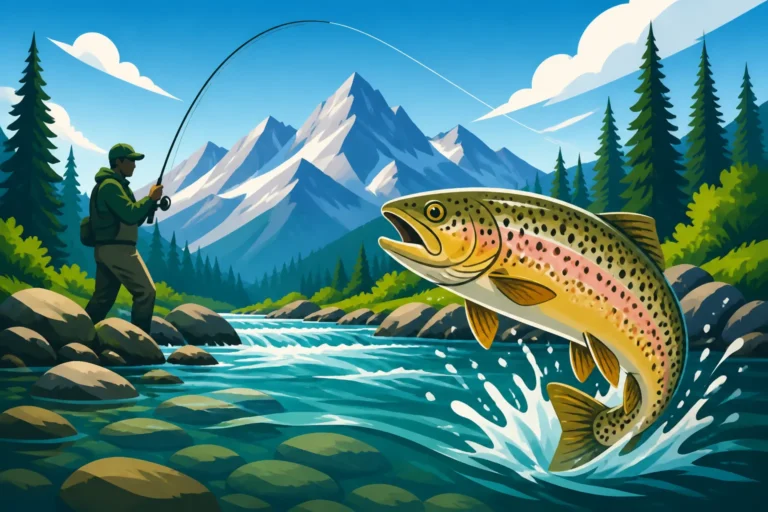
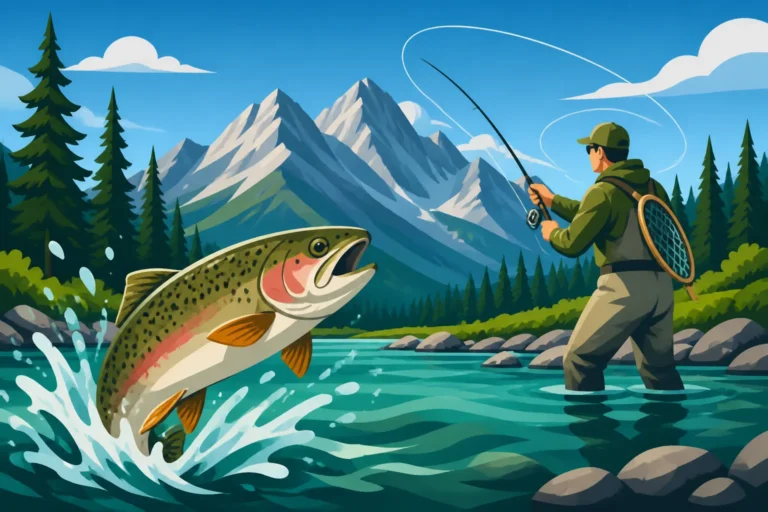
A short drive from Elkwater, Reesor Lake offers a more serene and focused trout fishing experience. This beautiful, clear lake is regularly stocked with rainbow trout, making it a top choice for those looking to target this spirited species. The calm waters and picturesque surroundings make it perfect for both fly-fishing enthusiasts and spin-casters.
Reesor Lake’s clear waters demand a bit more finesse, especially from shore. Fly anglers often do well using nymphs or small streamers, mimicking the lake's abundant insect life. During warmer months, keep an eye out for hatches, as dry fly action can be incredible, with trout rising to gulp down flies from the surface. For spin-casters, small inline spinners, spoons, or even a simple worm under a bobber can be effective. Try fishing from a canoe, kayak, or small boat to access deeper waters and weed lines where larger trout often cruise. You might find that early spring, right after ice-out, and late fall, before the lake freezes, are prime times for landing some of the larger, holdover rainbows. When planning your trip, consider checking out the Spring Trout Fishing Techniques for Alberta Streams for tips that can be adapted to Reesor Lake.
Spruce Coulee Reservoir: Pike and Perch Action
For anglers looking for another excellent spot primarily for northern pike and yellow perch, Spruce Coulee Reservoir is a strong contender. Located west of Elkwater, this reservoir offers a slightly different fishing environment than Elkwater Lake, often feeling a bit more secluded and wild. It's a popular destination for both open-water fishing and, when conditions allow, ice fishing.
Spruce Coulee Reservoir is known for its healthy populations of pike, which can grow quite large here, offering a challenging and rewarding fishing experience. Anglers often find success casting larger spoons, swimbaits, or even dead bait under a float in the deeper areas or along submerged structure. The yellow perch here are also abundant and can be targeted with small jigs tipped with bait or soft plastics. During the winter, when the ice is safe, Spruce Coulee becomes a popular spot for Ice Fishing in Alberta. Anglers brave the cold for a chance to jig for perch or set up tip-ups for pike. Remember to always check ice conditions and local regulations before venturing out. The reservoir's layout, with its numerous points and bays, provides plenty of structure for fish to hide, so moving around and exploring different depths can often lead to greater success.
Beyond the Park: Other Waters to Explore
While the main lakes within Cypress Hills Provincial Park offer fantastic fishing, don't limit your exploration. The surrounding region, though seemingly dry prairie, also holds a few lesser-known gems that can provide excellent angling opportunities, particularly for those willing to venture a bit further.
Local Ponds and Small Reservoirs
Venturing beyond the immediate park boundaries can lead you to some hidden treasures. The region around Medicine Hat and further into southeastern Alberta features several smaller reservoirs and irrigation ponds. While not directly in the Cypress Hills, they are part of the broader regional landscape and offer alternative fishing experiences. Many of these ponds are stocked with trout, while others hold populations of pike and perch, sometimes even walleye. For instance, Bullshead Reservoir, located west of Medicine Hat, is known for its pike and perch. While less picturesque than the park lakes, these spots can be very productive and often see less pressure.
These smaller bodies of water often require a bit more local knowledge, but a quick search on MyWildAlberta’s stocked waters program or inquiries at local tackle shops can reveal some surprisingly good spots. Fishing in these ponds can be a great way to experience different angling challenges, from small, feisty stocked trout to larger, more elusive pike lurking in weedy corners. Techniques are generally straightforward: try worms or powerbait for trout, and various spoons or spinnerbaits for pike and perch. These spots are perfect for a quick, impromptu fishing trip when you're in the area and have an hour or two to spare. When planning your trip, you might find useful resources on platforms like FishingBooker to connect with local guides who specialize in these lesser-known spots, or at least get insights into current fishing conditions.
Essential Tips for Fishing Cypress Hills
Successfully navigating the fishing opportunities in the Cypress Hills region requires a bit of preparation and understanding of local conditions. From knowing the rules to having the right gear, these tips will help ensure your trip is both enjoyable and productive.
Understanding Regulations and Seasons
Alberta's fishing regulations are designed to protect fish populations and ensure sustainable angling for everyone. Before you cast a single line in the Cypress Hills, it’s absolutely critical to consult the current Alberta Guide to Sportfishing Regulations. These regulations detail specific rules for each water body, including species limits, bait restrictions, and season dates. For example, while some lakes might be open year-round, others may have specific opening and closing dates, especially for certain species or in conservation zones.
Always double-check the Alberta Fishing Season Dates by Zone to ensure you're compliant. Most of the Cypress Hills region falls within the Southern Zone, but specific lake regulations can vary significantly. For instance, some waters might have a "zero possession" limit for certain species to aid in their recovery, meaning any fish caught must be immediately and safely released. Additionally, understanding Alberta Bag and Possession Limits by Species is paramount. Exceeding these limits can lead to hefty fines, so it's always best to err on the side of caution. Keeping a digital copy of the regulations on your phone or a physical copy in your tackle box is a smart move for any angler in Alberta.
Gear Recommendations for Cypress Hills Waters
The diverse fishing opportunities in Cypress Hills mean a varied tackle selection will serve you well. You won't need specialized ocean fishing gear, but a thoughtful choice of rods, reels, lines, and lures will make a big difference.
For trout in lakes like Reesor, a light to medium-light spinning rod (6-7 feet) paired with a 2000-2500 series reel spooled with 6-8 lb monofilament or fluorocarbon line is ideal. Small inline spinners (like Panther Martins or Mepps), spoons (Little Cleos, Daredevils), and a selection of worms or PowerBait will cover most situations. Fly anglers should consider a 4-6 weight fly rod with a floating line for nymphing and dry flies, and possibly a sink-tip line for streamers. When targeting Northern Pike in Elkwater or Spruce Coulee, you'll want something a bit more robust. A medium to medium-heavy spinning or baitcasting rod (6.5-7.5 feet) with a 3000-4000 series reel or a baitcaster spooled with 10-20 lb braided line and a strong fluorocarbon or wire leader is recommended. Pike have sharp teeth, so a leader is non-negotiable! Larger spoons (Five of Diamonds, Len Thompson), spinnerbaits, and swimbaits are excellent choices. For yellow perch, a light action rod with small jigs tipped with a piece of worm or a small soft plastic will bring plenty of action. Don't forget essentials like a good pair of pliers for hook removal, a landing net, and plenty of bug spray, especially during peak summer months. If you're considering a more mobile approach, reviewing the Best Kayaks for Alberta Fishing might give you ideas for accessing those harder-to-reach spots.
Local Knowledge and Resources
While guides like this provide a great starting point, nothing beats up-to-date local knowledge. Conditions on the water can change quickly, from water levels to recent fish activity, and local experts are often the first to know.
Before heading out, consider stopping at a local tackle shop in nearby communities like Elkwater or Medicine Hat. The staff there are usually avid anglers themselves and can offer invaluable tips on what's biting, what lures are working, and any recent regulation changes. They can also provide insights into lesser-known access points or conditions on less-frequented waters. Websites like MyWildAlberta are also excellent resources for information on stocking reports, lake profiles, and current regulations. Furthermore, connecting with local angling groups or online forums can provide a community of experienced anglers willing to share their knowledge. If you prefer a guided experience, especially if you're new to the area or targeting a specific species, platforms like FishingBooker can help you find local fishing guides who specialize in the Cypress Hills region, ensuring you make the most of your time on the water.
Here’s a quick overview of some top spots in the Cypress Hills region:
| Lake/Reservoir | Primary Species Targeted | Best Fishing Methods | Notes |
|---|---|---|---|
| Elkwater Lake | Northern Pike, Yellow Perch | Spoons, Spinnerbaits (Pike); Worms, Jigs (Perch) | Family-friendly, easily accessible, amenities. |
| Reesor Lake | Rainbow Trout | Nymphs, Dry Flies, Small Spinners, Spoons, Bait | Great for fly fishing, serene setting, stocked. |
| Spruce Coulee Reservoir | Northern Pike, Yellow Perch | Larger Spoons, Swimbaits, Jigs, Dead Bait | Good for larger pike, ice fishing potential. |
| Bullshead Reservoir | Northern Pike, Yellow Perch, (some Walleye) | Spoons, Spinnerbaits, Jigs | Located outside park, less pressure, can be productive. |
Disclaimer
The information provided in this guide is for general informational purposes only and is subject to change. Fishing regulations, season dates, and access points can vary and are updated periodically by Alberta Environment and Protected Areas. Always consult the official Alberta Guide to Sportfishing Regulations before planning your fishing trip to ensure compliance with all current rules and regulations. Fishing involves inherent risks; always prioritize safety on and around the water.