Athabasca River best fishing access
The vastness of the Athabasca River can be both its greatest allure and its most intimidating challenge for anglers. Spanning hundreds of kilometers through diverse landscapes, knowing exactly where to drop a line or launch a boat can feel like finding a needle in a haystack. This guide is designed to cut through that confusion, pinpointing the best, most accessible fishing spots along the Athabasca River, helping you plan your next Alberta angling adventure with confidence.
Understanding the Athabasca River Fishery
The Athabasca River isn't just one type of river; it's a dynamic system that changes dramatically as it flows from the icefields of Jasper National Park all the way to Lake Athabasca. This incredible diversity means that the fishing opportunities, and consequently, the best access points, vary significantly depending on which section of the river you're hoping to explore. You might be targeting different species, using entirely different techniques, and even needing different equipment depending on your chosen stretch.
General Characteristics and Fish Species
Starting high in the mountains, the Athabasca is a classic clear, cold, fast-flowing glacier-fed river, teeming with various trout species. As it descends through the foothills and then flattens out into the boreal forest, it broadens, warms slightly, and picks up sediment, transforming into a wide, powerful, and often turbid system more characteristic of a prairie river. This shift impacts everything, from the clarity of the water to the dominant fish species you'll encounter.
In its upper reaches, particularly within Jasper National Park and the areas immediately downstream, you're looking at prime trout water. Rainbow trout, brook trout, and the prized native bull trout call these cold, oxygen-rich waters home. As you move further downstream, around areas like Hinton and Whitecourt, the river begins to transition. Here, you'll still find some hearty mountain whitefish, but you'll increasingly encounter species like walleye, northern pike, burbot, and goldeye. These species thrive in the slightly warmer, more nutrient-rich, and often cloudier waters of the middle and lower Athabasca. For those curious about the various trout, our guide on Trout Species Identification Guide for Alberta can be incredibly helpful in distinguishing your catches. Understanding these regional shifts is crucial for successful fishing, as a technique that works wonders for trout near Jasper won't likely yield results for walleye near Athabasca town.
Seasonal Considerations and River Conditions
The Athabasca River is heavily influenced by seasonal changes, which in turn dictate the best times to fish and the accessibility of different areas. Spring, particularly April and May, often brings significant snowmelt and glacial runoff, leading to high, cold, and extremely turbid water. This "runoff season" can make fishing challenging, as fish scatter and visibility is poor, though some species like pike might be active in back channels or calmer bays.
By late spring and early summer (June-July), as runoff subsides and the water levels stabilize, fishing often improves. The water warms, and insect hatches or baitfish movements become more consistent. This is prime time for walleye and pike in the middle and lower sections, while the mountain stretches offer excellent trout action. However, always be aware of potential summer thunderstorms which can cause sudden rises in water levels and increased turbidity. For a comprehensive look at when to hit the waters, check out our article on Alberta Fishing Seasons by Zone and Month. Fall (September-October) is a fantastic time on the Athabasca, with clearer, cooler water, fewer bugs, and active fish feeding heavily before winter. This is when some of the biggest walleye and pike can be caught, and trout fishing in the upper sections can be exceptional. Winter ice fishing, while less common on the main stem due to dangerous currents, can be productive in calmer backwaters or tributaries.
Prime Access Points for Athabasca River Anglers
Given the Athabasca's vastness, breaking down access by geographic zone makes the most sense. From the pristine headwaters to the expansive northern stretches, each area offers a unique angling experience and distinct access challenges. Planning your trip means considering not just what you want to catch, but also how you intend to access the water and what level of adventure you're seeking.
Upper Reaches Jasper National Park Area
Fishing within Jasper National Park is an experience unto itself, offering stunning mountain scenery and the chance to catch pristine trout. However, it comes with strict regulations designed to protect the delicate ecosystem and native fish populations. You'll need a National Park fishing permit in addition to your provincial Alberta fishing license, and often, regulations are catch-and-release only, especially for sensitive species like bull trout. Our guide on Jasper National Park Fishing Guide details these regulations thoroughly.
Access points in the park are often well-marked near popular attractions. For example, there are areas near Athabasca Falls or easy bank access points directly within or just outside the townsite of Jasper. These spots provide opportunities for fly fishing or light spin fishing for rainbow and brook trout. Wading is often possible in these shallower, clearer sections, but always exercise extreme caution due to strong currents and slippery rocks. Remember, bull trout often have a Alberta Bull Trout Zero Possession Rule, meaning they must be released unharmed.
Hinton and Whitecourt Zones
Moving east out of Jasper National Park, the river transitions into a more accessible and often more productive fishery for species other than trout. The towns of Hinton and Whitecourt act as excellent staging points for anglers looking to target walleye, northern pike, burbot, and goldeye.
Near Hinton, you'll find a well-maintained Athabasca River boat launch, often bustling with activity during peak season. This area offers good bank fishing opportunities around town, especially in areas where slower currents create eddies or where tributaries meet the main river. Downstream towards Whitecourt, the river becomes even more diverse. Whitecourt is notable for being at the confluence of the Athabasca and the Pembina Rivers, a renowned walleye hotspot. There are multiple boat launches here, providing ample access for those with larger boats. Shore access is also plentiful, particularly in municipal parks or designated recreational areas. This section of the river, with its varied structure and abundant baitfish, is where the Athabasca really starts to shine for warm-water species. For those looking specifically at the Pembina, our article on Pembina River Walleye Fishing has even more detailed insights. If you're unfamiliar with these stretches, finding a local guide through a service like FishingBooker can significantly enhance your experience, helping you navigate the waters and pinpoint active fish.
Downstream to Fort McMurray
As the Athabasca continues its journey north and east, it grows in size and becomes significantly more remote. Access points become fewer and farther between, often requiring more planning and robust equipment. Areas around Athabasca town offer some public boat launches and park access points, providing good opportunities for walleye, pike, and burbot fishing. However, beyond this, you're looking at longer stretches of wilderness.
For the adventurous angler, this means incredible opportunities for multi-day float trips, where you can experience pristine wilderness fishing. These trips often require careful planning, suitable watercraft (like jet boats or large inflatables), and a good understanding of river navigation. Access points for these longer trips might be unimproved gravel ramps or even just roadside pull-offs suitable for launching canoes or kayaks. The size of the river in these lower stretches means that larger, more powerful boats are often necessary to cover water effectively and safely. For those looking to explore truly remote waters, particularly further north, it's worth noting that services like FishingBooker can help connect you with outfitters that specialize in these wilderness excursions, often providing fly-in access to some of the most untouched fishing grounds. While not strictly Athabasca River, our guide to Best remote fly-in fishing lakes in northern Alberta might give you an idea of the kind of remote adventures available in the region.
Navigating the Athabasca: Boat, Shore, and Wading
The Athabasca River presents different challenges and opportunities for anglers depending on their preferred method of access. Each approach, whether by boat, from the shore, or by wading, requires specific considerations regarding safety, equipment, and technique. Understanding these nuances is key to a successful and enjoyable trip.
Boat Launch Facilities and Considerations
For many anglers, particularly those targeting walleye and pike in the middle and lower sections, a boat is almost essential for covering water and accessing prime fishing structure. Fortunately, several towns along the river provide reliable boat launch facilities. In Hinton, the Athabasca River boat launch is a popular, well-maintained option. Whitecourt boasts multiple launches, offering good access to both the main river and the Pembina River confluence. Further downstream in the town of Athabasca, you'll find additional public launches.
When choosing a boat, consider the section of the river you'll be fishing. The upper Athabasca, with its shallower, rockier sections, might be navigated by smaller jet boats or even canoes and kayaks. However, as the river widens and deepens further east, larger, more stable craft become advisable. Always prioritize safety: strong currents, submerged hazards, and rapidly changing weather conditions are common on large rivers. Ensure your boat is equipped with all required safety gear, including enough Life Jacket Requirements for Alberta Boaters for everyone onboard. A reliable motor is non-negotiable, and it's always wise to have a backup plan or a second motor for remote excursions.
Accessible Shore Fishing Spots
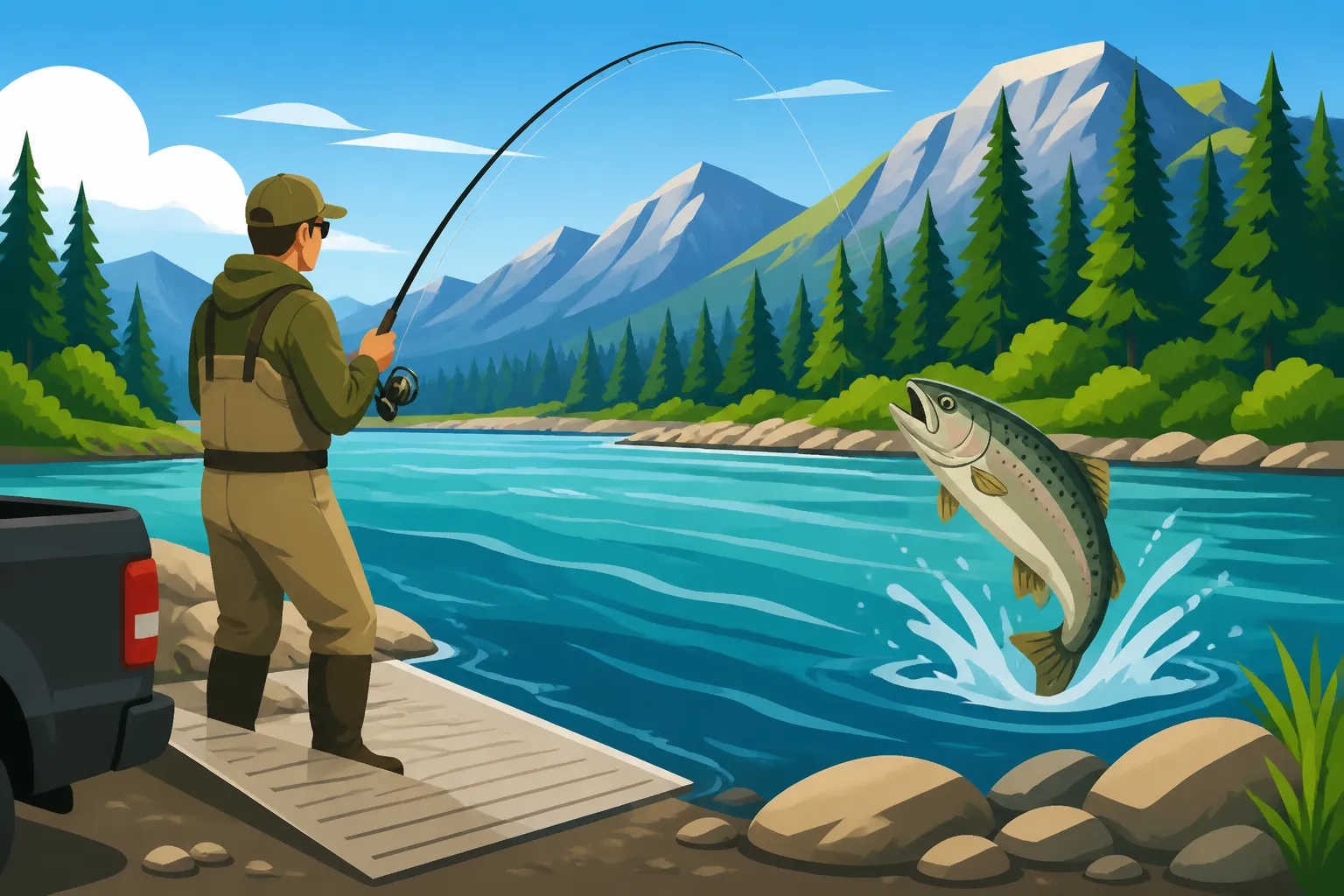
Not everyone has a boat, and thankfully, the Athabasca still offers plenty of opportunities for shore anglers. While you won't be able to access every honey hole, strategic spots can yield fantastic results. Look for areas with public land access, such as provincial parks, municipal parks, or designated recreation areas near towns like Hinton, Whitecourt, and Athabasca.
When fishing from shore, target areas where the current slows down, such as eddies, inside bends, or behind large obstructions like fallen trees or rock formations. These spots often concentrate baitfish and provide ambush points for predatory species. Bridge crossings can also be productive, offering both access and unique current dynamics. Always be mindful of private property and respect landowners. A good pair of polarized sunglasses will help you spot submerged structure and potential fish habitats. If you're looking for more general advice on fishing without a boat, our guide to Best Shore Fishing Spots in Alberta provides broader tips that apply well to the Athabasca's accessible banks.
Wading Opportunities and Safety
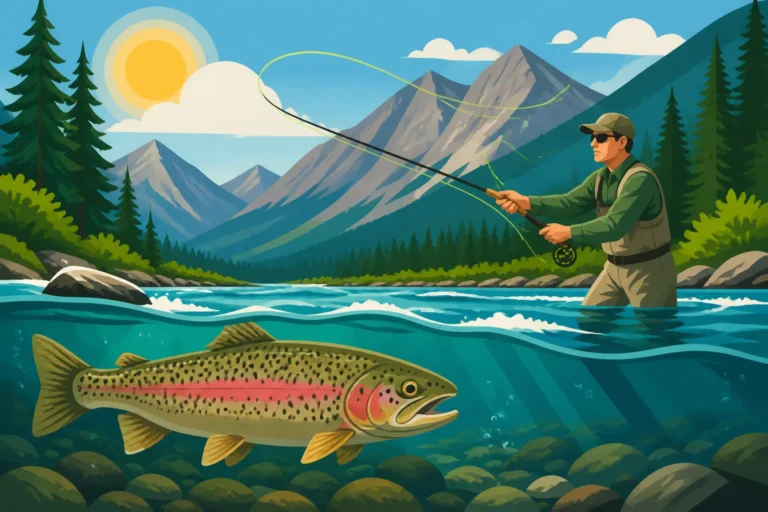
Wading on the Athabasca is generally more feasible and safer in its upper, narrower, and clearer reaches, particularly within and just outside Jasper National Park. Here, the river is less wide and can offer excellent opportunities for fly fishing or light spin fishing for trout and whitefish. Look for riffles, runs, and pool formations that indicate good holding water for these species.
As you move downstream, the river becomes considerably wider, deeper, and more powerful, making extensive wading highly dangerous or impossible. Even in the upper sections, strong currents and slippery, uneven river bottoms pose significant risks. Always use a sturdy wading staff for balance and stability. Cleated boots or studded soles are essential for traction on slippery rocks. A personal flotation device (PFD) is highly recommended, even in seemingly calm water, as conditions can change rapidly. Never wade alone, and always let someone know your plans. Understanding proper gear is critical, and our article on the Best Waders for Alberta Trout Rivers can help ensure you're equipped for safe wading.
| Athabasca River Section | Primary Access Type(s) | Key Fish Species | Suitable Fishing Methods | Notes |
|---|---|---|---|---|
| Upper Reaches (Jasper) | Shore, Wading | Rainbow, Brook, Bull Trout, Mountain Whitefish | Fly Fishing, Light Spin | National Park permit needed, often C&R only, swift current |
| Hinton to Whitecourt | Boat Launch, Shore | Walleye, Pike, Burbot, Goldeye, Mountain Whitefish | Spin Casting, Trolling, Jigging | Good infrastructure, diverse fishery, often busy |
| Whitecourt to Athabasca Town | Boat Launch, Shore | Walleye, Pike, Burbot, Goldeye | Spin Casting, Trolling, Jigging, Float Fishing | Wider river, good for larger boats, some remote sections |
| Downstream from Athabasca Town | Boat Launch (limited), Multi-day Floats | Walleye, Pike, Burbot, Goldeye | Trolling, Jigging, Multi-day Fly-in/Float trips | More remote, requires robust boat/planning, wilderness experience |
Essential Tips for Athabasca River Anglers
Fishing the Athabasca River is a rewarding experience, but like any large, wild system, it demands respect, preparation, and adherence to regulations. Taking the time to understand the rules and equip yourself properly will not only improve your chances of success but also ensure your safety and contribute to the conservation of this incredible natural resource.
Regulations and Conservation
Before even thinking about casting a line, you absolutely must consult the current Alberta Guide to Sportfishing Regulations. These regulations are updated annually and are often highly zone-specific, with different rules for different sections of the Athabasca. For instance, specific reaches might have special possession limits, bait restrictions, or even designated catch-and-release only sections. The rules can be a bit daunting to sift through, but our article on Reading the Alberta Guide to Sportfishing Regulations provides a great overview, and the official guide is available online or at most license vendors.
Pay particular attention to species-specific regulations, especially for walleye. Alberta runs a Alberta Walleye Special Harvest Licence Program in some areas, which means you can only keep walleye if you've won a draw. Bull trout, a native species, are generally managed under a strict zero possession rule throughout Alberta to aid in their recovery, so if you happen to catch one, ensure a quick and safe release. Understanding and respecting these rules is not just about avoiding fines; it's about protecting the future of this amazing fishery for everyone. Ignorance of the law is never an excuse, so do your homework! Our broader guide on Alberta Fishing Regulations Explained can also help clarify general rules.
Recommended Gear and Tackle
The diverse nature of the Athabasca River means that a versatile tackle setup is your best friend. For the middle and lower sections targeting walleye and pike, a medium-heavy spinning or casting rod paired with a reliable reel spooled with 10-20 lb braided line (and a fluorocarbon leader) will serve you well. Effective lures include jigs (especially with soft plastics), crankbaits, and spoons. For the upper trout-focused sections, a 5-6 weight fly rod with a selection of nymphs, streamers, and dry flies is ideal, or a light spinning rod with small spinners and spoons. You can get more specific insights into what works for walleye in our guide to Best Tackle for Alberta Walleye.
Beyond fishing specific tackle, safety gear is paramount. Always carry a well-stocked first-aid kit, bear spray (especially in the upper, more wilderness sections), and reliable communication devices (satellite messenger or spot device for remote areas). A PFD is non-negotiable, whether you're in a boat or wading. Water, snacks, extra layers of clothing, and proper sun protection are also critical, as weather conditions can change quickly. It’s always best to be over-prepared when venturing onto a large, wild river like the Athabasca.
Hiring a Guide for a Better Experience
For those less familiar with the Athabasca River, or for anyone looking to maximize their time on the water, hiring an experienced local fishing guide is an investment that pays dividends. A good guide offers invaluable local knowledge, knowing precisely where the fish are holding, what they're biting on, and how to safely navigate the river. They often provide all the necessary specialized gear, from boats to tackle, taking the guesswork out of your preparation.
Guides are also intimately familiar with the complex and ever-changing regulations, ensuring you stay compliant and avoid any unintended infringements. They can teach you specific techniques tailored to the Athabasca's unique conditions, dramatically increasing your catch rates and overall enjoyment. Whether you're after a trophy walleye, a feisty pike, or a pristine mountain trout, a guide can put you on fish that you might otherwise miss. Services like FishingBooker are excellent resources for finding reputable and experienced Athabasca River fishing guides, allowing you to browse options, read reviews, and book with confidence, ensuring a safe and productive day on the water.
Disclaimer
The information provided in this guide is for general informational purposes only and is subject to change. Anglers are solely responsible for understanding and complying with all current Alberta fishing regulations, license requirements, and safety guidelines as set by Alberta Environment and Protected Areas and Parks Canada. Always consult the official Alberta Guide to Sportfishing Regulations and any relevant park regulations before fishing. Fishing involves inherent risks, and caution should always be exercised.